

Hearing Aids Not Working Properly? Common Problems and How to Fix Them
Hearing aids are essential devices that help people with hearing loss communicate more comfortably and enjoy everyday activities. However, like other electronic devices, they can sometimes develop problems that affect their performance. You might experience weak sound, unwanted whistling, sudden disconnections or no sound at all.
The good news is that many hearing aid problems have simple causes and can be resolved with basic troubleshooting. Understanding Why are My Hearing Aids Not Working? Common Problems and Fixes ↗ can help you identify issues and know when professional assistance is needed.
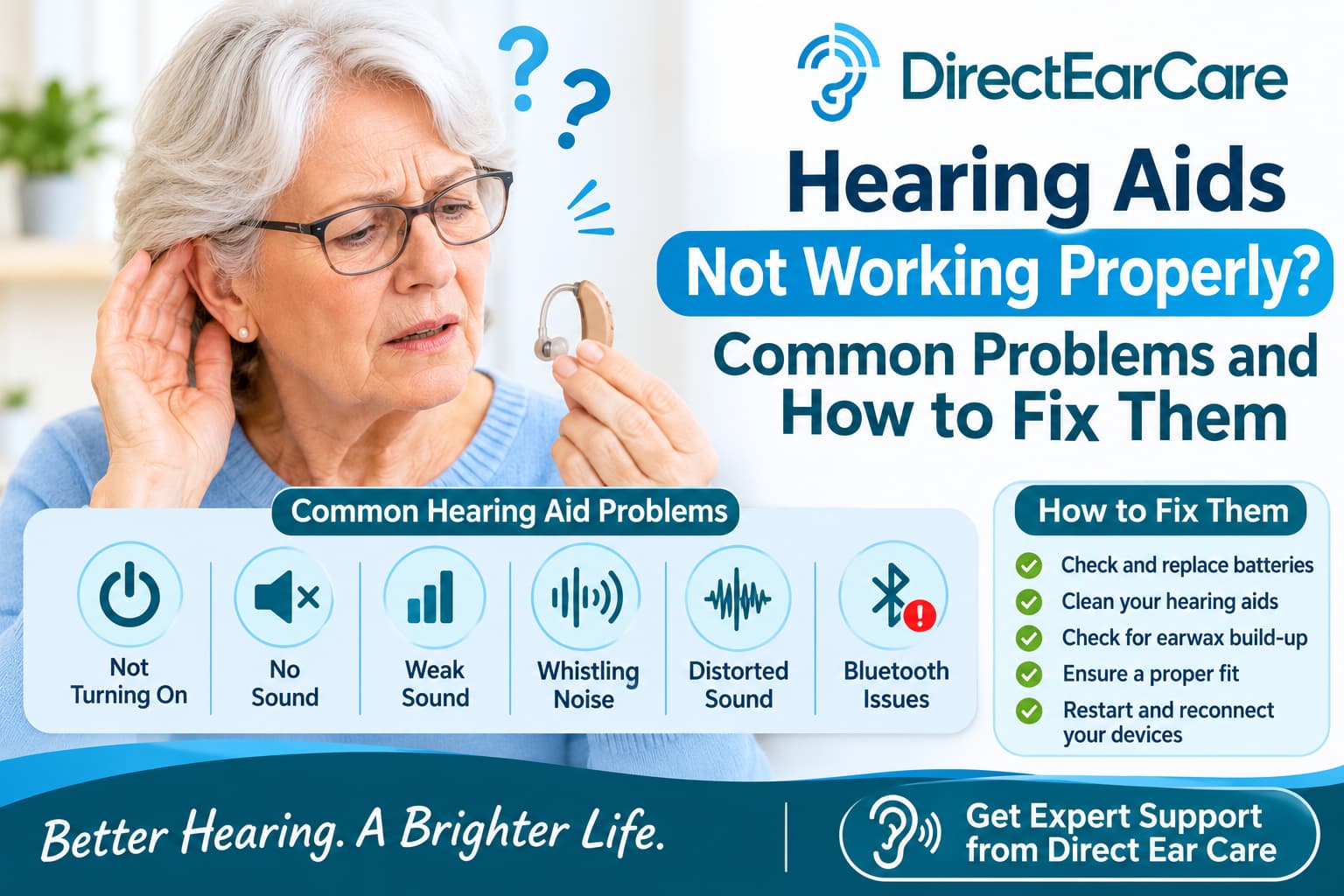
1. Hearing Aids Are Not Turning OnOne of the most common problems is a hearing aid that will not switch on. This is often caused by a flat battery, incorrect battery placement or a charging issue.
Possible solutions:
Replace disposable batteries with fresh ones.Check that the battery is inserted correctly.Ensure rechargeable hearing aids are properly positioned in their charger.Check that the charging case is connected to a power source.2. Hearing Aids Are On but Producing No SoundIf your hearing aids appear to be working but you cannot hear anything, the sound outlet or wax filter may be blocked.
Possible solutions:
Inspect the dome, earmould and wax filter for earwax or debris. Clean the device using the manufacturer's recommended cleaning tools. Replace blocked filters or domes when necessary. Also, check whether the device has accidentally been muted.
3. Weak or Muffled SoundSometimes hearing aids produce sound, but it seems quieter or less clear than usual. Earwax build-up, moisture or changes in your hearing could be responsible.
Clean the hearing aids carefully, check the microphone openings and replace clogged filters. If the problem continues, arrange a professional hearing assessment to check whether your hearing aid settings need adjustment.
4. Whistling or Feedback NoiseA high-pitched whistling sound can be frustrating, especially during conversations. This commonly happens when hearing aids do not fit properly or sound escapes around the device.
Try reinserting your hearing aids and checking the dome for damage. Earwax in the ear canal can also contribute to feedback, so professional ear examination may be helpful.
5. Crackling or Distorted SoundCrackling noises can result from weak batteries, moisture or damaged components such as wires and tubes.
Try replacing the batteries or fully charging rechargeable devices. If your hearing aids have become wet, remove them, wipe them carefully and use a suitable drying box according to the manufacturer's instructions.
Avoid using hairdryers or placing hearing aids near radiators, as excessive heat can damage them.
6. Bluetooth Connection ProblemsModern hearing aids often connect to smartphones and other compatible devices. Sometimes, Bluetooth connections become unstable or stop working.
Check that Bluetooth is enabled on your phone and hearing aids. Restart both devices and try pairing them again by following the manufacturer's instructions.
How to Prevent Hearing Aid ProblemsRegular maintenance can help keep your hearing aids working effectively. Follow these simple habits:
Clean your devices regularly using recommended tools.Keep hearing aids away from excessive moisture.Store them safely when not in use.Keep batteries charged and charging contacts clean.Arrange regular hearing aid maintenance appointments.When Should You Seek Professional Help?If your hearing aids continue producing distorted sounds, stop working, whistle frequently or become less effective despite basic troubleshooting, contact your hearing care provider.
An audiologist can inspect the device, identify technical faults, check its fitting and determine whether your hearing requirements have changed.
Get Expert Hearing Aid Support from Direct Ear CareHearing aid problems should not prevent you from enjoying clear and comfortable communication. Direct Ear Care offers professional hearing assessments, hearing aid fitting, maintenance guidance and ongoing aftercare to help you get the best from your devices.
If you are experiencing persistent hearing aid problems, professional advice can help identify the cause and find a suitable solution.
Take care of your hearing aids and enjoy better hearing support with Direct Ear Care.