

How Often Should Adults Have Their Hearing Checked? A Complete Guide
Hearing plays an important role in everyday communication, relationships, and overall well-being. However, hearing loss can develop gradually, making it difficult to recognise the early signs. Regular hearing checks help identify potential problems and allow adults to take appropriate steps to maintain their hearing health.
Why Are Regular Hearing Checks Important?Many adults assume that hearing tests are only necessary when they experience noticeable hearing difficulties. In reality, changes can occur slowly over time due to ageing, prolonged exposure to loud noise, certain medical conditions, or earwax build-up.
A hearing assessment can help identify these changes before they begin to interfere significantly with daily activities. Early detection also allows hearing professionals to recommend suitable solutions based on individual needs.
How Often Should Adults Have Their Hearing Checked?The frequency of hearing tests depends on age, lifestyle, medical history, and exposure to noise. Adults aged 50 and above may benefit from routine hearing assessments every two to three years if they have no noticeable symptoms. People who regularly work in noisy environments or attend loud concerts may need more frequent checks, potentially every year.
If you are wondering, How Often Should Adults Have Their Hearing Checked ↗, remember that these are general guidelines rather than fixed rules. Anyone experiencing changes in hearing should arrange an assessment sooner, regardless of age.
Signs You May Need a Hearing TestRecognising the early warning signs of hearing loss can help you seek support at the right time. Consider booking a hearing assessment if you:
Frequently ask others to repeat themselves.Struggle to understand conversations in crowded places.Regularly increase the television or phone volume.Experience persistent ringing or buzzing in your ears.Find telephone conversations increasingly difficult.Notice that sounds seem muffled or unclear.Sudden hearing loss requires urgent medical assessment and should never be ignored.
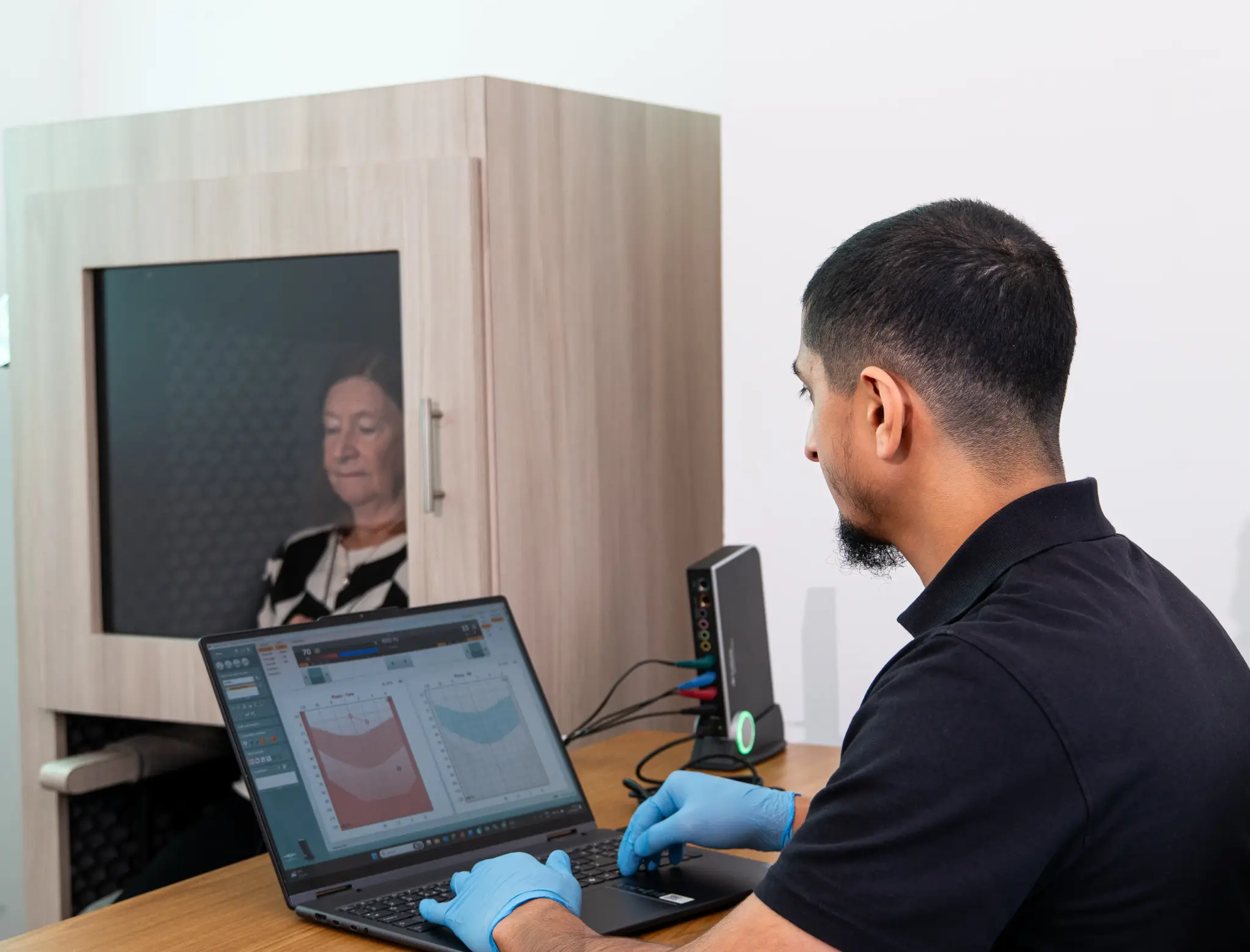
What Happens During a Hearing Assessment?A hearing check usually begins with questions about your medical history, lifestyle, and any hearing difficulties. A hearing professional may examine your ears to identify potential issues, including earwax accumulation.
Depending on your needs, you may undergo hearing tests to assess your ability to detect different sound frequencies. Your results will help the professional explain your hearing health and discuss suitable next steps.
If earwax is affecting your hearing, professional removal may help. If hearing loss is identified, hearing aids or other appropriate options may be discussed.
How Can You Protect Your Hearing?Simple everyday habits can help reduce the risk of noise-related hearing damage. Keep headphone volumes at a comfortable level, wear suitable hearing protection around loud machinery, and take breaks from noisy environments whenever possible.
Avoid inserting cotton buds or other objects into your ear canals, as these can push wax deeper and potentially cause injury. If you experience persistent ear discomfort or blocked ears, seek professional advice.
Book a Hearing Check with Direct Ear CareTaking care of your hearing starts with understanding your individual needs. Direct Ear Care offers hearing assessments, professional earwax removal, and guidance on suitable hearing aids. Home visit options may also be available for people who prefer hearing care in their own surroundings.
Regular checks can help you stay informed about your hearing and address concerns before they affect everyday communication.