

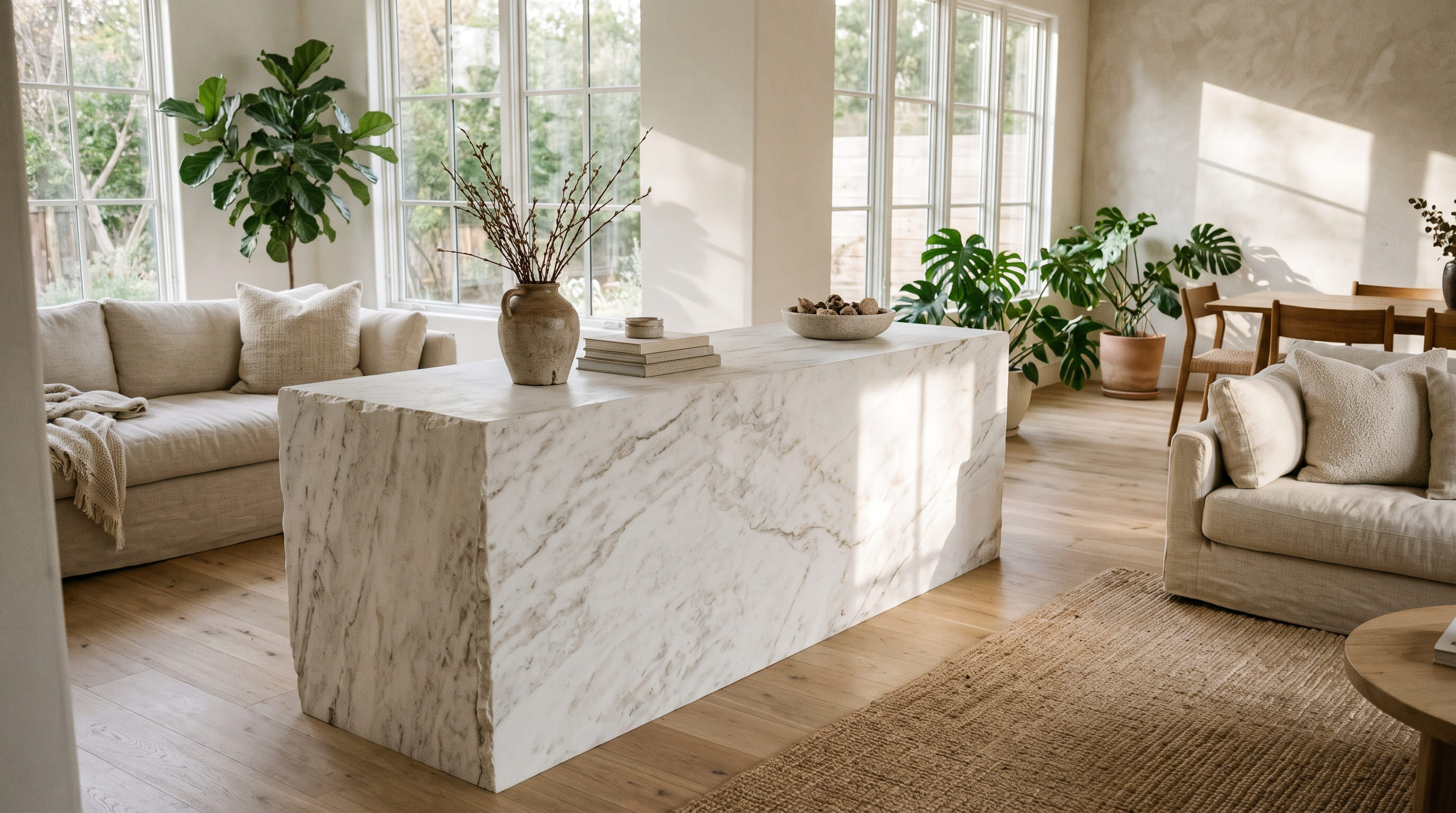
How to Choose Natural Materials for a Timeless, Low-Maintenance Home Interior
A beautiful home is not just about choosing attractive furniture or following the latest design trends. The materials used throughout a space have a major influence on how it looks, feels, and performs over time. Natural materials, in particular, can bring warmth, texture, and character to an interior while creating a connection with the outdoors.
From stone countertops and wooden flooring to linen upholstery and clay accessories, these materials offer plenty of opportunities to create a home that feels welcoming and individual. The key is knowing which materials work best in each room and how to balance appearance with everyday practicality.
Whether you're renovating a single room or planning a complete interior refresh, choosing materials carefully can help you create a space that remains attractive and functional for years.
Why Natural Materials Work So Well in Home InteriorsNatural materials have qualities that are difficult to reproduce with synthetic alternatives. Wood has distinctive grain patterns, stone features individual veining and color variations, and natural fabrics often have subtle textures that make a room feel more layered.
These details can make an interior feel less uniform and more personal.
Another advantage is versatility. Natural materials can complement many design styles, including contemporary, rustic, minimalist, traditional, and transitional interiors. A marble surface can look elegant in a modern kitchen, while reclaimed wood can add warmth to an otherwise simple living room.
Natural finishes also make it easier to create visual balance. If a room contains several smooth, polished surfaces, introducing textured stone, woven fabrics, or wood can prevent the overall design from feeling flat.
1. Start With Natural Stone for Durable, Character-Rich SurfacesStone is one of the most versatile materials available for residential interiors. It can be used for kitchen counters, bathroom vanities, floors, wall features, fireplaces, and decorative details.
Each type of natural stone has its own appearance and maintenance requirements. Marble, for example, is appreciated for its distinctive veining and elegant finish. Granite is generally known for its hardness and resistance to everyday wear, while travertine offers a softer, more textured appearance.
White stone is particularly useful when creating bright, understated interiors. It can help a compact room feel more open and works well alongside wood, metal, glass, and neutral fabrics. Homeowners exploring this aesthetic can browse white natural stone tiles ↗ for inspiration when considering stone finishes for floors, walls, or other interior applications.
Before selecting a stone, consider where it will be installed.
Kitchen countertops: Prioritize a stone suited to frequent food preparation, spills, and cleaning.Bathroom surfaces: Consider moisture exposure, surface texture, and sealing requirements.Flooring: Look for an appropriate finish and slip resistance, especially in areas that may become wet.Feature walls: Focus on color, veining, pattern, and how the stone works with surrounding finishes.Remember that natural stone is not maintenance-free. Some varieties are porous or sensitive to acidic substances. Ask the supplier about sealing, cleaning products, and long-term care before making a purchase.
2. Use Wood to Bring Warmth and BalanceWood is a natural choice for making an interior feel comfortable and inviting. Its grain, tone, and texture can soften the appearance of harder materials such as stone, concrete, and metal.
It can be introduced in several ways, including flooring, cabinetry, shelving, furniture, ceiling details, and decorative panels.
Light-colored woods such as oak and ash can support a bright, contemporary interior. Darker woods can create a richer atmosphere, particularly when paired with warm lighting and neutral wall colors.
The finish matters as much as the wood species. Matte and natural finishes tend to emphasize the material's texture, while glossy coatings create a more polished appearance.
For kitchens and bathrooms, pay attention to moisture exposure. Choose suitable finishes, maintain ventilation, and avoid leaving standing water on wooden surfaces. Engineered wood products may also be worth considering where greater dimensional stability is needed.
3. Choose Natural Fabrics for Comfort and TextureFabrics influence how a room feels just as much as its furniture or flooring. Natural textiles such as linen, cotton, wool, and jute can introduce softness and visual depth.
Linen curtains, for example, allow filtered daylight into a room while adding a relaxed texture. Cotton cushions and upholstery can make seating areas feel comfortable, while wool rugs provide warmth underfoot.
When choosing fabrics, think about how the room is used.
In a busy family living room, washable covers and durable upholstery may be more practical than delicate materials. In a bedroom, softer fabrics can help create a calm atmosphere. For dining areas, consider how easily the fabric can be cleaned after spills.
Natural fibers also vary in their care requirements. Linen can wrinkle, wool may require specialized cleaning, and some untreated fabrics can absorb stains quickly. Always check the care instructions before purchasing.
4. Consider Clay, Ceramic, and Terracotta DetailsClay-based materials bring an earthy quality to interior spaces. Terracotta tiles, handmade ceramic accessories, and textured pottery can add color and character without making a room feel overly decorated.
These materials work especially well in kitchens, entryways, bathrooms, and living areas.
Terracotta introduces warm reddish and earthy tones, making it a useful contrast to white walls, pale stone, and natural wood. Ceramic tiles are available in many colors, shapes, and finishes, so they can be used for subtle backgrounds or more expressive design features.
Handmade ceramics can also make a space feel less repetitive. Slight variations in shape, glaze, or surface texture add personality to shelves, countertops, and open storage areas.
For flooring and wet areas, choose products specifically rated for the intended application. A decorative ceramic piece and a floor-rated tile may look similar but serve very different purposes.
5. Match Materials to the Needs of Each RoomA material that works beautifully in one area may not be suitable for another. Good interior design considers both appearance and performance.
KitchenKitchens experience frequent spills, heat, food preparation, and cleaning. Countertops should be selected according to their resistance to stains, scratches, and heat. Flooring should be practical to clean and suitable for regular foot traffic.
Stone, wood, and ceramic can all contribute to a balanced kitchen design when used appropriately.
BathroomBathrooms require materials that can handle moisture and changing temperatures. Stone, porcelain, ceramic, and properly treated wood can all be used, but installation details matter.
Pay attention to grout, waterproofing, ventilation, and slip resistance. A beautiful floor is not a good choice if it becomes unsafe when wet.
Living RoomLiving rooms offer more flexibility because they generally experience less moisture than kitchens and bathrooms. Wood flooring, stone fireplaces, wool rugs, linen curtains, and natural furniture finishes can work together to create a comfortable setting.
BedroomComfort should be the main consideration. Natural fabrics, warm wood tones, and soft rugs can make the room feel restful. Keep the palette relatively consistent and avoid introducing too many competing textures.
6. Create a Cohesive Look Without Using Too Many MaterialsOne common design mistake is selecting too many attractive materials without considering how they interact. The result can feel visually busy rather than thoughtfully layered.
A more effective approach is to establish a simple material palette.
Start with one dominant material, such as wood flooring or stone countertops. Then select two or three complementary finishes. For example, a kitchen might combine pale stone, warm oak cabinetry, and brushed metal hardware.
Consider the relationship between colors as well. Cool white stone may pair naturally with gray, black, or muted wood tones, while warmer stone shades may work better with cream, beige, and honey-colored timber.
Texture is another important factor. If the room already contains heavily veined stone, choose simpler fabrics and cabinetry. If the main surfaces are plain, textured rugs, handmade ceramics, or wood details can add interest.
The goal is not to make every material match perfectly. It is to create a sense of balance.
7. Think About Maintenance Before You BuyA material may look ideal in a showroom but require more care than you're willing to provide at home. Maintenance should be part of the selection process from the beginning.
Ask suppliers specific questions about cleaning, sealing, staining, scratching, and repairs. Request care instructions for the exact product rather than relying on general advice about a material category.
A few practical habits can also help preserve natural finishes:
Clean spills promptly, especially on porous stone and untreated wood.Use cleaning products recommended for the material.Place protective pads beneath furniture to reduce scratches.Use mats in entryways to limit dirt and grit.Maintain ventilation in rooms exposed to moisture.Follow recommended sealing and maintenance schedules.It is also worth considering replacement and repair. Some materials can be refinished or restored, while others may require more extensive work if damaged.
8. Balance Your Budget With Long-Term ValueNatural materials are available at different price points, but the purchase price is only one part of the total cost.
Installation, transportation, surface preparation, sealing, and ongoing maintenance can all affect the final budget. For stone and tile installations, labor and substrate preparation may be particularly important.
Rather than choosing the most expensive material for every surface, identify where quality will make the biggest difference.
For example, a durable countertop may be a worthwhile investment in a frequently used kitchen. In a guest room, a more affordable natural-fiber rug or wooden accessory might deliver the desired look without a major renovation expense.
Request samples whenever possible. View them in the actual room and observe how their colors change under daylight and artificial lighting. This simple step can help prevent expensive mismatches.
Final ThoughtsNatural materials can make a home feel more welcoming, distinctive, and connected to its surroundings. Stone adds character and durability when properly selected, wood introduces warmth, natural fabrics improve comfort, and clay-based details bring an earthy finish.
The best results come from choosing materials according to the needs of each room rather than focusing on appearance alone. Consider maintenance, installation, durability, and budget before committing to a purchase.
With a thoughtful material palette and a clear understanding of how each surface will be used, you can create an interior that feels cohesive today and continues to work well as your household's needs change.
Frequently Asked QuestionsWhat are the best natural materials for home interiors?Popular choices include natural stone, wood, linen, cotton, wool, clay, and terracotta. The best option depends on the room, intended use, maintenance requirements, and design preferences.
Is natural stone suitable for everyday home use?Yes, many types of natural stone are suitable for residential applications. However, their performance varies. Granite, marble, travertine, and other stones have different levels of porosity, hardness, and maintenance needs.
How can I combine stone and wood in one room?Use one material as the dominant feature and the other as a complementary finish. For example, stone countertops can be balanced with wooden cabinetry, or a stone fireplace can be paired with wood flooring and furniture.
Are natural materials difficult to maintain?Not necessarily. Maintenance depends on the material and its finish. Some surfaces need regular sealing or specialized cleaning, while others require only routine care. Always follow the manufacturer's or supplier's recommendations.
How do I choose the right natural stone for my home?Start by identifying where the stone will be installed. Consider moisture, foot traffic, exposure to food or cleaning products, surface texture, and maintenance requirements. Ask for samples and product-specific care information before purchasing.