

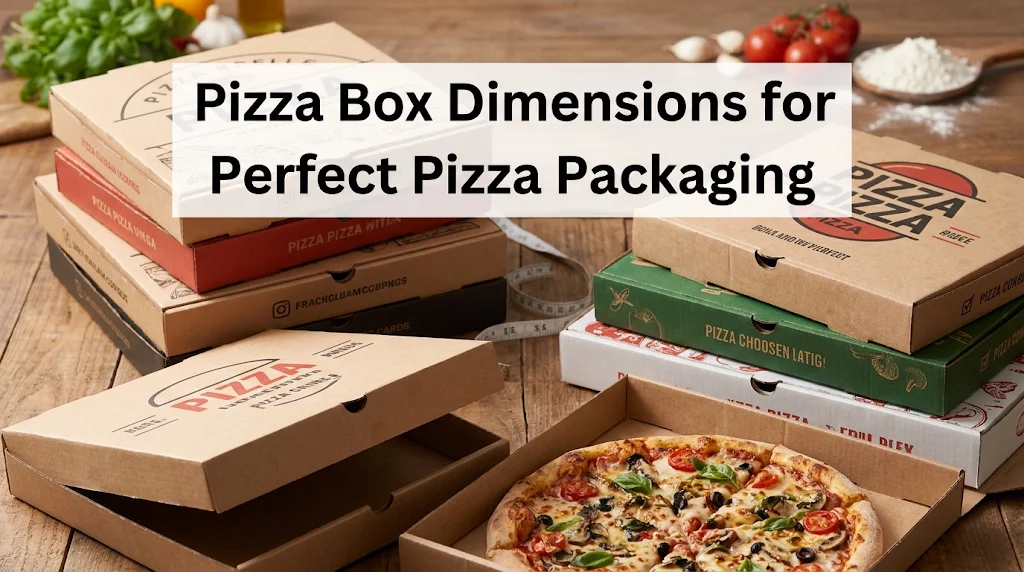
Pizza Box Dimensions for Perfect Pizza Packaging
Choosing the right packaging is an important part of running a successful pizza business. ↗Pizza box dimensions ↗ ↗play a major role in keeping pizzas fresh, protecting their shape, and making delivery easier. Whether a restaurant sells small personal pizzas, medium family pizzas, or large party-sized pizzas, selecting the correct box size helps maintain food quality and customer satisfaction. Proper packaging also creates a professional impression and makes every order more enjoyable. Understanding different box sizes, materials, and designs can help pizza businesses provide better service while reducing packaging waste
Why Pizza Box Dimensions Matter
Pizza boxes are more than simple packaging materials. They protect food from dust, damage, and outside pressure during transportation. A properly sized box keeps the pizza in place and prevents its edges from folding or toppings from moving.
If a box is too small, the pizza may become squeezed, damaging its crust and toppings. On the other hand, an oversized box allows the pizza to move around, which can affect its appearance and presentation.
Choosing suitable dimensions helps restaurants maintain consistent quality. It also makes stacking, storing, and delivering pizza orders more convenient
Common Pizza Box Sizes
Pizza boxes are available in several sizes to accommodate different pizza types. Although exact measurements can vary between manufacturers, the following dimensions are commonly used
1. Small Pizza Boxes
Small pizza boxes are generally designed for pizzas measuring around 8 to 10 inches. They are suitable for individual meals, children's portions, and personal-sized pizzas.
These boxes are compact, lightweight, and easy to carry. They also require less storage space, making them useful for restaurants that offer individual pizza options
2. Medium Pizza Boxes
Medium pizza boxes usually accommodate pizzas measuring approximately 12 inches. They are popular among customers who want a meal to share with a friend or enjoy as a larger individual serving.
These boxes provide enough space to protect the pizza while keeping its toppings and crust in good condition
3. Large Pizza Boxes
Large pizza boxes are commonly used for pizzas measuring around 14 inches. They are ideal for families, small gatherings, and customers who enjoy sharing their meals.
Their wider structure provides sufficient room for larger crusts and different topping combinations. Restaurants should select strong materials to prevent these boxes from bending during delivery
4. Extra-Large Pizza Boxes
Extra-large pizza boxes are designed for pizzas measuring approximately 16 to 18 inches or even larger. They are suitable for parties, celebrations, and group meals.
Because of their larger surface area, these boxes require durable construction. Strong corners and proper ventilation help maintain the pizza's shape and quality
Understanding Standard Pizza Box Measurements
Pizza box measurements usually include length, width, and height. Length and width determine how much space is available for the pizza, while height provides room for the crust and toppings.
Most traditional pizza boxes have a square shape because it is convenient for manufacturing, storage, and transportation.
Here is a general measurement guide:
Pizza size
Approximate box dimensions
Small (8–10 inches)
10 × 10 inches
Medium (12 inches)
12 × 12 inches
Large (14 inches)
14 × 14 inches
Extra-large (16 inches)
16 × 16 inches
Party (18 inches)
18 × 18 inches
These measurements are general examples. The ideal box should provide a little extra space around the pizza without allowing excessive movement
Choosing the Right Material for Pizza Packaging
Selecting the correct box material is just as important as choosing the right dimensions. Packaging materials affect durability, insulation, freshness, and overall presentation
Corrugated Cardboard
Corrugated cardboard is a popular choice for pizza packaging because it provides additional strength and protection. Its layered structure helps prevent boxes from collapsing when stacked.
It is particularly useful for large pizzas and delivery orders that require stronger packaging
Kraft Paperboard
Kraft paperboard offers a simple and natural appearance. Many restaurants prefer it because it provides a clean presentation and can support different printing designs.
It is commonly used by businesses that want attractive and practical packaging
Recyclable Cardboard
Recyclable cardboard is another useful packaging option. It allows businesses to consider environmental responsibility while maintaining practical food protection.
Restaurants should always select food-safe materials that are suitable for their packaging requirements
How Proper Box Dimensions Protect Pizza Quality
The right box size helps preserve the pizza's appearance and texture. When packaging fits properly, the pizza stays in position during transportation.
A well-designed box also helps prevent toppings from sticking to the lid. Sufficient internal height is important for pizzas with thick crusts, extra cheese, or generous toppings.
Ventilation is another important factor. Small ventilation openings can help release excess steam, reducing moisture buildup inside the box. This helps prevent the crust from becoming overly soft.
Businesses such as ↗Bizz Crave ↗ ↗can also benefit from understanding packaging choices because attractive and practical food packaging supports a better customer experience and creates a professional brand impression
Important Factors to Consider When Selecting Pizza Boxes
Before purchasing pizza packaging, restaurant owners should consider several important factors.
Pizza Thickness
Thin-crust and deep-dish pizzas have different height requirements. Deep-dish pizzas need additional space to prevent the toppings and cheese from touching the lid
Toppings and Ingredients
Pizzas with extra cheese, vegetables, meat, and other ingredients may require slightly more internal clearance. Choosing a suitable box helps protect the complete pizza
Delivery Requirements
Delivery orders may experience movement, stacking, and temperature changes. Strong packaging helps protect pizzas throughout transportation
Storage Space
Restaurants should consider how much space their packaging will occupy. Boxes that fold flat are easier to store and organize
Branding and Design
Printed logos, brand colors, and creative packaging designs can make a restaurant more recognizable. Attractive packaging also helps create a memorable customer experience
Benefits of Perfect Pizza Packaging
Using properly sized pizza boxes provides several advantages for restaurants and customers.
Better food protection: Correct dimensions help prevent damage during delivery.
Improved presentation: Pizzas look more attractive when they fit properly inside their boxes.
Convenient transportation: Properly designed boxes are easier to carry and stack.
Reduced packaging waste: Choosing suitable sizes prevents unnecessary material usage.
Better customer satisfaction: Fresh-looking and well-protected pizzas create a positive impression.
Professional branding: Customized packaging helps businesses build brand recognition.
These benefits make packaging an important part of restaurant operations
Common Mistakes to Avoid When Choosing Pizza Boxes
Some restaurants make packaging mistakes that can affect food quality and delivery performance.
One common mistake is selecting boxes that are too small. This can squeeze the pizza and damage its edges. Another mistake is choosing boxes that are unnecessarily large, allowing the pizza to slide during transportation.
Ignoring box height can also create problems, especially when packaging thick-crust pizzas. Restaurants should avoid weak cardboard materials that may bend under pressure.
Finally, businesses should not ignore ventilation. Without proper airflow, trapped steam can affect the pizza's texture.
Testing different packaging options before placing large orders can help restaurants avoid these problems.
Conclusion
Selecting the correct pizza packaging is essential for maintaining food quality, improving presentation, and providing a better customer experience. Understanding different pizza sizes, materials, and measurements helps restaurant owners choose boxes that match their products.
From small personal pizzas to extra-large family meals, every pizza requires packaging that provides suitable space and protection. By focusing on durability, ventilation, storage, and attractive designs, businesses can improve their packaging standards and create a professional image. Perfect pizza packaging is not just about choosing a box; it is about delivering freshness, quality, and satisfaction with every order
Frequently Asked Questions (FAQs)
What are the standard pizza box dimensions?
Common pizza box sizes include 10 × 10 inches for small pizzas, 12 × 12 inches for medium pizzas, 14 × 14 inches for large pizzas, and 16 × 16 inches for extra-large pizzas
Why are pizza boxes usually square?
Square boxes are easy to manufacture, store, stack, and transport. They also provide convenient space for round pizzas
How do I choose the right pizza box size?
Choose a box that is slightly larger than the pizza diameter. Also consider crust thickness and the amount of toppings
Which material is best for pizza packaging?
Corrugated cardboard and food-safe paperboard are popular options because they provide practical protection and durability
Do pizza box dimensions affect food quality?
Yes. Proper dimensions help prevent pizza damage, protect toppings, and provide enough space for ventilation
Are larger pizza boxes always better?
No. Oversized boxes can allow pizzas to move during delivery. Choosing a properly fitted box provides better protection
Why is ventilation important in pizza boxes?
Ventilation helps release excess steam and reduces moisture buildup, helping maintain a better crust texture