

Understanding THC, Tobacco, and Vaping Risks: A Florida Awareness and Education Guide
Understanding THC, tobacco, and vaping risks helps individuals make informed decisions about substance use, personal responsibility, and health. An Online Thc Awareness Program Florida ↗ provides educational information about marijuana, nicotine, substance-related consequences, and responsible behavioral choices.
Key TakeawaysTHC can affect memory, attention, coordination, and decision-making.Tobacco products contain harmful chemicals, and nicotine can lead to dependence.Vaping is not risk-free, particularly when products contain nicotine or other potentially harmful substances.Florida has specific laws addressing marijuana possession and tobacco and nicotine products.Substance awareness education encourages personal accountability and informed decisions.Court-ordered course requirements depend on the individual's court order and applicable conditions.Why Should People Understand the Risks of THC, Tobacco, and Vaping?Substance-related decisions can affect physical health, mental well-being, relationships, education, employment, and legal responsibilities. Although marijuana, tobacco, and vaping products are different, each raises important questions about health risks and responsible behavior.
Many people become familiar with these substances through social environments, advertising, friends, or personal experiences. However, familiarity does not necessarily mean they understand the potential consequences.
THC, the primary intoxicating compound in marijuana, can influence brain functions associated with memory, attention, coordination, and judgment. Tobacco contains nicotine, which can create dependence. Vaping products may also contain nicotine and other substances that users inhale.
Learning about these differences helps individuals evaluate their choices more carefully. A structured awareness program can provide useful information about substance-related risks, legal responsibilities, and behavioral consequences.
How Can Substance Awareness Education Improve Decision-Making?Education gives individuals an opportunity to examine their habits and understand how their decisions may affect themselves and others.
For example, someone who understands how THC affects reaction time may recognize why driving after marijuana use is dangerous. Similarly, understanding nicotine dependence can help someone recognize the risks of regularly using tobacco or vaping products.
The purpose of awareness education is not simply to identify harmful behavior. It is also to encourage critical thinking, personal accountability, and better decision-making.
What Is THC and How Can Marijuana Affect the Human Body?THC stands for tetrahydrocannabinol. It is a chemical compound found in cannabis that produces intoxicating effects by interacting with the body's endocannabinoid system.
Marijuana products are available in different forms, including dried plant material, oils, concentrates, and edible products. Their effects can vary depending on THC concentration, frequency of use, method of consumption, and individual characteristics.
According to the Centers for Disease Control and Prevention (CDC), cannabis can affect several important brain functions, including learning, memory, attention, coordination, and reaction time.Why Can THC Affect Memory and Concentration?
The brain uses different systems to process information, store memories, and respond to situations. THC can interfere with some of these processes.
After using marijuana, an individual may experience difficulty concentrating, remembering information, or responding quickly to changing circumstances.
These effects can influence everyday activities such as studying, working, communicating, and driving.
Why Is THC Awareness Especially Important for Young Adults?The brain continues developing into early adulthood. Exposure to cannabis during adolescence and young adulthood may create additional concerns because important brain functions are still developing.
Young people should understand that frequent marijuana use is associated with an increased risk of cannabis use disorder. The CDC also identifies potential effects on learning, attention, and memory.
Education can help young individuals recognize these risks before developing habits that may interfere with their personal and professional goals.
What Is the Purpose of an Online THC Awareness Program Florida?An Online Thc Awareness Program Florida provides an educational opportunity to understand marijuana-related risks, THC effects, and personal responsibility.
Participants can learn about substance-related decisions and consider how certain behaviors may influence their health, relationships, and everyday responsibilities.
This type of education may be relevant to individuals seeking additional knowledge about marijuana or those who have been instructed to complete substance awareness education.
However, the course selected for a court-related requirement must match the specific instructions provided by the court or supervising authority.
What Are the Health and Behavioral Risks of Tobacco Use?Tobacco products include cigarettes, cigars, chewing tobacco, and other products made from tobacco leaves. Many tobacco products contain nicotine, an addictive chemical that can make regular use difficult to stop.
Smoking tobacco exposes users to numerous harmful chemicals. Long-term tobacco use is associated with serious health conditions, including lung disease, cardiovascular problems, and several forms of cancer.
The Food and Drug Administration (FDA) explains the health consequences of tobacco use and the risks associated with different tobacco products.
How Does Nicotine Dependence Develop?Nicotine affects the brain's reward system. Repeated exposure can create patterns of use that make individuals feel a need to consume nicotine regularly.
Some people may initially use tobacco because of curiosity, peer influence, stress, or social situations. Over time, repeated exposure can make stopping more difficult.
Recognizing these patterns is an important part of tobacco awareness education.
What Are the Possible Consequences of Long-Term Tobacco Use?Long-term tobacco use can affect several areas of health.
Common concerns include:
Increased risk of lung cancer and other cancers.Heart and blood vessel diseases.Respiratory conditions and reduced lung function.Nicotine dependence.Exposure to harmful substances through tobacco smoke.Understanding these risks can encourage individuals to reconsider tobacco-related habits and explore healthier alternatives.
How Can a Tobacco Awareness Class Help Individuals?A Tobacco Awareness Class ↗ introduces important information about nicotine, tobacco-related health concerns, and the consequences of continued use.
It can help participants understand why tobacco dependence develops and how repeated exposure may affect physical health.
The educational value of such a program extends beyond identifying health risks. It also encourages individuals to examine social influences, recognize personal habits, and make informed decisions.
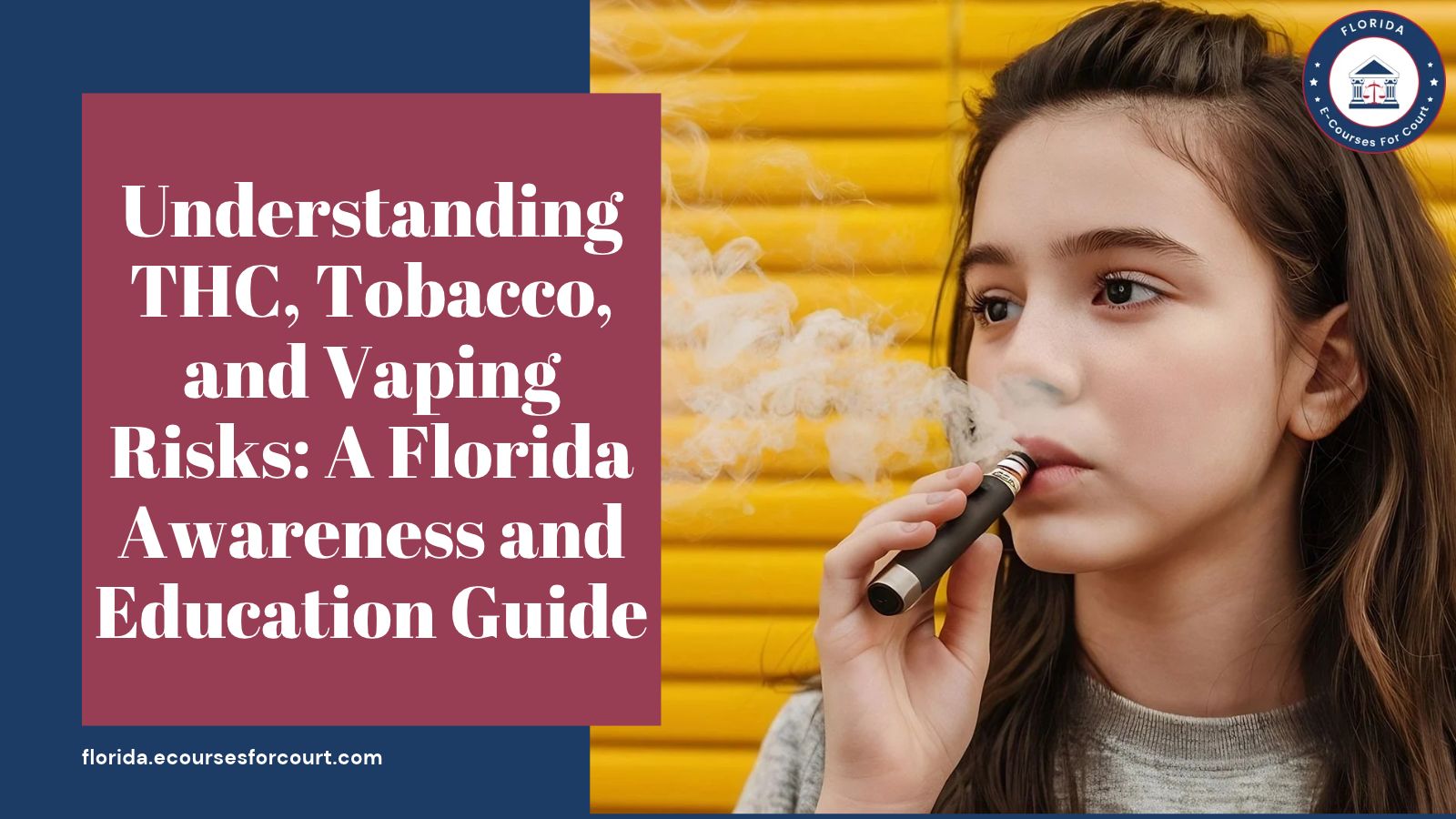
Is Vaping Safer Than Smoking Traditional Cigarettes?Vaping products are electronic devices that heat a liquid to produce an aerosol that users inhale. These devices are commonly called electronic cigarettes, vape pens, or e-cigarettes.
Some people believe vaping is harmless because it does not involve burning tobacco in the same way as traditional cigarettes. However, the absence of conventional cigarette smoke does not mean that vaping is safe.
The CDC explains that e-cigarette aerosol can contain nicotine, heavy metals, cancer-causing chemicals, and small particles that can enter the lungs.
What Substances Can Be Found in Vaping Products?The ingredients in vaping products can differ depending on the manufacturer and product type.
Some products contain nicotine, while others may contain flavoring substances and additional chemicals.
Nicotine is particularly concerning for young people because the developing brain is more vulnerable to its effects.
Users should also understand that vaping aerosol is not simply harmless water vapor. It may contain substances that can affect respiratory health.
Why Can Vaping Lead to Nicotine Addiction?Many electronic cigarettes contain nicotine, which can create dependence through repeated exposure.
People who vape regularly may begin experiencing cravings or difficulty stopping. These patterns can develop even when individuals initially believe they are using vaping products occasionally.
Awareness of nicotine dependence can help individuals recognize warning signs and make more informed choices.
What Can People Learn Through a Vaping Awareness Program?A Vaping Awareness Program ↗ provides educational information about electronic cigarettes, nicotine exposure, health concerns, and responsible decision-making.
Participants can learn how vaping products work, why nicotine dependence matters, and what risks may be associated with repeated use.
The program can also help individuals understand the difference between traditional tobacco products and electronic nicotine delivery systems.
What Does Florida Law Say About Marijuana, Tobacco, and Nicotine Products?Understanding health risks is only one part of substance awareness. Individuals should also recognize that Florida law regulates certain substances and products.
Legal consequences depend on the substance involved, the conduct, the person's age, the circumstances, and applicable statutory exceptions.
The following discussion summarizes relevant statewide Florida statutes. It does not identify a separate county ordinance or establish that every county applies identical local procedures.
What Are Florida's Laws Regarding Marijuana Possession?Florida regulates cannabis under Chapter 893 of the Florida Statutes, which addresses drug abuse prevention and control.
Under Florida Statute 893.13(6)(b), possession of 20 grams or less of cannabis, as defined by the statute, is generally classified as a first-degree misdemeanor, subject to applicable exceptions and legal provisions.
Other possession circumstances can result in different classifications and penalties.
The statute also addresses other controlled substances and prohibited activities. Therefore, the legal consequences of a marijuana-related incident should not be assumed to be identical in every situation.
Readers can review the official Florida Statute 893.13 for the statutory language.
What Are the Florida Rules for Tobacco and Nicotine Products?Florida has specific age-related restrictions concerning tobacco and nicotine products.
Florida Statute 569.11 generally prohibits individuals under 21 from knowingly possessing tobacco products, subject to statutory exceptions.
For a first violation, the statute provides for 16 hours of community service or a $25 fine. It also provides for attendance at a locally available school-approved anti-tobacco program.
Florida Statute 569.42 addresses possession of nicotine products by individuals under 21 and establishes related requirements and penalties.
These provisions should be read separately because tobacco products and nicotine products are addressed under different statutory sections.
Official legislation can be reviewed here:
Florida Statute 569.11: Tobacco possessionFlorida Statute 569.42: Nicotine product possessionAre There County-Specific Requirements for Awareness Classes?Florida's statewide statutes establish legal requirements, but individual courts may issue additional instructions depending on the case.
Without a specified county, it would not be appropriate to claim that a particular county requires a particular awareness course, number of hours, or provider qualification.
People should review their court orders and contact the relevant court or supervising authority if they are uncertain about course requirements.
How Can Court-Ordered Substance Awareness Education Help Individuals?Court-ordered educational programs may be included as part of a legal requirement, probation condition, diversion arrangement, or another court-directed process. The exact requirement depends on the case and the instructions issued by the relevant authority.
Educational programs aim to provide information that helps participants understand their actions, recognize risks, and develop more responsible behavior.
Who May Need to Complete a Substance Awareness Course?Individuals may be directed to complete educational programs following certain substance-related incidents. The required subject can depend on the circumstances of the case.
For example, a marijuana-related incident may involve education about THC, while a tobacco or nicotine-related matter may require information about addiction and health risks.
An Online Thc Awareness Program Florida may be relevant when the required educational subject concerns marijuana or THC. However, the course must be checked against the actual court order before enrollment.
What Should Participants Check Before Enrolling?Choosing an online course requires more than finding a program with a relevant title. Participants should confirm that its content and format match their legal instructions.
The following steps can help:
Read the court order: Identify the required subject, number of hours, and completion deadline.Confirm course acceptance: Contact the court, probation officer, or supervising authority to verify whether the particular provider and course are acceptable.Check the course format: Determine whether online, self-paced, or instructor-led education is permitted.Review completion requirements: Understand whether assessments, participation activities, or other requirements apply.Confirm documentation: Ask whether a completion certificate or another form of verification must be submitted.Keep personal records: Save enrollment information, payment confirmations, and completion documents.An Online Thc Awareness Program Florida should be selected only after considering these requirements. Completing an educational program does not automatically establish that a court order has been satisfied.
How Does Online Learning Make Substance Awareness Education More Accessible?Traditional educational programs may require participants to attend scheduled classes, travel to a specific location, or follow a fixed classroom timetable.
Online education offers another learning format. Depending on the provider, participants may access lessons through a computer, tablet, or smartphone.
What Are the Benefits of Self-Paced Online Education?Self-paced learning can make educational materials easier to access for people balancing work, family responsibilities, and other commitments.
Some of its practical advantages include:
Convenient access: Participants can study through an internet-connected device.Flexible scheduling: Lessons may be completed at suitable times, depending on course rules.Independent learning: Participants can review educational information without relying entirely on classroom discussions.Consistent course materials: Lessons provide structured information about the selected subject.Completion documentation: Some programs provide certificates after all required course activities have been completed.An Online Thc Awareness Program Florida may offer a convenient learning option for individuals seeking marijuana-related educational information. Nevertheless, convenience should not replace verification of the court's specific requirements.
Why Should Participants Take Course Material Seriously?Awareness education is most useful when participants actively consider the information being presented.
Simply accessing lessons or obtaining a completion document does not necessarily mean someone has understood the subject.
Participants should pay attention to information about substance effects, legal responsibilities, health concerns, and behavioral consequences. They should also consider how the information applies to everyday decisions.
How Can Individuals Make More Responsible Decisions About Substances?Responsible decision-making involves understanding available information, recognizing potential consequences, and considering alternatives before acting.
Substance awareness education can help individuals develop a more thoughtful approach to situations involving marijuana, tobacco, or vaping products.
What Practical Steps Can Help Reduce Substance-Related Risks?Individuals can use several practical strategies to improve their awareness and decision-making.
1. Learn about the substances involved.
Understand what THC and nicotine are, how they affect the body, and why repeated exposure may create health concerns.
2. Recognize personal and social influences.
Peer pressure, curiosity, stress, and social environments can influence decisions. Recognizing these factors can help people respond more thoughtfully.
3. Avoid impaired driving.
THC can affect coordination, attention, and reaction time. Individuals should never drive or operate machinery while impaired.
4. Understand nicotine dependence.
Recognizing cravings and repeated patterns of use can help individuals identify possible signs of dependence.
5. Seek reliable information.
Use trustworthy health and government resources rather than relying exclusively on social media or informal advice.
6. Consider professional support when needed.
People who find it difficult to stop using substances may benefit from speaking with a qualified healthcare professional or substance-use counselor.
Why Is Long-Term Behavioral Awareness Important?Positive behavioral changes generally require more than understanding a single lesson. Individuals need to apply what they learn when making decisions in different situations.
For example, someone who understands the consequences of impaired driving can plan transportation before attending a social event. Someone who recognizes nicotine dependence may become more aware of the situations that trigger cravings.
The Online Thc Awareness Program Florida can introduce relevant educational concepts, but lasting behavioral improvement also depends on personal choices and continued awareness.
How Can Families and Communities Encourage Better Substance Awareness?Substance-related decisions do not always affect only the individual. Families, friends, schools, workplaces, and communities can also experience the consequences.
Open communication can make it easier for people to discuss concerns, ask questions, and access reliable information.
What Role Do Parents and Educators Play?Parents and educators can help young people understand the difference between curiosity and informed decision-making.
Rather than relying entirely on warnings, meaningful discussions can explain how THC and nicotine affect the body, why underage substance use raises concerns, and how peer influence can affect personal choices.
Schools and community organizations can also contribute by sharing accurate educational information and encouraging healthy activities.
How Can Communities Promote Awareness Without Stigma?People who have experienced substance-related difficulties should not automatically be defined by a single incident.
Educational approaches are more constructive when they focus on facts, accountability, and opportunities to make better decisions.
Community awareness initiatives can encourage people to seek information, understand applicable laws, and recognize when additional support is appropriate.
An Online Thc Awareness Program Florida can be one educational resource within a broader approach to substance awareness. Its value should be assessed through the relevance and accuracy of its materials, as well as whether it meets any applicable course requirements.
Frequently Asked Questions1. What Is an Online Thc Awareness Program Florida?It provides education about THC, marijuana-related risks, health effects, and responsible decisions.
2. Can THC Affect Memory and Concentration?Yes. THC can affect attention, learning, memory, and decision-making.
3. Is Vaping Completely Safe?No. Vaping aerosol may contain nicotine and other potentially harmful substances.
4. Can Tobacco Use Lead to Addiction?Yes. Nicotine is addictive and can cause dependence.
5. Does Florida Regulate Marijuana Possession?Yes. Florida Statute 893.13 addresses prohibited controlled-substance activities and penalties.
6. Can an Online Course Satisfy a Court Order?It depends on the court order, course requirements, provider, and applicable conditions.
7. Why Is Substance Awareness Education Important?It helps people understand health risks, legal responsibilities, and responsible decision-making.