

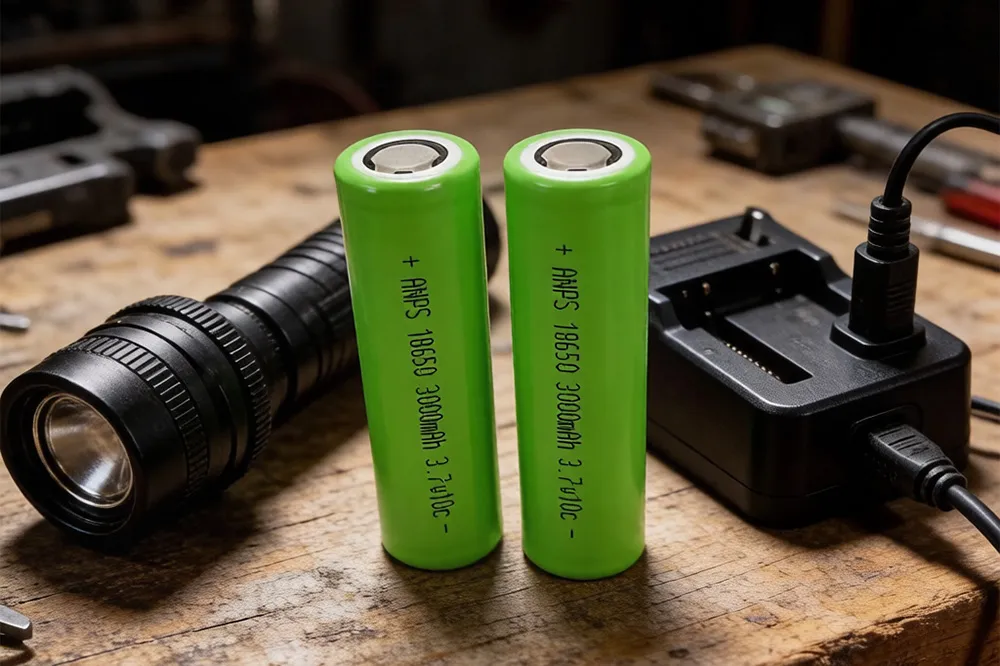
What Are the Best 18650 Rechargeable Batteries? Here’s What Actually Matters
If you’ve spent time searching for the best 18650 rechargeable batteries, you’ve probably noticed how confusing the market has become. Every seller claims their batteries last longer, charge faster, or deliver more power. Some even advertise impossible capacities that sound great until you actually use them.
The truth is, a good 18650 battery isn’t about flashy marketing. It comes down to reliability, stable performance, safety, and choosing the right cell for the job.
Whether you need batteries for a flashlight, battery pack, portable electronics, or industrial equipment, understanding a few basics can save you money and prevent a lot of frustration later.
What Is 18650 Battery?An 18650 is a rechargeable lithium-ion battery cell commonly used in:
FlashlightsHeadlampsPortable fansPower toolsDIY battery packsMedical equipmentSolar storage systemsElectronic devicesThe name “18650” simply refers to the size:
18mm diameter65mm lengthThese batteries became popular because they offer a strong balance between size, runtime, and power output.
For businesses or large projects needing custom lithium battery solutions, many buyers source cells directly from suppliers such as 18650 Lithium Battery Collection ↗.
So, What Makes 18650 Battery Good?A lot of people look only at mAh numbers, but capacity is just one part of the story.
A battery that works perfectly in a flashlight may not be the best choice for a power tool or battery pack.
Here are the things experienced users usually pay attention to.
Capacity Matters — But Bigger Isn’t Always BetterBattery capacity is measured in mAh (milliamp hours). In simple terms, higher capacity usually means longer runtime.
Typical ranges look like this:
2000–2600mAh → better for high-drain devices3000–3500mAh → better for longer runtime“5000mAh” and above → usually unrealistic for genuine 18650 cellsThis is one of the biggest warnings repeated across battery forums and flashlight communities. Cheap batteries with huge printed numbers are often rewrapped cells or outright fake.
A realistic specification from a trustworthy manufacturer is usually far more valuable than exaggerated numbers.
What Makes High Quality 18650 Battery?When choosing a rechargeable 18650 battery, many buyers focus only on capacity numbers, but a high quality 18650 battery is not defined by mAh alone. The real difference comes from the consistency of the cell, internal resistance, discharge performance, cycle life, and safety control.
For OEM manufacturers and bulk buyers, battery consistency is especially important. A group of 18650 cells with similar voltage, capacity, and internal resistance will provide more stable performance when assembled into battery packs for power tools, solar devices, portable equipment, and industrial applications.
A reliable 18650 battery supplier should provide clear specifications, battery testing data, and quality control during production. Factors such as cell matching, protection circuit design, and aging tests can directly affect the final battery pack performance. Choosing a high quality 18650 battery helps reduce capacity loss, unexpected failures, and maintenance costs over the long term.
High-Drain Performance Is ImportantSome devices need more than just long runtime. They need batteries that can safely deliver high current.
This matters for:
High-powered flashlightsPower toolsDIY electronicsRC equipmentPortable power systemsIn these situations, stable voltage and heat control become more important than squeezing out a little extra runtime.
A battery that overheats or drops voltage quickly under load will never perform well in demanding applications.
Safety Should Never Be IgnoredOne thing long-time battery users agree on: buying random no-name cells online is risky.
A quality 18650 battery should have:
Consistent build qualityAccurate specificationsStable charging behaviorGood cycle lifeReliable protection performancePoor-quality lithium batteries can fail early, lose capacity fast, or become unsafe under stress.
That’s why many commercial buyers prefer established battery suppliers like ANPS Global ↗ when sourcing cells for industrial or OEM projects.
Flat Top vs Button Top: Don’t Buy the Wrong OneThis is something many first-time buyers overlook.
Flat Top BatteriesUsually found in:
Battery packsDIY electronicsDevices with spring contactsButton Top BatteriesCommonly used in:
FlashlightsConsumer electronicsDevices needing raised terminalsBefore ordering, always check what your device actually requires. A battery can be technically “good” and still not fit your equipment.
Best 18650 Batteries for Different UsesFor FlashlightsFlashlight users often want a balance between:
RuntimeBrightness stabilityHeat managementReliable outputThat’s why many enthusiasts prefer well-balanced cells around the 3000mAh range instead of chasing maximum advertised capacity.
A battery that maintains steady brightness over time usually feels better in real-world use than one that starts strong and fades quickly.
For Battery PacksWhen building battery packs, consistency matters more than marketing claims.
Good pack cells should have:
Similar internal resistanceStable capacityReliable discharge performancePredictable cycle lifeMixing random cells together is one of the fastest ways to create battery problems later.
If you’re sourcing cells for larger assemblies or commercial projects, it’s usually safer to work with specialized lithium battery suppliers offering matched cell solutions and manufacturing support.
For Long RuntimeIf your priority is longer use between charges, higher-capacity cells are usually the better choice.
These are commonly used in:
Camping lightsPortable fansEmergency equipmentBackup systemsOutdoor electronicsJust remember that higher-capacity batteries often support lower discharge rates.
For High-Power DevicesDevices that draw heavy current need batteries designed for stress.
These batteries usually focus on:
Strong current outputLower internal resistanceBetter thermal performanceVoltage stability under loadThey may not have the highest capacity numbers, but they perform better where power delivery matters.
Common Mistakes Buyers MakeFalling for Fake Capacity ClaimsIf a cheap battery promises unrealistic performance, there’s usually a reason.
Experienced users are often skeptical of:
Extremely cheap cellsUnknown brandsInflated capacity labelsBatteries without verified testingA realistic 3000mAh cell from a trusted source will almost always outperform a questionable “6000mAh” battery.
Ignoring Protected vs Unprotected CellsProtected BatteriesInclude built-in circuits to help prevent:
OverchargingOver-dischargingShort circuitsUnprotected BatteriesUsually offer:
Higher discharge capabilitySmaller sizeMore flexibility for custom packsBut they require proper battery management systems and more careful handling.
Mixing Old and New BatteriesThis causes more problems than many people realize.
Avoid mixing:
Different capacitiesDifferent battery agesDifferent chemistriesDamaged cellsEven if the batteries look similar, mismatched cells can reduce performance and shorten lifespan.
How Long Do 18650 Batteries Last?A quality 18650 battery can typically last:
Several hundred charge cyclesAround 2–5 years depending on usageBattery lifespan depends heavily on:
Heat exposureCharging habitsStorage conditionsDepth of dischargeLithium batteries generally last longer when they’re not constantly pushed to extremes.
Simple Tips to Make Batteries Last LongerA few habits can make a noticeable difference:
Avoid draining batteries completelyKeep them away from excessive heatUse a reliable chargerStore them in a cool, dry placeReplace damaged battery wraps immediatelyDon’t leave fully charged batteries unused for long periodsMany experienced users also store batteries partially charged when they won’t be used for a while.
Final ThoughtsThe best 18650 rechargeable battery really depends on how you plan to use it.
For some people, runtime matters most. For others, it’s high-drain performance, safety, or long-term reliability.
What matters most is buying authentic cells with honest specifications instead of chasing unrealistic marketing claims.
A dependable battery should deliver:
Stable performanceConsistent charging behaviorSafe operationReliable cycle lifeWhether you’re building battery packs, powering flashlights, or sourcing cells for commercial products, choosing quality cells from trusted suppliers usually saves money and problems in the long run.
For industrial applications, OEM projects, and customizable lithium battery solutions, many businesses source directly from 18650 Battery Solutions ↗.
Related ArticlesUnderstanding Lithium Ion Pouch Cells: A Practical Guide for Battery Wholesalers ↗
What Is Pouch Cell Battery? A Simple Guide ↗
How Are Lithium Ion Pouch Batteries Connected? ↗
lithium battery sizes:Common Sizes and Specifications ↗
18650 Battery Which Side is Positive,A Quick and Practical Guide ↗
18650 Battery Voltage: 3.6V, 3.7V, 4.2V and Battery Pack Voltage Explained ↗