

Electronics Listings
140 items found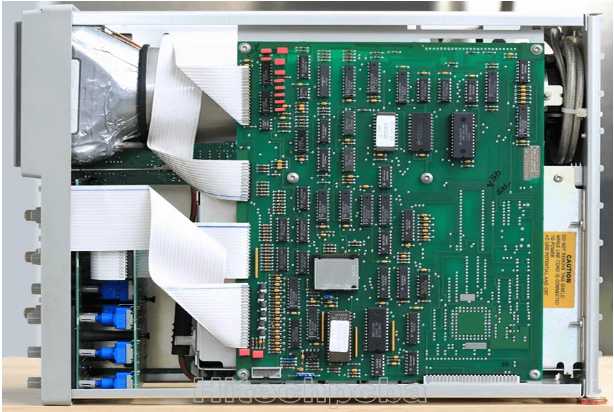
PCB Box Build Assembly
What is PCB Box Build Assembly? <br> <br>[email protected] <br> <br>Boxed builds, also known as system integration, can be anything from simple PCBAs (printed circuit board components) mounted in small enclosures to cabinets housing complex electromechanical systems. Box assembly involves design, production and construction of all links. <br> <br>Complete assembly includes all other assembly work involved in electromechanical assembly with the exception of the production of printed circuit boards. Box building is sometimes called "system integration." <br> <br> <br> <br>Boxed means designing and manufacturing enclosures, assembling PCBAs, assembling cable and wiring harness assemblies, and even installing electrical and/or pneumatic systems. Hitechpcba Manufacturing provides a full range of services including packaging, labelling and shipping to your location. <br> <br>PCBA Assembly 1 <br> <br>Box build Assembly service and process <br> <br>Many customers are manufacturers themselves and require not only printed circuit board assembly, but also final assembly of innovative products. <br> <br> <br> <br>"Box building", also known as system integration, is the complete assembly of a customer's finished product. The process extends beyond the production of printed circuit boards (PCBs) to electromechanical assembly, including enclosure fabrication, installation and routing of cables or harnesses, and installation of subassemblies and assemblies. A box can refer to a PCB assembly (PCBA) in a cabinet full of wires, a small enclosure, or a complex, fully integrated electromechanical system with pneumatics and electronics. <br> <br> <br> <br>These box build assemblies include the following components: <br> <br>product assembly <br> <br>system-level assembly <br> <br>Product segment assembly <br> <br>Packaging and Labeling <br> <br>test <br> <br>Software loading and product configuration <br> <br>After-sales service <br> <br>Warehousing and Traceability <br> <br>We proudly provide turnkey solutions for all your outsourcing needs. Our final box assembly business has grown to meet the needs of our customers with complete solutions. We can source all the materials needed, build the PCBAs, supply any cables needed and complete the manufacturing process by building the customer's end product. <br> <br> <br> <br>At Hitech Circuits, we free our clients to focus on other aspects of their business. Our services help companies reduce the need to invest in internal capital and other resources. <br> <br>Our dedicated box building team can complete assemblies from small and simple to large and complex. Contact us today for a free quote on your next box building job. <br> <br>PCBA box build assembly service <br> <br> <br> <br>What is included in the Box Build component? <br> <br> <br> <br>Box construction process <br> <br>The boxed process is specific to each project, and each step can involve varying levels of complexity. For example, one step might involve simply placing a printed circuit board component (PCBA) inside the housing. Subsequent steps may include the complex task of connecting the PCBA to the user interface display. <br> <br>The most common box assembly processes include the installation of subcomponents, the installation of other components, the wiring or wiring of wiring harnesses, and the manufacture of housing. <br> <br> <br> <br>6 ways to shorten the Box Build Assembly process <br> <br>To get good boxed assembly, you must consider certain factors. Be sure to provide this information to your service provider. <br> <br>The following items are important information provided to Hitech Circuits. The information contained here can shorten the assembly time of the whole machine and provide higher quality electromechanical assembly. <br> <br> <br> <br>Product size <br> <br> <br> <br>The dimensions of the device include details about the dimensions and weight of the components. This detail provides with the necessary information to decide how to process the units throughout the assembly process. Storage, shipping, packaging, and shipping are all processes that are affected by dimensional information. <br> <br> <br> <br>Bill of Materials (BOM) <br> <br> <br> <br>Bill of Materials is arguably the most important piece of information provided to Hitech Circuits. It is called a recipe, recipe, or ingredient list. BOM helps understand all the key components and materials that need to be purchased and what the customer will provide directly. <br> <br>Each item on the bill of Materials has a specific purpose, procurement process, and associated costs. The BOM should contain details about the items number, reference mark, part description, quantity, manufacturer name, manufacturer part number, package, part type, etc. <br> <br>A well-crafted bill of materials can help suppliers anticipate production delays and develop alternative plans for complete machine construction. <br> <br> <br> <br>3D CAD model <br> <br> <br> <br>Visualization of the final product is important to the box-building process. 3D CAD (three-dimensional Computer Aided Design) models can provide such visualization. Software packages for 3D CAD design are common among electronics contract manufacturers. These 3D CAD tools can also convert computer drawings into build instructions, thereby shortening the complete assembly process. <br> <br> <br> <br>Sample unit/prototype <br> <br> <br> <br>The finished product assembly can be an important physical tool for planning the complete assembly, especially when other sources of information are not available. Hitech can often take a rough prototype from a customer and quickly manufacture multiple equivalent components. A skilled electromechanical assembly team can often replicate a complete box build with minimal documentation in addition to the sample prototype unit provided by the customer. <br> <br> <br> <br>Test case <br> <br> <br> <br>The customer should determine which tests need to be performed during the assembly process. Test cases can include visual inspections, factory acceptance tests, and functional specific tests. <br> <br>Safety is a major consideration for any electrical equipment. The basic test of electrical system includes ground connection test and flash test. Experienced Hitech will provide guidance on the types of tests that should be performed during assembly to optimize production time and provide safe electromechanical components. <br> <br> <br> <br>Packing and shipping information <br> <br> <br> <br>Outlining how the final boxed components will be packaged and shipped before the manufacturing process begins can provide important planning information for electronics manufacturers. This detail allows Hitech to determine how to manage these cells throughout the assembly process to optimize assembly speed. <br> <br> <br> <br>Start assembling <br> <br>Both complex and simple boxed assembly depend on comprehensive requirements gathering. The more information at hand you have to discuss with the manufacturer during the planning phase, the faster you can produce a higher quality, safer product. <br> <br> <br> <br>PCB Box Build Assembly <br> <br> <br> <br>PCBA box assembly service <br> <br>Box build Assembly is a full process service from PCB manufacturing, parts procurement, PCB SMT, assembly and testing. <br> <br> <br> <br>Case manufacturing service <br> <br>Hitech Circuits offers Box build manufacturing services in industrial controllers, consumer electronics, Internet of Things (IoT) modules, electronic and electrical equipment and more. Box build is the assembly and production of PCBAs. The cable and motion motor will be packed into boxes and sent to the dock as a complete set of products. <br> <br>As an important link of electronic manufacturing, Box Build requires strong process control and quality control ability due to many manual processes. In the process of container construction, relevant management methods such as SOP operation specification, station self-inspection, QC full inspection, on-site sampling of QA and OBA sampling inspection before shipment must be strictly implemented. <br> <br>At the same time, bar code management system is adopted to effectively trace registration, distinguish good from bad products, and achieve the expected target of assembly pass rate and customer quality random inspection pass rate. <br> <br> <br> <br>Apply for Box Build Assembly quotes immediately <br> <br>Box building assembly process <br> <br>Box assembly is an important aspect of electronics production. Most electronic devices contain boxed components. The use of Box build assembly can never be underestimated. In this article, we discuss what you need to know about PCB boxed assembly. <br> <br> <br> <br>Your assembly and electromechanical assembly service manufacturing partner. <br> <br>To complement our printed circuit board assembly (PCBA) business, we offer complete machine assembly and electromechanical assembly services, both partial and full product integration, as well as final assembly for end users. Our partner manufacturing plant combines traceable assembly, testing and packaging, complemented by our electrical and mechanical assembly expertise. <br> <br>Our technicians are well equipped to handle complex box construction and electromechanical components requiring multiple wiring harnesses and arrangements, welding, pneumatic assembly, specific torque requirements, as well as sealed dust-free environment components with positive air pressure for precision optical sensors or infrared devices. <br> <br> <br> <br>Customizable box construction and electromechanical components <br> <br>You will benefit from our world-class final assembly operations in our partner's dedicated manufacturing facility. We are proud to be ISO 9001:2015 certified and are committed to continuously improving our processes and operations in order to consistently deliver quality products to our customers. <br> <br> <br> <br>• After PCB assembly, we use a variety of automatic wire cutting and stripping machines, universal crimp and cable tester for cable and harness assembly according to your product requirements. <br> <br>• Our team of integration experts can support electromechanical components for simple, complex or custom box assembly and flexible or rigid flexible components such as PCBs, cables, wiring harnesses, external or internal frames and panels. <br> <br>• After final assembly, dielectric and functional tests are performed to verify that the final product meets electrical safety requirements and to ensure that it performs as expected. <br> <br>• Final assembly quality control and assurance is part of our quality management system and includes customized Acceptance Quality Limit (AQL) checks and sampling audit process plans. <br> <br>• We offer customizable logistics, packaging and shipping solutions, including partial or combined shipping, global shipping options and direct shipping to OEMs or end users. <br> <br>The testing phase of the manufacturing process that occurs during PCB assembly and boxed assembly. <br> <br> <br> <br>Box Build Assembly of Electronics <br> <br>What is the value of a custom, high-quality boxed assembly? <br> <br>The advantage of a custom box is that it can be created according to your specific requirements. It can be built to be compatible with all existing systems and is designed to help your system run as smoothly and efficiently as possible. <br> <br> <br> <br>An "off the shelf" box build will usually suffice for most of your needs, but rarely for all of your process's needs. This can be problematic for the critical business, as anything less than perfect is not good enough, as it may affect profits and margins. By having Hitechpcb Manufacturing create custom box builds created for your business, you don't have to sacrifice functionality and/or compatibility in any way. <br> <br> <br> <br>Quality assurance <br> <br>Another advantage of custom boxes is that you can rest assured of quality. Mass-produced products often compromise on the standards of materials used. However, when it comes to custom builds, you have complete control over the quality of your components. This helps ensure that you get the performance, compatibility, and longevity you need. We also fully document and review all of our quality control procedures to help ensure that our customers are satisfied with our service every time. Many of our components are produced in-house, which allows us to further guarantee the quality of our assembly. <br> <br> <br> <br>Cost value <br> <br>Hitechpcb Manufacturing not only guarantees quality, but also provides excellent value for money. As a manufacturer of custom wiring harnesses and other components, we don't have to pay inflated prices to other manufacturers. Our purchasing team can source the best materials at low prices and operate efficiently to further reduce costs. This means we can create boxes at competitive prices without having to compromise on quality. <br> <br>Custom box builds even let you build the shell to your own specifications, helping it fit into its place while also aesthetically to your liking. <br> <br> <br> <br>PCB Box Build Assembly <br> <br> <br> <br>PCBA electronic product processing process <br> <br>1. Customer data file <br> <br>Customers deliver Gerber files, PCB files, coordinate diagrams, BOM list, PCBA Test Plan and other matters needing attention generated by electronic product design to us. <br> <br>2. Document review <br> <br>Convert the contents of data files into internal production standard documents, such as engineering documents, set sheets, etc. It is important to timely discover important issues that have not been clearly marked by customers, such as component direction, PCB process and delivery time of raw materials, and communicate with customers in advance to avoid affecting production and delivery. <br> <br>3. Technical preparation <br> <br>According to the PCBA precision, complexity and quality requirements of customers, the PCBA team studied the production plan, the issuing requirements of laser steel mesh, QA inspection standards, with the corresponding vehicle, fixture and other specific content, in order to achieve the PCBA electronic products processing straight through rate. <br> <br>4. Material purchase and arrival <br> <br>Based on customer’s BOM list, calculate spare parts and wastage quantity, and purchase corresponding components from original manufacturer or large agent. <br> <br>5. Material inspection and machine loading <br> <br>The components will be strictly subjected to IQC (incoming material inspection), and sampled for appearance screen printing, electrical performance and mechanical performance to ensure the production quality of PCBA. <br> <br>6. Start production <br> <br>Submit the arrived PCB circuit boards and components to SMT and DIP production lines for pasting and welding production, strictly follow the production process method formulated by PE engineers, and pass IPQC and OQA manufacturer inspection to ensure that the pasting and assembly requirements are met. <br> <br>7. Testing and delivery <br> <br>According to the PCBA Test procedures provided by customers, strict PCBA test was carried out, including line on-off, current/voltage value, signal noise, temperature and humidity, etc., and when necessary, help customers to carry out FCT function test and subsequent Burn In Test for the firing process. Ensure that PCBA electronic product processing quality requirements are met and delivered. <br> <br> <br> <br>PCBA electronic product processing cycle and price <br> <br>PCBA electronic products will be processed before the proofing process, the proofing process is the same as that in mass production, but because the quantity is very small, between 5-10 pieces, so the proofing price is generally more expensive than mass production. Of course, it is up to the manufacturers to decide whether to close. PCBA proofing depends on the complexity of PCB board and solder joints, the number of materials to calculate the price, generally about 100 USD. PCBA electronic product processing price is calculated by point, the price of different PCB board is different. The proofing cycle of PCBA electronic products is generally about 5 days, and the production and processing cycle is generally about 20 days. <br> <br>PCBA electronic products processed products display <br> <br> <br> <br>PCB Box Build Assembly China <br> <br> <br> <br>Why do you choose us to process PCBA electronic products? <br> <br>(1) 15 years of long-term service to foreign customers (USA,UK,Japan, France,Switzerland,Italy,Bulgaria, etc.), providing PCBA processing service experience <br> <br>(2) Project manager, procurement, IQC, IPQC, OQA, PE and other perfect position setting and staffing, full of enthusiasm <br> <br>(3) Support 0201 SMT pitch precision, maximum 12 layers PCB board, A+ grade material, new and original components, complete PCBA testing equipment <br> <br>(4) Customer-oriented service philosophy, providing thoughtful technical and after-sales service support <br> <br> <br> <br>PCBA electronic product processing outsourcing, need from PCBA production capacity, technology, service, experience and other aspects of screening, we have an international concept, Hitech Circuits look forward to working with you to create the market! <br> <br> <br> <br> <br> <br>What does the average complete PCB box build assembly service include? <br> <br>Our team will work closely with you to understand exactly what you require. We will also use our experience to advise you and ensure that the finished product is of the highest standard. If you have any questions along the way, such as: "What is a wiring harness?" Please feel free to ask questions. <br> <br> <br> <br>Our services will include everything from design to development. The unit will be fully built and then rigorously tested to ensure it works as expected when it is delivered. We will also package and tag the build, and ensure that it is safely delivered to your premises. <br> <br> <br> <br> <br> <br>Why work with Hitechpcb for PCB fabrication and PCBA Manufacturing? <br> <br>If you are looking for a PCBA manufacturer that can meet all of your PCB box assembly needs, Hitechpcb manufacturing is the one for you. Hitechpcb Manufacturing specializes in custom assembly, which means we will tailor the assembly to your needs. Our experienced and talented team has the expertise to tailor solutions to your needs. Please feel free to contact us for solutions that meet your needs.
High Volume PCB Assembly
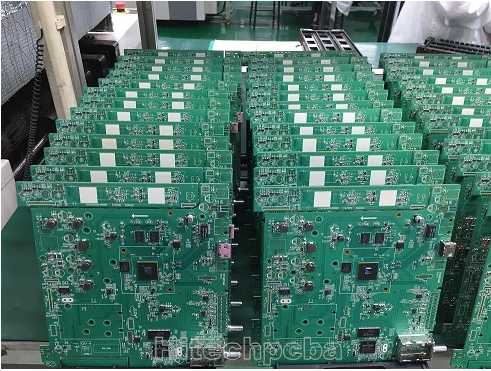
Your leading PCB High Volume PCB Assembly supplier in China <br>[email protected] <br> <br>With 15 years of experience and high efficiency in PCB assembly and manufacturing, HITECH CIRCUITS is the perfect source for Big Batch PCB assembly on a limited budget. If you are looking for a large PCBA assembly within your budget, we will be your ideal choice. HITECH CIRCUITS has more than 15 years of experience in the OEM/PCBA manufacturing and assembly of printed circuit boards, advanced production technology and equipment, professional engineers and purchasing team to provide our partners with personalized and complete process solutions. HITECH CIRCUITS’s supply chain services deliver supply chain innovation on demand. We offer a bold, yet proven service solution designed to grow market share and profit. Our innovative approach to managing the supply chain offers a complete business model that delivers the talent and transformative tools necessary to create predictability, reliability, and responsiveness across your entire supply chain. Our practitioners are passionate about supply chains. We have spent a generation understanding, refining and building the best in intelligent supply chains. We provide talent on-demand with expertise in data analytics and strategic technologies that can help you predict, plan and respond more effectively. <br> <br> <br> <br>Some designs require assemblies in small volume, maybe just prototypes, while others require them in high volume. At SMT house, High Volume, Large Volume, or Big Batch PCB Assembly always refers to printed board assembly projects with quantities more than 5K pieces. HitechPCB has the capability to offer high volume PCB assembly services to meet your requirements of high-quality, competitive price, on-time delivery and smooth communication in any manner of full turnkey, consigned and partial turnkey. <br> <br>Also, if your business is involved in applications that require high-volume PCB assembly, the company to contact is HitechPCB, because we’re a complete turnkey solution for printed circuit boards assembly, we are ideally suited for bulk PCB assembly orders. Our state-of-the-art equipments, large facility and wide range of highly-qualified experts give us the capability of high-volume PCB assembly of up to 9,000,000. <br> <br>We are also the perfect source if you’re looking for large-order PCB assembly on a budget. Because of our high level of efficiency and more than 10 years of experience with printed circuit board manufacturing and electronics assembly, we offer large printed circuit board orders at surprisingly competitive prices compared to other PCB manufacturers or PCB assembly companies. <br> <br>Our large order PCB assembly process starts with a tested and practiced set of workflow guidelines for every phase of the process, from pre-order PCB design consultation with professional veteran engineers to PCB fabrication, components sourcing, PCB assembly, PCBA testing, PCBA inspection, PCBA packing and shipping all under the auspices of a highly-skilled production staff. You can be confident that no matter how many circuit boards you order, you will enjoy fast service, low prices and extremely high quality. <br> <br>With our excellent after-sales service, 24 sales and technical support team, quick response service, we will be your best Big Batch PCB assembly manufacturer inChina. A wide variety of highly qualified experts <br> <br> <br> <br>High Volume PCB Assembly China <br> <br>Why choose Hitechpcba Big Batch PCB Assembly <br> <br>Compared to our competitors, Hitechpcba offers large printed circuit board orders at very competitive prices. The risky big batch PCB assembly process begins with a set of tried and tested workflow guidelines. From ordering PCB design to component procurement, manufacturing, testing, assembly, inspection, shipping and packaging. This is all under the guidance of our highly skilled production staff. <br> <br>No matter how many boards you order, you'll love the fast response service, low cost, and surprisingly high quality. <br> <br> <br> <br>Whether you are seeking for product designer, electrical engineer, system integrator, manufacturer, or big batch PCB manufacturing and assembly, low cost big batch PCB housing, electronic assembly services, Hitech Circuits PCB Assembly team will be your perfect choice for big batch PCB assembly plant inChina. <br> <br> <br> <br>Finding Reliable High Volume PCB Assembly Supplier? <br> <br>When your design passed the prototyping verification after optimization, DFM and DFT check, it’s time to find a manufacturer or a supplier who has ability to perform high volume PCB manufacturing and assembly for you. HITECH CIRCUITS is a one-stop PCB solution provider, no matter which your design stage is located, we always can help in PCB manufacturing, assembly and design. With both design and manufacturing knowledge, we can feedback some suggestions to modify or change your design on the basis of cost-down without sacrificing the quality and performance. What’s more, if choosing our full turnkey PCB assembly service, we will be responsible of BOM sourcing to reduce your workload. Our approach to conducting high volume printed circuit board assembly is founded on a commitment to the highest possible quality, based on IPC standards and our inner quality control processes. In spirit of those high assembly standards, HITECH CIRCUITS developed excellent high-volume assembly capabilities and manufacturing processes relied on our advanced assembly lines in dust-free workshop. <br> <br> <br> <br>Big Batch PCB Assembly: The Ultimate FAQ Guide <br> <br> <br> <br>This guide covers all the important aspects of big batch PCB assembly. <br> <br>Therefore, read this guide before starting your next PCB assembly project. <br> <br> <br> <br>What is big batch PCB assembly? <br> <br>Do you have lead-free mass PCB assembly? <br> <br>What is the testing protocol for mass PCB assembly? <br> <br>Do you have a custom mass PCB assembly? <br> <br>How does small batch PCB assembly compare to large batch PCB assembly? <br> <br>What are the main capabilities of mass PCB assembly? <br> <br>What are the applications of mass PCB assembly? <br> <br>What is the cost of mass PCB assembly? <br> <br>How safe is the mass PCB assembly process? <br> <br>Do you provide both THT and SMT in big batch PCB assembly? <br> <br>What is the turnaround time for mass PCB assembly? <br> <br>What are the quality certifications for mass PCB assembly? <br> <br>What to consider when choosing big batch PCB assembly services? <br> <br>Why is it difficult to scale up from prototype to high-volume assembly? <br> <br>How do you simplify the transition from prototype to mass PCB assembly? <br> <br> <br> <br> <br> <br>What is big batch PCB assembly? <br> <br>Big batch PCB assembly is an assembly process where you will assemble 10,000 or more PCBs in a specific period of time. The main processes you will use to assemble PCBs in large quantities are design for manufacturing and design for testing. <br> <br>What are the advantages of using big batch PCB assembly? PCB assembly process <br> <br>With applications in mind, big batch PCB assembly will provide you with numerous industrial and personal benefits. This is why electronic OEM prefer to use it in most of their applications. <br> <br>Large batch PCB Assembly <br> <br> <br> <br>The following are the main advantages of using mass printed circuit components: <br> <br>Rapid design and prototyping process <br> <br>Since you will be mass-producing or manufacturing printed circuit boards, you must assemble them uniformly. By simply creating a design and a prototype that works for each PCB, you can save a lot of time. <br> <br> <br> <br>Short production cycle <br> <br>Since the production process is fully automatic, you will also save time in the production of numerous PCBS. It all starts with the design and prototyping phase, which you'll do with the help of software and machines. <br> <br> <br> <br>Production consistency <br> <br>You will also have a very uniform production process because most of the details are predetermined before implementation. Once production begins, all manufacturing specifications will follow uniform specifications for all printed circuit boards. <br> <br> <br> <br>Quality consistency <br> <br>Since you will be producing all PCBs to similar specifications, you will automatically get consistent quality throughout the production process. In other words, you should rest easy knowing that you will have consistency across all printed boards. <br> <br> <br> <br>First-class cost performance <br> <br>This is the most convenient model for the cost of producing printed circuit boards because you can do everything very consistently. Here, you will buy all the materials in bulk and produce them in a short time using similar machines. <br> <br> <br> <br>Improve the market's ability to time <br> <br>You will be able to produce large number of printed circuit boards in a very short time, thus giving you the advantage in the market. In other words, you will have a steady supply of on-demand printed circuit boards, giving you the advantage in the market. <br> <br> <br> <br> <br> <br>Do you have lead-free mass PCB assembly? <br> <br>Yes, we care about the health of our users and the health of the environment. We are aware of the harmful or negative effects that lead emissions can have on users and the environment.That's why we eliminate lead from production materials. It is of great benefit to protect people's health and eliminate environmental pollution. <br> <br> <br> <br>What is the testing protocol for mass PCB assembly? <br> <br>As long as you have completed the process of producing printed circuit boards, you must ensure that they run well. <br> <br>Existing testing protocols will help ensure that large volumes of PCBs are in perfect working condition. <br> <br>Here are the main test protocols you can perform on a high volume printed circuit board: <br> <br> <br> <br>Automated Optical Inspection (AOI) <br> <br>You will use Automated Optical Inspection (AOI) tools to accurately and efficiently detect production errors in big batch PCB assembly. It has cameras and image-processing software that can identify assembly errors and relay information for further action. It is the best tool you will use for better error detection than visual inspection. <br> <br>AOI for PCB Assembly <br> <br> <br> <br>Solder Paste Inspection (SPI) <br> <br>After you have finished printing with the paste printer, you must pass it through the paste inspector. The SPI machine has a camera and communication system equipment that can examine every detail of the solder paste.It compares these details to the Gerber file and reports any kind of inconsistency. <br> <br> <br> <br>In-Circuit Test (ICT) <br> <br>In-Circuit Test, you can use the most detailed test methods to check the quality and integrity of the PCB.Here, you will have to take personal initiative and use online testing software to check the quality of your PCB.You will use the machine to detect errors in the PCB for correction. <br> <br> <br> <br>Functional Circuit Test <br> <br>Here, you will use a computer with test pins or test probes to test the functional integrity of the PCB. You can tell if the board passes the test simply by comparing the results to the design specifications. <br> <br> <br> <br>X-ray Examination <br> <br>You will use X-ray inspection to detect welding problems on the PCB that are not visible to the human eye. Here, you do not have to cut through the circuit board to see the welding quality on the printed circuit board. You'll use X-ray inspection protocols to detect errors in components and soldering on circuit boards. <br> <br> <br> <br> <br> <br>X-RAY PCB Assembly China <br> <br>Do you have a custom mass PCB assembly? <br> <br>Yes, we do customize mass printed circuit boards. <br> <br>You can order the most unique types of printed circuit boards and we will produce them according to your needs. <br> <br>We'll review your design, create a prototype, and then test how it works. <br> <br>Once we confirm that it is working well according to the design details, we will proceed with the production process. <br> <br> <br> <br>How does small batch PCB assembly compare to large batch PCB assembly? <br> <br> <br> <br>On the production scale, you can choose between large batch PCB assembly or small batch PCB assembly. <br> <br>Mass PCB assembly is the process by which you assemble 10,000 or more printed circuit boards. <br> <br>It is a mass production or assembly system that can mass produce PCBs in a short period of time. <br> <br>On the other hand, you can choose to assemble PCBs in small batches for small scale production or assembly of PCBs. <br> <br>In other words, you will produce a very small number of printed circuit boards of 250 or less. <br> <br>In large and small batch PCB assembly, the assembly process will remain the same. <br> <br>In addition, you will use similar detection techniques for high - and small-lot PCB assemblies. <br> <br> <br> <br>What are the main capabilities of mass PCB assembly? <br> <br>Well, when you're looking for a good large volume PCB assembler, there are some special features. <br> <br>This means that they must have the specific resources that you will use in the PCB assembly process. <br> <br>The following are the main functions that must be available for mass PCB assembly. <br> <br> <br> <br>Manufacturing capacity <br> <br>It is important to have a manufacturer that can use both surface mount technology and through-hole technology. <br> <br>You must find a manufacturer with sufficient knowledge and experience in surface mount technology and through-hole technology. <br> <br>Fast turnaround time <br> <br>You should also have a manufacturer that can produce large number of PCBs in a very short time. <br> <br>In other words, you don't have to wait longer to get the printed circuit board you ordered. <br> <br>Welding capacity <br> <br>In this case, the key point you must pay close attention to is the ability to weld manually and by machine.Your manufacturer should be able to perform both hand and machine welds. <br> <br> <br> <br>Quality compliance <br> <br>You should also know that the quality of the printed circuit board is a top priority when it comes to durability and safety. <br> <br>Here, your manufacturer must have the knowledge to read the list of materials and identify the right quality products. <br> <br> <br> <br>Test method <br> <br>You must also choose a manufacturer that has knowledge of all test machines and printed circuit boards. <br> <br>In other words, after production, your supplier must test all printed boards accordingly before providing PCBs. <br> <br> <br> <br>High Volume PCB Assembly -1 <br> <br>What are the applications of mass PCB assembly? <br> <br>You will be mass-producing large volume PCB assemblies of different equipment at high rates. <br> <br>If you want to enter the PCB production market, you must have knowledge of mass PCB assembly. <br> <br>Here are some industries that require big batch PCB assembly. <br> <br> <br> <br>The communications industry mass-produces communications equipment <br> <br>Military or defense industry <br> <br>Automobile industry <br> <br>Aviation industry <br> <br>You will be using big batch PCB assembly in an industry where big batch production, consistency, and consistency are important. <br> <br> <br> <br>What is the cost of mass PCB assembly? <br> <br>Well, the cost of mass-producing printed circuit boards is fairly affordable. <br> <br>Here, you will apply economies of scale in the production process, thereby reducing the cost of producing PCBs. <br> <br>In addition, other factors that affect cost such as quality and size will also play an important role. <br> <br>You will spend more on high quality and larger PCB materials, increasing production costs. <br> <br>Typically, the amount you will spend usually depends on the design specifications of your PCB. <br> <br> <br> <br>How safe is the mass PCB assembly process? <br> <br>Well, most of the manufacturing process for big batch PCBs is highly automated. <br> <br>In other words, there was little human involvement other than the design and programming of the machine. <br> <br>In addition, we eliminate any material that would suspend harm to the environment and users. <br> <br>This makes mass PCB assembly one of the safest modes for producing printed circuit boards. <br> <br> <br> <br>Do you provide both THT and SMT in big batch PCB assembly? <br> <br>Yes, we have both through-hole technology and surface mount technology for PCB assembly. <br> <br>These are the main manufacturing methods we use to produce high quality printed circuit boards. <br> <br>You will choose among these manufacturing modes based on the design and application specifications. <br> <br> <br> <br>Is there turnkey assembly for large volume PCB assembly? <br> <br>Of course, our production system is capable of handling very large volumes of turnkey PCBs. <br> <br>You'll find products that you can buy in bulk to meet your production needs. <br> <br>Here, we will be responsible for every step of production from design, inspection, prototyping and assembly. <br> <br> <br> <br>What is the turnaround time for mass PCB assembly? <br> <br>You should rest easy knowing that your production specifications will be met as planned. <br> <br>This includes time for all production specifications and you will accordingly meet all your market needs. <br> <br> <br> <br>What are the quality certifications for mass PCB assembly? <br> <br>As we mass-produce printed circuit boards, we also ensure consistent quality. <br> <br>This means that you will get the highest quality printed circuit boards in large quantities at an affordable price. <br> <br>Our quality meets and exceeds international quality standards, namely: <br> <br> <br> <br> Comply with IPC quality standards such as IPC-WHMA-A-610 and IPC-CC-830B <br> <br>ANSI/AHRI quality standards, such as ANSI/J-STD-001 -- Class II and III only <br> <br>RoHS quality certification <br> <br>UL quality standard <br> <br>CE quality standard <br> <br> <br> <br> <br> <br>High Volume PCB Assembly -2 <br> <br> <br> <br>What to consider when choosing big batch PCB assembly services? <br> <br>You'll see the manufacturing capabilities of high-volume PCB assemblers. <br> <br>Here are the main factors that you must pay close attention to: <br> <br>Manufacturing and service capabilities <br> <br>QC <br> <br>Years of manufacturer experience <br> <br>Customization capability <br> <br>Turnaround time <br> <br>Responsiveness and flexibility <br> <br>Delivery service <br> <br> <br> <br>Why is it difficult to scale up from prototype to high-volume assembly? <br> <br>Scaling up from low-volume to high-volume PCB assembly can prove to be a difficult and painful process. <br> <br>Here are the main reasons why this can pose a difficult challenge. <br> <br>You must change design files and formats to meet new design requirements <br> <br>You may also lack the correct type of machine for the new specification <br> <br>You may also have to change components that will be tied to the PCB <br> <br>You may also have to change the entire design to accommodate the new specifications <br> <br> <br> <br>How do you simplify the transition from prototyping to high-volume PCB assembly? <br> <br>Despite the difficulties, you should rest easy knowing that you can easily complete the process. <br> <br>The best way is to choose the best prototype CM that can collaborate all the details accordingly. <br> <br>It will help remove obstacles that can cause confusion and make the process difficult. <br> <br>At Hitech Circuits, we will help you with the PCB fabrication and PCB assembly process. <br> <br>Contact us today for all of your big batch PCB assembly needs. <br> <br> <br> <br>ICT Testing <br> <br>Parts Quality Guarantee and Reliable Testing Methods <br> <br>For verifying your turnkey orders, HITECH CIRCUITS would like to provide Prior PCB assembly service, which we will assemble 3-5pcs of your PCBs ahead of the main assembly production run, and ship these prior PCBAs to you for testing. This service is totally free of charge and only available for full turnkey PCB assembly orders in high volumes, which means HITECH CIRCUITS handling PCB fabrication, Components sourcing, and final assembly for your project. In this way, you can work with our assembly team to ensure that the finished product exactly meets your specifications every time. No one knows your design as well as you do, and so we offer prior Electronics Manufacturing assembly service as a guarantee that each and every board leaving our PCB and SMT facilities will meet your own personal standards in quality and performance. Of course, this is flexible threshold; we also would like to provide prior PCB assembly service for some smaller orders if they incorporate a high degree of complexity. Prior PCB assembly is especially popular among our customers who require IC programming services, since it allows for them to ensure that their source code will function as expected on the finished assembled boards, before their full order is assembled.

Compliance Calendar LLP
The Common Trademark Registration Mistakes: A Complete Guide <br>Trademark registration is an important step in protecting your brand’s identity and confirming that your goods or services are distinguishable in the marketplace. However, the process can be complex, and making mistakes along the way can lead to costly delays, legal disputes, or even the loss of your trademark rights. Below, we’ll explore some common trademark registration mistakes and guide how to avoid them, certifying a smoother and more successful application process. <br>1. Inadequate Trademark Search <br>One of the most common and significant mistakes in trademark registration is failing to conduct a thorough trademark search before applying. Many applicants overlook this step, assuming that their unique brand name or logo is available for use. However, the reality is that similar or identical trademarks might already be registered or in use, leading to potential conflicts. <br>Why It’s a Problem: If your chosen trademark is too similar to an existing one, the trademark office is likely to refuse your application. Even if your application is approved, you could face legal challenges from the existing trademark holder, leading to expensive litigation and the possibility of having to rebrand entirely. <br>How to Avoid It: Conduct a comprehensive search in trademark databases to identify any potential conflicts. While free online databases are available, they may not provide the most thorough results. Hiring a trademark professional to conduct the search can give you peace of mind and ensure that your chosen trademark is truly unique and available for registration. <br>2. Choosing a Descriptive or Generic Trademark <br>Another common mistake is selecting a trademark that is too descriptive of the goods or services it represents. Descriptive trademarks use common words or phrases that directly relate to the product, such as “Fresh Juice” for a juice company. Generic trademarks, on the other hand, refer to the product itself, like “Bread” for a bakery. <br>Why It’s a Problem: Descriptive and generic trademarks are difficult, if not impossible, to protect. Trademark offices often reject these marks because they lack distinctiveness, which is a key requirement for trademark protection. Even if approved, enforcing rights over a descriptive or generic trademark can be challenging, as competitors may argue that they need to use the same or similar terms to describe their products. <br>How to Avoid It: Opt for a distinctive trademark that is arbitrary, fanciful, or suggestive. Arbitrary marks use common words in an unrelated context (e.g., “Apple” for electronics), fanciful marks are entirely invented (e.g., “Kodak”), and suggestive marks imply a quality or characteristic without directly describing it (e.g., “Netflix” for an online streaming service). These types of marks are easier to protect and enforce. <br>3. Incorrect Classification of Goods/Services <br>When filing a trademark application, it is essential to classify your goods or services correctly according to the Nice Classification system, which categorizes products and services into 45 different classes. Misclassifying your goods or services can lead to a rejection of your application or insufficient protection for your trademark. <br>Why It’s a Problem: Incorrect classification can result in your application being refused, delayed, or granted in a way that does not cover all the goods or services you offer. This leaves your brand vulnerable to infringement by others in the unprotected categories. <br>How to Avoid It: Familiarize yourself with the Nice Classification system and carefully select the correct class or classes for your goods or services. If you are unsure, consult a trademark professional to help you determine the appropriate classifications. <br>4. Filing in the Wrong Jurisdiction <br>Trademark protection is territorial, meaning it only applies within the jurisdiction where the trademark is registered. A common mistake is filing for trademark protection in a jurisdiction where the applicant does not intend to do business or neglecting to file in important markets. <br>Why It’s a Problem: If you fail to register your trademark in key markets, you may find that someone else registers a similar or identical mark in those regions, preventing you from using your brand name or logo in those areas. <br>How to Avoid It: File your trademark application in all the jurisdictions where you plan to use the trademark. For businesses operating in multiple countries, consider international trademark registration options, such as the Madrid Protocol, which allows you to file a single application to protect your mark in multiple countries. <br>5. Failure to Monitor and Enforce Your Trademark <br>After successfully registering your trademark, it’s important not to overlook the ongoing responsibility of monitoring and enforcing it. Trademark rights can be weakened or even lost if you do not actively protect them. <br>Why It’s a Problem: Competitors may begin using similar marks, diluting your brand’s distinctiveness and potentially leading to consumer confusion. If you do not take action against these infringements, you risk losing your trademark rights due to abandonment or genericide (when a brand name becomes a generic term for a product). <br>How to Avoid It: Regularly monitor the marketplace and trademark filings to detect potential infringements. If you discover unauthorized use of your trademark, take prompt legal action to enforce your rights. This may include sending cease-and-desist letters, initiating legal proceedings, or negotiating settlements. <br>6. Not Responding to Office Actions Promptly <br>During the trademark registration process, the trademark office may issue an office action, which is a document outlining issues or objections with your application. Failing to respond promptly to these office actions can result in the abandonment of your application. <br>Why It’s a Problem: If you do not address the issues raised by the trademark office within the specified time frame, your application may be denied, forcing you to start the process over or lose your opportunity to register the trademark. <br>How to Avoid It: Stay vigilant and respond to office actions as soon as possible. Carefully address the concerns raised by the trademark examiner, providing any necessary documentation or arguments to overcome the objections. <br>7. Inadequate Use of the Trademark <br>Once your trademark is registered, it must be used in commerce to maintain its protection. Failure to use the trademark correctly or at all can lead to its cancellation. <br>Why It’s a Problem: If a trademark is not used for a continuous period (typically three to five years), it may be subject to cancellation for non-use. Additionally, inconsistent or incorrect use of the trademark can weaken its protection. <br>How to Avoid It: Ensure that your trademark is used consistently and correctly across all products, services, and marketing materials. Keep detailed records of your trademark’s use in commerce, as these may be required to defend your rights in case of a dispute. <br>8. Overlooking Renewal Deadlines <br>Trademark registrations are not indefinite; they must be renewed periodically to remain in force. Failing to renew your trademark registration on time can result in the loss of your trademark rights. <br>Why It’s a Problem: Missing a renewal deadline can lead to the expiration of your trademark registration, leaving your brand unprotected and allowing others to register similar or identical marks. <br>How to Avoid It: Keep track of your trademark’s renewal deadlines and file for renewals well before the due date. Many jurisdictions allow you to renew your trademark several months in advance, providing a buffer to ensure you don’t miss the deadline. <br>9. Not Seeking Professional Help <br>Attempting to navigate the trademark registration process without professional guidance can lead to costly mistakes. While it may be tempting to save money by handling the process yourself, the complexities involved often require expert knowledge. <br>Why It’s a Problem: Missteps in the application process, incorrect classifications, or failing to address legal requirements can result in the refusal of your application or legal disputes down the road. <br>How to Avoid It: Consider consulting a trademark attorney or specialist who can guide you through the process, help you avoid common pitfalls, and ensure that your application is handled correctly and efficiently. <br>10. Failing to Consider Long-Term Brand Strategy <br>Finally, it’s important to consider how your trademark fits into your long-term business strategy. Many businesses make the mistake of registering a trademark that aligns with their current offerings but fails to accommodate future growth or diversification. <br>Why It’s a Problem: As your business evolves, you may find that your existing trademark no longer aligns with your expanded product line or market. This can necessitate rebranding or additional trademark registrations, both of which can be costly and time-consuming. <br>How to Avoid It: When selecting a trademark, think ahead about how your business might grow and evolve. Choose a mark that is broad enough to cover future products or services, or consider registering multiple trademarks that align with your long-term strategy. <br>Conclusion <br>Trademark registration is a critical step in building and protecting your brand, but it requires careful planning and execution. By avoiding these common mistakes and taking a proactive approach to trademark protection, you can secure valuable rights that will help your business thrive in the marketplace.
Futina USB Power Strip
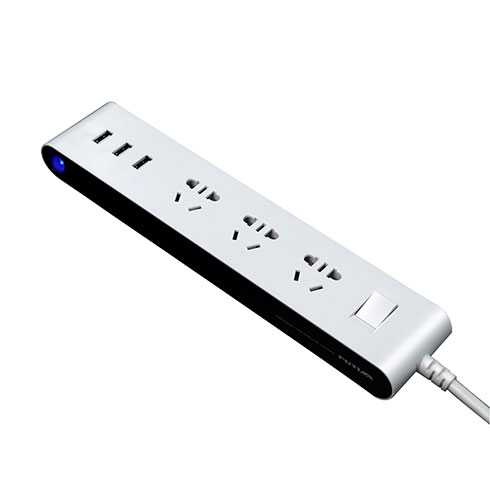
#smart #usb #power #strip <br>Futina Power Strip with Surge Protector and USB <br>Futina usb outlet power strip is a set of electrical sockets that attach with USB socket, as a specialized USB power strip supplier, Futina provides more usb outlet to provide power for your devices. <br> <br>As a professional smart usb power strip supplier, Futina offers top-of-the-line products that combine functionality, safety, and convenience. Whether you need power solutions for your home, office, or commercial space, Futina's USB power strips are designed to enhance connectivity, streamline device charging, and protect valuable electronics. Partner with Futina and experience the difference of reliable, high-performance power strips that meet the demands of the modern world. Elevate your power management solutions with power strip with usb charging ports supplier Futina's exceptional surge protector power strip with usb ports. <br> <br>Specification of Surge Protector USB Power Strip <br>Brand name Futina <br>Standard TIS Standard <br>Mechanical Life 20,000 Times <br>Module Color White <br>Ma. Voltage 250V <br>Current 16A <br>Type 3* Euro-American socket + 3* USB socket extension cord with 2M * 1.5 mm² with 3 round pin plug <br>OEM,ODM Accept OEM, ODM, Customization <br>Certification IEC/TIS <br>Materials PC/Brass <br>Warranty 5 years <br>MOQ 2000pcs <br>Packing Details Inner packing: 1pcs/box <br> Outer packing: 30pcs/ctn <br>Delivery Detail 30-45 days <br> <br> <br>Highlight Of USB Power Strip for Furniture <br>V0 and V1 grade 850 ℃ resistant PC materials <br> <br>Power split according to devices, provide safe charging power as your original one, protect your device from damaging. <br> <br>Thickened power cable, Ensure stable current output <br> <br>Buckle combination design, keep the power strip more firm and stable <br> <br>Automatically cut off power supply when current exceeds maximum value to prevent leakage <br> <br>Futina provide the complete range of electrical wiring devices, including wall switches and socket, power strip, ground box & outlet, circuit breaker, power distribution box, exhaust fan and LED home lighting. <br> <br>[a]https%3A%2F%2Fwww.futinaswitch.com%2Fproducts%2Fusb-power-strip%2F[/a]
China Through-hole PCB Assembly
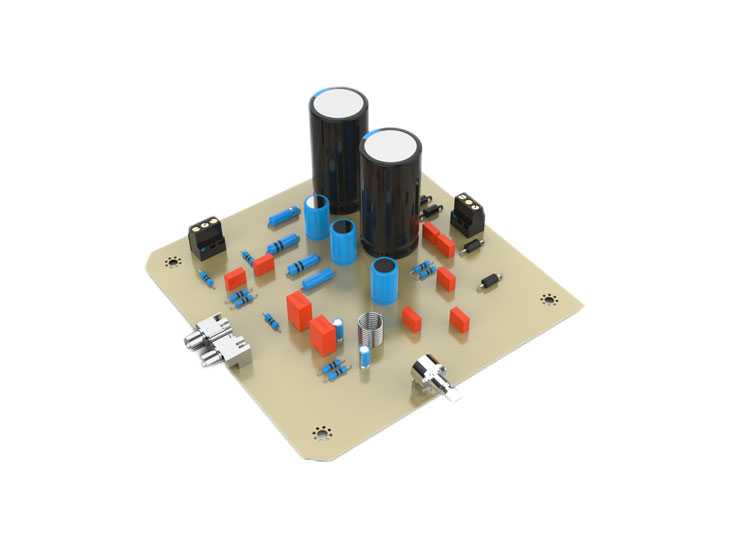
#through <br>[a]https%3A%2F%2Fwww.greenpcba.com%2Fthrough-hole-pcb-assembly%2F[/a] <br>GreensTone provides china automated through hole pcb assembly services to meet conventional lead assembly requirements of a variety of industries. We provide single, double-sided, as well as high-density multilayer Plated Through Hole (PTH) circuit board assembly services to meet low to mid volume production. Most through-hole printed circuit board services are designed to provide high-quality products to mission-critical applications to industries such as new energy like EV charger, industry control like Electric meters, and military. <br> <br>China Automated Though hole PCB Assembly Testing and Inspection Capabilities <br>Automated Optical Inspection: Abbreviated as AOI, these tests are performed to ensure that product is free from soldering, component, and BGA defects. <br>Burn-in Tests: These tests to detect components failure or reliability in real environments. <br>Automated X-Ray Inspection: This testing is performed to inspect insufficient fills, short circuits, fills, etc. The automated X-ray inspection helps reduce the number of defects, and improve the quality of the Through-Hole circuit. <br>In-Circuit Testing: This type of testing is conducted for high volume production lines, and helps us check every minute soldering, and other components in detail. <br>Assisted Visual Inspection <br> <br>What Are The Applications For China Automated Through-hole PCB Assembly? <br>China through hole PCB assembly, though a traditional method, continues to find its niche in various specialized applications: <br>Aerospace and Defense: In critical aerospace and defense systems, where reliability is paramount, through-hole components offer robust connections that withstand harsh conditions and vibrations. China through hole PCB assembly are commonly used in avionics, radar systems, and military hardware. <br>Medical Devices: Medical equipment, including life-saving devices like pacemakers and diagnostic instruments, often rely on through-hole assembly due to its durability and adherence to strict medical standards. <br>Industrial Automation: Components for industrial automation must endure tough environments with high temperatures and vibrations. China through hole assembly components excel in these settings, making them essential for motor control systems and sensor interfaces. <br>Automotive Electronics: Certain automotive applications, such as engine control units (ECUs) and airbag systems, benefit from the robustness of through-hole components, which can withstand the mechanical stresses and temperature variations in vehicles. <br>High-Power Devices: For high-power applications, where components need to handle substantial current and heat dissipation, China throughhole PCB assembly components are preferred. Examples include power amplifiers and voltage regulators. <br>Prototyping and Development: In the early stages of product development, through-hole components are chosen for their ease of manual assembly and modification. They facilitate testing and prototyping processes. <br>Legacy Systems: Older electronic systems and legacy equipment often rely on through-hole components. Repairing or retrofitting these systems often requires China through hole assembly to maintain compatibility. <br>Education and Training: China through hole PCB assembly is commonly used in educational settings to teach electronics fundamentals. Its simplicity and accessibility make it an excellent starting point for students learning about PCB assembly. <br> <br>China Automated Through Hole Pcb Assembly Design Process <br>Designing a PCB for through-hole assembly is a meticulous process that involves several key steps. Here, we'll walk you through the through-hole PCB assembly design process, highlighting each stage's significance: <br>1. Project Requirements Analysis: <br>Begin by thoroughly understanding the project's requirements, including component types, performance specifications, and environmental conditions. These insights shape the design objectives. <br>2. Schematic Capture: <br>Create a schematic diagram using Electronic Design Automation (EDA) software. This schematic illustrates the electrical connections between components, forming the basis of your PCB design. <br>3. Component Selection: <br>Choose through-hole components that align with project requirements, considering voltage ratings, current handling capacity, and physical size. Availability of components is also a key factor. <br>4. PCB Layout Design: <br>Utilize PCB design software to place components on the board. Carefully consider factors like component orientation, spacing, and signal routing to optimize functionality and ease of assembly. <br>5. Routing and Tracing: <br>Create copper traces on the PCB to establish electrical connections between components as per the schematic. Ensure proper signal integrity, avoiding cross-talk or interference. <br>6. Design Rule Check (DRC): <br>Run a DRC to identify and rectify any design violations or errors, ensuring the design adheres to manufacturing and assembly standards. <br>7. Footprint and Hole Placement: <br>Define component footprints and hole placements, ensuring alignment with through-hole components' lead spacing and size. <br>8. Thermal Considerations: <br>Pay attention to components that may generate heat and incorporate thermal management strategies, like vias or heatsinks, to maintain proper operating temperatures. <br>9. Layer Stackup: <br>Determine the number of PCB layers needed and establish the layer stackup, considering factors such as signal integrity and impedance control. <br>10. Design Review: <br>- Conduct a comprehensive design review to identify any potential issues or optimizations, involving multiple stakeholders if necessary. <br>11. Documentation: <br>- Generate detailed design documentation, including Gerber files, assembly drawings, and bill of materials (BOM), to guide PCB fabrication and assembly. <br>12. Prototyping: <br>- Before full-scale production, create a prototype to validate the design's functionality and make any necessary refinements. <br>13. Manufacturing and Assembly: <br>- Once the design is finalized and validated, proceed to PCB fabrication and through-hole assembly. <br>14. Testing and Quality Control: <br>- Rigorously test the assembled PCBs to ensure they meet performance standards and quality criteria. <br>15. Production: <br>- Scale up production for the required quantity, ensuring consistency and adherence to design specifications. <br>Throughout this process, collaboration with experienced PCB designers and assembly experts is essential to ensure a successful through-hole PCB assembly design. Attention to detail, adherence to standards, and thorough testing contribute to a reliable and functional final product. <br> <br>HOW DOES THROUGH HOLE PCB ASSEMBLY WORK? <br>China through-hole PCB assembly is a conventional method of mounting electronic components onto a printed circuit board (PCB). Here's how the process works: <br>Component Insertion: <br>Through-hole components have leads (wire-like extensions) that are inserted into corresponding holes on the PCB. These holes are plated with conductive material to create electrical connections. <br>Soldering: <br>Once components are inserted, the PCB is typically flipped over, and the leads protruding from the bottom are soldered to create secure electrical connections. This soldering process can be manual or automated. <br>Trimming and Cleaning: <br>Excess lead lengths are trimmed, and the PCB is cleaned to remove any flux residue or contaminants. <br>Quality Control: <br>The assembled PCB undergoes thorough quality control checks to ensure proper soldering, component placement, and functionality. This may include visual inspection, automated testing, and functional testing. <br>Secondary Assembly (Optional): <br>In some cases, through-hole assembly may be combined with surface mount technology (SMT) assembly to accommodate a wider range of components and functions. This is known as mixed-technology assembly. <br>Final Testing: <br>The completed PCB is subjected to final testing to verify its performance and functionality according to project requirements. <br>Packaging and Shipping: <br>Once the PCBs pass all quality checks, they are packaged according to customer specifications and prepared for shipping. <br> <br>Our Through Hole PCB Assembly Capabilities <br>At GreensTone, we pride ourselves on our extensive capabilities in through-hole PCB assembly. Our commitment to quality, efficiency, and customer satisfaction sets us apart. Here's an overview of our capabilities: <br>Experienced Team: Our team of skilled engineers and technicians possesses years of experience in through-hole PCB assembly, ensuring the highest level of expertise. <br>Comprehensive Services: We offer comprehensive through-hole assembly services, including design support, component sourcing, PCB fabrication, assembly, testing, and quality control. <br>State-of-the-Art Equipment: We utilize cutting-edge equipment and technology for precise component placement, soldering, and quality assurance. <br>Customization: We understand that every project is unique. We collaborate closely with our clients to accommodate specific component preferences, design complexities, and compliance requirements. <br>Quality Assurance: Quality is our top priority. We implement stringent quality control measures at every stage of the assembly process to deliver PCBs of the highest standards. <br>Efficiency: Our streamlined processes and advanced equipment enable us to complete projects quickly and efficiently, meeting tight deadlines and ensuring on-time delivery. <br>Cost-Effective Solutions: We focus on cost-efficiency without compromising quality, helping our clients achieve their project goals within budget. <br> <br>Manual & Automated Through Hole PCB Assembly Services <br>Our through-hole PCB assembly services encompass both manual and automated processes, allowing us to cater to a wide range of project requirements: <br>Manual Assembly: For projects with specific requirements or low-volume production, manual through-hole assembly provides the flexibility needed for precise component placement and soldering. <br>Automated Assembly: High-volume projects benefit from our automated through-hole assembly processes. Our automated equipment ensures efficiency, consistency, and accuracy in component placement and soldering. <br> <br>GreensTone Is A Through Hole PCB Assembly Expert <br>With a strong commitment to quality, reliability, and innovation, GreensTone stands as your trusted expert in through-hole PCB assembly. Our extensive capabilities, experienced team, and dedication to excellence make us the ideal partner for your through-hole assembly needs. <br>When you choose GreensTone, you gain a partner dedicated to the success of your project. Our expertise and commitment to quality ensure that your through-hole PCBs meet the highest standards and are ready to power your electronic products reliably. <br> <br>If you are looking for a reliable ems manufacturing company, don't hesitate to contact us!
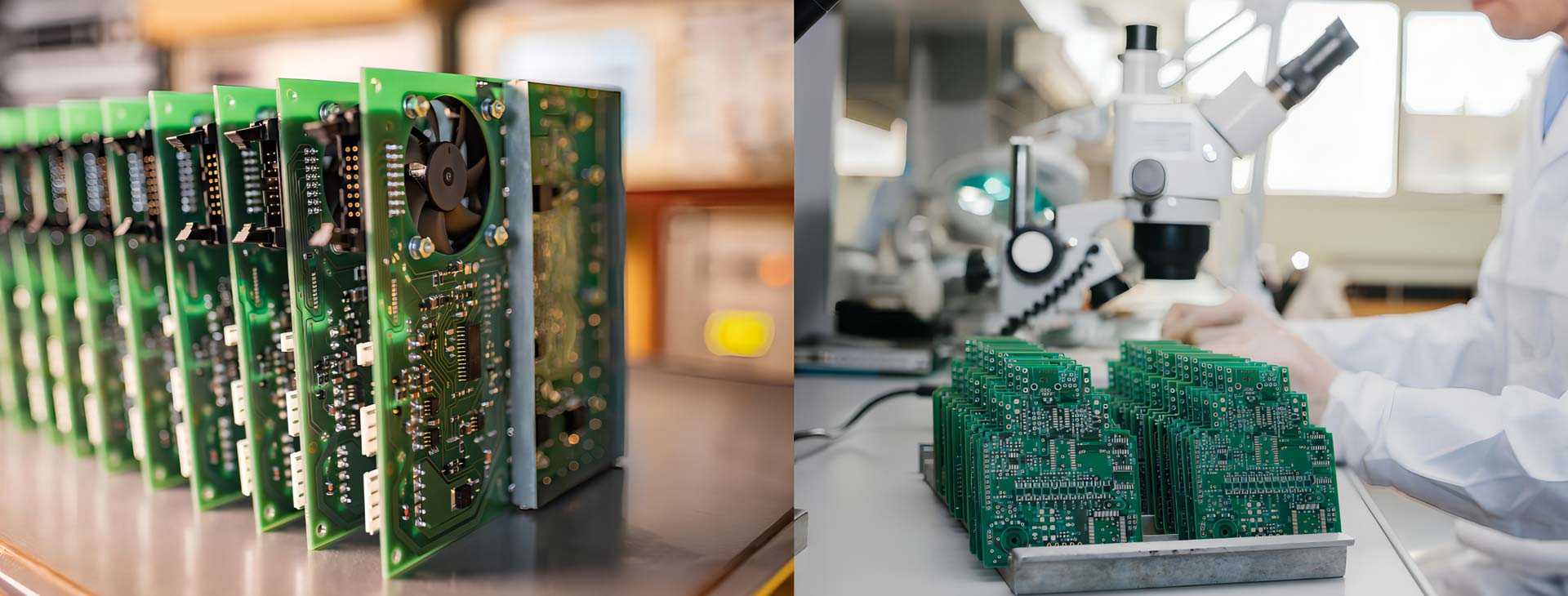
SMT PCB Assembly
#assembly <br>[a]https%3A%2F%2Fwww.greenpcba.com%2Fsmt-pcb-assembly%2F[/a] <br>As SMT assembly supplier, GreensTone SMT production runs with automated SMT production processes, including single or double-sided component insertions. STM components include passive Component: components as small as 01005, 0201,0402. <br>ICs like BGA: handle BGA of 0.25mm pitch with X-ray testing, fine Pitch to 0.25mm UBGA, QFN, POP, leadless chips, connectors and terminals, these components can be in Reels, Cut Tape, Tube & Tray, Loose Parts and Bulk package. <br> <br>GreensTone SMT PCB Assembly Advantages <br>High quality At the customer's request, contract electronics manufacturing factory GreensTone always sources components from suppliers recommended by the client. We do not replace components or use a supplier that is not approved by the customer. Incoming quality control, outgoing quality control and in-process quality control. Visit our reliable network of suppliers, on-site inspection of raw material, internal audits monitor facilities, all requirements specified in writting, any changes are made through a secure approval process. <br>Cost Effective-We are located in the city Shenzhen(The electronics components center),China .This allows us to provide low-cost circuit board manufacturing,lectronic components procurement and assembly services. <br>Experienced team work <br>We have more than 10 years experience in contract manufacturing. when you come to work with GreensTone to start China prototype pcb assembly services or contract manufacturing project, our sales people will get in touch with you at first, the design assistant engineer will check your files include BOM list, drawings and components specifications.when you decide to order from us, the project manager will set-up project account for you, our assembly engineer will give you some advanced assembly suggestion before volume production. So you can see, we have at least 4-5 expertise work as a team, these engineers are with backgrounds in mechanical design, testing, materials,injection for plastics and CAD modeling. <br>GreensTone always has good performance in complex manufacturing, we have expertise in electronics components,expertise team in plastic/metal/cable parts,expertise team in assembly&testing and expertise team in quality control. For a new complex project, run the project in sections is important. Run a project we go like this: project review--project--approval --prototype--small batches--Bulk production. <br>Flexibility We react quickly to your changing needs. Our working time and style is flexible to meet your variable needs. To us, your requirements are our guidelines and rules to follow. <br>Whether you need design support, electronic manufacturing services or technology expertise, we can help. And we'll do it wherever you are in the product development process-from design and manufacturing to supply chain, logistics and packing-to bring your products to market faster and more efficiently. We have expertise in mechanicals, plastics and electronics. We have the flexibility to provide support across your entire product life-cycle, including expert design collaboration, robust testing, advanced assembly capabilities and more.No matter the volume, scale or complexity of your products <br>Care about your product security whole-life long-term run, we have: <br>Expertise in meeting UL/CE/VDE requirements <br>RoHs-compliant manufacturing process. <br>IS09001&IS014001 certification <br> <br>Specification of SMT PCB Assembly Capability <br>Ball Grid Array (BGA) <br>Ultra-Fine Ball Grid Array (uBGA) <br>Quad Flat Pack No-Lead (QFN) <br>Quad Flat Package (QFP) <br>Small Outline Integrated Circuit (SOIC) <br>Plastic Leaded Chip Carrier (PLCC) <br>Package-On-Package (PoP) <br>Small Chip Packages (pitch of 0.2 mm) <br> <br>What is SMT? <br>In the ever-evolving world of electronics, innovations in manufacturing techniques have played a pivotal role in the miniaturization, performance enhancement, and cost-effectiveness of electronic devices. Surface Mount Technology (SMT) is one such manufacturing technique that has revolutionized the way printed circuit boards (PCBs) are assembled. In this guide, we will delve into what SMT is, how it works, its advantages, and its significance in modern PCB manufacturing. <br>Surface Mount Technology, commonly referred to as SMT, is a PCB assembly method that replaces traditional through-hole technology (THT). While THT involves inserting component leads through holes in the PCB and soldering them on the opposite side, SMT components are mounted directly onto the surface of the PCB. SMT components are smaller, lighter, and enable higher component density on the PCB. <br> <br>SMT PCB assembly process <br>Surface Mount Technology (SMT) is a pivotal advancement in the field of printed circuit board (PCB) assembly. It has revolutionized the way electronic components are mounted onto PCBs, enabling smaller, lighter, and more efficient electronic devices. In this comprehensive guide, we will walk you through the SMT PCB assembly process, step by step, providing insights into each stage and the importance of precision and quality control. <br>1. PCB Design and Preparation <br>The SMT PCB assembly process begins with meticulous PCB design. Design engineers use specialized software to create the PCB layout, considering factors such as component placement, signal routing, and thermal management. The design must adhere to industry standards and ensure that components fit precisely. <br> <br>Once the design is finalized, the PCB fabrication process begins. This involves creating the actual PCB by etching the copper layers, drilling holes, and applying solder mask and silkscreen. The result is a bare PCB ready for component placement. <br>2. Stencil Fabrication <br>To apply solder paste accurately, a stencil is created. This stencil is typically made of stainless steel or nickel and is precisely machined to match the PCB's layout. The stencil contains openings (apertures) corresponding to the pads where components will be placed. <br>3. Solder Paste Application <br>Solder paste is a critical element in the SMT process. It consists of tiny solder particles suspended in flux. The solder paste is applied to the PCB's pads using the stencil and a specialized machine called a solder paste printer. The stencil ensures that the paste is deposited only on the designated areas. <br>The solder paste serves two primary purposes: <br>Facilitating Component Attachment: When heated, the solder paste transforms into a liquid state, allowing components to attach securely to the PCB. <br>Solder Joint Formation: After component placement, the solder paste solidifies, creating solder joints that establish electrical and mechanical connections between the components and the PCB. <br>4. Component Placement <br>This stage involves the precise placement of SMT components onto the PCB. Automated pick-and-place machines are used for this purpose. These machines are programmed with the component placement data from the PCB design files, enabling them to pick up components from reels or trays and place them with pinpoint accuracy onto the solder paste-covered pads. Component placement speed and accuracy are crucial for efficient PCB assembly. <br>5. Reflow Soldering <br>After component placement, the PCB enters a reflow soldering oven. The reflow soldering process consists of several critical phases: <br>5.1. Preheating: The PCB is gradually heated to a specific temperature to activate the flux in the solder paste and eliminate any moisture. <br>5.2. Temperature Soak: The PCB is held at a peak temperature for a set duration to ensure that the solder paste fully melts and wets the component leads and PCB pads. <br>5.3. Cooling: The PCB is cooled gradually to solidify the solder joints. Proper cooling is essential to prevent thermal stress on components. <br>Reflow soldering is a precise process, with strict temperature profiles tailored to the specific components and solder paste used. The goal is to achieve reliable solder joints without overheating or damaging sensitive components. <br>6. Inspection and Quality Control <br>After reflow soldering, the PCB undergoes thorough inspection to identify any defects or issues. Automated Optical Inspection (AOI) and X-ray inspection are commonly used methods to check for: <br>Component placement accuracy: AOI verifies that components are correctly positioned on the pads. <br>Solder joint quality: AOI checks for solder joint defects such as insufficient solder, excess solder, solder bridges, and tombstoning. <br>Component presence and orientation: AOI ensures that all components are present, correctly oriented, and in the right locations. <br>Any detected defects are flagged for rework or repair, ensuring that only high-quality PCBs proceed to the next stages. <br>7. Additional Processing (Optional) <br>Depending on the specific requirements of the PCB and the assembly, additional processes may be necessary: <br>Selective Soldering: In cases where through-hole components are required alongside SMT components, selective soldering machines can be used to solder the through-hole components without affecting the SMT components. <br>Conformal Coating: If environmental protection is needed, conformal coating may be applied to the PCB to safeguard it against moisture, dust, and other contaminants. <br>Functional Testing: In some cases, functional testing may be performed to verify that the PCB operates as intended. This can involve applying power and signals to the PCB to simulate real-world conditions. <br>8. Cleaning (Optional) <br>Cleaning is essential to remove any residue left by the solder paste or flux after the assembly process. It is especially important in applications where cleanliness and reliability are critical, such as aerospace or medical devices. Automated cleaning machines use specialized cleaning agents to thoroughly clean the PCB. <br>9. Final Inspection and Testing <br>Before the PCBs are shipped to customers or integrated into electronic devices, they undergo a final inspection and testing phase. This ensures that all components are correctly soldered, all functions are operational, and the PCBs meet the required quality standards. Random sampling and testing are common practices in large-scale PCB manufacturing. <br>10. Packaging and Shipping <br>Once the PCBs pass final inspection and testing, they are packaged according to customer specifications and prepared for shipping. Careful packaging is essential to prevent damage during transit. <br> <br>How does SMT PCB assembly work? <br>1. Component Placement: The first step in SMT assembly service is the placement of components on the PCB's surface. This is typically done using automated pick-and-place machines. These machines are programmed to precisely position each component in its designated location on the PCB. <br>2. Solder Paste Application: To ensure components adhere securely to the PCB, a solder paste is applied to the pads on the board where the components will be attached. The solder paste is a mixture of solder particles and flux, which facilitates the soldering process. <br>3. Reflow Soldering: Once the components and solder paste are in place, the entire PCB is passed through a reflow soldering oven. This oven heats the PCB to a specific temperature, causing the solder paste to melt and form a strong bond between the components and the PCB's surface. The precise temperature and heating profiles are critical to ensure proper soldering without damaging the components. <br>4. Inspection and Quality Control: After reflow soldering, the PCB undergoes inspection to identify any defects or soldering issues. Automated optical inspection (AOI) and X-ray inspection are commonly used to check solder joints and component placement accuracy. Any defective PCBs are flagged for rework or repair. <br>5. Testing and Functional Verification: Following inspection, the PCB may undergo functional testing to ensure that all components function as intended. This can involve applying power and signals to the PCB to verify its performance. <br>6. Cleaning: To remove any residue from the soldering process, the PCB may be cleaned using specialized cleaning agents and equipment. Proper cleaning is essential to prevent long-term reliability issues. <br> <br>GreensTone is a SMT PCB assembly expert <br>In the rapidly evolving world of electronics manufacturing, partnering with a trusted and experienced Surface Mount Technology (SMT) PCB assembly expert is essential. GreensTone, a leading player in the field, stands out as your go-to expert for all your SMT PCB assembly needs. In this concise guide, we'll explore why GreensTone is your trusted partner and the key advantages they bring to the table. <br>GreensTone's SMT PCB Assembly Expertise <br>GreensTone boasts a wealth of expertise and a solid reputation in the realm of SMT PCB assembly. Their experience extends across a wide range of industries and applications, making them a reliable choice for both small-scale projects and large-scale production runs. <br>Key Advantages of Choosing GreensTone <br>Here are the primary reasons why GreensTone is your SMT PCB assembly expert of choice: <br>1. Comprehensive SMT Solutions <br>GreensTone offers a comprehensive suite of SMT PCB assembly services tailored to your specific needs. Whether you require Full Turnkey assembly, Partial Turnkey assembly, or have specialized requirements, GreensTone has you covered. Their flexible approach ensures that your project receives the attention and services it deserves. <br>2. Uncompromising Quality Control <br>Quality is at the forefront of GreensTone's services. They implement rigorous quality control measures at every stage of the assembly process. From component inspection to soldering quality checks, GreensTone is committed to delivering PCBs of the highest quality standards. This dedication to quality minimizes the risk of defects and ensures the reliability of your electronic products. <br>3. Cutting-Edge Technology and Equipment <br>GreensTone is equipped with state-of-the-art machinery and technology, enabling them to achieve precise component placement, efficient soldering, and superior manufacturing quality. Their commitment to staying at the forefront of technological advancements enhances the overall performance and reliability of your PCBs. <br>4. Customized Solutions <br>Recognizing that every project is unique, GreensTone collaborates closely with you to accommodate specific component preferences, design complexities, and compliance requirements. They tailor their services to align with your project's individual needs, ensuring a customized and precise approach. <br>5. Speed and Efficiency <br>In the fast-paced electronics industry, time-to-market is critical. GreensTone's streamlined processes and advanced equipment enable them to complete projects quickly and efficiently. This efficiency ensures that your products are ready for market in a timely manner, giving you a competitive edge. <br>6. Proven Track Record <br>GreensTone has established a solid reputation for reliability and excellence in SMT PCB assembly. Their track record of successful projects and satisfied clients speaks volumes about their capabilities and commitment to delivering top-notch results. <br>7. Cost-Effective Solutions <br>GreensTone's cost-effective procurement practices, combined with reduced rework and warranty-related expenses, can lead to significant long-term cost savings. They understand the importance of cost-efficiency and work diligently to maximize the value of their services. <br>8. Industry Diversification <br>GreensTone's expertise isn't limited to a single industry. They have successfully served clients across various sectors, including consumer electronics, automotive, aerospace, medical devices, industrial automation, and communication technology. Their ability to adapt to diverse industry requirements demonstrates their versatility and competence. <br> <br>There are many contract electronics manufacturing companies, but we are one of the best choices for you.
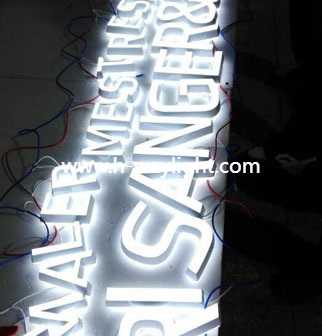
4 LED Module
#4 #led #module <br>4 LED Module is one of the professional 4 led module from our company. It adopts SMD LED, has high brightness and long life. The 4 module footlight can be widely used in exhibitions, shopping malls and stage lighting. <br> <br>Features of 4 LED Module <br>Super wide 170° beam angle - even light dispersal even in shallow channel letters <br>Optics reduce hotspots and create uniformity <br>3M™ adhesive backing for easy install <br>5.5" of flexible wire between each module <br>12 VDC | 200 mA per module <br>UL Recognized Component, 5 year warranty <br>Also available with 2 LEDs or 3 LEDs <br> <br>Benefits of 4 LED Module <br>4 LED modules are extremely energy efficient. <br>This can lead to extensive savings on energy bills and makes LED lights a cost effective choice. <br>4 LED light is very brilliant. <br> <br>The brightness levels of our LED lighting modules will exceed your highest expectations. Our LED lights, powered by LG and Samsung, provide superior durability over neon, while still offering extremely bright light. <br> <br>4 modular foot light modules are environmentally friendly. <br> <br>LEDs have the brightest future for the broadest range of applications, and they engender environmental sustainability because they consume less power, last much longer and contain no toxics. <br>Why Choose LED Foot Light 4 Module from H-Waylight? <br> <br>H-waylight, a trusted LED light supplier in the lighting industry, offers an exceptional LED foot light 4 module that is perfect for illuminating pathways and outdoor spaces. <br> <br>With its advanced features and specifications, this LED footlight 4 module offers superior performance and durability. The product parameters include a voltage range of 100-240V AC, a maximum power of 10W, and a color temperature of 3000K-6000K. <br> <br>The LED foot light 4 module from H-waylight boasts various noteworthy features. It is energy-efficient, consuming less power while providing optimal brightness. The waterproof and dustproof design ensures its longevity and reliability, even in challenging weather conditions. <br> <br>Additionally, the LED foot light 4 module is easy to install and maintain. Its compact and ergonomic design makes it suitable for both residential and commercial applications. This product is perfect for enhancing the aesthetic appeal and safety of outdoor spaces. <br> <br>Choose H-waylight's LED foot light 4 modules for its superior quality, energy efficiency, and exceptional performance. Illuminate your pathways and outdoor areas efficiently and stylishly with this reliable SMD LED module solution. <br> <br>For more information about lcr4129fse010mw and 4bemw led 30k, please feel free to contact us! <br> <br>GUANGZHOU YU HONG OPTOELECTRONICS CO., LTD, as an excellent led light factory, offers a wide range of led light china for you to choose from. <br> <br>[a]https%3A%2F%2Fwww.h-waylight.com%2Fproducts%2F4-led-module.html[/a]

BASF TPU
[a]https%3A%2F%2Fwww.gidplastic.com%2Fproducts%2Fbasf-tpu%2F[/a] <br>#eaa #copolymer <br>BASF TPU (Thermoplastic Polyurethane) is a type of elastomer known for its unique combination of properties such as flexibility, durability, and chemical resistance. BASF TPU is produced by reacting diisocyanates with short-chain diols and long-chain polyols. BASF TPU offers high tensile strength, excellent abrasion resistance, and good low-temperature flexibility. BASF TPU material can be easily processed using methods like injection molding, extrusion, or blow molding. BASF TPU finds applications in various industries including automotive, footwear, sports and leisure, electronics, and industrial manufacturing. BASF TPU is valued for its ability to provide lightweight, versatile, and reliable solutions in a wide range of applications. <br> <br>Types of BASF TPU Material <br>BASF Thermoplastic Polyurethane (TPU) is a versatile material that offers outstanding durability, flexibility, and abrasion resistance. BASF TPU filament material is widely used in various industries due to its excellent performance in extreme temperatures, resistance to oils, greases, and many solvents. BASF TPU offered by the leading plastic resin companies is ideal for applications ranging from automotive parts to medical devices, providing superior mechanical properties and high-quality finishes. <br> <br>Elastoblend 953U 000 <br>A thermoplastic elastomer blend with a soft-touch feel, good weatherability, and excellent adhesion properties, often used in consumer goods and automotive applications. <br> <br>Elastollan® 664 D U <br>A thermoplastic polyurethane (TPU) known for its high mechanical strength, abrasion resistance, and flexibility, commonly used in industrial and sports equipment applications. <br> <br>Elastollan® 690 A 10 U <br>A TPU with good chemical resistance, high tensile strength, and excellent processing characteristics, suitable for extrusion applications like hoses and tubes. <br> <br>Elastollan® 685 A 10U 001 <br>A highly transparent and flexible TPU with outstanding toughness, often used in applications requiring optical clarity, such as clear tubing or seals. <br> <br>Elastollan® B 90 A 11 S <br>A TPU with a high hardness level, excellent abrasion resistance, and good low-temperature flexibility, is commonly used in applications such as wheels and rollers. <br> <br>Application of BASF TPU <br>BASF TPU finds application in footwear, providing elasticity, comfort, and abrasion resistance. <br>BASF TPU material is used in automotive components like seals, gaskets, and interior trim parts due to its durability and resistance to chemicals and oils. <br>BASF TPU is utilized in the production of sports and leisure goods such as watch straps, ski boots, and inflatable structures. <br>BASF TPU material is also suitable for industrial applications including conveyor belts, hoses, and wire and cable coatings due to its toughness and flexible properties.

BASF TPU
[a]https%3A%2F%2Fwww.gidplastic.com%2Fproducts%2Fbasf-tpu%2F[/a] <br>#eaa #copolymer <br>BASF TPU (Thermoplastic Polyurethane) is a type of elastomer known for its unique combination of properties such as flexibility, durability, and chemical resistance. BASF TPU is produced by reacting diisocyanates with short-chain diols and long-chain polyols. BASF TPU offers high tensile strength, excellent abrasion resistance, and good low-temperature flexibility. BASF TPU material can be easily processed using methods like injection molding, extrusion, or blow molding. BASF TPU finds applications in various industries including automotive, footwear, sports and leisure, electronics, and industrial manufacturing. BASF TPU is valued for its ability to provide lightweight, versatile, and reliable solutions in a wide range of applications. <br> <br>Types of BASF TPU Material <br>BASF Thermoplastic Polyurethane (TPU) is a versatile material that offers outstanding durability, flexibility, and abrasion resistance. BASF TPU filament material is widely used in various industries due to its excellent performance in extreme temperatures, resistance to oils, greases, and many solvents. BASF TPU offered by the leading plastic resin companies is ideal for applications ranging from automotive parts to medical devices, providing superior mechanical properties and high-quality finishes. <br> <br>Elastoblend 953U 000 <br>A thermoplastic elastomer blend with a soft-touch feel, good weatherability, and excellent adhesion properties, often used in consumer goods and automotive applications. <br> <br>Elastollan® 664 D U <br>A thermoplastic polyurethane (TPU) known for its high mechanical strength, abrasion resistance, and flexibility, commonly used in industrial and sports equipment applications. <br> <br>Elastollan® 690 A 10 U <br>A TPU with good chemical resistance, high tensile strength, and excellent processing characteristics, suitable for extrusion applications like hoses and tubes. <br> <br>Elastollan® 685 A 10U 001 <br>A highly transparent and flexible TPU with outstanding toughness, often used in applications requiring optical clarity, such as clear tubing or seals. <br> <br>Elastollan® B 90 A 11 S <br>A TPU with a high hardness level, excellent abrasion resistance, and good low-temperature flexibility, is commonly used in applications such as wheels and rollers. <br> <br>Application of BASF TPU <br>BASF TPU finds application in footwear, providing elasticity, comfort, and abrasion resistance. <br>BASF TPU material is used in automotive components like seals, gaskets, and interior trim parts due to its durability and resistance to chemicals and oils. <br>BASF TPU is utilized in the production of sports and leisure goods such as watch straps, ski boots, and inflatable structures. <br>BASF TPU material is also suitable for industrial applications including conveyor belts, hoses, and wire and cable coatings due to its toughness and flexible properties.
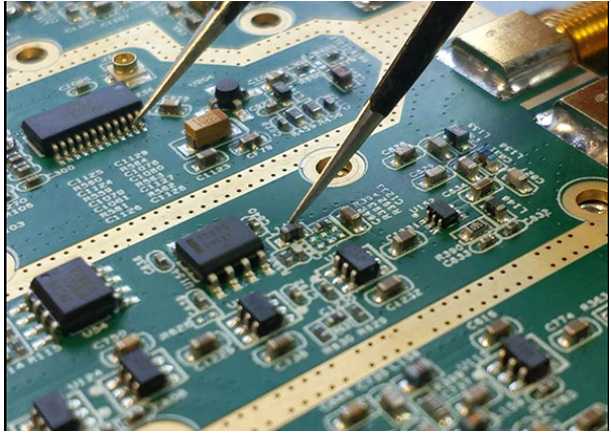
Turnkey Circuit Board Assembly Manufacturer -- Hitech Circuits Co., Limited
What’s mean for Turnkey PCB Assembly? <br> <br> [email protected] <br> <br>Turnkey means a product or service that is ready for immediate use for the buyer and when applied to PCB assembly, this refer to the SMT factory will handle all steps for PCB assembly. Turnkey PCB assembly is including the entire steps complex in making a PCB, beginning from the fabrication process all the time to the assembly process. <br> <br>In PCB manufacturing, turnkey PCB assembly also means the electronic manufacturing service, since it takes hands of the entire process of designing, manufacturing, and testing the printed circuit board. <br> <br>Essentially, a full turnkey solution makes you to have enough time and focus on designing PCB, and our SMT factory can handle the rest of the steps and procedures. Turnkey solutions offer an efficient and cost-effective way to assemble and test circuit boards for products. This also offers companies a way to receive printed circuit boards with the shortest lead times possible. <br> <br>Turnkey PCB assembly & manufacturing is the optimal solution for engineers with urgent, high complexity projects who want to avoid project management headaches. Providing turnkey PCB assembly services means that the provider will handle all the task including components or parts procurement, manufacturing, assembly and final delivery! Hitechpcba specializes in all types of PCB assembly projects, including full turnkey PCB assembly and partial turnkey PCB assembly. With our full turnkey PCB assembly service, we can handle every aspect of PCB manufacturing. We provide fast, reliable turnkey PCB assembly because we are experts in sourcing components, assembly, testing, delivery, after-sales service and warranty support. <br> <br> <br> <br>PCB Board Assembly Quality Control: All bare PCB boards are assembled to comply with IPC-A-610 standards. All assembling technicians and inspectors are with skilled experience. All PCB manufacturing handles by ourselves to comply with IPC Class II or III standards upon requirements. 100% electrical test on all bare Printed Circuit Boards by flying probe or fixture. 100% visual inspection after electronic PCB assembly completion. 100% functional test as per documented test procedures (optional). 100% all PCBAs cleaning. Strict electronic static discharge (ESD) control <br> <br> <br> <br>Hitech Circuits is capable of providing full turn-key and partial turnkey PCB assembly services. For full turn-key, we take care of the entire process, including preparation of Printed Circuit Boards, procurement of electronic components, online order tracking, continuous monitoring of quality and final assembly. Whereas for partial turn-key, the customer can provide the PCBs and certain components, and the remaining parts will be handled by us. <br> <br> <br> <br>With Hitech Circuits PCB’s Full Turnkey PCB assembly whatever Prototype or Low Volume PCB Assembly, PCB, & PCB Assembly capability, you can go from concept to product to market in just a few easy steps. Upload your BOM file and get a Full Turnkey, PCB, or PCB Assembly price for components, labor and bare boards; it’s that simple. Our team of procurement specialists scours their sources to locate the exact parts you’re looking for, at the best price available on any given day. <br> <br> <br> <br>The Benefits of Turnkey PCB Assembly Manufacturing <br> <br>The most obvious benefit of turnkey PCB assembly is that businesses don’t have to take their focus off critical processes like continual innovation to spend time figuring out the assembly side. There’s no need to expend time and energy finding the best component costs, going through a frustrating process of procurement and then needing an in-house team to assemble them skillfully. The most significant benefits of turnkey assembly include: <br> <br> <br> <br>Shorter production time <br> <br>As a fundamental form of electronic assembly, PCB assembly primarily contains three phases: PCB fabrication, components procurement and PCB assembly. Traditionally, you should quote and confirm design files with sales and engineers working for your PCB manufacturer, then components distributors and finally PCB assemblers. Such series of quotations and confirmations just need your time spent in contacting with different partners. If those partners are from different countries, you have to overcome some problems such as time zone, communication habits etc. Full-turnkey PCB assembly, however, is a highly-efficient form of electronic assembly. As soon as full-turnkey PCB assembly is determined, an overall assembly quotation and indispensible issues prohibiting smooth manufacturing will be raised so that three times of communication have been cut to one time with electronic assembly efficiency dramatically improved. <br> <br> <br> <br>Cost effective <br> <br>With a turnkey contract, there is no extra cost to deliver freight to an assembly workshop, meaning you save a significant amount of money. Turnkey services also have good working relationships with component manufacturers and can almost always get a better price for parts than small or medium businesses. <br> <br> <br> <br>Issue Identification <br> <br>A major time and money-saving advantage of turnkey PCB assembly is the ability to spot potential issues before the circuit boards make it into any products. As part of the process, you submit a netlist file to the assembler. Before assembly begins, the assembler will check to be sure specifications match the application and identify any errors that may be present. Should any errors be found, you have the opportunity to correct the design and avoid being saddled with thousands of unsuitable circuit boards. <br> <br> <br> <br>Streamlined Management <br> <br>Dealing with multiple vendors can be stressful and a time drain, especially on small businesses with fewer human resources to go around. With turnkey manufacturing solutions, you stand a far less chance of experiencing a miscommunication because you’re managing multiple channels of interaction. These potential miscommunications can happen between you and a vendor, or even between vendors, and can lead to derailment of your timeline and wasted money. <br> <br>Your turnkey supplier will likely provide you with a single point of contact through which all business will be conducted, providing you with peace of mind and lightening the burden of management in the assembly of PCBs. <br> <br> How to obtain a quote for your turnkey pcb electronics ? <br> <br> <br> <br> <br> <br>PCB Online Quote: An Instant PCB price can be quoted base on Board information. Full turnkey assembly cost: This is an additional instant quote for the cost of labor for Turnkey PCB assembly. BOM Pricing: To get a BOM price within 24 hours, email the BOM to [email protected] and include all details such as quantities, reference designators, and Parts manufacturer name and part number. Most entrepreneurs and manufacturers find the old ways of manufacturing electronics and to printed circuit board assembly very intimidating because it is slow, prone to errors, and expensive. It wasn’t designed for small batch runs and prototypes, but to support enormous orders with a long lead time. Luckily, the services of Turnkey Printed Circuit Board (PCB) assembly are coming in today to meet the needs of hardware designers <br> <br> <br> <br> <br> <br>Precautions during Turnkey PCBA processing <br> <br> <br> <br>PCBA is the abbreviation of Printed Circuit Board Assembly, which is an important link in the manufacturing process of electronic equipment. In the process of PCBA processing and production, there are some precautions that need special attention to ensure product quality and production efficiency. This article will introduce the matters needing attention in the PCBA processing and production process from the perspective of PCBA processing and production process. <br> <br>1. Design stage <br> <br>In the process of PCBA processing and production, the design stage is very important. In the design stage, it is necessary to consider the layout of the PCB circuit board, the selection and layout of components, the direction of the circuit and the connection method, etc. The following points need to be paid attention to during the design phase: <br> <br>(1) Component selection: Selecting the appropriate components is an important guarantee to ensure the quality of the circuit board. When selecting components, you need to pay attention to the brand, model, package and parameters of the components to ensure the quality and stability of the components. <br> <br>(2) Design of PCB circuit board: The design of PCB circuit board needs to consider the size, layout, line direction and connection mode of components, etc. Certain layout rules need to be followed during design to avoid interference between components and ensure the stability and reliability of the circuit board. <br> <br>(3) Anti-static: During the design and manufacture of PCB circuit boards, attention should be paid to prevent static electricity interference. During operation, anti-static measures such as anti-static gloves and static mats should be used to avoid damage to components. <br> <br> <br> <br>2. Manufacturing stage <br> <br>In the manufacturing stage of the PCBA processing production process, the following points need to be paid attention to: <br> <br>(1) Manufacture of PCB circuit board: The manufacture of PCB circuit board needs to pay attention to ensure the smoothness and flatness of the board surface, so as to avoid the unevenness of the board surface and cause the components to be welded weakly. <br> <br>(2) Mounting of components: The placement of components needs to ensure that the position and posture of the components are accurate, and avoid damage or functional failure of the circuit board due to deviations in position or posture. <br> <br>(3) Soldering process: During the welding process, it is necessary to pay attention to the control of temperature and time to avoid damage to components caused by excessive welding temperature or too long time. <br> <br>(4) Quality inspection: In the process of PCBA processing and production, quality inspection is required, including the welding quality of components and the connection quality of lines, etc. In the testing process, it is necessary to use professional testing instruments and equipment to ensure the quality and reliability of the product. <br> <br> <br> <br>3. Encapsulation stage <br> <br>In the packaging stage of PCBA processing and production process, the following points need to be paid attention to: <br> <br>(1) Selection of packaging materials: The selection of packaging materials needs to be determined according to the performance requirements of the product and the use environment, such as high temperature resistance, heat resistance, dust resistance, etc. <br> <br> <br> <br>(2) Temperature and time control during the packaging process: During the packaging process, it is necessary to pay attention to the control of temperature and time, so as to avoid the failure of packaging materials or the degradation of product performance due to excessive temperature or too long time. <br> <br>(3) The sealing of the package: the sealing of the package is very important to the stability and reliability of the product, and it is necessary to ensure the sealing during the packaging process. <br> <br> <br> <br>4. Testing phase <br> <br>In the testing phase of the PCBA processing and production process, the following points need to be paid attention to: <br> <br>(1) Selection of testing instruments and equipment: The selection of testing instruments and equipment needs to be determined according to the performance and specifications of the product to ensure the accuracy and reliability of the test results. <br> <br>(2) Setting of test parameters: The setting of test parameters needs to be determined according to the performance requirements and specifications of the product to ensure the accuracy and reliability of the test results. <br> <br>(3) Judgment and recording of test results: The judgment and recording of test results need to be carried out in strict accordance with product testing standards to ensure the accuracy and reliability of test results. <br> <br> <br> <br>Briefly, in the PCBA processing and production process, we need to pay attention to the details of each link, so as to ensure the quality and reliability of the product. In the manufacturing process, it is necessary to strictly follow the design requirements and manufacturing standards, follow good manufacturing specifications and quality management systems, and finally achieve high-quality, high-efficiency PCBA processing and production. <br> <br> <br> <br> <br> <br>Common machines for Turnkey SMT processing <br> <br>1. SMT machine: It is used to accurately place the components on the PCB, including automatic surface mounting machines, semi-automatic surface mounting machines and manual mounting machines. <br> <br>2. Hot air soldering equipment: including hot air guns and reflow soldering ovens etc., it used to solder SMT components on PCBs. <br> <br>3. SMT component storage rack: used to store and organize SMT components. <br> <br>4. 3D AOI inspection equipment: used to check the placement and quality of SMT components. <br> <br>5. Coating equipment: including automatic coating machine and manual coating machine, etc., used to coat the glue on the surface of PCB. <br> <br>6. Solder paste printing machine: used to print solder paste on PCB for use in subsequent soldering process. <br> <br>7. Wave soldering equipment: used for soldering DIP components, such as connectors, sockets, etc. <br> <br>8. Cutting machine: used to cut the PCB after patch into a single board. <br> <br>9. Cleaning equipment: used to clean the PCB after assembly, and remove the residual glue and solder paste. <br> <br>The above are some equipment commonly used in SMT assembly processing, but which equipment and tools need to be used shall be determined according to the actual situation and process requirements. <br> <br> <br> <br>Common inspection methods for Turnkey PCB Assembly processing <br> <br> <br> <br>Our testing and inspection equipment are suitable for simple as well as complex PCB assembly requirements. We can take on extremely demanding projects, and ensure high quality product yield. <br> <br> <br> <br>1. Optical inspection method <br> <br>With the reduction of package size for SMT components and the increase the density for PCB assembly, SMA inspection is becoming more and more difficult, and manual visual inspection is insufficient now, and its stability and reliability are difficult to meet the needs in our production and quality control, so the use of optical inspection is becoming more and more important. <br> <br> <br> <br>2. Artificial visual inspection method <br> <br>This method requires less investment and does not require the programs, but it’s slowly and required directly visual inspect the tested area. Due to the shortcomings of visual inspection, it is rarely used as the mainly quality inspection method in the SMT production line, but most of them are used for repair and rework. <br> <br> <br> <br>3. AOI method <br> <br>Using automated optical inspection as a defect reduction tool, it can be used to find and eliminate errors early in the SMT process for good quality control. AOI adopted advanced vision system, new lighting method, high magnification and complex processing method, so as to obtain high defect capture rate at high test speed. <br> <br>Turnkey PCB Assembly Rework & Repair Guidelines <br> <br> <br>PCBA Boards can be reworked and repaired. However, only reasonable operations based on scientific guidelines can guarantee the quality of PCBA boards; <br> <br>1. PCBA rework and repair basis <br> <br>Rework and repair of PCBA must be performed in accordance with PCB design documents and repair regulations, and there also must be a unified rework and repair process. <br> <br>2. The rework times allowed for each solder joint <br> <br>Rework is allowed for defective solder joints, and rework for each solder joint shall not exceed three times, otherwise it will cause damage to the solder joints. <br> <br>3. Use of removed components <br> <br>In principle, the disassembled components should not be used anymore. If they need to be used, they must be screened and tested according to the original electrical performance and process performance of the components, and the installation is allowed only when they meet the requirements. <br> <br>4. Times of desoldering on each pad <br> <br>Each printed pad should be desoldered only once (that is, only one component is allowed to be replaced). The thickness of the intermetallic compound (IMC) of a qualified solder joint is 1.5~3.5μm, and the thickness will increase after remelting, even when it reaches 50µm, the solder joint becomes brittle, the solder strength decreases... As a result, there are serious reliability risks under vibration conditions. <br> <br>5. Bow and twist requirements for surface mounting and mixed mounting PCBA assembly and soldering <br> <br>The bow and twist of surface mounting and mixed mounting PCBA assembly and welding are less than 0.75%. <br> <br>6. Total times of PCB assembly repairs <br> <br>The total times of repairs for PCB assembly is limited to six; In other words, excessive repairs and modifications affect PCBA reliability. <br> <br>Production requirements for Turnkey PCB Assembly processing <br> <br>1. The production line is set up reasonably and all the labels are correctly posted, warehouse materials and parts should be stored in categories and stacked neatly. <br> <br>2. Product batch management: The defective product control procedure should clearly stipulate the isolation, identification, recording, review and treatment for these defectives. Typically, there should be no more than three times rework for product and no more than twice for component reworks. <br> <br>3. Civilized production: clean, no debris, civilized operation, no brutal and disorderly operation. On-site management must have rules and regulations, inspections, evaluations and records, and carry out "6S" activities every day. <br> <br>4. The maintenance for SMT production line machine and equipment: key equipment should be regularly inspected by special staff, to keep the machine in good condition at all times, we also need to track and monitor the equipment status, and if find problems for machines, we need to take correct solutions to fix and repair it in time. <br> <br> <br> <br> <br> <br>Our full turnkey PCB assembly is a highly-efficient and fast form of electronic assembly. You don’t need to worry about managing multiple vendors as we take care of the entire fabrication. <br> <br>With our full turnkey PCB assembly services, you can build and refine prototypes faster, easier, and cost-effectively. <br> <br>We are all equipped to handle (through-hole, surface mount, mixed) small batch of boards or full production runs. <br> <br>We have verified supply chain networks to support the entire process of turnkey assembly. With end-to-end solutions from a single provider, you can gain significant cost savings, too. <br> <br>We have a team of highly qualified staff who are experienced in working on turn-key circuit board assembly. They not only help meet your expectation in terms of quality, but also complete your projects faster. <br> <br> <br> <br>Hitech Circuits offers many services to help you turn your ideas into products, including PCB assembly services. As a turnkey assembly provider, we guarantee that we’ll treat your product with care so that your customers are thrilled with the quality they receive. We understand that contracting with a turnkey provider involves a lot of trust, so we rely on a high-quality process to earn and maintain that trust. If you are looking for a partner to provide electronics assembly services for your product, we invite you to contact us for a PCB assembly quote.
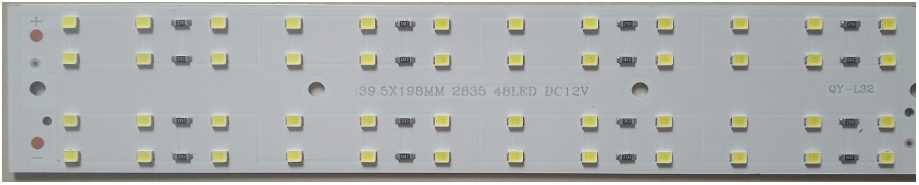
LED PCB Manufacturer & Assembly – One-stop service
What is the LED Circuit Board assembly? <br> [email protected] <br> <br>Generally, LED PCB assembly is considered to be a circuit board that has the LED components soldered to it. The LED is soldered to the printed circuit board and features a chip that creates the light as electrically connected. A thermal heat sink and a ceramic base are used to bond the chip. Not all the PCB products can be used in Led industry, as an LED PCB is easy to create a high volume of heat, but making it hard to cool with traditional methods. For this reason, metal core PCB is widely used in LED application because of their enhanced ability to dissipate heat, especially aluminum pcb is often used to fabricate PCB for LED lights. <br> <br>We’ve had great LED PCB assembly experiences with top LED chips to brand such as Cree, Luxeon, Osram, Nichia, Lumileds, MLS, EVERLIGHT, Samsung, LG, Seoul., etc. PCB LED lights can be incorporated into numerous lighting applications due to their combination of excellent energy efficiency, low cost and maximum design flexibility. <br> <br>Application of LED PCB Assembly <br> <br> <br>Hitechpcba serves customers in different industries, providing highly reliable and innovative LED PCBs for various applications: <br> <br>• Horticulture light LED PCB Assembly <br> <br>• LED controller PCB Assembly <br> <br>• Computer LED display and indicators <br> <br>• LED lights PCB Assembly for medical use <br> <br>• Automotive LED PCBs Assembly include PCBs for brake lights and headlights <br> <br>• Street lighting LED PCB Assembly <br> <br>• Flashlights and camping accessories <br> <br>• Traffic light PCB Assembly <br> <br>• Commercial lighting LED PCB Assembly <br> <br> <br> <br> <br> <br>LED PCB Assembly specification <br> <br> <br>Number of layers for LED PCB <br> <br>These layers are made up of aluminum and magnesium, but now have Copper base material and Ceramic base materials for LED PCB industry, we can meet it. <br> <br>Aluminum LED PCBs stand out among other PCBs because it has a good insulation characteristic and has a better machinery performance, the cheap cost is one important factor too. <br> <br> <br> <br>Types of layers for LED PCB Assembly <br> <br>Normally, the base layer is made using aluminum alloy metal. <br> <br> <br> <br>This aluminum alloy substrate used in making the base makes it ideal for through-hole technology which transfers and dissipates heat. <br> <br> <br> <br>A thermal insulation layer is made using some ceramic polymer which has good viscoelasticity characteristics. <br> <br> <br> <br>It is highly heat resistant and protects the PCB against heat and mechanical stress. <br> <br> <br> <br>The circuit layer, which is covered by a copper foil which can range from one to ten ounces. <br> <br> <br> <br>LED Board type- single or in panel <br> <br>Some boards are shapeless. For this reason, LED PCB panels are used. This reduces time, labor production and testing time. <br> <br> <br> <br>Some LED PCB Assembly is done on a single board while others are done on panel boards. <br> <br>LED PCB Assembly Process <br> <br> <br>Roughly, the PCBA process can be divided into theses phases: soldering paste printing > SMT (surface mounted technology) > reflow soldering > AOI (automated optical inspection)> THT (through-hole technology) > wave soldering > touch-up and cleaning > IC-programming > FCT (functional tests) > aging testing. <br> <br>Below we show you the process. <br> <br> <br> <br>Step1. Summarizing Project Information <br> <br>Before contacting your supplier, make sure you have all the project information. Suppliers will need info following for quoting LED PCB assembly: <br> <br> <br> <br>Gerber <br> <br>BOM <br> <br>LED PCB specification <br> <br>Quotation quantity <br> <br>Once you have gathered these information, you can contact us and request for a quote. <br> <br>Of course, you can also provide the schematic, LED PCB Assembly pictures and even samples to us. The more details they have, the more accurate the supplier’s quotation will be. <br> <br> <br> <br>Step2. Discussion and details about custom LED PCB Assembly <br> <br>Different projects will have different requirements. Remember the special requirements mentioned in step 1? That’s going to be the focus of this session. Equipment and engineering capacity will not be identical between suppliers. Make sure your supplier has the equipment to produce and assemble major components and the corresponding testing capabilities. <br> <br> <br> <br>For example, some vendors don’t have X-ray testing equipment, which means they can’t check the mount quality of BGA chips. Outsourcing this step will increase risk and cost. That’s what you don’t want. <br> <br> <br> <br>Also, pay attention to time taken by the supplier to quote. Motherboards often contain hundreds or even thousands of components, and they are supplied by different manufacturers. To ensure the quality of the components, the supplier sourcing team will make multi-inquiries from these manufacturers or authorized suppliers to match customer’s requirement, which usually takes 2-3 business days, and even longer for some scarce chips. Therefore, if your project is complex and the supplier quotes you within few hours, double check with them. <br> <br> <br> <br>Step3. Sample and feedback <br> <br>After confirming the PI, the supplier will usually provide pre-production samples for your approval. At the same time, the supplier will also confirm with you the logistics plan of the bulk goods. Make sure they understand your shipping requirements, including details on packaging, customs clearance, taxes, etc. <br> <br> <br> <br>For us to have a successful LED PCB Assembly process, its functions must be defined. Compliance requirement is defined to reduce the effect when components are selected. <br> <br>The Bill of Materials is then generated from the information installed on the LED PCB. <br> <br>All this information is used to assemble components which are identified from MOB to the LED PCB. <br> <br>After that, the routing of traces is determined to each component, based on the size, shape of the circuit board and location of connectors. <br> <br>Hitech Circuits is trusted by thousands of electronic engineers on their LED PCB assembly projects, from consumer, led bulb to precisely medical LED light, we can help you from the beginning of design stage; From commercial flood LED to industrial high power LED, from automotive LED to military LED, Venture is the perfect place for your LED PCB assembly requirement. <br> <br> <br> <br>Hitech Circuits has been participated in hundreds and thousands of LED lighting projects, by providing LED PCB and also LED PCB assembly service. <br> <br> <br> <br>Our LED PCB assembly had covered both ends of the Lighting Class LED size spectrum, assembling some of the largest (2 meter long boards) and some of the smallest LED Lighting applications which used in Medical Endoscopes. <br> <br> <br> <br>LED PCB Assembly is very crucial in the current industrial development. Many electrical devises are being innovated and the old once being improved. <br> <br>LED PCBs are useful due to the fact that they are made using materials that can transfer and dissipate heat. This characteristic increases device durability. <br> <br> <br> <br>The world is changing with new technology, especially PCB technology that plays an essential role in the application of LED circuits. And the LED industry is taking advantage of this technology and growing faster. <br> <br> <br> <br>As a full feature PCB solutions provider with more than a decade of experience, we're capable to provide LED PCB fabrication, components procurement and LED PCB assembly all under one roof. We can work with you to develop metal core PCB, aluminum circuit boards customized to your specific applications. We feature competitively priced PCBs made with standard FR-4 material that includes a thermal aluminum clad layer that will efficiently dissipate heat, keep all LED PCB components cool and significantly enhance the performance of your products. <br> <br> LED Pcb Board, LED pcb Assembly <br> <br> <br>LED with its advantages of high brightness, high efficiency, low heat, long life, is considered the most development potential in the 21st century lighting. In the market and policy driven by the rapid development of the domestic LED industry blowout has formed a relatively complete industrial chain, including the production of epitaxial wafers, chip preparation, packaging, integration, LED application. In 2010, China's LED industry scale, up from $ 827 billion in 2019 to 220 billion yuan, an annual growth rate of over 70%, higher than the 50% level of growth of the global LED lighting industry output value. Among them, the middle and lower reaches of the most complete industrial chain, accounting for 90% of the overall percentage of the GDP.Chinahas become the world's leading LED manufacturing base and important application market. <br> <br> <br> <br>To further promote the technological innovation of the LED industry, construction and wide application of independent industry chain, China Electronic Appliance Corporation and industry associations to organize the theme of "Focus on the core energy LED Exhibition will be held November 9-11, 2010 in Shanghai International Expo Center and the 78th China Electronics Fair over the same period will be held will create from raw materials, epitaxial wafers, chip, LED bracket, LED accessories, LED packaging and supporting materials, the LED backlight upstream firm to the upstream and downstream enterprises of the display, lighting, landscaping, decorative lighting, traffic lights, automotive lighting, special lighting, to the equipment, instrumentation, software, finance, consulting and other service enterprises and technological exchanges and market trading platform, help the domestic industry sustained and healthy development, and promote the steady expansion of the LED application market. <br> <br> <br> <br>In the LED industry chain upstream of the epitaxial wafers and LED chips accounted for 70% of the profits of the whole industry, and technology-intensive, capital-intensive, where the core technology of the LED. Well-known epitaxial wafer and chip production enterprises will be exhibited a number of energy-efficient, low heat, cost-effective LED products, many of whom have excellent products of international advanced level. <br> <br> <br> <br>LED electronic pcb assembly manufacturing 100% Original LED Chip with one-stop in-house pcba services
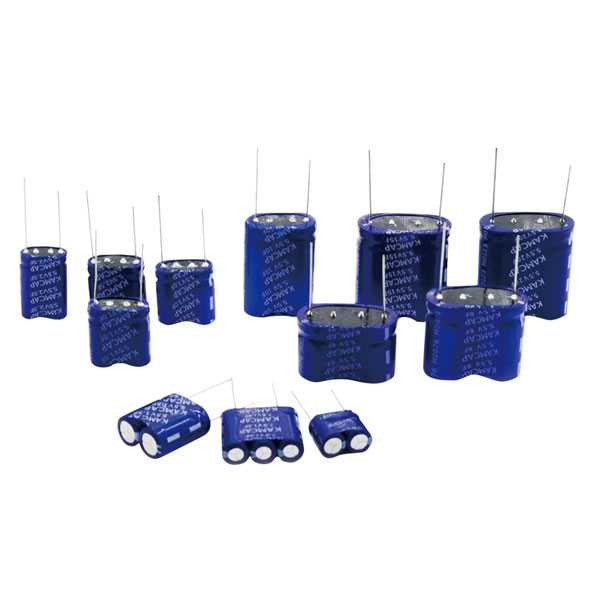
Combined Type Series
#super# cap <br>Combined Type Supercapacitor for Sale <br> <br>5.5V Combined Type Seires Super Capacitors <br>Two featured combined supercapacitor: SE and SP Series. Typical applications: RAM, detonator, car recorder, smart meter, vacuum switch, digital camera, motor drive, clock circuit, UPS, toy, program-controlled switch, etc. <br> <br>7.5V Combined Type Seires Super Capacitors <br>Kamcap has two types of 7.5V combined supercapacitor series for sale: standard energy series and standard power series. <br> <br>5.5V Fully Sealed (Waterproof) Supercapacitor <br>Typical applications: RAM, detonator, car recorder, smart meter, vacuum switch, digital camera, motor drive and so on. <br> <br>6.0V Combined Type Seires Super Capacitors <br>SP-6R0 belongs to SP Series. Its rated voltage VR is 6.0V and surge voltage is 6.3V. The capacity range is from 0.1F to 12F. <br> <br>Cases of Supercapacitors in Different Application <br>KAMCAP Supercapacitor is widely applied in different industries. We can also customize super capacitors with special parameters according to the needs of customers from diferent industries. <br>Green Energy <br>Consumer Electronics <br>Power Grid <br> <br>[a]https%3A%2F%2Fwww.kamcappower.com%2Fproducts%2Fcombined-type-super-capacitors%2F[/a]
PCB Box Build Assembly
What is PCB Box Build Assembly? <br> <br>[email protected] <br> <br>Boxed builds, also known as system integration, can be anything from simple PCBAs (printed circuit board components) mounted in small enclosures to cabinets housing complex electromechanical systems. Box assembly involves design, production and construction of all links. <br> <br>Complete assembly includes all other assembly work involved in electromechanical assembly with the exception of the production of printed circuit boards. Box building is sometimes called "system integration." <br> <br> <br> <br>Boxed means designing and manufacturing enclosures, assembling PCBAs, assembling cable and wiring harness assemblies, and even installing electrical and/or pneumatic systems. Hitechpcba Manufacturing provides a full range of services including packaging, labelling and shipping to your location. <br> <br>PCBA Assembly 1 <br> <br>Box build Assembly service and process <br> <br>Many customers are manufacturers themselves and require not only printed circuit board assembly, but also final assembly of innovative products. <br> <br> <br> <br>"Box building", also known as system integration, is the complete assembly of a customer's finished product. The process extends beyond the production of printed circuit boards (PCBs) to electromechanical assembly, including enclosure fabrication, installation and routing of cables or harnesses, and installation of subassemblies and assemblies. A box can refer to a PCB assembly (PCBA) in a cabinet full of wires, a small enclosure, or a complex, fully integrated electromechanical system with pneumatics and electronics. <br> <br> <br> <br>These box build assemblies include the following components: <br> <br>product assembly <br> <br>system-level assembly <br> <br>Product segment assembly <br> <br>Packaging and Labeling <br> <br>test <br> <br>Software loading and product configuration <br> <br>After-sales service <br> <br>Warehousing and Traceability <br> <br>We proudly provide turnkey solutions for all your outsourcing needs. Our final box assembly business has grown to meet the needs of our customers with complete solutions. We can source all the materials needed, build the PCBAs, supply any cables needed and complete the manufacturing process by building the customer's end product. <br> <br> <br> <br>At Hitech Circuits, we free our clients to focus on other aspects of their business. Our services help companies reduce the need to invest in internal capital and other resources. <br> <br>Our dedicated box building team can complete assemblies from small and simple to large and complex. Contact us today for a free quote on your next box building job. <br> <br>PCBA box build assembly service <br> <br> <br> <br>What is included in the Box Build component? <br> <br> <br> <br>Box construction process <br> <br>The boxed process is specific to each project, and each step can involve varying levels of complexity. For example, one step might involve simply placing a printed circuit board component (PCBA) inside the housing. Subsequent steps may include the complex task of connecting the PCBA to the user interface display. <br> <br>The most common box assembly processes include the installation of subcomponents, the installation of other components, the wiring or wiring of wiring harnesses, and the manufacture of housing. <br> <br> <br> <br>6 ways to shorten the Box Build Assembly process <br> <br>To get good boxed assembly, you must consider certain factors. Be sure to provide this information to your service provider. <br> <br>The following items are important information provided to Hitech Circuits. The information contained here can shorten the assembly time of the whole machine and provide higher quality electromechanical assembly. <br> <br> <br> <br>Product size <br> <br> <br> <br>The dimensions of the device include details about the dimensions and weight of the components. This detail provides with the necessary information to decide how to process the units throughout the assembly process. Storage, shipping, packaging, and shipping are all processes that are affected by dimensional information. <br> <br> <br> <br>Bill of Materials (BOM) <br> <br> <br> <br>Bill of Materials is arguably the most important piece of information provided to Hitech Circuits. It is called a recipe, recipe, or ingredient list. BOM helps understand all the key components and materials that need to be purchased and what the customer will provide directly. <br> <br>Each item on the bill of Materials has a specific purpose, procurement process, and associated costs. The BOM should contain details about the items number, reference mark, part description, quantity, manufacturer name, manufacturer part number, package, part type, etc. <br> <br>A well-crafted bill of materials can help suppliers anticipate production delays and develop alternative plans for complete machine construction. <br> <br> <br> <br>3D CAD model <br> <br> <br> <br>Visualization of the final product is important to the box-building process. 3D CAD (three-dimensional Computer Aided Design) models can provide such visualization. Software packages for 3D CAD design are common among electronics contract manufacturers. These 3D CAD tools can also convert computer drawings into build instructions, thereby shortening the complete assembly process. <br> <br> <br> <br>Sample unit/prototype <br> <br> <br> <br>The finished product assembly can be an important physical tool for planning the complete assembly, especially when other sources of information are not available. Hitech can often take a rough prototype from a customer and quickly manufacture multiple equivalent components. A skilled electromechanical assembly team can often replicate a complete box build with minimal documentation in addition to the sample prototype unit provided by the customer. <br> <br> <br> <br>Test case <br> <br> <br> <br>The customer should determine which tests need to be performed during the assembly process. Test cases can include visual inspections, factory acceptance tests, and functional specific tests. <br> <br>Safety is a major consideration for any electrical equipment. The basic test of electrical system includes ground connection test and flash test. Experienced Hitech will provide guidance on the types of tests that should be performed during assembly to optimize production time and provide safe electromechanical components. <br> <br> <br> <br>Packing and shipping information <br> <br> <br> <br>Outlining how the final boxed components will be packaged and shipped before the manufacturing process begins can provide important planning information for electronics manufacturers. This detail allows Hitech to determine how to manage these cells throughout the assembly process to optimize assembly speed. <br> <br> <br> <br>Start assembling <br> <br>Both complex and simple boxed assembly depend on comprehensive requirements gathering. The more information at hand you have to discuss with the manufacturer during the planning phase, the faster you can produce a higher quality, safer product. <br> <br> <br> <br>PCB Box Build Assembly <br> <br> <br> <br>PCBA box assembly service <br> <br>Box build Assembly is a full process service from PCB manufacturing, parts procurement, PCB SMT, assembly and testing. <br> <br> <br> <br>Case manufacturing service <br> <br>Hitech Circuits offers Box build manufacturing services in industrial controllers, consumer electronics, Internet of Things (IoT) modules, electronic and electrical equipment and more. Box build is the assembly and production of PCBAs. The cable and motion motor will be packed into boxes and sent to the dock as a complete set of products. <br> <br>As an important link of electronic manufacturing, Box Build requires strong process control and quality control ability due to many manual processes. In the process of container construction, relevant management methods such as SOP operation specification, station self-inspection, QC full inspection, on-site sampling of QA and OBA sampling inspection before shipment must be strictly implemented. <br> <br>At the same time, bar code management system is adopted to effectively trace registration, distinguish good from bad products, and achieve the expected target of assembly pass rate and customer quality random inspection pass rate. <br> <br> <br> <br>Apply for Box Build Assembly quotes immediately <br> <br>Box building assembly process <br> <br>Box assembly is an important aspect of electronics production. Most electronic devices contain boxed components. The use of Box build assembly can never be underestimated. In this article, we discuss what you need to know about PCB boxed assembly. <br> <br> <br> <br>Your assembly and electromechanical assembly service manufacturing partner. <br> <br>To complement our printed circuit board assembly (PCBA) business, we offer complete machine assembly and electromechanical assembly services, both partial and full product integration, as well as final assembly for end users. Our partner manufacturing plant combines traceable assembly, testing and packaging, complemented by our electrical and mechanical assembly expertise. <br> <br>Our technicians are well equipped to handle complex box construction and electromechanical components requiring multiple wiring harnesses and arrangements, welding, pneumatic assembly, specific torque requirements, as well as sealed dust-free environment components with positive air pressure for precision optical sensors or infrared devices. <br> <br> <br> <br>Customizable box construction and electromechanical components <br> <br>You will benefit from our world-class final assembly operations in our partner's dedicated manufacturing facility. We are proud to be ISO 9001:2015 certified and are committed to continuously improving our processes and operations in order to consistently deliver quality products to our customers. <br> <br> <br> <br>• After PCB assembly, we use a variety of automatic wire cutting and stripping machines, universal crimp and cable tester for cable and harness assembly according to your product requirements. <br> <br>• Our team of integration experts can support electromechanical components for simple, complex or custom box assembly and flexible or rigid flexible components such as PCBs, cables, wiring harnesses, external or internal frames and panels. <br> <br>• After final assembly, dielectric and functional tests are performed to verify that the final product meets electrical safety requirements and to ensure that it performs as expected. <br> <br>• Final assembly quality control and assurance is part of our quality management system and includes customized Acceptance Quality Limit (AQL) checks and sampling audit process plans. <br> <br>• We offer customizable logistics, packaging and shipping solutions, including partial or combined shipping, global shipping options and direct shipping to OEMs or end users. <br> <br>The testing phase of the manufacturing process that occurs during PCB assembly and boxed assembly. <br> <br> <br> <br>Box Build Assembly of Electronics <br> <br>What is the value of a custom, high-quality boxed assembly? <br> <br>The advantage of a custom box is that it can be created according to your specific requirements. It can be built to be compatible with all existing systems and is designed to help your system run as smoothly and efficiently as possible. <br> <br> <br> <br>An "off the shelf" box build will usually suffice for most of your needs, but rarely for all of your process's needs. This can be problematic for the critical business, as anything less than perfect is not good enough, as it may affect profits and margins. By having Hitechpcb Manufacturing create custom box builds created for your business, you don't have to sacrifice functionality and/or compatibility in any way. <br> <br> <br> <br>Quality assurance <br> <br>Another advantage of custom boxes is that you can rest assured of quality. Mass-produced products often compromise on the standards of materials used. However, when it comes to custom builds, you have complete control over the quality of your components. This helps ensure that you get the performance, compatibility, and longevity you need. We also fully document and review all of our quality control procedures to help ensure that our customers are satisfied with our service every time. Many of our components are produced in-house, which allows us to further guarantee the quality of our assembly. <br> <br> <br> <br>Cost value <br> <br>Hitechpcb Manufacturing not only guarantees quality, but also provides excellent value for money. As a manufacturer of custom wiring harnesses and other components, we don't have to pay inflated prices to other manufacturers. Our purchasing team can source the best materials at low prices and operate efficiently to further reduce costs. This means we can create boxes at competitive prices without having to compromise on quality. <br> <br>Custom box builds even let you build the shell to your own specifications, helping it fit into its place while also aesthetically to your liking. <br> <br> <br> <br>PCB Box Build Assembly <br> <br> <br> <br>PCBA electronic product processing process <br> <br>1. Customer data file <br> <br>Customers deliver Gerber files, PCB files, coordinate diagrams, BOM list, PCBA Test Plan and other matters needing attention generated by electronic product design to us. <br> <br>2. Document review <br> <br>Convert the contents of data files into internal production standard documents, such as engineering documents, set sheets, etc. It is important to timely discover important issues that have not been clearly marked by customers, such as component direction, PCB process and delivery time of raw materials, and communicate with customers in advance to avoid affecting production and delivery. <br> <br>3. Technical preparation <br> <br>According to the PCBA precision, complexity and quality requirements of customers, the PCBA team studied the production plan, the issuing requirements of laser steel mesh, QA inspection standards, with the corresponding vehicle, fixture and other specific content, in order to achieve the PCBA electronic products processing straight through rate. <br> <br>4. Material purchase and arrival <br> <br>Based on customer’s BOM list, calculate spare parts and wastage quantity, and purchase corresponding components from original manufacturer or large agent. <br> <br>5. Material inspection and machine loading <br> <br>The components will be strictly subjected to IQC (incoming material inspection), and sampled for appearance screen printing, electrical performance and mechanical performance to ensure the production quality of PCBA. <br> <br>6. Start production <br> <br>Submit the arrived PCB circuit boards and components to SMT and DIP production lines for pasting and welding production, strictly follow the production process method formulated by PE engineers, and pass IPQC and OQA manufacturer inspection to ensure that the pasting and assembly requirements are met. <br> <br>7. Testing and delivery <br> <br>According to the PCBA Test procedures provided by customers, strict PCBA test was carried out, including line on-off, current/voltage value, signal noise, temperature and humidity, etc., and when necessary, help customers to carry out FCT function test and subsequent Burn In Test for the firing process. Ensure that PCBA electronic product processing quality requirements are met and delivered. <br> <br> <br> <br>PCBA electronic product processing cycle and price <br> <br>PCBA electronic products will be processed before the proofing process, the proofing process is the same as that in mass production, but because the quantity is very small, between 5-10 pieces, so the proofing price is generally more expensive than mass production. Of course, it is up to the manufacturers to decide whether to close. PCBA proofing depends on the complexity of PCB board and solder joints, the number of materials to calculate the price, generally about 100 USD. PCBA electronic product processing price is calculated by point, the price of different PCB board is different. The proofing cycle of PCBA electronic products is generally about 5 days, and the production and processing cycle is generally about 20 days. <br> <br>PCBA electronic products processed products display <br> <br> <br> <br>PCB Box Build Assembly China <br> <br> <br> <br>Why do you choose us to process PCBA electronic products? <br> <br>(1) 15 years of long-term service to foreign customers (USA,UK,Japan, France,Switzerland,Italy,Bulgaria, etc.), providing PCBA processing service experience <br> <br>(2) Project manager, procurement, IQC, IPQC, OQA, PE and other perfect position setting and staffing, full of enthusiasm <br> <br>(3) Support 0201 SMT pitch precision, maximum 12 layers PCB board, A+ grade material, new and original components, complete PCBA testing equipment <br> <br>(4) Customer-oriented service philosophy, providing thoughtful technical and after-sales service support <br> <br> <br> <br>PCBA electronic product processing outsourcing, need from PCBA production capacity, technology, service, experience and other aspects of screening, we have an international concept, Hitech Circuits look forward to working with you to create the market! <br> <br> <br> <br> <br> <br>What does the average complete PCB box build assembly service include? <br> <br>Our team will work closely with you to understand exactly what you require. We will also use our experience to advise you and ensure that the finished product is of the highest standard. If you have any questions along the way, such as: "What is a wiring harness?" Please feel free to ask questions. <br> <br> <br> <br>Our services will include everything from design to development. The unit will be fully built and then rigorously tested to ensure it works as expected when it is delivered. We will also package and tag the build, and ensure that it is safely delivered to your premises. <br> <br> <br> <br> <br> <br>Why work with Hitechpcb for PCB fabrication and PCBA Manufacturing? <br> <br>If you are looking for a PCBA manufacturer that can meet all of your PCB box assembly needs, Hitechpcb manufacturing is the one for you. Hitechpcb Manufacturing specializes in custom assembly, which means we will tailor the assembly to your needs. Our experienced and talented team has the expertise to tailor solutions to your needs. Please feel free to contact us for solutions that meet your needs.
High Volume PCB Assembly
Your leading PCB High Volume PCB Assembly supplier in China <br>[email protected] <br> <br>With 15 years of experience and high efficiency in PCB assembly and manufacturing, HITECH CIRCUITS is the perfect source for Big Batch PCB assembly on a limited budget. If you are looking for a large PCBA assembly within your budget, we will be your ideal choice. HITECH CIRCUITS has more than 15 years of experience in the OEM/PCBA manufacturing and assembly of printed circuit boards, advanced production technology and equipment, professional engineers and purchasing team to provide our partners with personalized and complete process solutions. HITECH CIRCUITS’s supply chain services deliver supply chain innovation on demand. We offer a bold, yet proven service solution designed to grow market share and profit. Our innovative approach to managing the supply chain offers a complete business model that delivers the talent and transformative tools necessary to create predictability, reliability, and responsiveness across your entire supply chain. Our practitioners are passionate about supply chains. We have spent a generation understanding, refining and building the best in intelligent supply chains. We provide talent on-demand with expertise in data analytics and strategic technologies that can help you predict, plan and respond more effectively. <br> <br> <br> <br>Some designs require assemblies in small volume, maybe just prototypes, while others require them in high volume. At SMT house, High Volume, Large Volume, or Big Batch PCB Assembly always refers to printed board assembly projects with quantities more than 5K pieces. HitechPCB has the capability to offer high volume PCB assembly services to meet your requirements of high-quality, competitive price, on-time delivery and smooth communication in any manner of full turnkey, consigned and partial turnkey. <br> <br>Also, if your business is involved in applications that require high-volume PCB assembly, the company to contact is HitechPCB, because we’re a complete turnkey solution for printed circuit boards assembly, we are ideally suited for bulk PCB assembly orders. Our state-of-the-art equipments, large facility and wide range of highly-qualified experts give us the capability of high-volume PCB assembly of up to 9,000,000. <br> <br>We are also the perfect source if you’re looking for large-order PCB assembly on a budget. Because of our high level of efficiency and more than 10 years of experience with printed circuit board manufacturing and electronics assembly, we offer large printed circuit board orders at surprisingly competitive prices compared to other PCB manufacturers or PCB assembly companies. <br> <br>Our large order PCB assembly process starts with a tested and practiced set of workflow guidelines for every phase of the process, from pre-order PCB design consultation with professional veteran engineers to PCB fabrication, components sourcing, PCB assembly, PCBA testing, PCBA inspection, PCBA packing and shipping all under the auspices of a highly-skilled production staff. You can be confident that no matter how many circuit boards you order, you will enjoy fast service, low prices and extremely high quality. <br> <br>With our excellent after-sales service, 24 sales and technical support team, quick response service, we will be your best Big Batch PCB assembly manufacturer inChina. A wide variety of highly qualified experts <br> <br> <br> <br>High Volume PCB Assembly China <br> <br>Why choose Hitechpcba Big Batch PCB Assembly <br> <br>Compared to our competitors, Hitechpcba offers large printed circuit board orders at very competitive prices. The risky big batch PCB assembly process begins with a set of tried and tested workflow guidelines. From ordering PCB design to component procurement, manufacturing, testing, assembly, inspection, shipping and packaging. This is all under the guidance of our highly skilled production staff. <br> <br>No matter how many boards you order, you'll love the fast response service, low cost, and surprisingly high quality. <br> <br> <br> <br>Whether you are seeking for product designer, electrical engineer, system integrator, manufacturer, or big batch PCB manufacturing and assembly, low cost big batch PCB housing, electronic assembly services, Hitech Circuits PCB Assembly team will be your perfect choice for big batch PCB assembly plant inChina. <br> <br> <br> <br>Finding Reliable High Volume PCB Assembly Supplier? <br> <br>When your design passed the prototyping verification after optimization, DFM and DFT check, it’s time to find a manufacturer or a supplier who has ability to perform high volume PCB manufacturing and assembly for you. HITECH CIRCUITS is a one-stop PCB solution provider, no matter which your design stage is located, we always can help in PCB manufacturing, assembly and design. With both design and manufacturing knowledge, we can feedback some suggestions to modify or change your design on the basis of cost-down without sacrificing the quality and performance. What’s more, if choosing our full turnkey PCB assembly service, we will be responsible of BOM sourcing to reduce your workload. Our approach to conducting high volume printed circuit board assembly is founded on a commitment to the highest possible quality, based on IPC standards and our inner quality control processes. In spirit of those high assembly standards, HITECH CIRCUITS developed excellent high-volume assembly capabilities and manufacturing processes relied on our advanced assembly lines in dust-free workshop. <br> <br> <br> <br>Big Batch PCB Assembly: The Ultimate FAQ Guide <br> <br> <br> <br>This guide covers all the important aspects of big batch PCB assembly. <br> <br>Therefore, read this guide before starting your next PCB assembly project. <br> <br> <br> <br>What is big batch PCB assembly? <br> <br>Do you have lead-free mass PCB assembly? <br> <br>What is the testing protocol for mass PCB assembly? <br> <br>Do you have a custom mass PCB assembly? <br> <br>How does small batch PCB assembly compare to large batch PCB assembly? <br> <br>What are the main capabilities of mass PCB assembly? <br> <br>What are the applications of mass PCB assembly? <br> <br>What is the cost of mass PCB assembly? <br> <br>How safe is the mass PCB assembly process? <br> <br>Do you provide both THT and SMT in big batch PCB assembly? <br> <br>What is the turnaround time for mass PCB assembly? <br> <br>What are the quality certifications for mass PCB assembly? <br> <br>What to consider when choosing big batch PCB assembly services? <br> <br>Why is it difficult to scale up from prototype to high-volume assembly? <br> <br>How do you simplify the transition from prototype to mass PCB assembly? <br> <br> <br> <br> <br> <br>What is big batch PCB assembly? <br> <br>Big batch PCB assembly is an assembly process where you will assemble 10,000 or more PCBs in a specific period of time. The main processes you will use to assemble PCBs in large quantities are design for manufacturing and design for testing. <br> <br>What are the advantages of using big batch PCB assembly? PCB assembly process <br> <br>With applications in mind, big batch PCB assembly will provide you with numerous industrial and personal benefits. This is why electronic OEM prefer to use it in most of their applications. <br> <br>Large batch PCB Assembly <br> <br> <br> <br>The following are the main advantages of using mass printed circuit components: <br> <br>Rapid design and prototyping process <br> <br>Since you will be mass-producing or manufacturing printed circuit boards, you must assemble them uniformly. By simply creating a design and a prototype that works for each PCB, you can save a lot of time. <br> <br> <br> <br>Short production cycle <br> <br>Since the production process is fully automatic, you will also save time in the production of numerous PCBS. It all starts with the design and prototyping phase, which you'll do with the help of software and machines. <br> <br> <br> <br>Production consistency <br> <br>You will also have a very uniform production process because most of the details are predetermined before implementation. Once production begins, all manufacturing specifications will follow uniform specifications for all printed circuit boards. <br> <br> <br> <br>Quality consistency <br> <br>Since you will be producing all PCBs to similar specifications, you will automatically get consistent quality throughout the production process. In other words, you should rest easy knowing that you will have consistency across all printed boards. <br> <br> <br> <br>First-class cost performance <br> <br>This is the most convenient model for the cost of producing printed circuit boards because you can do everything very consistently. Here, you will buy all the materials in bulk and produce them in a short time using similar machines. <br> <br> <br> <br>Improve the market's ability to time <br> <br>You will be able to produce large number of printed circuit boards in a very short time, thus giving you the advantage in the market. In other words, you will have a steady supply of on-demand printed circuit boards, giving you the advantage in the market. <br> <br> <br> <br> <br> <br>Do you have lead-free mass PCB assembly? <br> <br>Yes, we care about the health of our users and the health of the environment. We are aware of the harmful or negative effects that lead emissions can have on users and the environment.That's why we eliminate lead from production materials. It is of great benefit to protect people's health and eliminate environmental pollution. <br> <br> <br> <br>What is the testing protocol for mass PCB assembly? <br> <br>As long as you have completed the process of producing printed circuit boards, you must ensure that they run well. <br> <br>Existing testing protocols will help ensure that large volumes of PCBs are in perfect working condition. <br> <br>Here are the main test protocols you can perform on a high volume printed circuit board: <br> <br> <br> <br>Automated Optical Inspection (AOI) <br> <br>You will use Automated Optical Inspection (AOI) tools to accurately and efficiently detect production errors in big batch PCB assembly. It has cameras and image-processing software that can identify assembly errors and relay information for further action. It is the best tool you will use for better error detection than visual inspection. <br> <br>AOI for PCB Assembly <br> <br> <br> <br>Solder Paste Inspection (SPI) <br> <br>After you have finished printing with the paste printer, you must pass it through the paste inspector. The SPI machine has a camera and communication system equipment that can examine every detail of the solder paste.It compares these details to the Gerber file and reports any kind of inconsistency. <br> <br> <br> <br>In-Circuit Test (ICT) <br> <br>In-Circuit Test, you can use the most detailed test methods to check the quality and integrity of the PCB.Here, you will have to take personal initiative and use online testing software to check the quality of your PCB.You will use the machine to detect errors in the PCB for correction. <br> <br> <br> <br>Functional Circuit Test <br> <br>Here, you will use a computer with test pins or test probes to test the functional integrity of the PCB. You can tell if the board passes the test simply by comparing the results to the design specifications. <br> <br> <br> <br>X-ray Examination <br> <br>You will use X-ray inspection to detect welding problems on the PCB that are not visible to the human eye. Here, you do not have to cut through the circuit board to see the welding quality on the printed circuit board. You'll use X-ray inspection protocols to detect errors in components and soldering on circuit boards. <br> <br> <br> <br> <br> <br>X-RAY PCB Assembly China <br> <br>Do you have a custom mass PCB assembly? <br> <br>Yes, we do customize mass printed circuit boards. <br> <br>You can order the most unique types of printed circuit boards and we will produce them according to your needs. <br> <br>We'll review your design, create a prototype, and then test how it works. <br> <br>Once we confirm that it is working well according to the design details, we will proceed with the production process. <br> <br> <br> <br>How does small batch PCB assembly compare to large batch PCB assembly? <br> <br> <br> <br>On the production scale, you can choose between large batch PCB assembly or small batch PCB assembly. <br> <br>Mass PCB assembly is the process by which you assemble 10,000 or more printed circuit boards. <br> <br>It is a mass production or assembly system that can mass produce PCBs in a short period of time. <br> <br>On the other hand, you can choose to assemble PCBs in small batches for small scale production or assembly of PCBs. <br> <br>In other words, you will produce a very small number of printed circuit boards of 250 or less. <br> <br>In large and small batch PCB assembly, the assembly process will remain the same. <br> <br>In addition, you will use similar detection techniques for high - and small-lot PCB assemblies. <br> <br> <br> <br>What are the main capabilities of mass PCB assembly? <br> <br>Well, when you're looking for a good large volume PCB assembler, there are some special features. <br> <br>This means that they must have the specific resources that you will use in the PCB assembly process. <br> <br>The following are the main functions that must be available for mass PCB assembly. <br> <br> <br> <br>Manufacturing capacity <br> <br>It is important to have a manufacturer that can use both surface mount technology and through-hole technology. <br> <br>You must find a manufacturer with sufficient knowledge and experience in surface mount technology and through-hole technology. <br> <br>Fast turnaround time <br> <br>You should also have a manufacturer that can produce large number of PCBs in a very short time. <br> <br>In other words, you don't have to wait longer to get the printed circuit board you ordered. <br> <br>Welding capacity <br> <br>In this case, the key point you must pay close attention to is the ability to weld manually and by machine.Your manufacturer should be able to perform both hand and machine welds. <br> <br> <br> <br>Quality compliance <br> <br>You should also know that the quality of the printed circuit board is a top priority when it comes to durability and safety. <br> <br>Here, your manufacturer must have the knowledge to read the list of materials and identify the right quality products. <br> <br> <br> <br>Test method <br> <br>You must also choose a manufacturer that has knowledge of all test machines and printed circuit boards. <br> <br>In other words, after production, your supplier must test all printed boards accordingly before providing PCBs. <br> <br> <br> <br>High Volume PCB Assembly -1 <br> <br>What are the applications of mass PCB assembly? <br> <br>You will be mass-producing large volume PCB assemblies of different equipment at high rates. <br> <br>If you want to enter the PCB production market, you must have knowledge of mass PCB assembly. <br> <br>Here are some industries that require big batch PCB assembly. <br> <br> <br> <br>The communications industry mass-produces communications equipment <br> <br>Military or defense industry <br> <br>Automobile industry <br> <br>Aviation industry <br> <br>You will be using big batch PCB assembly in an industry where big batch production, consistency, and consistency are important. <br> <br> <br> <br>What is the cost of mass PCB assembly? <br> <br>Well, the cost of mass-producing printed circuit boards is fairly affordable. <br> <br>Here, you will apply economies of scale in the production process, thereby reducing the cost of producing PCBs. <br> <br>In addition, other factors that affect cost such as quality and size will also play an important role. <br> <br>You will spend more on high quality and larger PCB materials, increasing production costs. <br> <br>Typically, the amount you will spend usually depends on the design specifications of your PCB. <br> <br> <br> <br>How safe is the mass PCB assembly process? <br> <br>Well, most of the manufacturing process for big batch PCBs is highly automated. <br> <br>In other words, there was little human involvement other than the design and programming of the machine. <br> <br>In addition, we eliminate any material that would suspend harm to the environment and users. <br> <br>This makes mass PCB assembly one of the safest modes for producing printed circuit boards. <br> <br> <br> <br>Do you provide both THT and SMT in big batch PCB assembly? <br> <br>Yes, we have both through-hole technology and surface mount technology for PCB assembly. <br> <br>These are the main manufacturing methods we use to produce high quality printed circuit boards. <br> <br>You will choose among these manufacturing modes based on the design and application specifications. <br> <br> <br> <br>Is there turnkey assembly for large volume PCB assembly? <br> <br>Of course, our production system is capable of handling very large volumes of turnkey PCBs. <br> <br>You'll find products that you can buy in bulk to meet your production needs. <br> <br>Here, we will be responsible for every step of production from design, inspection, prototyping and assembly. <br> <br> <br> <br>What is the turnaround time for mass PCB assembly? <br> <br>You should rest easy knowing that your production specifications will be met as planned. <br> <br>This includes time for all production specifications and you will accordingly meet all your market needs. <br> <br> <br> <br>What are the quality certifications for mass PCB assembly? <br> <br>As we mass-produce printed circuit boards, we also ensure consistent quality. <br> <br>This means that you will get the highest quality printed circuit boards in large quantities at an affordable price. <br> <br>Our quality meets and exceeds international quality standards, namely: <br> <br> <br> <br> Comply with IPC quality standards such as IPC-WHMA-A-610 and IPC-CC-830B <br> <br>ANSI/AHRI quality standards, such as ANSI/J-STD-001 -- Class II and III only <br> <br>RoHS quality certification <br> <br>UL quality standard <br> <br>CE quality standard <br> <br> <br> <br> <br> <br>High Volume PCB Assembly -2 <br> <br> <br> <br>What to consider when choosing big batch PCB assembly services? <br> <br>You'll see the manufacturing capabilities of high-volume PCB assemblers. <br> <br>Here are the main factors that you must pay close attention to: <br> <br>Manufacturing and service capabilities <br> <br>QC <br> <br>Years of manufacturer experience <br> <br>Customization capability <br> <br>Turnaround time <br> <br>Responsiveness and flexibility <br> <br>Delivery service <br> <br> <br> <br>Why is it difficult to scale up from prototype to high-volume assembly? <br> <br>Scaling up from low-volume to high-volume PCB assembly can prove to be a difficult and painful process. <br> <br>Here are the main reasons why this can pose a difficult challenge. <br> <br>You must change design files and formats to meet new design requirements <br> <br>You may also lack the correct type of machine for the new specification <br> <br>You may also have to change components that will be tied to the PCB <br> <br>You may also have to change the entire design to accommodate the new specifications <br> <br> <br> <br>How do you simplify the transition from prototyping to high-volume PCB assembly? <br> <br>Despite the difficulties, you should rest easy knowing that you can easily complete the process. <br> <br>The best way is to choose the best prototype CM that can collaborate all the details accordingly. <br> <br>It will help remove obstacles that can cause confusion and make the process difficult. <br> <br>At Hitech Circuits, we will help you with the PCB fabrication and PCB assembly process. <br> <br>Contact us today for all of your big batch PCB assembly needs. <br> <br> <br> <br>ICT Testing <br> <br>Parts Quality Guarantee and Reliable Testing Methods <br> <br>For verifying your turnkey orders, HITECH CIRCUITS would like to provide Prior PCB assembly service, which we will assemble 3-5pcs of your PCBs ahead of the main assembly production run, and ship these prior PCBAs to you for testing. This service is totally free of charge and only available for full turnkey PCB assembly orders in high volumes, which means HITECH CIRCUITS handling PCB fabrication, Components sourcing, and final assembly for your project. In this way, you can work with our assembly team to ensure that the finished product exactly meets your specifications every time. No one knows your design as well as you do, and so we offer prior Electronics Manufacturing assembly service as a guarantee that each and every board leaving our PCB and SMT facilities will meet your own personal standards in quality and performance. Of course, this is flexible threshold; we also would like to provide prior PCB assembly service for some smaller orders if they incorporate a high degree of complexity. Prior PCB assembly is especially popular among our customers who require IC programming services, since it allows for them to ensure that their source code will function as expected on the finished assembled boards, before their full order is assembled.
Compliance Calendar LLP
The Common Trademark Registration Mistakes: A Complete Guide <br>Trademark registration is an important step in protecting your brand’s identity and confirming that your goods or services are distinguishable in the marketplace. However, the process can be complex, and making mistakes along the way can lead to costly delays, legal disputes, or even the loss of your trademark rights. Below, we’ll explore some common trademark registration mistakes and guide how to avoid them, certifying a smoother and more successful application process. <br>1. Inadequate Trademark Search <br>One of the most common and significant mistakes in trademark registration is failing to conduct a thorough trademark search before applying. Many applicants overlook this step, assuming that their unique brand name or logo is available for use. However, the reality is that similar or identical trademarks might already be registered or in use, leading to potential conflicts. <br>Why It’s a Problem: If your chosen trademark is too similar to an existing one, the trademark office is likely to refuse your application. Even if your application is approved, you could face legal challenges from the existing trademark holder, leading to expensive litigation and the possibility of having to rebrand entirely. <br>How to Avoid It: Conduct a comprehensive search in trademark databases to identify any potential conflicts. While free online databases are available, they may not provide the most thorough results. Hiring a trademark professional to conduct the search can give you peace of mind and ensure that your chosen trademark is truly unique and available for registration. <br>2. Choosing a Descriptive or Generic Trademark <br>Another common mistake is selecting a trademark that is too descriptive of the goods or services it represents. Descriptive trademarks use common words or phrases that directly relate to the product, such as “Fresh Juice” for a juice company. Generic trademarks, on the other hand, refer to the product itself, like “Bread” for a bakery. <br>Why It’s a Problem: Descriptive and generic trademarks are difficult, if not impossible, to protect. Trademark offices often reject these marks because they lack distinctiveness, which is a key requirement for trademark protection. Even if approved, enforcing rights over a descriptive or generic trademark can be challenging, as competitors may argue that they need to use the same or similar terms to describe their products. <br>How to Avoid It: Opt for a distinctive trademark that is arbitrary, fanciful, or suggestive. Arbitrary marks use common words in an unrelated context (e.g., “Apple” for electronics), fanciful marks are entirely invented (e.g., “Kodak”), and suggestive marks imply a quality or characteristic without directly describing it (e.g., “Netflix” for an online streaming service). These types of marks are easier to protect and enforce. <br>3. Incorrect Classification of Goods/Services <br>When filing a trademark application, it is essential to classify your goods or services correctly according to the Nice Classification system, which categorizes products and services into 45 different classes. Misclassifying your goods or services can lead to a rejection of your application or insufficient protection for your trademark. <br>Why It’s a Problem: Incorrect classification can result in your application being refused, delayed, or granted in a way that does not cover all the goods or services you offer. This leaves your brand vulnerable to infringement by others in the unprotected categories. <br>How to Avoid It: Familiarize yourself with the Nice Classification system and carefully select the correct class or classes for your goods or services. If you are unsure, consult a trademark professional to help you determine the appropriate classifications. <br>4. Filing in the Wrong Jurisdiction <br>Trademark protection is territorial, meaning it only applies within the jurisdiction where the trademark is registered. A common mistake is filing for trademark protection in a jurisdiction where the applicant does not intend to do business or neglecting to file in important markets. <br>Why It’s a Problem: If you fail to register your trademark in key markets, you may find that someone else registers a similar or identical mark in those regions, preventing you from using your brand name or logo in those areas. <br>How to Avoid It: File your trademark application in all the jurisdictions where you plan to use the trademark. For businesses operating in multiple countries, consider international trademark registration options, such as the Madrid Protocol, which allows you to file a single application to protect your mark in multiple countries. <br>5. Failure to Monitor and Enforce Your Trademark <br>After successfully registering your trademark, it’s important not to overlook the ongoing responsibility of monitoring and enforcing it. Trademark rights can be weakened or even lost if you do not actively protect them. <br>Why It’s a Problem: Competitors may begin using similar marks, diluting your brand’s distinctiveness and potentially leading to consumer confusion. If you do not take action against these infringements, you risk losing your trademark rights due to abandonment or genericide (when a brand name becomes a generic term for a product). <br>How to Avoid It: Regularly monitor the marketplace and trademark filings to detect potential infringements. If you discover unauthorized use of your trademark, take prompt legal action to enforce your rights. This may include sending cease-and-desist letters, initiating legal proceedings, or negotiating settlements. <br>6. Not Responding to Office Actions Promptly <br>During the trademark registration process, the trademark office may issue an office action, which is a document outlining issues or objections with your application. Failing to respond promptly to these office actions can result in the abandonment of your application. <br>Why It’s a Problem: If you do not address the issues raised by the trademark office within the specified time frame, your application may be denied, forcing you to start the process over or lose your opportunity to register the trademark. <br>How to Avoid It: Stay vigilant and respond to office actions as soon as possible. Carefully address the concerns raised by the trademark examiner, providing any necessary documentation or arguments to overcome the objections. <br>7. Inadequate Use of the Trademark <br>Once your trademark is registered, it must be used in commerce to maintain its protection. Failure to use the trademark correctly or at all can lead to its cancellation. <br>Why It’s a Problem: If a trademark is not used for a continuous period (typically three to five years), it may be subject to cancellation for non-use. Additionally, inconsistent or incorrect use of the trademark can weaken its protection. <br>How to Avoid It: Ensure that your trademark is used consistently and correctly across all products, services, and marketing materials. Keep detailed records of your trademark’s use in commerce, as these may be required to defend your rights in case of a dispute. <br>8. Overlooking Renewal Deadlines <br>Trademark registrations are not indefinite; they must be renewed periodically to remain in force. Failing to renew your trademark registration on time can result in the loss of your trademark rights. <br>Why It’s a Problem: Missing a renewal deadline can lead to the expiration of your trademark registration, leaving your brand unprotected and allowing others to register similar or identical marks. <br>How to Avoid It: Keep track of your trademark’s renewal deadlines and file for renewals well before the due date. Many jurisdictions allow you to renew your trademark several months in advance, providing a buffer to ensure you don’t miss the deadline. <br>9. Not Seeking Professional Help <br>Attempting to navigate the trademark registration process without professional guidance can lead to costly mistakes. While it may be tempting to save money by handling the process yourself, the complexities involved often require expert knowledge. <br>Why It’s a Problem: Missteps in the application process, incorrect classifications, or failing to address legal requirements can result in the refusal of your application or legal disputes down the road. <br>How to Avoid It: Consider consulting a trademark attorney or specialist who can guide you through the process, help you avoid common pitfalls, and ensure that your application is handled correctly and efficiently. <br>10. Failing to Consider Long-Term Brand Strategy <br>Finally, it’s important to consider how your trademark fits into your long-term business strategy. Many businesses make the mistake of registering a trademark that aligns with their current offerings but fails to accommodate future growth or diversification. <br>Why It’s a Problem: As your business evolves, you may find that your existing trademark no longer aligns with your expanded product line or market. This can necessitate rebranding or additional trademark registrations, both of which can be costly and time-consuming. <br>How to Avoid It: When selecting a trademark, think ahead about how your business might grow and evolve. Choose a mark that is broad enough to cover future products or services, or consider registering multiple trademarks that align with your long-term strategy. <br>Conclusion <br>Trademark registration is a critical step in building and protecting your brand, but it requires careful planning and execution. By avoiding these common mistakes and taking a proactive approach to trademark protection, you can secure valuable rights that will help your business thrive in the marketplace.
Futina USB Power Strip
#smart #usb #power #strip <br>Futina Power Strip with Surge Protector and USB <br>Futina usb outlet power strip is a set of electrical sockets that attach with USB socket, as a specialized USB power strip supplier, Futina provides more usb outlet to provide power for your devices. <br> <br>As a professional smart usb power strip supplier, Futina offers top-of-the-line products that combine functionality, safety, and convenience. Whether you need power solutions for your home, office, or commercial space, Futina's USB power strips are designed to enhance connectivity, streamline device charging, and protect valuable electronics. Partner with Futina and experience the difference of reliable, high-performance power strips that meet the demands of the modern world. Elevate your power management solutions with power strip with usb charging ports supplier Futina's exceptional surge protector power strip with usb ports. <br> <br>Specification of Surge Protector USB Power Strip <br>Brand name Futina <br>Standard TIS Standard <br>Mechanical Life 20,000 Times <br>Module Color White <br>Ma. Voltage 250V <br>Current 16A <br>Type 3* Euro-American socket + 3* USB socket extension cord with 2M * 1.5 mm² with 3 round pin plug <br>OEM,ODM Accept OEM, ODM, Customization <br>Certification IEC/TIS <br>Materials PC/Brass <br>Warranty 5 years <br>MOQ 2000pcs <br>Packing Details Inner packing: 1pcs/box <br> Outer packing: 30pcs/ctn <br>Delivery Detail 30-45 days <br> <br> <br>Highlight Of USB Power Strip for Furniture <br>V0 and V1 grade 850 ℃ resistant PC materials <br> <br>Power split according to devices, provide safe charging power as your original one, protect your device from damaging. <br> <br>Thickened power cable, Ensure stable current output <br> <br>Buckle combination design, keep the power strip more firm and stable <br> <br>Automatically cut off power supply when current exceeds maximum value to prevent leakage <br> <br>Futina provide the complete range of electrical wiring devices, including wall switches and socket, power strip, ground box & outlet, circuit breaker, power distribution box, exhaust fan and LED home lighting. <br> <br>[a]https%3A%2F%2Fwww.futinaswitch.com%2Fproducts%2Fusb-power-strip%2F[/a]
China Through-hole PCB Assembly
#through <br>[a]https%3A%2F%2Fwww.greenpcba.com%2Fthrough-hole-pcb-assembly%2F[/a] <br>GreensTone provides china automated through hole pcb assembly services to meet conventional lead assembly requirements of a variety of industries. We provide single, double-sided, as well as high-density multilayer Plated Through Hole (PTH) circuit board assembly services to meet low to mid volume production. Most through-hole printed circuit board services are designed to provide high-quality products to mission-critical applications to industries such as new energy like EV charger, industry control like Electric meters, and military. <br> <br>China Automated Though hole PCB Assembly Testing and Inspection Capabilities <br>Automated Optical Inspection: Abbreviated as AOI, these tests are performed to ensure that product is free from soldering, component, and BGA defects. <br>Burn-in Tests: These tests to detect components failure or reliability in real environments. <br>Automated X-Ray Inspection: This testing is performed to inspect insufficient fills, short circuits, fills, etc. The automated X-ray inspection helps reduce the number of defects, and improve the quality of the Through-Hole circuit. <br>In-Circuit Testing: This type of testing is conducted for high volume production lines, and helps us check every minute soldering, and other components in detail. <br>Assisted Visual Inspection <br> <br>What Are The Applications For China Automated Through-hole PCB Assembly? <br>China through hole PCB assembly, though a traditional method, continues to find its niche in various specialized applications: <br>Aerospace and Defense: In critical aerospace and defense systems, where reliability is paramount, through-hole components offer robust connections that withstand harsh conditions and vibrations. China through hole PCB assembly are commonly used in avionics, radar systems, and military hardware. <br>Medical Devices: Medical equipment, including life-saving devices like pacemakers and diagnostic instruments, often rely on through-hole assembly due to its durability and adherence to strict medical standards. <br>Industrial Automation: Components for industrial automation must endure tough environments with high temperatures and vibrations. China through hole assembly components excel in these settings, making them essential for motor control systems and sensor interfaces. <br>Automotive Electronics: Certain automotive applications, such as engine control units (ECUs) and airbag systems, benefit from the robustness of through-hole components, which can withstand the mechanical stresses and temperature variations in vehicles. <br>High-Power Devices: For high-power applications, where components need to handle substantial current and heat dissipation, China throughhole PCB assembly components are preferred. Examples include power amplifiers and voltage regulators. <br>Prototyping and Development: In the early stages of product development, through-hole components are chosen for their ease of manual assembly and modification. They facilitate testing and prototyping processes. <br>Legacy Systems: Older electronic systems and legacy equipment often rely on through-hole components. Repairing or retrofitting these systems often requires China through hole assembly to maintain compatibility. <br>Education and Training: China through hole PCB assembly is commonly used in educational settings to teach electronics fundamentals. Its simplicity and accessibility make it an excellent starting point for students learning about PCB assembly. <br> <br>China Automated Through Hole Pcb Assembly Design Process <br>Designing a PCB for through-hole assembly is a meticulous process that involves several key steps. Here, we'll walk you through the through-hole PCB assembly design process, highlighting each stage's significance: <br>1. Project Requirements Analysis: <br>Begin by thoroughly understanding the project's requirements, including component types, performance specifications, and environmental conditions. These insights shape the design objectives. <br>2. Schematic Capture: <br>Create a schematic diagram using Electronic Design Automation (EDA) software. This schematic illustrates the electrical connections between components, forming the basis of your PCB design. <br>3. Component Selection: <br>Choose through-hole components that align with project requirements, considering voltage ratings, current handling capacity, and physical size. Availability of components is also a key factor. <br>4. PCB Layout Design: <br>Utilize PCB design software to place components on the board. Carefully consider factors like component orientation, spacing, and signal routing to optimize functionality and ease of assembly. <br>5. Routing and Tracing: <br>Create copper traces on the PCB to establish electrical connections between components as per the schematic. Ensure proper signal integrity, avoiding cross-talk or interference. <br>6. Design Rule Check (DRC): <br>Run a DRC to identify and rectify any design violations or errors, ensuring the design adheres to manufacturing and assembly standards. <br>7. Footprint and Hole Placement: <br>Define component footprints and hole placements, ensuring alignment with through-hole components' lead spacing and size. <br>8. Thermal Considerations: <br>Pay attention to components that may generate heat and incorporate thermal management strategies, like vias or heatsinks, to maintain proper operating temperatures. <br>9. Layer Stackup: <br>Determine the number of PCB layers needed and establish the layer stackup, considering factors such as signal integrity and impedance control. <br>10. Design Review: <br>- Conduct a comprehensive design review to identify any potential issues or optimizations, involving multiple stakeholders if necessary. <br>11. Documentation: <br>- Generate detailed design documentation, including Gerber files, assembly drawings, and bill of materials (BOM), to guide PCB fabrication and assembly. <br>12. Prototyping: <br>- Before full-scale production, create a prototype to validate the design's functionality and make any necessary refinements. <br>13. Manufacturing and Assembly: <br>- Once the design is finalized and validated, proceed to PCB fabrication and through-hole assembly. <br>14. Testing and Quality Control: <br>- Rigorously test the assembled PCBs to ensure they meet performance standards and quality criteria. <br>15. Production: <br>- Scale up production for the required quantity, ensuring consistency and adherence to design specifications. <br>Throughout this process, collaboration with experienced PCB designers and assembly experts is essential to ensure a successful through-hole PCB assembly design. Attention to detail, adherence to standards, and thorough testing contribute to a reliable and functional final product. <br> <br>HOW DOES THROUGH HOLE PCB ASSEMBLY WORK? <br>China through-hole PCB assembly is a conventional method of mounting electronic components onto a printed circuit board (PCB). Here's how the process works: <br>Component Insertion: <br>Through-hole components have leads (wire-like extensions) that are inserted into corresponding holes on the PCB. These holes are plated with conductive material to create electrical connections. <br>Soldering: <br>Once components are inserted, the PCB is typically flipped over, and the leads protruding from the bottom are soldered to create secure electrical connections. This soldering process can be manual or automated. <br>Trimming and Cleaning: <br>Excess lead lengths are trimmed, and the PCB is cleaned to remove any flux residue or contaminants. <br>Quality Control: <br>The assembled PCB undergoes thorough quality control checks to ensure proper soldering, component placement, and functionality. This may include visual inspection, automated testing, and functional testing. <br>Secondary Assembly (Optional): <br>In some cases, through-hole assembly may be combined with surface mount technology (SMT) assembly to accommodate a wider range of components and functions. This is known as mixed-technology assembly. <br>Final Testing: <br>The completed PCB is subjected to final testing to verify its performance and functionality according to project requirements. <br>Packaging and Shipping: <br>Once the PCBs pass all quality checks, they are packaged according to customer specifications and prepared for shipping. <br> <br>Our Through Hole PCB Assembly Capabilities <br>At GreensTone, we pride ourselves on our extensive capabilities in through-hole PCB assembly. Our commitment to quality, efficiency, and customer satisfaction sets us apart. Here's an overview of our capabilities: <br>Experienced Team: Our team of skilled engineers and technicians possesses years of experience in through-hole PCB assembly, ensuring the highest level of expertise. <br>Comprehensive Services: We offer comprehensive through-hole assembly services, including design support, component sourcing, PCB fabrication, assembly, testing, and quality control. <br>State-of-the-Art Equipment: We utilize cutting-edge equipment and technology for precise component placement, soldering, and quality assurance. <br>Customization: We understand that every project is unique. We collaborate closely with our clients to accommodate specific component preferences, design complexities, and compliance requirements. <br>Quality Assurance: Quality is our top priority. We implement stringent quality control measures at every stage of the assembly process to deliver PCBs of the highest standards. <br>Efficiency: Our streamlined processes and advanced equipment enable us to complete projects quickly and efficiently, meeting tight deadlines and ensuring on-time delivery. <br>Cost-Effective Solutions: We focus on cost-efficiency without compromising quality, helping our clients achieve their project goals within budget. <br> <br>Manual & Automated Through Hole PCB Assembly Services <br>Our through-hole PCB assembly services encompass both manual and automated processes, allowing us to cater to a wide range of project requirements: <br>Manual Assembly: For projects with specific requirements or low-volume production, manual through-hole assembly provides the flexibility needed for precise component placement and soldering. <br>Automated Assembly: High-volume projects benefit from our automated through-hole assembly processes. Our automated equipment ensures efficiency, consistency, and accuracy in component placement and soldering. <br> <br>GreensTone Is A Through Hole PCB Assembly Expert <br>With a strong commitment to quality, reliability, and innovation, GreensTone stands as your trusted expert in through-hole PCB assembly. Our extensive capabilities, experienced team, and dedication to excellence make us the ideal partner for your through-hole assembly needs. <br>When you choose GreensTone, you gain a partner dedicated to the success of your project. Our expertise and commitment to quality ensure that your through-hole PCBs meet the highest standards and are ready to power your electronic products reliably. <br> <br>If you are looking for a reliable ems manufacturing company, don't hesitate to contact us!
SMT PCB Assembly
#assembly <br>[a]https%3A%2F%2Fwww.greenpcba.com%2Fsmt-pcb-assembly%2F[/a] <br>As SMT assembly supplier, GreensTone SMT production runs with automated SMT production processes, including single or double-sided component insertions. STM components include passive Component: components as small as 01005, 0201,0402. <br>ICs like BGA: handle BGA of 0.25mm pitch with X-ray testing, fine Pitch to 0.25mm UBGA, QFN, POP, leadless chips, connectors and terminals, these components can be in Reels, Cut Tape, Tube & Tray, Loose Parts and Bulk package. <br> <br>GreensTone SMT PCB Assembly Advantages <br>High quality At the customer's request, contract electronics manufacturing factory GreensTone always sources components from suppliers recommended by the client. We do not replace components or use a supplier that is not approved by the customer. Incoming quality control, outgoing quality control and in-process quality control. Visit our reliable network of suppliers, on-site inspection of raw material, internal audits monitor facilities, all requirements specified in writting, any changes are made through a secure approval process. <br>Cost Effective-We are located in the city Shenzhen(The electronics components center),China .This allows us to provide low-cost circuit board manufacturing,lectronic components procurement and assembly services. <br>Experienced team work <br>We have more than 10 years experience in contract manufacturing. when you come to work with GreensTone to start China prototype pcb assembly services or contract manufacturing project, our sales people will get in touch with you at first, the design assistant engineer will check your files include BOM list, drawings and components specifications.when you decide to order from us, the project manager will set-up project account for you, our assembly engineer will give you some advanced assembly suggestion before volume production. So you can see, we have at least 4-5 expertise work as a team, these engineers are with backgrounds in mechanical design, testing, materials,injection for plastics and CAD modeling. <br>GreensTone always has good performance in complex manufacturing, we have expertise in electronics components,expertise team in plastic/metal/cable parts,expertise team in assembly&testing and expertise team in quality control. For a new complex project, run the project in sections is important. Run a project we go like this: project review--project--approval --prototype--small batches--Bulk production. <br>Flexibility We react quickly to your changing needs. Our working time and style is flexible to meet your variable needs. To us, your requirements are our guidelines and rules to follow. <br>Whether you need design support, electronic manufacturing services or technology expertise, we can help. And we'll do it wherever you are in the product development process-from design and manufacturing to supply chain, logistics and packing-to bring your products to market faster and more efficiently. We have expertise in mechanicals, plastics and electronics. We have the flexibility to provide support across your entire product life-cycle, including expert design collaboration, robust testing, advanced assembly capabilities and more.No matter the volume, scale or complexity of your products <br>Care about your product security whole-life long-term run, we have: <br>Expertise in meeting UL/CE/VDE requirements <br>RoHs-compliant manufacturing process. <br>IS09001&IS014001 certification <br> <br>Specification of SMT PCB Assembly Capability <br>Ball Grid Array (BGA) <br>Ultra-Fine Ball Grid Array (uBGA) <br>Quad Flat Pack No-Lead (QFN) <br>Quad Flat Package (QFP) <br>Small Outline Integrated Circuit (SOIC) <br>Plastic Leaded Chip Carrier (PLCC) <br>Package-On-Package (PoP) <br>Small Chip Packages (pitch of 0.2 mm) <br> <br>What is SMT? <br>In the ever-evolving world of electronics, innovations in manufacturing techniques have played a pivotal role in the miniaturization, performance enhancement, and cost-effectiveness of electronic devices. Surface Mount Technology (SMT) is one such manufacturing technique that has revolutionized the way printed circuit boards (PCBs) are assembled. In this guide, we will delve into what SMT is, how it works, its advantages, and its significance in modern PCB manufacturing. <br>Surface Mount Technology, commonly referred to as SMT, is a PCB assembly method that replaces traditional through-hole technology (THT). While THT involves inserting component leads through holes in the PCB and soldering them on the opposite side, SMT components are mounted directly onto the surface of the PCB. SMT components are smaller, lighter, and enable higher component density on the PCB. <br> <br>SMT PCB assembly process <br>Surface Mount Technology (SMT) is a pivotal advancement in the field of printed circuit board (PCB) assembly. It has revolutionized the way electronic components are mounted onto PCBs, enabling smaller, lighter, and more efficient electronic devices. In this comprehensive guide, we will walk you through the SMT PCB assembly process, step by step, providing insights into each stage and the importance of precision and quality control. <br>1. PCB Design and Preparation <br>The SMT PCB assembly process begins with meticulous PCB design. Design engineers use specialized software to create the PCB layout, considering factors such as component placement, signal routing, and thermal management. The design must adhere to industry standards and ensure that components fit precisely. <br> <br>Once the design is finalized, the PCB fabrication process begins. This involves creating the actual PCB by etching the copper layers, drilling holes, and applying solder mask and silkscreen. The result is a bare PCB ready for component placement. <br>2. Stencil Fabrication <br>To apply solder paste accurately, a stencil is created. This stencil is typically made of stainless steel or nickel and is precisely machined to match the PCB's layout. The stencil contains openings (apertures) corresponding to the pads where components will be placed. <br>3. Solder Paste Application <br>Solder paste is a critical element in the SMT process. It consists of tiny solder particles suspended in flux. The solder paste is applied to the PCB's pads using the stencil and a specialized machine called a solder paste printer. The stencil ensures that the paste is deposited only on the designated areas. <br>The solder paste serves two primary purposes: <br>Facilitating Component Attachment: When heated, the solder paste transforms into a liquid state, allowing components to attach securely to the PCB. <br>Solder Joint Formation: After component placement, the solder paste solidifies, creating solder joints that establish electrical and mechanical connections between the components and the PCB. <br>4. Component Placement <br>This stage involves the precise placement of SMT components onto the PCB. Automated pick-and-place machines are used for this purpose. These machines are programmed with the component placement data from the PCB design files, enabling them to pick up components from reels or trays and place them with pinpoint accuracy onto the solder paste-covered pads. Component placement speed and accuracy are crucial for efficient PCB assembly. <br>5. Reflow Soldering <br>After component placement, the PCB enters a reflow soldering oven. The reflow soldering process consists of several critical phases: <br>5.1. Preheating: The PCB is gradually heated to a specific temperature to activate the flux in the solder paste and eliminate any moisture. <br>5.2. Temperature Soak: The PCB is held at a peak temperature for a set duration to ensure that the solder paste fully melts and wets the component leads and PCB pads. <br>5.3. Cooling: The PCB is cooled gradually to solidify the solder joints. Proper cooling is essential to prevent thermal stress on components. <br>Reflow soldering is a precise process, with strict temperature profiles tailored to the specific components and solder paste used. The goal is to achieve reliable solder joints without overheating or damaging sensitive components. <br>6. Inspection and Quality Control <br>After reflow soldering, the PCB undergoes thorough inspection to identify any defects or issues. Automated Optical Inspection (AOI) and X-ray inspection are commonly used methods to check for: <br>Component placement accuracy: AOI verifies that components are correctly positioned on the pads. <br>Solder joint quality: AOI checks for solder joint defects such as insufficient solder, excess solder, solder bridges, and tombstoning. <br>Component presence and orientation: AOI ensures that all components are present, correctly oriented, and in the right locations. <br>Any detected defects are flagged for rework or repair, ensuring that only high-quality PCBs proceed to the next stages. <br>7. Additional Processing (Optional) <br>Depending on the specific requirements of the PCB and the assembly, additional processes may be necessary: <br>Selective Soldering: In cases where through-hole components are required alongside SMT components, selective soldering machines can be used to solder the through-hole components without affecting the SMT components. <br>Conformal Coating: If environmental protection is needed, conformal coating may be applied to the PCB to safeguard it against moisture, dust, and other contaminants. <br>Functional Testing: In some cases, functional testing may be performed to verify that the PCB operates as intended. This can involve applying power and signals to the PCB to simulate real-world conditions. <br>8. Cleaning (Optional) <br>Cleaning is essential to remove any residue left by the solder paste or flux after the assembly process. It is especially important in applications where cleanliness and reliability are critical, such as aerospace or medical devices. Automated cleaning machines use specialized cleaning agents to thoroughly clean the PCB. <br>9. Final Inspection and Testing <br>Before the PCBs are shipped to customers or integrated into electronic devices, they undergo a final inspection and testing phase. This ensures that all components are correctly soldered, all functions are operational, and the PCBs meet the required quality standards. Random sampling and testing are common practices in large-scale PCB manufacturing. <br>10. Packaging and Shipping <br>Once the PCBs pass final inspection and testing, they are packaged according to customer specifications and prepared for shipping. Careful packaging is essential to prevent damage during transit. <br> <br>How does SMT PCB assembly work? <br>1. Component Placement: The first step in SMT assembly service is the placement of components on the PCB's surface. This is typically done using automated pick-and-place machines. These machines are programmed to precisely position each component in its designated location on the PCB. <br>2. Solder Paste Application: To ensure components adhere securely to the PCB, a solder paste is applied to the pads on the board where the components will be attached. The solder paste is a mixture of solder particles and flux, which facilitates the soldering process. <br>3. Reflow Soldering: Once the components and solder paste are in place, the entire PCB is passed through a reflow soldering oven. This oven heats the PCB to a specific temperature, causing the solder paste to melt and form a strong bond between the components and the PCB's surface. The precise temperature and heating profiles are critical to ensure proper soldering without damaging the components. <br>4. Inspection and Quality Control: After reflow soldering, the PCB undergoes inspection to identify any defects or soldering issues. Automated optical inspection (AOI) and X-ray inspection are commonly used to check solder joints and component placement accuracy. Any defective PCBs are flagged for rework or repair. <br>5. Testing and Functional Verification: Following inspection, the PCB may undergo functional testing to ensure that all components function as intended. This can involve applying power and signals to the PCB to verify its performance. <br>6. Cleaning: To remove any residue from the soldering process, the PCB may be cleaned using specialized cleaning agents and equipment. Proper cleaning is essential to prevent long-term reliability issues. <br> <br>GreensTone is a SMT PCB assembly expert <br>In the rapidly evolving world of electronics manufacturing, partnering with a trusted and experienced Surface Mount Technology (SMT) PCB assembly expert is essential. GreensTone, a leading player in the field, stands out as your go-to expert for all your SMT PCB assembly needs. In this concise guide, we'll explore why GreensTone is your trusted partner and the key advantages they bring to the table. <br>GreensTone's SMT PCB Assembly Expertise <br>GreensTone boasts a wealth of expertise and a solid reputation in the realm of SMT PCB assembly. Their experience extends across a wide range of industries and applications, making them a reliable choice for both small-scale projects and large-scale production runs. <br>Key Advantages of Choosing GreensTone <br>Here are the primary reasons why GreensTone is your SMT PCB assembly expert of choice: <br>1. Comprehensive SMT Solutions <br>GreensTone offers a comprehensive suite of SMT PCB assembly services tailored to your specific needs. Whether you require Full Turnkey assembly, Partial Turnkey assembly, or have specialized requirements, GreensTone has you covered. Their flexible approach ensures that your project receives the attention and services it deserves. <br>2. Uncompromising Quality Control <br>Quality is at the forefront of GreensTone's services. They implement rigorous quality control measures at every stage of the assembly process. From component inspection to soldering quality checks, GreensTone is committed to delivering PCBs of the highest quality standards. This dedication to quality minimizes the risk of defects and ensures the reliability of your electronic products. <br>3. Cutting-Edge Technology and Equipment <br>GreensTone is equipped with state-of-the-art machinery and technology, enabling them to achieve precise component placement, efficient soldering, and superior manufacturing quality. Their commitment to staying at the forefront of technological advancements enhances the overall performance and reliability of your PCBs. <br>4. Customized Solutions <br>Recognizing that every project is unique, GreensTone collaborates closely with you to accommodate specific component preferences, design complexities, and compliance requirements. They tailor their services to align with your project's individual needs, ensuring a customized and precise approach. <br>5. Speed and Efficiency <br>In the fast-paced electronics industry, time-to-market is critical. GreensTone's streamlined processes and advanced equipment enable them to complete projects quickly and efficiently. This efficiency ensures that your products are ready for market in a timely manner, giving you a competitive edge. <br>6. Proven Track Record <br>GreensTone has established a solid reputation for reliability and excellence in SMT PCB assembly. Their track record of successful projects and satisfied clients speaks volumes about their capabilities and commitment to delivering top-notch results. <br>7. Cost-Effective Solutions <br>GreensTone's cost-effective procurement practices, combined with reduced rework and warranty-related expenses, can lead to significant long-term cost savings. They understand the importance of cost-efficiency and work diligently to maximize the value of their services. <br>8. Industry Diversification <br>GreensTone's expertise isn't limited to a single industry. They have successfully served clients across various sectors, including consumer electronics, automotive, aerospace, medical devices, industrial automation, and communication technology. Their ability to adapt to diverse industry requirements demonstrates their versatility and competence. <br> <br>There are many contract electronics manufacturing companies, but we are one of the best choices for you.
4 LED Module
#4 #led #module <br>4 LED Module is one of the professional 4 led module from our company. It adopts SMD LED, has high brightness and long life. The 4 module footlight can be widely used in exhibitions, shopping malls and stage lighting. <br> <br>Features of 4 LED Module <br>Super wide 170° beam angle - even light dispersal even in shallow channel letters <br>Optics reduce hotspots and create uniformity <br>3M™ adhesive backing for easy install <br>5.5" of flexible wire between each module <br>12 VDC | 200 mA per module <br>UL Recognized Component, 5 year warranty <br>Also available with 2 LEDs or 3 LEDs <br> <br>Benefits of 4 LED Module <br>4 LED modules are extremely energy efficient. <br>This can lead to extensive savings on energy bills and makes LED lights a cost effective choice. <br>4 LED light is very brilliant. <br> <br>The brightness levels of our LED lighting modules will exceed your highest expectations. Our LED lights, powered by LG and Samsung, provide superior durability over neon, while still offering extremely bright light. <br> <br>4 modular foot light modules are environmentally friendly. <br> <br>LEDs have the brightest future for the broadest range of applications, and they engender environmental sustainability because they consume less power, last much longer and contain no toxics. <br>Why Choose LED Foot Light 4 Module from H-Waylight? <br> <br>H-waylight, a trusted LED light supplier in the lighting industry, offers an exceptional LED foot light 4 module that is perfect for illuminating pathways and outdoor spaces. <br> <br>With its advanced features and specifications, this LED footlight 4 module offers superior performance and durability. The product parameters include a voltage range of 100-240V AC, a maximum power of 10W, and a color temperature of 3000K-6000K. <br> <br>The LED foot light 4 module from H-waylight boasts various noteworthy features. It is energy-efficient, consuming less power while providing optimal brightness. The waterproof and dustproof design ensures its longevity and reliability, even in challenging weather conditions. <br> <br>Additionally, the LED foot light 4 module is easy to install and maintain. Its compact and ergonomic design makes it suitable for both residential and commercial applications. This product is perfect for enhancing the aesthetic appeal and safety of outdoor spaces. <br> <br>Choose H-waylight's LED foot light 4 modules for its superior quality, energy efficiency, and exceptional performance. Illuminate your pathways and outdoor areas efficiently and stylishly with this reliable SMD LED module solution. <br> <br>For more information about lcr4129fse010mw and 4bemw led 30k, please feel free to contact us! <br> <br>GUANGZHOU YU HONG OPTOELECTRONICS CO., LTD, as an excellent led light factory, offers a wide range of led light china for you to choose from. <br> <br>[a]https%3A%2F%2Fwww.h-waylight.com%2Fproducts%2F4-led-module.html[/a]
BASF TPU
[a]https%3A%2F%2Fwww.gidplastic.com%2Fproducts%2Fbasf-tpu%2F[/a] <br>#eaa #copolymer <br>BASF TPU (Thermoplastic Polyurethane) is a type of elastomer known for its unique combination of properties such as flexibility, durability, and chemical resistance. BASF TPU is produced by reacting diisocyanates with short-chain diols and long-chain polyols. BASF TPU offers high tensile strength, excellent abrasion resistance, and good low-temperature flexibility. BASF TPU material can be easily processed using methods like injection molding, extrusion, or blow molding. BASF TPU finds applications in various industries including automotive, footwear, sports and leisure, electronics, and industrial manufacturing. BASF TPU is valued for its ability to provide lightweight, versatile, and reliable solutions in a wide range of applications. <br> <br>Types of BASF TPU Material <br>BASF Thermoplastic Polyurethane (TPU) is a versatile material that offers outstanding durability, flexibility, and abrasion resistance. BASF TPU filament material is widely used in various industries due to its excellent performance in extreme temperatures, resistance to oils, greases, and many solvents. BASF TPU offered by the leading plastic resin companies is ideal for applications ranging from automotive parts to medical devices, providing superior mechanical properties and high-quality finishes. <br> <br>Elastoblend 953U 000 <br>A thermoplastic elastomer blend with a soft-touch feel, good weatherability, and excellent adhesion properties, often used in consumer goods and automotive applications. <br> <br>Elastollan® 664 D U <br>A thermoplastic polyurethane (TPU) known for its high mechanical strength, abrasion resistance, and flexibility, commonly used in industrial and sports equipment applications. <br> <br>Elastollan® 690 A 10 U <br>A TPU with good chemical resistance, high tensile strength, and excellent processing characteristics, suitable for extrusion applications like hoses and tubes. <br> <br>Elastollan® 685 A 10U 001 <br>A highly transparent and flexible TPU with outstanding toughness, often used in applications requiring optical clarity, such as clear tubing or seals. <br> <br>Elastollan® B 90 A 11 S <br>A TPU with a high hardness level, excellent abrasion resistance, and good low-temperature flexibility, is commonly used in applications such as wheels and rollers. <br> <br>Application of BASF TPU <br>BASF TPU finds application in footwear, providing elasticity, comfort, and abrasion resistance. <br>BASF TPU material is used in automotive components like seals, gaskets, and interior trim parts due to its durability and resistance to chemicals and oils. <br>BASF TPU is utilized in the production of sports and leisure goods such as watch straps, ski boots, and inflatable structures. <br>BASF TPU material is also suitable for industrial applications including conveyor belts, hoses, and wire and cable coatings due to its toughness and flexible properties.
BASF TPU
[a]https%3A%2F%2Fwww.gidplastic.com%2Fproducts%2Fbasf-tpu%2F[/a] <br>#eaa #copolymer <br>BASF TPU (Thermoplastic Polyurethane) is a type of elastomer known for its unique combination of properties such as flexibility, durability, and chemical resistance. BASF TPU is produced by reacting diisocyanates with short-chain diols and long-chain polyols. BASF TPU offers high tensile strength, excellent abrasion resistance, and good low-temperature flexibility. BASF TPU material can be easily processed using methods like injection molding, extrusion, or blow molding. BASF TPU finds applications in various industries including automotive, footwear, sports and leisure, electronics, and industrial manufacturing. BASF TPU is valued for its ability to provide lightweight, versatile, and reliable solutions in a wide range of applications. <br> <br>Types of BASF TPU Material <br>BASF Thermoplastic Polyurethane (TPU) is a versatile material that offers outstanding durability, flexibility, and abrasion resistance. BASF TPU filament material is widely used in various industries due to its excellent performance in extreme temperatures, resistance to oils, greases, and many solvents. BASF TPU offered by the leading plastic resin companies is ideal for applications ranging from automotive parts to medical devices, providing superior mechanical properties and high-quality finishes. <br> <br>Elastoblend 953U 000 <br>A thermoplastic elastomer blend with a soft-touch feel, good weatherability, and excellent adhesion properties, often used in consumer goods and automotive applications. <br> <br>Elastollan® 664 D U <br>A thermoplastic polyurethane (TPU) known for its high mechanical strength, abrasion resistance, and flexibility, commonly used in industrial and sports equipment applications. <br> <br>Elastollan® 690 A 10 U <br>A TPU with good chemical resistance, high tensile strength, and excellent processing characteristics, suitable for extrusion applications like hoses and tubes. <br> <br>Elastollan® 685 A 10U 001 <br>A highly transparent and flexible TPU with outstanding toughness, often used in applications requiring optical clarity, such as clear tubing or seals. <br> <br>Elastollan® B 90 A 11 S <br>A TPU with a high hardness level, excellent abrasion resistance, and good low-temperature flexibility, is commonly used in applications such as wheels and rollers. <br> <br>Application of BASF TPU <br>BASF TPU finds application in footwear, providing elasticity, comfort, and abrasion resistance. <br>BASF TPU material is used in automotive components like seals, gaskets, and interior trim parts due to its durability and resistance to chemicals and oils. <br>BASF TPU is utilized in the production of sports and leisure goods such as watch straps, ski boots, and inflatable structures. <br>BASF TPU material is also suitable for industrial applications including conveyor belts, hoses, and wire and cable coatings due to its toughness and flexible properties.
Turnkey Circuit Board Assembly Manufacturer -- Hitech Circuits Co., Limited
What’s mean for Turnkey PCB Assembly? <br> <br> [email protected] <br> <br>Turnkey means a product or service that is ready for immediate use for the buyer and when applied to PCB assembly, this refer to the SMT factory will handle all steps for PCB assembly. Turnkey PCB assembly is including the entire steps complex in making a PCB, beginning from the fabrication process all the time to the assembly process. <br> <br>In PCB manufacturing, turnkey PCB assembly also means the electronic manufacturing service, since it takes hands of the entire process of designing, manufacturing, and testing the printed circuit board. <br> <br>Essentially, a full turnkey solution makes you to have enough time and focus on designing PCB, and our SMT factory can handle the rest of the steps and procedures. Turnkey solutions offer an efficient and cost-effective way to assemble and test circuit boards for products. This also offers companies a way to receive printed circuit boards with the shortest lead times possible. <br> <br>Turnkey PCB assembly & manufacturing is the optimal solution for engineers with urgent, high complexity projects who want to avoid project management headaches. Providing turnkey PCB assembly services means that the provider will handle all the task including components or parts procurement, manufacturing, assembly and final delivery! Hitechpcba specializes in all types of PCB assembly projects, including full turnkey PCB assembly and partial turnkey PCB assembly. With our full turnkey PCB assembly service, we can handle every aspect of PCB manufacturing. We provide fast, reliable turnkey PCB assembly because we are experts in sourcing components, assembly, testing, delivery, after-sales service and warranty support. <br> <br> <br> <br>PCB Board Assembly Quality Control: All bare PCB boards are assembled to comply with IPC-A-610 standards. All assembling technicians and inspectors are with skilled experience. All PCB manufacturing handles by ourselves to comply with IPC Class II or III standards upon requirements. 100% electrical test on all bare Printed Circuit Boards by flying probe or fixture. 100% visual inspection after electronic PCB assembly completion. 100% functional test as per documented test procedures (optional). 100% all PCBAs cleaning. Strict electronic static discharge (ESD) control <br> <br> <br> <br>Hitech Circuits is capable of providing full turn-key and partial turnkey PCB assembly services. For full turn-key, we take care of the entire process, including preparation of Printed Circuit Boards, procurement of electronic components, online order tracking, continuous monitoring of quality and final assembly. Whereas for partial turn-key, the customer can provide the PCBs and certain components, and the remaining parts will be handled by us. <br> <br> <br> <br>With Hitech Circuits PCB’s Full Turnkey PCB assembly whatever Prototype or Low Volume PCB Assembly, PCB, & PCB Assembly capability, you can go from concept to product to market in just a few easy steps. Upload your BOM file and get a Full Turnkey, PCB, or PCB Assembly price for components, labor and bare boards; it’s that simple. Our team of procurement specialists scours their sources to locate the exact parts you’re looking for, at the best price available on any given day. <br> <br> <br> <br>The Benefits of Turnkey PCB Assembly Manufacturing <br> <br>The most obvious benefit of turnkey PCB assembly is that businesses don’t have to take their focus off critical processes like continual innovation to spend time figuring out the assembly side. There’s no need to expend time and energy finding the best component costs, going through a frustrating process of procurement and then needing an in-house team to assemble them skillfully. The most significant benefits of turnkey assembly include: <br> <br> <br> <br>Shorter production time <br> <br>As a fundamental form of electronic assembly, PCB assembly primarily contains three phases: PCB fabrication, components procurement and PCB assembly. Traditionally, you should quote and confirm design files with sales and engineers working for your PCB manufacturer, then components distributors and finally PCB assemblers. Such series of quotations and confirmations just need your time spent in contacting with different partners. If those partners are from different countries, you have to overcome some problems such as time zone, communication habits etc. Full-turnkey PCB assembly, however, is a highly-efficient form of electronic assembly. As soon as full-turnkey PCB assembly is determined, an overall assembly quotation and indispensible issues prohibiting smooth manufacturing will be raised so that three times of communication have been cut to one time with electronic assembly efficiency dramatically improved. <br> <br> <br> <br>Cost effective <br> <br>With a turnkey contract, there is no extra cost to deliver freight to an assembly workshop, meaning you save a significant amount of money. Turnkey services also have good working relationships with component manufacturers and can almost always get a better price for parts than small or medium businesses. <br> <br> <br> <br>Issue Identification <br> <br>A major time and money-saving advantage of turnkey PCB assembly is the ability to spot potential issues before the circuit boards make it into any products. As part of the process, you submit a netlist file to the assembler. Before assembly begins, the assembler will check to be sure specifications match the application and identify any errors that may be present. Should any errors be found, you have the opportunity to correct the design and avoid being saddled with thousands of unsuitable circuit boards. <br> <br> <br> <br>Streamlined Management <br> <br>Dealing with multiple vendors can be stressful and a time drain, especially on small businesses with fewer human resources to go around. With turnkey manufacturing solutions, you stand a far less chance of experiencing a miscommunication because you’re managing multiple channels of interaction. These potential miscommunications can happen between you and a vendor, or even between vendors, and can lead to derailment of your timeline and wasted money. <br> <br>Your turnkey supplier will likely provide you with a single point of contact through which all business will be conducted, providing you with peace of mind and lightening the burden of management in the assembly of PCBs. <br> <br> How to obtain a quote for your turnkey pcb electronics ? <br> <br> <br> <br> <br> <br>PCB Online Quote: An Instant PCB price can be quoted base on Board information. Full turnkey assembly cost: This is an additional instant quote for the cost of labor for Turnkey PCB assembly. BOM Pricing: To get a BOM price within 24 hours, email the BOM to [email protected] and include all details such as quantities, reference designators, and Parts manufacturer name and part number. Most entrepreneurs and manufacturers find the old ways of manufacturing electronics and to printed circuit board assembly very intimidating because it is slow, prone to errors, and expensive. It wasn’t designed for small batch runs and prototypes, but to support enormous orders with a long lead time. Luckily, the services of Turnkey Printed Circuit Board (PCB) assembly are coming in today to meet the needs of hardware designers <br> <br> <br> <br> <br> <br>Precautions during Turnkey PCBA processing <br> <br> <br> <br>PCBA is the abbreviation of Printed Circuit Board Assembly, which is an important link in the manufacturing process of electronic equipment. In the process of PCBA processing and production, there are some precautions that need special attention to ensure product quality and production efficiency. This article will introduce the matters needing attention in the PCBA processing and production process from the perspective of PCBA processing and production process. <br> <br>1. Design stage <br> <br>In the process of PCBA processing and production, the design stage is very important. In the design stage, it is necessary to consider the layout of the PCB circuit board, the selection and layout of components, the direction of the circuit and the connection method, etc. The following points need to be paid attention to during the design phase: <br> <br>(1) Component selection: Selecting the appropriate components is an important guarantee to ensure the quality of the circuit board. When selecting components, you need to pay attention to the brand, model, package and parameters of the components to ensure the quality and stability of the components. <br> <br>(2) Design of PCB circuit board: The design of PCB circuit board needs to consider the size, layout, line direction and connection mode of components, etc. Certain layout rules need to be followed during design to avoid interference between components and ensure the stability and reliability of the circuit board. <br> <br>(3) Anti-static: During the design and manufacture of PCB circuit boards, attention should be paid to prevent static electricity interference. During operation, anti-static measures such as anti-static gloves and static mats should be used to avoid damage to components. <br> <br> <br> <br>2. Manufacturing stage <br> <br>In the manufacturing stage of the PCBA processing production process, the following points need to be paid attention to: <br> <br>(1) Manufacture of PCB circuit board: The manufacture of PCB circuit board needs to pay attention to ensure the smoothness and flatness of the board surface, so as to avoid the unevenness of the board surface and cause the components to be welded weakly. <br> <br>(2) Mounting of components: The placement of components needs to ensure that the position and posture of the components are accurate, and avoid damage or functional failure of the circuit board due to deviations in position or posture. <br> <br>(3) Soldering process: During the welding process, it is necessary to pay attention to the control of temperature and time to avoid damage to components caused by excessive welding temperature or too long time. <br> <br>(4) Quality inspection: In the process of PCBA processing and production, quality inspection is required, including the welding quality of components and the connection quality of lines, etc. In the testing process, it is necessary to use professional testing instruments and equipment to ensure the quality and reliability of the product. <br> <br> <br> <br>3. Encapsulation stage <br> <br>In the packaging stage of PCBA processing and production process, the following points need to be paid attention to: <br> <br>(1) Selection of packaging materials: The selection of packaging materials needs to be determined according to the performance requirements of the product and the use environment, such as high temperature resistance, heat resistance, dust resistance, etc. <br> <br> <br> <br>(2) Temperature and time control during the packaging process: During the packaging process, it is necessary to pay attention to the control of temperature and time, so as to avoid the failure of packaging materials or the degradation of product performance due to excessive temperature or too long time. <br> <br>(3) The sealing of the package: the sealing of the package is very important to the stability and reliability of the product, and it is necessary to ensure the sealing during the packaging process. <br> <br> <br> <br>4. Testing phase <br> <br>In the testing phase of the PCBA processing and production process, the following points need to be paid attention to: <br> <br>(1) Selection of testing instruments and equipment: The selection of testing instruments and equipment needs to be determined according to the performance and specifications of the product to ensure the accuracy and reliability of the test results. <br> <br>(2) Setting of test parameters: The setting of test parameters needs to be determined according to the performance requirements and specifications of the product to ensure the accuracy and reliability of the test results. <br> <br>(3) Judgment and recording of test results: The judgment and recording of test results need to be carried out in strict accordance with product testing standards to ensure the accuracy and reliability of test results. <br> <br> <br> <br>Briefly, in the PCBA processing and production process, we need to pay attention to the details of each link, so as to ensure the quality and reliability of the product. In the manufacturing process, it is necessary to strictly follow the design requirements and manufacturing standards, follow good manufacturing specifications and quality management systems, and finally achieve high-quality, high-efficiency PCBA processing and production. <br> <br> <br> <br> <br> <br>Common machines for Turnkey SMT processing <br> <br>1. SMT machine: It is used to accurately place the components on the PCB, including automatic surface mounting machines, semi-automatic surface mounting machines and manual mounting machines. <br> <br>2. Hot air soldering equipment: including hot air guns and reflow soldering ovens etc., it used to solder SMT components on PCBs. <br> <br>3. SMT component storage rack: used to store and organize SMT components. <br> <br>4. 3D AOI inspection equipment: used to check the placement and quality of SMT components. <br> <br>5. Coating equipment: including automatic coating machine and manual coating machine, etc., used to coat the glue on the surface of PCB. <br> <br>6. Solder paste printing machine: used to print solder paste on PCB for use in subsequent soldering process. <br> <br>7. Wave soldering equipment: used for soldering DIP components, such as connectors, sockets, etc. <br> <br>8. Cutting machine: used to cut the PCB after patch into a single board. <br> <br>9. Cleaning equipment: used to clean the PCB after assembly, and remove the residual glue and solder paste. <br> <br>The above are some equipment commonly used in SMT assembly processing, but which equipment and tools need to be used shall be determined according to the actual situation and process requirements. <br> <br> <br> <br>Common inspection methods for Turnkey PCB Assembly processing <br> <br> <br> <br>Our testing and inspection equipment are suitable for simple as well as complex PCB assembly requirements. We can take on extremely demanding projects, and ensure high quality product yield. <br> <br> <br> <br>1. Optical inspection method <br> <br>With the reduction of package size for SMT components and the increase the density for PCB assembly, SMA inspection is becoming more and more difficult, and manual visual inspection is insufficient now, and its stability and reliability are difficult to meet the needs in our production and quality control, so the use of optical inspection is becoming more and more important. <br> <br> <br> <br>2. Artificial visual inspection method <br> <br>This method requires less investment and does not require the programs, but it’s slowly and required directly visual inspect the tested area. Due to the shortcomings of visual inspection, it is rarely used as the mainly quality inspection method in the SMT production line, but most of them are used for repair and rework. <br> <br> <br> <br>3. AOI method <br> <br>Using automated optical inspection as a defect reduction tool, it can be used to find and eliminate errors early in the SMT process for good quality control. AOI adopted advanced vision system, new lighting method, high magnification and complex processing method, so as to obtain high defect capture rate at high test speed. <br> <br>Turnkey PCB Assembly Rework & Repair Guidelines <br> <br> <br>PCBA Boards can be reworked and repaired. However, only reasonable operations based on scientific guidelines can guarantee the quality of PCBA boards; <br> <br>1. PCBA rework and repair basis <br> <br>Rework and repair of PCBA must be performed in accordance with PCB design documents and repair regulations, and there also must be a unified rework and repair process. <br> <br>2. The rework times allowed for each solder joint <br> <br>Rework is allowed for defective solder joints, and rework for each solder joint shall not exceed three times, otherwise it will cause damage to the solder joints. <br> <br>3. Use of removed components <br> <br>In principle, the disassembled components should not be used anymore. If they need to be used, they must be screened and tested according to the original electrical performance and process performance of the components, and the installation is allowed only when they meet the requirements. <br> <br>4. Times of desoldering on each pad <br> <br>Each printed pad should be desoldered only once (that is, only one component is allowed to be replaced). The thickness of the intermetallic compound (IMC) of a qualified solder joint is 1.5~3.5μm, and the thickness will increase after remelting, even when it reaches 50µm, the solder joint becomes brittle, the solder strength decreases... As a result, there are serious reliability risks under vibration conditions. <br> <br>5. Bow and twist requirements for surface mounting and mixed mounting PCBA assembly and soldering <br> <br>The bow and twist of surface mounting and mixed mounting PCBA assembly and welding are less than 0.75%. <br> <br>6. Total times of PCB assembly repairs <br> <br>The total times of repairs for PCB assembly is limited to six; In other words, excessive repairs and modifications affect PCBA reliability. <br> <br>Production requirements for Turnkey PCB Assembly processing <br> <br>1. The production line is set up reasonably and all the labels are correctly posted, warehouse materials and parts should be stored in categories and stacked neatly. <br> <br>2. Product batch management: The defective product control procedure should clearly stipulate the isolation, identification, recording, review and treatment for these defectives. Typically, there should be no more than three times rework for product and no more than twice for component reworks. <br> <br>3. Civilized production: clean, no debris, civilized operation, no brutal and disorderly operation. On-site management must have rules and regulations, inspections, evaluations and records, and carry out "6S" activities every day. <br> <br>4. The maintenance for SMT production line machine and equipment: key equipment should be regularly inspected by special staff, to keep the machine in good condition at all times, we also need to track and monitor the equipment status, and if find problems for machines, we need to take correct solutions to fix and repair it in time. <br> <br> <br> <br> <br> <br>Our full turnkey PCB assembly is a highly-efficient and fast form of electronic assembly. You don’t need to worry about managing multiple vendors as we take care of the entire fabrication. <br> <br>With our full turnkey PCB assembly services, you can build and refine prototypes faster, easier, and cost-effectively. <br> <br>We are all equipped to handle (through-hole, surface mount, mixed) small batch of boards or full production runs. <br> <br>We have verified supply chain networks to support the entire process of turnkey assembly. With end-to-end solutions from a single provider, you can gain significant cost savings, too. <br> <br>We have a team of highly qualified staff who are experienced in working on turn-key circuit board assembly. They not only help meet your expectation in terms of quality, but also complete your projects faster. <br> <br> <br> <br>Hitech Circuits offers many services to help you turn your ideas into products, including PCB assembly services. As a turnkey assembly provider, we guarantee that we’ll treat your product with care so that your customers are thrilled with the quality they receive. We understand that contracting with a turnkey provider involves a lot of trust, so we rely on a high-quality process to earn and maintain that trust. If you are looking for a partner to provide electronics assembly services for your product, we invite you to contact us for a PCB assembly quote.
LED PCB Manufacturer & Assembly – One-stop service
What is the LED Circuit Board assembly? <br> [email protected] <br> <br>Generally, LED PCB assembly is considered to be a circuit board that has the LED components soldered to it. The LED is soldered to the printed circuit board and features a chip that creates the light as electrically connected. A thermal heat sink and a ceramic base are used to bond the chip. Not all the PCB products can be used in Led industry, as an LED PCB is easy to create a high volume of heat, but making it hard to cool with traditional methods. For this reason, metal core PCB is widely used in LED application because of their enhanced ability to dissipate heat, especially aluminum pcb is often used to fabricate PCB for LED lights. <br> <br>We’ve had great LED PCB assembly experiences with top LED chips to brand such as Cree, Luxeon, Osram, Nichia, Lumileds, MLS, EVERLIGHT, Samsung, LG, Seoul., etc. PCB LED lights can be incorporated into numerous lighting applications due to their combination of excellent energy efficiency, low cost and maximum design flexibility. <br> <br>Application of LED PCB Assembly <br> <br> <br>Hitechpcba serves customers in different industries, providing highly reliable and innovative LED PCBs for various applications: <br> <br>• Horticulture light LED PCB Assembly <br> <br>• LED controller PCB Assembly <br> <br>• Computer LED display and indicators <br> <br>• LED lights PCB Assembly for medical use <br> <br>• Automotive LED PCBs Assembly include PCBs for brake lights and headlights <br> <br>• Street lighting LED PCB Assembly <br> <br>• Flashlights and camping accessories <br> <br>• Traffic light PCB Assembly <br> <br>• Commercial lighting LED PCB Assembly <br> <br> <br> <br> <br> <br>LED PCB Assembly specification <br> <br> <br>Number of layers for LED PCB <br> <br>These layers are made up of aluminum and magnesium, but now have Copper base material and Ceramic base materials for LED PCB industry, we can meet it. <br> <br>Aluminum LED PCBs stand out among other PCBs because it has a good insulation characteristic and has a better machinery performance, the cheap cost is one important factor too. <br> <br> <br> <br>Types of layers for LED PCB Assembly <br> <br>Normally, the base layer is made using aluminum alloy metal. <br> <br> <br> <br>This aluminum alloy substrate used in making the base makes it ideal for through-hole technology which transfers and dissipates heat. <br> <br> <br> <br>A thermal insulation layer is made using some ceramic polymer which has good viscoelasticity characteristics. <br> <br> <br> <br>It is highly heat resistant and protects the PCB against heat and mechanical stress. <br> <br> <br> <br>The circuit layer, which is covered by a copper foil which can range from one to ten ounces. <br> <br> <br> <br>LED Board type- single or in panel <br> <br>Some boards are shapeless. For this reason, LED PCB panels are used. This reduces time, labor production and testing time. <br> <br> <br> <br>Some LED PCB Assembly is done on a single board while others are done on panel boards. <br> <br>LED PCB Assembly Process <br> <br> <br>Roughly, the PCBA process can be divided into theses phases: soldering paste printing > SMT (surface mounted technology) > reflow soldering > AOI (automated optical inspection)> THT (through-hole technology) > wave soldering > touch-up and cleaning > IC-programming > FCT (functional tests) > aging testing. <br> <br>Below we show you the process. <br> <br> <br> <br>Step1. Summarizing Project Information <br> <br>Before contacting your supplier, make sure you have all the project information. Suppliers will need info following for quoting LED PCB assembly: <br> <br> <br> <br>Gerber <br> <br>BOM <br> <br>LED PCB specification <br> <br>Quotation quantity <br> <br>Once you have gathered these information, you can contact us and request for a quote. <br> <br>Of course, you can also provide the schematic, LED PCB Assembly pictures and even samples to us. The more details they have, the more accurate the supplier’s quotation will be. <br> <br> <br> <br>Step2. Discussion and details about custom LED PCB Assembly <br> <br>Different projects will have different requirements. Remember the special requirements mentioned in step 1? That’s going to be the focus of this session. Equipment and engineering capacity will not be identical between suppliers. Make sure your supplier has the equipment to produce and assemble major components and the corresponding testing capabilities. <br> <br> <br> <br>For example, some vendors don’t have X-ray testing equipment, which means they can’t check the mount quality of BGA chips. Outsourcing this step will increase risk and cost. That’s what you don’t want. <br> <br> <br> <br>Also, pay attention to time taken by the supplier to quote. Motherboards often contain hundreds or even thousands of components, and they are supplied by different manufacturers. To ensure the quality of the components, the supplier sourcing team will make multi-inquiries from these manufacturers or authorized suppliers to match customer’s requirement, which usually takes 2-3 business days, and even longer for some scarce chips. Therefore, if your project is complex and the supplier quotes you within few hours, double check with them. <br> <br> <br> <br>Step3. Sample and feedback <br> <br>After confirming the PI, the supplier will usually provide pre-production samples for your approval. At the same time, the supplier will also confirm with you the logistics plan of the bulk goods. Make sure they understand your shipping requirements, including details on packaging, customs clearance, taxes, etc. <br> <br> <br> <br>For us to have a successful LED PCB Assembly process, its functions must be defined. Compliance requirement is defined to reduce the effect when components are selected. <br> <br>The Bill of Materials is then generated from the information installed on the LED PCB. <br> <br>All this information is used to assemble components which are identified from MOB to the LED PCB. <br> <br>After that, the routing of traces is determined to each component, based on the size, shape of the circuit board and location of connectors. <br> <br>Hitech Circuits is trusted by thousands of electronic engineers on their LED PCB assembly projects, from consumer, led bulb to precisely medical LED light, we can help you from the beginning of design stage; From commercial flood LED to industrial high power LED, from automotive LED to military LED, Venture is the perfect place for your LED PCB assembly requirement. <br> <br> <br> <br>Hitech Circuits has been participated in hundreds and thousands of LED lighting projects, by providing LED PCB and also LED PCB assembly service. <br> <br> <br> <br>Our LED PCB assembly had covered both ends of the Lighting Class LED size spectrum, assembling some of the largest (2 meter long boards) and some of the smallest LED Lighting applications which used in Medical Endoscopes. <br> <br> <br> <br>LED PCB Assembly is very crucial in the current industrial development. Many electrical devises are being innovated and the old once being improved. <br> <br>LED PCBs are useful due to the fact that they are made using materials that can transfer and dissipate heat. This characteristic increases device durability. <br> <br> <br> <br>The world is changing with new technology, especially PCB technology that plays an essential role in the application of LED circuits. And the LED industry is taking advantage of this technology and growing faster. <br> <br> <br> <br>As a full feature PCB solutions provider with more than a decade of experience, we're capable to provide LED PCB fabrication, components procurement and LED PCB assembly all under one roof. We can work with you to develop metal core PCB, aluminum circuit boards customized to your specific applications. We feature competitively priced PCBs made with standard FR-4 material that includes a thermal aluminum clad layer that will efficiently dissipate heat, keep all LED PCB components cool and significantly enhance the performance of your products. <br> <br> LED Pcb Board, LED pcb Assembly <br> <br> <br>LED with its advantages of high brightness, high efficiency, low heat, long life, is considered the most development potential in the 21st century lighting. In the market and policy driven by the rapid development of the domestic LED industry blowout has formed a relatively complete industrial chain, including the production of epitaxial wafers, chip preparation, packaging, integration, LED application. In 2010, China's LED industry scale, up from $ 827 billion in 2019 to 220 billion yuan, an annual growth rate of over 70%, higher than the 50% level of growth of the global LED lighting industry output value. Among them, the middle and lower reaches of the most complete industrial chain, accounting for 90% of the overall percentage of the GDP.Chinahas become the world's leading LED manufacturing base and important application market. <br> <br> <br> <br>To further promote the technological innovation of the LED industry, construction and wide application of independent industry chain, China Electronic Appliance Corporation and industry associations to organize the theme of "Focus on the core energy LED Exhibition will be held November 9-11, 2010 in Shanghai International Expo Center and the 78th China Electronics Fair over the same period will be held will create from raw materials, epitaxial wafers, chip, LED bracket, LED accessories, LED packaging and supporting materials, the LED backlight upstream firm to the upstream and downstream enterprises of the display, lighting, landscaping, decorative lighting, traffic lights, automotive lighting, special lighting, to the equipment, instrumentation, software, finance, consulting and other service enterprises and technological exchanges and market trading platform, help the domestic industry sustained and healthy development, and promote the steady expansion of the LED application market. <br> <br> <br> <br>In the LED industry chain upstream of the epitaxial wafers and LED chips accounted for 70% of the profits of the whole industry, and technology-intensive, capital-intensive, where the core technology of the LED. Well-known epitaxial wafer and chip production enterprises will be exhibited a number of energy-efficient, low heat, cost-effective LED products, many of whom have excellent products of international advanced level. <br> <br> <br> <br>LED electronic pcb assembly manufacturing 100% Original LED Chip with one-stop in-house pcba services
Combined Type Series
#super# cap <br>Combined Type Supercapacitor for Sale <br> <br>5.5V Combined Type Seires Super Capacitors <br>Two featured combined supercapacitor: SE and SP Series. Typical applications: RAM, detonator, car recorder, smart meter, vacuum switch, digital camera, motor drive, clock circuit, UPS, toy, program-controlled switch, etc. <br> <br>7.5V Combined Type Seires Super Capacitors <br>Kamcap has two types of 7.5V combined supercapacitor series for sale: standard energy series and standard power series. <br> <br>5.5V Fully Sealed (Waterproof) Supercapacitor <br>Typical applications: RAM, detonator, car recorder, smart meter, vacuum switch, digital camera, motor drive and so on. <br> <br>6.0V Combined Type Seires Super Capacitors <br>SP-6R0 belongs to SP Series. Its rated voltage VR is 6.0V and surge voltage is 6.3V. The capacity range is from 0.1F to 12F. <br> <br>Cases of Supercapacitors in Different Application <br>KAMCAP Supercapacitor is widely applied in different industries. We can also customize super capacitors with special parameters according to the needs of customers from diferent industries. <br>Green Energy <br>Consumer Electronics <br>Power Grid <br> <br>[a]https%3A%2F%2Fwww.kamcappower.com%2Fproducts%2Fcombined-type-super-capacitors%2F[/a]