

Electronics Listings
151 items found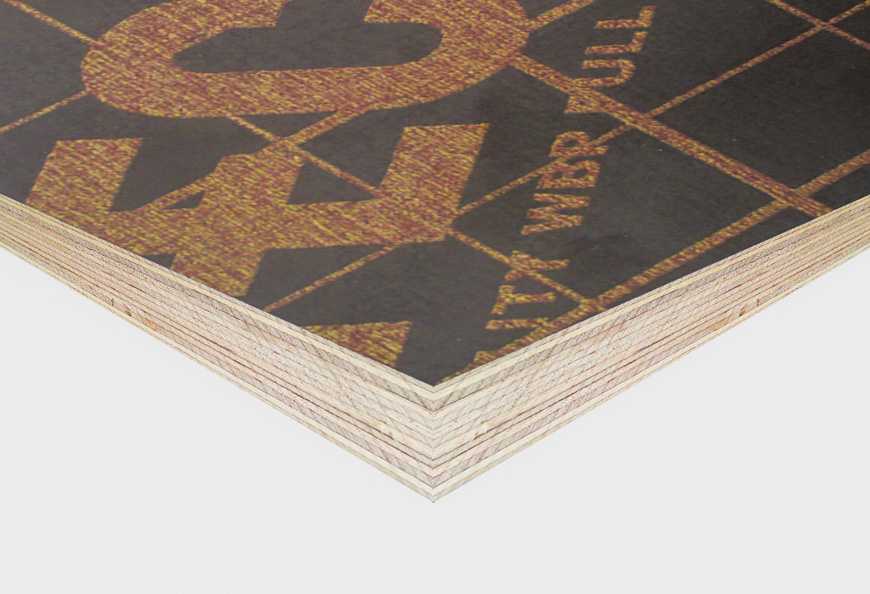
Formwork Accessories
Formwork Accessories <br>TECON's shuttering components and formwork components include aluminium TMP prop, heavy-duty steel prop (EN1065), TECON-Form plywood (film faced plywood with different grade and even imported quality), wall tie system, H20 timber beam, aluminium beam, steel waler, table head, tripod, BFD coupler, flange clamp, scaffolding couplers etc. <br> <br>TECON also offers OEM fabrication service for any accessory withdrawing or samples from formwork and scaffolding shuttering companies outside China. <br> <br>Girder <br>We have two types of formwork girder for DIY or tailed formwork planning use. One is a conventional H20 timber beam, while another is an Aluminium I beam made from aluminium alloy. <br> <br>We have several models with different sections and heights regarding aluminium beam, which maintaining various bearing capacities for the optimal choice. <br> <br>Shoring Props <br>TECON Shoring props cover the full range of props as floor support, fabricated on different load capacity, adjustable height and different raw material basis. <br> <br>1/ Heavy Duty Steel Prop following EN1065 standard <br> <br>2/ Acrow Prop following AS3610 standard <br> <br>3/ Light Duty Prop <br> <br>4/ Spanish Prop <br> <br>5/ Italian Prop <br> <br>We have also developed our mould and design to produce aluminium props at a maximum height of 6250mm. They are compatible with some European formwork brands, including MP prop. <br> <br>If you want to know more kinds of construction formwork accessories, please visit our website. <br>#construction#formwork#accessories <br>[a]https%3A%2F%2Fwww.teconform.com%2Fproducts%2Fformwork-accessories%2F%0A%0A%0A%0A%0A[/a]
Solar Energy
#manufacturers <br> [a]https%3A%2F%2Fwww.micnodrive.com%2Fproducts%2Fsolar-energy%2F[/a] <br> <br> <br> <br>Based on the demand for distributed PV grid-tied power generation system and understanding of future development, MICNO solar technology relies on 15 years core inverter and control technology research and application and follows stable, efficient and maintenance-free product design concept to provide high-quality string solar grid-tied. <br> <br>SOLAR PUMP INVERTER <br>The solar pump inverter converts the DC power of the solar array into AC power, which can drive various pumps and provide clean water for remote areas where power facilities are scarce. Although the solar water pump inverter accounts for a small proportion under the cost of the solar pump system, it is the core equipment of the system. The solar pump controller VFD controls and regulates the operation of the solar pumping system, besides converts the direct current generated by the photovoltaic modules into alternating current that can directly drive the water pump to work. When the light intensity is insufficient or in rainy weather, it can be connected to the mains or oil engine backup power supply mode to drive the system to pump water to meet the needs of users around the clock. The control method of photovoltaic pumping inverter motor is frequency conversion control. As the light intensity increases, the output frequen <br>KE300A-01 Solar Pump Inverter Series KE300P Series Solar Pump Inverter <br> <br>SOLAR SYSTEM PARTS <br>MICNO offers customers a wide range of accessories for solar systems, one-stop service, safer and more reliable.A basic solar power generation system consists of solar panels, a charge controller, an inverter, and a battery. The function of the solar panel is to directly convert the solar radiation energy into direct current for use by the load or stored in the battery for future use. Generally according to the needs of users, a number of solar panels are connected in a certain way to form a square array of solar cells, which is then equipped with appropriate brackets and junction boxes. In different types of photovoltaic power generation systems, the charging controllers are different, and their functions and complexity vary greatly. This needs to be determined according to the system requirements and importance. The function of the inverter is to invert the low-voltage DC power provided by the solar cell array and the storage battery to 220 volts AC power for the AC load. The battery <br>Solar Pump Solar Panels AC Pump Booster Module GPRS Module Output AC Reactor Solar DC Combiner Box <br> <br>STORAGE INVERTERS <br>In remote areas, it is very suitable to establish an independent PV to supply the power to the user.The energy storage inverter is the interface between the power grid and the energy storage device. It can be applied to different occasions (grid-connected system, island system and hybrid system). It has a series of inverters with special functions. Energy storage inverters are a type of grid-connected inverters suitable for smart grid construction. They are used in energy storage and feature two-way inverters as their basic characteristics. They have a series of special features and functions. The energy storage link in the smart grid can effectively regulate power resources, can well balance the difference in power consumption between day and night and different seasons, adjust the remaining shortages, and ensure the security of the power grid. It is an important prerequisite for the application of renewable energy and an effective means to achieve interactive management of the power <br>Hybrid Inverter (Low battery voltage) Hybrid Inverter (High Battery Voltage) Hybrid Inverter (AC three-Phase) AC Coupler Off-grid Inverter <br> <br>SOLAR PUMP CONTROLLER <br>MICNO offers customers a high degree of protection control cabinet, including solar pump inverter, AC and DC converter modules, contactors, DC circuit breakers, and other integrated control systems.Controller: Control and adjust the operation of the solar water pump, drive the water pump with electric energy from the solar array, and realize MPPT adjustment according to the change in the intensity of sunlight. A typical photovoltaic off-grid power generation system is mainly composed of six parts: solar modules, supports, solar controllers, off-grid inverters, batteries, and distribution boxes. After the solar modules are connected to the solar controller, they first meet the user's load usage, and then Store the excess power in the battery for night and rainy days. When the battery is empty, most inverters can also support the city power input (or diesel generator) as a supplementary energy to power the load. <br>KE300D-03-01 Solar Pump Inverter Control Box Inverter AC/DC Switching Solution KE300P-01 Switching Module <br> <br>What is Solar Energy <br>Solar energy is a clean, inexpensive, renewable power source that is available nearly everywhere in the world. Since solar energy comes from the sun, it represents a limitless source of power. Renewable energy technologies generate electricity from resources that are infinite. MICNO, a solar power equipment manufacturers, provides various solar electric equipment and services to meet customers' models and technology demands. The products mainly include all kinds of solar pump inverter, Off-grid inverter, solar pump controller, and some solar spare parts which are used in solar energy project. That is what makes solar power, by nature, renewable energy. <br> <br>What is Solar Water Pump System <br>The solar water pump system is a photoelectric mechanical integration system developed rapidly in recent years. It uses the power generated by solar cells to drive DC, permanent magnet, brushless, sensorless, fixed rotor double plastic sealed motors or high-efficiency asynchronous motors or high-speed switched reluctance motors drive high-efficiency water pumps to lift water from deep ground to the ground for farmland irrigation or human and animal drinking. <br> <br>Solar Energy Equipment in the Modernization of Industry <br>From design to manufacturing, modern technologies involving multiple disciplines including electrical, mechanical, power electronics, computer, and control have provided extremely good means for the development of modern agriculture, energy conservation, and environmental protection. This system has good long-term economy, especially compared with common diesel engine pumping water, it has overwhelming economic advantages. The development of this new type of environmentally friendly and energy-saving solar system equipment will undoubtedly bring great good economic and social benefits to the development of industry and economy, especially the development of modern agriculture in arid regions. These solar power equipment for sale is particularly suitable for the construction of "resource-saving" and "environment-friendly" Development strategy of a “type” society. <br> <br>Most traditional pump systems are primarily diesel or AC pumps. Compared with solar pumps, the operating costs of these two systems are very high, depending to a large extent on the price of diesel and can cause adverse environmental impacts. So even though solar systems are relatively expensive, energy is free and there are no longer operating costs (maintenance costs only), proving that solar pumps are a viable long-term facility. <br> <br>For more information about inverter micno, please feel free to contact us! <br> <br>Shenzhen MICNO Electric Co., Ltd. masters the leading synchronization, a synchronization current vector control technology, torque control technology and solar pump VFD technology with more than 10 years of experience. MICNO owns 12 domestic offices and overseas sales center, covering more than 80 overseas countries. Especially, the products well sold in the Middle East, Africa, South Asia, Southeast Asia, South America, etc.

21.5 inch Interactive Digital Signage Kiosk
The unique "C"-shaped stand and round base made with superb technology, the smooth curve design makes the use environment softer; with capacitive touch, optional IR touch, 500-3500 nits brightness (default 500 nits); the metal case is sturdy and durable, available in 2E-21268 black and RC-1162 white, its screen and stand are removable; with optional camera, 4G, RFID card reader, thermal printer and other accessories, this interactive digital signage is an ideal kiosk designed for self-service and advertising display. <br> <br>Optional Panel Size: <br>21.5 inch, 32 inch <br> <br>For more information about interactive kiosks and digital board kiosk, please feel free to contact us! <br>#interactive#kiosks <br>[a]https%3A%2F%2Fwww.rcstarsgroup.com%2Fproducts%2F21.5-inch-32-inch-free-standing-touch-digital-signage-interactive-kiosks%2F%0A%0A%0A%0A[/a]

Maison & Objet 2024 | Largest trade fair for decoration and lifestyle
Hire your exhibition stand construction company for Maison & Objet to benefit from sparkling business opportunities. This is a biannual trade fair where you can find the latest trends in the fashion and design world. The in-person event is scheduled to take place from 5 - 9 September 2024 in Paris, France. <br>By exhibiting at the event, you can find sparkling business prospects, find new partners, and stay ahead of consumer trends. Every year, the event is attended by some of the leading brands of the world showcasing their most stylish and trendiest attire, gift items, and accessories. The event is expected to welcome over 60,000 buyers from France and other countries. <br>Zumizo International specializes in building exceptional quality exhibition stands that grab attention and make lasting impressions. We are a renowned exhibition stand builder in Paris who provides turn key services including stand designing, construction, and breakdown of stands. Tell us your stand requirements for your next project. Contact us: [email protected] or phone: +971 55 202 1715. <br> <br>To know more visit here: [a]https%3A%2F%2Fwww.zumizointernational.com%2Fmaison-objet[/a]

Catit India | A Official Website of Catit Products
Catit Product Shop is your ultimate destination for all things cat-related. We pride ourselves on offering a wide selection of premium products designed to enhance your cat's life. From interactive toys to cosy drinking fountains and stylish accessories, we have everything you need to provide your feline companion with the best care and entertainment. Explore our shop and discover the perfect items to keep your cat happy and healthy. <br> <br> <br>To know more about our Products and Services please contact us. <br> <br> <br>CONTACT DETAILS <br> <br> <br>Web Link - [a]https%3A%2F%2Fcatit.co.in%2F[/a] <br>Address: - 792, Dwarkapuri, 60 Ft. Road, Indore, Madhya Pradesh, India – 452009 <br>Email: [email protected] <br>Phone: +91 7225002228 , +91 9399688302

Branded Sunglasses
Sunglasses have transcended their role as mere fashion accessories and are now recognized as essential tools for maintaining optimal eye health. At Chashma, we understand this significance and offer a comprehensive selection of sunglasses for men and women, conveniently available for purchase online. Whether you're looking for branded sunglasses or prescription eyewear, we have you covered. <br> <br>One of the distinguishing features of Chashma is our ability to convert fashionable sunglasses into prescription eyewear. If you require corrective lenses, simply provide us with your prescription, and we will transform your chosen pair into powered sunglasses. Our range of power sunglasses frames ensures that you can enjoy both clear vision and eye protection without compromising on style. <br> <br>The primary advantage of sunglasses lies in their ability to shield your eyes from harmful ultraviolet (UV) light. UV rays can cause damage to various parts of the eyes, including the cornea, lens, and retina. It's essential to understand that UV rays can be harmful year-round, not just during sunny summer days. Therefore, wearing sunglasses whenever you're outdoors is crucial for protecting your eyes. <br> <br>Our collection includes a variety of power sunglasses for men and women, ensuring that you can find the perfect pair to suit your needs. Whether you're lounging by the pool or enjoying a day at the beach, our branded sunglasses provide superior protection against the intensity of sunlight, including reflected light from water surfaces. <br> <br>At Chashma, we are committed to offering the latest styles and designs in sunglasses, including aviator power glasses and prescription sunglasses. By purchasing from our website, you can take advantage of special offers and discounts, making quality eye protection affordable for everyone. <br> <br>In conclusion, sunglasses are more than just a fashion statement; they are essential for safeguarding your eye health. Explore our collection online today and prioritize the well-being of your eyes with Chashma.

Mobile Phone Accessories - Kiphone
Kiphone is a trusted name in the world of mobile phone accessories, dedicated to offering a wide range of products to meet the diverse needs of smartphone users. From protective cases to charging solutions to stylish accessories, we curate our selection to ensure that every customer finds the perfect accessory to complement their device.
HT Transformer manufacturers in Faridabad, india
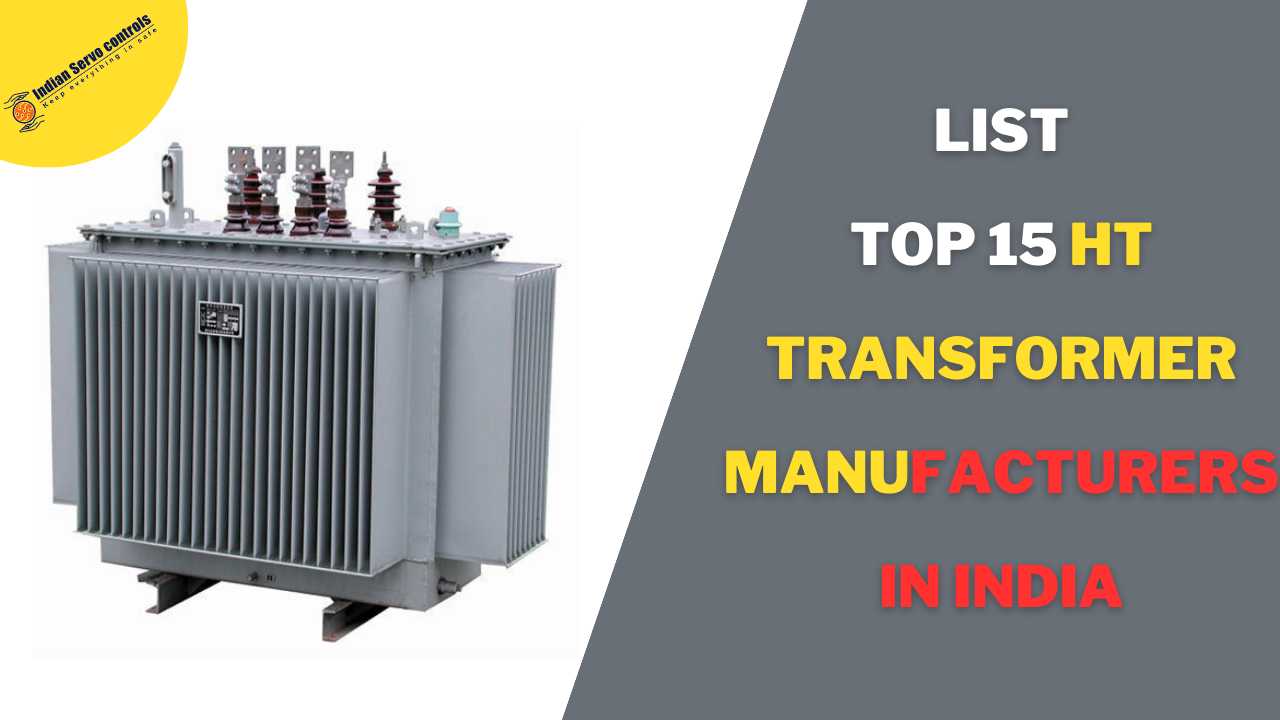
List of Top 15 HT Transformer Manufacturers in India <br>February 23, 2024 by indSerCon <br>How do you choose a HT Transformer Manufacturers in India? <br>Choosing an HT transformer manufacturer in India involves careful consideration of several factors to ensure that you select a reliable and reputable supplier. Here are some key steps and factors to consider: <br> <br>List Top 15 HT Transformer Manufacturers in india <br>List Top 15 HT Transformer Manufacturers in india <br>1. Research and Background Check: <br>Start by researching various transformer manufacturers in India. Look for companies with a good reputation and a track record of delivering quality products. <br>Check online reviews, testimonials, and ratings to gauge customer satisfaction and the company’s credibility. <br>2. Experience and Expertise: <br>Consider the manufacturer’s experience in the industry. An established company with years of experience is likely to have a better understanding of customer needs and industry standards. <br>Evaluate the manufacturer’s expertise in designing and producing the type and size of transformers that meet your requirements. <br>3. Quality Standards and Certifications: <br>Verify if the manufacturer adheres to international quality standards such as ISO 9001:2015. This certification ensures that the company follows quality management systems. <br>Look for transformers that comply with relevant national and international standards, such as IS (Indian Standards), IEC (International Electrotechnical Commission), or IEEE (Institute of Electrical and Electronics Engineers). <br>4. Customization and Product Range: <br>Assess the manufacturer’s ability to customize transformers based on your specific needs. A good manufacturer should be flexible in adapting their products to meet your requirements. <br>Consider the range of transformers they offer to ensure they have the appropriate products for your applications. <br>5. Technical Support and Service: <br>Evaluate the level of technical support and after-sales service provided by the manufacturer. This includes assistance with installation, maintenance, and troubleshooting. <br>Check if the manufacturer has a responsive customer support team that can address your queries and concerns. <br>6. Delivery Time and Logistics: <br>Inquire about the manufacturer’s production capacity and delivery times. Timely delivery is crucial, especially if your project has tight deadlines. <br>Consider the logistics and transportation capabilities of the manufacturer to ensure smooth delivery of the transformers to your location. <br>7. Price and Payment Terms: <br>While cost is a factor, it should not be the sole determinant. Consider the overall value, including quality, service, and support, when evaluating the price. <br>Discuss and clarify payment terms, warranty conditions, and any additional costs involved. <br>8. References and Case Studies: <br>Ask for references from other clients who have purchased transformers from the manufacturer. Contacting previous customers can provide insights into their experiences with the company. <br>By carefully considering these factors and conducting thorough research, you can make an informed decision when choosing a transformer manufacturer in India. <br> <br>Here are the Top 15 Transformer Manufacturing Companies in India Full Details? <br>1. Indian Servo Controls (ISC): <br>Indian Servo Controls is one of the largest and most prominent public-sector companies in India, manufacturing power transformers and distribution transformers. <br>Established: 2020 <br>Business: Manufacturing of power plant equipment, including transformers. <br>Address: Block E, Sanjay Colony, Sector 23, Faridabad, Haryana 121001… <br>Products: Power transformers, distribution transformers, and other power plant equipment. <br>Accreditations: ISO 9001, ISO 14001… <br>2. ABB India Limited: <br>ABB is a global player with a strong presence in India, offering a wide range of transformers for various applications. <br>Established: 1949 <br>Business: Global technology company, providing solutions for electrification, automation, and digitalization. <br>Address: ABB India Limited, World Trade Centre, Brigade Gateway Campus, 26/1, Dr. Rajkumar Road, Bangalore – 560055, India. <br>Products: A wide range of electrical and automation products, including transformers. <br>Accreditations: ISO 9001, ISO 14001, OHSAS 18001. <br>3. Siemens Limited: <br>Siemens is a multinational conglomerate with a significant presence in the Indian market, manufacturing power and distribution transformers. <br>Established: 1867 <br>Business: Global technology company with divisions in electrification, automation, and digitalization. <br>Address: Siemens Limited, Corporate Centre, 130, Pandurang Budhkar Marg, Worli, Mumbai – 400018, India. <br>Products: Power and distribution transformers, along with various other electrical products. <br>Accreditations: ISO 9001, ISO 14001, OHSAS 18001. <br>4. Crompton Greaves (CG): <br>CG is a well-known manufacturer of transformers, including power transformers, distribution transformers, and specialty transformers. <br>Established: 1878 <br>Business: Manufacturer of power and industrial solutions. <br>Address: CG House, 6th Floor, Dr. Annie Besant Road, Worli, Mumbai – 400030, India. <br>Products: Power transformers, distribution transformers, motors, and other electrical equipment. <br>5. Voltamp Transformers Limited: <br>Voltamp Transformers is an Indian company specializing in manufacturing a variety of transformers, such as power and distribution transformers. <br>Established: 1963 <br>Business: Manufacturer of power and distribution transformers. <br>Address: Voltamp House, Near Mithakhali Six Roads, Ellisbridge, Ahmedabad – 380006, India. <br>Products: Power transformers, distribution transformers, and other electrical products. <br>Accreditations: ISO 9001, ISO 14001. <br>6. Emco Limited: <br>EMCO is a diversified engineering company that produces power transformers, distribution transformers, and other electrical equipment. <br>Established: 1964 <br>Business: Diversified engineering <br>Address: Mumbai – 400059, India. <br>Products: Power transformers, distribution transformers <br>7. Transformers and Rectifiers (India) Limited: <br>This company is engaged in the manufacturing of power and distribution transformers, as well as rectifiers. <br>Established: 1994 <br>Business: Power and distribution transformers, rectifiers <br>Address: Mumbai – 400053, India. <br>Products: Power transformers, distribution transformers, rectifiers <br>8. Kirloskar Electric Company Limited: <br>Kirloskar Electric is a well-established electrical engineering company offering a range of transformers for different applications. <br>Established: 1946 <br>Business: Electrical engineering <br>Address: Bangalore – 560024, India. <br>Products: Power transformers, distribution transformers <br>9. Diamond Power Infrastructure Limited: <br>Diamond Power is involved in the manufacturing of power and distribution transformers, as well as other electrical equipment. <br>Established: 1970 <br>Business: Power and distribution infrastructure <br>Address: Vadodara – 390007, India. <br>Products: Power transformers, distribution transformers <br>10. Genus Power Infrastructures Limited: <br>Genus Power specializes in power solutions, including power transformers, distribution transformers, and inverters. <br>Established: 1992 <br>Business: Power solutions <br>Address: Jaipur – 302006, India. <br>Products: Power transformers, distribution transformers, inverters <br>11. L&T Electrical and Automation: <br>L&T is a major player in the engineering and construction sector, including the manufacturing of electrical equipment, including transformers. <br>Established: 1938 <br>Business: Engineering and construction <br>Address: Mumbai – 400001, India. <br>Products: Power transformers, electrical equipment <br>12. IMP Powers Limited: <br>IMP Powers is known for manufacturing power transformers, distribution transformers, and other electrical products. <br>Established: 1961 <br>Business: Power transformers, electrical products <br>Address: Kolkata – 700029, India. <br>Products: Power transformers, distribution transformers <br>13. Shriram Transformers and Electricals: <br>This company is engaged in the manufacturing of power and distribution transformers, as well as other electrical equipment. <br>Established: 1987 <br>Business: Power and distribution transformers <br>Address: Mumbai – 400055, India. <br>Products: Power transformers, distribution transformers <br>14. Vijai Electricals Limited: <br>Vijai Electricals is involved in the production of power and distribution transformers, as well as other electrical products. <br>Established: 1973 <br>Business: Power and distribution transformers <br>Address: Hyderabad – 500033, India. <br>Products: Power transformers, distribution transformers <br>15. Trutech Products: <br>Trutech Products is a manufacturer and exporter of transformers, including power transformers, distribution transformers, and specialty transformers. <br>Established: 1997 <br>Business: Transformer manufacturer and exporter <br>Address: Pune – 411026, India. <br>Products: Power transformers, distribution transformers, specialty transformers <br>Please note that the list above is not ranked, and the order does not indicate any specific hierarchy. Additionally, market dynamics may have changed, and new companies may have emerged since my last update. It’s advisable to check the latest industry reports and rankings for the most up-to-date information. <br> <br>Top 10 List of the Best Transformer Manufacturing Companies in India:- <br>1. Indian Servo Controls (ISC):- One of the largest and most well-established public-sector companies in India, manufacturing power transformers and distribution transformers. <br> <br>2. ABB India Limited:- A global technology company with a strong presence in India, offering a wide range of transformers for various applications. <br> <br>3. Siemens Limited:- A multinational conglomerate with a significant presence in the Indian market, manufacturing power and distribution transformers. <br> <br>4. Crompton Greaves (CG):- A leading player in the power and industrial solutions sector, producing power transformers, distribution transformers, and specialty transformers. <br> <br>5. Voltamp Transformers Limited:- Known for manufacturing power and distribution transformers, Voltamp Transformers is an established player in the industry. <br> <br>6. Emco Limited:- A diversified engineering company producing power transformers, distribution transformers, and other electrical equipment. <br> <br>7. Transformers and Rectifiers (India) Limited:- Engaged in the manufacturing of power and distribution transformers, as well as rectifiers. <br> <br>8. Kirloskar Electric Company Limited:- An electrical engineering company offering a range of transformers for different applications. <br> <br>9. Diamond Power Infrastructure Limited:- Involved in the manufacturing of power and distribution transformers, as well as other electrical equipment. <br> <br>10. Genus Power Infrastructures Limited:- Specializing in power solutions, including power transformers, distribution transformers, and inverters. <br> <br>Please note that this list is not ranked, and the order does not indicate any specific hierarchy. The industry landscape may change, and new companies may emerge or gain prominence. <br> <br>It’s advisable to check the latest industry reports, reviews, and rankings for the most up-to-date information. Additionally, consider your specific requirements and preferences when choosing a transformer manufacturer. <br> <br>Top 7 Different Types of Transformers <br>Transformers are crucial electrical devices that transfer electrical energy between two or more circuits through electromagnetic induction. They come in various types, each designed for specific applications. Here are seven different types of transformers: <br> <br>1. Power Transformers: <br>Function: Used in power transmission and distribution to change voltage levels. <br>Applications: Power substations, electrical grids. <br>Key Features: High power capacity, typically used for voltage levels above 33 kV. <br>2. Distribution Transformers: <br>Function: Step down high voltage to a lower voltage suitable for local distribution. <br>Applications: Residential, commercial, and industrial areas. <br>Key Features: Lower power capacity compared to power transformers, often mounted on utility poles. <br>3. Instrument Transformers: <br>Function: Used to measure current or voltage in high-voltage circuits. <br>Applications: Metering, protection, and control in power systems. <br>Key Features: Current transformers (CTs) and voltage transformers (VTs) are common types. <br>4. Isolation Transformers: <br>Function: Provides electrical isolation between the input and output circuits. <br>Applications: Medical equipment, sensitive electronic devices. <br>Key Features: Prevents ground loops and reduces the risk of electric shock. <br>5. Auto-transformers: <br>Function: Has a single winding with multiple taps for voltage adjustment. <br>Applications: Used in voltage regulation, often in industrial settings. <br>Key Features: Compact design, lower cost compared to dual-winding transformers. <br>6. Step-Up Transformers: <br>Function: Increases the voltage level from the primary winding to the secondary winding. <br>Applications: Power transmission from power plants to substations. <br>Key Features: Helps reduce energy losses during long-distance transmission. <br>7. Step-Down Transformers: <br>Function: Decreases the voltage level from the primary winding to the secondary winding. <br>Applications: Lowers voltage for distribution to end-users. <br>Key Features: Commonly found in distribution networks and near consumer locations. <br>These types of transformers serve various purposes in electrical systems, allowing for efficient and safe power distribution and utilization. The specific transformer used depends on factors such as the voltage requirements, application, and regulatory standards. <br> <br>Dry-Type Transformers Manufacturers Suppliers Exporters? <br>Finding dry-type transformer manufacturers, suppliers, and exporters involves considering various factors such as quality, certifications, and product specifications. Here are a few companies that are known for manufacturing dry-type transformers: <br> <br>1. ABB India Limited: <br>Website: ABB India Limited <br>ABB is a global leader in technology, and their Indian division offers a range of dry-type transformers for different applications. <br>2. Siemens Limited: <br>Website: Siemens Limited <br>Siemens is a multinational company with a strong presence in India, providing a variety of electrical solutions, including dry-type transformers. <br>3. Crompton Greaves (CG): <br>Website: Crompton Greaves <br>CG is a prominent manufacturer of dry-type transformers, offering solutions for different industries and applications. <br>4. Voltamp Transformers Limited: <br>Website: Voltamp Transformers Limited <br>Voltamp Transformers is an Indian company specializing in the manufacturing of power and distribution transformers, including dry-type transformers. <br>5. Transformers and Rectifiers (India) Limited: <br>Website: Transformers and Rectifiers <br>This company manufactures a variety of transformers, including dry-type transformers, and serves both the domestic and international markets. <br>6. Trutech Products: <br>Website: Trutech Products <br>Trutech Products is a manufacturer and exporter of transformers, including dry-type transformers, serving both domestic and international clients. <br>7. Emco Limited: <br>Website: Emco Limited <br>EMCO is involved in the manufacturing of power transformers, distribution transformers, and also dry-type transformers. <br>8. Kirloskar Electric Company Limited: <br>Website: Kirloskar Electric <br>Kirloskar Electric manufactures a variety of electrical products, including dry-type transformers. <br>When sourcing dry-type transformers, it’s essential to consider factors such as the specific requirements of your application, certifications (such as IS, IEC, or IEEE standards), and the reputation of the manufacturer in terms of product quality and customer service. <br> <br>Additionally, reaching out directly to the companies or their authorized distributors can provide you with more detailed information about their product offerings and capabilities. <br> <br>Power Transformers Manufacturers Company? <br>There are several reputable power transformer manufacturers globally, and many of them have a presence in India. Here are some well-known power transformer manufacturers: <br> <br>1. Siemens Limited: <br>Website: Siemens Limited <br>Siemens is a multinational company with a strong presence in the power sector, offering a wide range of power transformers. <br>2. ABB India Limited: <br>Website: ABB India Limited <br>ABB is a global technology company providing solutions for electrification, automation, and digitalization, including power transformers. <br>3. Bharat Heavy Electricals Limited (BHEL): <br>Website: BHEL <br>BHEL is a major public-sector company in India, known for manufacturing power plant equipment, including power transformers. <br>4. Crompton Greaves (CG): <br>Website: Crompton Greaves <br>CG is a leading player in the power and industrial solutions sector, producing power transformers for various applications. <br>5. Voltamp Transformers Limited: <br>Website: Voltamp Transformers Limited <br>Voltamp Transformers is an Indian company specializing in manufacturing power transformers for different industries. <br>6. Transformers and Rectifiers (India) Limited: <br>Website: Transformers and Rectifiers <br>This company is engaged in the manufacturing of power and distribution transformers for both domestic and international markets. <br>7. EMCO Limited: <br>Website: EMCO Limited <br>EMCO is involved in the manufacturing of power transformers, distribution transformers, and other electrical equipment. <br>8. General Electric (GE): <br>Website: GE Power <br>GE is a multinational conglomerate with a presence in the power sector, providing a range of power solutions, including transformers. <br>9. Schneider Electric India: <br>Website: Schneider Electric India <br>Schneider Electric is a global company providing energy management and automation solutions, including power transformers. <br>10. Larsen & Toubro Limited (L&T): <br>Website: L&T Electrical and Automation <br>L&T is a major engineering and construction conglomerate in India, involved in the manufacturing of electrical equipment, including power transformers. <br>11. Indian Servo Controls: <br>Website: indianservocontrols.in <br>Schneider Electric is a global company providing energy management and automation solutions, including power transformers. <br>When choosing a power transformer manufacturer, it’s important to consider factors such as the specific requirements of your project, the manufacturer’s reputation for quality and reliability, certifications, and after-sales service and support. Additionally, you may want to check for the latest information and customer reviews to ensure the manufacturer meets your specific needs. <br> <br>FAQs: Transformer <br>Q1. What is a Transformer? <br>Ans. A transformer is an electrical device that transfers electrical energy between circuits through electromagnetic induction. It consists of primary and secondary windings linked by a magnetic core. When an alternating current flows through the primary winding, it induces a voltage in the secondary winding. <br> <br>Transformers are crucial for voltage and current transformation in power systems, ensuring efficient power distribution, electrical isolation, and impedance matching. They come in various types, serving different purposes in the generation, transmission, and distribution of electrical energy. <br> <br>Q2. What are the different types of Transformers? <br>Ans. <br> <br>HT Transformer: Commonly associated with the transmission network, used to either step up or step down voltage levels for long-distance power transmission. <br>Power Transformers: Transmit electricity between power plants and the grid by changing voltage levels. <br>Distribution Transformers: Step down high-voltage power for local distribution to homes and businesses. <br>Instrument Transformers: Used for metering, protection, and control in high-voltage circuits. <br>Isolation Transformers: Provide electrical separation, preventing ground loops and enhancing safety. <br>Auto-Transformers: Single winding with taps for voltage adjustment, cost-effective and compact. <br>Step-Up Transformers: Increase voltage for power transmission. <br>Step-Down Transformers: Decrease voltage for power distribution. <br>Dry-Type Transformers: Use air or solid insulation, suitable for indoor applications. <br>Oil-Filled Transformers: Contain oil for cooling and insulation, used in various applications. <br>Pad-Mounted Transformers: Installed on concrete pads, common in urban areas. <br>Pole-Mounted Transformers: Installed on utility poles, often in rural and suburban areas. <br>Furnace Transformers: Designed for high-power industrial processes like electric arc furnaces. <br>Audio Transformers: Match impedances and transfer signals in audio equipment. <br>Rectifier Transformers: Provide power for converting AC to DC in industrial applications. <br>Resonant Transformers: Tailored for specific resonant applications, like resonant power converters. <br>Q3. Why We Use Transformers? <br>Ans. Transformers are used to efficiently transfer electrical energy between circuits by electromagnetic induction. They play a crucial role in power systems for: <br> <br>1. Voltage Transformation: Changing voltage levels for power transmission and distribution. <br>2. Current Transformation: Adapting current levels while maintaining power balance. <br>3. Isolation: Providing electrical separation for safety and preventing ground loops. <br>4. Impedance Matching: Optimizing power transfer by matching source and load impedance. <br>Transformers are essential for the generation, transmission, and distribution of electrical energy. <br> <br>Q4. Main Components of Transformers? <br>Ans. The main components of transformers are: <br> <br>1. Core: Typically made of laminated steel, it provides a path for magnetic flux. <br>2. Windings: Primary and secondary coils of insulated wire around the core for electromagnetic induction. <br>3. Insulation: Materials to electrically insulate and separate the windings and core. <br>4. Tank: Houses the core and windings, often filled with oil for cooling and insulation. <br>5. Bushings: Insulated structures for connecting external circuits to the transformer windings. <br>These components work together to facilitate the transfer of electrical energy through electromagnetic induction. <br> <br>Q5. Advantages & Applications of Transformers? <br>Ans. Advantages of Transformers: <br> <br>1. Efficiency: High efficiency in transferring electrical energy. <br> <br>2. Voltage Regulation: Enables voltage adjustment for various applications. <br> <br>3. Isolation: Provides electrical isolation for safety and equipment protection. <br> <br>4. Power Factor Improvement: Aids in power factor correction. <br> <br>5. Long Life: Well-designed transformers have a long operational life. <br> <br>Applications of Transformers: <br> <br>1. Power Transmission: Step-up transformers for long-distance power transmission. <br> <br>2. Power Distribution: Step-down transformers for local power distribution. <br> <br>3. Industrial Use: Various applications like electric arc furnaces, welding, and more. <br> <br>4. Electronic Devices: Audio transformers in amplifiers and transformers in power supplies. <br> <br>5. Residential: Distribution transformers for supplying power to homes. <br> <br>6. Instrumentation: Current transformers and voltage transformers for metering and control. <br> <br>7. solation Transformers: Used in sensitive electronic equipment for safety and noise reduction. <br> <br>Q6. Difference between a Power Transformer and a Distribution Transformer? <br>Ans. Power Transformer: <br> <br>Function: Transfers electrical energy from power plants to the transmission network. <br>Voltage Levels: Typically used for high voltage (HV) to extra-high voltage (EHV). <br>Applications: In power transmission systems, connecting to the grid. <br>Distribution Transformer: <br> <br>Function: Distributes electrical energy from the transmission network to end-users. <br>Voltage Levels: Operates at lower voltage levels, usually medium voltage (MV) to low voltage (LV). <br>Applications: In local distribution networks, serving residential, commercial, and industrial areas. <br>In short, power transformers are involved in transmitting electricity over long distances, while distribution transformers deliver electricity to local areas for consumption. <br> <br>Q7. What is a Distribution Transformer and Its Application? <br>Ans. Distribution Transformer: <br> <br>Function: Steps down high-voltage electricity from the transmission network to lower voltages suitable for local distribution. <br>Voltage Levels: Typically operates at medium voltage (MV) on the primary side and low voltage (LV) on the secondary side. <br>Applications: Used in local distribution networks to supply electricity to residential, commercial, and industrial areas. Facilitates the safe and efficient utilization of electrical energy closer to end-users. <br>Q8. What use does a distribution transformer serve? <br>Ans. A distribution transformer serves the purpose of stepping down high-voltage electricity from the transmission network to lower voltages suitable for local distribution. Its primary role is to supply electricity safely and efficiently to residential, commercial, and industrial areas, enabling the end-users to utilize electrical energy at the required voltage levels. <br> <br>Q9. What does an electronic transformer involve? <br>Ans. An electronic transformer, also known as an “electronic power supply” or “switching transformer,” involves the use of semiconductor devices to convert electrical energy efficiently. It typically employs high-frequency switching to change voltage levels and is commonly found in various electronic devices, such as LED lights, computers, and power adapters. Electronic transformers are known for their compact size, lightweight, and energy efficiency compared to traditional transformers. <br> <br>Q10. How are transformers manufactured? <br>Ans. Transformer Manufacturing Process: <br> <br>1. Core Manufacturing: <br> <br>Laminated steel sheets are cut and stacked to form the transformer core. <br>The core provides a magnetic path for the flux. <br>2. Winding: <br> <br>Copper or aluminum wires are wound around the core to create the primary and secondary windings. <br>Insulation is applied between the layers to prevent short circuits. <br>3. Insulation: <br> <br>Various insulating materials, such as paper, are applied to insulate the windings and prevent electrical breakdown. <br>4. Tank Fabrication: <br> <br>The transformer tank is fabricated, often made of steel, to house the core and windings. <br>The tank is sealed to prevent moisture entry. <br>5. Oil Filling: <br> <br>Transformer oil is filled in the tank for cooling and insulation. <br>It enhances the dielectric strength of the insulation. <br>6. Assembly: <br> <br>The core and windings are assembled into the tank. <br>Bushings and other accessories are added. <br>7. Testing: <br> <br>Transformers undergo various tests, including insulation resistance, turns ratio, and high-voltage tests, to ensure quality and safety. <br>8. Finishing: <br> <br>The transformer is painted and labeled with relevant information. <br>9. Packaging and Shipping: <br> <br>The finished transformers are packaged securely and shipped to their destination. <br>Throughout the manufacturing process, quality control measures are implemented to ensure the reliability and efficiency of the transformer. <br> <br>Q11. What materials are used in the manufacturing of transformers? <br>Ans. Materials Used in Transformer Manufacturing: <br> <br>1. Core Material: <br> <br>Laminated steel sheets are commonly used for the core to minimize eddy current losses. <br>2. Winding Material: <br> <br>Copper or aluminum wires are used for winding the coils. <br>3. Insulation Materials: <br> <br>Insulating materials such as paper, pressboard, and varnish are used to separate conductive components and provide electrical insulation. <br>4. Transformer Oil: <br> <br>Mineral oil or other dielectric fluids are used for cooling and insulation within the transformer. <br>5. Tank Material: <br> <br>Transformer tanks are typically made of steel for durability and corrosion resistance. <br>6. Bushings: <br> <br>Insulating materials like porcelain or composite materials are used for transformer bushings. <br>7. Gaskets and Seals: <br> <br>Rubber or other sealing materials are used to ensure the transformer is sealed and protected from environmental factors. <br>8. Paint and Coatings: <br> <br>Protective coatings and paints are applied for corrosion resistance and aesthetics. <br>These materials are selected based on their electrical, thermal, and mechanical properties to ensure the transformer’s efficiency, reliability, and longevity. <br> <br>Q12. What are the quality standards followed by transformer manufacturers in India? <br>Ans. Transformer manufacturers in India follow key quality standards including IS 2026, IEC 60076, ISO 9001, ISO 14001, OHSAS 18001/ISO 45001, BIS Certification, IEEE standards, CE marking, NEC, and customer specifications. These standards cover design, manufacturing, testing, safety, environmental management, and customer-specific requirements, ensuring the production of reliable and safe transformers. Manufacturers may undergo audits for compliance with these standards. <br> <br>Q13. How do I choose the right transformer manufacturer in India for my needs? <br>Ans. Choosing the right transformer manufacturer in India involves considering several factors: <br> <br>1. Experience and Reputation: <br> <br>Look for manufacturers with a solid track record and positive industry reputation. <br>2. Certifications: <br> <br>Ensure the manufacturer complies with relevant standards like IS 2026, IEC 60076, and ISO certifications. <br>3. Customization Capability: <br> <br>Choose a manufacturer capable of customizing transformers based on your specific requirements. <br>4. Quality Assurance: <br> <br>Verify the manufacturer’s commitment to quality control and adherence to safety standards. <br>5. Technical Expertise: <br> <br>Assess the manufacturer’s technical capabilities, innovation, and understanding of your industry needs. <br>6. Customer Support: <br> <br>Evaluate the level of customer support and responsiveness to address your concerns. <br>7. Financial Stability: <br> <br>Consider the financial stability and reliability of the manufacturer. <br>References and Reviews: <br>Seek customer references and reviews to gauge satisfaction with the manufacturer’s products and services. <br>8. Delivery Time and Logistics: <br> <br>Ensure the manufacturer can meet your delivery timelines and handle logistics efficiently. <br>9. After-Sales Service: <br> <br>Check the availability of after-sales services, including maintenance and technical support. <br>By carefully assessing these factors, you can choose a transformer manufacturer that aligns with your specific needs and ensures a reliable and efficient solution. <br> <br>Q14. What is the future of transformer manufacturing in India? <br>Ans. The future of transformer manufacturing in India is bright, driven by factors like the integration of renewable energy, smart grid development, ongoing infrastructure growth, electrification initiatives, digital transformation, and a focus on energy efficiency. Indian manufacturers are poised to compete globally, leveraging cost-effective production capabilities. Additionally, factors such as the growth of e-mobility infrastructure and smart city implementations contribute to the dynamic and promising outlook for the industry. <br> <br>Q15. What is the cost of transformers? <br>Ans. The cost of transformers varies widely based on factors like type, capacity, voltage class, and customization. Distribution transformers may range from a few hundred to several thousand dollars, while power transformers can range from tens of thousands to millions of dollars. Obtain quotes from manufacturers for accurate pricing based on specific requirements. <br> <br>Q16. Difference between a Distribution Transformer and an HT transformer Manufacturers? <br>Ans. The main differences between a distribution transformer and a high-tension HT transformer Mnaufacturers lie in their purpose, voltage levels, and applications: <br> <br>Purpose and Function: <br>Distribution Transformer: Primarily used to step down high-voltage electricity from the transmission network to lower voltages suitable for local distribution. <br>HT Transformer: Commonly associated with the transmission network, used to either step up or step down voltage levels for long-distance power transmission. <br>Voltage Levels: <br>Distribution Transformer: Operates at medium voltage (MV) on the primary side and low voltage (LV) on the secondary side. <br>HT Transformer: Operates at higher voltage levels, often handling extra-high voltage (EHV) or high-voltage (HV) on the primary side. <br>Applications: <br>Distribution Transformer: Found in local distribution networks, serving residential, commercial, and industrial areas. <br>HT Transformer: Typically located in substations and power plants, facilitating the efficient transmission of electricity over long distances. <br>In essence, distribution transformers focus on bringing electricity to end-users in local areas, while HT Transformer Manufacturers play a crucial role in the high-voltage transmission of power across extensive networks. #HT Transformer Manufacturers <br> <br> <br> <br>CategoriesUncategorized <br>TagsHT Transformer Manufacturers, HT Transformer Manufacturers in India, List of Top 15 HT Transformer Manufacturers in India <br>Post navigation <br>Best Top 10 Servo Stabilizer Manufacturers in Faridabad <br>8743092077 <br>1 thought on “List of Top 15 HT Transformer Manufacturers in India” <br>Pingback: Best Top 10 Servo Stabilizer Manufacturers In Faridabad - Indian Servo Controls Edit <br>Comments are closed.
Heets TEREA UAE From Italy in Iluma Dubai, Ajman, Shop with Abu Dhabi
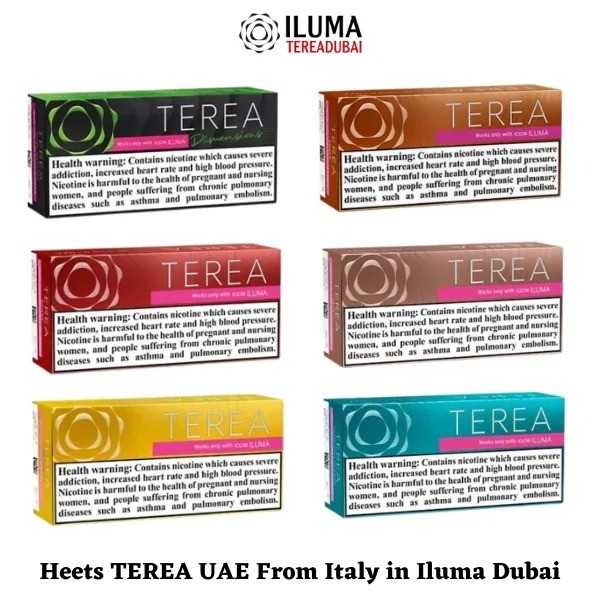
Heets TEREA UAE From Italy in Iluma Dubai, Ajman, Shop with Abu Dhabi <br> <br>The Heets Terea Italy is an upscale accessory designed in Italy to go with the IQOS ILUMA gadget. The Terea Italy boasts superb craftsmanship and design. The best materials are handcrafted in Italy to create durability. <br> <br>Terea Italy’s elegant and modern design adds a touch of elegance to your IQOS ILUMA gadget. The Heets TEREA hue of the gadget goes well with its sleek, contemporary style. The highest level of functionality and protection is provided by its ideal fit. <br> <br>Best Heets TEREA UAE From Italy in Iluma Dubai, Abu Dhabi <br>Apart from its stylish appearance. The Heets Terea Italy serves as a practical addition. The IQOS ILUMA gadget and its accessories can be kept inside to keep things neat. Additionally versatile, you can use the item as décor in your home or place of business. <br> <br>Heets Terea UAE from Italy is meticulously fashioned by hand into each piece. resulting in the creation of authentic, supremely durable works of art. Anyone who values well-made things that last over time will discover. Because this luxurious accessory is built to last, it is a prudent investment. <br> <br>There are the following IQOS Heets TEREA Italy varieties available in Iluma Dubai: <br>Heets TEREA Silver <br>Heets TEREA Bronze <br>Heets TEREA Yellow <br>Heets TEREA Amber <br>Heets TEREA Dimensions Apricity <br>Heets TEREA Dimensions Ammil Menthol <br>Heets TEREA TURQUOISE MENTHOL <br>Heets TEREA Teak <br>Heets TEREA Dimensions Yugen Menthol <br>Heets TEREA Purple Wave <br>Heets TEREA Sienna <br>Heets TEREA UAE From Italy in Iluma Dubai FEATURES: <br>Brand: TEREA ITALY <br>Quantity: 20 tobacco sticks per pack <br>State: Brand-New <br>ILUMA ONLY FOR IQOS: This product is exclusively designed to be used with the IQOS ILUMA device. <br>Heets TEREA ITALY ONLY FOR IQOS ILUMA IN DUBAI, Ajman UAE <br>The Smartcore Induction System of the new Terea Smartcore stick. This inside warms the tobacco. Is the innovative heating technology employed in the new products from IQOS Iluma? <br> <br>These recently developed sticks are exclusive to IQOS Iluma. which includes an auto-start function that activates the device. Upon insertion of the Terea sticks in Dubai. <br> <br>Furthermore, they don’t emit any smoke or burn anything. Based on market research carried out by PMI. The experience with IQOS ILUMA is better than with previous IQOS generations.
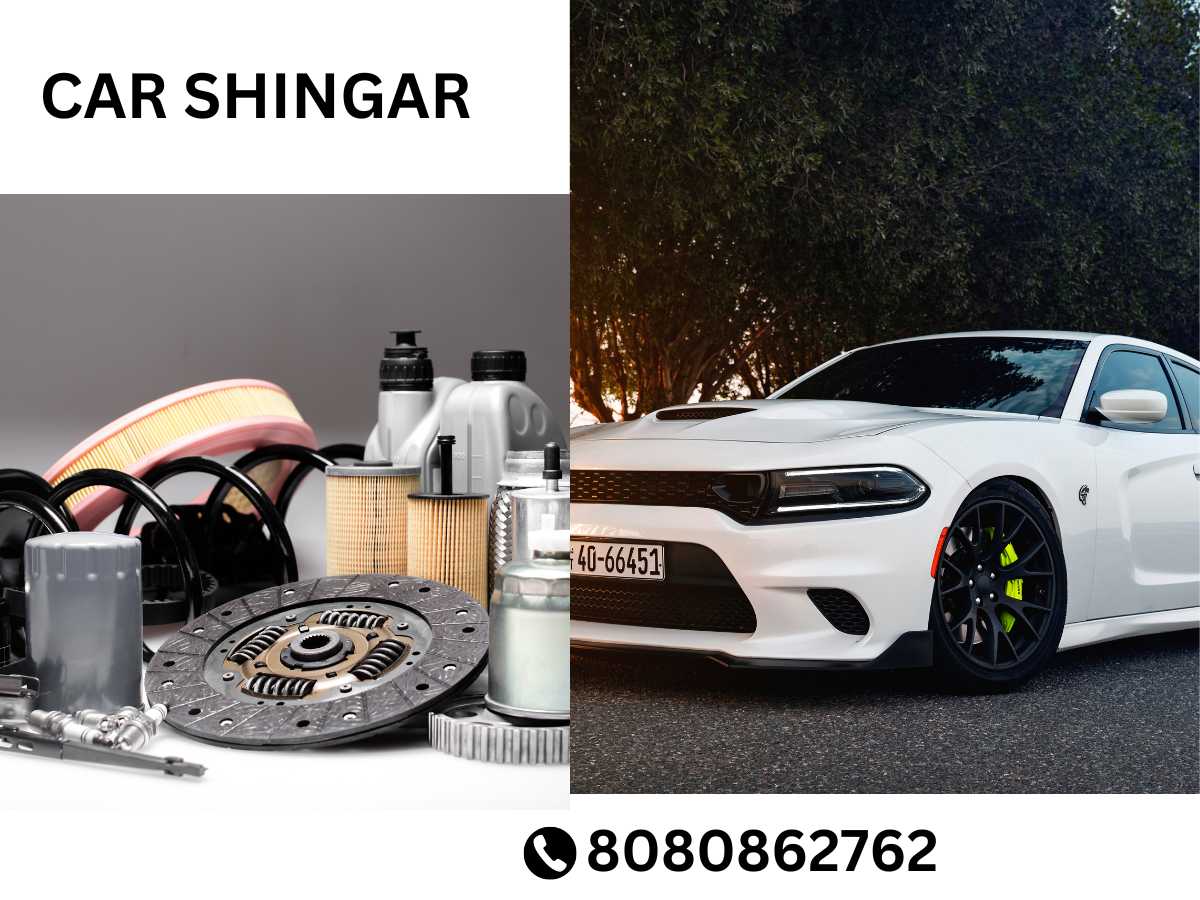
4-wheeler car accessories in Thane West
Elevate your driving experience with CAR SHINGAR, the premier destination for 4-wheeler car accessories in Thane West. From cutting-edge technology to timeless style, our store offers a comprehensive selection to suit every driver's needs. Visit CAR SHINGAR today and let your car stand out with our exclusive range of Light plates for car interiors in Thane. As your one-stop car decor accessories shop in Thane, we offer top-notch products that combine style, functionality, and quality. <br> <br>Step into CAR SHINGAR and embark on a journey through a world of car decor possibilities. From sleek and stylish interior enhancements to durable and practical exterior additions, our store caters to all your automotive needs. Whether you drive a compact sedan, a rugged SUV, or a powerful sports car, CAR SHINGAR has the perfect accessories to complement and elevate your ride. <br> <br>CAR SHINGAR is synonymous with excellence in 4-wheeler car accessories in Thane West. Our extensive collection includes everything from premium seat covers, and stylish steering wheel covers to state-of-the-art audio systems and high-tech navigation devices. With our added focus on Light plates for car interiors in Thane, you can illuminate your car's interior in style. <br> <br>We are a trusted name in the car accessories industry, offering various products from reputable brands. Our commitment to quality and customer satisfaction sets us apart. Our knowledgeable and friendly staff are always ready to assist you in finding the perfect accessories for your car, whether light plates, seat covers, or any other car decor item. <br> <br> <br>Conveniently located in Thane West, CAR SHINGAR is easily accessible for car enthusiasts across the city. Our spacious and well-organized store provides a comfortable shopping experience, allowing you to browse our extensive collection easily. Visit CAR SHINGAR today and transform your driving experience with our top-of-the-line 4-wheeler car accessories, including the latest Light plates for car interiors in Thane.

Technox Store: Laptop Parts & Accessories
Find AC adapters, laptop batteries, and keyboards at Technox Store. Shop now for quality laptop parts and enhance your device! <br> <br>[a]https%3A%2F%2Fwww.technoxstore.com[/a]

Embroidery Digitizing for Fashion: Elevating Garments with Precision
Embroidery digitizing is the process of transforming artwork into a digital file that embroidery machines can read. It is essential to the fashion design industry because it enables designers to add custom, precise embroidery to clothing, elevating the entire look. Compared to traditional hand embroidery, computerized embroidery offers unmatched stitching precision and detail. <br>Fashion designers can now add detailed, intricate embroidery motifs and lettering to their garments thanks to the digitizing process, which turns artwork such as logos, patterns, and decorations into embroidery designs made up of various stitch types. The digital files are then loaded onto computerized embroidery machines, which interpret the file and stitch out the embroidery onto fabric. <br>Compared to screen printing or other decoration methods, computerized embroidery offers stunning results and lower setup costs. Digitizers can create a smooth, professional look for embroidery on apparel and accessories by carefully controlling the density, direction, and height of each stitch. This precision elevates the visual appeal of garments beyond what could be achieved by hand. <br>Designers can translate their exact creative vision for logos, motifs, and visual elements into embellished designs through digitization, which opens up a world of creative possibilities. By utilizing high-quality, customized embroidery, designers can elevate the visual impact of garments and elevate their brands to new heights. <br>Evolution and History: <br>While decorative hand embroidery was a complex and time-consuming process, the sewing machine's invention in the 1800s helped automate and speed up embroidery production. Examples of hand embroidery can be found dating back thousands of years, to ancient China, India, and the Middle East. <br>Punch cards that programmed stitch placement drove the development of computerized embroidery machines in the late 20th century. Shortly after, specialized digitizing software became available, enabling designers to design embroidery patterns on a computer screen that an automated embroidery machine could then transfer and sew onto fabric. <br>The first digitizing software translated vector or raster images into stitch files; as time went on, it added features like stitch editing, colour palette creation, sequencing, and simulation to see the design before embroidering. This revolution in digitizing allowed for more intricate and imaginative embroidery designs, quicker turnaround times, and greater accessibility to digital embroidery for small businesses and home stitchers. <br>Today's digitizing software is still evolving and improving; it can handle various special stitch types, manipulate individual stitches for the best results, and produce files that work with industrial embroidery machines. This digitizing process takes computerized embroidery's precision and capabilities to a whole new level. <br>Digitization Procedure: <br>The primary processes in the digitization process are as follows: designs are converted into digital embroidery files so that embroidery machines can create the patterns on fabric. <br>Scanning the Fabric/Materials: <br>The embroidered fabric must first be scanned to ascertain its texture, density, stretch, and other properties. This helps to establish how the stitches will sit on the material and records the subtleties of the cloth's weave and nap. <br>Vectorizing the Image: <br>The design is transformed into a vector graphic, which is made scalable, easy to work with, and clean. Vector files are perfect for embroidery because they allow enlarging designs without sacrificing image quality. Vector graphics are created using mathematical formulas to draw lines and shapes. <br> <br>Colour Separation: <br>Careful colour assignment enables a smooth embroidery run. Complex designs may have up to 10 or more colours. Embroidery files are color-coded so the machine understands when to switch threads. The vector file needs to be separated into different colours. <br>Converting to Stitch Files: <br>Stitch types, orders, and directions are specified when the vector image is converted by digitizers into an embroidery machine-readable stitch file (such as a.DST file), with the density and length of the stitches calibrated for certain design elements and fabric kinds. <br>Selecting Stitch Types: <br>The digitizer chooses the best stitch types based on various design features and fabric; common stitches such as satin and fill stitches are combined for maximum coverage and texture; the stitch types can be adjusted and modified as necessary during the conversion process. <br>Stitches Types <br>Digital embroidery for fashion uses a few major types of embroidery stitches, each with a specific function and the ability to produce distinctive details, textures, and effects on clothing. <br>Stitching in a Run <br>One of the simplest and most versatile stitch types is the running stitch, which is made up of a series of small, even stitches that create a dashed line. You can embroider lettering, delicate vines, stems, and other fine details with running stitches, which are excellent for outlining shapes and adding lightweight details. <br>Satin Stitch <br>Satin stitches are especially good for embroidering larger, filled-in shapes and letters because they produce a velvety, sumptuous look. Satin stitches are tightly packed zigzag threads that completely cover an area. The smooth, shiny appearance recalls satin fabric. <br>Complete the Stitches <br>As the name implies, fill stitches are used to add texture and visual appeal to an embroidered area. Common fill stitches include the pattern fill, motif fill, cross-stitch, and stippling stitch. Fill stitches are used to embroider filled shapes, backdrops, and large expanses. <br>Unique Stitches <br>The candle wicking stitch, Kensington outline stitch, fern stitch, couching stitch, and other specialty stitches are less frequent but highly effective embroidery stitches that provide unique stitched effects such as fur, grass, feathers, chains, braids, and dimensional embellishment. <br>Fashion Design Benefits <br>Fashion designers and clothing manufacturers benefit greatly from embroidery digitizing because it enables a level of consistency and precision that is not possible with traditional hand embroidery techniques. Using digitizing software, designers can convert even the most complicated and intricate embroidery patterns into digital stitch files, which tell the embroidery machines how precisely to reproduce the designs on fabric. <br>With the speed and accuracy of embroidery machines, the most intricate designs can be scaled up for mass production without sacrificing quality. Curves, gradients, and the smallest details can all be translated into stitches to create stunning embroidered embellishments. Digitizing allows embroidery designs to be infinitely complex without sacrificing precision. <br>In addition, designs can be quickly edited and refined on screen before stitching, and embroidery machines work quickly to apply decoration that would take hours or days by hand. This speeds up production timelines and gives designers more creative freedom. Digitized embroidery is also significantly faster than traditional punch card embroidery machines or hand embroidery. <br>In summary, digitizing outperforms hand embroidery in terms of cost-effectiveness. Machine embroidery that has been digitally digitized can produce garments with the same level of quality at a much lower cost than hand embroidery because it replaces labour-intensive manual labour with automation, making mass production of embroidered apparel economically feasible. <br>Fashion designers who want to push boundaries of embellishment and creativity while scaling production without sacrificing design integrity will find digitizing to be of immeasurable help due to its accuracy, complexity, speed, and cost-benefits. <br>Raising Clothes <br>Fashion designers have the creative flexibility to create clothing that never looked better thanks to digital embroidery. Customization, fine details, a wide range of fabrics, and an upscale aesthetic are all made possible by the accuracy and versatility of digitizing. <br>Personalization and Customization <br>Fashion brands can use digital embroidery to create one-of-a-kind pieces or give customers complete customization options with initials, names, and custom motifs. Even fast fashion brands have used digital embroidery to provide simple customization to customers, allowing them to add their name or phrase to garments, adding a personalized touch that makes the pieces feel unique and tailored. This is one of the biggest advantages of digital embroidery for fashion. <br>Extensive Details <br>With the aid of digitizing and specialized embroidery machines, intricate designs can be stitched with flawless accuracy and consistency, transforming ordinary clothing into high-end couture with luxurious aesthetic elements. You can add delicate floral motifs, geometric patterns, lace effects, and other embellishments as accents to your entire design or use them sparingly to draw attention. <br>Variability of Fabric <br>Thanks to its accuracy, digital embroidery can be applied to a wide variety of fabrics, weights, and textures, including silks, chiffon, canvas, and denim. Fashion designers use digitizing to bring their ideas to life on various materials, even when working with structured fabrics. Novelty threads, such as glow-in-the-dark and specialty metallic, can also be used to add distinctive accents. <br>Elegant, Premium Style <br>Fashion labels such as Ralph Lauren, Gucci, and Dolce & Gabbana employ computerized embroidery to imbue clothing and accessories with that elusive element of luxury, turning them into high-end statement pieces. The refined digital designs that are incorporated into the silhouette and construction impart an immediate sense of luxury, elevating embroidery from an accent to a key component of the design. <br>Current Patterns <br>The fashion industry is continually changing, and embroidery follows suit. Some of the most recent developments in digital embroidery for fashion include: <br>Patterns of Placement <br>Designers are getting creative with placement, using embroidery selectively in places like shoulders, backs, sleeves, or hemlines. This allows the embroidery to stand out and make a statement. Bold patterns and visual interest are being created by strategically placing embroidery. <br>Dimensional Appearances <br>Fashion designers are utilizing digital embroidery's prowess at dimension to create unique textures, forms, and visual effects on clothing. By layering stitches and experimenting with depth, embroidery may almost appear three-dimensional. <br>Combining Digital and Hand <br>Another trend that blends the precision of digital with the individuality of hand craftsmanship is the combining of digital and hand stitching. Some designers are even including hand stitched highlights, beads, sequins, or other embellishments on digitally embroidered textiles. <br>Illustrations on Paper <br>The ability to convert graphics and illustrations into embroidery designs is made possible by digitizing software, which has resulted in the use of digitalized graphic prints and art embroidered onto clothing. From bold and modern illustrations to modern prints, embroidery is being used to add texture and dimension to prints and artwork. <br>Sustainability <br>Compared to traditional embroidery techniques, digital embroidery is more environmentally friendly. Errors during the production process are minimized because the embroidery design is digital, and editing a design is much easier in computer software than it is in a full embroidered sample. <br>In addition, digitising a design makes it possible for the files to be preserved and utilised again whenever necessary. Unlike traditional embroidery, which necessitates producing the pattern from scratch every time, digital files enable the design to be easily retrieved and sent for production with no effort. <br>Moreover, digital embroidery machines take less water and electricity to produce due to their higher efficiency when stitching out designs compared to traditional hand guided machines. The accuracy of digital machines also reduces waste and faults. <br> <br>In general, digitizing embroidery improves productivity and simplifies the design process, which makes digital embroidery more environmentally friendly and sustainable than traditional stitching techniques. Digitizing embroidery also lessens the environmental effect of embellishing clothing. <br>Difficulties <br>Although the field of digital embroidery is fascinating, designers should be aware of the following difficulties: <br>Steep learning curve <br>Learning how to use embroidery digitizing software involves patience, practice, and time. There are a lot of tools and functions to master. - Creating high-quality embroidered files demands both technical know-how and artistic vision. <br>Cost of machinery and software <br>Digital embroidery can be out of reach for smaller design houses and start-ups due to the high cost of both the machinery and software used for commercial embroidery digitizing. Popular options like Wilcom can run into the thousands of dollars. <br>File compatibility issues <br>Not all embroidery machines and digitizing software work well together. Designers need to do their research to make sure files transfer and stitch out correctly. - Quality is frequently lost while converting file formats. <br> <br>Limitations of digitization <br>Digitizers must work within the limitations of available stitch types and fabrics. Technical limitations can sometimes stifle creativity. Although digital embroidery offers up incredible creative possibilities, some looks remain challenging to achieve. Dense, realistic imagery does not always digitize well. <br>For fashion designers who master digitizing software, the payoff is taking their garments to the next level with precision embroidery full of depth, dimension, and visual impact. The future possibilities make overcoming these challenges worthwhile. The world of digital embroidery involves a steep learning curve, financial investment, and technical limitations. <br>Digital Embroidery's Future <br>With its continued development and spread throughout the fashion industry, digital embroidery appears to have a bright future. Here are some major trends to keep an eye on: <br>Growing Adoption and Innovation <br>As technology develops, digital embroidery systems get more complex while remaining user-friendly. Their precision and capabilities increase as costs decrease, which encourages more manufacturers and designers to use digital embroidery for their collections. We can anticipate continued innovation that makes digitization more affordable. <br>Integration with 3D Technology <br>With the help of contemporary CAD software, designers can produce 3D models of clothing and then convert those to embroidery patterns. This process of fusing 3D and digitizing speeds up the design process and allows for greater experimentation with density, placement, and effects. In the future, 3D visualization will be an essential part of digitizing and will facilitate even more customization. <br>More Accessible Technology <br>While high-end professional equipment continues to be pricey, entry-level digitizing software and embroidery machines are becoming more affordable. Home crafters can convert digital files into stitched designs with ease thanks to simple design apps. This democratization will allow digital embroidery to become more widely used outside of the fashion industry. <br>Expansion to Accessories, Shoes, etc. <br>Although digitizing is currently primarily utilized for apparel embroidery, the techniques are also applicable to leather goods, footwear, hats, and other items. As brands realize the potential of digital embroidery to set their products apart, we anticipate seeing more accessories and shoes with unique digitized details. <br>As technology advances, fashion brands have an exciting opportunity to experiment and find new ways to integrate fashion embroidery into their collections. By embracing digitization, fashion embroidery can overcome historical limitations and unlock new creative possibilities for embellishing garments and other products
Formwork Accessories
Formwork Accessories <br>TECON's shuttering components and formwork components include aluminium TMP prop, heavy-duty steel prop (EN1065), TECON-Form plywood (film faced plywood with different grade and even imported quality), wall tie system, H20 timber beam, aluminium beam, steel waler, table head, tripod, BFD coupler, flange clamp, scaffolding couplers etc. <br> <br>TECON also offers OEM fabrication service for any accessory withdrawing or samples from formwork and scaffolding shuttering companies outside China. <br> <br>Girder <br>We have two types of formwork girder for DIY or tailed formwork planning use. One is a conventional H20 timber beam, while another is an Aluminium I beam made from aluminium alloy. <br> <br>We have several models with different sections and heights regarding aluminium beam, which maintaining various bearing capacities for the optimal choice. <br> <br>Shoring Props <br>TECON Shoring props cover the full range of props as floor support, fabricated on different load capacity, adjustable height and different raw material basis. <br> <br>1/ Heavy Duty Steel Prop following EN1065 standard <br> <br>2/ Acrow Prop following AS3610 standard <br> <br>3/ Light Duty Prop <br> <br>4/ Spanish Prop <br> <br>5/ Italian Prop <br> <br>We have also developed our mould and design to produce aluminium props at a maximum height of 6250mm. They are compatible with some European formwork brands, including MP prop. <br> <br>If you want to know more kinds of construction formwork accessories, please visit our website. <br>#construction#formwork#accessories <br>[a]https%3A%2F%2Fwww.teconform.com%2Fproducts%2Fformwork-accessories%2F%0A%0A%0A%0A%0A[/a]
Solar Energy
#manufacturers <br> [a]https%3A%2F%2Fwww.micnodrive.com%2Fproducts%2Fsolar-energy%2F[/a] <br> <br> <br> <br>Based on the demand for distributed PV grid-tied power generation system and understanding of future development, MICNO solar technology relies on 15 years core inverter and control technology research and application and follows stable, efficient and maintenance-free product design concept to provide high-quality string solar grid-tied. <br> <br>SOLAR PUMP INVERTER <br>The solar pump inverter converts the DC power of the solar array into AC power, which can drive various pumps and provide clean water for remote areas where power facilities are scarce. Although the solar water pump inverter accounts for a small proportion under the cost of the solar pump system, it is the core equipment of the system. The solar pump controller VFD controls and regulates the operation of the solar pumping system, besides converts the direct current generated by the photovoltaic modules into alternating current that can directly drive the water pump to work. When the light intensity is insufficient or in rainy weather, it can be connected to the mains or oil engine backup power supply mode to drive the system to pump water to meet the needs of users around the clock. The control method of photovoltaic pumping inverter motor is frequency conversion control. As the light intensity increases, the output frequen <br>KE300A-01 Solar Pump Inverter Series KE300P Series Solar Pump Inverter <br> <br>SOLAR SYSTEM PARTS <br>MICNO offers customers a wide range of accessories for solar systems, one-stop service, safer and more reliable.A basic solar power generation system consists of solar panels, a charge controller, an inverter, and a battery. The function of the solar panel is to directly convert the solar radiation energy into direct current for use by the load or stored in the battery for future use. Generally according to the needs of users, a number of solar panels are connected in a certain way to form a square array of solar cells, which is then equipped with appropriate brackets and junction boxes. In different types of photovoltaic power generation systems, the charging controllers are different, and their functions and complexity vary greatly. This needs to be determined according to the system requirements and importance. The function of the inverter is to invert the low-voltage DC power provided by the solar cell array and the storage battery to 220 volts AC power for the AC load. The battery <br>Solar Pump Solar Panels AC Pump Booster Module GPRS Module Output AC Reactor Solar DC Combiner Box <br> <br>STORAGE INVERTERS <br>In remote areas, it is very suitable to establish an independent PV to supply the power to the user.The energy storage inverter is the interface between the power grid and the energy storage device. It can be applied to different occasions (grid-connected system, island system and hybrid system). It has a series of inverters with special functions. Energy storage inverters are a type of grid-connected inverters suitable for smart grid construction. They are used in energy storage and feature two-way inverters as their basic characteristics. They have a series of special features and functions. The energy storage link in the smart grid can effectively regulate power resources, can well balance the difference in power consumption between day and night and different seasons, adjust the remaining shortages, and ensure the security of the power grid. It is an important prerequisite for the application of renewable energy and an effective means to achieve interactive management of the power <br>Hybrid Inverter (Low battery voltage) Hybrid Inverter (High Battery Voltage) Hybrid Inverter (AC three-Phase) AC Coupler Off-grid Inverter <br> <br>SOLAR PUMP CONTROLLER <br>MICNO offers customers a high degree of protection control cabinet, including solar pump inverter, AC and DC converter modules, contactors, DC circuit breakers, and other integrated control systems.Controller: Control and adjust the operation of the solar water pump, drive the water pump with electric energy from the solar array, and realize MPPT adjustment according to the change in the intensity of sunlight. A typical photovoltaic off-grid power generation system is mainly composed of six parts: solar modules, supports, solar controllers, off-grid inverters, batteries, and distribution boxes. After the solar modules are connected to the solar controller, they first meet the user's load usage, and then Store the excess power in the battery for night and rainy days. When the battery is empty, most inverters can also support the city power input (or diesel generator) as a supplementary energy to power the load. <br>KE300D-03-01 Solar Pump Inverter Control Box Inverter AC/DC Switching Solution KE300P-01 Switching Module <br> <br>What is Solar Energy <br>Solar energy is a clean, inexpensive, renewable power source that is available nearly everywhere in the world. Since solar energy comes from the sun, it represents a limitless source of power. Renewable energy technologies generate electricity from resources that are infinite. MICNO, a solar power equipment manufacturers, provides various solar electric equipment and services to meet customers' models and technology demands. The products mainly include all kinds of solar pump inverter, Off-grid inverter, solar pump controller, and some solar spare parts which are used in solar energy project. That is what makes solar power, by nature, renewable energy. <br> <br>What is Solar Water Pump System <br>The solar water pump system is a photoelectric mechanical integration system developed rapidly in recent years. It uses the power generated by solar cells to drive DC, permanent magnet, brushless, sensorless, fixed rotor double plastic sealed motors or high-efficiency asynchronous motors or high-speed switched reluctance motors drive high-efficiency water pumps to lift water from deep ground to the ground for farmland irrigation or human and animal drinking. <br> <br>Solar Energy Equipment in the Modernization of Industry <br>From design to manufacturing, modern technologies involving multiple disciplines including electrical, mechanical, power electronics, computer, and control have provided extremely good means for the development of modern agriculture, energy conservation, and environmental protection. This system has good long-term economy, especially compared with common diesel engine pumping water, it has overwhelming economic advantages. The development of this new type of environmentally friendly and energy-saving solar system equipment will undoubtedly bring great good economic and social benefits to the development of industry and economy, especially the development of modern agriculture in arid regions. These solar power equipment for sale is particularly suitable for the construction of "resource-saving" and "environment-friendly" Development strategy of a “type” society. <br> <br>Most traditional pump systems are primarily diesel or AC pumps. Compared with solar pumps, the operating costs of these two systems are very high, depending to a large extent on the price of diesel and can cause adverse environmental impacts. So even though solar systems are relatively expensive, energy is free and there are no longer operating costs (maintenance costs only), proving that solar pumps are a viable long-term facility. <br> <br>For more information about inverter micno, please feel free to contact us! <br> <br>Shenzhen MICNO Electric Co., Ltd. masters the leading synchronization, a synchronization current vector control technology, torque control technology and solar pump VFD technology with more than 10 years of experience. MICNO owns 12 domestic offices and overseas sales center, covering more than 80 overseas countries. Especially, the products well sold in the Middle East, Africa, South Asia, Southeast Asia, South America, etc.
21.5 inch Interactive Digital Signage Kiosk
The unique "C"-shaped stand and round base made with superb technology, the smooth curve design makes the use environment softer; with capacitive touch, optional IR touch, 500-3500 nits brightness (default 500 nits); the metal case is sturdy and durable, available in 2E-21268 black and RC-1162 white, its screen and stand are removable; with optional camera, 4G, RFID card reader, thermal printer and other accessories, this interactive digital signage is an ideal kiosk designed for self-service and advertising display. <br> <br>Optional Panel Size: <br>21.5 inch, 32 inch <br> <br>For more information about interactive kiosks and digital board kiosk, please feel free to contact us! <br>#interactive#kiosks <br>[a]https%3A%2F%2Fwww.rcstarsgroup.com%2Fproducts%2F21.5-inch-32-inch-free-standing-touch-digital-signage-interactive-kiosks%2F%0A%0A%0A%0A[/a]
Maison & Objet 2024 | Largest trade fair for decoration and lifestyle
Hire your exhibition stand construction company for Maison & Objet to benefit from sparkling business opportunities. This is a biannual trade fair where you can find the latest trends in the fashion and design world. The in-person event is scheduled to take place from 5 - 9 September 2024 in Paris, France. <br>By exhibiting at the event, you can find sparkling business prospects, find new partners, and stay ahead of consumer trends. Every year, the event is attended by some of the leading brands of the world showcasing their most stylish and trendiest attire, gift items, and accessories. The event is expected to welcome over 60,000 buyers from France and other countries. <br>Zumizo International specializes in building exceptional quality exhibition stands that grab attention and make lasting impressions. We are a renowned exhibition stand builder in Paris who provides turn key services including stand designing, construction, and breakdown of stands. Tell us your stand requirements for your next project. Contact us: [email protected] or phone: +971 55 202 1715. <br> <br>To know more visit here: [a]https%3A%2F%2Fwww.zumizointernational.com%2Fmaison-objet[/a]
Catit India | A Official Website of Catit Products
Catit Product Shop is your ultimate destination for all things cat-related. We pride ourselves on offering a wide selection of premium products designed to enhance your cat's life. From interactive toys to cosy drinking fountains and stylish accessories, we have everything you need to provide your feline companion with the best care and entertainment. Explore our shop and discover the perfect items to keep your cat happy and healthy. <br> <br> <br>To know more about our Products and Services please contact us. <br> <br> <br>CONTACT DETAILS <br> <br> <br>Web Link - [a]https%3A%2F%2Fcatit.co.in%2F[/a] <br>Address: - 792, Dwarkapuri, 60 Ft. Road, Indore, Madhya Pradesh, India – 452009 <br>Email: [email protected] <br>Phone: +91 7225002228 , +91 9399688302
Branded Sunglasses
Sunglasses have transcended their role as mere fashion accessories and are now recognized as essential tools for maintaining optimal eye health. At Chashma, we understand this significance and offer a comprehensive selection of sunglasses for men and women, conveniently available for purchase online. Whether you're looking for branded sunglasses or prescription eyewear, we have you covered. <br> <br>One of the distinguishing features of Chashma is our ability to convert fashionable sunglasses into prescription eyewear. If you require corrective lenses, simply provide us with your prescription, and we will transform your chosen pair into powered sunglasses. Our range of power sunglasses frames ensures that you can enjoy both clear vision and eye protection without compromising on style. <br> <br>The primary advantage of sunglasses lies in their ability to shield your eyes from harmful ultraviolet (UV) light. UV rays can cause damage to various parts of the eyes, including the cornea, lens, and retina. It's essential to understand that UV rays can be harmful year-round, not just during sunny summer days. Therefore, wearing sunglasses whenever you're outdoors is crucial for protecting your eyes. <br> <br>Our collection includes a variety of power sunglasses for men and women, ensuring that you can find the perfect pair to suit your needs. Whether you're lounging by the pool or enjoying a day at the beach, our branded sunglasses provide superior protection against the intensity of sunlight, including reflected light from water surfaces. <br> <br>At Chashma, we are committed to offering the latest styles and designs in sunglasses, including aviator power glasses and prescription sunglasses. By purchasing from our website, you can take advantage of special offers and discounts, making quality eye protection affordable for everyone. <br> <br>In conclusion, sunglasses are more than just a fashion statement; they are essential for safeguarding your eye health. Explore our collection online today and prioritize the well-being of your eyes with Chashma.
Mobile Phone Accessories - Kiphone
Kiphone is a trusted name in the world of mobile phone accessories, dedicated to offering a wide range of products to meet the diverse needs of smartphone users. From protective cases to charging solutions to stylish accessories, we curate our selection to ensure that every customer finds the perfect accessory to complement their device.
HT Transformer manufacturers in Faridabad, india
List of Top 15 HT Transformer Manufacturers in India <br>February 23, 2024 by indSerCon <br>How do you choose a HT Transformer Manufacturers in India? <br>Choosing an HT transformer manufacturer in India involves careful consideration of several factors to ensure that you select a reliable and reputable supplier. Here are some key steps and factors to consider: <br> <br>List Top 15 HT Transformer Manufacturers in india <br>List Top 15 HT Transformer Manufacturers in india <br>1. Research and Background Check: <br>Start by researching various transformer manufacturers in India. Look for companies with a good reputation and a track record of delivering quality products. <br>Check online reviews, testimonials, and ratings to gauge customer satisfaction and the company’s credibility. <br>2. Experience and Expertise: <br>Consider the manufacturer’s experience in the industry. An established company with years of experience is likely to have a better understanding of customer needs and industry standards. <br>Evaluate the manufacturer’s expertise in designing and producing the type and size of transformers that meet your requirements. <br>3. Quality Standards and Certifications: <br>Verify if the manufacturer adheres to international quality standards such as ISO 9001:2015. This certification ensures that the company follows quality management systems. <br>Look for transformers that comply with relevant national and international standards, such as IS (Indian Standards), IEC (International Electrotechnical Commission), or IEEE (Institute of Electrical and Electronics Engineers). <br>4. Customization and Product Range: <br>Assess the manufacturer’s ability to customize transformers based on your specific needs. A good manufacturer should be flexible in adapting their products to meet your requirements. <br>Consider the range of transformers they offer to ensure they have the appropriate products for your applications. <br>5. Technical Support and Service: <br>Evaluate the level of technical support and after-sales service provided by the manufacturer. This includes assistance with installation, maintenance, and troubleshooting. <br>Check if the manufacturer has a responsive customer support team that can address your queries and concerns. <br>6. Delivery Time and Logistics: <br>Inquire about the manufacturer’s production capacity and delivery times. Timely delivery is crucial, especially if your project has tight deadlines. <br>Consider the logistics and transportation capabilities of the manufacturer to ensure smooth delivery of the transformers to your location. <br>7. Price and Payment Terms: <br>While cost is a factor, it should not be the sole determinant. Consider the overall value, including quality, service, and support, when evaluating the price. <br>Discuss and clarify payment terms, warranty conditions, and any additional costs involved. <br>8. References and Case Studies: <br>Ask for references from other clients who have purchased transformers from the manufacturer. Contacting previous customers can provide insights into their experiences with the company. <br>By carefully considering these factors and conducting thorough research, you can make an informed decision when choosing a transformer manufacturer in India. <br> <br>Here are the Top 15 Transformer Manufacturing Companies in India Full Details? <br>1. Indian Servo Controls (ISC): <br>Indian Servo Controls is one of the largest and most prominent public-sector companies in India, manufacturing power transformers and distribution transformers. <br>Established: 2020 <br>Business: Manufacturing of power plant equipment, including transformers. <br>Address: Block E, Sanjay Colony, Sector 23, Faridabad, Haryana 121001… <br>Products: Power transformers, distribution transformers, and other power plant equipment. <br>Accreditations: ISO 9001, ISO 14001… <br>2. ABB India Limited: <br>ABB is a global player with a strong presence in India, offering a wide range of transformers for various applications. <br>Established: 1949 <br>Business: Global technology company, providing solutions for electrification, automation, and digitalization. <br>Address: ABB India Limited, World Trade Centre, Brigade Gateway Campus, 26/1, Dr. Rajkumar Road, Bangalore – 560055, India. <br>Products: A wide range of electrical and automation products, including transformers. <br>Accreditations: ISO 9001, ISO 14001, OHSAS 18001. <br>3. Siemens Limited: <br>Siemens is a multinational conglomerate with a significant presence in the Indian market, manufacturing power and distribution transformers. <br>Established: 1867 <br>Business: Global technology company with divisions in electrification, automation, and digitalization. <br>Address: Siemens Limited, Corporate Centre, 130, Pandurang Budhkar Marg, Worli, Mumbai – 400018, India. <br>Products: Power and distribution transformers, along with various other electrical products. <br>Accreditations: ISO 9001, ISO 14001, OHSAS 18001. <br>4. Crompton Greaves (CG): <br>CG is a well-known manufacturer of transformers, including power transformers, distribution transformers, and specialty transformers. <br>Established: 1878 <br>Business: Manufacturer of power and industrial solutions. <br>Address: CG House, 6th Floor, Dr. Annie Besant Road, Worli, Mumbai – 400030, India. <br>Products: Power transformers, distribution transformers, motors, and other electrical equipment. <br>5. Voltamp Transformers Limited: <br>Voltamp Transformers is an Indian company specializing in manufacturing a variety of transformers, such as power and distribution transformers. <br>Established: 1963 <br>Business: Manufacturer of power and distribution transformers. <br>Address: Voltamp House, Near Mithakhali Six Roads, Ellisbridge, Ahmedabad – 380006, India. <br>Products: Power transformers, distribution transformers, and other electrical products. <br>Accreditations: ISO 9001, ISO 14001. <br>6. Emco Limited: <br>EMCO is a diversified engineering company that produces power transformers, distribution transformers, and other electrical equipment. <br>Established: 1964 <br>Business: Diversified engineering <br>Address: Mumbai – 400059, India. <br>Products: Power transformers, distribution transformers <br>7. Transformers and Rectifiers (India) Limited: <br>This company is engaged in the manufacturing of power and distribution transformers, as well as rectifiers. <br>Established: 1994 <br>Business: Power and distribution transformers, rectifiers <br>Address: Mumbai – 400053, India. <br>Products: Power transformers, distribution transformers, rectifiers <br>8. Kirloskar Electric Company Limited: <br>Kirloskar Electric is a well-established electrical engineering company offering a range of transformers for different applications. <br>Established: 1946 <br>Business: Electrical engineering <br>Address: Bangalore – 560024, India. <br>Products: Power transformers, distribution transformers <br>9. Diamond Power Infrastructure Limited: <br>Diamond Power is involved in the manufacturing of power and distribution transformers, as well as other electrical equipment. <br>Established: 1970 <br>Business: Power and distribution infrastructure <br>Address: Vadodara – 390007, India. <br>Products: Power transformers, distribution transformers <br>10. Genus Power Infrastructures Limited: <br>Genus Power specializes in power solutions, including power transformers, distribution transformers, and inverters. <br>Established: 1992 <br>Business: Power solutions <br>Address: Jaipur – 302006, India. <br>Products: Power transformers, distribution transformers, inverters <br>11. L&T Electrical and Automation: <br>L&T is a major player in the engineering and construction sector, including the manufacturing of electrical equipment, including transformers. <br>Established: 1938 <br>Business: Engineering and construction <br>Address: Mumbai – 400001, India. <br>Products: Power transformers, electrical equipment <br>12. IMP Powers Limited: <br>IMP Powers is known for manufacturing power transformers, distribution transformers, and other electrical products. <br>Established: 1961 <br>Business: Power transformers, electrical products <br>Address: Kolkata – 700029, India. <br>Products: Power transformers, distribution transformers <br>13. Shriram Transformers and Electricals: <br>This company is engaged in the manufacturing of power and distribution transformers, as well as other electrical equipment. <br>Established: 1987 <br>Business: Power and distribution transformers <br>Address: Mumbai – 400055, India. <br>Products: Power transformers, distribution transformers <br>14. Vijai Electricals Limited: <br>Vijai Electricals is involved in the production of power and distribution transformers, as well as other electrical products. <br>Established: 1973 <br>Business: Power and distribution transformers <br>Address: Hyderabad – 500033, India. <br>Products: Power transformers, distribution transformers <br>15. Trutech Products: <br>Trutech Products is a manufacturer and exporter of transformers, including power transformers, distribution transformers, and specialty transformers. <br>Established: 1997 <br>Business: Transformer manufacturer and exporter <br>Address: Pune – 411026, India. <br>Products: Power transformers, distribution transformers, specialty transformers <br>Please note that the list above is not ranked, and the order does not indicate any specific hierarchy. Additionally, market dynamics may have changed, and new companies may have emerged since my last update. It’s advisable to check the latest industry reports and rankings for the most up-to-date information. <br> <br>Top 10 List of the Best Transformer Manufacturing Companies in India:- <br>1. Indian Servo Controls (ISC):- One of the largest and most well-established public-sector companies in India, manufacturing power transformers and distribution transformers. <br> <br>2. ABB India Limited:- A global technology company with a strong presence in India, offering a wide range of transformers for various applications. <br> <br>3. Siemens Limited:- A multinational conglomerate with a significant presence in the Indian market, manufacturing power and distribution transformers. <br> <br>4. Crompton Greaves (CG):- A leading player in the power and industrial solutions sector, producing power transformers, distribution transformers, and specialty transformers. <br> <br>5. Voltamp Transformers Limited:- Known for manufacturing power and distribution transformers, Voltamp Transformers is an established player in the industry. <br> <br>6. Emco Limited:- A diversified engineering company producing power transformers, distribution transformers, and other electrical equipment. <br> <br>7. Transformers and Rectifiers (India) Limited:- Engaged in the manufacturing of power and distribution transformers, as well as rectifiers. <br> <br>8. Kirloskar Electric Company Limited:- An electrical engineering company offering a range of transformers for different applications. <br> <br>9. Diamond Power Infrastructure Limited:- Involved in the manufacturing of power and distribution transformers, as well as other electrical equipment. <br> <br>10. Genus Power Infrastructures Limited:- Specializing in power solutions, including power transformers, distribution transformers, and inverters. <br> <br>Please note that this list is not ranked, and the order does not indicate any specific hierarchy. The industry landscape may change, and new companies may emerge or gain prominence. <br> <br>It’s advisable to check the latest industry reports, reviews, and rankings for the most up-to-date information. Additionally, consider your specific requirements and preferences when choosing a transformer manufacturer. <br> <br>Top 7 Different Types of Transformers <br>Transformers are crucial electrical devices that transfer electrical energy between two or more circuits through electromagnetic induction. They come in various types, each designed for specific applications. Here are seven different types of transformers: <br> <br>1. Power Transformers: <br>Function: Used in power transmission and distribution to change voltage levels. <br>Applications: Power substations, electrical grids. <br>Key Features: High power capacity, typically used for voltage levels above 33 kV. <br>2. Distribution Transformers: <br>Function: Step down high voltage to a lower voltage suitable for local distribution. <br>Applications: Residential, commercial, and industrial areas. <br>Key Features: Lower power capacity compared to power transformers, often mounted on utility poles. <br>3. Instrument Transformers: <br>Function: Used to measure current or voltage in high-voltage circuits. <br>Applications: Metering, protection, and control in power systems. <br>Key Features: Current transformers (CTs) and voltage transformers (VTs) are common types. <br>4. Isolation Transformers: <br>Function: Provides electrical isolation between the input and output circuits. <br>Applications: Medical equipment, sensitive electronic devices. <br>Key Features: Prevents ground loops and reduces the risk of electric shock. <br>5. Auto-transformers: <br>Function: Has a single winding with multiple taps for voltage adjustment. <br>Applications: Used in voltage regulation, often in industrial settings. <br>Key Features: Compact design, lower cost compared to dual-winding transformers. <br>6. Step-Up Transformers: <br>Function: Increases the voltage level from the primary winding to the secondary winding. <br>Applications: Power transmission from power plants to substations. <br>Key Features: Helps reduce energy losses during long-distance transmission. <br>7. Step-Down Transformers: <br>Function: Decreases the voltage level from the primary winding to the secondary winding. <br>Applications: Lowers voltage for distribution to end-users. <br>Key Features: Commonly found in distribution networks and near consumer locations. <br>These types of transformers serve various purposes in electrical systems, allowing for efficient and safe power distribution and utilization. The specific transformer used depends on factors such as the voltage requirements, application, and regulatory standards. <br> <br>Dry-Type Transformers Manufacturers Suppliers Exporters? <br>Finding dry-type transformer manufacturers, suppliers, and exporters involves considering various factors such as quality, certifications, and product specifications. Here are a few companies that are known for manufacturing dry-type transformers: <br> <br>1. ABB India Limited: <br>Website: ABB India Limited <br>ABB is a global leader in technology, and their Indian division offers a range of dry-type transformers for different applications. <br>2. Siemens Limited: <br>Website: Siemens Limited <br>Siemens is a multinational company with a strong presence in India, providing a variety of electrical solutions, including dry-type transformers. <br>3. Crompton Greaves (CG): <br>Website: Crompton Greaves <br>CG is a prominent manufacturer of dry-type transformers, offering solutions for different industries and applications. <br>4. Voltamp Transformers Limited: <br>Website: Voltamp Transformers Limited <br>Voltamp Transformers is an Indian company specializing in the manufacturing of power and distribution transformers, including dry-type transformers. <br>5. Transformers and Rectifiers (India) Limited: <br>Website: Transformers and Rectifiers <br>This company manufactures a variety of transformers, including dry-type transformers, and serves both the domestic and international markets. <br>6. Trutech Products: <br>Website: Trutech Products <br>Trutech Products is a manufacturer and exporter of transformers, including dry-type transformers, serving both domestic and international clients. <br>7. Emco Limited: <br>Website: Emco Limited <br>EMCO is involved in the manufacturing of power transformers, distribution transformers, and also dry-type transformers. <br>8. Kirloskar Electric Company Limited: <br>Website: Kirloskar Electric <br>Kirloskar Electric manufactures a variety of electrical products, including dry-type transformers. <br>When sourcing dry-type transformers, it’s essential to consider factors such as the specific requirements of your application, certifications (such as IS, IEC, or IEEE standards), and the reputation of the manufacturer in terms of product quality and customer service. <br> <br>Additionally, reaching out directly to the companies or their authorized distributors can provide you with more detailed information about their product offerings and capabilities. <br> <br>Power Transformers Manufacturers Company? <br>There are several reputable power transformer manufacturers globally, and many of them have a presence in India. Here are some well-known power transformer manufacturers: <br> <br>1. Siemens Limited: <br>Website: Siemens Limited <br>Siemens is a multinational company with a strong presence in the power sector, offering a wide range of power transformers. <br>2. ABB India Limited: <br>Website: ABB India Limited <br>ABB is a global technology company providing solutions for electrification, automation, and digitalization, including power transformers. <br>3. Bharat Heavy Electricals Limited (BHEL): <br>Website: BHEL <br>BHEL is a major public-sector company in India, known for manufacturing power plant equipment, including power transformers. <br>4. Crompton Greaves (CG): <br>Website: Crompton Greaves <br>CG is a leading player in the power and industrial solutions sector, producing power transformers for various applications. <br>5. Voltamp Transformers Limited: <br>Website: Voltamp Transformers Limited <br>Voltamp Transformers is an Indian company specializing in manufacturing power transformers for different industries. <br>6. Transformers and Rectifiers (India) Limited: <br>Website: Transformers and Rectifiers <br>This company is engaged in the manufacturing of power and distribution transformers for both domestic and international markets. <br>7. EMCO Limited: <br>Website: EMCO Limited <br>EMCO is involved in the manufacturing of power transformers, distribution transformers, and other electrical equipment. <br>8. General Electric (GE): <br>Website: GE Power <br>GE is a multinational conglomerate with a presence in the power sector, providing a range of power solutions, including transformers. <br>9. Schneider Electric India: <br>Website: Schneider Electric India <br>Schneider Electric is a global company providing energy management and automation solutions, including power transformers. <br>10. Larsen & Toubro Limited (L&T): <br>Website: L&T Electrical and Automation <br>L&T is a major engineering and construction conglomerate in India, involved in the manufacturing of electrical equipment, including power transformers. <br>11. Indian Servo Controls: <br>Website: indianservocontrols.in <br>Schneider Electric is a global company providing energy management and automation solutions, including power transformers. <br>When choosing a power transformer manufacturer, it’s important to consider factors such as the specific requirements of your project, the manufacturer’s reputation for quality and reliability, certifications, and after-sales service and support. Additionally, you may want to check for the latest information and customer reviews to ensure the manufacturer meets your specific needs. <br> <br>FAQs: Transformer <br>Q1. What is a Transformer? <br>Ans. A transformer is an electrical device that transfers electrical energy between circuits through electromagnetic induction. It consists of primary and secondary windings linked by a magnetic core. When an alternating current flows through the primary winding, it induces a voltage in the secondary winding. <br> <br>Transformers are crucial for voltage and current transformation in power systems, ensuring efficient power distribution, electrical isolation, and impedance matching. They come in various types, serving different purposes in the generation, transmission, and distribution of electrical energy. <br> <br>Q2. What are the different types of Transformers? <br>Ans. <br> <br>HT Transformer: Commonly associated with the transmission network, used to either step up or step down voltage levels for long-distance power transmission. <br>Power Transformers: Transmit electricity between power plants and the grid by changing voltage levels. <br>Distribution Transformers: Step down high-voltage power for local distribution to homes and businesses. <br>Instrument Transformers: Used for metering, protection, and control in high-voltage circuits. <br>Isolation Transformers: Provide electrical separation, preventing ground loops and enhancing safety. <br>Auto-Transformers: Single winding with taps for voltage adjustment, cost-effective and compact. <br>Step-Up Transformers: Increase voltage for power transmission. <br>Step-Down Transformers: Decrease voltage for power distribution. <br>Dry-Type Transformers: Use air or solid insulation, suitable for indoor applications. <br>Oil-Filled Transformers: Contain oil for cooling and insulation, used in various applications. <br>Pad-Mounted Transformers: Installed on concrete pads, common in urban areas. <br>Pole-Mounted Transformers: Installed on utility poles, often in rural and suburban areas. <br>Furnace Transformers: Designed for high-power industrial processes like electric arc furnaces. <br>Audio Transformers: Match impedances and transfer signals in audio equipment. <br>Rectifier Transformers: Provide power for converting AC to DC in industrial applications. <br>Resonant Transformers: Tailored for specific resonant applications, like resonant power converters. <br>Q3. Why We Use Transformers? <br>Ans. Transformers are used to efficiently transfer electrical energy between circuits by electromagnetic induction. They play a crucial role in power systems for: <br> <br>1. Voltage Transformation: Changing voltage levels for power transmission and distribution. <br>2. Current Transformation: Adapting current levels while maintaining power balance. <br>3. Isolation: Providing electrical separation for safety and preventing ground loops. <br>4. Impedance Matching: Optimizing power transfer by matching source and load impedance. <br>Transformers are essential for the generation, transmission, and distribution of electrical energy. <br> <br>Q4. Main Components of Transformers? <br>Ans. The main components of transformers are: <br> <br>1. Core: Typically made of laminated steel, it provides a path for magnetic flux. <br>2. Windings: Primary and secondary coils of insulated wire around the core for electromagnetic induction. <br>3. Insulation: Materials to electrically insulate and separate the windings and core. <br>4. Tank: Houses the core and windings, often filled with oil for cooling and insulation. <br>5. Bushings: Insulated structures for connecting external circuits to the transformer windings. <br>These components work together to facilitate the transfer of electrical energy through electromagnetic induction. <br> <br>Q5. Advantages & Applications of Transformers? <br>Ans. Advantages of Transformers: <br> <br>1. Efficiency: High efficiency in transferring electrical energy. <br> <br>2. Voltage Regulation: Enables voltage adjustment for various applications. <br> <br>3. Isolation: Provides electrical isolation for safety and equipment protection. <br> <br>4. Power Factor Improvement: Aids in power factor correction. <br> <br>5. Long Life: Well-designed transformers have a long operational life. <br> <br>Applications of Transformers: <br> <br>1. Power Transmission: Step-up transformers for long-distance power transmission. <br> <br>2. Power Distribution: Step-down transformers for local power distribution. <br> <br>3. Industrial Use: Various applications like electric arc furnaces, welding, and more. <br> <br>4. Electronic Devices: Audio transformers in amplifiers and transformers in power supplies. <br> <br>5. Residential: Distribution transformers for supplying power to homes. <br> <br>6. Instrumentation: Current transformers and voltage transformers for metering and control. <br> <br>7. solation Transformers: Used in sensitive electronic equipment for safety and noise reduction. <br> <br>Q6. Difference between a Power Transformer and a Distribution Transformer? <br>Ans. Power Transformer: <br> <br>Function: Transfers electrical energy from power plants to the transmission network. <br>Voltage Levels: Typically used for high voltage (HV) to extra-high voltage (EHV). <br>Applications: In power transmission systems, connecting to the grid. <br>Distribution Transformer: <br> <br>Function: Distributes electrical energy from the transmission network to end-users. <br>Voltage Levels: Operates at lower voltage levels, usually medium voltage (MV) to low voltage (LV). <br>Applications: In local distribution networks, serving residential, commercial, and industrial areas. <br>In short, power transformers are involved in transmitting electricity over long distances, while distribution transformers deliver electricity to local areas for consumption. <br> <br>Q7. What is a Distribution Transformer and Its Application? <br>Ans. Distribution Transformer: <br> <br>Function: Steps down high-voltage electricity from the transmission network to lower voltages suitable for local distribution. <br>Voltage Levels: Typically operates at medium voltage (MV) on the primary side and low voltage (LV) on the secondary side. <br>Applications: Used in local distribution networks to supply electricity to residential, commercial, and industrial areas. Facilitates the safe and efficient utilization of electrical energy closer to end-users. <br>Q8. What use does a distribution transformer serve? <br>Ans. A distribution transformer serves the purpose of stepping down high-voltage electricity from the transmission network to lower voltages suitable for local distribution. Its primary role is to supply electricity safely and efficiently to residential, commercial, and industrial areas, enabling the end-users to utilize electrical energy at the required voltage levels. <br> <br>Q9. What does an electronic transformer involve? <br>Ans. An electronic transformer, also known as an “electronic power supply” or “switching transformer,” involves the use of semiconductor devices to convert electrical energy efficiently. It typically employs high-frequency switching to change voltage levels and is commonly found in various electronic devices, such as LED lights, computers, and power adapters. Electronic transformers are known for their compact size, lightweight, and energy efficiency compared to traditional transformers. <br> <br>Q10. How are transformers manufactured? <br>Ans. Transformer Manufacturing Process: <br> <br>1. Core Manufacturing: <br> <br>Laminated steel sheets are cut and stacked to form the transformer core. <br>The core provides a magnetic path for the flux. <br>2. Winding: <br> <br>Copper or aluminum wires are wound around the core to create the primary and secondary windings. <br>Insulation is applied between the layers to prevent short circuits. <br>3. Insulation: <br> <br>Various insulating materials, such as paper, are applied to insulate the windings and prevent electrical breakdown. <br>4. Tank Fabrication: <br> <br>The transformer tank is fabricated, often made of steel, to house the core and windings. <br>The tank is sealed to prevent moisture entry. <br>5. Oil Filling: <br> <br>Transformer oil is filled in the tank for cooling and insulation. <br>It enhances the dielectric strength of the insulation. <br>6. Assembly: <br> <br>The core and windings are assembled into the tank. <br>Bushings and other accessories are added. <br>7. Testing: <br> <br>Transformers undergo various tests, including insulation resistance, turns ratio, and high-voltage tests, to ensure quality and safety. <br>8. Finishing: <br> <br>The transformer is painted and labeled with relevant information. <br>9. Packaging and Shipping: <br> <br>The finished transformers are packaged securely and shipped to their destination. <br>Throughout the manufacturing process, quality control measures are implemented to ensure the reliability and efficiency of the transformer. <br> <br>Q11. What materials are used in the manufacturing of transformers? <br>Ans. Materials Used in Transformer Manufacturing: <br> <br>1. Core Material: <br> <br>Laminated steel sheets are commonly used for the core to minimize eddy current losses. <br>2. Winding Material: <br> <br>Copper or aluminum wires are used for winding the coils. <br>3. Insulation Materials: <br> <br>Insulating materials such as paper, pressboard, and varnish are used to separate conductive components and provide electrical insulation. <br>4. Transformer Oil: <br> <br>Mineral oil or other dielectric fluids are used for cooling and insulation within the transformer. <br>5. Tank Material: <br> <br>Transformer tanks are typically made of steel for durability and corrosion resistance. <br>6. Bushings: <br> <br>Insulating materials like porcelain or composite materials are used for transformer bushings. <br>7. Gaskets and Seals: <br> <br>Rubber or other sealing materials are used to ensure the transformer is sealed and protected from environmental factors. <br>8. Paint and Coatings: <br> <br>Protective coatings and paints are applied for corrosion resistance and aesthetics. <br>These materials are selected based on their electrical, thermal, and mechanical properties to ensure the transformer’s efficiency, reliability, and longevity. <br> <br>Q12. What are the quality standards followed by transformer manufacturers in India? <br>Ans. Transformer manufacturers in India follow key quality standards including IS 2026, IEC 60076, ISO 9001, ISO 14001, OHSAS 18001/ISO 45001, BIS Certification, IEEE standards, CE marking, NEC, and customer specifications. These standards cover design, manufacturing, testing, safety, environmental management, and customer-specific requirements, ensuring the production of reliable and safe transformers. Manufacturers may undergo audits for compliance with these standards. <br> <br>Q13. How do I choose the right transformer manufacturer in India for my needs? <br>Ans. Choosing the right transformer manufacturer in India involves considering several factors: <br> <br>1. Experience and Reputation: <br> <br>Look for manufacturers with a solid track record and positive industry reputation. <br>2. Certifications: <br> <br>Ensure the manufacturer complies with relevant standards like IS 2026, IEC 60076, and ISO certifications. <br>3. Customization Capability: <br> <br>Choose a manufacturer capable of customizing transformers based on your specific requirements. <br>4. Quality Assurance: <br> <br>Verify the manufacturer’s commitment to quality control and adherence to safety standards. <br>5. Technical Expertise: <br> <br>Assess the manufacturer’s technical capabilities, innovation, and understanding of your industry needs. <br>6. Customer Support: <br> <br>Evaluate the level of customer support and responsiveness to address your concerns. <br>7. Financial Stability: <br> <br>Consider the financial stability and reliability of the manufacturer. <br>References and Reviews: <br>Seek customer references and reviews to gauge satisfaction with the manufacturer’s products and services. <br>8. Delivery Time and Logistics: <br> <br>Ensure the manufacturer can meet your delivery timelines and handle logistics efficiently. <br>9. After-Sales Service: <br> <br>Check the availability of after-sales services, including maintenance and technical support. <br>By carefully assessing these factors, you can choose a transformer manufacturer that aligns with your specific needs and ensures a reliable and efficient solution. <br> <br>Q14. What is the future of transformer manufacturing in India? <br>Ans. The future of transformer manufacturing in India is bright, driven by factors like the integration of renewable energy, smart grid development, ongoing infrastructure growth, electrification initiatives, digital transformation, and a focus on energy efficiency. Indian manufacturers are poised to compete globally, leveraging cost-effective production capabilities. Additionally, factors such as the growth of e-mobility infrastructure and smart city implementations contribute to the dynamic and promising outlook for the industry. <br> <br>Q15. What is the cost of transformers? <br>Ans. The cost of transformers varies widely based on factors like type, capacity, voltage class, and customization. Distribution transformers may range from a few hundred to several thousand dollars, while power transformers can range from tens of thousands to millions of dollars. Obtain quotes from manufacturers for accurate pricing based on specific requirements. <br> <br>Q16. Difference between a Distribution Transformer and an HT transformer Manufacturers? <br>Ans. The main differences between a distribution transformer and a high-tension HT transformer Mnaufacturers lie in their purpose, voltage levels, and applications: <br> <br>Purpose and Function: <br>Distribution Transformer: Primarily used to step down high-voltage electricity from the transmission network to lower voltages suitable for local distribution. <br>HT Transformer: Commonly associated with the transmission network, used to either step up or step down voltage levels for long-distance power transmission. <br>Voltage Levels: <br>Distribution Transformer: Operates at medium voltage (MV) on the primary side and low voltage (LV) on the secondary side. <br>HT Transformer: Operates at higher voltage levels, often handling extra-high voltage (EHV) or high-voltage (HV) on the primary side. <br>Applications: <br>Distribution Transformer: Found in local distribution networks, serving residential, commercial, and industrial areas. <br>HT Transformer: Typically located in substations and power plants, facilitating the efficient transmission of electricity over long distances. <br>In essence, distribution transformers focus on bringing electricity to end-users in local areas, while HT Transformer Manufacturers play a crucial role in the high-voltage transmission of power across extensive networks. #HT Transformer Manufacturers <br> <br> <br> <br>CategoriesUncategorized <br>TagsHT Transformer Manufacturers, HT Transformer Manufacturers in India, List of Top 15 HT Transformer Manufacturers in India <br>Post navigation <br>Best Top 10 Servo Stabilizer Manufacturers in Faridabad <br>8743092077 <br>1 thought on “List of Top 15 HT Transformer Manufacturers in India” <br>Pingback: Best Top 10 Servo Stabilizer Manufacturers In Faridabad - Indian Servo Controls Edit <br>Comments are closed.
Heets TEREA UAE From Italy in Iluma Dubai, Ajman, Shop with Abu Dhabi
Heets TEREA UAE From Italy in Iluma Dubai, Ajman, Shop with Abu Dhabi <br> <br>The Heets Terea Italy is an upscale accessory designed in Italy to go with the IQOS ILUMA gadget. The Terea Italy boasts superb craftsmanship and design. The best materials are handcrafted in Italy to create durability. <br> <br>Terea Italy’s elegant and modern design adds a touch of elegance to your IQOS ILUMA gadget. The Heets TEREA hue of the gadget goes well with its sleek, contemporary style. The highest level of functionality and protection is provided by its ideal fit. <br> <br>Best Heets TEREA UAE From Italy in Iluma Dubai, Abu Dhabi <br>Apart from its stylish appearance. The Heets Terea Italy serves as a practical addition. The IQOS ILUMA gadget and its accessories can be kept inside to keep things neat. Additionally versatile, you can use the item as décor in your home or place of business. <br> <br>Heets Terea UAE from Italy is meticulously fashioned by hand into each piece. resulting in the creation of authentic, supremely durable works of art. Anyone who values well-made things that last over time will discover. Because this luxurious accessory is built to last, it is a prudent investment. <br> <br>There are the following IQOS Heets TEREA Italy varieties available in Iluma Dubai: <br>Heets TEREA Silver <br>Heets TEREA Bronze <br>Heets TEREA Yellow <br>Heets TEREA Amber <br>Heets TEREA Dimensions Apricity <br>Heets TEREA Dimensions Ammil Menthol <br>Heets TEREA TURQUOISE MENTHOL <br>Heets TEREA Teak <br>Heets TEREA Dimensions Yugen Menthol <br>Heets TEREA Purple Wave <br>Heets TEREA Sienna <br>Heets TEREA UAE From Italy in Iluma Dubai FEATURES: <br>Brand: TEREA ITALY <br>Quantity: 20 tobacco sticks per pack <br>State: Brand-New <br>ILUMA ONLY FOR IQOS: This product is exclusively designed to be used with the IQOS ILUMA device. <br>Heets TEREA ITALY ONLY FOR IQOS ILUMA IN DUBAI, Ajman UAE <br>The Smartcore Induction System of the new Terea Smartcore stick. This inside warms the tobacco. Is the innovative heating technology employed in the new products from IQOS Iluma? <br> <br>These recently developed sticks are exclusive to IQOS Iluma. which includes an auto-start function that activates the device. Upon insertion of the Terea sticks in Dubai. <br> <br>Furthermore, they don’t emit any smoke or burn anything. Based on market research carried out by PMI. The experience with IQOS ILUMA is better than with previous IQOS generations.
4-wheeler car accessories in Thane West
Elevate your driving experience with CAR SHINGAR, the premier destination for 4-wheeler car accessories in Thane West. From cutting-edge technology to timeless style, our store offers a comprehensive selection to suit every driver's needs. Visit CAR SHINGAR today and let your car stand out with our exclusive range of Light plates for car interiors in Thane. As your one-stop car decor accessories shop in Thane, we offer top-notch products that combine style, functionality, and quality. <br> <br>Step into CAR SHINGAR and embark on a journey through a world of car decor possibilities. From sleek and stylish interior enhancements to durable and practical exterior additions, our store caters to all your automotive needs. Whether you drive a compact sedan, a rugged SUV, or a powerful sports car, CAR SHINGAR has the perfect accessories to complement and elevate your ride. <br> <br>CAR SHINGAR is synonymous with excellence in 4-wheeler car accessories in Thane West. Our extensive collection includes everything from premium seat covers, and stylish steering wheel covers to state-of-the-art audio systems and high-tech navigation devices. With our added focus on Light plates for car interiors in Thane, you can illuminate your car's interior in style. <br> <br>We are a trusted name in the car accessories industry, offering various products from reputable brands. Our commitment to quality and customer satisfaction sets us apart. Our knowledgeable and friendly staff are always ready to assist you in finding the perfect accessories for your car, whether light plates, seat covers, or any other car decor item. <br> <br> <br>Conveniently located in Thane West, CAR SHINGAR is easily accessible for car enthusiasts across the city. Our spacious and well-organized store provides a comfortable shopping experience, allowing you to browse our extensive collection easily. Visit CAR SHINGAR today and transform your driving experience with our top-of-the-line 4-wheeler car accessories, including the latest Light plates for car interiors in Thane.
Technox Store: Laptop Parts & Accessories
Find AC adapters, laptop batteries, and keyboards at Technox Store. Shop now for quality laptop parts and enhance your device! <br> <br>[a]https%3A%2F%2Fwww.technoxstore.com[/a]
Embroidery Digitizing for Fashion: Elevating Garments with Precision
Embroidery digitizing is the process of transforming artwork into a digital file that embroidery machines can read. It is essential to the fashion design industry because it enables designers to add custom, precise embroidery to clothing, elevating the entire look. Compared to traditional hand embroidery, computerized embroidery offers unmatched stitching precision and detail. <br>Fashion designers can now add detailed, intricate embroidery motifs and lettering to their garments thanks to the digitizing process, which turns artwork such as logos, patterns, and decorations into embroidery designs made up of various stitch types. The digital files are then loaded onto computerized embroidery machines, which interpret the file and stitch out the embroidery onto fabric. <br>Compared to screen printing or other decoration methods, computerized embroidery offers stunning results and lower setup costs. Digitizers can create a smooth, professional look for embroidery on apparel and accessories by carefully controlling the density, direction, and height of each stitch. This precision elevates the visual appeal of garments beyond what could be achieved by hand. <br>Designers can translate their exact creative vision for logos, motifs, and visual elements into embellished designs through digitization, which opens up a world of creative possibilities. By utilizing high-quality, customized embroidery, designers can elevate the visual impact of garments and elevate their brands to new heights. <br>Evolution and History: <br>While decorative hand embroidery was a complex and time-consuming process, the sewing machine's invention in the 1800s helped automate and speed up embroidery production. Examples of hand embroidery can be found dating back thousands of years, to ancient China, India, and the Middle East. <br>Punch cards that programmed stitch placement drove the development of computerized embroidery machines in the late 20th century. Shortly after, specialized digitizing software became available, enabling designers to design embroidery patterns on a computer screen that an automated embroidery machine could then transfer and sew onto fabric. <br>The first digitizing software translated vector or raster images into stitch files; as time went on, it added features like stitch editing, colour palette creation, sequencing, and simulation to see the design before embroidering. This revolution in digitizing allowed for more intricate and imaginative embroidery designs, quicker turnaround times, and greater accessibility to digital embroidery for small businesses and home stitchers. <br>Today's digitizing software is still evolving and improving; it can handle various special stitch types, manipulate individual stitches for the best results, and produce files that work with industrial embroidery machines. This digitizing process takes computerized embroidery's precision and capabilities to a whole new level. <br>Digitization Procedure: <br>The primary processes in the digitization process are as follows: designs are converted into digital embroidery files so that embroidery machines can create the patterns on fabric. <br>Scanning the Fabric/Materials: <br>The embroidered fabric must first be scanned to ascertain its texture, density, stretch, and other properties. This helps to establish how the stitches will sit on the material and records the subtleties of the cloth's weave and nap. <br>Vectorizing the Image: <br>The design is transformed into a vector graphic, which is made scalable, easy to work with, and clean. Vector files are perfect for embroidery because they allow enlarging designs without sacrificing image quality. Vector graphics are created using mathematical formulas to draw lines and shapes. <br> <br>Colour Separation: <br>Careful colour assignment enables a smooth embroidery run. Complex designs may have up to 10 or more colours. Embroidery files are color-coded so the machine understands when to switch threads. The vector file needs to be separated into different colours. <br>Converting to Stitch Files: <br>Stitch types, orders, and directions are specified when the vector image is converted by digitizers into an embroidery machine-readable stitch file (such as a.DST file), with the density and length of the stitches calibrated for certain design elements and fabric kinds. <br>Selecting Stitch Types: <br>The digitizer chooses the best stitch types based on various design features and fabric; common stitches such as satin and fill stitches are combined for maximum coverage and texture; the stitch types can be adjusted and modified as necessary during the conversion process. <br>Stitches Types <br>Digital embroidery for fashion uses a few major types of embroidery stitches, each with a specific function and the ability to produce distinctive details, textures, and effects on clothing. <br>Stitching in a Run <br>One of the simplest and most versatile stitch types is the running stitch, which is made up of a series of small, even stitches that create a dashed line. You can embroider lettering, delicate vines, stems, and other fine details with running stitches, which are excellent for outlining shapes and adding lightweight details. <br>Satin Stitch <br>Satin stitches are especially good for embroidering larger, filled-in shapes and letters because they produce a velvety, sumptuous look. Satin stitches are tightly packed zigzag threads that completely cover an area. The smooth, shiny appearance recalls satin fabric. <br>Complete the Stitches <br>As the name implies, fill stitches are used to add texture and visual appeal to an embroidered area. Common fill stitches include the pattern fill, motif fill, cross-stitch, and stippling stitch. Fill stitches are used to embroider filled shapes, backdrops, and large expanses. <br>Unique Stitches <br>The candle wicking stitch, Kensington outline stitch, fern stitch, couching stitch, and other specialty stitches are less frequent but highly effective embroidery stitches that provide unique stitched effects such as fur, grass, feathers, chains, braids, and dimensional embellishment. <br>Fashion Design Benefits <br>Fashion designers and clothing manufacturers benefit greatly from embroidery digitizing because it enables a level of consistency and precision that is not possible with traditional hand embroidery techniques. Using digitizing software, designers can convert even the most complicated and intricate embroidery patterns into digital stitch files, which tell the embroidery machines how precisely to reproduce the designs on fabric. <br>With the speed and accuracy of embroidery machines, the most intricate designs can be scaled up for mass production without sacrificing quality. Curves, gradients, and the smallest details can all be translated into stitches to create stunning embroidered embellishments. Digitizing allows embroidery designs to be infinitely complex without sacrificing precision. <br>In addition, designs can be quickly edited and refined on screen before stitching, and embroidery machines work quickly to apply decoration that would take hours or days by hand. This speeds up production timelines and gives designers more creative freedom. Digitized embroidery is also significantly faster than traditional punch card embroidery machines or hand embroidery. <br>In summary, digitizing outperforms hand embroidery in terms of cost-effectiveness. Machine embroidery that has been digitally digitized can produce garments with the same level of quality at a much lower cost than hand embroidery because it replaces labour-intensive manual labour with automation, making mass production of embroidered apparel economically feasible. <br>Fashion designers who want to push boundaries of embellishment and creativity while scaling production without sacrificing design integrity will find digitizing to be of immeasurable help due to its accuracy, complexity, speed, and cost-benefits. <br>Raising Clothes <br>Fashion designers have the creative flexibility to create clothing that never looked better thanks to digital embroidery. Customization, fine details, a wide range of fabrics, and an upscale aesthetic are all made possible by the accuracy and versatility of digitizing. <br>Personalization and Customization <br>Fashion brands can use digital embroidery to create one-of-a-kind pieces or give customers complete customization options with initials, names, and custom motifs. Even fast fashion brands have used digital embroidery to provide simple customization to customers, allowing them to add their name or phrase to garments, adding a personalized touch that makes the pieces feel unique and tailored. This is one of the biggest advantages of digital embroidery for fashion. <br>Extensive Details <br>With the aid of digitizing and specialized embroidery machines, intricate designs can be stitched with flawless accuracy and consistency, transforming ordinary clothing into high-end couture with luxurious aesthetic elements. You can add delicate floral motifs, geometric patterns, lace effects, and other embellishments as accents to your entire design or use them sparingly to draw attention. <br>Variability of Fabric <br>Thanks to its accuracy, digital embroidery can be applied to a wide variety of fabrics, weights, and textures, including silks, chiffon, canvas, and denim. Fashion designers use digitizing to bring their ideas to life on various materials, even when working with structured fabrics. Novelty threads, such as glow-in-the-dark and specialty metallic, can also be used to add distinctive accents. <br>Elegant, Premium Style <br>Fashion labels such as Ralph Lauren, Gucci, and Dolce & Gabbana employ computerized embroidery to imbue clothing and accessories with that elusive element of luxury, turning them into high-end statement pieces. The refined digital designs that are incorporated into the silhouette and construction impart an immediate sense of luxury, elevating embroidery from an accent to a key component of the design. <br>Current Patterns <br>The fashion industry is continually changing, and embroidery follows suit. Some of the most recent developments in digital embroidery for fashion include: <br>Patterns of Placement <br>Designers are getting creative with placement, using embroidery selectively in places like shoulders, backs, sleeves, or hemlines. This allows the embroidery to stand out and make a statement. Bold patterns and visual interest are being created by strategically placing embroidery. <br>Dimensional Appearances <br>Fashion designers are utilizing digital embroidery's prowess at dimension to create unique textures, forms, and visual effects on clothing. By layering stitches and experimenting with depth, embroidery may almost appear three-dimensional. <br>Combining Digital and Hand <br>Another trend that blends the precision of digital with the individuality of hand craftsmanship is the combining of digital and hand stitching. Some designers are even including hand stitched highlights, beads, sequins, or other embellishments on digitally embroidered textiles. <br>Illustrations on Paper <br>The ability to convert graphics and illustrations into embroidery designs is made possible by digitizing software, which has resulted in the use of digitalized graphic prints and art embroidered onto clothing. From bold and modern illustrations to modern prints, embroidery is being used to add texture and dimension to prints and artwork. <br>Sustainability <br>Compared to traditional embroidery techniques, digital embroidery is more environmentally friendly. Errors during the production process are minimized because the embroidery design is digital, and editing a design is much easier in computer software than it is in a full embroidered sample. <br>In addition, digitising a design makes it possible for the files to be preserved and utilised again whenever necessary. Unlike traditional embroidery, which necessitates producing the pattern from scratch every time, digital files enable the design to be easily retrieved and sent for production with no effort. <br>Moreover, digital embroidery machines take less water and electricity to produce due to their higher efficiency when stitching out designs compared to traditional hand guided machines. The accuracy of digital machines also reduces waste and faults. <br> <br>In general, digitizing embroidery improves productivity and simplifies the design process, which makes digital embroidery more environmentally friendly and sustainable than traditional stitching techniques. Digitizing embroidery also lessens the environmental effect of embellishing clothing. <br>Difficulties <br>Although the field of digital embroidery is fascinating, designers should be aware of the following difficulties: <br>Steep learning curve <br>Learning how to use embroidery digitizing software involves patience, practice, and time. There are a lot of tools and functions to master. - Creating high-quality embroidered files demands both technical know-how and artistic vision. <br>Cost of machinery and software <br>Digital embroidery can be out of reach for smaller design houses and start-ups due to the high cost of both the machinery and software used for commercial embroidery digitizing. Popular options like Wilcom can run into the thousands of dollars. <br>File compatibility issues <br>Not all embroidery machines and digitizing software work well together. Designers need to do their research to make sure files transfer and stitch out correctly. - Quality is frequently lost while converting file formats. <br> <br>Limitations of digitization <br>Digitizers must work within the limitations of available stitch types and fabrics. Technical limitations can sometimes stifle creativity. Although digital embroidery offers up incredible creative possibilities, some looks remain challenging to achieve. Dense, realistic imagery does not always digitize well. <br>For fashion designers who master digitizing software, the payoff is taking their garments to the next level with precision embroidery full of depth, dimension, and visual impact. The future possibilities make overcoming these challenges worthwhile. The world of digital embroidery involves a steep learning curve, financial investment, and technical limitations. <br>Digital Embroidery's Future <br>With its continued development and spread throughout the fashion industry, digital embroidery appears to have a bright future. Here are some major trends to keep an eye on: <br>Growing Adoption and Innovation <br>As technology develops, digital embroidery systems get more complex while remaining user-friendly. Their precision and capabilities increase as costs decrease, which encourages more manufacturers and designers to use digital embroidery for their collections. We can anticipate continued innovation that makes digitization more affordable. <br>Integration with 3D Technology <br>With the help of contemporary CAD software, designers can produce 3D models of clothing and then convert those to embroidery patterns. This process of fusing 3D and digitizing speeds up the design process and allows for greater experimentation with density, placement, and effects. In the future, 3D visualization will be an essential part of digitizing and will facilitate even more customization. <br>More Accessible Technology <br>While high-end professional equipment continues to be pricey, entry-level digitizing software and embroidery machines are becoming more affordable. Home crafters can convert digital files into stitched designs with ease thanks to simple design apps. This democratization will allow digital embroidery to become more widely used outside of the fashion industry. <br>Expansion to Accessories, Shoes, etc. <br>Although digitizing is currently primarily utilized for apparel embroidery, the techniques are also applicable to leather goods, footwear, hats, and other items. As brands realize the potential of digital embroidery to set their products apart, we anticipate seeing more accessories and shoes with unique digitized details. <br>As technology advances, fashion brands have an exciting opportunity to experiment and find new ways to integrate fashion embroidery into their collections. By embracing digitization, fashion embroidery can overcome historical limitations and unlock new creative possibilities for embellishing garments and other products