

Search results for "accessories"
812 items found
Technox Store: Laptop Parts & Accessories
Find AC adapters, laptop batteries, and keyboards at Technox Store. Shop now for quality laptop parts and enhance your device! <br> <br>[a]https%3A%2F%2Fwww.technoxstore.com[/a]
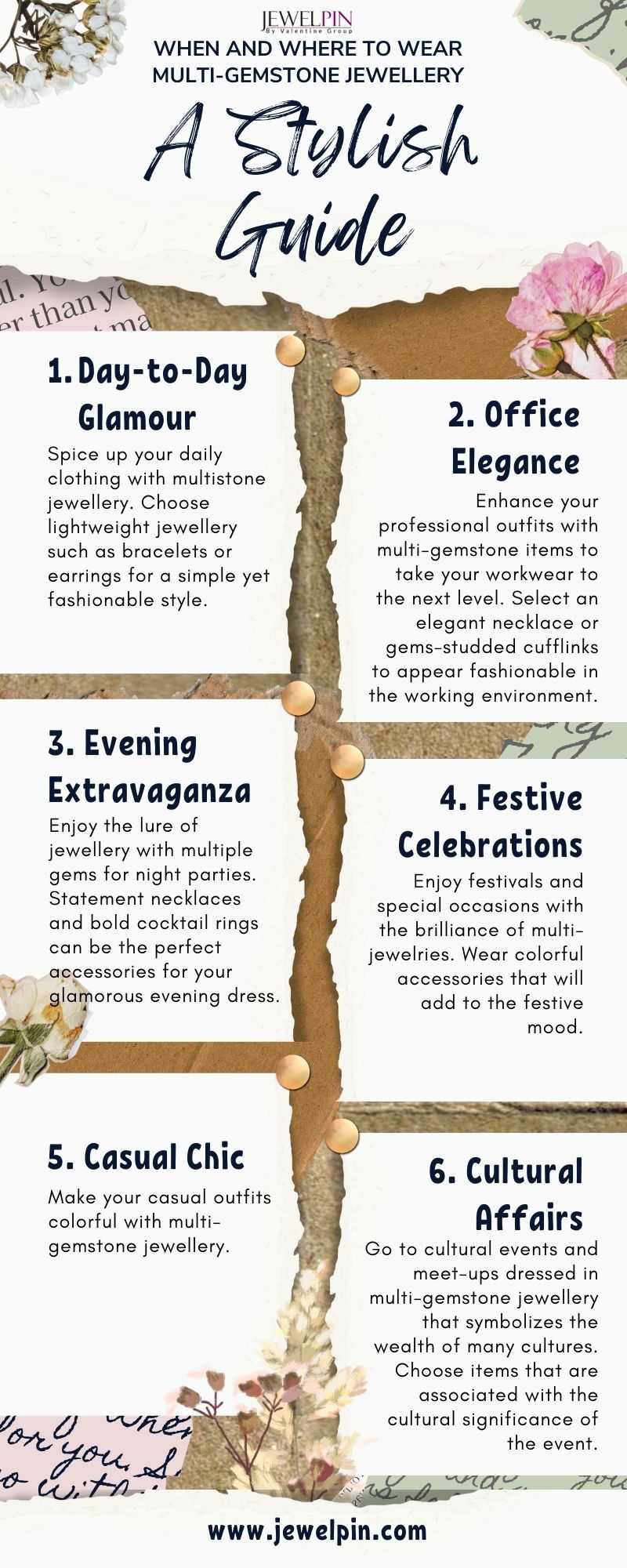
JewelPin -When and Where to Wear Multi-Gemstone Jewellery: A Stylish Guide
1. Day-to-Day Glamour: Spice up your daily clothing with multistone jewellery. Choose lightweight jewellery such as bracelets or earrings for a simple yet fashionable style. <br> <br>2. Office Elegance: Enhance your professional outfits with multi-gemstone items to take your workwear to the next level. Select an elegant necklace or gems-studded cufflinks to appear fashionable in the working environment. <br> <br>3. Evening Extravaganza: Enjoy the lure of jewellery with multiple gems for night parties. Statement necklaces and bold cocktail rings can be the perfect accessories for your glamorous evening dress. <br>4. Festive Celebrations: Enjoy festivals and special occasions with the brilliance of multi- jewelries. Wear colorful accessories that will add to the festive mood. <br>5. Casual Chic: Make your casual outfits colorful with multi-gemstone jewellery. <br>6. Cultural Affairs: Go to cultural events and meet-ups dressed in multi-gemstone jewellery that symbolizes the wealth of many cultures. Choose items that are associated with the cultural significance of the event. <br>In every moment and for every occasion, multi-gemstone jewellery shines. Explore the exquisite range at JewelPin, your premier bulk custom jewellery manufacturer, combining craftsmanship and diversity for a timeless collection.

Buffalo Trace Bourbon Gift Pack
Indulge in the rich heritage and exquisite taste of Buffalo Trace Bourbon with our exclusive gift pack. Crafted with precision and passion, this distinguished bourbon embodies the essence of American craftsmanship, delivering a smooth and robust flavor profile that delights the senses. <br> <br>This carefully curated gift pack features a selection of Buffalo Trace's finest offerings, including their signature bourbon along with complementary accessories to elevate your drinking experience. Each bottle is meticulously aged to perfection, showcasing the distinct character and complexity that has made Buffalo Trace a timeless favorite among bourbon enthusiasts. <br> <br>Whether you're celebrating a special occasion or simply treating yourself to the finer things in life, the Buffalo Trace Bourbon Gift Pack is the perfect choice. Share the warmth and sophistication of this exceptional bourbon with friends and family, or savor it on your own for a moment of pure indulgence. <br> <br>Experience the legacy of Buffalo Trace Bourbon today and elevate your spirits with every sip. Cheers to tradition, quality, and the timeless art of bourbon-making. <br> <br>Our signature gift pack includes <br> <br>Buffalo Trace Bourbon 750ml bottle with optional personalization <br>On The Rocks Old Fashioned <br>Underberg Bitter <br>The Glencairn glass <br>Four black cherries <br>Bamboo stirrer <br>Dehydrated orange slices

Exploring the Essence of Stella and Gemma
In the dynamic world of fashion, Stella and Gemma NZ [a]https%3A%2F%2Fwww.boxhill.co.nz%2Fcollections%2Fstella-gemma[/a] have carved out a niche for themselves, presenting a collection that beautifully marries casual elegance with contemporary style. Exclusive to BoxHill, this brand offers an extensive array of clothing and accessories that cater to the modern woman's diverse wardrobe needs. <br> <br>At the heart of Stella and Gemma's ethos is the commitment to quality and affordability, ensuring that every piece from their collection is both accessible and lasting. Their range spans from everyday essentials, such as graphic tees and cozy sweaters, to statement pieces like bold dresses and chic accessories, all designed to elevate one's personal style with a touch of sophistication. <br> <br>What sets Stella and Gemma NZ apart is their keen eye for trends blended with a timeless appeal, making their pieces versatile and perfect for various occasions. Whether you're looking for a casual outfit upgrade or something more formal, their collection at BoxHill provides ample choices that promise to keep you stylish and comfortable. <br> <br>Sustainability and ethical practices also play a crucial role in Stella and Gemma's approach, reflecting a growing trend in the fashion industry towards more responsible production and consumption. By choosing Stella and Gemma NZ, customers support a brand that not only focuses on aesthetic appeal but also on the well-being of the planet and its inhabitants. <br> <br>For those looking to explore the unique blend of style, comfort, and ethics that Stella and Gemma NZ offers, BoxHill is the go-to destination. With an easy-to-navigate online platform, shopping for your next favorite piece has never been more effortless. Discover the latest from Stella and Gemma NZ at BoxHill and embrace a wardrobe that reflects both your style and values.
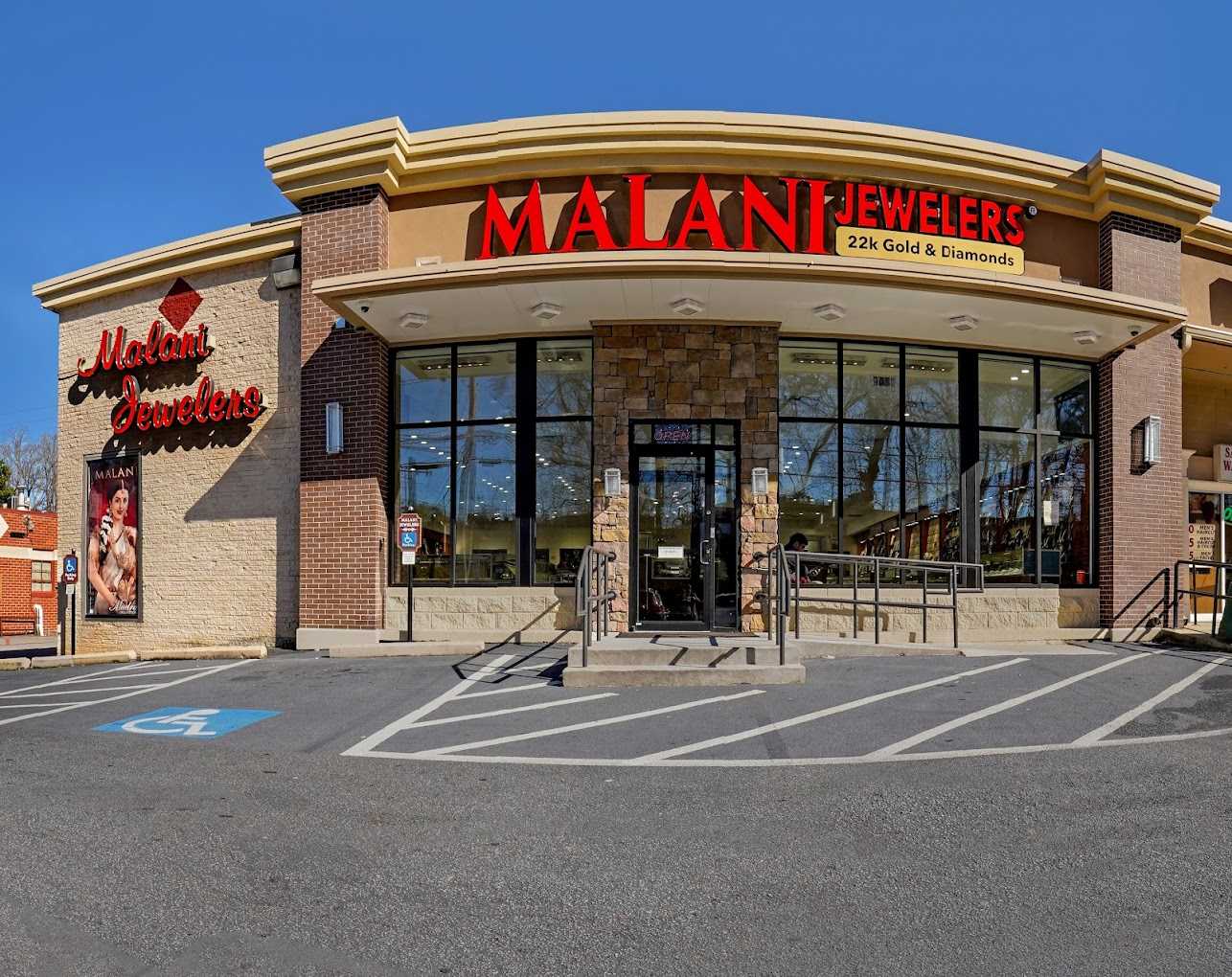
Malani Jewelers
Discover Timeless Elegance: The Exquisite 22K Mangalsutra Collection by Malani Jewelers <br> <br>Welcome to the epitome of grace and sophistication with Malani Jewelers' exclusive 22K Mangalsutra collection. Crafted with precision and passion, our exquisite range seamlessly blends tradition with contemporary design, offering you a symbol of eternal love that transcends generations. <br> <br>Intricately designed, each 22K Mangalsutra at Malani Jewelers tells a unique story. Our artisans pour their expertise into every piece, ensuring that you not only wear jewelry but a piece of art that symbolizes the sacred bond of marriage. The rich history and cultural significance of the mangalsutra are expertly captured in every detail, making each creation a testament to our commitment to quality and tradition. <br> <br>Explore a world where craftsmanship meets elegance. Our 22K gold mangalsutras boast a stunning array of designs, ranging from classic and traditional to modern and chic. The gleaming gold strands intricately weave together, forming a symphony of beauty that complements the essence of marital bliss. With Malani Jewelers, you don't just wear jewelry; you wear a legacy. <br> <br>The 22K gold purity ensures that your mangalsutra is not only a symbol of love but also a valuable investment. Malani Jewelers takes pride in offering you not just jewelry, but a timeless piece that retains its luster for years to come. Our commitment to quality is unwavering, making each mangalsutra a cherished heirloom for generations. <br> <br>Indulge in the luxury of choice with our diverse collection. Whether you prefer a traditional design adorned with intricate patterns or a contemporary piece that reflects your modern style, Malani Jewelers has the perfect 22K mangalsutra waiting for you. Our designs are not just accessories; they are an extension of your personality and a celebration of your unique love story. <br> <br>At Malani Jewelers, we understand the importance of this auspicious symbol. Our 22K mangalsutras are not just accessories; they are a reflection of the sacred bond you share with your partner. We take pride in being part of your special moments, offering you timeless pieces that enhance the beauty of your commitment. <br> <br>As you embark on this journey of love and togetherness, let Malani Jewelers be your companion. Our 22K mangalsutra collection is a testament to our dedication to excellence, ensuring that you experience the joy of wearing a piece that goes beyond trends and fashion. <br> <br>Elevate your bridal ensemble with the perfect 22K mangalsutra from Malani Jewelers. Immerse yourself in the luxury of gold, the richness of tradition, and the elegance of craftsmanship. Explore our collection today and adorn yourself with a symbol of everlasting love. <br> <br>Address : 739 Dekalb Industrial Way # 2100, Decatur, GA 30033, United States <br> <br>To contact us via call : +14042986950 <br> <br>Map location : [a]https%3A%2F%2Fmaps.app.goo.gl%2FfYAMCSEJP8BcToJT9[/a] <br> <br>For more visit us at : [a]https%3A%2F%2Fwww.malanijewelers.com%2F[/a] <br> <br>#MalaniJewelers #22KMangalsutra #EternalLove #TimelessElegance #Craftsmanship #GoldJewelry #BridalCollection #TraditionalJewelry #ContemporaryDesign #SymbolOfLove
Embroidery Digitizing for Non-Traditional Materials: A Creative Exploration
Tell tales of culture and artistry through the needle and thread as they dance across fabrics in the world of embroidery." But the world of embroidery is growing, stretching the bounds of imagination. Come along as we explore "A Creative Odyssey: Embroidery Digitizing for Non-Traditional Materials." <br> <br> <br> <br>Beyond Fabric Embroidery: A Paradigm Transition <br> <br> <br> <br>Stitching, which has historically only been done on textiles, is changing and now involves non-traditional materials. The needle is working its magic on materials other than the traditional fabric canvas, creating unexpected textures and odd surfaces. <br> <br> <br> <br>Creative Methods for Digitizing Embroidery: <br> <br> <br> <br>Digitizing embroidery on non-traditional textiles calls for a creative strategy. These materials, in contrast to fabrics, provide particular difficulties because of their different textures, thicknesses, and structural complexity. To maintain accuracy in stitching, digitizing designs for non-traditional surfaces requires a thorough understanding of the material's characteristics. <br> <br> <br> <br>Investigating Unusual Textiles: <br> <br> <br> <br>For needlework artists, non-traditional materials provide a world of possibilities. Unconventional canvases made of wood, leather, plastic, and even metal are ready to be embellished. Every material presents a unique combination of opportunities and challenges, encouraging needleworkers to explore and push the limits of traditional embroidery. <br> <br> <br> <br>Wooden Enchantments: Crafting Nature's Canvas: <br> <br> <br> <br>Wood is an enthralling canvas for embroidery digitizing because of its organic grain and feel. The contrast of the finely embroidered designs on the sturdy wood surface gives the artwork a distinctive depth, ranging from geometric patterns to elaborate floral patterns. Wooden embroidery pieces transcend beyond simple crafts and become harmonious representations of the interplay between art and nature. <br> <br> <br> <br>Beautiful Leather Embroidery: <br> <br> <br> <br>The material leather, which is associated with luxury, opens up new creative possibilities. Furniture, clothing, and accessories are all transformed into one-of-a-kind works of art by the feel and visual richness that comes from digitizing embroidery into leather. The combination of silky leather and soft thread provides a sensory experience that goes beyond convention. <br> <br> <br> <br>Embroidery on Technological Materials: Stitching the Future <br> <br> <br> <br>As technology advances, digitizing embroidery will enter the world of technological materials. The futuristic touch of smart textiles and conductive threads in embroidery creates a seamless fusion of artistry and technology. Interactive and dynamic embroidered works are the result of combining traditional artistry with contemporary innovation. <br> <br> <br> <br>Plastic Fantastic: Transforming the Ordinary into Beautiful: <br> <br> <br> <br>Stitching takes a creative approach to recycling by using plastic as a canvas. Artists give discarded plastic a second chance at life by using needlework to create elaborate, environmentally conscientious artwork. The fine stitching contrasted with this unusual material challenges preconceptions, elevating the commonplace to the remarkable. <br> <br>[a]https%3A%2F%2Fwww.digitize4life.com[/a]
Embroidery Digitizing for Accessories: Elevating Everyday Items
Accessories have the ability to become more than just useful additions; they are the frequently disregarded companions of our everyday existence. These commonplace objects transcend their functional responsibilities in the field of embroidery digitizing and become canvases for customized creation. <br>The Stitched Symphony: Transforming the Ordinary through the Artistry of Accessory Embroidery <br>Digitizing embroidery can transform ordinary accessories into one-of-a-kind statements of style and individuality. The skill in creating purses and headgear is in the painstaking digitization process that gives each stitch life. <br>Creating Identity via Customized Embroidery Patterns <br>Embroidered accessories are extensions of the wearer's identity. Adding a personal touch to generic things with personalized embroidery designs allows one to express their identity, passions, and distinctive style. <br> <br>Enhancing Commonplace Objects: Cap Embroidery: The Ultimate Magnificence of Customization <br>Hats have evolved from being simple sun protection to become unique fashion statements. Caps may be embroidered with elaborate patterns, logos, or even clever sayings thanks to embroidery digitizing, resulting in headgear that makes a statement in addition to being useful. <br>Beautifying Handbags: Stitching Tales on Handbags <br>Handbags are no longer just containers for personal items; they are narrative surfaces. Handbag embroidery digitizing creates a world of possibilities, ranging from complex designs to floral patterns, transforming an everyday accessory into a wearable work of art. <br>Scarves and Beyond: Encasing Gratitude in Textiles <br>When embroidered, scarves—which are typically thought of as simple accessories—become the height of style. Scarves are made more charming by delicate stitches on soft fabrics, which give casual outfits a hint of refinement. <br>Embroidery on Gloves: A Gentle Hint of Elegance <br>Gloves, for example, turn into a blank canvas for understated elegance. The ability to digitize intricate patterns and monograms on gloves through embroidery transforms basic winter necessities into unique expressions of cosiness and flair. <br>The Artisanship Applied to Accessory Embroidery: Accurate Stitching: The Dexterity of Digitization Precision is necessary while digitizing embroidery for accessories. The digitizer is an artist, and every stitch is a brushstroke. The digitising process is guided by the intricate details of the accessory's form and material, resulting in a faultless finished canvas. <br>Choosing a Thread: Colours that Express Depth <br>An important consideration in accessory embroidery is the selection of threads. Subtle colours can provide refinement, while vibrant threads can give a design vitality. The skill in creating an accessory that complements the wearer and the accessory itself is in the harmonious colour choose. <br>[a]https%3A%2F%2Fwww.digitize4life.com%2F[/a]
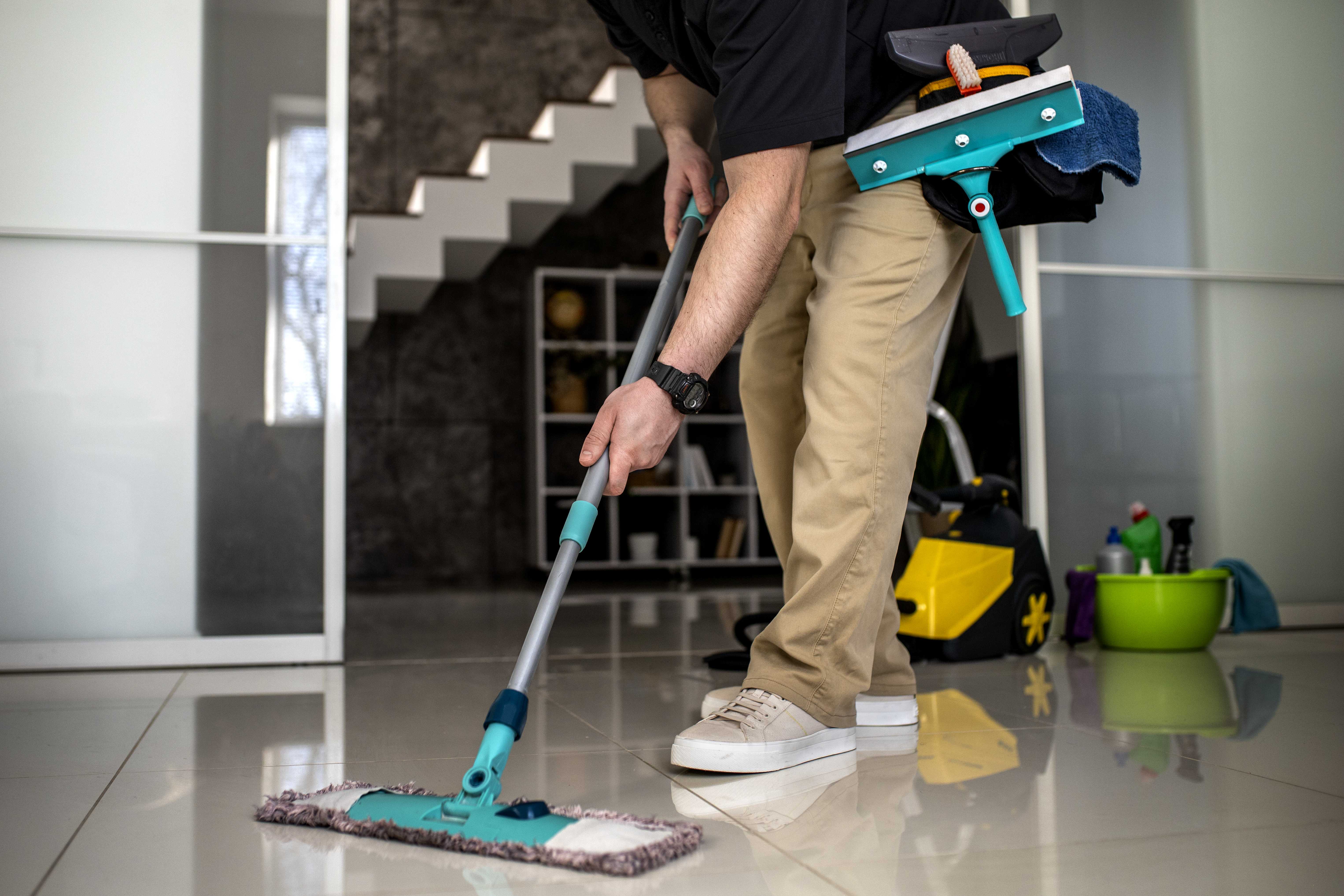
Deep Cleaning vs Regular House Cleaning: What is the Difference?
Most of us, in general, only do regular cleaning in our homes. There may have been a time when you would have wondered if your house needs a deep cleaning. But what is deep cleaning? It is a type of cleaning carried out by professional cleaning companies. While you do have to shell out some money for deep cleaning, the results are unmatched when compared to regular cleaning. <br> <br>To help you understand why exactly you should hire professional cleaning services and get a deep cleaning for your home, let us define the two terms and the differences between them. <br> <br>Difference between Regular Cleaning and Deep Cleaning <br> <br>While both regular cleaning and deep cleaning are done by professional cleaning companies, and both come with numerous benefits, mostly, customers look for professionals only if they need deep cleaning. <br> <br> <br> <br>What is Regular Cleaning <br> <br>Regular cleaning involves your basic house cleaning that could be divided into cleaning daily and a weekly basis. The purpose of regular cleaning is to maintain the house dust free, preserve the freshness and appearance of the surrounding. <br> <br> <br> <br>What is included in Regular Cleaning? <br> <br>Regular cleaning involves tasks like vacuuming, sweeping, dusting, mopping, wiping surfaces and other furniture, cleaning kitchen appliances, cleaning window frames and doors, removing cobwebs, emptying the trash etc. <br> <br> <br> <br>What is Deep Cleaning? <br> <br>As the name suggests deep cleaning involves a more through in-depth cleaning. It a more extensive cleaning that includes all regular cleaning tasks as well as time-consuming, and/or hard-to-reach areas cleaning tasks of your home. Deep cleaning can improve the overall health and safety of your home as it involves an overall sanitation of your home. <br> <br> <br> <br>So, how often would you need to deep clean your home? <br> <br>While it is not possible to carry out deep cleaning every day, you must deep clean certain areas/appliances/ accessories/others every week/month/once in a couple of months depending on their use. <br> <br>On a weekly basis it is important to deep clean your microwave, shower, bathmats, carpets, and bathtubs. Appliances like your refrigerator can be deep cleaned once a month. Windows and drapes must be thoroughly cleaned once in 3-6 months. Mattresses, pillows, and blankets can be deep cleaned twice a year. <br> <br> <br> <br>Deep Cleaning Checklist for a House: How to Deep Clean a House <br> <br>Before starting the deep cleaning process, you need to know about the various places to clean in your home, how to deep clean different areas like the bedroom, kitchen and bathroom and other essential information. It helps to create a Deep Cleaning Checklist for your home before you start the task. <br> <br>What is included in deep cleaning? <br> <br> <br> <br>Kitchen deep cleaning <br> <br>Deep cleaning the kitchen is extremely important as it is the place where all the food is prepared. Maintaining good kitchen hygiene is important to preserve your family’s health. While deep cleaning the kitchen you must focus on appliances like refrigerator, oven, and microwave to get rid of food splatters that can smell over time and can act as a breeding ground for germs. <br> <br>Make sure to deep clean your refrigerator once every month, whether its removing and disposing spoilt food or address spills that can cause bacterial contamination. Wipe down all the compartments in the fridge using an antibacterial wash. The oven must be deep cleaned often as it is extensively used to cook or heat food and, in the process, would have absorbed a lot of food smells that needs to be eliminated. Use a damp cloth and soapy water to wipe the insides of the oven. <br> <br>Other areas and appliances in the kitchen including dishwashers, stovetops and sinks also must be deep cleaned. <br> <br> <br> <br>Living room deep cleaning <br> <br>Your living room is one of the most used areas in your house. It is essential to deep clean it occasionally. Carpets donning your living room’s floor must be cleaned once or twice a year and more often if you have pet or kids at home. Other areas in the living room like the furniture and tables must be thoroughly cleaned every day. Windows and drapes must be cleaned once every 2-3 months. <br> <br> <br> <br>Bathroom deep cleaning <br> <br>Bathtubs and showers are used daily which is why they must be deep cleaned often. The soapy remains that settles in the bathtub can breed fungus and bacteria if not addressed on time leading to skin infections. Your bathmats must be cleaned once every week as they can house bacteria. With a simple sanitizing wash or other similar detergents, you can get address your dirty bathmats. Clean the showerheads everyday as they can have mineral build up over time and block the normal functioning. <br> <br> <br> <br>Bedroom deep cleaning <br> <br>Again, it is one of the places you spend most of your time at home. So, how do you deep clean your bedroom? Your pillows must be cleaned once every three months, as they might harbour dead skin, oil, and other allergens. Your duvets, blankets and mattresses are also prone to harbouring smell over time along with dust and other particles and must be cleaned twice a year. <br> <br>Although you may think your regular cleaning would suffice, our suggestion is that It is a clever idea to hire professionals to deep clean your bedroom occasionally, to preserve its health and freshness. <br> <br> <br> <br>While regular cleaning can be carried out daily or weekly basis on your own without professional help, to get a deep cleaning for your home, it is advisable to hire professional deep cleaning services as deep cleaning involves a more thorough cleaning and requires certain materials, tools, and expertise to carry it out perfectly. <br> <br>CleanPro is a professional cleaning company specializing in all types of cleaning services and especially deep cleaning. Our expert in-house professionals are equipped to address your cleaning challenges as per your need and provide you with optimum desired results. If you are looking for deep cleaning services for your home, then contact us today and we will help you find the right cleaning solution suitable for your home.
Exploring Specialty Threads: Adding Texture to Your Embroidery
There is so much more to embroidery than just sewing patterns with regular cotton thread. Specialty threads offer a lustrous shine, earthy textures, and even glow-in-the-dark effects, opening up a world of creative possibilities! <br> <br>We’ll look at a few of the specialty threads that might elevate your embroidery efforts in this piece. I’m thrilled to provide insider knowledge and motivational examples of how silk, wool, bamboo, metallic, and glow-in-the-dark threads can breathe fresh life into your designs as a passionate fiber artist and embroiderer. <br> <br>Synopsis of Frequently Used Embroidery Threads <br> <br>For their creations, embroidery artists can select from a variety of thread options. The following are the most popular kinds of embroidery thread: <br> <br>Cotton – This thread made of natural fibers has a subtle gloss and a matte appearance. Cotton thread is a robust, adaptable choice that is available in a variety of hues. Its tensile strength is good. <br> <br>Polyester – The finish of polyester embroidery thread is lustrous and has rich color saturation. It is a robust, UV and abrasion-resistant synthetic that is colorfast. Also, polyester thread is less expensive than certain alternatives made of natural fibers. <br> <br>Rayon – The silky texture of rayon thread provides a hint of sheen akin to that of silk. The color purity of this synthetic alternative is outstanding. However, compared to blends of polyester, rayon thread is weaker and more prone to fraying. <br> <br>Metallic- The bright, shimmering finish of specialty metallic embroidery threads. They either contain artificial metallic components or actual metals like gold or silver. Although they can be more fragile and prone to breaking, metallic threads provide striking embellishments. <br> <br>When choosing embroidery thread, the most important considerations are luster, strength, thickness, and colorfastness. Blends such as polyester-cotton have multiple advantages. Specialty threads expand the creative possibilities beyond the basics. <br> <br>Specialty Threads for Embroidery 101 <br> <br>The term “specialty embroidery threads” describes threads that give embroidered projects distinctive sheens, textures, or effects. Compared to other popular embroidery threads like cotton and polyester, these threads are unique. Specialty threads give embroidered designs unique properties that expand creative possibilities. <br> <br>Popular specialty embroidery threads include, for instance: <br> <br>– Silk thread: This silky, beautifully sheened thread is made from natural silk fibers. It is both fine and quite strong. Working with silk can be difficult since it can rip and tangle. <br> <br>Wool embroidery thread: This type of thread offers excellent stitch definition and richness. It has a traditional, fuzzy texture. Thick, fluffy wool thread. Hand washing wool projects is very crucial. <br> <br>Bamboo thread: Bamboo fiber is used to make embroidery thread, which has a silky smooth texture. It has a faint sheen that makes it look like silk. Bamboo is a very robust and absorbent thread. <br> <br>– Glow in the dark thread: Fluorescent or phosphorescent pigments are present in glow-in-the-dark embroidery thread. After charging in the presence of light, it gives off a gentle glow at night. enjoyable as accent pieces. <br> <br>– Metallic thread: Metallic embroidery thread is made of synthetic or genuine metals, such as gold and silver. It gives patterns a shine and sparkling highlights. When using metallic thread, be cautious to prevent breakage and tangling. <br> <br>These specialty threads give embroidered items a distinctive look, feel, drape, and gloss. They let embroiderers use more imaginative techniques. <br> <br>Silk Thread <br> <br>Luxurious and Lustrous Silk thread is highly valued for its exquisite drape and sheen, which lends an air of dazzling elegance to embroidered creations. The threads that the silkworm cocoon produces are what give silk its opulent appearance and texture. Silk thread is ideal for highlights, accents, and unique features since it is silky, shiny, and extremely reflecting. <br> <br>No thread compares to the glowing quality of silk due to its unique qualities. Because silk has a natural refractive characteristic, it can almost seem as though it glows or has an inner light. This gorgeous effect is ideal for giving flowers, foliage, vines, flourishes, and other accessories more depth and visual appeal. In needlework designs, the high shine also creates depth and shade. <br> <br>Silk embroidery thread is incredibly elegant and robust. For the majority of handwork and machine embroidery, the fibers are strong and long-lasting enough. One disadvantage of silk is that, if not sewn carefully, it might tangle, snag, or tear. Fraying or damage can be avoided by using sharp needles and by not tugging too tightly or excessively. Silk should be handled gently to preserve its beautiful drape and luster. Silk thread rewards embroiderers with everlasting beauty and elegance, despite the delicate care required. <br> <br> The wool thread gives texture and warmth. <br> <br>A common option for giving cozy texture and warmth to embroidered items is wool thread. Wool thread, which is composed of wool fibers, has specific special qualities that make it perfect for certain uses. <br> <br>Wool’s insulating and warming qualities make it an excellent material for winter hats, mittens, and scarves, among other outerwear and accessories. These clothes benefit from wool thread, which helps maintain heat and stave off cold chills. Wool has a matte, organic touch that feels nice on naked skin, unlike shiny metallic or synthetic threads. <br> <br>Wool gives fascinating richness to surface embroidery and needlepoint projects with its thick, fuzzy texture. It gives decorative pieces, wall hangings, and pillows a soft, comfortable feel. Wool thread comes in a kaleidoscope of subdued hues inspired by the natural sheen of sheep coats. These delicately warmed colors work well in knitting, weaving, and embroidery. <br> <br>Bamboo Thread <br> <br>Bamboo thread’s renewable and sustainable nature is one of its main advantages. Because it can regrow quickly after harvesting, bamboo is an incredibly renewable resource. When compared to threads produced of non-renewable materials, bamboo thread has a lesser environmental impact. <br> <br>Bamboo thread is sustainable and has the following excellent qualities for embroidery: <br> <br>Soft sheen – The lovely luster of bamboo thread adds appealing depth and dimension to embroidered designs. The bamboo fibers’ semi-glossy luster and smooth surface are what give them their sheen. <br> <br>Lightweight – Bamboo threads maintain the airy nature of bamboo fabric, which is well-known for it. Because of this, wearing embroidered clothing close to the skin without getting hot is made comfortable with bamboo thread. <br> <br>silky texture – Bamboo threads flow through cloth with ease and create a cool, silky feel. They are therefore enjoyable to work with when doing hand needlework. <br> <br>Absorbency – Bamboo threads absorb dye colors vividly due to the natural absorbent qualities of the bamboo fibers. This gives embroidered designs vibrant, rich colors. <br> <br>Because of its absorbency, breathability, shine, and sustainability, bamboo is a great specialty thread to try using to elevate embroidered creations. Bamboo is ideal for use as an embroidery medium to express creativity because of the gentle beauty it imparts to designs. <br> <br>Glow in the Dark Thread: A Fun Novelty Regarding Safety <br> <br>Adding glow-in-the-dark thread to stitching projects, particularly children’s crafts, offers a delightful novelty element. The thread is made of fluorescent or phosphorescent materials, which slowly release light energy after being absorbed to produce a glow-in-the-dark effect. <br> <br>Children adore making glow-in-the-dark wall hangings, jackets, and backpacks out of glow thread. Their creativity is stimulated by the brilliant effect. Use caution, though, if you use glow thread near little children. Because the thread could choke a child under three years old should they put it in their mouth, some makers recommend against using it with them. Keep a watchful eye on things and consider saving glow threads for older kids’ projects. <br> <br>Standard glow threads provide an aqua or neon green glow, but there are other hues available, such as pink, blue, orange, and yellow. The phosphorescent pigment technique is comparable to these. After the thread has been charged by exposure to light, the glow time varies from 30 minutes to several hours. <br> <br>Seek for reliable brands of high-quality machine embroidery thread that glows in the dark. Lower-quality photoluminescent powder with poorer glow effects may be found in budget threads. Superior glow thread is uniform and silky, preventing breakage problems in the middle of a job. <br> <br>Metallic Thread: Including Glitter and Sheen <br> <br>Metallic embroidery threads are ideal for giving your designs a hint of glitz and refinement. Metallic threads, which are frequently composed of synthetic materials like rayon or acetate, are coated with a thin layer of metallic foil that brilliantly reflects light. They are available in several hues, including copper, gold, silver, and more. <br> <br>When handling metallic threads, bear the following in mind: <br> <br>A larger needle size, such as a 10 or 12, will fit the thread and keep it from fraying or breaking. Compared to ordinary embroidery floss, metallic threads are more fragile. <br> <br>Make sure to maintain a looser tension so that the metallic thread may pass through the fabric without getting tangled, snarled, or broken. <br> <br>To prevent thread breaks, use shorter lengths and don’t pull too firmly. <br> <br>– To offer extra support and avoid puckering, think about placing an embroidery stabilizer underneath the area you plan to stitch with metallic thread. <br> <br>– Silk or rayon threads that compliment the sparkle and have a comparable shine go well with metallic threads. <br> <br>Modify Stress <br> <br>Loosening the upper thread tension is frequently necessary for specialty threads to avoid puckering and thread breakage. Lower the tension setting at first, then gradually raise it as necessary. <br> <br>– Very low tension is especially necessary for metallic threads to avoid breaking and shredding. Make use of the lowest setting available. <br> <br>Err on the side of less tension if you’re not sure. If necessary, you can always raise it, but doing so too high will just make you frustrated and headachey! <br> <br>Replace Your Needle <br> <br>– Make sure your needle is the right size and kind for the thread you are using for your embroidery. <br> <br>– To prevent shredding, a larger “sharp” needle generally works best with delicate specialty threads. A sharps needle in size 10 or 12 works well as a starting point. <br> <br>– A special needle for metallics or other unusual threads could be required. Examine the suggestions… <br> <br>Make use of a stabilizer <br> <br>– Stabilizer is essential when using specialty threads for stitching. It stops slippage and distortion. <br> <br>Because they provide stability throughout the design, cutaway stabilizers are the most effective. Steer clear of tear-away stabilizers. <br> <br>– When using metallic and other heavy threads, use a minimum of two layers of cutaway stabilizer. <br> <br>– Add a layer of topping that dissolves in water to provide further protection against distortion and slippage. <br> <br>By making adjustments to your tension, needles, and stabilizer, you may steer clear of problems and have a breeze when using lovely specialty threads for your embroidery! Allow your imagination to run wild. <br> <br>Inspirational Specialty Thread Embroidery Examples <br> <br>Using specialty threads, needleworkers may give their creations stunning, distinctive textures. Here are a few motivational illustrations of the various textures and sheens that can be obtained: <br> <br>– Metallic threads give off a beautiful sheen. Stitched into flowers, vines, or abstract designs, golds, silvers, and coppers give needlework a striking appearance. The threads add brilliance and movement by reflecting light. <br> <br>– Silk thread has a lovely, delicate shine. It’s ideal for stitching delicate patterns like petals on flowers. The shine adds a realistic elegance and depth. <br> <br>– Using glow-in-the-dark thread makes for entertaining designs for the evening. When charged by light, the neon colors flash vividly in the dark. After dusk, stars, moons, ghosts, and other mythical creatures come to life when stitched with glow thread. <br> <br>– The texture of wooly nylon thread is silky and fluffy. It is ideal for fuzzy designs, such as those of animals or warm winter landscapes. The fuzzy texture is great for making snow, fur, or sheep’s wool. <br> <br>– Multicolored threads combine various hues into a single strand. They make gradient effects possible, allowing colors to softly blend into one another. Ideal for abstract swirling patterns, seascapes, sunrises, and sunsets. <br> <br>[a]https%3A%2F%2Fwww.digitize4life.com[/a]
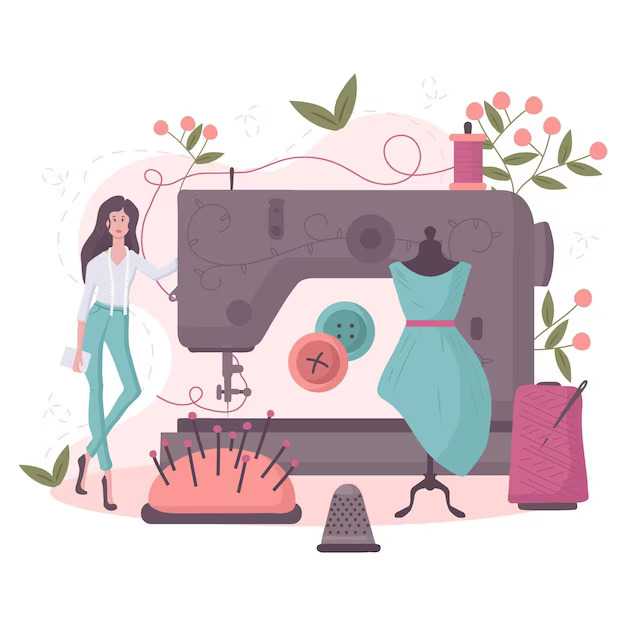
Embroidery Digitizing for Fashion: Elevating Garments with Precision
Embroidery digitizing is the process of transforming artwork into a digital file that embroidery machines can read. It is essential to the fashion design industry because it enables designers to add custom, precise embroidery to clothing, elevating the entire look. Compared to traditional hand embroidery, computerized embroidery offers unmatched stitching precision and detail. <br>Fashion designers can now add detailed, intricate embroidery motifs and lettering to their garments thanks to the digitizing process, which turns artwork such as logos, patterns, and decorations into embroidery designs made up of various stitch types. The digital files are then loaded onto computerized embroidery machines, which interpret the file and stitch out the embroidery onto fabric. <br>Compared to screen printing or other decoration methods, computerized embroidery offers stunning results and lower setup costs. Digitizers can create a smooth, professional look for embroidery on apparel and accessories by carefully controlling the density, direction, and height of each stitch. This precision elevates the visual appeal of garments beyond what could be achieved by hand. <br>Designers can translate their exact creative vision for logos, motifs, and visual elements into embellished designs through digitization, which opens up a world of creative possibilities. By utilizing high-quality, customized embroidery, designers can elevate the visual impact of garments and elevate their brands to new heights. <br>Evolution and History: <br>While decorative hand embroidery was a complex and time-consuming process, the sewing machine's invention in the 1800s helped automate and speed up embroidery production. Examples of hand embroidery can be found dating back thousands of years, to ancient China, India, and the Middle East. <br>Punch cards that programmed stitch placement drove the development of computerized embroidery machines in the late 20th century. Shortly after, specialized digitizing software became available, enabling designers to design embroidery patterns on a computer screen that an automated embroidery machine could then transfer and sew onto fabric. <br>The first digitizing software translated vector or raster images into stitch files; as time went on, it added features like stitch editing, colour palette creation, sequencing, and simulation to see the design before embroidering. This revolution in digitizing allowed for more intricate and imaginative embroidery designs, quicker turnaround times, and greater accessibility to digital embroidery for small businesses and home stitchers. <br>Today's digitizing software is still evolving and improving; it can handle various special stitch types, manipulate individual stitches for the best results, and produce files that work with industrial embroidery machines. This digitizing process takes computerized embroidery's precision and capabilities to a whole new level. <br>Digitization Procedure: <br>The primary processes in the digitization process are as follows: designs are converted into digital embroidery files so that embroidery machines can create the patterns on fabric. <br>Scanning the Fabric/Materials: <br>The embroidered fabric must first be scanned to ascertain its texture, density, stretch, and other properties. This helps to establish how the stitches will sit on the material and records the subtleties of the cloth's weave and nap. <br>Vectorizing the Image: <br>The design is transformed into a vector graphic, which is made scalable, easy to work with, and clean. Vector files are perfect for embroidery because they allow enlarging designs without sacrificing image quality. Vector graphics are created using mathematical formulas to draw lines and shapes. <br> <br>Colour Separation: <br>Careful colour assignment enables a smooth embroidery run. Complex designs may have up to 10 or more colours. Embroidery files are color-coded so the machine understands when to switch threads. The vector file needs to be separated into different colours. <br>Converting to Stitch Files: <br>Stitch types, orders, and directions are specified when the vector image is converted by digitizers into an embroidery machine-readable stitch file (such as a.DST file), with the density and length of the stitches calibrated for certain design elements and fabric kinds. <br>Selecting Stitch Types: <br>The digitizer chooses the best stitch types based on various design features and fabric; common stitches such as satin and fill stitches are combined for maximum coverage and texture; the stitch types can be adjusted and modified as necessary during the conversion process. <br>Stitches Types <br>Digital embroidery for fashion uses a few major types of embroidery stitches, each with a specific function and the ability to produce distinctive details, textures, and effects on clothing. <br>Stitching in a Run <br>One of the simplest and most versatile stitch types is the running stitch, which is made up of a series of small, even stitches that create a dashed line. You can embroider lettering, delicate vines, stems, and other fine details with running stitches, which are excellent for outlining shapes and adding lightweight details. <br>Satin Stitch <br>Satin stitches are especially good for embroidering larger, filled-in shapes and letters because they produce a velvety, sumptuous look. Satin stitches are tightly packed zigzag threads that completely cover an area. The smooth, shiny appearance recalls satin fabric. <br>Complete the Stitches <br>As the name implies, fill stitches are used to add texture and visual appeal to an embroidered area. Common fill stitches include the pattern fill, motif fill, cross-stitch, and stippling stitch. Fill stitches are used to embroider filled shapes, backdrops, and large expanses. <br>Unique Stitches <br>The candle wicking stitch, Kensington outline stitch, fern stitch, couching stitch, and other specialty stitches are less frequent but highly effective embroidery stitches that provide unique stitched effects such as fur, grass, feathers, chains, braids, and dimensional embellishment. <br>Fashion Design Benefits <br>Fashion designers and clothing manufacturers benefit greatly from embroidery digitizing because it enables a level of consistency and precision that is not possible with traditional hand embroidery techniques. Using digitizing software, designers can convert even the most complicated and intricate embroidery patterns into digital stitch files, which tell the embroidery machines how precisely to reproduce the designs on fabric. <br>With the speed and accuracy of embroidery machines, the most intricate designs can be scaled up for mass production without sacrificing quality. Curves, gradients, and the smallest details can all be translated into stitches to create stunning embroidered embellishments. Digitizing allows embroidery designs to be infinitely complex without sacrificing precision. <br>In addition, designs can be quickly edited and refined on screen before stitching, and embroidery machines work quickly to apply decoration that would take hours or days by hand. This speeds up production timelines and gives designers more creative freedom. Digitized embroidery is also significantly faster than traditional punch card embroidery machines or hand embroidery. <br>In summary, digitizing outperforms hand embroidery in terms of cost-effectiveness. Machine embroidery that has been digitally digitized can produce garments with the same level of quality at a much lower cost than hand embroidery because it replaces labour-intensive manual labour with automation, making mass production of embroidered apparel economically feasible. <br>Fashion designers who want to push boundaries of embellishment and creativity while scaling production without sacrificing design integrity will find digitizing to be of immeasurable help due to its accuracy, complexity, speed, and cost-benefits. <br>Raising Clothes <br>Fashion designers have the creative flexibility to create clothing that never looked better thanks to digital embroidery. Customization, fine details, a wide range of fabrics, and an upscale aesthetic are all made possible by the accuracy and versatility of digitizing. <br>Personalization and Customization <br>Fashion brands can use digital embroidery to create one-of-a-kind pieces or give customers complete customization options with initials, names, and custom motifs. Even fast fashion brands have used digital embroidery to provide simple customization to customers, allowing them to add their name or phrase to garments, adding a personalized touch that makes the pieces feel unique and tailored. This is one of the biggest advantages of digital embroidery for fashion. <br>Extensive Details <br>With the aid of digitizing and specialized embroidery machines, intricate designs can be stitched with flawless accuracy and consistency, transforming ordinary clothing into high-end couture with luxurious aesthetic elements. You can add delicate floral motifs, geometric patterns, lace effects, and other embellishments as accents to your entire design or use them sparingly to draw attention. <br>Variability of Fabric <br>Thanks to its accuracy, digital embroidery can be applied to a wide variety of fabrics, weights, and textures, including silks, chiffon, canvas, and denim. Fashion designers use digitizing to bring their ideas to life on various materials, even when working with structured fabrics. Novelty threads, such as glow-in-the-dark and specialty metallic, can also be used to add distinctive accents. <br>Elegant, Premium Style <br>Fashion labels such as Ralph Lauren, Gucci, and Dolce & Gabbana employ computerized embroidery to imbue clothing and accessories with that elusive element of luxury, turning them into high-end statement pieces. The refined digital designs that are incorporated into the silhouette and construction impart an immediate sense of luxury, elevating embroidery from an accent to a key component of the design. <br>Current Patterns <br>The fashion industry is continually changing, and embroidery follows suit. Some of the most recent developments in digital embroidery for fashion include: <br>Patterns of Placement <br>Designers are getting creative with placement, using embroidery selectively in places like shoulders, backs, sleeves, or hemlines. This allows the embroidery to stand out and make a statement. Bold patterns and visual interest are being created by strategically placing embroidery. <br>Dimensional Appearances <br>Fashion designers are utilizing digital embroidery's prowess at dimension to create unique textures, forms, and visual effects on clothing. By layering stitches and experimenting with depth, embroidery may almost appear three-dimensional. <br>Combining Digital and Hand <br>Another trend that blends the precision of digital with the individuality of hand craftsmanship is the combining of digital and hand stitching. Some designers are even including hand stitched highlights, beads, sequins, or other embellishments on digitally embroidered textiles. <br>Illustrations on Paper <br>The ability to convert graphics and illustrations into embroidery designs is made possible by digitizing software, which has resulted in the use of digitalized graphic prints and art embroidered onto clothing. From bold and modern illustrations to modern prints, embroidery is being used to add texture and dimension to prints and artwork. <br>Sustainability <br>Compared to traditional embroidery techniques, digital embroidery is more environmentally friendly. Errors during the production process are minimized because the embroidery design is digital, and editing a design is much easier in computer software than it is in a full embroidered sample. <br>In addition, digitising a design makes it possible for the files to be preserved and utilised again whenever necessary. Unlike traditional embroidery, which necessitates producing the pattern from scratch every time, digital files enable the design to be easily retrieved and sent for production with no effort. <br>Moreover, digital embroidery machines take less water and electricity to produce due to their higher efficiency when stitching out designs compared to traditional hand guided machines. The accuracy of digital machines also reduces waste and faults. <br> <br>In general, digitizing embroidery improves productivity and simplifies the design process, which makes digital embroidery more environmentally friendly and sustainable than traditional stitching techniques. Digitizing embroidery also lessens the environmental effect of embellishing clothing. <br>Difficulties <br>Although the field of digital embroidery is fascinating, designers should be aware of the following difficulties: <br>Steep learning curve <br>Learning how to use embroidery digitizing software involves patience, practice, and time. There are a lot of tools and functions to master. - Creating high-quality embroidered files demands both technical know-how and artistic vision. <br>Cost of machinery and software <br>Digital embroidery can be out of reach for smaller design houses and start-ups due to the high cost of both the machinery and software used for commercial embroidery digitizing. Popular options like Wilcom can run into the thousands of dollars. <br>File compatibility issues <br>Not all embroidery machines and digitizing software work well together. Designers need to do their research to make sure files transfer and stitch out correctly. - Quality is frequently lost while converting file formats. <br> <br>Limitations of digitization <br>Digitizers must work within the limitations of available stitch types and fabrics. Technical limitations can sometimes stifle creativity. Although digital embroidery offers up incredible creative possibilities, some looks remain challenging to achieve. Dense, realistic imagery does not always digitize well. <br>For fashion designers who master digitizing software, the payoff is taking their garments to the next level with precision embroidery full of depth, dimension, and visual impact. The future possibilities make overcoming these challenges worthwhile. The world of digital embroidery involves a steep learning curve, financial investment, and technical limitations. <br>Digital Embroidery's Future <br>With its continued development and spread throughout the fashion industry, digital embroidery appears to have a bright future. Here are some major trends to keep an eye on: <br>Growing Adoption and Innovation <br>As technology develops, digital embroidery systems get more complex while remaining user-friendly. Their precision and capabilities increase as costs decrease, which encourages more manufacturers and designers to use digital embroidery for their collections. We can anticipate continued innovation that makes digitization more affordable. <br>Integration with 3D Technology <br>With the help of contemporary CAD software, designers can produce 3D models of clothing and then convert those to embroidery patterns. This process of fusing 3D and digitizing speeds up the design process and allows for greater experimentation with density, placement, and effects. In the future, 3D visualization will be an essential part of digitizing and will facilitate even more customization. <br>More Accessible Technology <br>While high-end professional equipment continues to be pricey, entry-level digitizing software and embroidery machines are becoming more affordable. Home crafters can convert digital files into stitched designs with ease thanks to simple design apps. This democratization will allow digital embroidery to become more widely used outside of the fashion industry. <br>Expansion to Accessories, Shoes, etc. <br>Although digitizing is currently primarily utilized for apparel embroidery, the techniques are also applicable to leather goods, footwear, hats, and other items. As brands realize the potential of digital embroidery to set their products apart, we anticipate seeing more accessories and shoes with unique digitized details. <br>As technology advances, fashion brands have an exciting opportunity to experiment and find new ways to integrate fashion embroidery into their collections. By embracing digitization, fashion embroidery can overcome historical limitations and unlock new creative possibilities for embellishing garments and other products

Embroidery Digitizing Trends: What's In and What's Out
The global embroidery digitizing market was valued at $412 million in 2021 and is projected to reach $782 million by 2028, growing at a CAGR of 9.6% from 2022 to 2028. Embroidery digitizing is a rapidly evolving industry with no signs of slowing down. But exactly what trends are shaping the future of embroidery? In this post, we'll explore the top embroidery digitizing trends that are in high demand right now, as well as a few outdated trends that are on their way out. Understanding these significant developments will help digitizers, embroiderers, and customers stay up to date. <br> <br> <br> <br>Continue reading to learn about current and upcoming trends in embroidery digitizing! <br> <br> <br> <br> <br> <br>First trend: the desire for quicker turnaround times <br> <br> <br> <br>Customers want embroidered orders to be completed faster than ever before in today's fast-paced world. The rise of online shopping and on-demand delivery services has conditioned customers to expect speedy turnarounds, even for bespoke orders. <br> <br> <br> <br>Customers who are used to Amazon Prime shipping have little patience for long lead times on their embroidered hats, polos, or blankets. Social media adds fuel to the fire, with customers demanding rush service after seeing photos of friends receiving embroidered goods overnight. As a result, embroidery shops are under increasing pressure to deliver orders within days instead of weeks. <br> <br> <br> <br>Digitizers and embroiderers have to streamline every step of the process to meet demand. Speed-optimized shops are beating the competition and satisfying customers who associate quick turnaround with high-quality service by investing in state-of-the-art machinery, implementing lean production workflows, pre-programming common designs, and avoiding errors that lead to delays. <br> <br> <br> <br>Customers now expect most embroidery orders to be completed in 3-5 business days, even with multiple pieces, customizations, and revisions. Next-day or 2-day service is becoming the standard for simple designs. Companies that don't adapt risk losing business to those who embrace the need for speed. <br> <br> <br> <br>Trend #2: Enhanced Embroidery Quality <br> <br> <br> <br>Thanks to developments in embroidery digitizing software and embroidery machines, customers may now request embroidery that is of higher quality, with finer details, crisper image replication, and more complicated designs than ever before. <br> <br> <br> <br>stitching is progressing beyond simple logo and name stitching into complex artwork, portraits, landscapes, and graphical designs. This means embroidered patterns can feature subtle color gradients, rich textures, photorealistic imagery, and a broader range of colors. <br> <br> <br> <br>Embroidery file digitizing companies aim to satisfy their customers by providing increasingly intricate and detailed designs. They achieve this by employing sophisticated underlay techniques, meticulous stitch direction planning, and the best possible design densities, which enable them to produce high-quality embroidery that closely resembles printed artwork. <br> <br> <br> <br>Specifically, apparel brands prefer to digitize their designs and logos for high-quality reproduction over screenprinting. Customers find embroidery to have a more upscale and luxurious feel, and even seemingly insignificant details like crisp text embroidery and well-defined graphic outlines have a significant impact. <br> <br> <br> <br>Gallery-quality embroidery digitization will continue to be in demand as interior designers and retailers use more elaborate and artistic needlework in home décor products including pillows, wall hangings, furniture, and accessories. <br> <br> <br> <br>Trend #3: Increasingly Lifelike Embroidery <br> <br> <br> <br>Techniques like puff embroidery and 3D embroidery are rising in popularity as embroidery moves beyond flat two-dimensional motifs to more realistic, dimensional compositions that make designs leap off the fabric. <br> <br> <br> <br>Puff embroidery works well for accents like flower petals, berries, leaves, dimensional lettering, and more. It creates a raised, puffy effect by stitching extra threads underneath the top thread. The bottom threads gather and 'puff' as the top thread is pulled tight. This adds texture and dimension that makes designs feel more tactile and real. <br> <br> <br> <br>The eye-catching qualities of 3D embroidery are applied to lapels, badges, team logos, and branded products. Embroiderers can create designs that stand out and appear three-dimensional by using specialized multi-head embroidery machines, which can stitch a design from multiple angles with precise placement to build up depth and shadow effects. This mimics shapes in real life. <br> <br> <br> <br>Digitizers are also getting inventive when it comes to underlay stitches: dimensional foam or felt can be layered under cloth before stitching for stability and loft, or the fabric can be strategically shaped before the main pattern is applied to help designs keep their form better. <br> <br> <br> <br>This style expands embroidery beyond flat decals on cloth, drawing customers in with the spectacular, tactile designs achievable with puff embroidery, 3D effects, and curved fabric underlay. Overall, more realistic embroidery maximizes the potential of the craft. <br> <br> <br> <br>Trend #4: Personalized & Handmade Designs <br> <br> <br> <br>Mass-produced designs are becoming less and less popular, while bespoke and customized embroidery is in great demand as clients look for designs that reflect their style, interests, and personalities. <br> <br> <br> <br>Custom digitizing services have become more popular as a result of customers' desire for embroidery that feels unique, creative, and made just for them. Using cutting-edge digitizing software, embroiderers can take a client's idea or artwork and convert it into a sew-ready file. <br> <br> <br> <br>Customers can use custom digitizing to add names, initials, logos, phrases, inside jokes, portraits, signatures, and any other creative ideas they have. The finished product feels as though it was made just for that person. Custom digitizing allows for complete personalization down to thread colors, stitch types, placement, and more. <br> <br> <br> <br>Customers may now add their personal touch to hats, purses, clothing, and other items by using customization services instead of pre-set embroidery, which even garment brands and companies are moving away from. <br> <br> <br> <br>Customers want designs that make them stand out rather than blend in, and embroiderers can deliver specialized creations, particularly for them using custom digitizing. The desire for distinctive and personalized embroidery will only grow. <br> <br> <br> <br>Trend #5: Custom Embroidery for Marketing Products <br> <br> <br> <br>Adding branding and personalized designs to a wide range of promotional products—from polo shirts to hats to bags and more—embossing has grown in popularity as a means for businesses to present their brands in a refined, upscale manner. <br> <br> <br> <br>There are a few main reasons why embroidery is becoming more popular for promotional items: first, it offers an imprint that is strong and persistent compared to screen printing or transfers; second, the stitched quality of embroidery adds texture and depth, which makes logos and designs stand out on the product in an eye-catching way. <br> <br> <br> <br>Second, the process is now much faster, more affordable, and more accessible than it was a few years ago. Digitizing software makes it easy to turn artwork and vector files into designs that are ready for embroidery, and computer-controlled embroidery machines can stitch designs precisely and quickly onto a variety of products and materials. <br> <br> <br> <br>Finally, embroidered promotional products are a great fit for businesses looking to project an elegant, upmarket image. Adding embroidered logos or custom designs gives plain products a higher perceived value, which increases the desire for and likelihood of branded merchandise being thrown away. <br> <br> <br> <br>Look for an increase in the use of embroidery on promotional items as consumers' expectations for customization and personalization continue to drive this trend. Astute businesses will capitalize on the adaptability and upscale appearance of embroidery to create memorable branding. <br> <br> <br> <br>Trend #6: Wearable Technology Embroidery <br> <br> <br> <br>With the popularity of smartwatches, fitness trackers, and other wearable technology growing, embroidery is becoming a key component of wearable tech design. <br> <br> <br> <br>Conductive embroidery using stainless steel thread and conductive yarns allows seamless integration of sensors, circuits, and other tech components into fabric, offering a creative, fashionable solution for wearable technology. Stretchable, flexible conductive threads are necessary for clothing and accessories embedded with technology. <br> <br> <br> <br>The metallic sheen of steel thread embroidery delivers a sleek, futuristic look well-suited for smart clothing. Companies like Google, Levi's, Ralph Lauren, and Levi's have experimented with conductive embroidered touchpads, gesture control sensors, and haptic feedback to create high-tech fashion that is both functional and aesthetically pleasing. <br> <br> <br> <br>In addition to the conductive thread, some brands use smooth satin stitch embroidery to cover up electronic components such as circuit boards, LED lights, and tiny batteries. This technique neatly conceals bulky parts for a streamlined appearance and allows complete electronics to be integrated into clothing and accessories like hats, shoes, and handbags. <br> <br> <br> <br>Embroidery has exciting potential to enhance smart clothing with subtle, artistic flair; moreover, as technology advances, embroidery digitizing will need to evolve to support innovative wearable tech applications. A flawless blend of fashion and function requires more precise positioning, tighter stitch regulation, and fine details. <br> <br> <br> <br>Trend #7: Embroidery as a Home Decor <br> <br> <br> <br>Home decorators are turning to embroidery for several main reasons, and the usage of needlework to embellish and improve home furniture like pillows, blankets, lampshades, and more is growing. <br> <br> <br> <br>Compared to screened or printed images, machine-embroidered designs are notable for their detail and dimension, offering a personalized, handmade appearance. <br> <br> <br> <br>Names, slogans, and images can be sewn in, giving each home decoration a personalized touch. <br> <br> <br> <br>Embroidery has a tactile quality that is intrinsic, unlike flat prints, and the textures and stitches offer visual appeal. <br> <br> <br> <br>Stitched embroidery is resilient to frequent usage and washing. It is long-lasting. <br> <br> <br> <br>Stitch artwork can be created using any image or text, thus the possibilities for design are endless. <br> <br> <br> <br>As a simple method to add embroidery to home décor, embroidered blankets and pillows are particularly popular. Personalized blankets and pillows with names, slogans, or family photos make for thoughtful gifts. Embroidered lampshades provide a subtle decorative accent to any space. <br> <br> <br> <br>The handcrafted, artisanal look combined with custom designs will drive embroidery's popularity for home décor. Interior designers are also using embroidery more and more to embellish curtains, quilts, tapestries, and upholstered furniture. As embroidery machines and digitizing software improve, we'll continue to see more innovations in embroidered home furnishings. <br> <br> <br> <br>Trend #8: Embroidery that is More Accessible <br> <br> <br> <br>However, in recent years, needlework has become much more accessible to people of various backgrounds and skill levels. Here are some of the main elements behind this exciting trend: Traditionally, the world of embroidery was seen as difficult and out of reach for many people. <br> <br> <br> <br>Reasonably priced home embroidery machines - The cost of home and hobby embroidery machines has drastically decreased, with some very capable models now available for under $500. This eliminates the need for people to outsource their work to commercial embroidery shops and allows them to establish their own embroidery business at home. <br> <br> <br> <br>Easier digitizing software: Digitizing software is the program that turns artwork into embroidery files. It used to be very expensive and complicated to use, but these days, it's very inexpensive and easy to use, allowing anyone to make their own embroidery designs. Some of the programs are even free. <br> <br> <br> <br>Online training resources: The abundance of embroidery training available today, from YouTube videos to online courses, makes the learning curve considerably less intimidating for both novices and specialists. Both can access tutorials and inspiration whenever they need it. <br> <br> <br> <br>Easily accessible embroidery supplies - Another obstacle to entry for needlework projects at home has been eliminated with the ease with which stabilizers, hoops, embroidery thread, and other supplies can now be bought online or from craft stores. <br> <br> <br> <br>Custom design services: If you're not skilled enough or don't have enough time to digitize your designs, there are plenty of local and online custom digitizing services that can help you turn your idea into an embroidered file. These services are especially useful for first-time embroiderers. <br> <br> <br> <br>Embroidery communities: Vibrant embroidery communities on social media sites such as Facebook, Instagram, Reddit, and others give aspiring embroiderers a place to share their work, receive critiques, and work together. This gives them motivation and support. <br> <br> <br> <br>In conclusion, embroidery can now be done from home by anyone with little initial investment. There are plenty of online and offline resources available. This is a great opportunity to express your creativity through a time-honored craft! <br> <br> <br> <br>In summary <br> <br>Faster turnaround times, more detailed and higher-quality embroidery, unique custom designs, embroidery applications in wearable technology and promotional products, accessibility through at-home embroidery machines, and inventive uses in home decor are some of the notable trends currently shaping the embroidery digitizing industry. The field of embroidery digitizing is always changing due to advancements in technology and shifting customer needs. <br> <br> <br> <br>Customers expect a quick turnaround, sometimes even same-day or next-day service, on their digitizing projects. They also want impeccable quality embroidery that looks like a real piece of art, which is made possible by advancements in machinery and software. As digitizing technology advances, embroiderers can produce highly detailed and realistic designs much faster than ever before. <br> <br> <br> <br>Personalized and creative designs are also becoming more and more popular as people and companies seek one-of-a-kind embroidered items. Embroiderers can be asked to digitize a business's motto or logo, a pet's silhouette, a kid's drawing brought to life, or a variety of unique ideas. <br> <br> <br> <br>Smart marketers use embroidery to brand giveaway items or apparel gifts. Fashion and technology are merging through embroidered wearable devices, sensors, and more. Embroidered pillows, wall hangings, and accents add artisanal flair to home decor. Embroidered hats and jackets are not the only items that benefit from embroidery. <br> <br> <br> <br>Increasingly affordable and sophisticated home embroidery machines enable the general population to digitize and manufacture their designs with ease, enabling embroidery to flourish on a personal and professional level. <br> <br> <br> <br>In conclusion, as long as professional digitizers are paired with state-of-the-art equipment, the possibilities are unlimited when it comes to embroidery digitizing. This process will continue to innovate to suit client needs for speed, quality, customization, and creativity across promotional products, fashion, technology, and home decor. <br> <br>[a]https%3A%2F%2Fwww.digitize4life.com[/a]

car shingar
Elevate Your Driving Experience with Car Ambient Lights in Majiwada Thane <br> <br> <br>In the bustling city of Thane, the desire to enhance one's driving experience has led many car enthusiasts to seek out the latest trends in automotive accessories. Among the various offerings in the market, car ambient lights have gained popularity for their ability to transform the interior of a vehicle. In the heart of Thane, particularly in Majiwada, a rising star in the car accessories scene has emerged – Car Shingar. <br> <br>Car Shingar, situated in Majiwada Thane, has become a destination for individuals seeking premium car accessories. With a commitment to quality and customer satisfaction, Car Shingar has established itself as the best car accessories shop in Thane. Their extensive range of products caters to diverse needs, including the latest trend – car ambient lights. <br> <br>Ambient lighting inside a car adds a touch of sophistication and creates a pleasant atmosphere during night drives. Car Shingar offers an impressive selection of car ambient lights in Majiwada Thane, allowing customers to choose from various colors and styles that suit their preferences. Whether you prefer a calming blue glow or a vibrant multicolor display, Car Shingar has options to match every taste. <br> <br>In the nearby area of Kapurbawdi Thane, Car Shingar extends its influence with various car accessories, including cutting-edge car music systems. Elevate your driving playlist with top-notch audio systems that deliver a crystal-clear sound experience. Combining ambient lights and a premium car music system can turn any ordinary drive into a sensory delight. <br> <br>Car Shingar isn't just a store; it's a car decor haven in Majiwada Thane. The knowledgeable and friendly staff at Car Shingar are ready to assist customers in selecting the perfect accessories to enhance the aesthetics and functionality of their vehicles. Whether you're looking for ambient lights, a music system, or other car decor items, Car Shingar has you covered. <br> <br>As the demand for high-quality car accessories continues to grow, Car Shingar remains at the forefront, consistently providing the latest and most sought-after products in Thane. For car enthusiasts in Majiwada and Kapurbawdi Thane, Car Shingar is more than a shop – it's a destination where your car transformation journey begins. <br> <br>In conclusion, if you're searching for the best car accessories shop in Thane, specifically for car ambient lights in Majiwada Thane or a top-notch car music system in Kapurbawdi Thane, look no further than Car Shingar in Thane. Elevate your driving experience and make a style statement with their premium range of car accessories.
Technox Store: Laptop Parts & Accessories
Find AC adapters, laptop batteries, and keyboards at Technox Store. Shop now for quality laptop parts and enhance your device! <br> <br>[a]https%3A%2F%2Fwww.technoxstore.com[/a]
JewelPin -When and Where to Wear Multi-Gemstone Jewellery: A Stylish Guide
1. Day-to-Day Glamour: Spice up your daily clothing with multistone jewellery. Choose lightweight jewellery such as bracelets or earrings for a simple yet fashionable style. <br> <br>2. Office Elegance: Enhance your professional outfits with multi-gemstone items to take your workwear to the next level. Select an elegant necklace or gems-studded cufflinks to appear fashionable in the working environment. <br> <br>3. Evening Extravaganza: Enjoy the lure of jewellery with multiple gems for night parties. Statement necklaces and bold cocktail rings can be the perfect accessories for your glamorous evening dress. <br>4. Festive Celebrations: Enjoy festivals and special occasions with the brilliance of multi- jewelries. Wear colorful accessories that will add to the festive mood. <br>5. Casual Chic: Make your casual outfits colorful with multi-gemstone jewellery. <br>6. Cultural Affairs: Go to cultural events and meet-ups dressed in multi-gemstone jewellery that symbolizes the wealth of many cultures. Choose items that are associated with the cultural significance of the event. <br>In every moment and for every occasion, multi-gemstone jewellery shines. Explore the exquisite range at JewelPin, your premier bulk custom jewellery manufacturer, combining craftsmanship and diversity for a timeless collection.
Buffalo Trace Bourbon Gift Pack
Indulge in the rich heritage and exquisite taste of Buffalo Trace Bourbon with our exclusive gift pack. Crafted with precision and passion, this distinguished bourbon embodies the essence of American craftsmanship, delivering a smooth and robust flavor profile that delights the senses. <br> <br>This carefully curated gift pack features a selection of Buffalo Trace's finest offerings, including their signature bourbon along with complementary accessories to elevate your drinking experience. Each bottle is meticulously aged to perfection, showcasing the distinct character and complexity that has made Buffalo Trace a timeless favorite among bourbon enthusiasts. <br> <br>Whether you're celebrating a special occasion or simply treating yourself to the finer things in life, the Buffalo Trace Bourbon Gift Pack is the perfect choice. Share the warmth and sophistication of this exceptional bourbon with friends and family, or savor it on your own for a moment of pure indulgence. <br> <br>Experience the legacy of Buffalo Trace Bourbon today and elevate your spirits with every sip. Cheers to tradition, quality, and the timeless art of bourbon-making. <br> <br>Our signature gift pack includes <br> <br>Buffalo Trace Bourbon 750ml bottle with optional personalization <br>On The Rocks Old Fashioned <br>Underberg Bitter <br>The Glencairn glass <br>Four black cherries <br>Bamboo stirrer <br>Dehydrated orange slices
Exploring the Essence of Stella and Gemma
In the dynamic world of fashion, Stella and Gemma NZ [a]https%3A%2F%2Fwww.boxhill.co.nz%2Fcollections%2Fstella-gemma[/a] have carved out a niche for themselves, presenting a collection that beautifully marries casual elegance with contemporary style. Exclusive to BoxHill, this brand offers an extensive array of clothing and accessories that cater to the modern woman's diverse wardrobe needs. <br> <br>At the heart of Stella and Gemma's ethos is the commitment to quality and affordability, ensuring that every piece from their collection is both accessible and lasting. Their range spans from everyday essentials, such as graphic tees and cozy sweaters, to statement pieces like bold dresses and chic accessories, all designed to elevate one's personal style with a touch of sophistication. <br> <br>What sets Stella and Gemma NZ apart is their keen eye for trends blended with a timeless appeal, making their pieces versatile and perfect for various occasions. Whether you're looking for a casual outfit upgrade or something more formal, their collection at BoxHill provides ample choices that promise to keep you stylish and comfortable. <br> <br>Sustainability and ethical practices also play a crucial role in Stella and Gemma's approach, reflecting a growing trend in the fashion industry towards more responsible production and consumption. By choosing Stella and Gemma NZ, customers support a brand that not only focuses on aesthetic appeal but also on the well-being of the planet and its inhabitants. <br> <br>For those looking to explore the unique blend of style, comfort, and ethics that Stella and Gemma NZ offers, BoxHill is the go-to destination. With an easy-to-navigate online platform, shopping for your next favorite piece has never been more effortless. Discover the latest from Stella and Gemma NZ at BoxHill and embrace a wardrobe that reflects both your style and values.
Malani Jewelers
Discover Timeless Elegance: The Exquisite 22K Mangalsutra Collection by Malani Jewelers <br> <br>Welcome to the epitome of grace and sophistication with Malani Jewelers' exclusive 22K Mangalsutra collection. Crafted with precision and passion, our exquisite range seamlessly blends tradition with contemporary design, offering you a symbol of eternal love that transcends generations. <br> <br>Intricately designed, each 22K Mangalsutra at Malani Jewelers tells a unique story. Our artisans pour their expertise into every piece, ensuring that you not only wear jewelry but a piece of art that symbolizes the sacred bond of marriage. The rich history and cultural significance of the mangalsutra are expertly captured in every detail, making each creation a testament to our commitment to quality and tradition. <br> <br>Explore a world where craftsmanship meets elegance. Our 22K gold mangalsutras boast a stunning array of designs, ranging from classic and traditional to modern and chic. The gleaming gold strands intricately weave together, forming a symphony of beauty that complements the essence of marital bliss. With Malani Jewelers, you don't just wear jewelry; you wear a legacy. <br> <br>The 22K gold purity ensures that your mangalsutra is not only a symbol of love but also a valuable investment. Malani Jewelers takes pride in offering you not just jewelry, but a timeless piece that retains its luster for years to come. Our commitment to quality is unwavering, making each mangalsutra a cherished heirloom for generations. <br> <br>Indulge in the luxury of choice with our diverse collection. Whether you prefer a traditional design adorned with intricate patterns or a contemporary piece that reflects your modern style, Malani Jewelers has the perfect 22K mangalsutra waiting for you. Our designs are not just accessories; they are an extension of your personality and a celebration of your unique love story. <br> <br>At Malani Jewelers, we understand the importance of this auspicious symbol. Our 22K mangalsutras are not just accessories; they are a reflection of the sacred bond you share with your partner. We take pride in being part of your special moments, offering you timeless pieces that enhance the beauty of your commitment. <br> <br>As you embark on this journey of love and togetherness, let Malani Jewelers be your companion. Our 22K mangalsutra collection is a testament to our dedication to excellence, ensuring that you experience the joy of wearing a piece that goes beyond trends and fashion. <br> <br>Elevate your bridal ensemble with the perfect 22K mangalsutra from Malani Jewelers. Immerse yourself in the luxury of gold, the richness of tradition, and the elegance of craftsmanship. Explore our collection today and adorn yourself with a symbol of everlasting love. <br> <br>Address : 739 Dekalb Industrial Way # 2100, Decatur, GA 30033, United States <br> <br>To contact us via call : +14042986950 <br> <br>Map location : [a]https%3A%2F%2Fmaps.app.goo.gl%2FfYAMCSEJP8BcToJT9[/a] <br> <br>For more visit us at : [a]https%3A%2F%2Fwww.malanijewelers.com%2F[/a] <br> <br>#MalaniJewelers #22KMangalsutra #EternalLove #TimelessElegance #Craftsmanship #GoldJewelry #BridalCollection #TraditionalJewelry #ContemporaryDesign #SymbolOfLove
Embroidery Digitizing for Non-Traditional Materials: A Creative Exploration
Tell tales of culture and artistry through the needle and thread as they dance across fabrics in the world of embroidery." But the world of embroidery is growing, stretching the bounds of imagination. Come along as we explore "A Creative Odyssey: Embroidery Digitizing for Non-Traditional Materials." <br> <br> <br> <br>Beyond Fabric Embroidery: A Paradigm Transition <br> <br> <br> <br>Stitching, which has historically only been done on textiles, is changing and now involves non-traditional materials. The needle is working its magic on materials other than the traditional fabric canvas, creating unexpected textures and odd surfaces. <br> <br> <br> <br>Creative Methods for Digitizing Embroidery: <br> <br> <br> <br>Digitizing embroidery on non-traditional textiles calls for a creative strategy. These materials, in contrast to fabrics, provide particular difficulties because of their different textures, thicknesses, and structural complexity. To maintain accuracy in stitching, digitizing designs for non-traditional surfaces requires a thorough understanding of the material's characteristics. <br> <br> <br> <br>Investigating Unusual Textiles: <br> <br> <br> <br>For needlework artists, non-traditional materials provide a world of possibilities. Unconventional canvases made of wood, leather, plastic, and even metal are ready to be embellished. Every material presents a unique combination of opportunities and challenges, encouraging needleworkers to explore and push the limits of traditional embroidery. <br> <br> <br> <br>Wooden Enchantments: Crafting Nature's Canvas: <br> <br> <br> <br>Wood is an enthralling canvas for embroidery digitizing because of its organic grain and feel. The contrast of the finely embroidered designs on the sturdy wood surface gives the artwork a distinctive depth, ranging from geometric patterns to elaborate floral patterns. Wooden embroidery pieces transcend beyond simple crafts and become harmonious representations of the interplay between art and nature. <br> <br> <br> <br>Beautiful Leather Embroidery: <br> <br> <br> <br>The material leather, which is associated with luxury, opens up new creative possibilities. Furniture, clothing, and accessories are all transformed into one-of-a-kind works of art by the feel and visual richness that comes from digitizing embroidery into leather. The combination of silky leather and soft thread provides a sensory experience that goes beyond convention. <br> <br> <br> <br>Embroidery on Technological Materials: Stitching the Future <br> <br> <br> <br>As technology advances, digitizing embroidery will enter the world of technological materials. The futuristic touch of smart textiles and conductive threads in embroidery creates a seamless fusion of artistry and technology. Interactive and dynamic embroidered works are the result of combining traditional artistry with contemporary innovation. <br> <br> <br> <br>Plastic Fantastic: Transforming the Ordinary into Beautiful: <br> <br> <br> <br>Stitching takes a creative approach to recycling by using plastic as a canvas. Artists give discarded plastic a second chance at life by using needlework to create elaborate, environmentally conscientious artwork. The fine stitching contrasted with this unusual material challenges preconceptions, elevating the commonplace to the remarkable. <br> <br>[a]https%3A%2F%2Fwww.digitize4life.com[/a]
Embroidery Digitizing for Accessories: Elevating Everyday Items
Accessories have the ability to become more than just useful additions; they are the frequently disregarded companions of our everyday existence. These commonplace objects transcend their functional responsibilities in the field of embroidery digitizing and become canvases for customized creation. <br>The Stitched Symphony: Transforming the Ordinary through the Artistry of Accessory Embroidery <br>Digitizing embroidery can transform ordinary accessories into one-of-a-kind statements of style and individuality. The skill in creating purses and headgear is in the painstaking digitization process that gives each stitch life. <br>Creating Identity via Customized Embroidery Patterns <br>Embroidered accessories are extensions of the wearer's identity. Adding a personal touch to generic things with personalized embroidery designs allows one to express their identity, passions, and distinctive style. <br> <br>Enhancing Commonplace Objects: Cap Embroidery: The Ultimate Magnificence of Customization <br>Hats have evolved from being simple sun protection to become unique fashion statements. Caps may be embroidered with elaborate patterns, logos, or even clever sayings thanks to embroidery digitizing, resulting in headgear that makes a statement in addition to being useful. <br>Beautifying Handbags: Stitching Tales on Handbags <br>Handbags are no longer just containers for personal items; they are narrative surfaces. Handbag embroidery digitizing creates a world of possibilities, ranging from complex designs to floral patterns, transforming an everyday accessory into a wearable work of art. <br>Scarves and Beyond: Encasing Gratitude in Textiles <br>When embroidered, scarves—which are typically thought of as simple accessories—become the height of style. Scarves are made more charming by delicate stitches on soft fabrics, which give casual outfits a hint of refinement. <br>Embroidery on Gloves: A Gentle Hint of Elegance <br>Gloves, for example, turn into a blank canvas for understated elegance. The ability to digitize intricate patterns and monograms on gloves through embroidery transforms basic winter necessities into unique expressions of cosiness and flair. <br>The Artisanship Applied to Accessory Embroidery: Accurate Stitching: The Dexterity of Digitization Precision is necessary while digitizing embroidery for accessories. The digitizer is an artist, and every stitch is a brushstroke. The digitising process is guided by the intricate details of the accessory's form and material, resulting in a faultless finished canvas. <br>Choosing a Thread: Colours that Express Depth <br>An important consideration in accessory embroidery is the selection of threads. Subtle colours can provide refinement, while vibrant threads can give a design vitality. The skill in creating an accessory that complements the wearer and the accessory itself is in the harmonious colour choose. <br>[a]https%3A%2F%2Fwww.digitize4life.com%2F[/a]
Deep Cleaning vs Regular House Cleaning: What is the Difference?
Most of us, in general, only do regular cleaning in our homes. There may have been a time when you would have wondered if your house needs a deep cleaning. But what is deep cleaning? It is a type of cleaning carried out by professional cleaning companies. While you do have to shell out some money for deep cleaning, the results are unmatched when compared to regular cleaning. <br> <br>To help you understand why exactly you should hire professional cleaning services and get a deep cleaning for your home, let us define the two terms and the differences between them. <br> <br>Difference between Regular Cleaning and Deep Cleaning <br> <br>While both regular cleaning and deep cleaning are done by professional cleaning companies, and both come with numerous benefits, mostly, customers look for professionals only if they need deep cleaning. <br> <br> <br> <br>What is Regular Cleaning <br> <br>Regular cleaning involves your basic house cleaning that could be divided into cleaning daily and a weekly basis. The purpose of regular cleaning is to maintain the house dust free, preserve the freshness and appearance of the surrounding. <br> <br> <br> <br>What is included in Regular Cleaning? <br> <br>Regular cleaning involves tasks like vacuuming, sweeping, dusting, mopping, wiping surfaces and other furniture, cleaning kitchen appliances, cleaning window frames and doors, removing cobwebs, emptying the trash etc. <br> <br> <br> <br>What is Deep Cleaning? <br> <br>As the name suggests deep cleaning involves a more through in-depth cleaning. It a more extensive cleaning that includes all regular cleaning tasks as well as time-consuming, and/or hard-to-reach areas cleaning tasks of your home. Deep cleaning can improve the overall health and safety of your home as it involves an overall sanitation of your home. <br> <br> <br> <br>So, how often would you need to deep clean your home? <br> <br>While it is not possible to carry out deep cleaning every day, you must deep clean certain areas/appliances/ accessories/others every week/month/once in a couple of months depending on their use. <br> <br>On a weekly basis it is important to deep clean your microwave, shower, bathmats, carpets, and bathtubs. Appliances like your refrigerator can be deep cleaned once a month. Windows and drapes must be thoroughly cleaned once in 3-6 months. Mattresses, pillows, and blankets can be deep cleaned twice a year. <br> <br> <br> <br>Deep Cleaning Checklist for a House: How to Deep Clean a House <br> <br>Before starting the deep cleaning process, you need to know about the various places to clean in your home, how to deep clean different areas like the bedroom, kitchen and bathroom and other essential information. It helps to create a Deep Cleaning Checklist for your home before you start the task. <br> <br>What is included in deep cleaning? <br> <br> <br> <br>Kitchen deep cleaning <br> <br>Deep cleaning the kitchen is extremely important as it is the place where all the food is prepared. Maintaining good kitchen hygiene is important to preserve your family’s health. While deep cleaning the kitchen you must focus on appliances like refrigerator, oven, and microwave to get rid of food splatters that can smell over time and can act as a breeding ground for germs. <br> <br>Make sure to deep clean your refrigerator once every month, whether its removing and disposing spoilt food or address spills that can cause bacterial contamination. Wipe down all the compartments in the fridge using an antibacterial wash. The oven must be deep cleaned often as it is extensively used to cook or heat food and, in the process, would have absorbed a lot of food smells that needs to be eliminated. Use a damp cloth and soapy water to wipe the insides of the oven. <br> <br>Other areas and appliances in the kitchen including dishwashers, stovetops and sinks also must be deep cleaned. <br> <br> <br> <br>Living room deep cleaning <br> <br>Your living room is one of the most used areas in your house. It is essential to deep clean it occasionally. Carpets donning your living room’s floor must be cleaned once or twice a year and more often if you have pet or kids at home. Other areas in the living room like the furniture and tables must be thoroughly cleaned every day. Windows and drapes must be cleaned once every 2-3 months. <br> <br> <br> <br>Bathroom deep cleaning <br> <br>Bathtubs and showers are used daily which is why they must be deep cleaned often. The soapy remains that settles in the bathtub can breed fungus and bacteria if not addressed on time leading to skin infections. Your bathmats must be cleaned once every week as they can house bacteria. With a simple sanitizing wash or other similar detergents, you can get address your dirty bathmats. Clean the showerheads everyday as they can have mineral build up over time and block the normal functioning. <br> <br> <br> <br>Bedroom deep cleaning <br> <br>Again, it is one of the places you spend most of your time at home. So, how do you deep clean your bedroom? Your pillows must be cleaned once every three months, as they might harbour dead skin, oil, and other allergens. Your duvets, blankets and mattresses are also prone to harbouring smell over time along with dust and other particles and must be cleaned twice a year. <br> <br>Although you may think your regular cleaning would suffice, our suggestion is that It is a clever idea to hire professionals to deep clean your bedroom occasionally, to preserve its health and freshness. <br> <br> <br> <br>While regular cleaning can be carried out daily or weekly basis on your own without professional help, to get a deep cleaning for your home, it is advisable to hire professional deep cleaning services as deep cleaning involves a more thorough cleaning and requires certain materials, tools, and expertise to carry it out perfectly. <br> <br>CleanPro is a professional cleaning company specializing in all types of cleaning services and especially deep cleaning. Our expert in-house professionals are equipped to address your cleaning challenges as per your need and provide you with optimum desired results. If you are looking for deep cleaning services for your home, then contact us today and we will help you find the right cleaning solution suitable for your home.
Exploring Specialty Threads: Adding Texture to Your Embroidery
There is so much more to embroidery than just sewing patterns with regular cotton thread. Specialty threads offer a lustrous shine, earthy textures, and even glow-in-the-dark effects, opening up a world of creative possibilities! <br> <br>We’ll look at a few of the specialty threads that might elevate your embroidery efforts in this piece. I’m thrilled to provide insider knowledge and motivational examples of how silk, wool, bamboo, metallic, and glow-in-the-dark threads can breathe fresh life into your designs as a passionate fiber artist and embroiderer. <br> <br>Synopsis of Frequently Used Embroidery Threads <br> <br>For their creations, embroidery artists can select from a variety of thread options. The following are the most popular kinds of embroidery thread: <br> <br>Cotton – This thread made of natural fibers has a subtle gloss and a matte appearance. Cotton thread is a robust, adaptable choice that is available in a variety of hues. Its tensile strength is good. <br> <br>Polyester – The finish of polyester embroidery thread is lustrous and has rich color saturation. It is a robust, UV and abrasion-resistant synthetic that is colorfast. Also, polyester thread is less expensive than certain alternatives made of natural fibers. <br> <br>Rayon – The silky texture of rayon thread provides a hint of sheen akin to that of silk. The color purity of this synthetic alternative is outstanding. However, compared to blends of polyester, rayon thread is weaker and more prone to fraying. <br> <br>Metallic- The bright, shimmering finish of specialty metallic embroidery threads. They either contain artificial metallic components or actual metals like gold or silver. Although they can be more fragile and prone to breaking, metallic threads provide striking embellishments. <br> <br>When choosing embroidery thread, the most important considerations are luster, strength, thickness, and colorfastness. Blends such as polyester-cotton have multiple advantages. Specialty threads expand the creative possibilities beyond the basics. <br> <br>Specialty Threads for Embroidery 101 <br> <br>The term “specialty embroidery threads” describes threads that give embroidered projects distinctive sheens, textures, or effects. Compared to other popular embroidery threads like cotton and polyester, these threads are unique. Specialty threads give embroidered designs unique properties that expand creative possibilities. <br> <br>Popular specialty embroidery threads include, for instance: <br> <br>– Silk thread: This silky, beautifully sheened thread is made from natural silk fibers. It is both fine and quite strong. Working with silk can be difficult since it can rip and tangle. <br> <br>Wool embroidery thread: This type of thread offers excellent stitch definition and richness. It has a traditional, fuzzy texture. Thick, fluffy wool thread. Hand washing wool projects is very crucial. <br> <br>Bamboo thread: Bamboo fiber is used to make embroidery thread, which has a silky smooth texture. It has a faint sheen that makes it look like silk. Bamboo is a very robust and absorbent thread. <br> <br>– Glow in the dark thread: Fluorescent or phosphorescent pigments are present in glow-in-the-dark embroidery thread. After charging in the presence of light, it gives off a gentle glow at night. enjoyable as accent pieces. <br> <br>– Metallic thread: Metallic embroidery thread is made of synthetic or genuine metals, such as gold and silver. It gives patterns a shine and sparkling highlights. When using metallic thread, be cautious to prevent breakage and tangling. <br> <br>These specialty threads give embroidered items a distinctive look, feel, drape, and gloss. They let embroiderers use more imaginative techniques. <br> <br>Silk Thread <br> <br>Luxurious and Lustrous Silk thread is highly valued for its exquisite drape and sheen, which lends an air of dazzling elegance to embroidered creations. The threads that the silkworm cocoon produces are what give silk its opulent appearance and texture. Silk thread is ideal for highlights, accents, and unique features since it is silky, shiny, and extremely reflecting. <br> <br>No thread compares to the glowing quality of silk due to its unique qualities. Because silk has a natural refractive characteristic, it can almost seem as though it glows or has an inner light. This gorgeous effect is ideal for giving flowers, foliage, vines, flourishes, and other accessories more depth and visual appeal. In needlework designs, the high shine also creates depth and shade. <br> <br>Silk embroidery thread is incredibly elegant and robust. For the majority of handwork and machine embroidery, the fibers are strong and long-lasting enough. One disadvantage of silk is that, if not sewn carefully, it might tangle, snag, or tear. Fraying or damage can be avoided by using sharp needles and by not tugging too tightly or excessively. Silk should be handled gently to preserve its beautiful drape and luster. Silk thread rewards embroiderers with everlasting beauty and elegance, despite the delicate care required. <br> <br> The wool thread gives texture and warmth. <br> <br>A common option for giving cozy texture and warmth to embroidered items is wool thread. Wool thread, which is composed of wool fibers, has specific special qualities that make it perfect for certain uses. <br> <br>Wool’s insulating and warming qualities make it an excellent material for winter hats, mittens, and scarves, among other outerwear and accessories. These clothes benefit from wool thread, which helps maintain heat and stave off cold chills. Wool has a matte, organic touch that feels nice on naked skin, unlike shiny metallic or synthetic threads. <br> <br>Wool gives fascinating richness to surface embroidery and needlepoint projects with its thick, fuzzy texture. It gives decorative pieces, wall hangings, and pillows a soft, comfortable feel. Wool thread comes in a kaleidoscope of subdued hues inspired by the natural sheen of sheep coats. These delicately warmed colors work well in knitting, weaving, and embroidery. <br> <br>Bamboo Thread <br> <br>Bamboo thread’s renewable and sustainable nature is one of its main advantages. Because it can regrow quickly after harvesting, bamboo is an incredibly renewable resource. When compared to threads produced of non-renewable materials, bamboo thread has a lesser environmental impact. <br> <br>Bamboo thread is sustainable and has the following excellent qualities for embroidery: <br> <br>Soft sheen – The lovely luster of bamboo thread adds appealing depth and dimension to embroidered designs. The bamboo fibers’ semi-glossy luster and smooth surface are what give them their sheen. <br> <br>Lightweight – Bamboo threads maintain the airy nature of bamboo fabric, which is well-known for it. Because of this, wearing embroidered clothing close to the skin without getting hot is made comfortable with bamboo thread. <br> <br>silky texture – Bamboo threads flow through cloth with ease and create a cool, silky feel. They are therefore enjoyable to work with when doing hand needlework. <br> <br>Absorbency – Bamboo threads absorb dye colors vividly due to the natural absorbent qualities of the bamboo fibers. This gives embroidered designs vibrant, rich colors. <br> <br>Because of its absorbency, breathability, shine, and sustainability, bamboo is a great specialty thread to try using to elevate embroidered creations. Bamboo is ideal for use as an embroidery medium to express creativity because of the gentle beauty it imparts to designs. <br> <br>Glow in the Dark Thread: A Fun Novelty Regarding Safety <br> <br>Adding glow-in-the-dark thread to stitching projects, particularly children’s crafts, offers a delightful novelty element. The thread is made of fluorescent or phosphorescent materials, which slowly release light energy after being absorbed to produce a glow-in-the-dark effect. <br> <br>Children adore making glow-in-the-dark wall hangings, jackets, and backpacks out of glow thread. Their creativity is stimulated by the brilliant effect. Use caution, though, if you use glow thread near little children. Because the thread could choke a child under three years old should they put it in their mouth, some makers recommend against using it with them. Keep a watchful eye on things and consider saving glow threads for older kids’ projects. <br> <br>Standard glow threads provide an aqua or neon green glow, but there are other hues available, such as pink, blue, orange, and yellow. The phosphorescent pigment technique is comparable to these. After the thread has been charged by exposure to light, the glow time varies from 30 minutes to several hours. <br> <br>Seek for reliable brands of high-quality machine embroidery thread that glows in the dark. Lower-quality photoluminescent powder with poorer glow effects may be found in budget threads. Superior glow thread is uniform and silky, preventing breakage problems in the middle of a job. <br> <br>Metallic Thread: Including Glitter and Sheen <br> <br>Metallic embroidery threads are ideal for giving your designs a hint of glitz and refinement. Metallic threads, which are frequently composed of synthetic materials like rayon or acetate, are coated with a thin layer of metallic foil that brilliantly reflects light. They are available in several hues, including copper, gold, silver, and more. <br> <br>When handling metallic threads, bear the following in mind: <br> <br>A larger needle size, such as a 10 or 12, will fit the thread and keep it from fraying or breaking. Compared to ordinary embroidery floss, metallic threads are more fragile. <br> <br>Make sure to maintain a looser tension so that the metallic thread may pass through the fabric without getting tangled, snarled, or broken. <br> <br>To prevent thread breaks, use shorter lengths and don’t pull too firmly. <br> <br>– To offer extra support and avoid puckering, think about placing an embroidery stabilizer underneath the area you plan to stitch with metallic thread. <br> <br>– Silk or rayon threads that compliment the sparkle and have a comparable shine go well with metallic threads. <br> <br>Modify Stress <br> <br>Loosening the upper thread tension is frequently necessary for specialty threads to avoid puckering and thread breakage. Lower the tension setting at first, then gradually raise it as necessary. <br> <br>– Very low tension is especially necessary for metallic threads to avoid breaking and shredding. Make use of the lowest setting available. <br> <br>Err on the side of less tension if you’re not sure. If necessary, you can always raise it, but doing so too high will just make you frustrated and headachey! <br> <br>Replace Your Needle <br> <br>– Make sure your needle is the right size and kind for the thread you are using for your embroidery. <br> <br>– To prevent shredding, a larger “sharp” needle generally works best with delicate specialty threads. A sharps needle in size 10 or 12 works well as a starting point. <br> <br>– A special needle for metallics or other unusual threads could be required. Examine the suggestions… <br> <br>Make use of a stabilizer <br> <br>– Stabilizer is essential when using specialty threads for stitching. It stops slippage and distortion. <br> <br>Because they provide stability throughout the design, cutaway stabilizers are the most effective. Steer clear of tear-away stabilizers. <br> <br>– When using metallic and other heavy threads, use a minimum of two layers of cutaway stabilizer. <br> <br>– Add a layer of topping that dissolves in water to provide further protection against distortion and slippage. <br> <br>By making adjustments to your tension, needles, and stabilizer, you may steer clear of problems and have a breeze when using lovely specialty threads for your embroidery! Allow your imagination to run wild. <br> <br>Inspirational Specialty Thread Embroidery Examples <br> <br>Using specialty threads, needleworkers may give their creations stunning, distinctive textures. Here are a few motivational illustrations of the various textures and sheens that can be obtained: <br> <br>– Metallic threads give off a beautiful sheen. Stitched into flowers, vines, or abstract designs, golds, silvers, and coppers give needlework a striking appearance. The threads add brilliance and movement by reflecting light. <br> <br>– Silk thread has a lovely, delicate shine. It’s ideal for stitching delicate patterns like petals on flowers. The shine adds a realistic elegance and depth. <br> <br>– Using glow-in-the-dark thread makes for entertaining designs for the evening. When charged by light, the neon colors flash vividly in the dark. After dusk, stars, moons, ghosts, and other mythical creatures come to life when stitched with glow thread. <br> <br>– The texture of wooly nylon thread is silky and fluffy. It is ideal for fuzzy designs, such as those of animals or warm winter landscapes. The fuzzy texture is great for making snow, fur, or sheep’s wool. <br> <br>– Multicolored threads combine various hues into a single strand. They make gradient effects possible, allowing colors to softly blend into one another. Ideal for abstract swirling patterns, seascapes, sunrises, and sunsets. <br> <br>[a]https%3A%2F%2Fwww.digitize4life.com[/a]
Embroidery Digitizing for Fashion: Elevating Garments with Precision
Embroidery digitizing is the process of transforming artwork into a digital file that embroidery machines can read. It is essential to the fashion design industry because it enables designers to add custom, precise embroidery to clothing, elevating the entire look. Compared to traditional hand embroidery, computerized embroidery offers unmatched stitching precision and detail. <br>Fashion designers can now add detailed, intricate embroidery motifs and lettering to their garments thanks to the digitizing process, which turns artwork such as logos, patterns, and decorations into embroidery designs made up of various stitch types. The digital files are then loaded onto computerized embroidery machines, which interpret the file and stitch out the embroidery onto fabric. <br>Compared to screen printing or other decoration methods, computerized embroidery offers stunning results and lower setup costs. Digitizers can create a smooth, professional look for embroidery on apparel and accessories by carefully controlling the density, direction, and height of each stitch. This precision elevates the visual appeal of garments beyond what could be achieved by hand. <br>Designers can translate their exact creative vision for logos, motifs, and visual elements into embellished designs through digitization, which opens up a world of creative possibilities. By utilizing high-quality, customized embroidery, designers can elevate the visual impact of garments and elevate their brands to new heights. <br>Evolution and History: <br>While decorative hand embroidery was a complex and time-consuming process, the sewing machine's invention in the 1800s helped automate and speed up embroidery production. Examples of hand embroidery can be found dating back thousands of years, to ancient China, India, and the Middle East. <br>Punch cards that programmed stitch placement drove the development of computerized embroidery machines in the late 20th century. Shortly after, specialized digitizing software became available, enabling designers to design embroidery patterns on a computer screen that an automated embroidery machine could then transfer and sew onto fabric. <br>The first digitizing software translated vector or raster images into stitch files; as time went on, it added features like stitch editing, colour palette creation, sequencing, and simulation to see the design before embroidering. This revolution in digitizing allowed for more intricate and imaginative embroidery designs, quicker turnaround times, and greater accessibility to digital embroidery for small businesses and home stitchers. <br>Today's digitizing software is still evolving and improving; it can handle various special stitch types, manipulate individual stitches for the best results, and produce files that work with industrial embroidery machines. This digitizing process takes computerized embroidery's precision and capabilities to a whole new level. <br>Digitization Procedure: <br>The primary processes in the digitization process are as follows: designs are converted into digital embroidery files so that embroidery machines can create the patterns on fabric. <br>Scanning the Fabric/Materials: <br>The embroidered fabric must first be scanned to ascertain its texture, density, stretch, and other properties. This helps to establish how the stitches will sit on the material and records the subtleties of the cloth's weave and nap. <br>Vectorizing the Image: <br>The design is transformed into a vector graphic, which is made scalable, easy to work with, and clean. Vector files are perfect for embroidery because they allow enlarging designs without sacrificing image quality. Vector graphics are created using mathematical formulas to draw lines and shapes. <br> <br>Colour Separation: <br>Careful colour assignment enables a smooth embroidery run. Complex designs may have up to 10 or more colours. Embroidery files are color-coded so the machine understands when to switch threads. The vector file needs to be separated into different colours. <br>Converting to Stitch Files: <br>Stitch types, orders, and directions are specified when the vector image is converted by digitizers into an embroidery machine-readable stitch file (such as a.DST file), with the density and length of the stitches calibrated for certain design elements and fabric kinds. <br>Selecting Stitch Types: <br>The digitizer chooses the best stitch types based on various design features and fabric; common stitches such as satin and fill stitches are combined for maximum coverage and texture; the stitch types can be adjusted and modified as necessary during the conversion process. <br>Stitches Types <br>Digital embroidery for fashion uses a few major types of embroidery stitches, each with a specific function and the ability to produce distinctive details, textures, and effects on clothing. <br>Stitching in a Run <br>One of the simplest and most versatile stitch types is the running stitch, which is made up of a series of small, even stitches that create a dashed line. You can embroider lettering, delicate vines, stems, and other fine details with running stitches, which are excellent for outlining shapes and adding lightweight details. <br>Satin Stitch <br>Satin stitches are especially good for embroidering larger, filled-in shapes and letters because they produce a velvety, sumptuous look. Satin stitches are tightly packed zigzag threads that completely cover an area. The smooth, shiny appearance recalls satin fabric. <br>Complete the Stitches <br>As the name implies, fill stitches are used to add texture and visual appeal to an embroidered area. Common fill stitches include the pattern fill, motif fill, cross-stitch, and stippling stitch. Fill stitches are used to embroider filled shapes, backdrops, and large expanses. <br>Unique Stitches <br>The candle wicking stitch, Kensington outline stitch, fern stitch, couching stitch, and other specialty stitches are less frequent but highly effective embroidery stitches that provide unique stitched effects such as fur, grass, feathers, chains, braids, and dimensional embellishment. <br>Fashion Design Benefits <br>Fashion designers and clothing manufacturers benefit greatly from embroidery digitizing because it enables a level of consistency and precision that is not possible with traditional hand embroidery techniques. Using digitizing software, designers can convert even the most complicated and intricate embroidery patterns into digital stitch files, which tell the embroidery machines how precisely to reproduce the designs on fabric. <br>With the speed and accuracy of embroidery machines, the most intricate designs can be scaled up for mass production without sacrificing quality. Curves, gradients, and the smallest details can all be translated into stitches to create stunning embroidered embellishments. Digitizing allows embroidery designs to be infinitely complex without sacrificing precision. <br>In addition, designs can be quickly edited and refined on screen before stitching, and embroidery machines work quickly to apply decoration that would take hours or days by hand. This speeds up production timelines and gives designers more creative freedom. Digitized embroidery is also significantly faster than traditional punch card embroidery machines or hand embroidery. <br>In summary, digitizing outperforms hand embroidery in terms of cost-effectiveness. Machine embroidery that has been digitally digitized can produce garments with the same level of quality at a much lower cost than hand embroidery because it replaces labour-intensive manual labour with automation, making mass production of embroidered apparel economically feasible. <br>Fashion designers who want to push boundaries of embellishment and creativity while scaling production without sacrificing design integrity will find digitizing to be of immeasurable help due to its accuracy, complexity, speed, and cost-benefits. <br>Raising Clothes <br>Fashion designers have the creative flexibility to create clothing that never looked better thanks to digital embroidery. Customization, fine details, a wide range of fabrics, and an upscale aesthetic are all made possible by the accuracy and versatility of digitizing. <br>Personalization and Customization <br>Fashion brands can use digital embroidery to create one-of-a-kind pieces or give customers complete customization options with initials, names, and custom motifs. Even fast fashion brands have used digital embroidery to provide simple customization to customers, allowing them to add their name or phrase to garments, adding a personalized touch that makes the pieces feel unique and tailored. This is one of the biggest advantages of digital embroidery for fashion. <br>Extensive Details <br>With the aid of digitizing and specialized embroidery machines, intricate designs can be stitched with flawless accuracy and consistency, transforming ordinary clothing into high-end couture with luxurious aesthetic elements. You can add delicate floral motifs, geometric patterns, lace effects, and other embellishments as accents to your entire design or use them sparingly to draw attention. <br>Variability of Fabric <br>Thanks to its accuracy, digital embroidery can be applied to a wide variety of fabrics, weights, and textures, including silks, chiffon, canvas, and denim. Fashion designers use digitizing to bring their ideas to life on various materials, even when working with structured fabrics. Novelty threads, such as glow-in-the-dark and specialty metallic, can also be used to add distinctive accents. <br>Elegant, Premium Style <br>Fashion labels such as Ralph Lauren, Gucci, and Dolce & Gabbana employ computerized embroidery to imbue clothing and accessories with that elusive element of luxury, turning them into high-end statement pieces. The refined digital designs that are incorporated into the silhouette and construction impart an immediate sense of luxury, elevating embroidery from an accent to a key component of the design. <br>Current Patterns <br>The fashion industry is continually changing, and embroidery follows suit. Some of the most recent developments in digital embroidery for fashion include: <br>Patterns of Placement <br>Designers are getting creative with placement, using embroidery selectively in places like shoulders, backs, sleeves, or hemlines. This allows the embroidery to stand out and make a statement. Bold patterns and visual interest are being created by strategically placing embroidery. <br>Dimensional Appearances <br>Fashion designers are utilizing digital embroidery's prowess at dimension to create unique textures, forms, and visual effects on clothing. By layering stitches and experimenting with depth, embroidery may almost appear three-dimensional. <br>Combining Digital and Hand <br>Another trend that blends the precision of digital with the individuality of hand craftsmanship is the combining of digital and hand stitching. Some designers are even including hand stitched highlights, beads, sequins, or other embellishments on digitally embroidered textiles. <br>Illustrations on Paper <br>The ability to convert graphics and illustrations into embroidery designs is made possible by digitizing software, which has resulted in the use of digitalized graphic prints and art embroidered onto clothing. From bold and modern illustrations to modern prints, embroidery is being used to add texture and dimension to prints and artwork. <br>Sustainability <br>Compared to traditional embroidery techniques, digital embroidery is more environmentally friendly. Errors during the production process are minimized because the embroidery design is digital, and editing a design is much easier in computer software than it is in a full embroidered sample. <br>In addition, digitising a design makes it possible for the files to be preserved and utilised again whenever necessary. Unlike traditional embroidery, which necessitates producing the pattern from scratch every time, digital files enable the design to be easily retrieved and sent for production with no effort. <br>Moreover, digital embroidery machines take less water and electricity to produce due to their higher efficiency when stitching out designs compared to traditional hand guided machines. The accuracy of digital machines also reduces waste and faults. <br> <br>In general, digitizing embroidery improves productivity and simplifies the design process, which makes digital embroidery more environmentally friendly and sustainable than traditional stitching techniques. Digitizing embroidery also lessens the environmental effect of embellishing clothing. <br>Difficulties <br>Although the field of digital embroidery is fascinating, designers should be aware of the following difficulties: <br>Steep learning curve <br>Learning how to use embroidery digitizing software involves patience, practice, and time. There are a lot of tools and functions to master. - Creating high-quality embroidered files demands both technical know-how and artistic vision. <br>Cost of machinery and software <br>Digital embroidery can be out of reach for smaller design houses and start-ups due to the high cost of both the machinery and software used for commercial embroidery digitizing. Popular options like Wilcom can run into the thousands of dollars. <br>File compatibility issues <br>Not all embroidery machines and digitizing software work well together. Designers need to do their research to make sure files transfer and stitch out correctly. - Quality is frequently lost while converting file formats. <br> <br>Limitations of digitization <br>Digitizers must work within the limitations of available stitch types and fabrics. Technical limitations can sometimes stifle creativity. Although digital embroidery offers up incredible creative possibilities, some looks remain challenging to achieve. Dense, realistic imagery does not always digitize well. <br>For fashion designers who master digitizing software, the payoff is taking their garments to the next level with precision embroidery full of depth, dimension, and visual impact. The future possibilities make overcoming these challenges worthwhile. The world of digital embroidery involves a steep learning curve, financial investment, and technical limitations. <br>Digital Embroidery's Future <br>With its continued development and spread throughout the fashion industry, digital embroidery appears to have a bright future. Here are some major trends to keep an eye on: <br>Growing Adoption and Innovation <br>As technology develops, digital embroidery systems get more complex while remaining user-friendly. Their precision and capabilities increase as costs decrease, which encourages more manufacturers and designers to use digital embroidery for their collections. We can anticipate continued innovation that makes digitization more affordable. <br>Integration with 3D Technology <br>With the help of contemporary CAD software, designers can produce 3D models of clothing and then convert those to embroidery patterns. This process of fusing 3D and digitizing speeds up the design process and allows for greater experimentation with density, placement, and effects. In the future, 3D visualization will be an essential part of digitizing and will facilitate even more customization. <br>More Accessible Technology <br>While high-end professional equipment continues to be pricey, entry-level digitizing software and embroidery machines are becoming more affordable. Home crafters can convert digital files into stitched designs with ease thanks to simple design apps. This democratization will allow digital embroidery to become more widely used outside of the fashion industry. <br>Expansion to Accessories, Shoes, etc. <br>Although digitizing is currently primarily utilized for apparel embroidery, the techniques are also applicable to leather goods, footwear, hats, and other items. As brands realize the potential of digital embroidery to set their products apart, we anticipate seeing more accessories and shoes with unique digitized details. <br>As technology advances, fashion brands have an exciting opportunity to experiment and find new ways to integrate fashion embroidery into their collections. By embracing digitization, fashion embroidery can overcome historical limitations and unlock new creative possibilities for embellishing garments and other products
Embroidery Digitizing Trends: What's In and What's Out
The global embroidery digitizing market was valued at $412 million in 2021 and is projected to reach $782 million by 2028, growing at a CAGR of 9.6% from 2022 to 2028. Embroidery digitizing is a rapidly evolving industry with no signs of slowing down. But exactly what trends are shaping the future of embroidery? In this post, we'll explore the top embroidery digitizing trends that are in high demand right now, as well as a few outdated trends that are on their way out. Understanding these significant developments will help digitizers, embroiderers, and customers stay up to date. <br> <br> <br> <br>Continue reading to learn about current and upcoming trends in embroidery digitizing! <br> <br> <br> <br> <br> <br>First trend: the desire for quicker turnaround times <br> <br> <br> <br>Customers want embroidered orders to be completed faster than ever before in today's fast-paced world. The rise of online shopping and on-demand delivery services has conditioned customers to expect speedy turnarounds, even for bespoke orders. <br> <br> <br> <br>Customers who are used to Amazon Prime shipping have little patience for long lead times on their embroidered hats, polos, or blankets. Social media adds fuel to the fire, with customers demanding rush service after seeing photos of friends receiving embroidered goods overnight. As a result, embroidery shops are under increasing pressure to deliver orders within days instead of weeks. <br> <br> <br> <br>Digitizers and embroiderers have to streamline every step of the process to meet demand. Speed-optimized shops are beating the competition and satisfying customers who associate quick turnaround with high-quality service by investing in state-of-the-art machinery, implementing lean production workflows, pre-programming common designs, and avoiding errors that lead to delays. <br> <br> <br> <br>Customers now expect most embroidery orders to be completed in 3-5 business days, even with multiple pieces, customizations, and revisions. Next-day or 2-day service is becoming the standard for simple designs. Companies that don't adapt risk losing business to those who embrace the need for speed. <br> <br> <br> <br>Trend #2: Enhanced Embroidery Quality <br> <br> <br> <br>Thanks to developments in embroidery digitizing software and embroidery machines, customers may now request embroidery that is of higher quality, with finer details, crisper image replication, and more complicated designs than ever before. <br> <br> <br> <br>stitching is progressing beyond simple logo and name stitching into complex artwork, portraits, landscapes, and graphical designs. This means embroidered patterns can feature subtle color gradients, rich textures, photorealistic imagery, and a broader range of colors. <br> <br> <br> <br>Embroidery file digitizing companies aim to satisfy their customers by providing increasingly intricate and detailed designs. They achieve this by employing sophisticated underlay techniques, meticulous stitch direction planning, and the best possible design densities, which enable them to produce high-quality embroidery that closely resembles printed artwork. <br> <br> <br> <br>Specifically, apparel brands prefer to digitize their designs and logos for high-quality reproduction over screenprinting. Customers find embroidery to have a more upscale and luxurious feel, and even seemingly insignificant details like crisp text embroidery and well-defined graphic outlines have a significant impact. <br> <br> <br> <br>Gallery-quality embroidery digitization will continue to be in demand as interior designers and retailers use more elaborate and artistic needlework in home décor products including pillows, wall hangings, furniture, and accessories. <br> <br> <br> <br>Trend #3: Increasingly Lifelike Embroidery <br> <br> <br> <br>Techniques like puff embroidery and 3D embroidery are rising in popularity as embroidery moves beyond flat two-dimensional motifs to more realistic, dimensional compositions that make designs leap off the fabric. <br> <br> <br> <br>Puff embroidery works well for accents like flower petals, berries, leaves, dimensional lettering, and more. It creates a raised, puffy effect by stitching extra threads underneath the top thread. The bottom threads gather and 'puff' as the top thread is pulled tight. This adds texture and dimension that makes designs feel more tactile and real. <br> <br> <br> <br>The eye-catching qualities of 3D embroidery are applied to lapels, badges, team logos, and branded products. Embroiderers can create designs that stand out and appear three-dimensional by using specialized multi-head embroidery machines, which can stitch a design from multiple angles with precise placement to build up depth and shadow effects. This mimics shapes in real life. <br> <br> <br> <br>Digitizers are also getting inventive when it comes to underlay stitches: dimensional foam or felt can be layered under cloth before stitching for stability and loft, or the fabric can be strategically shaped before the main pattern is applied to help designs keep their form better. <br> <br> <br> <br>This style expands embroidery beyond flat decals on cloth, drawing customers in with the spectacular, tactile designs achievable with puff embroidery, 3D effects, and curved fabric underlay. Overall, more realistic embroidery maximizes the potential of the craft. <br> <br> <br> <br>Trend #4: Personalized & Handmade Designs <br> <br> <br> <br>Mass-produced designs are becoming less and less popular, while bespoke and customized embroidery is in great demand as clients look for designs that reflect their style, interests, and personalities. <br> <br> <br> <br>Custom digitizing services have become more popular as a result of customers' desire for embroidery that feels unique, creative, and made just for them. Using cutting-edge digitizing software, embroiderers can take a client's idea or artwork and convert it into a sew-ready file. <br> <br> <br> <br>Customers can use custom digitizing to add names, initials, logos, phrases, inside jokes, portraits, signatures, and any other creative ideas they have. The finished product feels as though it was made just for that person. Custom digitizing allows for complete personalization down to thread colors, stitch types, placement, and more. <br> <br> <br> <br>Customers may now add their personal touch to hats, purses, clothing, and other items by using customization services instead of pre-set embroidery, which even garment brands and companies are moving away from. <br> <br> <br> <br>Customers want designs that make them stand out rather than blend in, and embroiderers can deliver specialized creations, particularly for them using custom digitizing. The desire for distinctive and personalized embroidery will only grow. <br> <br> <br> <br>Trend #5: Custom Embroidery for Marketing Products <br> <br> <br> <br>Adding branding and personalized designs to a wide range of promotional products—from polo shirts to hats to bags and more—embossing has grown in popularity as a means for businesses to present their brands in a refined, upscale manner. <br> <br> <br> <br>There are a few main reasons why embroidery is becoming more popular for promotional items: first, it offers an imprint that is strong and persistent compared to screen printing or transfers; second, the stitched quality of embroidery adds texture and depth, which makes logos and designs stand out on the product in an eye-catching way. <br> <br> <br> <br>Second, the process is now much faster, more affordable, and more accessible than it was a few years ago. Digitizing software makes it easy to turn artwork and vector files into designs that are ready for embroidery, and computer-controlled embroidery machines can stitch designs precisely and quickly onto a variety of products and materials. <br> <br> <br> <br>Finally, embroidered promotional products are a great fit for businesses looking to project an elegant, upmarket image. Adding embroidered logos or custom designs gives plain products a higher perceived value, which increases the desire for and likelihood of branded merchandise being thrown away. <br> <br> <br> <br>Look for an increase in the use of embroidery on promotional items as consumers' expectations for customization and personalization continue to drive this trend. Astute businesses will capitalize on the adaptability and upscale appearance of embroidery to create memorable branding. <br> <br> <br> <br>Trend #6: Wearable Technology Embroidery <br> <br> <br> <br>With the popularity of smartwatches, fitness trackers, and other wearable technology growing, embroidery is becoming a key component of wearable tech design. <br> <br> <br> <br>Conductive embroidery using stainless steel thread and conductive yarns allows seamless integration of sensors, circuits, and other tech components into fabric, offering a creative, fashionable solution for wearable technology. Stretchable, flexible conductive threads are necessary for clothing and accessories embedded with technology. <br> <br> <br> <br>The metallic sheen of steel thread embroidery delivers a sleek, futuristic look well-suited for smart clothing. Companies like Google, Levi's, Ralph Lauren, and Levi's have experimented with conductive embroidered touchpads, gesture control sensors, and haptic feedback to create high-tech fashion that is both functional and aesthetically pleasing. <br> <br> <br> <br>In addition to the conductive thread, some brands use smooth satin stitch embroidery to cover up electronic components such as circuit boards, LED lights, and tiny batteries. This technique neatly conceals bulky parts for a streamlined appearance and allows complete electronics to be integrated into clothing and accessories like hats, shoes, and handbags. <br> <br> <br> <br>Embroidery has exciting potential to enhance smart clothing with subtle, artistic flair; moreover, as technology advances, embroidery digitizing will need to evolve to support innovative wearable tech applications. A flawless blend of fashion and function requires more precise positioning, tighter stitch regulation, and fine details. <br> <br> <br> <br>Trend #7: Embroidery as a Home Decor <br> <br> <br> <br>Home decorators are turning to embroidery for several main reasons, and the usage of needlework to embellish and improve home furniture like pillows, blankets, lampshades, and more is growing. <br> <br> <br> <br>Compared to screened or printed images, machine-embroidered designs are notable for their detail and dimension, offering a personalized, handmade appearance. <br> <br> <br> <br>Names, slogans, and images can be sewn in, giving each home decoration a personalized touch. <br> <br> <br> <br>Embroidery has a tactile quality that is intrinsic, unlike flat prints, and the textures and stitches offer visual appeal. <br> <br> <br> <br>Stitched embroidery is resilient to frequent usage and washing. It is long-lasting. <br> <br> <br> <br>Stitch artwork can be created using any image or text, thus the possibilities for design are endless. <br> <br> <br> <br>As a simple method to add embroidery to home décor, embroidered blankets and pillows are particularly popular. Personalized blankets and pillows with names, slogans, or family photos make for thoughtful gifts. Embroidered lampshades provide a subtle decorative accent to any space. <br> <br> <br> <br>The handcrafted, artisanal look combined with custom designs will drive embroidery's popularity for home décor. Interior designers are also using embroidery more and more to embellish curtains, quilts, tapestries, and upholstered furniture. As embroidery machines and digitizing software improve, we'll continue to see more innovations in embroidered home furnishings. <br> <br> <br> <br>Trend #8: Embroidery that is More Accessible <br> <br> <br> <br>However, in recent years, needlework has become much more accessible to people of various backgrounds and skill levels. Here are some of the main elements behind this exciting trend: Traditionally, the world of embroidery was seen as difficult and out of reach for many people. <br> <br> <br> <br>Reasonably priced home embroidery machines - The cost of home and hobby embroidery machines has drastically decreased, with some very capable models now available for under $500. This eliminates the need for people to outsource their work to commercial embroidery shops and allows them to establish their own embroidery business at home. <br> <br> <br> <br>Easier digitizing software: Digitizing software is the program that turns artwork into embroidery files. It used to be very expensive and complicated to use, but these days, it's very inexpensive and easy to use, allowing anyone to make their own embroidery designs. Some of the programs are even free. <br> <br> <br> <br>Online training resources: The abundance of embroidery training available today, from YouTube videos to online courses, makes the learning curve considerably less intimidating for both novices and specialists. Both can access tutorials and inspiration whenever they need it. <br> <br> <br> <br>Easily accessible embroidery supplies - Another obstacle to entry for needlework projects at home has been eliminated with the ease with which stabilizers, hoops, embroidery thread, and other supplies can now be bought online or from craft stores. <br> <br> <br> <br>Custom design services: If you're not skilled enough or don't have enough time to digitize your designs, there are plenty of local and online custom digitizing services that can help you turn your idea into an embroidered file. These services are especially useful for first-time embroiderers. <br> <br> <br> <br>Embroidery communities: Vibrant embroidery communities on social media sites such as Facebook, Instagram, Reddit, and others give aspiring embroiderers a place to share their work, receive critiques, and work together. This gives them motivation and support. <br> <br> <br> <br>In conclusion, embroidery can now be done from home by anyone with little initial investment. There are plenty of online and offline resources available. This is a great opportunity to express your creativity through a time-honored craft! <br> <br> <br> <br>In summary <br> <br>Faster turnaround times, more detailed and higher-quality embroidery, unique custom designs, embroidery applications in wearable technology and promotional products, accessibility through at-home embroidery machines, and inventive uses in home decor are some of the notable trends currently shaping the embroidery digitizing industry. The field of embroidery digitizing is always changing due to advancements in technology and shifting customer needs. <br> <br> <br> <br>Customers expect a quick turnaround, sometimes even same-day or next-day service, on their digitizing projects. They also want impeccable quality embroidery that looks like a real piece of art, which is made possible by advancements in machinery and software. As digitizing technology advances, embroiderers can produce highly detailed and realistic designs much faster than ever before. <br> <br> <br> <br>Personalized and creative designs are also becoming more and more popular as people and companies seek one-of-a-kind embroidered items. Embroiderers can be asked to digitize a business's motto or logo, a pet's silhouette, a kid's drawing brought to life, or a variety of unique ideas. <br> <br> <br> <br>Smart marketers use embroidery to brand giveaway items or apparel gifts. Fashion and technology are merging through embroidered wearable devices, sensors, and more. Embroidered pillows, wall hangings, and accents add artisanal flair to home decor. Embroidered hats and jackets are not the only items that benefit from embroidery. <br> <br> <br> <br>Increasingly affordable and sophisticated home embroidery machines enable the general population to digitize and manufacture their designs with ease, enabling embroidery to flourish on a personal and professional level. <br> <br> <br> <br>In conclusion, as long as professional digitizers are paired with state-of-the-art equipment, the possibilities are unlimited when it comes to embroidery digitizing. This process will continue to innovate to suit client needs for speed, quality, customization, and creativity across promotional products, fashion, technology, and home decor. <br> <br>[a]https%3A%2F%2Fwww.digitize4life.com[/a]
car shingar
Elevate Your Driving Experience with Car Ambient Lights in Majiwada Thane <br> <br> <br>In the bustling city of Thane, the desire to enhance one's driving experience has led many car enthusiasts to seek out the latest trends in automotive accessories. Among the various offerings in the market, car ambient lights have gained popularity for their ability to transform the interior of a vehicle. In the heart of Thane, particularly in Majiwada, a rising star in the car accessories scene has emerged – Car Shingar. <br> <br>Car Shingar, situated in Majiwada Thane, has become a destination for individuals seeking premium car accessories. With a commitment to quality and customer satisfaction, Car Shingar has established itself as the best car accessories shop in Thane. Their extensive range of products caters to diverse needs, including the latest trend – car ambient lights. <br> <br>Ambient lighting inside a car adds a touch of sophistication and creates a pleasant atmosphere during night drives. Car Shingar offers an impressive selection of car ambient lights in Majiwada Thane, allowing customers to choose from various colors and styles that suit their preferences. Whether you prefer a calming blue glow or a vibrant multicolor display, Car Shingar has options to match every taste. <br> <br>In the nearby area of Kapurbawdi Thane, Car Shingar extends its influence with various car accessories, including cutting-edge car music systems. Elevate your driving playlist with top-notch audio systems that deliver a crystal-clear sound experience. Combining ambient lights and a premium car music system can turn any ordinary drive into a sensory delight. <br> <br>Car Shingar isn't just a store; it's a car decor haven in Majiwada Thane. The knowledgeable and friendly staff at Car Shingar are ready to assist customers in selecting the perfect accessories to enhance the aesthetics and functionality of their vehicles. Whether you're looking for ambient lights, a music system, or other car decor items, Car Shingar has you covered. <br> <br>As the demand for high-quality car accessories continues to grow, Car Shingar remains at the forefront, consistently providing the latest and most sought-after products in Thane. For car enthusiasts in Majiwada and Kapurbawdi Thane, Car Shingar is more than a shop – it's a destination where your car transformation journey begins. <br> <br>In conclusion, if you're searching for the best car accessories shop in Thane, specifically for car ambient lights in Majiwada Thane or a top-notch car music system in Kapurbawdi Thane, look no further than Car Shingar in Thane. Elevate your driving experience and make a style statement with their premium range of car accessories.