

zoom_in
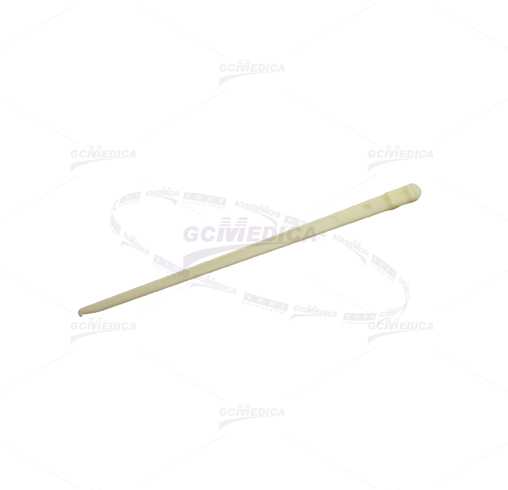
Amnio Hook
€100.00
#amnio #hook #use
https://www.gcmedica.com/products/amnio-hook.html ↗
Discover the Precision and Safety of GCmedica’s Amnio Hook for Obstetric Procedures
In the realm of obstetric care, precision and safety are paramount. GCmedica’s Amnio Hooks stands out as a meticulously crafted tool designed specifically for amniotic sac puncture. This disposable instrument ensures a sterile environment, significantly reducing the risk of infection. Its ergonomic design not only enhances ease of use for healthcare professionals but also prioritizes patient safety. Ideal for obstetricians and gynecologists, GCmedica’s Amnio Hook is an indispensable tool in maternal care. Choose GCmedica for reliable, high-quality gynecological surgical tools.
Features of GCmedica’s amniotic hook for sale
Used During Vaginal Deliveries: Specifically designed to puncture the amniotic sac.
Disposable: Ensures sterility and prevents infection.
Understanding Amnio Hook Use in Obstetric Procedures
The avaginal hook, a vital tool in obstetric care, plays a crucial role in the procedure known as amniotomy. This deliberate puncture of the amniotic sac is often necessary to induce or accelerate labor. Designed with safety and precision in mind, the amniotic hook allows obstetricians to perform this task with minimal discomfort to the patient and reduced risk of injury to the baby.
The Design and Functionality of the Amniotic Hook
Sterile and Single-Use
Amniohook are meticulously crafted to ensure a sterile, single-use instrument that can navigate the delicate environment of the amniotic sac with ease. Their design includes a smooth, curved tip that gently tears the membrane without causing unnecessary trauma to the surrounding tissues. This tool is essential in cases where labor needs to be induced for medical reasons, such as post-term pregnancy or when there is a concern for the health of the mother or fetus that necessitates delivery.
Versatile Application
Beyond labor induction, the amniotic hook is also used in certain diagnostic procedures and treatments that require access to the amniotic fluid. This versatility makes it an invaluable instrument in the obstetric toolkit. With a focus on patient safety, comfort, and procedural effectiveness, the amniotic hook embodies the precision and care fundamental to obstetric practice.
Key Considerations for Safe Amnio Hook Use
When utilizing an amnio hook in obstetric procedures, several critical considerations must be observed to ensure the safety and well-being of both the patient and the fetus. These precautions help mitigate risks and enhance the procedure’s effectiveness:
Proper Training
Only trained healthcare professionals should use the amniotic hook. Familiarity with the anatomy and the technique is crucial to avoid injury to the mother and baby.
Sterility
The amniotic hook should be sterile to prevent infections. Using a single-use, disposable hook can help maintain a sterile environment.
Gentle Handling
The healthcare provider must use the hook with gentle, precise movements to minimize discomfort and avoid damaging the amniotic sac more than necessary.
Patient Monitoring
Close monitoring of the patient’s and fetus’s vital signs is essential during and after the procedure to quickly address any complications.
Informed Consent
Patients must be fully informed about the procedure, including its purpose, potential risks, and benefits, to provide informed consent.
Timing and Indication
The amniotic hook should only be used when medically indicated, such as when labor induction or augmentation is necessary. The timing of the procedure should be carefully considered to avoid premature labor.
Emergency Preparedness
Facilities should have protocols in place to address potential complications, such as excessive bleeding or signs of fetal distress.
Post-Procedure Care
After the procedure, the patient should be monitored for signs of infection, prolonged labor, or any discomfort, with appropriate interventions ready if needed.
FAQ
Q1: What is the hook for amniocentesis?
A1: The hook mentioned in the context of amniocentesis is a common misconception. In actuality, amniocentesis is performed using a needle, not a hook. This procedure involves inserting a thin, hollow needle through the abdominal wall into the amniotic sac to withdraw a small sample of amniotic fluid for testing. The process is guided by ultrasound to ensure the safety of both the mother and the fetus. The amniotic fluid contains fetal cells and chemicals that can be analyzed to detect genetic disorders, chromosomal abnormalities, and certain infections. Unlike amniotomy, which uses an amniotic hook to rupture the membranes to induce labor, amniocentesis is a diagnostic procedure aimed at assessing fetal health and diagnosing potential issues.
Conclusion: Trust GCmedica for Superior Obstetric Tools
In conclusion, the GCmedica Amnio Hook is a testament to precision, safety, and reliability in obstetric care. By adhering to best practices and ensuring proper training, sterility, gentle handling, and informed consent, healthcare professionals can significantly enhance patient outcomes. Trust GCmedica for high-quality gynecological surgical tools that prioritize the well-being of both mother and baby.
For more oropharyngeal airway products wholesale at competitive price directly from China factory.
https://www.gcmedica.com/products/amnio-hook.html ↗
Discover the Precision and Safety of GCmedica’s Amnio Hook for Obstetric Procedures
In the realm of obstetric care, precision and safety are paramount. GCmedica’s Amnio Hooks stands out as a meticulously crafted tool designed specifically for amniotic sac puncture. This disposable instrument ensures a sterile environment, significantly reducing the risk of infection. Its ergonomic design not only enhances ease of use for healthcare professionals but also prioritizes patient safety. Ideal for obstetricians and gynecologists, GCmedica’s Amnio Hook is an indispensable tool in maternal care. Choose GCmedica for reliable, high-quality gynecological surgical tools.
Features of GCmedica’s amniotic hook for sale
Used During Vaginal Deliveries: Specifically designed to puncture the amniotic sac.
Disposable: Ensures sterility and prevents infection.
Understanding Amnio Hook Use in Obstetric Procedures
The avaginal hook, a vital tool in obstetric care, plays a crucial role in the procedure known as amniotomy. This deliberate puncture of the amniotic sac is often necessary to induce or accelerate labor. Designed with safety and precision in mind, the amniotic hook allows obstetricians to perform this task with minimal discomfort to the patient and reduced risk of injury to the baby.
The Design and Functionality of the Amniotic Hook
Sterile and Single-Use
Amniohook are meticulously crafted to ensure a sterile, single-use instrument that can navigate the delicate environment of the amniotic sac with ease. Their design includes a smooth, curved tip that gently tears the membrane without causing unnecessary trauma to the surrounding tissues. This tool is essential in cases where labor needs to be induced for medical reasons, such as post-term pregnancy or when there is a concern for the health of the mother or fetus that necessitates delivery.
Versatile Application
Beyond labor induction, the amniotic hook is also used in certain diagnostic procedures and treatments that require access to the amniotic fluid. This versatility makes it an invaluable instrument in the obstetric toolkit. With a focus on patient safety, comfort, and procedural effectiveness, the amniotic hook embodies the precision and care fundamental to obstetric practice.
Key Considerations for Safe Amnio Hook Use
When utilizing an amnio hook in obstetric procedures, several critical considerations must be observed to ensure the safety and well-being of both the patient and the fetus. These precautions help mitigate risks and enhance the procedure’s effectiveness:
Proper Training
Only trained healthcare professionals should use the amniotic hook. Familiarity with the anatomy and the technique is crucial to avoid injury to the mother and baby.
Sterility
The amniotic hook should be sterile to prevent infections. Using a single-use, disposable hook can help maintain a sterile environment.
Gentle Handling
The healthcare provider must use the hook with gentle, precise movements to minimize discomfort and avoid damaging the amniotic sac more than necessary.
Patient Monitoring
Close monitoring of the patient’s and fetus’s vital signs is essential during and after the procedure to quickly address any complications.
Informed Consent
Patients must be fully informed about the procedure, including its purpose, potential risks, and benefits, to provide informed consent.
Timing and Indication
The amniotic hook should only be used when medically indicated, such as when labor induction or augmentation is necessary. The timing of the procedure should be carefully considered to avoid premature labor.
Emergency Preparedness
Facilities should have protocols in place to address potential complications, such as excessive bleeding or signs of fetal distress.
Post-Procedure Care
After the procedure, the patient should be monitored for signs of infection, prolonged labor, or any discomfort, with appropriate interventions ready if needed.
FAQ
Q1: What is the hook for amniocentesis?
A1: The hook mentioned in the context of amniocentesis is a common misconception. In actuality, amniocentesis is performed using a needle, not a hook. This procedure involves inserting a thin, hollow needle through the abdominal wall into the amniotic sac to withdraw a small sample of amniotic fluid for testing. The process is guided by ultrasound to ensure the safety of both the mother and the fetus. The amniotic fluid contains fetal cells and chemicals that can be analyzed to detect genetic disorders, chromosomal abnormalities, and certain infections. Unlike amniotomy, which uses an amniotic hook to rupture the membranes to induce labor, amniocentesis is a diagnostic procedure aimed at assessing fetal health and diagnosing potential issues.
Conclusion: Trust GCmedica for Superior Obstetric Tools
In conclusion, the GCmedica Amnio Hook is a testament to precision, safety, and reliability in obstetric care. By adhering to best practices and ensuring proper training, sterility, gentle handling, and informed consent, healthcare professionals can significantly enhance patient outcomes. Trust GCmedica for high-quality gynecological surgical tools that prioritize the well-being of both mother and baby.
For more oropharyngeal airway products wholesale at competitive price directly from China factory.
You might also like

Slim Down with Every Sip: The Fitspresso Coffee Loophole
star
star
star
star
star
4.0/5
$0.00

Discount London theatre tickets
star
star
star
star
star
4.0/5
$22.00

Professional Dissertation Writers India | Mythsis
star
star
star
star
star
4.0/5
$0.00

Buy YouTube Views
star
star
star
star
star
4.0/5
$30.00