

zoom_in
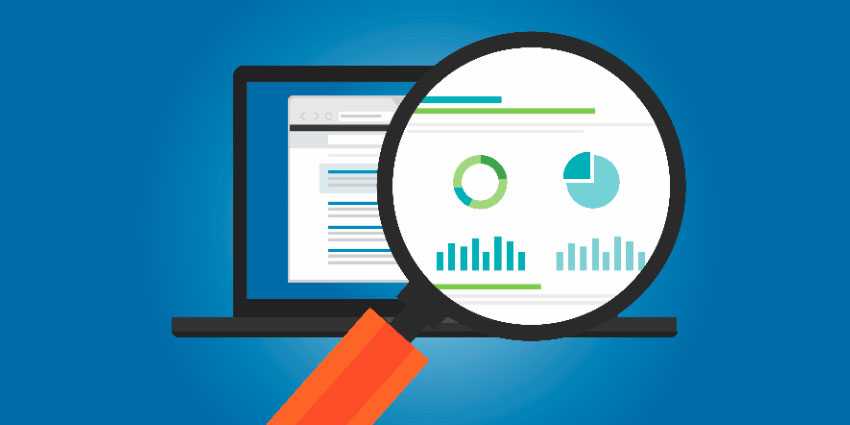
Maximizing Call Analytics: Leveraging Key Metrics for Sales Excellence
€100.00
In the fast-paced world of sales, the adage “knowledge is power” couldn’t be more accurate. Data-driven decision-making is paramount, and call analytics provide a treasure trove of insights that can significantly impact your sales team’s performance. By vigilantly monitoring key call metrics, you can fine-tune your strategies, enhance customer interactions, and drive better results. In this comprehensive guide, we’ll delve into these essential metrics and explore actionable steps to maximize the benefits of call analytics.
Call Duration: The Art of Timing
Understanding Call Duration
Call duration is more than just clock-watching; it’s about understanding the rhythm of conversations. It refers to the total time spent on a call from start to finish. In essence, it’s a reflection of the quality and depth of your interactions with customers.
Why It Matters
Longer Calls: Longer calls may indicate deeper customer engagement, complex inquiries, or a need for relationship-building. These opportunities can lead to stronger customer relationships and higher lifetime value.
Short Calls: Conversely, short calls might signal quick issue resolution, customer disinterest, or an effective sales pitch. However, they can also represent missed opportunities if not handled effectively.
Actionable Insights
Benchmark: It’s essential to determine an optimal call duration based on your specific industry, product or service type, and customer expectations. For instance, a technical support call might naturally take longer than a quick sales inquiry.
Training: Train your agents to manage call time effectively without rushing or dragging conversations. Equip them with active listening skills and efficient problem-solving techniques to strike the right balance.
Quality Assessment: Dive into your data to analyze whether lengthy calls are correlated with successful outcomes, such as conversions. Look for patterns – are certain topics or pain points consistently taking more time to address?
Conversion Rates: From Conversation to Conversion
Understanding Conversion Rates
Conversion rates track the number of calls that result in desired outcomes, whether closing a sale, scheduling an appointment, or signing up for a newsletter. They are the ultimate measure of your team’s effectiveness in turning conversations into conversions.
Why It Matters
High Conversion Rates: High conversion rates indicate effective communication and successful lead nurturing. A well-handled call should steadily move prospects closer to their desired action, be it a purchase or commitment.
Low Conversion Rates: Conversely, low conversion rates signal areas for improvement in your sales process. It’s crucial to investigate why some calls don’t lead to conversions. Are there bottlenecks? Objections not adequately addressed?
Actionable Insights
Segmentation: Analyze conversion rates by various factors such as agent, campaign, or product/service. This segmentation can help identify top-performing agents or successful marketing initiatives.
Script Optimization: Continuously refine your call scripts to emphasize value propositions, address common objections, and maintain a consistent message. While scripts provide structure, allow room for personalized interactions.
Follow-Up Strategies: Investigate why some calls don’t convert and implement targeted follow-up approaches. For instance, a callback with additional information may be needed to address lingering concerns.
Read more: https://calltrack.ai/2023/10/04/maximizing-call-analytics-leveraging-key-metrics-for-sales-excellence/ ↗
Call Duration: The Art of Timing
Understanding Call Duration
Call duration is more than just clock-watching; it’s about understanding the rhythm of conversations. It refers to the total time spent on a call from start to finish. In essence, it’s a reflection of the quality and depth of your interactions with customers.
Why It Matters
Longer Calls: Longer calls may indicate deeper customer engagement, complex inquiries, or a need for relationship-building. These opportunities can lead to stronger customer relationships and higher lifetime value.
Short Calls: Conversely, short calls might signal quick issue resolution, customer disinterest, or an effective sales pitch. However, they can also represent missed opportunities if not handled effectively.
Actionable Insights
Benchmark: It’s essential to determine an optimal call duration based on your specific industry, product or service type, and customer expectations. For instance, a technical support call might naturally take longer than a quick sales inquiry.
Training: Train your agents to manage call time effectively without rushing or dragging conversations. Equip them with active listening skills and efficient problem-solving techniques to strike the right balance.
Quality Assessment: Dive into your data to analyze whether lengthy calls are correlated with successful outcomes, such as conversions. Look for patterns – are certain topics or pain points consistently taking more time to address?
Conversion Rates: From Conversation to Conversion
Understanding Conversion Rates
Conversion rates track the number of calls that result in desired outcomes, whether closing a sale, scheduling an appointment, or signing up for a newsletter. They are the ultimate measure of your team’s effectiveness in turning conversations into conversions.
Why It Matters
High Conversion Rates: High conversion rates indicate effective communication and successful lead nurturing. A well-handled call should steadily move prospects closer to their desired action, be it a purchase or commitment.
Low Conversion Rates: Conversely, low conversion rates signal areas for improvement in your sales process. It’s crucial to investigate why some calls don’t lead to conversions. Are there bottlenecks? Objections not adequately addressed?
Actionable Insights
Segmentation: Analyze conversion rates by various factors such as agent, campaign, or product/service. This segmentation can help identify top-performing agents or successful marketing initiatives.
Script Optimization: Continuously refine your call scripts to emphasize value propositions, address common objections, and maintain a consistent message. While scripts provide structure, allow room for personalized interactions.
Follow-Up Strategies: Investigate why some calls don’t convert and implement targeted follow-up approaches. For instance, a callback with additional information may be needed to address lingering concerns.
Read more: https://calltrack.ai/2023/10/04/maximizing-call-analytics-leveraging-key-metrics-for-sales-excellence/ ↗
You might also like

Professional Dissertation Writers India | Mythsis
star
star
star
star
star
4.0/5
$0.00

Buy Verified Bybit Account
star
star
star
star
star
4.0/5
$108.00

Taxi To Heathrow & Heathrow Taxi Transfers
star
star
star
star
star
4.0/5
$0.00
Cardiac Hemodynamic Simulation Device
star
star
star
star
star
4.0/5
$1,000,000.00