zoom_in
Scaffold-Based Technologies
€1.00
share
Share Product
Scaffold-Based Technologies
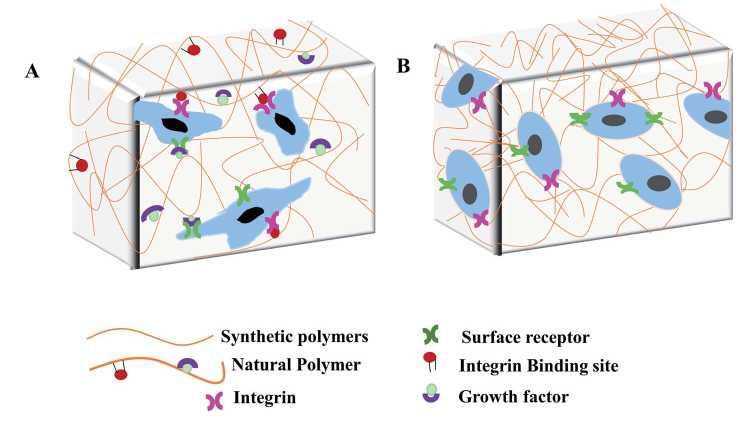
As the size and complexity of 3D models increase, the need for scaffolds becomes more and more obvious. In addition to space control, cell aggregates also need to exchange nutrients and gases. When the aggregate thickness is 1-2 mm, the problem of cell death will occur due to lack of mass transfer, mainly through the exchange of nutrients and waste metabolites. This has been solved through the use of highly porous scaffolds, where the basic design considers shape, cell adhesion sites and the flow of gases, nutrients, and metabolites. Scaffolds can be made from either natural or synthetic materials. Many 3D culture systems are already available. Biomaterials can be used in 3D cell culture to enhance various forms of culture efficiency and cell function, including hydrogel, solid scaffold, acellular natural tissue and ultra-low attachment (ULA) surface.