

uvabsorber PowerSorb's Store
Owned by uvabsorber PowerSorb Joined Jun 2024 13 Listings
uvabsorber PowerSorb's Store
easyid.me/biz/uvabsorber-4b9bf7 • Verified Store
Scan to open official EasyID digital store, view live catalog, or save business card.
Verified Merchant
EasyID Certified Seller
Fast 24h Packing
Direct courier dispatch
Zero Escrow Direct
Direct merchant settlement
Store Listings (13)

UV Absorbers
[a]https%3A%2F%2Fwww.uvabsorber.com%2Fproducts%2Fuv-absorbers%2F[/a] <br>#UV #absorber #additive <br>As a professional UV absorbers supplier, TINTOLL offers the plastics industry a range of hindered benzoates, benzotriazoles, benzoxazinones, benzophenones and triazine as high-performance chemical UV absorbers for polymers that effectively protect adhesives, plastics, coatings and elastomers from the damaging effects of outdoor weathering caused by exposure to UV light. The selection of UV light absorber should consider the characteristics, melting point, volatility, solubility and absorption spectrum of different products. <br> <br>Types of UV Absorbers Wholesale <br>UV absorbers are a common way to protect plastics from UV rays. They are classified by chemical classes such as benzotriazoles, benzophenones and triazines. Each category has its own UV absorbing properties. For example, benzophenone and triazine UV absorber tend to absorb more strongly in the short wavelength UV-B region than benzotriazole types. Some common examples of chemical UV absorbers include: Benzophenone, Benzotriazole, Cyanoacrylate, Carbon Black, Hydroxybenzophenone, Hydroxyphenylbenzotriazole, Rutile Titanium Oxide, Oxalanilide. The most commonly used light stabilizers in plastics are hindered amine light stabilizers (HALS). <br> <br>How to choose UV Absorber? <br>Ultraviolet light absorber are a common way to protect plastics from UV rays. When choosing a UV light absorber additive, you can consider the following factors: <br> <br>Type and model of plastic <br>Processing equipment and conditions <br>Selection and use of other chemicals <br> <br>UV absorber additive wholesale are types of polymer stabilizers and are classified by chemical classes such as benzotriazoles, benzophenones, triazines and oxanilide UV absorber. Each category has its own UV absorbing properties. For example, benzophenone and triazine types tend to absorb more strongly. <br> <br>The most common UV absorbers for polymers are: <br>Benzotriazoles <br>Benzophenones <br>Organic Nickel Compound <br> <br>As a leading UV absorbers supplier, TINTOLL UV absorbers wholesale dissipate energy in less damaging forms. UV stabilizers act as scavengers, reducing the reactivity of any free radicals formed inside. <br> <br>How Does UV Light Absorbers Work? <br>How to choose UV Absorber? <br>UV absorbers are additives that protect materials from UV damage and degradation. <br> <br>They work by absorbing UV rays and re-emitting them in a lower energy state. This converts the UV light into harmless heat energy. <br> <br>Chemical UV absorbers help protect materials from fading, discoloration and other problems. <br> <br>The amount of UV light absorber required depends on its concentration and the thickness of the surface. <br> <br>The most important class of UV absorbers wholesale are the hydroxybenzophenones. Triazines are considered the best chemical UV absorbers. It helps protect coatings by absorbing sunlight instead of letting it reach adhesives, plastics, coatings and elastomers.
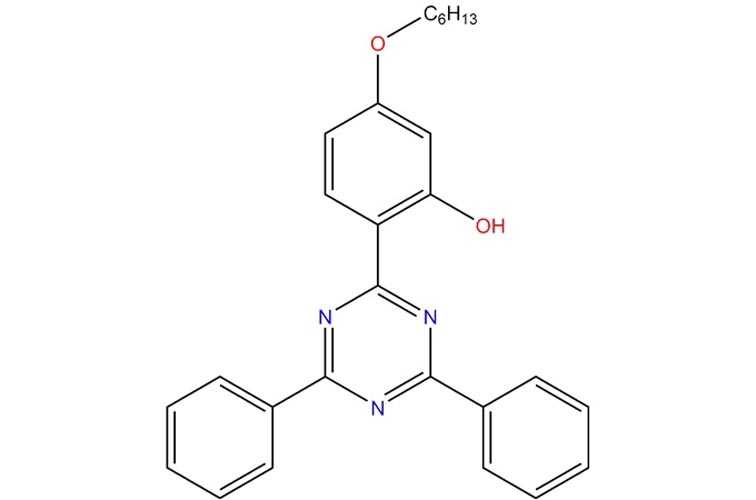
Triazine UV Absorber
[a]https%3A%2F%2Fwww.uvabsorber.com%2Fproducts%2Ftriazine-uv-absorber%2F[/a] <br>#Triazine #UV #absorber <br>At present, the ultraviolet absorbers used in polymer materials mainly include benzotriazoles, benzophenones, salicylates and triazines. Triazine-based UV absorbers have high heat resistance and excellent wash-off resistance compared to benzotriazole-based UV absorbers. Triazine UV absorber provide excellent protection across the entire UV spectrum and are particularly effective at absorbing short wavelength radiation (UVB). Triazine UV absorbers are commonly used in polyolefins to provide stability throughout high temperature processing with a TGA(10%) of 347°C. <br> <br>The European Chemicals Agency (ECHA) included four benzotriazole UV absorbers (UV320, UV 327, UV 328, UV 350) in the list of Substances of Very High Concern (SVHC) in 2014 and 2015. Therefore, the use of benzotriazole UV absorbers is strictly limited and is gradually being replaced. The scale of R&D and production of these triazine ultraviolet absorbers is expanding day by day. <br> <br>Triazine UV absorbers allow polymers to maintain color, gloss and physical properties under long-term UV exposure, and are an effective solution to polymer degradation caused by high-energy light. <br> <br>Triazine UV absorber has high efficiency (less dosage, good effect), low gloss (making it more widely used), high processing temperature, good compatibility (good dispersion, easy chemical modification of the molecule itself) and excellent broad spectrum (high molar absorption coefficient in UVA and UVB ultraviolet range). These advantages make triazine UV ultraviolet absorbers become the development direction of UV absorbers. <br> <br>TINTOLL PowerSorb family offers exceptional UV protection to enhance the performance of coatings, plastics and polymers in many advanced applications, preventing degradation such as fading, loss of gloss and surface chalking. <br> <br>What is the Mechanism of Triazine UV Absorbers? <br>The mechanism of triazine UV absorbers is based on two components: <br> <br>Conjugated π-electron structures of compounds <br> <br>Structures capable of hydrogen migration <br> <br>When the triazine UV absorber absorbs UV rays, the energy of the molecules rises and the NH bonds are broken. The structure is unstable after the hydrogen bond is broken. <br> <br>The absorbed energy is released as heat, fluorescence or phosphorescence. This energy is not harmful to polymer materials. The molecular structure is restored, so it can repeatedly absorb a large amount of ultraviolet lights. <br> <br>UV absorbers for polymers are mainly used to reduce the photodegradation of plastics. They protect materials by converting absorbed UV light into low-impact heat and energy through chemical reactions.
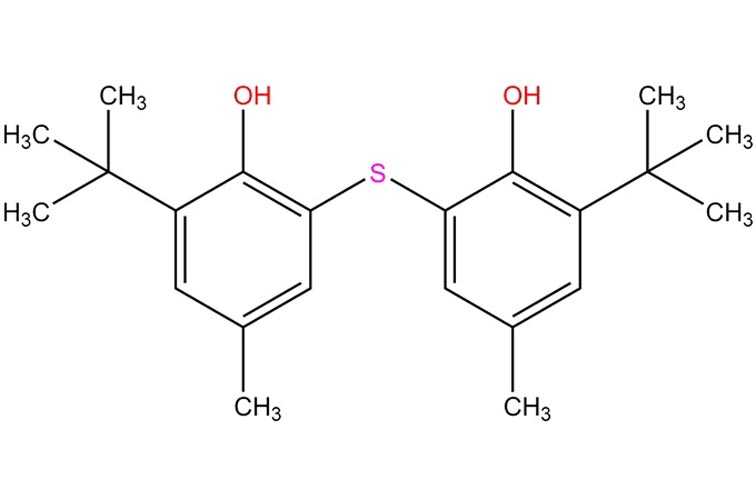
Thioether Antioxidant
[a]https%3A%2F%2Fwww.uvabsorber.com%2Fproducts%2Fthioether-antioxidant%2F[/a] <br>#primary #and #secondary #antioxidant <br>Secondary antioxidants, such as phosphites and thioethers, decompose hydroperoxides into non-radical, non-reactive, and thermally stable products. Therefore, auxiliary antioxidants are also called hydroperoxide decomposers. Phosphites and thioethers antioxidants are widely used hydroperoxide decomposers. Phosphites are most effective at the high temperatures of melt processing operations, while thioethers work best in the solid phase at long-term use temperatures. Secondary antioxidants are used together with primary antioxidants to increase the stability of polymers. <br> <br>Although thiosynergists do not improve the melt stability of polymers during polymer processing, they are very effective for long-term heat aging applications. Sulfur-based hydroperoxide decomposers are mainly used in combination with hindered phenolic antioxidants. <br> <br>For more than 30 years, TINTOLL has been committed to providing innovative high-performance light stabilizers and primary and secondary antioxidant solutions to meet the growing and changing technical needs of the global plastics market. <br> <br>TINTOLL's primary and secondary antioxidants play an important role in inhibiting and delaying the oxidation and degradation of polymeric materials. TINTOLL is available in a variety of physical forms as well as standard and custom blends. The choice of primary antioxidant and secondary antioxidant in polymer depends on factors such as compatibility, color and thermal stability, volatility and stabilizer efficiency. <br> <br>What are Thioester Antioxidants? <br>Thioesters are secondary antioxidants that destroy hydroperoxides to form stable hexavalent sulfur derivatives. They are commonly referred to as thiosynergists. <br> <br>Thioesters are used as antioxidant additives for plastics, rubber, synthetic fibers, fats, oils and petroleum products. They are also used as stabilizers for polyolefins, especially PP and HDPE.
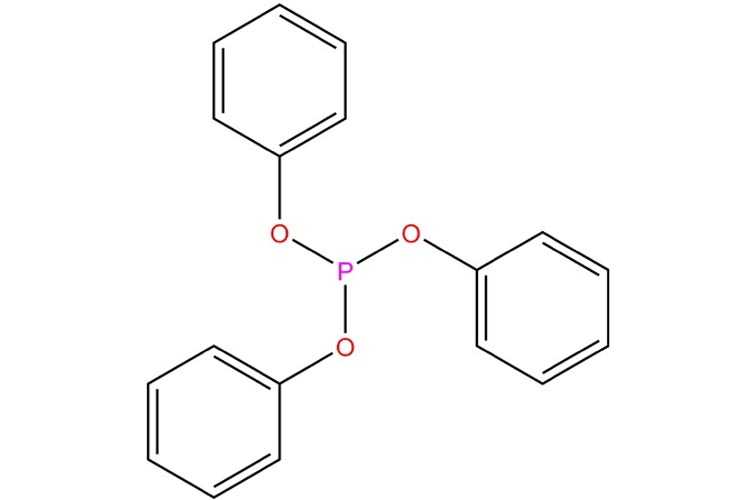
PowerNox™ TPP
[a]https%3A%2F%2Fwww.uvabsorber.com%2Fproducts%2Ftriphenyl-phosphite-cas-no-101-02-0.html[/a] <br>#triphenyl #phosphite #antioxidant <br>CAS No. 101-02-0 <br>Triphenyl phosphite <br> <br>PowerNox™ TPP serves as an auxiliary antioxidant extensively employed within the PVC, PP, and PS industries to uphold product photostability. <br> <br>Benefits & Applications of PowerNox™ TPP CAS No. 101-02-0 <br>PowerNox™ TPP is an effective liquid triphenyl phosphite antioxidant suitable for a wide range of polymer applications, spanning from PVC and adhesives to styrenics, engineering thermoplastics, polyesters, polyurethanes, coatings, epoxies, and polycarbonates. <br> <br>PowerNox™ TPP can be used in rigid and flexible PVC applications as a secondary stabilizer and chelating agent to give brighter, more consistent colors and improve the heat stability of PVC. <br> <br>PowerNox™ TPP can be used to enhance the effect of polymerization catalysts in some polyolefin processes.
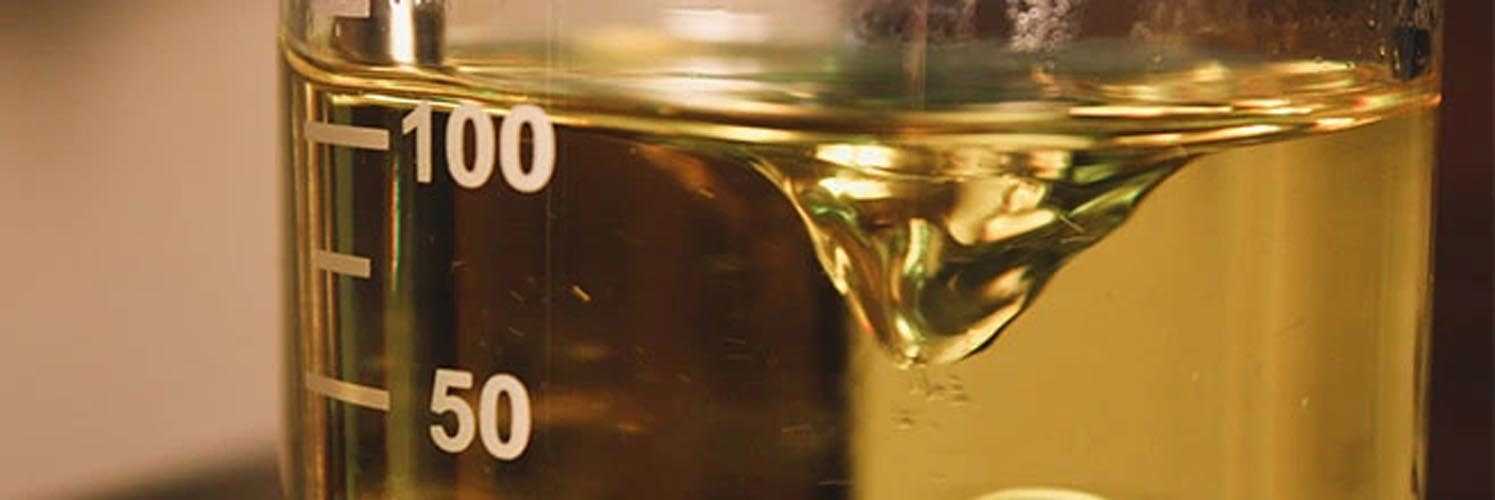
Polymer Antioxidants
[a]https%3A%2F%2Fwww.uvabsorber.com%2Fproducts%2Fpolymer-antioxidants%2F[/a] <br>#antioxidants #polymer #additives <br>TINTOLL antioxidant in polymer example are the most important additive in polyolefin, plastic, resin and other products. The purpose of antioxidants for polyolefins is to prevent or delay oxidation and to ensure the processing and use quality of products. Throughout the plastics production process, degradation and processing requirements can reduce the strength and stability of plastic parts. <br> <br>TINTOLL plastic antioxidants help to extend the useful life of plastics by minimizing changes in physical properties throughout thermal processing, including extrusion, injection molding, blow molding and rotational molding. Antioxidants for polyolefins improve the weatherability of UV stabilized systems and enhance the durability of plastics at moderate to high temperatures. <br> <br>TINTOLL antioxidant additives for plastics can help maintain gloss and transparency, prevent yellowing, surface cracking and odor, and maintain critical mechanical properties such as impact resistance, elongation and tensile strength. <br> <br>TINTOLL's antioxidant additives for polymers work synergistically with other plastic additives such as UV stabilizers, absorbers and antistatic agents to make polymer products perform better for longer, promoting a circular economy and reducing plastic waste. Our broad product portfolio including plastic antixoidant additives can help you extend product life by preventing premature product degradation, such as color fading or odor development, and increase the durability of products stored outdoors for long periods of time. <br> <br>Types of Polymer Antioxidants <br>TINTOLL provide a wide range of stabilizers that protect polymers throughout their life cycle - during manufacture, storage, processing and final application. TINTOLL’s wide range of polymer antioxidants plays an important role in counteracting these effects. The selection of antioxidant depends on factors such as compatibility, color and thermal stability, volatility and stabilizer efficiency. TINTOLL's hindered phenolic antioxidants provide processing stability and long-term thermal stability. Applications include polyethylene, polypropylene, ABS, polyester, polyamide, rubber, PVC, and styrene. TINTOLL's phosphite antioxidants provide excellent processing stability. Applications include various thermoplastic polymers such as polyolefins, polycarbonates, ABS and polyesters. Like hindered phenolic antioxidants, TINTOLL is available in a variety of physical forms as well as standard and custom blends. TINTOLL's thioester antioxidants are used as synergists in many applications in combination with other phenolic antioxidants to provide long-term protection to polymers. Applications include polyethylene, polypropylene, ABS, polyester and polyamide. <br> <br>Classification of Antioxidants <br>Depending on their structure, antioxidants polymer additives interrupt the degradation process in different ways. The main categories of polymer antioxidants are as follows: <br> <br>Primary Antioxidants: They work by scavenging peroxide free radicals formed during oxidation. The two main classes of primary antioxidants are hindered phenols and aromatic amines. <br> <br>Secondary Antioxidants: The polymer antioxidants examples react with hydroperoxides to produce non-free radical, non-reactive products, also known as hydroperoxide decomposers. Phosphites are most effective at the high temperatures of melt processing operations, while thioethers work best in the solid phase at long-term use temperatures. <br> <br>Multifunctional Antioxidant Blends: They combine primary and secondary antioxidant functions in one compound. <br> <br>Metal Deactivators: They prevent oxidative degradation caused by copper or other metals by chelation. <br> <br>The Importance of Polymer Antioxidants in the Plastics Industry <br>Classification of Antioxidants <br>Antioxidant polymer additives stabilize the quality of plastic products and slow down the degradation process. <br> <br>Oxidation is the process by which oxygen comes into contact with a material and affects that material. This effect is usually a form of degradation and occurs as free radicals react with material molecules, initiating a chemical chain reaction. <br> <br>First, plastics are manufactured at extreme temperatures and exposed to a process called thermal oxidation. To keep polymers stable, plastic antioxidants must be introduced during the manufacturing process. <br> <br>Second, plastics are still prone to oxidation after they are manufactured. Oxidation can negatively affect the quality and life cycle of a product. Polymer antioxidants can help inhibit harmful oxidative processes. <br> <br>The most common plastic products containing antioxidant additives include various pipes and fittings used in the construction industry, polyethylene films (PE films), products and films made from polypropylene (PP).

Photoinitiators
[a]https%3A%2F%2Fwww.uvabsorber.com%2Fproducts%2Fphotoinitiators%2F[/a] <br>#photoinitiators <br>Ultraviolet curing technology (UV technology) is to add a UV photoinitiator (or photosensitizer) to a specially formulated system (called a photocuring system) to generate active free radicals or cations after absorbing ultraviolet rays (UV), thereby initiating polymerization, Cross-linking and grafting reactions, making it from liquid to solid technology. Photoinitiator for UV curing technology is an environmentally friendly and cost-effective option because there is no need to remove water at the end of the printing or coating process, and there is no need to capture or incinerate solvents. <br> <br>UV curing materials are widely used in optical fiber cables (UV curing optical fiber coating materials), printed circuit boards (UV curing photoresists), home appliances (plastic coatings, metal coatings), automotive parts (transparent varnishes, repair paints, reflector lampshades etc.), printing packaging (UV curing inks), wooden furniture and flooring (UV curing coatings). <br> <br>Types of Photoinitiators are compounds that generate free radicals upon exposure to ultraviolet light. These photoinitiator types then react with monomers and/or oligomers, initiating the polymerization process. The radical photoinitiator is used extensively with crosslinkable monomers and oligomers in UV-curable inks and coatings, adhesives, and many other products. <br> <br>Photoinitiator types can be divided into two categories: free radical photoinitiators and cationic photoinitiators. <br> <br>TINTOLL is one of the leading photoinitiator manufacturers and photoinitiator suppliers, which is also one of the cornerstone businesses of TINTOLL. Our product portfolio covers free radical and cationic photoinitiators (photo-acid generators) as well as amine synergists. UV-curable materials are widely used in graphic arts, industrial coatings, adhesives, printed circuit boards, and 3D printing. TINTOLL provides photoinitiator types for UV curing application support, product development and custom solutions, and collaborates with customers to develop next-generation photoinitiators. <br> <br>Types of Photoinitiators <br>Photoinitiators are mainly divided into two classes: Type I and Type II. Type I photoinitiators undergo a unimolecular bond cleavage when exposed to light, which splits them into two primary radicals. Type I photoinitiators, which includes include benzophenone, benzoin ether, and 2-(dimethylamino)ethanol (DMAE), produce reactive intermediates directly after light absorption and don't require any other compound to work. <br> <br>Type II photoinitiators, which include benzophenones and thioxanthones, undergo a bimolecular reaction and require a second compound, called a co-initiator, to produce reactive intermediates. The initiation process for Type II photoinitiators is generally slower than Type I because it's based on a bimolecular reaction. <br> <br>What Activates the Photoinitiator? <br>Photoinitiators are activated by absorbing energy from ultraviolet or visible light. This causes the visible light photoinitiators to decompose and form free radicals or protic acids. <br> <br>The free radicals then react with monomers and oligomers to form new free radicals. These free radicals become part of the resulting polymer. <br> <br>The polymeric photoinitiator is used in UV-curable inkjet formulations. These photoinitiator types are designed to absorb light and convert light energy into chemical energy. The chemical energy of this stabilizer in polymer can initiate or catalyze the crosslinking process, which causes the ink to dry quickly. <br> <br>Photoinitiators can be activated by adding photosensitizers. Photoinitiator types including type i photoinitiator absorb incident light more efficiently and can use visible light to activate photoinitiators to generate free radicals. <br> <br>What is the Mechanism of Photoinitiator? <br>Photoinitiators are molecules that absorb light and convert it into chemical energy. When exposed to light, the photoinitiator splits into two reactive free radicals. These free radicals initiate chain polymerization of photosensitive resins and reactive diluents. The polymerization reaction causes the adhesive to crosslink and cure. <br> <br>Photoinitiator types are key components of photopolymers and include: Light curing coating, Adhesive, Dental Restoration Materials etc. <br> <br>These photoinitiator types are also used in UV-curable inkjet formulations. They absorb light and convert it into chemical energy to produce active substances. These substances can initiate or catalyze the crosslinking process, which causes the ink to dry quickly. <br> <br>Photo sensitizer is used to prolong the wavelength absorbed by the photoinitiator.
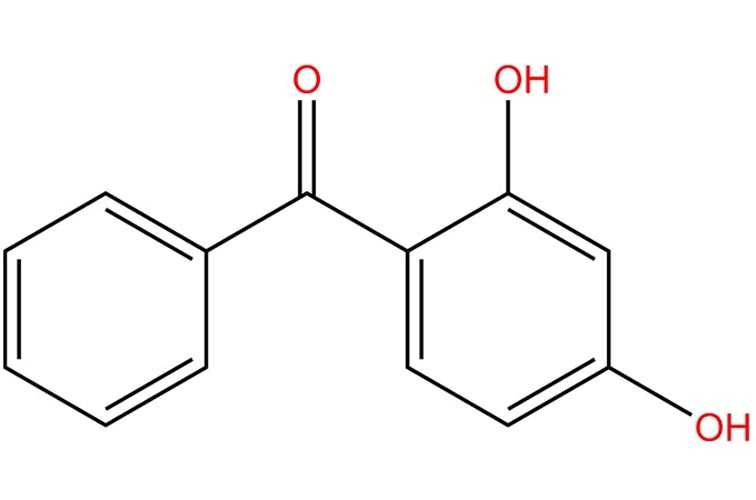
Organic UV Filters
[a]https%3A%2F%2Fwww.uvabsorber.com%2Fproducts%2Forganic-uv-filters%2F[/a] <br>#chemical #uv #filters #list <br>Unlike inorganic or mineral UV filters, which create a physical barrier on the skin's surface, organic UV filters work by absorbing UV radiation and transforming it into heat, which is then released from the skin. Organic UV filters are known for their ability to offer lightweight and cosmetically elegant sunscreens that are easily applied and absorbed by the skin. <br> <br>Some common chemical organic UV filters include compounds like avobenzone, octisalate, octocrylene, and oxybenzone, among others. These sunscreen chemical UV filters provide various levels of protection against both UVA and UVB rays, and they can be used individually or in combination to achieve broad-spectrum sun protection. <br> <br>TINTOLL Organic UV filters are popular in personal care products because they provide a more transparent and lightweight feel on the skin, making them suitable for everyday use. However, it's essential to note that some individuals with sensitive skin may be more prone to skin reactions or allergies from certain organic UV filter ingredients. <br> <br>What Is the Difference Between Organic UV Filters and Inorganic UV Filters? <br>Organic UV filters, also known as chemical UV filters, are carbon-based and absorb UV radiation. Inorganic UV filters, also known as physical UV filters, contain no carbon and use metal oxides to block and reflect UV radiation. <br> <br>Organic UV filters are synthetic chemicals that absorb UV radiation. Some common organic filters include avobenzone, octanoate, and oxybenzone. Inorganic UV filters are compounds that can reflect, disperse, and absorb UV and visible radiation. Inorganic UV filters are made of mineral oxides such as titanium dioxide (TiO2) and zinc oxide (ZnO). <br> <br>Organic UV filters bind better to the skin layers and have a longer shelf life than inorganic UV filters. Inorganic UV filters form a layer on the surface of the skin and are easier to remove. Inorganic UV filters are less likely to cause allergic reactions. <br> <br>For more information about organic uv filters examples and chemical uv filters list, please feel free to contact us!

Light Stabilizers
[a]https%3A%2F%2Fwww.uvabsorber.com%2Fproducts%2Flight-stabilizers%2F[/a] <br>#UV #light #stabilizer <br>The addition of light stabilizers for plastics can effectively prevent the photodegradation of polymers. TINTOLL's comprehensive range of solutions including hindered amine light stabilizers (commonly known as HALS), hindered benzoates and UV absorbers can mitigate degradation of plastics exposed to harmful UV radiation and achieve excellent lifetime. <br> <br>The UV light stabilizer can be divided into UV absorbers and hindered amine light stabilizers (HALS): <br> <br>UV light absorbers slow down the degradation process by preferentially absorbing harmful UV radiation and dissipating it as heat. <br> <br>Therefore, UV absorber chemical can effectively protect the contents in packaging products (such as wrapping films or bottles, etc.). Light stabilizers for plastics also protect other UV-sensitive additives such as pigments and flame retardants. <br> <br>HALS are very effective stabilizers for polymers, especially polyolefins. They do not absorb UV radiation, but inhibit polymer degradation by scavenging free radicals. Remarkable plateaus are achieved at relatively low concentrations. The high efficiency and long life of HALS is due to a cyclic process where HALS are regenerated rather than consumed during stabilization. <br> <br>Therefore, HALS are the most effective additives for light stabilization of polyolefins and they are very effective in high surface area applications such as films and fibers. HALS are also efficient UV light stabilizers that can prolong the service life of polyolefin products. <br> <br>Selection of an appropriate light stabilization system depends on material type, end application, material thickness, environment of use, interaction with other components of the system, and performance and cost expectations. <br> <br>Ultraviolet absorbers (UVA) and hindered amine light stabilizers (HALS) are often used together to show a synergistic effect to achieve photostabilization of polymeric materials. <br> <br>Since 1989, TINTOLL has actively participated in the development of innovative UV light stabilizer and application research, and currently has more than 100 specialty products to meet the diverse needs of customers. TINTOLL, one of the leading UV stabilizer suppliers and manufacturers, provides professional formulations for different composite materials. In addition, TINTOLL also provides customers with light stabilizers for plastics development services for special applications. <br> <br>Types of UV Light Stabilizers <br>UV stabilizers are used to address degradation issues associated with exposure to sunlight. UV light stabilizers can be divided into Hindred Amine Light Stabilizer and Light Stabilizer Blends. HALS work by scavenging and terminating free radicals and decomposing hydroperoxides into non-radical species. Hindered amine light stabilizers (HALS for short) are derivatives of 2,2,6,6-tetramethylpiperidine. They are extremely effective stabilizers against light-induced degradation of most polymers such as polyolefins, styrene, polyurethanes, polycarbonates and cellulose. <br> <br>The Role of Light Stabilizers <br>UV light stabilizers are essential additives in various industries, such as plastics, coatings, and textiles, to protect materials from the harmful effects of UV radiation. The roles of light stabilizers for plastics can be summarized as follows: <br> <br>Hindered Amine Light Stabilizers (HALS): HALS hindered amine light stabilizers act as radical scavengers, inhibiting the formation of free radicals that lead to material degradation. <br> <br>Photostabilization: These UV stabilizer chemical additives enhance the longevity and appearance of products exposed to sunlight, preventing discoloration, embrittlement, and other UV-induced damage. <br> <br>Compatibility: Ensuring that light stabilizers for plastics are compatible with the base material is crucial for effective UV protection without altering the material's properties. <br> <br>Difference between UV Absorber and Light Stabilizer <br> <br>Both UV light stabilizers and UV absorbers are UV protection additives. <br> <br>UV absorbers are chemicals that absorb UV radiation and prevent it from damaging materials. UV absorbers dissipate energy in less damaging forms such as heat. <br> <br>UV light stabilizers act as free radical scavengers, reducing the reactivity of any free radicals formed within the polymer, they are regenerated in the process of action. <br> <br>UV absorbers are classified by chemical classes such as benzotriazoles, benzophenones, and triazines. Each category has its own UV absorbing properties. For example, benzophenone and triazine types tend to absorb more strongly in the short wavelength UV-B region than benzotriazole types. <br> <br>The UV light stabilizer may be a hindered amine light stabilizer (HALS). HALS do not absorb UV rays. Instead, they inhibit polymer degradation by removing free radicals formed when the polymer oxidizes. This process is often cyclic, as the HALS can regenerate and continue to be effective.
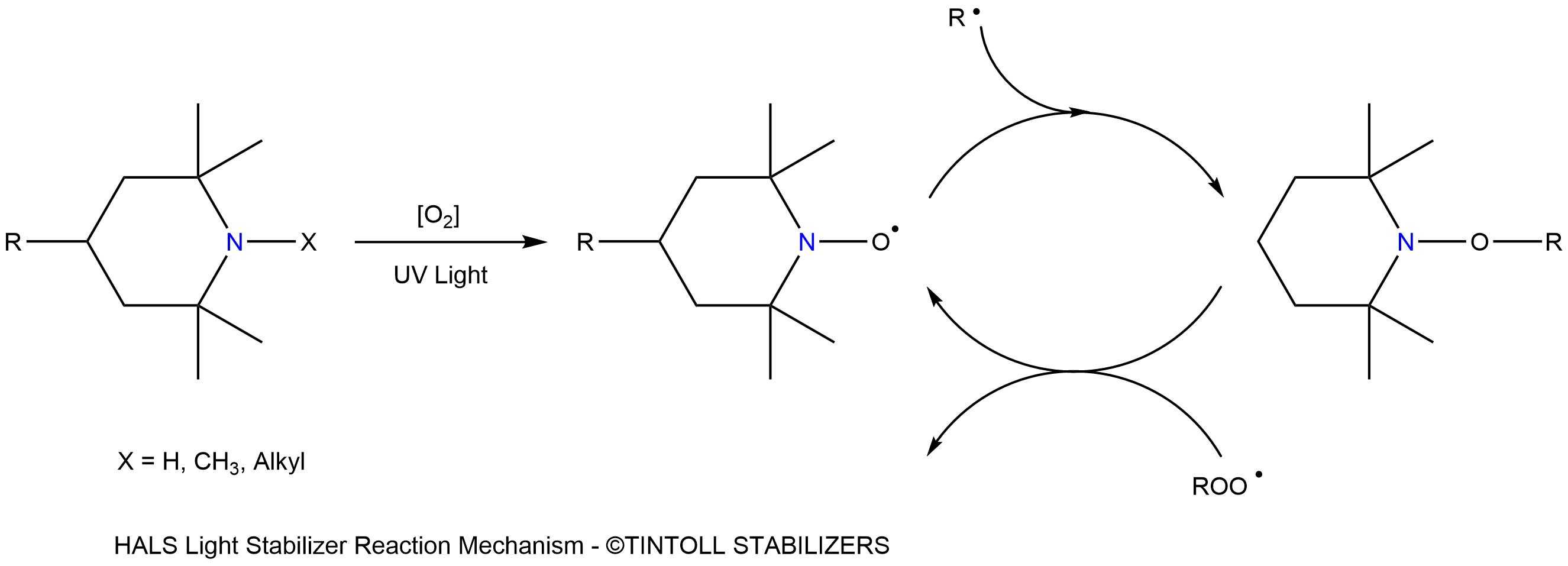
Hindered Amine Light Stabilizer
[a]https%3A%2F%2Fwww.uvabsorber.com%2Fproducts%2Fhindered-amine-light-stabilizer%2F[/a] <br>#HALS #uv #absorber <br>Hindered amine light stabilizers (HALS) are important stabilizers for long-term thermal protection of polymers, and are very effective in inhibiting polymer degradation caused by free radicals at medium and low temperatures. <br> <br>Hindered Amine Light Stabilizers (HALS) exhibit excellent UV protection by scavenging free radicals generated by photodegradation to prevent polymer degradation. After the HALS chemical scavenges free radicals, it returns to its original structure and repeatedly scavenges free radicals for effective long-term performance. <br> <br>HALS hindered amine light stabilizers can be classified according to their molecular weight (MW): HALS UV stabilizer with a low molecular weight of approximately 200 to 500 g/mole are generally referred to as low MW HALS, while hals hindered amine light stabilizers with a molecular weight of 2000 or higher are referred to as high MW HALS. In general, high molecular weight hindered amine stabilizers are more effective than low molecular weight hindered amine stabilizers, and very low molecular weight hindered amine stabilizers do not provide much thermal stability at all. <br> <br>The high efficiency of HALS light stabilizer is based on a series of complex free radical scavenging reactions. HALS oxidation is a relatively slow and temperature-dependent reaction. They are not very effective at high temperatures (above about 80°C), HALS are often used in combination with primary and secondary antioxidants, so that the combination can show a good synergistic effect. <br> <br>For more than 30 years, TINTOLL has been committed to providing innovative high-performance light stabilizer and antioxidant solutions to meet the growing and changing technical needs of the global plastics market. <br> <br>What Is the Mechanism of Action of Hindered Amine Light Stabilizer? <br>HALS do not absorb UV radiation, but inhibit polymer degradation. They slow photochemically induced degradation reactions to some extent similar to antioxidants. <br> <br>One of the advantages of HALS is that no specific layer thickness or concentration limits are required to guarantee good results. Remarkable plateaus are achieved at relatively low concentrations. The high efficiency and long life of HALS is due to a cyclic process where HALS are regenerated rather than consumed during stabilization. <br> <br>The mechanism by which hindered amine stabilizers resist thermal oxidation appears to be complex. Due to the regenerative nature of the process, and the generally high molecular weight of the light stabilizers, hindered amine stabilizers can provide extremely long-term thermal and light stability. <br> <br>The mechanism of HALS uv absorber involves several different reactions that lead to their stabilization against photooxidation. The radical-scavenging properties of carbon radicals, the reaction of HALS metabolites with peroxyl radicals, and the decomposition of hydroperoxides have been discovered, as follows.
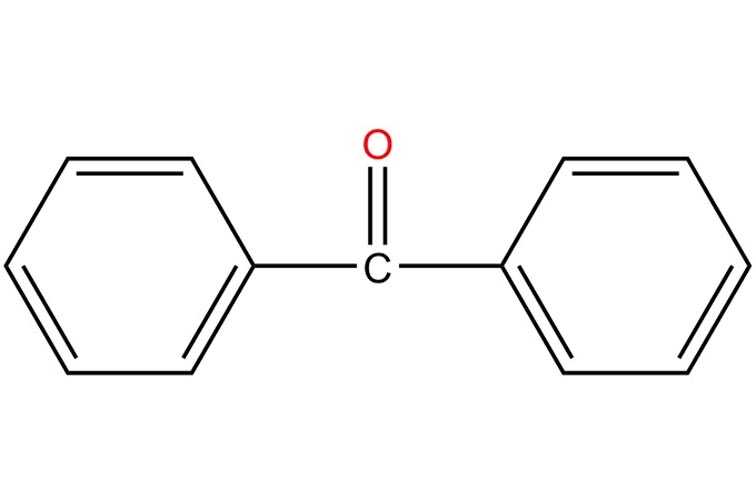
Free Radical Photoinitiators - Type II
[a]https%3A%2F%2Fwww.uvabsorber.com%2Fproducts%2Ffree-radical-photoinitiators-type-ii%2F[/a] <br>#type #II #Photoinitiator <br>Free radical photoinitiators react differently when exposed to UV light. Depending on their reactivity, they are classified as Norrish Type I or Norrish Type II photoinitiators. <br> <br>Norish Type I initiators are typically compounds containing a benzoyl group which, when exposed to UV light, cleaves to produce two highly reactive free radicals, at least one of which reacts with the monomer to initiate polymerization. Type I photoinitiators are irreversibly incorporated into the polymer matrix. <br> <br>Norrish Type 2/II photoinitiators require hydrogen donors to react when exposed to UV light, and the most common of these hydrogen donors are amines (amine synergists). Upon UV irradiation, the Type 2 photoinitiator/II photoinitiator abstracts a hydrogen atom from the synergist used to form two very reactive alkylamino radicals, which subsequently initiate polymerization. Type 2/II photoinitiators are generally not incorporated during the reaction, but synergists are incorporated. <br> <br>TINTOLL is one of the leading photoinitiator suppliers, which is also one of the cornerstone businesses of TINTOLL. Our product portfolio covers free radical and cationic photoinitiators (photo-acid generators) as well as amine synergists. UV-curable materials are widely used in graphic arts, industrial coatings, adhesives, printed circuit boards, and 3D printing. TINTOLL provides application support, product development and custom solutions, and collaborates with customers to develop next-generation photoinitiators. <br> <br>What is the type II Photoinitiator Mechanism? <br>Type II photoinitiators are a class of photoinitiators that require a co-initiator to generate reactive intermediates. These initiators absorb light in the UV-Vis spectral range, typically 250-450 nm. <br> <br>The photoinitiator reaches an excited state after absorbing light and reacts with another molecule to produce an active species. Coinitiators are usually amines. <br> <br>Type II photoinitiators abstract hydrogen from the co-initiator to generate secondary radicals. <br> <br>They are generally slower than the type 1 photoinitiator because they are based on bimolecular reactions. <br> <br>The two most common types of photoinitiators are free radicals and cationics.
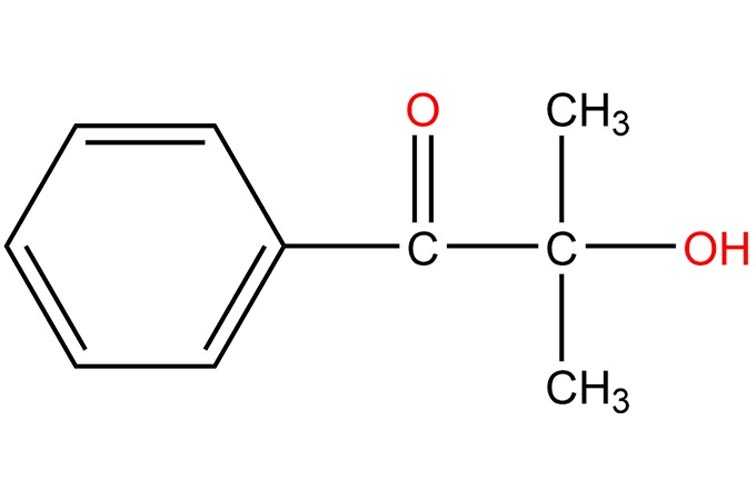
Free Radical Photoinitiators - Type I
[a]https%3A%2F%2Fwww.uvabsorber.com%2Fproducts%2Ffree-radical-photoinitiators-type-i%2F[/a] <br>#Type #1 #photoinitiator <br>Free radical photoinitiators react differently when exposed to UV light. Depending on their reactivity, they are classified as Norrish photoinitiator type 1 and 2. <br> <br>Norish Type 1 photoinitiator are typically compounds containing a benzoyl group which, when exposed to UV light, cleaves to produce two highly reactive free radicals, at least one of which reacts with the monomer to initiate polymerization. Type i photoinitiator are irreversibly incorporated into the polymer matrix. <br> <br>Norrish Type II photoinitiators require hydrogen donors to react when exposed to UV light, and the most common of these hydrogen donors are amines (amine synergists). Upon UV irradiation, the Type II photoinitiator abstracts a hydrogen atom from the synergist used to form two very reactive alkylamino radicals, which subsequently initiate polymerization. Type II photoinitiators are generally not incorporated during the reaction, but synergists are incorporated. <br> <br>TINTOLL is one of the photoinitiator manufacturers, which is also one of the cornerstone businesses of TINTOLL. Our product portfolio covers free radical and cationic photoinitiators (photo-acid generators) including photoinitiator type 1 and 2, as well as amine synergists. UV-curable materials are widely used in graphic arts, industrial coatings, adhesives, printed circuit boards, and 3D printing. TINTOLL provides application support, product development and custom solutions, and collaborates with customers to develop next-generation photoinitiators. <br> <br>What is a Type I Photoinitiator? <br>What is a Type I Photoinitiator? <br>The two most common types of photoinitiators are free radicals and cationic. <br> <br>Type I photoinitiators are a type of photoinitiator that absorb light and split into two primary radicals. <br> <br>These photoinitiators are aromatic carbonyl organic compounds that undergo a homolytic or heterolytic bond cleavage after light excitation. The radicals then initiate the polymerization. <br> <br>Typical type I photoinitiators include: Alpha hydroxy ketones and phosphine oxides. <br> <br>Type II photoinitiators, also known as photosensitizing photoinitiators or co-initiators, extract hydrogen from the co-initiator to generate secondary radicals. <br> <br>Typical type II photoinitiators include: Benzophenones, Thioxanthones.
Flame Retardant Synergists
[a]https%3A%2F%2Fwww.uvabsorber.com%2Fproducts%2Fflame-retardant-synergists%2F[/a] <br>#Flame #retardant #synergists <br>Flame retardant synergists are widely used as plastic additives for the safer use-in-service of the resulting plastic materials. For many applications such as wire and cable and electric and electronic applications the use of fire and flame retardant additives as part of the non-conducting insulation materials is mandatory. <br> <br>What Are Flame Retardants? <br>Flame retardants are types of polymer additives and chemicals added to materials such as plastics to prevent them from burning. <br> <br>There are hundreds of different flame retardants, often grouped by their chemical structure and properties. <br> <br>The most common flame retardants in plastics are halogenated compounds, especially bromine-based flame retardants. Other common flame retardants include: Phosphorus-based, melamine, phosphate, metal hydroxide, silicon-based. <br> <br>TINTOLL Flame retardants can be active or reactive. Reactive flame retardants are incorporated into polymers during the manufacturing process, while reactive flame retardants are inserted into polymer molecules. Both types can suppress fires in vapor and condensate states. <br> <br>Flame retardants can prevent materials from catching fire, slow or extinguish fires, and protect materials from heat. They do not stop charring or melting, or increase the heat resistance of a material.
About uvabsorber PowerSorb's Store
No description provided.
0.0
Customer Reviews
See what others are saying about uvabsorber PowerSorb's Store. We verify purchases to ensure reviews are genuine.
No reviews yet for this store.