Articles

Articles & Insights

Discover, learn, and grow with stories from our ecosystem members.

search
filter_list Category: career-business
close
partition services dubai Career & Business
Nov 15, 2026 • visibility 29 • 8 min read

partition services dubai

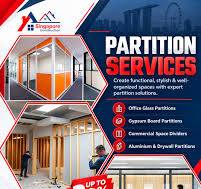
Smart Space Solutions: Transforming Interiors with Modern Partition SystemsModern interior spaces need to be practical, attractive, and flexible. Whether it is a busy corporate office, a retail store, a residential property, or a commercial facility, the right layout can make a major difference. One of the most effective ways to improve an interior without making major structural changes is by installing partition systems.In a fast-growing city like Dubai, businesses and property owners increasingly look for flexible solutions that allow them to organize their available space efficiently. Professional partition service dubai solutions can help create separate areas while maintaining a clean and modern appearance.Why Interior Partitions Are ImportantAn open floor plan can provide a spacious feeling, but it is not always practical. Offices may need private meeting rooms, employees may require quieter work areas, and commercial properties may need clearly defined sections for different purposes.Partitions offer a simple way to divide a large area into functional zones. Unlike permanent walls, many partition systems can be installed with less disruption and can sometimes be modified or relocated when requirements change.This flexibility makes partitions useful for businesses that are expanding, changing their office layouts, or adapting their premises to new operational needs.Different Types of Partition SystemsThere are several partition options available for modern interiors. The right choice depends on the property's purpose, design preferences, privacy requirements, and available space.Glass PartitionsGlass partitions are popular in contemporary offices because they provide separation without making an area feel closed. Natural light can continue to move through the workspace, helping maintain an open atmosphere.Frosted, tinted, or decorative glass can also be used when additional privacy is required.Gypsum PartitionsGypsum partitions are suitable when stronger separation and greater privacy are needed. They can be finished in different ways to match the surrounding interior design and can be particularly useful for offices, commercial units, and residential spaces.Wooden PartitionsWooden partitions can introduce warmth and character into an interior. They are often selected for reception areas, restaurants, offices, homes, and retail environments where appearance is an important consideration.Aluminium and Modular PartitionsAluminium-framed and modular systems are another practical choice for commercial environments. They can provide a professional appearance while offering flexibility for future layout changes.Benefits for Dubai PropertiesDubai properties often need interior solutions that combine appearance with functionality. Partition systems can help businesses make better use of available floor space without committing to extensive construction work.A well-planned partition layout can create dedicated meeting rooms, private offices, reception areas, workstations, consultation rooms, storage sections, or customer service areas.Another advantage is design flexibility. Modern partition systems are available in various materials, finishes, colors, and configurations, allowing them to complement existing interiors rather than looking like an afterthought.For businesses operating in rented properties, partitions can also be particularly useful because they may allow the space to be reorganized without undertaking extensive permanent alterations.Choosing the Right Partition SolutionBefore installing partitions, it is important to consider how the space will actually be used. Privacy, lighting, ventilation, sound control, durability, maintenance, and overall appearance should all be considered during the planning process.Professional installers can assess the available space and recommend a suitable configuration. Accurate measurements are also important because even small layout mistakes can affect doors, walkways, furniture placement, and overall usability.The quality of installation matters as much as the material itself. Proper alignment, secure fitting, clean finishing, and careful attention to existing structures can contribute to a more professional final result.Creating More Functional InteriorsA successful partition project is not simply about putting a wall in the middle of a room. It is about creating a layout that supports the way people use the space.For example, an office may benefit from a combination of transparent meeting rooms and more private work areas. A retail environment may use partitions to organize product sections, while a residential property might use them to create additional privacy without completely closing off the room.For businesses looking for reliable partition service dubai solutions, selecting an experienced provider can make the planning and installation process much easier.Final ThoughtsInterior partitions provide a practical way to improve organization, privacy, and visual appeal without completely redesigning a property. From glass and gypsum to wooden and modular systems, there are options suitable for a wide range of commercial and residential applications.With thoughtful planning and professional installation, partition systems can turn an ordinary interior into a more efficient and comfortable environment. For Dubai's dynamic property market, flexible interior solutions can be especially valuable for businesses and property owners looking to make better use of their available space.

Partition Services Dubai
Read arrow_forward
article
Career & Business
Nov 14, 2026 • visibility 28 • 14 min read

How to Brainstorm UPSC Essay Topics: A Complete Guide for UPSC Mains Aspirants

Choosing the right ideas is the first step towards writing a high-scoring UPSC essay. Many aspirants understand the essay topic but struggle to generate relevant points, organise their thoughts, and develop a balanced argument. This is where brainstorming becomes important.Learning how to brainstorm UPSC essay topics helps aspirants think critically, explore different perspectives, and build meaningful arguments before starting to write. Instead of writing whatever comes to mind, a structured brainstorming process allows you to identify the central theme, connect it with real-life examples, and develop a logical essay structure.Whether you are preparing for UPSC Mains 2027 or improving your essay-writing skills, mastering brainstorming techniques can make your preparation more effective.What Is Brainstorming in UPSC Essay Writing?Brainstorming is the process of generating, exploring, and organising ideas related to a given essay topic before writing the actual essay.In the UPSC Civil Services Mains examination, essay topics often cover society, philosophy, education, technology, democracy, governance, ethics, and international relations.For example, consider the topic:"Education is the most powerful weapon which you can use to change the world."Before writing, you should think about different dimensions of education, such as:Individual development.Social equality and justice.Economic growth.Women empowerment.Scientific and technological progress.Democratic awareness.National development.Global peace and cooperation.This process helps you develop a multidimensional essay rather than focusing on only one aspect.Why Is Brainstorming Important for UPSC Essays?A good essay requires more than knowledge. It requires the ability to connect ideas and present them in a structured manner.Here are some important benefits of brainstorming for UPSC essay preparation.1. Helps Generate Multiple IdeasBrainstorming encourages you to explore different dimensions of a topic. It prevents repetitive arguments and helps you identify fresh perspectives.2. Improves Critical ThinkingUPSC expects aspirants to analyse issues rather than simply describe them. Brainstorming helps you examine both positive and negative aspects of a topic.3. Develops a Balanced ApproachA strong essay should consider different viewpoints. Brainstorming helps you include social, economic, political, ethical, historical, and environmental perspectives.4. Saves Time During Essay WritingWhen you organise your ideas before writing, you spend less time thinking about what to write next. It also reduces repetition and improves the flow of the essay.5. Creates Better Essay StructuresBrainstorming helps you identify the introduction, major arguments, examples, counterarguments, and conclusion before beginning the actual essay.How to Brainstorm UPSC Essay Topics: 7 Effective TechniquesAspirants can use the following techniques to generate strong and relevant ideas for any UPSC essay topic.1. Understand the Exact Meaning of the TopicBegin by reading the essay topic carefully. Identify its central message and important keywords.Ask yourself:What is the topic actually asking?Is it philosophical, social, political, or economic?Does it contain a hidden argument?What message should the essay communicate?Understanding the topic prevents you from moving away from the main theme.2. Use the Multidimensional ApproachOne of the most effective brainstorming techniques is to examine a topic from multiple dimensions.You can use the following framework:DimensionAreas to ExploreSocialEquality, education, poverty, culturePoliticalDemocracy, governance, rightsEconomicEmployment, development, inequalityEthicalJustice, responsibility, valuesHistoricalHistorical events and movementsEnvironmentalSustainability, climate changeTechnologicalInnovation, digital transformationInternationalGlobal cooperation and relationsFor example, if the topic is "Technology is a useful servant but a dangerous master", you can explore its impact on education, employment, privacy, governance, security, and human relationships.3. Apply the 5W1H TechniqueThe 5W1H technique is a simple method to generate ideas.What: What does the topic mean?Why: Why is it important?Who: Who is affected?When: How has it evolved over time?Where: Where can its impact be observed?How: How can the challenges be addressed?This approach helps you develop a deeper understanding of the topic.4. Use the PESTLE FrameworkPESTLE analysis is another useful method for brainstorming UPSC essay topics.It covers six important perspectives:PoliticalEconomicSocialTechnologicalLegalEnvironmentalFor example, for the topic "Artificial Intelligence and the Future of Humanity", you can explore employment, privacy laws, economic growth, social inequality, technological innovation, and environmental costs.5. Connect the Topic with Real-Life ExamplesExamples make essays more meaningful and convincing.During brainstorming, identify relevant examples from:Indian history.Constitutional provisions.Government initiatives.Supreme Court judgments.Important social movements.International developments.Reports and surveys.Real-life personalities and institutions.Use examples only when they directly support your argument.6. Think of Both Positive and Negative PerspectivesA balanced essay should not present only one side of an issue.For every topic, identify:Opportunities and benefits.Challenges and limitations.Short-term and long-term effects.Individual and collective perspectives.Possible solutions and reforms.This makes your arguments analytical and mature.7. Organise Your Ideas Before WritingOnce you have generated enough ideas, arrange them logically.A simple structure includes:Introduction: Introduce the central idea.Background: Explain the context and meaning.Main Body: Develop arguments through different dimensions.Critical Analysis: Discuss challenges and counterarguments.Way Forward: Suggest practical solutions.Conclusion: End with a balanced and forward-looking perspective.Avoid including every idea you generate. Select only the most relevant and powerful arguments.Practical Example: Brainstorming a UPSC Essay TopicLet's understand the process using this topic:"The Future Depends on What We Do in the Present."<PRIVATE_PERSON>Brainstorming DimensionPossible IdeasIndividualEducation, discipline, habits, responsibilitySocietySocial reform, equality, awarenessEconomyInvestment, entrepreneurship, innovationGovernancePolicy implementation, accountabilityEnvironmentClimate action, conservationTechnologyResearch, digital developmentEthicsIntegrity, public responsibilityPossible introduction: The future is not created overnight. It is shaped by the decisions, actions, and responsibilities we undertake in the present.Possible way forward: Invest in education, strengthen institutions, encourage innovation, promote sustainable development, and build responsible citizenship.This example shows how a single topic can generate multiple arguments and create a meaningful essay structure.Common Brainstorming Mistakes UPSC Aspirants Should AvoidWhile brainstorming is important, avoid these common mistakes:Spending too much time generating unnecessary ideas.Writing unrelated points just to increase the number of dimensions.Ignoring the central meaning of the topic.Using examples without connecting them to arguments.Repeating similar ideas in different paragraphs.Focusing only on current affairs.Starting the essay without organising the structure.Remember, quality and relevance are more important than the number of ideas.How Roundtable IAS Can Help You Improve UPSC Essay WritingDeveloping strong essay-writing skills requires regular practice, structured guidance, and constructive feedback.Roundtable IAS focuses on helping UPSC aspirants improve their essay preparation through conceptual understanding, multidimensional thinking, structured writing, and effective presentation.Aspirants should focus on developing the ability to understand abstract topics, generate relevant arguments, use appropriate examples, and create impactful introductions and conclusions.Regular essay practice and evaluation can help identify weaknesses and improve the overall quality of writing.ConclusionLearning how to brainstorm UPSC essay topics is an essential skill for every Civil Services aspirant. It helps you understand the topic, generate multidimensional arguments, connect examples, and organise ideas into a meaningful structure.Techniques such as the multidimensional approach, 5W1H, and PESTLE analysis can make brainstorming easier and more systematic.Remember, a high-quality UPSC essay does not depend on using complicated vocabulary or writing countless points. It depends on clear thinking, relevant arguments, balanced analysis, and effective presentation.Start practising one essay topic every day, spend a few minutes brainstorming, and gradually develop your ability to think independently and write with confidence.Frequently Asked Questions (FAQs)1. How do I brainstorm UPSC essay topics effectively?Start by understanding the central meaning of the topic. Explore social, political, economic, ethical, historical, technological, and environmental dimensions. Generate relevant examples and organise your ideas before writing.2. How much time should I spend brainstorming a UPSC essay?Ideally, spend around 10–15 minutes planning your essay. Use this time to understand the topic, generate arguments, select examples, and prepare a logical structure.3. Which techniques are best for UPSC essay brainstorming?The multidimensional approach, 5W1H technique, PESTLE analysis, mind mapping, and positive-negative analysis are useful techniques for generating and organising essay ideas.4. How can beginners improve their UPSC essay brainstorming skills?Beginners should practise analysing one essay topic daily. Start with simple topics, identify different dimensions, prepare short mind maps, and gradually develop structured arguments with relevant examples.5. Does brainstorming improve UPSC essay scores?Effective brainstorming can improve essay quality by helping aspirants develop relevant arguments, balanced perspectives, logical flow, and better examples. However, good brainstorming must be combined with regular writing practice and evaluation.

Roundtable IAS
Read arrow_forward
How to Select the Right TCT Hole Saw for Industrial Applications Career & Business
Nov 13, 2026 • visibility 11 • 8 min read

How to Select the Right TCT Hole Saw for Industrial Applications

Industrial drilling requires precision, durability, and efficient cutting performance. Whether you work in metal fabrication, construction, engineering, or manufacturing, choosing the right cutting tool plays an important role in achieving accurate results. TCT hole saws are widely used in industrial applications because they offer efficient cutting performance and are suitable for working with various materials, including metals.However, selecting the right TCT Hole Saw requires understanding factors such as material compatibility, cutting diameter, tooth design, drilling depth, and machine compatibility. This guide explains how to choose the right tool for your industrial requirements.1. Understand the Material You Need to CutThe first step in selecting TCT Hole Saws is identifying the material you will be working with. Different materials require different cutting characteristics to achieve clean and accurate holes.Tungsten Carbide Tipped (TCT) cutting tools are commonly used for demanding applications involving suitable metals and other materials, depending on the cutter's design.Before purchasing, consider whether your application involves:Mild steel and structural steelStainless steelAluminium and non-ferrous metalsOther compatible industrial materialsAlways check the manufacturer's specifications to ensure the selected cutter is suitable for your material.2. Choose the Correct Cutting DiameterThe cutting diameter determines the size of the hole produced by the TCT Hole Saw. Industrial projects often require different hole sizes depending on the application.For example, metal fabrication may require precise holes for bolts, fittings, pipes, and structural connections. Selecting the correct diameter helps minimise rework and ensures accurate results.Before choosing a cutter, measure the required hole size and verify that it matches your project specifications. If your operations involve multiple hole sizes, consider selecting a range of TCT Hole Saws to improve versatility.3. Check Cutting Depth and Material ThicknessCutting depth is another important factor when selecting an industrial hole saw. The cutter must have sufficient cutting depth to pass through the material without compromising performance.Consider the thickness of the metal sheets, plates, or components you regularly work with. For thicker materials, select a suitable cutter designed specifically for the required cutting depth.Using an incorrectly sized cutter can affect cutting efficiency and may lead to poor results or unnecessary tool wear.4. Evaluate Tooth Design and Cutting PerformanceTCT Hole Saws feature tungsten carbide tips that provide hardness and wear resistance for demanding cutting applications.The tooth design influences how efficiently the tool cuts through a particular material. Factors such as tooth geometry, spacing, and cutting-edge quality can affect cutting performance, surface finish, and tool life.Choose a product with a tooth configuration suited to your material and application. Following the recommended cutting speed and feed rate can also help achieve consistent results.5. Ensure Machine CompatibilityBefore purchasing TCT Hole Saws, check whether they are compatible with your drilling machine. Not every cutter fits every machine, so understanding the required connection system is essential.Check important specifications such as:Arbor or shank compatibilityMachine operating speedRequired cutting capacitySuitable mounting accessoriesSelecting compatible cutting tools helps ensure stable operation and efficient drilling performance.6. Consider Durability and Tool LifeFor industrial applications, durability is an important purchasing consideration. Frequent drilling operations can increase tool wear, making the quality of the cutting edges particularly important.High-quality TCT Hole Saws can provide reliable performance when used under the correct operating conditions. Proper handling, suitable lubrication where recommended, and regular cleaning can help maintain cutting efficiency.Avoid excessive pressure during drilling and always follow the manufacturer's guidelines to prevent premature damage.7. Prioritise Safety and Proper MaintenanceIndustrial hole-cutting operations require appropriate safety precautions. Always secure the workpiece properly and use suitable personal protective equipment.Follow the recommended operating speed, cutting pressure, and lubrication requirements. Inspect the cutter regularly for damaged or worn teeth, and replace it when necessary.Proper maintenance helps improve operational reliability and reduces the risk of unexpected downtime.Why Choose Schifler Maschinen Limited?Selecting the right industrial cutting tools is essential for businesses that prioritise precision and productivity. Schifler Maschinen Limited deals in industrial drilling and hole-cutting solutions, including Magnetic Drilling Machines, core drills, HSS broach cutters, TCT broach cutters, and other industrial cutting tools.With a focus on professional metalworking requirements, Schifler offers solutions for fabrication, engineering, and industrial applications.ConclusionChoosing the right TCT Hole Saw involves evaluating material compatibility, cutting diameter, drilling depth, tooth design, machine compatibility, and durability. The right cutting tool can help improve hole accuracy, support efficient operations, and deliver consistent results in demanding industrial environments.By understanding your project requirements and exploring suitable products from Schifler Maschinen Limited, you can make a more informed decision and improve the efficiency of your industrial drilling operations.

Schifler Maschinen Limited
Read arrow_forward
article
Career & Business
Nov 13, 2026 • visibility 6 • 12 min read

Senior Registrar Jobs in Bengaluru: ICU and HDU Responsibilities, Qualifications and Career Growth

Senior Registrar roles are important in hospitals that provide advanced care to patients with serious and complex medical conditions. These professionals support consultants in assessing patients, monitoring their health, coordinating treatment, and managing clinical situations that require close medical supervision. MedConnect has featured a Senior Registrar listing with Narayana Health in Bengaluru, involving the clinical assessment and management of critically ill patients in Intensive Care Units (ICUs) and High Dependency Units (HDUs).Candidates interested in exploring doctor jobs in Bengaluru can review available opportunities and understand the qualifications, clinical responsibilities, and experience expected for hospital-based medical positions.What Does a Senior Registrar Do?A Senior Registrar is an experienced medical professional who works within a hospital department and supports senior consultants in patient management. The role involves clinical assessments, reviewing investigation reports, implementing treatment plans, and monitoring patients throughout their hospital stay.In ICU and HDU settings, Senior Registrars help manage patients who need continuous observation, advanced medical treatment, and timely clinical intervention. They also coordinate with nurses, junior doctors, and other healthcare professionals to maintain continuity of care.Key Responsibilities of a Senior RegistrarThe responsibilities of a Senior Registrar depend on the assigned department and hospital requirements. In critical care settings, common responsibilities include:1. Clinical Assessment and Patient ManagementSenior Registrars assess patients, review medical histories, evaluate symptoms, and examine investigation reports. They help identify medical conditions and support consultants in planning appropriate treatment.2. Monitoring Critically Ill PatientsPatients admitted to ICUs and HDUs may require continuous monitoring. Senior Registrars observe vital signs, clinical progress, and responses to treatment. They report significant changes and coordinate timely medical intervention.3. Supporting Treatment PlansThey assist consultants in implementing treatment plans, reviewing medications, coordinating investigations, and evaluating patient outcomes. They also help ensure that treatment decisions are documented accurately.4. Emergency ResponseSenior Registrars may assist in managing medical emergencies and sudden patient deterioration. They must recognize warning signs, initiate appropriate measures within their clinical competence, and escalate critical situations to senior consultants.5. Coordination With Healthcare TeamsEffective patient care requires collaboration between doctors, nurses, technicians, and other healthcare professionals. Senior Registrars help coordinate clinical activities, communicate treatment updates, and ensure appropriate patient handovers.6. Clinical DocumentationMaintaining accurate medical records is an important responsibility. This includes recording clinical assessments, treatment plans, investigation results, progress notes, and other relevant patient information.Qualifications Required for Senior Registrar JobsThe qualifications for Senior Registrar positions depend on the medical department and the employer's requirements. Candidates generally need:An MBBS degree from a recognized medical institution.A relevant postgraduate qualification, such as MD, MS, or DNB, when required by the specialty.Valid medical registration with the appropriate medical council.Clinical experience relevant to the department.Knowledge of patient assessment, diagnosis, and treatment procedures.Understanding of hospital protocols and patient safety practices.For positions involving critical care, additional experience in ICU or HDU environments may be preferred. Candidates should always check the specific eligibility criteria mentioned in each job listing.Important Skills for a Senior RegistrarSenior Registrars need a combination of clinical knowledge, decision-making ability, and communication skills.Clinical judgment: Ability to evaluate patient conditions and identify situations requiring immediate attention.Patient monitoring: Understanding of vital signs, clinical observations, and changes in patient condition.Communication: Ability to communicate clearly with consultants, patients, relatives, and healthcare teams.Team coordination: Capability to work with multidisciplinary hospital teams.Time management: Ability to prioritize clinical responsibilities in a busy hospital environment.Documentation: Accuracy in maintaining patient records and clinical reports.Problem-solving: Ability to respond appropriately to challenging clinical situations within the scope of professional competence.Working in an ICU and HDU EnvironmentICUs and HDUs provide different levels of medical monitoring and support.An Intensive Care Unit is designed for patients with life-threatening conditions who require intensive observation, advanced treatment, and sometimes organ-support therapies.A High Dependency Unit provides a level of care for patients who need closer monitoring and more support than a general hospital ward but may not require the full level of intensive care.Senior Registrars working in these departments help monitor patients, review treatment progress, coordinate investigations, and communicate clinical concerns to consultants. Their work contributes to timely medical decision-making and continuity of care.Career Growth OpportunitiesA Senior Registrar position can provide valuable experience in hospital-based clinical practice. Career progression depends on qualifications, specialty training, clinical experience, performance, and institutional requirements.Possible career development paths include:Specialist or consultant-level positions after meeting the required qualifications and experience.Advanced responsibilities within the assigned medical department.Clinical teaching and supervision of junior medical professionals.Participation in medical research and clinical audits.Opportunities to develop expertise in a specific area of medicine.Candidates interested in postgraduate medical pathways can also read about MD, DNB, and MS qualifications and their career paths.How to Find Senior Registrar Jobs in BengaluruCandidates looking for Senior Registrar opportunities should review job requirements carefully before applying. Consider the following steps:Check the employer's required medical qualifications and registration criteria.Review the department, clinical responsibilities, and expected experience.Prepare an updated resume highlighting postgraduate education, clinical experience, and relevant skills.Include details of previous hospital responsibilities and exposure to specialized departments.Verify the job location, employment conditions, and application instructions.Confirm the current vacancy status before submitting an application.Healthcare professionals can explore opportunities across different medical departments through the MedConnect healthcare jobs page.Frequently Asked Questions1. What is the role of a Senior Registrar in a hospital?A Senior Registrar supports consultants in patient assessment, diagnosis, treatment planning, clinical monitoring, and coordination of medical care within an assigned department.2. What qualifications are required for Senior Registrar jobs?Candidates generally need an MBBS degree, relevant postgraduate qualifications when required, valid medical registration, and clinical experience appropriate to the position.3. What is the difference between an ICU and an HDU?An ICU provides intensive care for critically ill patients who may require advanced life-support treatment. An HDU provides closer monitoring and a higher level of support than a general ward.4. Does a Senior Registrar manage critically ill patients?Yes. Depending on the department and assigned responsibilities, Senior Registrars help assess and monitor critically ill patients, implement treatment plans, and coordinate care under the hospital's clinical supervision structure.5. What skills are important for a Senior Registrar?Clinical judgment, patient monitoring, communication, teamwork, time management, problem-solving, and accurate medical documentation are important skills.6. Is ICU experience useful for Senior Registrar positions?Yes. ICU experience can be valuable for positions involving critical care because it helps candidates develop knowledge of patient monitoring, emergency response, and the management of complex medical conditions.7. Are Senior Registrar jobs available in Bengaluru?Senior Registrar opportunities may be listed by hospitals and healthcare organizations in Bengaluru. Candidates should check current job listings to confirm availability, qualifications, and application requirements.8. How can I find Senior Registrar jobs through MedConnect?Candidates can visit MedConnect's healthcare jobs platform, review relevant medical job listings, check eligibility requirements, and follow the application instructions provided for each opportunity.

Aayush Medconnect
Read arrow_forward
article
Career & Business
Nov 13, 2026 • visibility 13 • 18 min read

Consultant Dermatologist Jobs in Delhi: Skin, Hair and Nail Care, Qualifications and Career Growth

Dermatology is an important medical specialty focused on diagnosing, treating, and preventing conditions affecting the skin, hair, and nails. A Consultant Dermatologist provides specialized medical care to patients with concerns ranging from acne and eczema to hair loss, pigmentation, infections, and other complex skin disorders. The role combines clinical knowledge, diagnostic skills, treatment planning, and patient communication.For qualified medical professionals exploring Consultant Dermatologist jobs in Delhi, understanding the responsibilities, educational requirements, clinical procedures, and career opportunities can help with professional preparation. Dermatologists may work in multispecialty hospitals, specialized skin clinics, aesthetic centers, and private medical practices.What Does a Consultant Dermatologist Do?A Consultant Dermatologist is a medical specialist responsible for evaluating and managing conditions related to the skin, hair, and nails. The consultant examines patients, reviews medical histories, identifies possible causes of symptoms, recommends investigations when necessary, and develops suitable treatment plans.The role includes both medical dermatology and, depending on the workplace and training, procedural or cosmetic dermatology.Common areas of practice include:Medical diagnosis and treatment of skin disorders.Management of acne, eczema, psoriasis, and dermatitis.Evaluation of hair loss and scalp conditions.Diagnosis of nail disorders and infections.Assessment of suspicious skin lesions.Management of pigmentation and skin texture concerns.Patient counseling and long-term follow-up.A consultant must consider each patient's medical history, symptoms, treatment response, and individual needs before recommending care.Common Skin Conditions Managed by Consultant DermatologistsDermatologists encounter a wide range of conditions. Understanding their symptoms and clinical features is essential for accurate assessment and appropriate treatment.1. Acne and Acne ScarringAcne develops when hair follicles become blocked with oil and dead skin cells. It may cause blackheads, whiteheads, inflammatory pimples, and deeper nodules.A dermatologist assesses the type and severity of acne before selecting a treatment approach. Management may involve topical medications, oral treatments when indicated, skin care guidance, and selected procedures for acne scarring.2. Eczema and DermatitisEczema and dermatitis can cause redness, itching, dryness, irritation, and inflammation. Identifying possible triggers and understanding the patient's history are important parts of assessment.Treatment may include moisturizers, trigger avoidance, prescribed topical medication, and follow-up to monitor improvement.3. PsoriasisPsoriasis is a chronic inflammatory condition that can cause thickened, scaly patches on the skin. It may affect different body areas and sometimes involve the nails or joints.A dermatologist evaluates disease severity, affected areas, medical history, and associated symptoms. Treatment options vary according to the patient's condition and may include topical therapies, phototherapy, or systemic treatment.4. Pigmentation DisordersPatients may seek dermatological care for melasma, post-inflammatory hyperpigmentation, dark spots, and uneven skin tone.The dermatologist assesses the pattern, duration, possible causes, and relevant medical history. Treatment may involve sun protection, topical medication, and selected procedures where appropriate.5. Hair and Scalp DisordersHair loss can have several causes, including hereditary factors, hormonal changes, nutritional deficiencies, inflammation, and certain medical conditions.A dermatologist evaluates the pattern of hair loss, scalp condition, medical history, and other relevant factors. Investigations may be recommended when needed to identify the underlying cause.6. Nail DisordersNail problems may include fungal infections, nail discoloration, brittleness, thickening, and inflammatory changes.Dermatologists examine the nail and surrounding skin and may request laboratory testing to confirm an infection or identify another cause before treatment.Key Responsibilities of a Consultant DermatologistThe responsibilities of a Consultant Dermatologist extend beyond examining visible skin concerns. The specialist must make clinical decisions, communicate treatment options, and monitor patient outcomes.1. Conducting Patient ConsultationsA consultation begins with understanding the patient's primary concern and medical history. The dermatologist may ask about symptom duration, previous treatments, allergies, medications, family history, and lifestyle factors.A detailed consultation helps the specialist understand the condition and decide whether further examination or investigation is required.2. Performing Dermatological ExaminationsA dermatologist examines the skin, scalp, hair, and nails based on the patient's symptoms. The examination may include assessing lesion size, color, distribution, texture, inflammation, and changes over time.Clinical examination helps distinguish between conditions that may have similar symptoms.3. Diagnosing Skin ConditionsDiagnosis may involve clinical assessment, reviewing patient history, and ordering investigations when necessary.Depending on the suspected condition, investigations may include:Skin scraping and microscopy.Fungal testing.Skin biopsy.Allergy-related testing.Blood tests for selected medical concerns.Dermoscopic examination of skin lesions.The choice of investigation depends on the clinical findings and the suspected diagnosis.4. Developing Treatment PlansAfter assessing the patient, the dermatologist creates an individualized treatment plan. This may involve topical medication, oral medication, lifestyle guidance, procedural treatment, or referral to another specialist.The dermatologist should explain the expected benefits, possible side effects, treatment duration, and follow-up requirements.5. Performing Dermatological ProceduresDepending on training, facilities, and professional authorization, consultant dermatologists may perform procedures such as skin biopsies, cryotherapy, selected laser treatments, and other dermatological interventions.Procedures should be selected according to clinical indications, patient suitability, and established safety protocols.6. Monitoring Patient ProgressMany dermatological conditions require ongoing management. Follow-up appointments help the dermatologist assess treatment response, identify side effects, and modify the treatment plan when needed.Clear documentation supports continuity of care and helps evaluate long-term outcomes.Medical Dermatology and Cosmetic DermatologyDermatology includes medical and cosmetic areas of practice. Although they may overlap, their primary objectives differ.Medical DermatologyCosmetic DermatologyFocuses on diagnosing and treating skin diseasesFocuses on improving aesthetic skin concernsManages conditions such as eczema and psoriasisMay address pigmentation, wrinkles, and scarsMay involve medication and medical proceduresMay involve selected aesthetic proceduresPrioritizes disease management and skin healthFocuses on appearance-related goals and patient expectationsA Consultant Dermatologist may work in either area or combine both, depending on qualifications, experience, and the services offered by the organization.Qualifications Required for Consultant Dermatologist JobsDermatology is a medical specialty. Candidates generally need a recognized primary medical qualification followed by postgraduate specialization in dermatology, venereology, and leprosy or an accepted equivalent pathway, subject to applicable regulatory requirements.Common educational pathways include:MBBS or an accepted equivalent primary medical qualification.MD in Dermatology, Venereology and Leprosy.DNB in Dermatology, Venereology and Leprosy.Other recognized postgraduate qualifications accepted for the relevant position.Candidates should verify the qualification and registration requirements applicable to the specific employer and role.Professionals can learn more about different postgraduate medical pathways through this guide to MD, DNB, and MS medical qualifications.Essential Skills for a Consultant DermatologistA successful dermatologist needs clinical expertise as well as strong communication and decision-making abilities.Clinical and Technical SkillsKnowledge of common and complex dermatological conditions.Ability to perform detailed skin, hair, and nail examinations.Understanding of diagnostic investigations.Experience with appropriate dermatological procedures.Knowledge of medication indications and possible adverse effects.Ability to recognize conditions requiring urgent attention or specialist referral.Communication and Professional SkillsExplaining diagnoses and treatment plans clearly.Listening carefully to patient concerns.Maintaining confidentiality and accurate records.Managing patient expectations realistically.Coordinating care with other medical specialists.Keeping clinical knowledge updated through continuing education.Consultant Dermatologist Jobs in Delhi: Workplaces and OpportunitiesDelhi offers opportunities across hospitals, specialized dermatology clinics, aesthetic centers, and private healthcare organizations.Consultant Dermatologists may work in:Multispecialty hospitals.Dedicated dermatology clinics.Cosmetic and aesthetic medical centers.Hair and scalp treatment facilities.Medical colleges and teaching hospitals.Private consultation practices.The exact responsibilities vary between organizations. A hospital-based consultant may manage a broad range of medical skin conditions, while a specialist clinic may focus more heavily on selected dermatological or aesthetic services.Salary and Job OpportunitiesA Consultant Dermatologist's salary depends on qualifications, experience, clinical expertise, patient volume, employer type, and the responsibilities associated with the position.MedConnect has featured a Consultant Dermatologist listing from Aditi Medical Aesthetics in Delhi. The listing advertised a full-time position with a salary range of ₹100,000–₹200,000. This is the advertised range and should not be treated as a guaranteed offer or current market rate. Candidates should confirm the latest vacancy status, compensation, and employment terms with the employer.Candidates can explore additional opportunities through the India-wide healthcare jobs page.How to Prepare for a Consultant Dermatologist InterviewCandidates preparing for a consultant-level interview should be ready to discuss clinical decision-making, diagnostic approaches, treatment planning, and patient management.Useful preparation steps include:Review common dermatological conditions and their clinical presentations.Revise diagnostic methods, including dermoscopy and skin biopsy principles.Understand treatment approaches for acne, psoriasis, eczema, and pigmentation disorders.Review indications and safety considerations for relevant procedures.Prepare examples of complex cases handled during clinical training or practice.Understand patient counseling, consent, documentation, and follow-up.Carry updated qualifications, registration details, and relevant experience records.Candidates should also learn about the employer's clinical services and understand how their experience matches the responsibilities described in the job listing.Career Growth for Consultant DermatologistsDermatology offers several opportunities for professional development. Consultants may build expertise in medical dermatology, pediatric dermatology, hair disorders, cosmetic dermatology, dermatopathology, or procedural dermatology through appropriate training and experience.Experienced specialists may progress into senior consultant positions, department leadership, teaching, research, or independent clinical practice.Continuous professional development is important because diagnostic technologies, treatment approaches, and dermatological research continue to evolve. Participation in recognized training programs, conferences, and professional education can help specialists maintain their clinical knowledge.Frequently Asked Questions About Consultant Dermatologist Jobs in Delhi1. What does a Consultant Dermatologist do?A Consultant Dermatologist diagnoses and manages conditions affecting the skin, hair, and nails. Responsibilities include patient consultations, clinical examinations, investigations, treatment planning, procedures within their expertise, and follow-up care.2. What qualifications are required for Consultant Dermatologist jobs?Candidates generally need an MBBS or equivalent primary medical qualification followed by a recognized postgraduate specialization in dermatology, such as MD or DNB in Dermatology, Venereology and Leprosy, subject to applicable requirements.3. What conditions does a Consultant Dermatologist treat?Common conditions include acne, eczema, psoriasis, dermatitis, fungal infections, pigmentation disorders, hair loss, scalp conditions, and nail disorders.4. Can a Consultant Dermatologist perform cosmetic procedures?Yes, appropriately trained and authorized dermatologists may perform selected cosmetic procedures. The procedures offered depend on their training, experience, clinical setting, and applicable professional requirements.5. Where can Consultant Dermatologists work in Delhi?They may work in multispecialty hospitals, dermatology clinics, aesthetic medical centers, teaching hospitals, and private practices.6. What skills are important for a Consultant Dermatologist?Important skills include clinical diagnosis, dermatological examination, treatment planning, procedural knowledge, patient communication, clinical documentation, and the ability to manage complex cases.7. What salary is offered for Consultant Dermatologist jobs in Delhi?Salary varies by employer, experience, and responsibilities. A MedConnect listing from Aditi Medical Aesthetics advertised ₹100,000–₹200,000 for a full-time position in Delhi. Candidates should verify current details before applying.8. How can I find Consultant Dermatologist jobs in Delhi?Candidates can explore doctor job listings on MedConnect, review the required qualifications and experience, prepare an updated resume, and apply to suitable opportunities. Always confirm that the listing is active before applying.

Aayush Medconnect
Read arrow_forward