Articles

Articles & Insights

Discover, learn, and grow with stories from our ecosystem members.

search
filter_list Category: health-wellness
close
Ciplox Eye/Ear Drops: Uses, Dosage, Side Effects, Price & FAQs Health & Wellness
Nov 02, 2026 • visibility 33 • 12 min read

Ciplox Eye/Ear Drops: Uses, Dosage, Side Effects, Price & FAQs

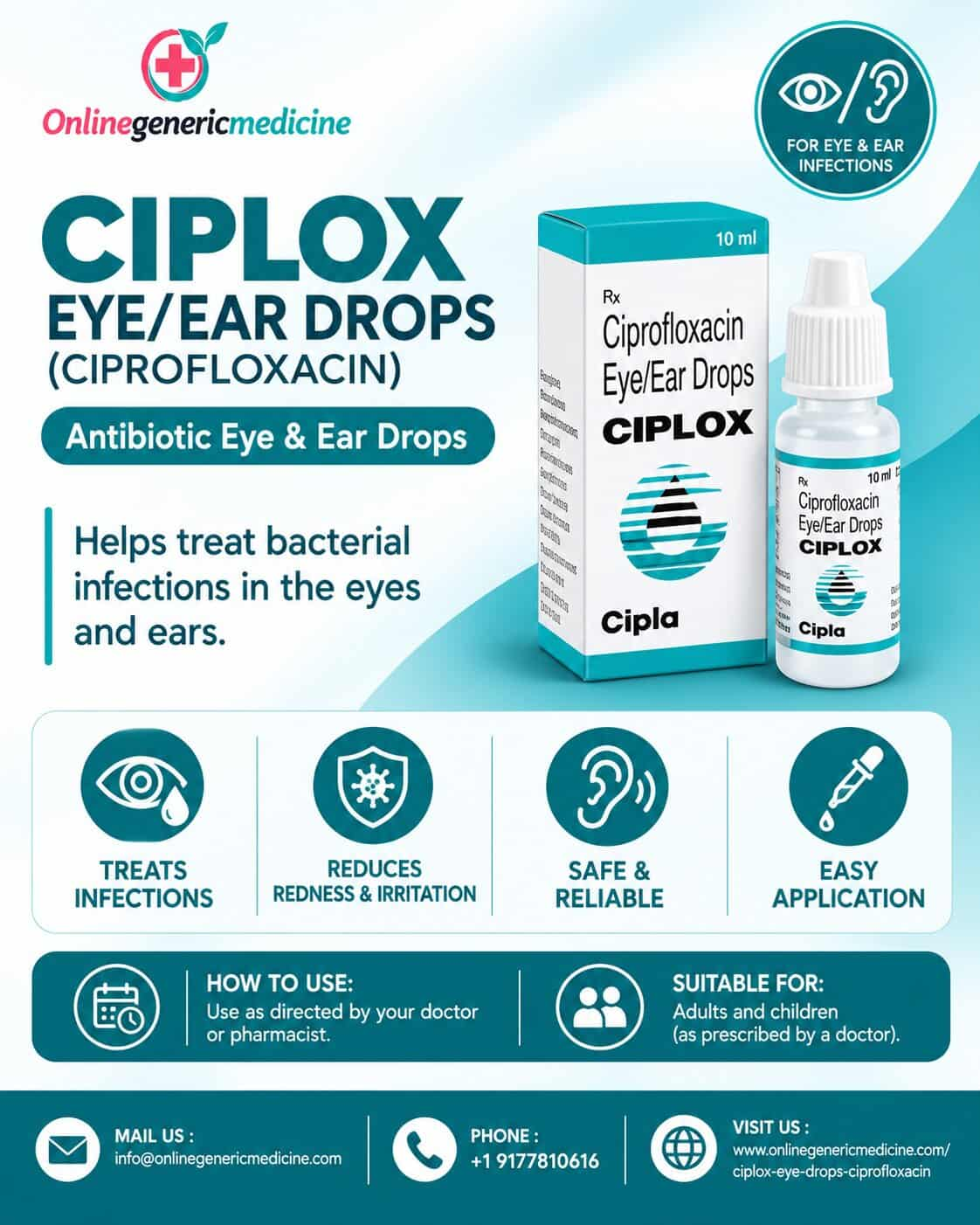
Ciplox Eye/Ear Drops is an antibiotic medicine containing ciprofloxacin. It belongs to a group of medicines called fluoroquinolone antibiotics. It is used to treat certain bacterial infections of the eyes or ears, depending on the specific formulation.Ciprofloxacin works by stopping bacteria from growing and multiplying. This helps control bacterial infections when the medicine is used as directed by a healthcare professional.What Are Ciplox Eye/Ear Drops?Ciplox Eye/Ear Drops contains ciprofloxacin, an antibiotic that acts against different types of bacteria. The eye formulation may be prescribed for bacterial eye infections, while the ear formulation may be prescribed for certain bacterial ear infections.Although both formulations contain ciprofloxacin, eye drops and ear drops are not automatically interchangeable. Always check the product label and use the formulation intended for the affected area.Uses of Ciplox Eye/Ear DropsThe uses depend on whether the product is formulated for the eyes or ears.1. Ciprofloxacin Eye DropsCiprofloxacin eye drops may be prescribed for certain bacterial eye infections, including:Bacterial conjunctivitis (pink eye).Certain infections affecting the surface of the eye.Other bacterial eye infections diagnosed by a healthcare professional.These drops do not treat viral or fungal eye infections.2. Ciprofloxacin Ear DropsCiprofloxacin ear drops may be prescribed for certain bacterial ear infections, including:Outer ear infections (otitis externa).Bacterial infections of the ear canal.Certain ear infections associated with ear tubes or a perforated eardrum, when the specific formulation is approved for that use.The appropriate formulation depends on the type and location of the infection.How Do Ciplox Eye/Ear Drops Work?Ciprofloxacin works by blocking bacterial enzymes called DNA gyrase and topoisomerase IV. Bacteria need these enzymes to copy and repair their genetic material.By blocking these enzymes, ciprofloxacin prevents bacteria from multiplying and helps control the infection.How to Use Ciplox Eye/Ear DropsUse the drops according to the product label and your healthcare professional's instructions.How to Use Ciprofloxacin Eye DropsWash your hands before using the drops.Tilt your head back and gently pull down the lower eyelid.Hold the dropper above the eye without touching the eye or surrounding skin.Place the prescribed number of drops into the affected eye.Close your eye gently for a short time.Replace the cap securely after use.How to Use Ciprofloxacin Ear DropsWash your hands before using the drops.Warm the bottle gently in your hands if instructed.Lie down or tilt your head so the affected ear faces upward.Place the prescribed number of drops into the ear canal without touching the dropper to the ear.Keep your head tilted for the time recommended in the product instructions.Replace the cap after use.Do not use eye drops in the ears or ear drops in the eyes unless the product label or a healthcare professional specifically confirms that the formulation is suitable.Possible Side EffectsSome people may experience side effects while using Ciplox Eye/Ear Drops. The effects can differ depending on the formulation.Common Side EffectsEye drops may cause:Temporary eye irritation.Mild burning or stinging.Eye redness.Watery eyes.Blurred vision for a short time after application.Ear drops may cause:Ear discomfort.Mild itching.Temporary irritation.Unusual taste in the mouth in some cases.Serious Side EffectsSeek medical advice if you experience:Severe irritation or swelling.Signs of an allergic reaction, such as rash or facial swelling.Worsening pain or redness.New or worsening hearing-related symptoms.Stop using the medicine and seek urgent medical attention if you experience symptoms of a serious allergic reaction.Precautions While Using Ciplox Eye/Ear DropsCheck the formulation: Confirm whether the product is intended for the eyes or ears.Follow the prescribed instructions: Use the recommended number of drops and treatment duration.Avoid touching the dropper: This helps prevent contamination.Do not share the bottle: Sharing may spread infection.Remove contact lenses if instructed: Follow the eye-drop product label or professional advice.Inform your healthcare professional: Mention allergies and other medicines you use.Complete the prescribed course: Do not stop treatment early unless advised by your healthcare professional.Seek medical advice if symptoms worsen: Do not continue self-treatment when the infection is not improving.Drug InteractionsTell your healthcare professional about all medicines and eye or ear products you use. This includes:Other antibiotic eye or ear drops.Steroid-containing eye or ear preparations.Other prescription medicines.Over-the-counter eye or ear products.Medicines that have previously caused an allergic reaction.If you use more than one eye product, ask how much time to leave between applications.Ciprofloxacin Eye Drops PriceThe ciprofloxacin eye drops price may vary depending on the brand, concentration, bottle size, manufacturer, pharmacy, and country.Before comparing prices, check the product strength, quantity, and formulation. A product intended for the eyes should not be confused with an ear formulation.Ciprofloxacin Ear Drops PriceThe ciprofloxacin ear drops price can vary according to the brand, concentration, bottle size, manufacturer, and location.Check the product label to confirm that the drops are intended for ear use. Products with different ingredients or combinations may have different prices.Storage InstructionsStore the drops according to the instructions on the packaging.Keep the bottle tightly closed when not in use.Protect it from excessive heat and direct sunlight.Keep it away from children and pets.Do not use the drops after the expiry date.Follow the label instructions about how long the bottle can be used after opening.Ciplox Eye/Ear Drops Information at Online Generic MedicineOnline Generic Medicine provides medicine-related information to help readers understand product ingredients, uses, precautions, and possible side effects. Check the product description and packaging to confirm the formulation, strength, and intended use before using any medicine.Frequently Asked Questions1. What are Ciplox Eye/Ear Drops used for?Ciplox contains ciprofloxacin, an antibiotic used for certain bacterial eye or ear infections. Its use depends on the specific formulation.2. Are ciprofloxacin eye drops used for conjunctivitis?Yes. Ciprofloxacin eye drops may be prescribed for bacterial conjunctivitis. They do not treat viral or allergic conjunctivitis.3. What is the ciprofloxacin eye drops price?The ciprofloxacin eye drops price varies depending on the brand, strength, bottle size, manufacturer, and location.4. What are ciprofloxacin ear drops used for?Ciprofloxacin ear drops may be prescribed for certain bacterial ear infections, including outer ear infections. The exact use depends on the formulation.5. What is the ciprofloxacin ear drops price?The ciprofloxacin ear drops price depends on the product brand, concentration, bottle size, manufacturer, and location.6. Can Ciplox eye drops be used in the ears?Do not assume that eye drops can be used in the ears. Check the product label and ask a healthcare professional before using a formulation for a different purpose.7. Can Ciplox Eye/Ear Drops treat viral infections?No. Ciprofloxacin is an antibiotic that acts against susceptible bacteria. It does not treat viral or fungal infections.8. What should I do if I experience irritation after using the drops?Mild temporary irritation may occur. If irritation is severe, continues, or becomes worse, contact a healthcare professional.ConclusionCiplox Eye/Ear Drops contains ciprofloxacin, an antibiotic used for certain bacterial infections. The eye and ear formulations have different intended uses, so it is important to check the product label before application. Follow the prescribed instructions and seek medical advice if symptoms worsen or do not improve.

Lachi jackmup
Read arrow_forward
article
Health & Wellness
Nov 02, 2026 • visibility 18 • 6 min read

Tegretol Tablet: Uses, Benefits, and Important Precautions | Online Generic Medicine

Maintaining good health means understanding medical conditions and the treatments available to manage them. Some neurological conditions can affect everyday activities, so appropriate medical care is important. Tegretol Tablet is a prescription medicine used to manage specific conditions related to nerve activity and brain function.What Is Tegretol Tablet?Tegretol Tablet contains carbamazepine as its active ingredient. It belongs to a group of medicines called anticonvulsants. It works by reducing abnormal electrical activity in the brain and influencing the way certain nerve signals are transmitted.Doctors commonly prescribe carbamazepine for certain types of epilepsy, nerve-related facial pain, and some mood conditions.How Does Tegretol Work?Carbamazepine helps stabilise overactive nerve cells by affecting sodium channels involved in transmitting electrical signals.This action may help:Reduce certain types of seizures.Manage nerve-related facial pain.Help control manic episodes in people with bipolar I disorder.The medicine does not cure these conditions, but it can help manage symptoms when used as prescribed.Common Medical Uses of Tegretol1. Epilepsy ManagementTegretol is prescribed for certain types of epilepsy. It helps reduce abnormal electrical activity in the brain, which may lower the frequency of seizures.2. Nerve-Related Facial PainCarbamazepine is commonly used to manage trigeminal neuralgia, a condition that can cause sudden episodes of intense facial pain.3. Mood ManagementIn selected cases, carbamazepine may be prescribed to help manage manic episodes associated with bipolar I disorder.The appropriate treatment depends on the individual's diagnosis and medical history.Important Precautions Before Taking TegretolBefore starting treatment, discuss your medical history and current medicines with your healthcare professional.Follow the prescribed dosage: Take the medicine exactly as directed.Do not stop suddenly: Stopping carbamazepine without medical guidance may cause seizures to return or worsen.Discuss other medicines: Carbamazepine can interact with several prescription medicines, supplements, and hormonal contraceptives.Avoid alcohol: Alcohol may increase drowsiness and dizziness.Attend regular check-ups: Your doctor may recommend blood tests to monitor blood cell counts, liver function, and medicine levels.Discuss pregnancy plans: Carbamazepine may affect pregnancy, so seek medical advice if you are pregnant or planning a pregnancy.Possible Side EffectsSome people may experience dizziness, drowsiness, nausea, vomiting, dry mouth, or difficulty with coordination.Rarely, carbamazepine can cause serious skin reactions or changes in blood cell counts. Seek immediate medical attention if you develop a severe rash, blistering, peeling skin, mouth sores, unexplained fever, or unusual bruising.Avoid driving or operating machinery if you feel sleepy or dizzy after taking the medicine.Supporting Your Health During TreatmentAlong with following your prescribed treatment, a few everyday habits may support general well-being:Maintain a regular sleep schedule.Take your medicine consistently as prescribed.Avoid alcohol during treatment.Keep a record of any unusual symptoms.Attend scheduled medical appointments.Inform your doctor about any new medicines or supplements.Explore Tegretol Tablet InformationUnderstanding a medicine's ingredients, uses, and precautions can help you make informed healthcare decisions.Visit the Tegretol Tablet page at Online Generic Medicine to review the available product information.Final ThoughtsTegretol Tablet contains carbamazepine, a medicine used to manage certain neurological conditions and mood-related symptoms. Its use requires proper medical supervision, regular monitoring, and attention to possible side effects.Always follow your healthcare professional's instructions and avoid changing or stopping the treatment on your own. Online Generic Medicine.

Tannu Jackmup
Read arrow_forward
article
Health & Wellness
Oct 31, 2026 • visibility 25 • 16 min read

Lab Technician Jobs in India: Career Opportunities, Qualifications and Growth

India’s healthcare industry continues to grow, increasing the need for skilled laboratory professionals who support doctors and other medical practitioners in diagnosing and monitoring diseases. Medical laboratory technicians play an important role in healthcare by collecting, processing and analyzing samples to provide accurate diagnostic information.From hospitals and diagnostic laboratories to research centers and pathology clinics, lab technicians have opportunities to build careers in different healthcare settings. Whether you are a fresh graduate or an experienced laboratory professional, understanding the available roles, qualifications and career opportunities can help you choose the right path.Professionals looking for lab technician jobs in Delhi can explore relevant healthcare employment opportunities through MedConnect.1. Growing Demand for Lab Technicians in IndiaMedical laboratories are an essential part of modern healthcare. Doctors rely on laboratory reports to identify medical conditions, monitor treatment progress and make informed clinical decisions.The demand for laboratory professionals is influenced by several factors:Expansion of hospitals and diagnostic centers.Increasing demand for preventive health checkups.Growth in pathology and diagnostic services.Greater use of advanced laboratory equipment.Increasing awareness of early disease detection.Expansion of medical research and healthcare facilities.These developments create employment opportunities for trained laboratory professionals in both established healthcare institutions and growing diagnostic organizations.2. Popular Lab Technician Job Roles in IndiaLab technicians can explore different positions depending on their education, practical skills and professional experience.Medical Laboratory TechnicianMedical laboratory technicians collect, prepare and analyze samples such as blood, urine and other bodily fluids. They help ensure that laboratory tests are performed accurately and that results are properly documented.Pathology Lab TechnicianPathology lab technicians assist with the examination of samples to help identify diseases and medical conditions. They may work in hospitals, pathology laboratories and diagnostic centers.Microbiology Lab TechnicianMicrobiology lab technicians work with microorganisms such as bacteria, viruses and fungi. Their responsibilities may include preparing cultures, conducting laboratory tests and maintaining laboratory records.Biochemistry Lab TechnicianBiochemistry lab technicians perform tests that help evaluate substances in blood and other samples. Their work supports the diagnosis and monitoring of various medical conditions.Blood Bank TechnicianBlood bank technicians assist with blood collection, blood grouping, compatibility testing and the proper storage of blood products. Accuracy and attention to detail are essential in this role.PhlebotomistPhlebotomists collect blood samples from patients for laboratory testing. They must follow appropriate collection procedures, maintain hygiene and ensure that samples are correctly labeled.3. Qualifications Required for Lab Technician JobsThe educational requirements for laboratory positions depend on the employer and the responsibilities of the role.Common qualifications include:Diploma in Medical Laboratory Technology (DMLT): Provides foundational knowledge and practical training in medical laboratory procedures.Bachelor of Medical Laboratory Technology (BMLT): Offers broader education in laboratory sciences, diagnostic testing and laboratory operations.B.Sc. in Medical Laboratory Technology: Prepares students for technical responsibilities in medical and diagnostic laboratories.Relevant postgraduate qualifications: May support advanced opportunities in specialized laboratory fields.Candidates should also develop practical knowledge of laboratory equipment, sample handling, testing procedures, safety protocols and quality control.Before applying, candidates should review the specific educational and experience requirements mentioned in each job listing.4. Essential Skills for a Successful Lab Technician CareerTechnical knowledge is important for laboratory professionals, but several additional skills contribute to accuracy, efficiency and career development.Attention to detail: Laboratory technicians must handle samples carefully and follow testing procedures accurately.Technical knowledge: Understanding laboratory instruments, testing methods and diagnostic procedures is essential for daily responsibilities.Sample handling: Proper collection, labeling, storage and processing of samples help maintain the reliability of test results.Knowledge of safety procedures: Laboratory professionals must follow hygiene, infection control and biosafety practices.Time management: Managing multiple samples and completing tests within required timelines requires effective organization.Communication: Lab technicians must communicate clearly with doctors, laboratory supervisors and other healthcare professionals.Continuous learning: Staying updated with new diagnostic technologies and laboratory procedures can support long-term career growth.5. Lab Technician Job Opportunities in Delhi and Other Major CitiesHealthcare institutions across India recruit laboratory professionals to support diagnostic and clinical services.Delhi offers opportunities in hospitals, diagnostic laboratories, pathology centers and specialized healthcare facilities. Candidates can explore positions based on their qualifications, experience and technical expertise.Other major cities with healthcare employment opportunities include:Mumbai: Opportunities across hospitals, pathology laboratories and diagnostic centers.Pune: Laboratory positions in healthcare institutions and diagnostic facilities.Bengaluru: Opportunities in hospitals, specialized laboratories and healthcare organizations.Hyderabad: Employment options across diagnostic services and medical institutions.Chennai: Opportunities in pathology laboratories, hospitals and specialized diagnostic centers.Job availability and eligibility requirements vary by employer. Candidates should carefully review each vacancy before submitting an application.6. How Technology Is Changing Medical Laboratory CareersTechnology is transforming medical diagnostics and laboratory operations. Modern laboratories increasingly use automated equipment, digital reporting systems and advanced testing methods to improve efficiency and support accurate diagnosis.Some important developments include:Automated laboratory testing systems.Digital laboratory information management systems.Advanced molecular diagnostic techniques.Improved sample tracking and reporting.Technology-enabled quality control.Integration of laboratory results with digital patient records.These developments are creating opportunities for laboratory professionals who are willing to develop new technical skills and adapt to changing diagnostic practices.Technology is also influencing the wider healthcare employment market. Read more about how digital health is creating new career opportunities in India to understand how digital transformation is shaping healthcare careers.7. How to Find Lab Technician Jobs in IndiaFinding a suitable laboratory position requires identifying opportunities that match your qualifications, technical abilities and career goals.Here are some practical steps to follow:Prepare an updated resume: Include your educational qualifications, laboratory training, practical experience and technical skills.Identify suitable positions: Search for roles such as medical laboratory technician, pathology technician, microbiology technician and phlebotomist.Check eligibility requirements: Review the qualifications, experience and technical skills required by each employer.Explore healthcare recruitment platforms: Use platforms that connect healthcare professionals with hospitals and medical organizations.Apply with accurate details: Provide complete educational and professional information when submitting applications.Prepare for interviews: Be ready to discuss laboratory procedures, sample handling, equipment knowledge and safety practices.Candidates exploring opportunities across different locations can discover medical jobs in India through MedConnect. The platform connects healthcare professionals with institutions and helps candidates explore relevant employment opportunities.8. Career Growth Opportunities for Lab TechniciansLaboratory professionals can develop their careers by gaining practical experience, improving technical knowledge and pursuing additional qualifications.Potential career development paths include:Senior Laboratory Technician: Experienced professionals may take on additional responsibilities involving testing procedures, sample management and laboratory operations.Laboratory Supervisor: With suitable experience and qualifications, technicians may progress into supervisory roles involving staff coordination and workflow management.Specialized Laboratory Roles: Professionals can develop expertise in areas such as microbiology, biochemistry, hematology and molecular diagnostics.Quality Control Roles: Laboratory professionals with relevant knowledge may explore positions focused on maintaining testing standards, documentation and quality assurance.Laboratory Management: Additional education and experience may support progression into laboratory administration and management positions.Continuous professional development and familiarity with modern diagnostic technologies can help laboratory professionals expand their career opportunities.9. Why Use MedConnect to Explore Lab Technician Jobs?MedConnect is a healthcare-focused professional networking and hiring platform designed to connect healthcare professionals with hospitals and medical organizations across India.Lab technicians can use MedConnect to explore relevant job listings, create professional profiles and discover employment opportunities. Healthcare employers can also use the platform to connect with candidates who have the qualifications and skills required for laboratory positions.By bringing healthcare professionals and employers together, MedConnect aims to make healthcare recruitment and professional connections more accessible.ConclusionLab technician jobs in India offer career opportunities across hospitals, pathology laboratories, diagnostic centers, blood banks and specialized medical facilities. With suitable qualifications, practical laboratory skills and a commitment to continuous learning, professionals can build rewarding careers in medical diagnostics.As healthcare technology and diagnostic services continue to develop, trained laboratory professionals will remain important to the healthcare ecosystem. MedConnect helps connect laboratory professionals with healthcare institutions and employment opportunities across India, making it easier to explore relevant career options.Frequently Asked Questions (FAQs)1. Where can I find the latest lab technician job vacancies on MedConnect?Candidates can visit MedConnect to explore available laboratory job listings across different cities and healthcare organizations.2. How can I apply for lab technician jobs through MedConnect?Candidates can review relevant job listings on MedConnect, check the eligibility requirements and follow the application instructions provided for each vacancy.3. Can fresh DMLT graduates find jobs through MedConnect?Fresh DMLT graduates can explore suitable entry-level laboratory positions listed on MedConnect, depending on the qualifications and experience requirements specified by employers.4. Does MedConnect provide lab technician job opportunities in Delhi?Candidates can explore laboratory job listings in Delhi through MedConnect and review the qualifications and experience required for available positions.5. Can BMLT and B.Sc. Medical Laboratory Technology graduates find jobs on MedConnect?Yes. Graduates can explore laboratory positions that match their educational qualifications, practical training and professional experience.6. Can experienced lab technicians find specialized positions through MedConnect?Experienced laboratory professionals can explore relevant opportunities in areas such as pathology, microbiology, biochemistry and other laboratory services, depending on available vacancies.7. Can hospitals and diagnostic centers use MedConnect to recruit lab technicians?Yes. Healthcare employers can use MedConnect to connect with laboratory professionals and support their recruitment requirements.8. Why should lab technicians use MedConnect to explore healthcare careers?MedConnect focuses on healthcare recruitment and professional networking. Laboratory professionals can use the platform to discover job opportunities and connect with healthcare organizations across India.

Aayush Medconnect
Read arrow_forward
article
Health & Wellness
Oct 31, 2026 • visibility 25 • 15 min read

Doctor Jobs in India: Career Opportunities, Specializations and Growth

India’s healthcare sector is expanding, creating new career opportunities for qualified doctors across hospitals, clinics, diagnostic centers, specialized healthcare facilities and community health programs. From general medicine and emergency care to specialized clinical practice, doctors play an essential role in improving patient outcomes and strengthening healthcare services.As healthcare institutions grow and medical services become more specialized, the demand for skilled medical professionals continues to create diverse career opportunities. Whether you are a recent MBBS graduate, an experienced medical officer or a specialist looking for a new position, understanding the available roles can help you make informed career decisions.Medical professionals exploring doctor jobs in Mumbai can use MedConnect to discover relevant healthcare employment opportunities.1. Growing Demand for Doctors in IndiaIndia’s healthcare ecosystem includes government and private hospitals, multispecialty institutions, nursing homes, clinics, diagnostic centers and emerging healthcare organizations. Each of these facilities requires doctors with different qualifications, experience levels and clinical skills.Several factors contribute to the growing demand for medical professionals:Expansion of hospitals and specialized healthcare facilities.Increasing demand for primary and preventive healthcare.Growth in emergency and critical care services.Greater focus on specialized medical treatment.Expansion of healthcare services in urban and developing regions.Increasing use of digital health technologies and telemedicine.These developments create opportunities for doctors at different stages of their careers, from entry-level clinical positions to senior consultant and specialist roles.2. Popular Doctor Job Roles in IndiaDoctors can explore different career opportunities depending on their qualifications, clinical interests, specialization and professional experience.General PhysicianGeneral physicians examine patients, diagnose common medical conditions and recommend appropriate treatments. They may work in hospitals, clinics, outpatient departments and primary healthcare facilities.Medical OfficerMedical officers provide clinical services, assess patients, manage routine medical cases and coordinate with other healthcare professionals. These positions are available in hospitals, healthcare centers and community health programs.Resident Medical OfficerResident Medical Officers support the day-to-day delivery of patient care within hospitals. Their responsibilities may include monitoring patients, responding to emergencies, maintaining clinical records and coordinating with senior doctors.Specialist DoctorSpecialist doctors focus on specific medical disciplines after completing the required postgraduate qualifications and training. Common specializations include:CardiologyDermatologyPediatricsOrthopedicsGynecologyNeurologyOncologyRadiologyAnesthesiologyEmergency and Critical Care DoctorEmergency and critical care doctors manage patients who require urgent medical attention or continuous monitoring. These positions require strong clinical judgment, effective decision-making and the ability to work in demanding situations.3. Qualifications Required for Doctor JobsThe qualifications required for a medical position depend on the role, specialization and employer’s requirements.Common medical qualifications include:MBBS: A foundational medical qualification for many general medical and medical officer positions.MD: A postgraduate qualification for doctors pursuing advanced training in relevant medical disciplines.MS: A postgraduate surgical qualification for doctors pursuing surgical specializations.DM: A super-specialty qualification in selected medical disciplines.MCh: An advanced surgical super-specialty qualification.Candidates should also hold the applicable registration with the relevant medical council and meet the licensing, experience and eligibility requirements for the position.4. Essential Skills for a Successful Medical CareerMedical qualifications are essential, but professional skills also contribute to career development and effective patient care.Clinical decision-making: Doctors must evaluate symptoms, medical histories and diagnostic findings to make appropriate clinical decisions.Communication: Clear communication helps doctors explain diagnoses, treatment plans and follow-up requirements to patients and their families.Patient-centered care: Understanding patient concerns and treating individuals with empathy supports a positive healthcare experience.Teamwork: Doctors regularly coordinate with nurses, laboratory technicians, pharmacists and other healthcare professionals.Time management: Managing consultations, clinical responsibilities and documentation requires effective organization.Continuous learning: Medical knowledge and treatment practices continue to evolve, making professional development important throughout a doctor’s career.5. Doctor Job Opportunities in Mumbai and Other Major CitiesMajor Indian cities offer diverse employment opportunities because of their hospitals, specialty centers, clinics and expanding healthcare infrastructure.Mumbai has opportunities across general medicine, emergency care, critical care and specialized medical departments. Doctors can explore hospital-based positions as well as opportunities in clinics and other healthcare organizations.Other major healthcare employment hubs include:Delhi: Opportunities across multispecialty hospitals, specialty centers and clinics.Pune: Roles in hospitals, healthcare institutions and outpatient facilities.Bengaluru: Opportunities in established hospitals and expanding healthcare organizations.Hyderabad: Employment options across general and specialized medical services.Chennai: Opportunities in hospitals, diagnostic facilities and specialty healthcare centers.The availability of positions changes according to employer requirements, specialization and experience. Candidates should review individual job descriptions carefully before applying.6. How Digital Health Is Creating New Career OpportunitiesDigital healthcare is changing how medical services are delivered and how healthcare professionals connect with patients and institutions.Telemedicine, digital patient records, online consultations and technology-enabled healthcare services are creating new ways for doctors to participate in the healthcare ecosystem.Doctors may find opportunities involving:Online patient consultations.Telemedicine services.Digital healthcare platforms.Remote patient monitoring.Healthcare technology organizations.Clinical coordination and digital health programs.These developments are also changing how healthcare professionals discover career opportunities. Read more about how digital health is creating new career opportunities in India to understand how technology is influencing the healthcare employment landscape.7. How to Find Medical Jobs in IndiaFinding a suitable medical position involves more than searching for vacancies. Doctors should identify roles that match their qualifications, experience, specialization and preferred work environment.Here are some practical steps:Prepare an updated CV: Include your qualifications, medical registration details, clinical experience, specializations and relevant certifications.Identify suitable roles: Look for positions that match your professional background and career goals.Review job requirements: Check experience criteria, responsibilities, employment type and location.Use healthcare recruitment platforms: Explore dedicated platforms that connect doctors with hospitals and healthcare employers.Apply with accurate information: Ensure your application and professional details are complete and up to date.Prepare for interviews: Be ready to discuss your clinical experience, professional interests and approach to patient care.Doctors looking for opportunities across different regions can explore medical jobs in India through MedConnect. The platform connects healthcare professionals with institutions and helps candidates discover relevant employment opportunities.8. Career Growth Opportunities for DoctorsA medical career can develop in several directions depending on a doctor’s interests, qualifications and experience.Clinical specialization: Doctors can pursue postgraduate and super-specialty training to develop expertise in a particular medical discipline.Consultant positions: Experienced specialists may progress into consultant roles with greater clinical responsibility.Hospital leadership: Doctors with relevant experience and management capabilities may explore medical administration, clinical leadership and departmental management.Teaching and research: Academic institutions and research organizations offer opportunities for doctors interested in medical education and clinical research.Digital healthcare: Technology-enabled healthcare services provide additional professional pathways in telemedicine, clinical operations and digital health programs.Career growth often involves continuous learning, professional networking and gaining experience across different clinical settings.9. Why Use MedConnect to Explore Doctor Jobs?MedConnect is a healthcare-focused professional networking and hiring platform designed to connect doctors, nurses, hospitals and healthcare institutions across India.Doctors can use the platform to explore job listings, create professional profiles and connect with healthcare organizations. Hospitals and recruiters can also use MedConnect to discover qualified healthcare professionals and support their recruitment requirements.By bringing healthcare professionals and employers together, MedConnect aims to make professional connections and healthcare recruitment more accessible.ConclusionDoctor jobs in India offer diverse career opportunities across general medicine, specialist practice, emergency care, critical care, hospital services and digital healthcare. With the right qualifications, relevant experience and a commitment to continuous learning, medical professionals can explore positions that align with their long-term career goals.Finding the right opportunity becomes easier when doctors use platforms focused on the healthcare industry. MedConnect helps connect medical professionals with healthcare institutions and job opportunities across India, supporting career development within the healthcare ecosystem.Frequently Asked Questions (FAQs)1. Where can I find the latest doctor job vacancies on MedConnect?Doctors can visit MedConnect to explore available medical job listings across different cities, healthcare institutions and specializations.2. How can I apply for doctor jobs through MedConnect?Candidates can explore relevant job listings, review the eligibility criteria and follow the application instructions provided with each vacancy.3. Can fresh MBBS graduates find job opportunities on MedConnect?Fresh MBBS graduates can explore suitable entry-level medical positions listed on MedConnect, subject to the qualifications and experience requirements specified by employers.4. Does MedConnect provide doctor job opportunities in Mumbai?Doctors can explore available Mumbai job listings through MedConnect and review individual vacancy requirements, qualifications and application details.5. Can specialist doctors find jobs through MedConnect?Yes. Specialist doctors can explore relevant listings based on their qualifications, clinical experience and areas of specialization.6. Can experienced doctors find senior medical positions on MedConnect?Experienced doctors can explore suitable opportunities, including specialist and senior clinical roles, depending on the vacancies listed by healthcare employers.7. Can hospitals use MedConnect to recruit doctors?Yes. Hospitals and healthcare institutions can use MedConnect to post job openings, discover healthcare professionals and connect with potential candidates.8. Why should doctors use MedConnect to explore healthcare careers?MedConnect focuses on the healthcare industry and brings medical professionals and healthcare institutions together. Doctors can use the platform to explore job opportunities, build professional connections and discover potential career paths.

Aayush Medconnect
Read arrow_forward
article
Health & Wellness
Oct 31, 2026 • visibility 26 • 12 min read

Nursing Jobs in India: Career Opportunities, Qualifications and Growth

The healthcare industry in India offers growing career opportunities for qualified nursing professionals across hospitals, speciality clinics, diagnostic centres, and healthcare organisations. Nurses play an essential role in patient care, medical assistance, treatment coordination, and recovery support. With healthcare facilities expanding across the country, professionals can explore opportunities such as Nursing Jobs in Pune and other nursing positions across different healthcare institutions.Growing Demand for Nursing Professionals in IndiaNursing professionals are an important part of the healthcare workforce. They work alongside doctors, specialists, and other medical professionals to provide quality patient care.The demand for qualified nurses extends across several healthcare settings, including:Government and private hospitalsMulti-speciality healthcare centresIntensive care unitsEmergency departmentsMaternity and paediatric hospitalsRehabilitation centresHome healthcare servicesCommunity healthcare organisationsHealthcare institutions require nurses with different qualifications, experience levels, and clinical specialisations to support their patient-care requirements.Different Types of Nursing Jobs in IndiaNursing offers multiple career paths depending on educational qualifications, clinical experience, and professional interests.1. Staff Nurse JobsStaff nurses provide direct patient care in hospitals and healthcare centres. Their responsibilities include monitoring patients, administering prescribed medications, maintaining medical records, assisting doctors, and supporting treatment procedures.2. ICU Nurse JobsICU nurses work in intensive care units and assist in caring for critically ill patients. They monitor vital signs, support emergency procedures, operate relevant medical equipment, and coordinate with critical care specialists.3. Emergency Nurse JobsEmergency nurses provide immediate nursing assistance to patients requiring urgent medical attention. They work in emergency departments, trauma centres, and specialised emergency care facilities.4. Operation Theatre Nurse JobsOperation theatre nurses assist surgeons and medical teams during surgical procedures. Their responsibilities include preparing surgical equipment, maintaining sterile environments, assisting during operations, and supporting post-operative care.5. Staff Nurse Jobs in Maternity and Paediatric CareNurses working in maternity and paediatric departments support maternal health, newborn care, child healthcare, and patient monitoring.These positions require specialised knowledge and the ability to provide appropriate care to mothers, newborns, and children.Qualifications Required for Nursing Jobs in IndiaEducational qualifications play an important role in nursing recruitment. Different positions require different academic backgrounds and professional credentials.Some common nursing qualifications include:ANM (Auxiliary Nurse Midwifery): Provides foundational nursing and community healthcare training.GNM (General Nursing and Midwifery): Prepares candidates for general nursing and patient-care responsibilities.B.Sc Nursing: Provides professional nursing education and clinical training.Post Basic B.Sc Nursing: Offers further academic development for eligible nursing professionals.M.Sc Nursing: Supports advanced nursing education and specialisation.Candidates should also meet applicable professional registration and licensing requirements for the positions they pursue.Nursing Career Opportunities Across Major Indian CitiesHealthcare recruitment opportunities are available across several Indian cities, each with hospitals, speciality clinics, and healthcare institutions.Some important locations for nursing professionals include:MumbaiPuneDelhiBengaluruHyderabadChennaiKolkataAhmedabadJaipurLucknowCandidates can explore vacancies according to their preferred location, qualifications, clinical experience, and specialisation.How Digital Healthcare Is Transforming Nursing CareersDigital technology is changing how healthcare organisations manage patient services and medical operations. Electronic health records, telemedicine, remote patient monitoring, and digital healthcare platforms are creating new ways for medical professionals to participate in healthcare delivery.Nursing professionals may find opportunities in remote patient support, digital health coordination, patient monitoring, and healthcare documentation.Professionals interested in technology-driven healthcare careers can also explore How Digital Health Is Creating New Career Opportunities in India.Developing digital literacy, communication skills, and familiarity with healthcare information systems can help nursing professionals prepare for evolving workplace requirements.Essential Skills for Nursing ProfessionalsAlong with educational qualifications, employers look for practical skills that support effective patient care.Important nursing skills include:Patient Care: Understanding patient requirements and providing appropriate nursing assistance.Clinical Knowledge: Understanding medical procedures, patient monitoring, and treatment protocols.Communication: Coordinating effectively with doctors, patients, families, and healthcare teams.Time Management: Managing multiple patient-care responsibilities efficiently.Technical Skills: Using medical equipment and maintaining accurate patient documentation.Emergency Response: Responding appropriately to urgent patient-care situations.Teamwork: Collaborating with healthcare professionals across different departments.Continuous learning and professional development can help nurses strengthen their capabilities and explore specialised career opportunities.How to Find Nursing Jobs in IndiaFinding relevant nursing vacancies requires access to suitable job listings and healthcare recruitment opportunities.MedConnect provides a dedicated healthcare recruitment platform where nursing professionals can explore available vacancies and connect with healthcare organisations.Candidates can explore Medical Jobs in India across different healthcare professions and locations.The job search process can include:Creating a professional profile with educational qualifications.Adding nursing registration details and clinical experience.Exploring vacancies according to preferred locations.Reviewing job descriptions and employer requirements.Applying for suitable nursing positions.Connecting with healthcare recruiters and institutions.Keeping professional information updated can help candidates present their qualifications and experience when applying for relevant vacancies.Career Growth Opportunities for Nurses in IndiaNursing offers several opportunities for professional development and career advancement. With additional education, clinical experience, and specialised training, nurses can pursue different professional responsibilities.Some potential career paths include:Senior Staff NurseNursing SupervisorNursing OfficerICU Nursing SpecialistNursing EducatorClinical Nurse CoordinatorNursing AdministratorNursing Department ManagerCareer progression depends on qualifications, experience, institutional requirements, and applicable professional standards.ConclusionNursing is an essential profession within India's healthcare ecosystem. From general patient care to intensive care, emergency services, maternity care, and nursing administration, professionals can explore multiple career opportunities across different healthcare settings.Developing clinical skills, gaining practical experience, and staying updated with healthcare developments can support long-term professional growth.Platforms such as MedConnect help nursing professionals discover healthcare vacancies and connect with potential employers. Whether candidates are looking for opportunities in Pune, Mumbai, or other Indian cities, access to relevant healthcare job listings can support their career journey.Frequently Asked Questions (FAQs)1. Where can I find the latest nursing job vacancies on MedConnect?Nursing professionals can explore available nursing vacancies through MedConnect, where they can discover healthcare employment opportunities across different locations and healthcare institutions.2. How can I apply for nursing jobs through MedConnect?Candidates can visit MedConnect, explore relevant nursing vacancies, review eligibility requirements, and apply for positions matching their qualifications and professional experience.3. Can fresh nursing graduates find jobs through MedConnect?Yes. Fresh nursing graduates can explore suitable entry-level nursing vacancies listed on MedConnect, depending on employer requirements and available opportunities.4. Does MedConnect provide nursing job opportunities in Mumbai and Pune?Candidates can explore nursing vacancies across different Indian cities through MedConnect, including opportunities in Mumbai and Pune.5. Can GNM and B.Sc Nursing candidates find jobs on MedConnect?Yes. Candidates with GNM, B.Sc Nursing, and other relevant nursing qualifications can explore suitable vacancies according to their eligibility and employer requirements.6. Can experienced nurses find specialised nursing positions through MedConnect?Yes. Experienced nursing professionals can explore relevant opportunities in areas such as intensive care, emergency nursing, operation theatre services, maternity care, and other specialised departments.7. How can hospitals recruit qualified nurses through MedConnect?Hospitals and healthcare organisations can use MedConnect's healthcare recruitment platform to connect with nursing professionals and explore candidates for different nursing positions.8. Why should nursing professionals use MedConnect for their job search?MedConnect provides a dedicated healthcare recruitment network that helps nursing professionals discover relevant vacancies, explore employment opportunities across locations, and connect with healthcare employers.

Aayush Medconnect
Read arrow_forward
article
Health & Wellness
Oct 31, 2026 • visibility 15 • 13 min read

Healthcare Jobs in India: Career Opportunities Across Medical Professions

India's healthcare industry offers diverse career opportunities for doctors, nurses, pharmacists, laboratory technicians, physiotherapists, and hospital administration professionals. With the expansion of hospitals, speciality clinics, diagnostic centres, and healthcare organisations, the demand for qualified medical professionals continues to create employment opportunities across different healthcare sectors. Professionals looking for regional opportunities can explore Medical Jobs in Mumbai and discover suitable positions across hospitals, clinics, and medical institutions.Growing Demand for Healthcare Professionals in IndiaThe healthcare sector plays an important role in India's economic and social development. Hospitals, nursing homes, diagnostic laboratories, pharmaceutical companies, and healthcare organisations require skilled professionals to deliver quality healthcare services.The growing need for medical services has created employment opportunities across several departments, including:Medical and Clinical Services: Hospitals recruit MBBS doctors, medical officers, specialists, and consultants.Nursing and Patient Care: Nurses support patient monitoring, treatment procedures, emergency care, and recovery.Diagnostic and Laboratory Services: Laboratory technicians assist with medical testing, sample analysis, and diagnostic reporting.Pharmaceutical Services: Pharmacists manage prescriptions, medication distribution, and pharmaceutical operations.Hospital Administration: Administrative professionals coordinate hospital operations, patient services, recruitment, and departmental management.Allied Healthcare Services: Physiotherapists, radiology technicians, medical assistants, and other specialists support healthcare delivery.These opportunities allow professionals to build careers in specialised departments while contributing to India's growing healthcare ecosystem.Popular Medical Jobs Across Different ProfessionsHealthcare recruitment covers multiple professional categories. Understanding the responsibilities and qualifications associated with different positions can help candidates identify suitable career paths.1. Doctor Jobs in IndiaDoctors play an essential role in diagnosing medical conditions, providing treatment, and supporting patient recovery. Hospitals and healthcare centres recruit MBBS graduates, medical officers, specialists, and consultants.Popular positions include:General PhysiciansPaediatriciansSurgeonsDermatologistsCardiologistsGynaecologistsEmergency Medicine SpecialistsMedical OfficersCandidates can explore opportunities according to their medical qualifications, specialisation, and clinical experience.2. Nursing Jobs in IndiaNursing professionals provide essential patient care across hospitals, speciality clinics, and healthcare centres. Candidates with GNM, ANM, and B.Sc Nursing qualifications can explore positions in intensive care units, operation theatres, emergency departments, maternity wards, and general nursing services.Nursing professionals are also required in community healthcare, home healthcare, rehabilitation centres, and specialised patient-care facilities.3. Lab Technician Jobs in IndiaLaboratory technicians support medical diagnosis through sample collection, laboratory testing, equipment handling, and diagnostic reporting.Employment opportunities are available in pathology laboratories, diagnostic centres, research facilities, and hospital laboratories.4. Pharmacist Jobs in IndiaPharmacists contribute to medication management and pharmaceutical services. Hospitals, retail pharmacies, healthcare organisations, and pharmaceutical companies offer opportunities in prescription management, drug dispensing, inventory control, and patient counselling.5. Hospital Administration Jobs in IndiaHospital administration professionals manage operational activities, patient services, staff coordination, healthcare documentation, and departmental processes.These positions are suitable for candidates interested in healthcare management, hospital operations, and administrative coordination.Exploring Healthcare Career Opportunities in MumbaiMumbai is an important healthcare destination with multi-speciality hospitals, diagnostic centres, private clinics, and medical institutions. Its healthcare ecosystem offers employment opportunities across clinical, nursing, pharmaceutical, diagnostic, and administrative departments.Some popular opportunities include:Doctor Jobs in MumbaiNursing Jobs in MumbaiLab Technician Jobs in MumbaiPharmacist Jobs in MumbaiHospital Administration Jobs in MumbaiMedical Assistant Jobs in MumbaiCandidates should consider their qualifications, preferred departments, work experience, and professional goals when evaluating vacancies.How Digital Healthcare Is Creating New Career OpportunitiesTechnology is transforming healthcare delivery through telemedicine, electronic health records, digital diagnostics, remote patient monitoring, and healthcare information systems.This transformation is creating opportunities beyond traditional hospital-based positions. Doctors can explore telemedicine and virtual consultation roles, nurses can work in remote patient support, and healthcare administrators can contribute to digital hospital operations.Healthcare professionals interested in technology-driven career paths can also explore How Digital Health Is Creating New Career Opportunities in India.Developing digital literacy, communication skills, healthcare data management knowledge, and familiarity with digital medical platforms can help professionals prepare for emerging roles.Essential Skills for Healthcare ProfessionalsAlong with academic qualifications, healthcare employers value practical and professional skills that support effective healthcare delivery.Important skills include:Clinical Knowledge: Understanding medical procedures, patient assessment, and treatment protocols.Communication Skills: Explaining medical information clearly and coordinating with patients and healthcare teams.Technical Proficiency: Using diagnostic equipment, hospital management systems, and relevant healthcare technologies.Patient Management: Supporting patient care, maintaining records, and coordinating treatment activities.Teamwork: Collaborating with doctors, nurses, specialists, and administrative departments.Problem-Solving: Responding effectively to workplace challenges and patient-care requirements.Continuous professional development and practical experience can help candidates strengthen their capabilities and pursue specialised healthcare positions.How to Find Medical Jobs in IndiaFinding relevant vacancies becomes easier through dedicated healthcare recruitment platforms. MedConnect connects healthcare professionals, hospitals, clinics, and healthcare recruiters through a professional healthcare network.Candidates can explore Medical Jobs in India across different professions and locations. The platform provides access to healthcare job listings and professional networking opportunities.The job search process can include:Creating a professional profile with educational qualifications and experience.Exploring vacancies related to specific medical professions.Identifying opportunities that match professional skills and qualifications.Applying for relevant positions.Connecting with healthcare institutions and recruiters.A well-maintained professional profile can help candidates present their qualifications and experience more effectively when exploring employment opportunities.ConclusionIndia's healthcare industry offers career opportunities across medical, nursing, diagnostic, pharmaceutical, allied healthcare, and hospital administration fields. Professionals can build rewarding careers by developing relevant skills, gaining practical experience, and connecting with healthcare organisations.Dedicated healthcare platforms such as MedConnect support this professional ecosystem by bringing healthcare professionals and employers together. Whether candidates are exploring opportunities in Mumbai or other parts of the country, access to relevant vacancies and professional connections can support their career development.Frequently Asked Questions (FAQs)1. Where can I find the latest healthcare job vacancies in India on MedConnect?Healthcare professionals can explore the latest available medical and healthcare job listings through MedConnect. The platform helps candidates discover relevant opportunities across different medical professions and locations.2. How can I apply for medical jobs through MedConnect?Candidates can visit MedConnect, explore relevant healthcare vacancies, review job requirements, and apply for positions that match their qualifications and professional experience.3. Can freshers find healthcare job opportunities on MedConnect?Yes. Fresh graduates with relevant educational qualifications can explore suitable entry-level healthcare opportunities listed on MedConnect, depending on employer requirements and available vacancies.4. How can doctors find relevant job opportunities on MedConnect?Doctors can explore medical vacancies according to their qualifications, specialisations, experience, and preferred locations through MedConnect.5. Does MedConnect offer medical job opportunities in Mumbai?Candidates can explore medical job opportunities in Mumbai through MedConnect, including relevant vacancies across clinical, nursing, diagnostic, and administrative healthcare departments.6. Can nurses and allied healthcare professionals find jobs on MedConnect?Yes. Nurses, laboratory technicians, pharmacists, physiotherapists, radiology technicians, and other allied healthcare professionals can explore relevant employment opportunities through MedConnect.7. How can hospitals and healthcare organisations recruit medical professionals through MedConnect?Hospitals and healthcare organisations can use MedConnect's healthcare recruitment platform to connect with medical professionals and explore recruitment opportunities for different healthcare positions.8. Why should healthcare professionals use MedConnect to explore medical career opportunities?MedConnect provides a dedicated healthcare professional network where candidates can discover job opportunities across medical professions, explore vacancies in different locations, and connect with healthcare employers.SEO Publishing DetailsMeta Title: Healthcare Jobs in India: Medical Careers & OpportunitiesMeta Description: Explore healthcare jobs in India across doctors, nurses, pharmacists, lab technicians, and hospital administration with opportunities in Mumbai and beyond.Primary Keyword: Healthcare Jobs in IndiaSecondary Keywords: Medical Jobs in India, Doctor Jobs in India, Nursing Jobs in India, Medical Jobs in MumbaiSuggested URL Slug: healthcare-jobs-in-india-career-opportunities

Aayush Medconnect
Read arrow_forward
Yellow Eyes Without Fever: Hidden Health Reasons You Should Not Ignore Health & Wellness
Oct 30, 2026 • visibility 25 • 15 min read

Yellow Eyes Without Fever: Hidden Health Reasons You Should Not Ignore

Have you noticed a yellowish colour in your eyes even though you do not have a fever? It is natural to wonder whether this is something temporary or a sign of an underlying health problem. While fever is commonly associated with certain infections, yellow eyes can develop independently and may indicate changes in liver function, bilirubin levels or bile flow.Many people postpone a medical consultation because they feel normal apart from the change in eye colour. However, yellowing of the eyes deserves attention, even when there is no pain or fever. Understanding the possible reasons can help you make informed decisions about your health. If you notice these changes, consulting a Jaundice Doctor in Coimbatore can help identify the underlying cause and guide further evaluation.Why Do the Whites of Your Eyes Become Yellow?The white portion of your eyes is called the sclera. When this area develops a yellow appearance, it is commonly associated with a condition called jaundice.Jaundice develops when bilirubin builds up in the bloodstream. Bilirubin is a yellow substance produced when the body breaks down old red blood cells. Normally, the liver processes this substance and removes it through bile.When this process is interrupted, bilirubin levels can increase, causing yellowing of the eyes and sometimes the skin.The absence of fever does not rule out jaundice. Some liver and bile-related conditions develop gradually without noticeable discomfort. A Jaundice Doctor in Coimbatore can evaluate these changes and recommend suitable investigations.6 Possible Reasons for Yellow Eyes Without FeverYellow eyes can develop for different reasons. Identifying the underlying cause is more important than focusing only on the visible symptom.1. Silent Liver InflammationThe liver performs several essential functions, including processing nutrients, filtering waste products and managing bilirubin.Conditions such as viral hepatitis, autoimmune liver disease and certain medication-related injuries can cause inflammation or damage to liver cells.In some cases, patients may not experience fever or significant abdominal discomfort. Yellow eyes, tiredness, reduced appetite and dark urine may be among the noticeable changes.2. Gallstones Affecting Bile FlowGallstones are hardened deposits that develop inside the gallbladder. Although many gallstones do not cause symptoms, a stone can sometimes move into the common bile duct and block the normal flow of bile.This can lead to increased bilirubin levels and yellowing of the eyes.Patients may notice:Yellowish eyes or skin.Dark-coloured urine.Pale stools.Itching.Upper abdominal discomfort.A Jaundice Doctor in Coimbatore may recommend an ultrasound or additional investigations if a bile duct obstruction is suspected.3. Fatty Liver-Related ComplicationsFat accumulation in the liver is relatively common. However, simple fatty liver does not usually cause jaundice.In some individuals, fatty liver disease can progress to inflammation, advanced liver injury and cirrhosis. These complications may affect normal liver function and bilirubin processing.Patients with existing liver conditions should seek medical attention if they notice new yellowing of their eyes.4. Gilbert SyndromeGilbert syndrome is an inherited condition in which the liver processes bilirubin less efficiently than usual.It can cause occasional increases in bilirubin, resulting in mild yellowing of the eyes. Episodes may occur during fasting, dehydration, illness or periods of physical stress.Although this condition is generally harmless, doctors need to exclude other possible causes before confirming the diagnosis.5. Blood-Related ConditionsSometimes, yellow eyes are not caused by a primary liver problem.When red blood cells break down faster than normal, the body produces additional bilirubin. This can result in a condition known as haemolytic jaundice.Certain inherited blood disorders, immune-related conditions and other medical problems may contribute to increased red blood cell destruction.Doctors may recommend blood investigations to understand whether this is responsible for the symptoms.6. Medication-Related Liver InjurySome medications and herbal products can affect liver function in certain individuals.If you notice yellow eyes after starting a new medicine or supplement, inform your healthcare provider. The doctor can review your medication history and decide whether further evaluation or a change in treatment is required.Do not stop prescribed medicines without medical advice.Warning Signs That May Accompany Yellow EyesYellow eyes are sometimes the first visible indication of an underlying health concern. Other symptoms may develop depending on the condition responsible.Pay attention to the following changes:Dark or tea-coloured urine.Unusually pale or clay-coloured stools.Persistent itching.Unexplained tiredness.Reduced appetite.Nausea or vomiting.Discomfort in the upper abdomen.Yellowing of the skin.Unexplained weight loss.These symptoms do not necessarily indicate a serious disease, but they should be evaluated by a healthcare professional.If you experience yellow eyes along with severe abdominal pain, fever and chills, confusion, unusual drowsiness or repeated vomiting, seek emergency medical attention.How Do Doctors Find the Actual Cause of Jaundice?Identifying the reason behind yellow eyes requires more than observing their colour. Doctors generally combine clinical examination, medical history, laboratory tests and imaging investigations.Depending on your symptoms, the following tests may be recommended.Bilirubin Test: Measures the amount of bilirubin in the blood and helps identify abnormalities in bilirubin processing.Liver Function Test: Evaluates liver-related enzymes and proteins to understand possible liver injury or problems with bile flow.Complete Blood Count: Helps identify anaemia and other blood abnormalities.Ultrasound Abdomen: Provides images of the liver, gallbladder and bile ducts to identify structural changes or possible blockages.CT or MRI Scan: May be recommended when more detailed examination of the liver, pancreas or bile ducts is necessary.Not every patient requires every investigation. The doctor selects tests according to the patient's condition and initial findings.What Treatment Is Available for Yellow Eyes?There is no single treatment that works for every type of jaundice. Management depends on the medical condition responsible for increased bilirubin.For example:Liver inflammation may require condition-specific medication and regular monitoring.Viral hepatitis management depends on the type of infection.Gallstone-related bile duct obstruction may require an endoscopic procedure or other appropriate intervention.Blood-related conditions require treatment directed at the underlying cause.Gilbert syndrome generally requires reassurance and medical guidance rather than specific treatment.Patients should avoid unverified liver detox products, self-medication and restrictive diets. Proper diagnosis is the first step towards selecting appropriate care.If you are searching for a Jaundice Doctor in Coimbatore, seek medical advice promptly rather than waiting for the symptoms to become more noticeable.How Can You Support Your Liver Health?Although lifestyle changes cannot treat every cause of jaundice, healthy habits can support overall liver health.Consider the following practices:Maintain a balanced diet with vegetables, fruits, whole grains and adequate protein.Drink sufficient water throughout the day.Avoid alcohol, particularly when liver disease is suspected.Maintain a healthy body weight through suitable physical activity.Avoid unnecessary medications and unverified herbal supplements.Follow recommended medical advice and attend scheduled follow-up appointments.Discuss hepatitis vaccination and prevention with your healthcare provider.These measures support general health but should never replace medical evaluation when yellow eyes are present.Why Consult GEM Hospital for Jaundice Evaluation in Coimbatore?Choosing the right healthcare facility is an important part of understanding liver-related symptoms. Patients experiencing unexplained yellowing of the eyes may need clinical assessment, laboratory investigations and, in some cases, specialist evaluation.GEM Hospital offers specialised digestive and liver-related medical services. Patients can enquire about jaundice evaluation, liver conditions and gallbladder-related concerns at the Coimbatore centre.The appropriate course of care depends on the patient's symptoms, examination findings and investigation results.For people looking for a Jaundice Doctor in Coimbatore, timely consultation can help identify the reason behind yellow eyes and determine the next steps in medical management.Frequently Asked Questions1. Can Yellow Eyes Occur Without Fever?Yes. Yellow eyes can develop without fever due to liver conditions, bile duct obstruction, Gilbert syndrome or increased breakdown of red blood cells. The underlying cause needs medical assessment.2. Does Yellow Urine Mean Jaundice?Not always. Dark urine can occur due to dehydration and other conditions. However, dark urine together with yellow eyes may indicate increased bilirubin and should be investigated.3. Can Gallbladder Problems Cause Yellow Eyes?Yes. A gallstone that blocks the common bile duct can interrupt bile drainage and cause bilirubin to accumulate in the bloodstream.4. Is Jaundice Always Related to Liver Disease?No. Jaundice can also result from increased red blood cell breakdown or obstruction of the bile ducts. Medical investigations help distinguish between these causes.5. Which Doctor Should I Consult for Yellow Eyes?You should seek prompt medical evaluation from a qualified doctor. Depending on the findings, you may need assessment by a gastroenterologist, hepatologist or another appropriate specialist.6. Can Yellow Eyes Become Normal Again?Yellowing may improve when the underlying cause is appropriately managed. The time required depends on the condition and the individual's response to treatment.ConclusionYellow eyes without fever should never be dismissed simply because you feel healthy otherwise. Changes in bilirubin levels, liver inflammation, gallstones and certain blood conditions can all contribute to yellowing of the eyes.Paying attention to early symptoms and seeking appropriate medical advice can help identify the underlying problem. Rather than relying on home remedies or waiting for additional symptoms, arrange a medical evaluation when unexplained yellowing appears.

gemhospital21
Read arrow_forward