Articles

Articles & Insights

Discover, learn, and grow with stories from our ecosystem members.

search
filter_list Category: tech-innovation
close
How to Test NFC RFID Reader Compatibility with Your Smartphone (No Tech Degree Needed) Tech & Innovation
Nov 12, 2026 • visibility 28 • 11 min read

How to Test NFC RFID Reader Compatibility with Your Smartphone (No Tech Degree Needed)

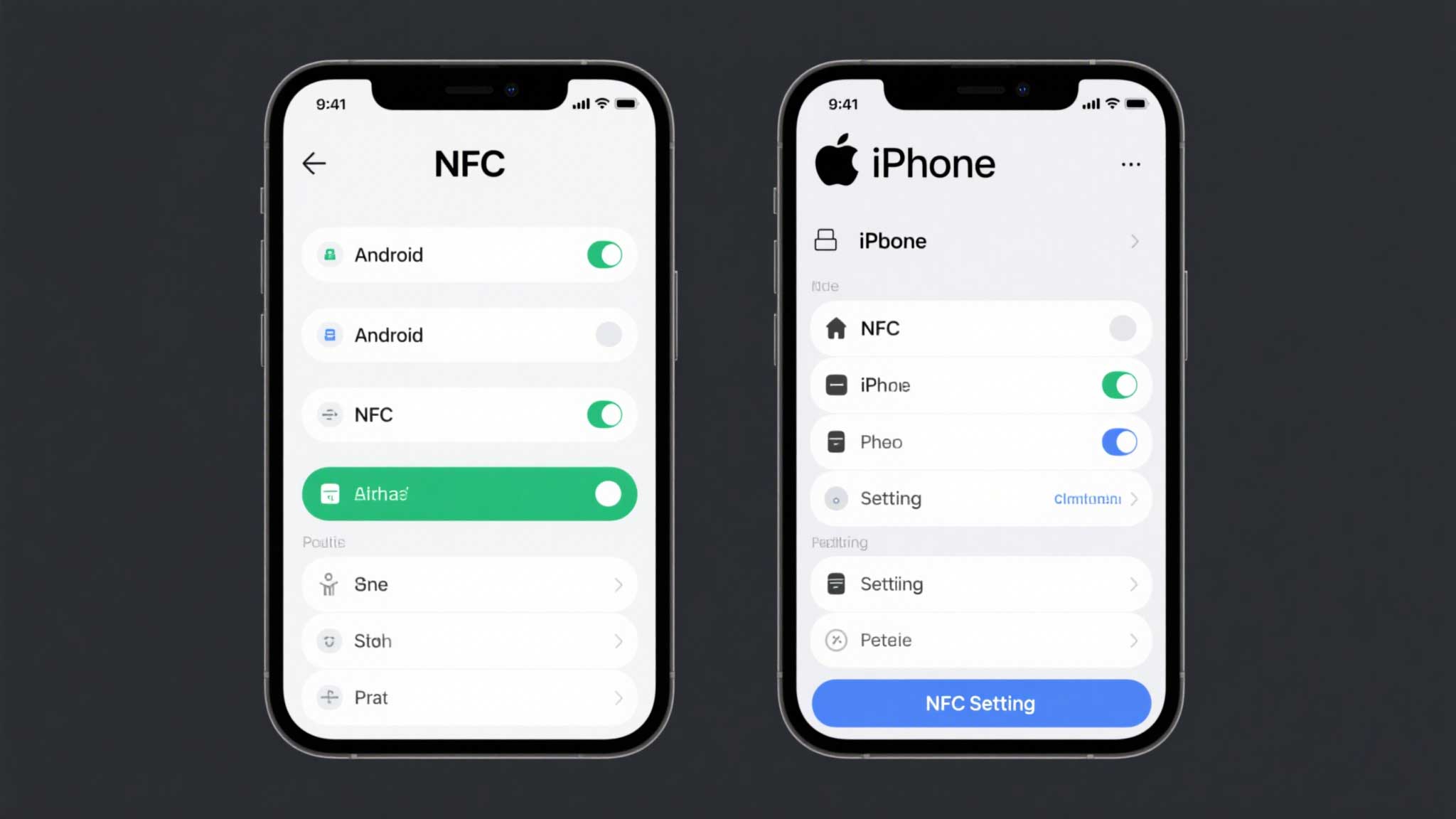
You bought an NFC RFID reader to scan loyalty cards or inventory tags with your phone. You plug it in, open an app… and nothing. No beep, no scan, no clue why. Before you yeet the reader into the trash, let’s run a dead-simple test to figure out if your phone’s the problem—or the hardware. Spoiler: It’s usually the phone.Before choosing an RFID reader for your project, it is important to understand which tag types your smartphone can recognize. You can also learn more about how to identify an RFID tag.​​1. What You’ll Need​​​​NFC RFID Reader​​: We’ll use Cykeo’s mobile-compatible model as an example.​​Smartphone​​: Android 8+ or iPhone 7+ (older models often lack full NFC support).​​USB-C/Lightning Adapter​​: For wired readers (Bluetooth models skip this).​​5 NFC Tags​​: Stickers, cards, or product tags.Besides frequency compatibility, the performance of the antenna for RFID communication also affects reading distance and signal stability. A poorly designed antenna may cause weak detection or inconsistent scanning results, especially when testing with different smartphone models. In addition, the quality and chip sensitivity of each RFID tag can influence how quickly the phone recognizes the tag. Using high-quality RFID tags with optimized antenna design usually provides a more stable testing experience during compatibility checks.2. Step 1: Check Your Phone’s NFC Chip​​​​a. Android Phones​​Go to ​​Settings > Connected Devices > Connection Preferences > NFC​​.Toggle NFC ​​ON​​.If the menu doesn’t exist, your phone lacks NFC hardware (common on budget models).​​b. iPhones​​iPhones only support NFC in background mode—no toggles.Test by holding a tag near the top of the phone. If it vibrates/chimes, NFC works.​​Pro Tip​​: iPhones can’t write to tags without third-party apps. Android rules here.​​3. Step 2: Test the Reader with a Free App​​​​a. For Android​​:Download ​​NFC Tools​​ (free, no ads).Connect the reader via USB or Bluetooth.Open the app, tap ​​“Scan”​​, and hold a RFID tag near the reader.​​Success​​: Tag UID and data pop up.​​Failure​​: App says “No NFC tag detected” (blame the phone or reader).​​b. For iPhones​​:Download ​​NFC Tag Reader by Cykeo​​ (their free app skips Apple’s restrictions).Open the app, connect the reader, and scan.​​iPhone 14 Hack​​: Restart the phone if scans lag—iOS throttles NFC during updates.​​4. Step 3: Diagnose Connection Issues​​​​a. “Device Not Supported” Errors​​​​Fix 1​​: Use a USB-OTG cable (Android) or MFi-certified adapter (iPhone).​​Fix 2​​: Update your phone’s OS—manufacturers quietly drop NFC support.​​b. Inconsistent Tag Reads​​​​Fix 1​​: Hold tags 1–2 inches from the reader (no waving).​​Fix 2​​: Avoid scanning near metal surfaces or wireless chargers.​​Cykeo Workaround​​: Their readers auto-adjust RF power to reduce interference.​​5. Step 4: Real-World Use Cases That Actually Work​​​​a. Retail Inventory​​​​Android Only​​: Scan 100+ tags into Google Sheets using ​​NFC Tools + Automate​​.​​iPhone Limit​​: Apple restricts bulk scanning to paid enterprise apps.​​b. Loyalty Programs​​Write VIP codes to tags with Cykeo’s app—works on both OS.​​c. Smart Home Triggers​​Android: Tap a tag to turn on lights (via Tasker).iPhone: Needs a $15/month HomeKit subscription. Ugh.​​6. Phones That Flunk NFC Tests (Save Your Money)​​​​a. Avoid These Android Models​​:Samsung Galaxy A03s, TCL 20 SE, Motorola Moto G Pure.​​b. iPhones to Skip​​:iPhone 6, SE (1st gen), or older.​​Takeaway​​: Testing NFC RFID reader compatibility takes 10 minutes—but most folks skip it and waste $100. Use free apps, check your OS, and remember: iPhones hate NFC freedom. For small biz tasks, grab a mid-range Android and a Cykeo reader. For Apple fans? Pray for iOS updates.Related Reading: How to Check If NFC Is Working on Your Phone?Most people don’t think about NFC until it suddenly stops working.Maybe your phone won’t read a tag. Maybe a contactless payment fails for no obvious reason. Or perhaps you’re trying to set up an access card and nothing happens when you tap your phone.The good news is that checking NFC isn’t complicated. In many cases, you can tell whether the problem is with the phone, the tag, or the settings in less than five minutes.Read next: How to Check If NFC Is Working on Your PhoneWant to go beyond smartphone NFC testing?Checking NFC compatibility with a smartphone is a quick way to confirm whether a reader or tag can communicate at the NFC level. However, for commercial RFID projects, the testing process usually involves more than just a phone scan. Factors like RFID tag performance, reader power, antenna installation, reading distance, and environmental interference can all affect the final result.If you are evaluating RFID hardware for warehouse inventory, asset tracking, retail, or industrial applications, we recommend checking our complete guide on how to check if RFID is working. It covers practical testing methods for RFID tags, readers, and complete systems, helping buyers and solution providers avoid common problems before large-scale deployment.Read more: How to Check If RFID Is Working: A Practical Guide Before Buying RFID Hardware in BulkCan Your Smartphone Really Test an NFC Reader? Here Is What You Need to KnowMany people start NFC testing with a simple question: “Can my smartphone read this NFC tag or work with this NFC reader?” In most cases, an Android phone is a convenient tool for checking basic NFC compatibility. However, smartphone testing only shows part of the picture. Factors like NFC protocol support, antenna performance, reading distance, and hardware design can still affect the final result.If you are evaluating NFC or RFID hardware for a commercial project, we recommend checking our latest guide “How to Test NFC on Android”, where we explain the actual testing steps, common problems, and what buyers should confirm before ordering NFC readers in bulk.Read the full guide: How to Test NFC on Android: A Practical Guide Before Buying NFC HardwareHow to Add RFID Module in ProteusLearn how to add an RFID module to Proteus, configure the required library files, and set up the simulation environment for RFID projects. This practical tutorial helps students, developers, and electronics engineers understand how to simulate RFID module connections and test basic RFID functions before moving to real hardware development.

article
Tech & Innovation
Nov 11, 2026 • visibility 24 • 21 min read

Ethical Hacking Skills: Best Cyber Security Course in Kolkata with Placement Guarantee

Ethical hacking is an important part of modern digital security. As businesses move their operations, customer information, and financial transactions online, protecting digital systems from cyber threats has become a major priority. Organizations need professionals who understand how attackers identify vulnerabilities, exploit security weaknesses, and gain unauthorized access to systems. Ethical hackers use similar techniques with permission to identify security gaps and help organizations strengthen their defenses.Learning ethical hacking can open career opportunities in information security, penetration testing, vulnerability assessment, and security operations. Students and graduates interested in this field can explore the Best Cyber Security Course in Kolkata with Placement Guarantee to develop practical knowledge of network security, ethical hacking techniques, and defensive security practices.What Is Ethical Hacking?Ethical hacking is the authorized process of testing computer systems, networks, applications, and digital infrastructure to identify security vulnerabilities. Ethical hackers work within an agreed scope and use approved methods to assess how effectively an organization's systems can resist cyberattacks.Unlike malicious hackers, ethical hackers operate with permission and follow defined rules. Their purpose is to identify weaknesses before cybercriminals can exploit them.For example, an organization may hire an ethical hacker to test its website. The professional examines login systems, application inputs, access controls, and other security features to identify potential vulnerabilities. The findings are documented in a report that helps the organization improve its security.Ethical hacking is also known as white-hat hacking because it uses hacking techniques for legitimate security purposes.Why Is Ethical Hacking Important?Organizations across banking, healthcare, retail, education, manufacturing, and technology manage valuable digital information. Cyberattacks can affect business operations, customer trust, financial resources, and sensitive data.Ethical hacking helps organizations identify security weaknesses and improve their ability to respond to threats.Key benefits include:Identifying Vulnerabilities: Security professionals discover weaknesses in applications, networks, and systems before attackers exploit them.Protecting Sensitive Data: Security testing helps organizations strengthen controls around customer information, employee records, and business data.Improving Network Security: Ethical hackers assess network configurations, access permissions, and communication pathways.Strengthening Application Security: Testing helps identify weaknesses in websites, mobile applications, and software platforms.Supporting Compliance: Security assessments can help organizations strengthen their information security practices and meet applicable requirements.Building Security Awareness: Ethical hacking findings help technical teams understand attack methods and improve defensive practices.As digital infrastructure expands, ethical hacking remains a relevant capability within the broader Cyber Security industry.Types of Ethical HackingEthical hacking includes different testing approaches based on the systems being assessed and the security objectives of an organization.Network HackingNetwork hacking involves assessing wired and wireless networks to identify weaknesses that could allow unauthorized access. Ethical hackers examine network configurations, exposed services, communication protocols, and access controls.Network security testing helps organizations understand how effectively their infrastructure protects connected devices and business information.Web Application HackingWeb application hacking focuses on identifying vulnerabilities in websites and online applications. Security professionals test authentication, input validation, session management, access controls, and application behavior.Common testing areas include SQL injection, cross-site scripting (XSS), and security misconfigurations.Wireless Network HackingWireless security testing examines Wi-Fi networks and their security configurations. Ethical hackers assess encryption, authentication mechanisms, network access, and potential weaknesses in wireless infrastructure.Mobile Application HackingMobile application security testing focuses on applications developed for smartphones and tablets. Professionals examine data storage, authentication, application permissions, communication security, and other potential weaknesses.Social Engineering AssessmentsSocial engineering assessments evaluate how people and organizational processes respond to manipulation attempts. Authorized security exercises may examine phishing awareness, password practices, and security procedures.These assessments help organizations improve employee awareness and strengthen their overall security culture.Cloud Security TestingCloud security testing examines the configuration and protection of cloud-based infrastructure, applications, and data. Ethical hackers assess access permissions, exposed resources, identity controls, and security configurations within the approved testing scope.Common Ethical Hacking ToolsEthical hackers use specialized tools to understand systems, identify vulnerabilities, and document security findings. Tool selection depends on the testing objective, environment, and authorization provided.Some widely used tools include:Kali Linux: A Linux distribution that includes tools for penetration testing and security assessments.Nmap: Used for network discovery, host identification, and service scanning.Wireshark: Helps analyze network traffic and understand communication between devices.Burp Suite: Supports web application security testing and analysis.Metasploit Framework: Provides a structured environment for authorized penetration testing and vulnerability validation.John the Ripper: Used for password security auditing and password recovery testing.Nessus: Supports vulnerability assessment and security scanning.OWASP ZAP: Helps identify security weaknesses in web applications.Learning how these tools work is useful, but effective ethical hacking also requires understanding networking, operating systems, programming fundamentals, security concepts, and responsible testing practices.Essential Skills Required for Ethical HackingA successful learning path combines technical knowledge, analytical thinking, and responsible security practices.Networking FundamentalsUnderstanding IP addresses, ports, protocols, DNS, routing, and network architecture helps learners understand how systems communicate. These concepts are essential for network security testing.Linux and Operating SystemsEthical hackers frequently work with Linux environments and command-line tools. Knowledge of operating systems, file permissions, processes, and system administration helps professionals understand how computers function.Programming and ScriptingBasic knowledge of Python, scripting, and programming logic can support security testing and task automation. Understanding how applications process information also helps identify potential vulnerabilities.Web and Application SecurityKnowledge of HTTP, HTML, JavaScript, databases, authentication, and application architecture helps learners understand common web security weaknesses.Vulnerability AssessmentProfessionals need to identify, understand, prioritize, and document vulnerabilities. This includes interpreting security scan results and assessing the potential impact of identified weaknesses.Problem-Solving and Analytical ThinkingEthical hacking requires professionals to examine technical information, recognize unusual behavior, and understand how different system components interact.Professional Ethics and Legal AwarenessEthical hackers must work within explicit authorization and defined testing boundaries. Understanding responsible disclosure, privacy, and applicable laws is essential to professional security work.How an Ethical Hacking Assessment WorksAn ethical hacking assessment follows a structured process. Each stage helps security professionals understand the target environment, conduct authorized tests, and communicate useful findings.Planning and Authorization: The organization and security team define the assessment objectives, permitted systems, scope, and testing conditions.Information Gathering: The ethical hacker collects relevant information about the approved target environment, such as domain details, network information, and publicly available technical data.Scanning and Enumeration: Security professionals identify active systems, open ports, services, and other information that can help map the environment.Vulnerability Identification: The assessment examines potential weaknesses in applications, networks, configurations, and security controls.Controlled Testing: Within the approved scope, professionals validate identified vulnerabilities to understand their impact without causing unnecessary disruption.Reporting: Findings are documented with technical details, risk levels, and recommended remediation steps.Remediation Support: The organization uses the report to improve security controls, address vulnerabilities, and strengthen its defenses.This structured approach helps businesses understand their security posture and prioritize improvements.Career Opportunities After Ethical Hacking TrainingEthical hacking knowledge can support several career paths within information security and Cyber Security. Job responsibilities vary according to the employer, technical experience, and role requirements.Ethical HackerEthical hackers conduct authorized security assessments to identify vulnerabilities in digital systems. They document findings and recommend improvements to strengthen security.Penetration TesterPenetration testers simulate approved cyberattacks against networks, applications, and infrastructure. Their work helps organizations understand how security weaknesses could affect their systems.Vulnerability Assessment AnalystThese professionals identify and prioritize security vulnerabilities across applications, networks, and IT infrastructure. They help technical teams understand which issues require attention.Security AnalystSecurity analysts monitor systems, examine suspicious activities, analyze security alerts, and support incident response activities.Network Security EngineerNetwork security engineers help design, implement, and maintain security controls that protect organizational networks and connected systems.Application Security AnalystApplication security analysts assess software and web applications for vulnerabilities. They work with development and security teams to improve application protection.Security Operations Center AnalystSOC analysts monitor security events, investigate alerts, and support the detection and response process. They use security monitoring tools to identify potentially malicious activity.Practical training, technical projects, and knowledge of commonly used security tools can help learners prepare for these professional pathways.How to Choose the Right Cyber Security Training ProgramSelecting a suitable training program is an important step for anyone planning to enter the information security industry. A strong program should combine foundational concepts with practical learning.Consider the following factors:Comprehensive Curriculum: Look for coverage of networking, operating systems, ethical hacking, penetration testing, application security, and defensive security concepts.Practical Labs: Hands-on exercises help learners understand how security tools and testing techniques work.Industry-Relevant Tools: Exposure to commonly used security tools can help students become familiar with professional workflows.Project-Based Learning: Practical assignments and case studies help learners apply technical concepts to realistic scenarios.Mentor Guidance: Structured guidance can help students understand complex security topics and develop problem-solving skills.Certification: A recognized training certificate can demonstrate the learning completed during a program.Career Support: Resume preparation, interview practice, and placement assistance can help learners prepare for employment opportunities.A balanced learning experience should develop both offensive security knowledge and an understanding of how organizations protect their digital infrastructure.Cyber Security and Ethical Hacking Training at Boston Institute of AnalyticsBoston Institute of Analytics offers a Cyber Security and Ethical Hacking program designed to help learners develop technical knowledge and practical security skills. The program covers relevant Cyber Security concepts through structured instruction, practical exercises, projects, and case studies.The learning experience includes:200+ hours of learning across relevant technical and security concepts.15+ projects and case studies to strengthen practical understanding.20+ tools that introduce learners to commonly used technical environments.Practical exposure to security concepts, ethical hacking, and vulnerability assessment.Learning pathways covering network security, application security, penetration testing, and incident response.Career preparation, interview support, and placement assistance.The program offers different learning durations to accommodate varied learning goals:4-Month Certification: A structured foundation in Cyber Security concepts and practical skills.6-Month Diploma: An extended learning pathway with additional time for technical development.10-Month Master Diploma: A comprehensive learning pathway with extended practical exposure.Learners exploring the Top Cyber Security Course in Kolkata with Job Guarantee can consider the program's curriculum, practical learning approach, and career support. Boston Institute of Analytics also provides placement assistance and lifetime career support to help learners prepare for relevant professional opportunities.Students can also learn more about the legal boundaries of ethical hacking in India to understand why authorization, responsible testing, and professional ethics are essential when working in this field.Who Should Learn Ethical Hacking?Ethical hacking is suitable for learners who are interested in technology, networks, applications, and digital security.Computer Science Graduates: Can build on their knowledge of programming, operating systems, and computer networks.IT Professionals: Can develop additional skills relevant to network security, vulnerability assessment, and information security.Engineering Students: Can apply technical and analytical knowledge to security-related challenges.Working Professionals: Can strengthen their technical capabilities and explore opportunities in Cyber Security.Beginners Interested in Technology: Can start with networking and operating system fundamentals before progressing to ethical hacking concepts.A structured learning path can help beginners build technical confidence and gradually develop practical security knowledge.Frequently Asked QuestionsWhat is ethical hacking in simple terms?Ethical hacking is the authorized testing of computer systems, networks, and applications to identify security weaknesses and help organizations protect their digital assets.Is ethical hacking a good career option?Ethical hacking can be a relevant career path for people interested in information security, penetration testing, vulnerability assessment, and network protection. Opportunities vary by technical skills, experience, and employer requirements.Do I need coding skills to learn ethical hacking?Basic programming knowledge is helpful, particularly Python and scripting. Beginners can start with networking and operating system fundamentals while gradually developing programming skills.Which tools should beginners learn for ethical hacking?Beginners can explore Nmap, Wireshark, Kali Linux, Burp Suite, and OWASP ZAP. Learning the underlying security concepts is as important as understanding individual tools.How long does it take to learn ethical hacking?The learning timeline depends on prior technical knowledge, study time, and practical experience. A structured training program can help learners progress from foundational concepts to more advanced security techniques.Is ethical hacking legal in India?Ethical hacking is conducted legally when the professional has proper authorization and follows the agreed scope of testing. Accessing or testing systems without permission can create legal consequences.ConclusionEthical hacking helps organizations identify digital security weaknesses and strengthen their protection against cyber threats. Knowledge of networking, operating systems, application security, vulnerability assessment, and professional testing practices can create a strong foundation for a career in information security.For learners interested in this field, practical training is an important part of developing technical confidence. Boston Institute of Analytics combines structured Cyber Security education, project-based learning, exposure to relevant tools, certification pathways, and career support. Developing these skills can help students and professionals explore opportunities across ethical hacking, penetration testing, vulnerability assessment, and security operations.

article
Tech & Innovation
Nov 11, 2026 • visibility 25 • 20 min read

SIEM and Log Analysis: Best Cyber Security Course in Bengaluru with Placement Guarantee

Organizations generate large volumes of digital activity through applications, servers, networks, cloud platforms, and employee devices. Monitoring this activity helps security teams identify suspicious behavior, investigate potential threats, and protect critical information. Security Information and Event Management (SIEM) platforms bring security logs together for centralized analysis. Learners interested in developing these skills can explore the Best Cyber Security Course in Bengaluru with Placement Guarantee at Boston Institute of Analytics (BIA), which combines technical learning with practical projects and career preparation.SIEM and log analysis are important parts of modern security operations. They help organizations understand what is happening across their digital infrastructure and provide security professionals with information to recognize unusual activity. Understanding these technologies can build a strong foundation for careers in security operations, threat monitoring, and incident response.What Is SIEM in Cyber Security?Security Information and Event Management (SIEM) is a technology approach that collects, centralizes, and analyzes security-related data from different systems across an organization.A SIEM platform gathers information from sources such as:Firewalls and network devices.Servers and operating systems.Endpoint protection solutions.Cloud infrastructure and applications.Authentication and identity management systems.Databases and business applications.Intrusion detection and prevention systems.It processes this information to identify patterns, detect suspicious activities, and generate security alerts.For example, a user account may generate several failed login attempts, followed by a successful login from an unfamiliar location. A SIEM platform can correlate these events and generate an alert for security analysts to investigate.SIEM supports centralized visibility, helping security teams understand events that might otherwise remain isolated across different systems.What Is Log Analysis and Why Does It Matter?A log is a record of an event generated by a computer system, application, network device, or security tool. Logs provide information about system activity, user actions, errors, access attempts, and other technical events.Log analysis involves examining these records to identify unusual patterns, troubleshoot problems, and investigate potential security incidents.Common log sources include:System logs: Record operating system events, startup activities, errors, and system changes.Application logs: Capture application activity, user interactions, and software errors.Authentication logs: Record login attempts, account activity, and authentication failures.Firewall logs: Show network connections that are allowed or blocked.DNS logs: Provide information about domain name requests and related network activity.Cloud logs: Capture activities involving cloud resources, accounts, and services.Analyzing these records helps security professionals connect individual events and understand the sequence of activity across an organization's infrastructure.How SIEM Works: From Data Collection to Security AlertsSIEM platforms follow a structured process to turn large volumes of raw event data into useful security information.Data CollectionThe first stage involves gathering logs from connected systems, applications, endpoints, and network devices.Organizations use log collectors, agents, and integrations to bring information into a centralized platform.Log NormalizationDifferent systems may record information using different formats. Normalization organizes the collected data into consistent fields, making it easier to compare and analyze events.For example, timestamps, user identities, source IP addresses, and event descriptions can be organized into structured fields.Event CorrelationCorrelation connects related events from multiple sources. Instead of examining every event separately, security teams can identify patterns that may indicate suspicious behavior.A sequence of repeated login failures, an unexpected privilege change, and access to sensitive files may indicate a possible account compromise.Alert GenerationWhen activity matches predefined rules or detection conditions, the SIEM platform can generate an alert.Security teams use alert severity, event context, and available evidence to prioritize their response.Investigation and ReportingAnalysts examine alerts, gather additional information, and determine whether the activity represents a genuine security threat.SIEM dashboards and reports also help organizations understand recurring security events, identify trends, and improve monitoring practices.Common Security Threats Detected Through SIEMSIEM platforms help security teams identify different types of suspicious behavior. Their effectiveness depends on the quality of collected data, detection rules, configurations, and analyst interpretation.Brute-Force Login AttemptsBrute-force attacks involve repeated attempts to guess account passwords. A SIEM platform can identify unusual login patterns, such as multiple failed authentication attempts within a short period.Analysts can examine the source IP address, targeted account, timestamps, and subsequent login activity to understand the potential threat.Suspicious Privilege EscalationPrivilege escalation occurs when a user or process gains permissions beyond its authorized level.Unexpected administrative access, unusual permission changes, or suspicious account modifications can generate alerts for further investigation.Malware ActivityMalware may create unusual processes, modify files, communicate with external servers, or attempt to access sensitive resources.Endpoint and network logs can provide useful evidence for identifying these activities.Unusual Network TrafficUnexpected connections, repeated communication with suspicious destinations, and unusual data transfers may indicate a security concern.Analyzing network logs helps security teams understand communication patterns and investigate potentially harmful connections.Insider Threat IndicatorsInsider threats may involve unauthorized access, unusual data downloads, or activity outside normal work patterns.SIEM monitoring can help identify suspicious behavior through authentication records, file access logs, and application activity.Data Exfiltration AttemptsData exfiltration involves unauthorized transfer of information outside an organization. Unusual outbound traffic, large file transfers, and unexpected access to sensitive data may provide indicators for investigation.Important SIEM Concepts Every Cyber Security Learner Should UnderstandLearning SIEM requires an understanding of how security events are collected, interpreted, and prioritized.Some important concepts include:Event correlation: Connecting related activities across different systems to identify suspicious patterns.Use cases: Defined detection scenarios designed to identify specific threats or suspicious behavior.Detection rules: Conditions used to generate alerts when particular event patterns occur.False positives: Alerts that indicate suspicious activity even though no actual threat is present.False negatives: Threats that are not detected by existing monitoring and detection mechanisms.Indicators of Compromise (IoCs): Evidence that may suggest a system or account has been compromised.Security dashboards: Visual displays of alerts, event trends, and monitoring information.Incident triage: Prioritizing alerts based on severity, context, and potential business impact.Understanding these concepts helps analysts interpret alerts rather than simply responding to every notification.Popular SIEM Platforms and Supporting TechnologiesOrganizations use different SIEM platforms depending on their infrastructure, security requirements, and operational needs.Some widely recognized platforms and technologies include:Microsoft SentinelMicrosoft Sentinel is a cloud-based SIEM and security orchestration solution. It helps organizations collect security information, detect threats, investigate incidents, and automate selected response activities.Splunk Enterprise SecuritySplunk Enterprise Security supports security monitoring, event analysis, threat detection, and investigation through data collection and correlation capabilities.IBM QRadarIBM QRadar provides security information and event management capabilities for collecting, analyzing, and correlating security events across enterprise environments.Elastic SecurityElastic Security combines search, analytics, and security monitoring capabilities. It can support log analysis, threat detection, and investigation across different data sources.Supporting TechnologiesSIEM platforms work alongside other security technologies, including:Endpoint Detection and Response (EDR).Intrusion Detection Systems (IDS).Intrusion Prevention Systems (IPS).Threat intelligence platforms.Security Orchestration, Automation, and Response (SOAR).Network monitoring tools.Understanding how these technologies connect helps security professionals develop a broader view of enterprise security operations.Practical SIEM Skills for Security OperationsEmployers value professionals who can interpret security events, understand network activity, and communicate investigation findings clearly.Important skills include:Log interpretation: Understanding timestamps, IP addresses, event IDs, authentication records, and system activity.Networking fundamentals: Working knowledge of TCP/IP, DNS, HTTP, ports, firewalls, and network traffic.Operating systems: Familiarity with Windows and Linux logs, system processes, permissions, and user activity.Threat detection: Recognizing suspicious login patterns, unusual connections, malware indicators, and unauthorized access.Incident investigation: Collecting evidence, analyzing event sequences, documenting findings, and supporting response activities.Scripting and automation: Using tools such as Python to organize data, automate repetitive tasks, and support security analysis.Practical exercises can help learners understand how events appear in logs, how detection rules work, and how analysts investigate security alerts.Learners can also explore the Cyber Security career roadmap and in-demand skills to understand the broader technical capabilities used across security roles.Career Opportunities in SIEM and Security MonitoringSIEM knowledge can support career development across security operations, threat detection, and incident investigation.Security Operations Center (SOC) AnalystSOC Analysts monitor security alerts, investigate suspicious activities, and support incident response. They use SIEM dashboards and log analysis to identify potential threats across organizational systems.Cyber Security AnalystCyber Security Analysts assess security events, identify vulnerabilities, monitor systems, and help organizations strengthen their security controls.SIEM EngineerSIEM Engineers support the deployment, configuration, and maintenance of SIEM platforms. Their work may include log source integration, detection rule development, dashboard configuration, and platform optimization.Incident Response AnalystIncident Response Analysts help organizations investigate and respond to security incidents. They examine logs, identify affected systems, collect evidence, and support recovery activities.Threat Detection AnalystThreat Detection Analysts develop and improve detection methods to identify suspicious behavior. They work with security telemetry, threat intelligence, detection rules, and analytical techniques.Practical knowledge of networking, operating systems, log analysis, and security tools can help learners prepare for these professional responsibilities.Building Practical Cyber Security Skills at Boston Institute of AnalyticsDeveloping SIEM and log analysis skills requires a combination of technical fundamentals, practical exercises, and an understanding of how security tools work together.Boston Institute of Analytics offers a Cyber Security and Ethical Hacking program covering network security, ethical hacking, penetration testing, application security, cloud security, cryptography, and incident response.The program includes:200+ hours of training across important Cyber Security concepts and techniques.15+ projects and case studies for practical learning and problem-solving.20+ tools introduced through technical training and exercises.Hands-on learning through practical labs, demonstrations, and project-based activities.Career preparation through interview guidance, placement assistance, and lifetime career support.Learners exploring a Top Cyber Security Course in Bengaluru with Job Guarantee can consider BIA's structured learning pathways.The program offers three options:4-month Certification: A focused learning pathway covering essential Cyber Security concepts.6-month Diploma: An extended pathway with additional opportunities for technical practice and project work.10-month Master Diploma: A comprehensive learning option for learners seeking deeper technical training.The combination of technical foundations, practical assignments, and career support helps students build relevant skills for different areas of information security.Frequently Asked QuestionsWhat is SIEM in Cyber Security?SIEM stands for Security Information and Event Management. It collects and analyzes security-related data from different systems to help organizations detect suspicious activities, investigate threats, and monitor their digital infrastructure.What is the difference between SIEM and log management?Log management focuses on collecting, storing, organizing, and accessing system logs. SIEM builds on log data by adding security-focused analysis, event correlation, threat detection, and alert generation.Which SIEM tools are commonly used?Microsoft Sentinel, Splunk Enterprise Security, IBM QRadar, and Elastic Security are widely recognized SIEM platforms. Organizations select tools based on their infrastructure and security requirements.Is Python useful for SIEM and log analysis?Yes. Python can help security professionals process log data, automate repetitive tasks, organize event information, and support security analysis.What skills are required to become a SOC Analyst?Useful skills include networking, Windows and Linux fundamentals, log analysis, SIEM platforms, threat detection, incident investigation, and basic scripting.Can beginners learn SIEM?Yes. Beginners can build SIEM knowledge by first learning networking, operating systems, security fundamentals, and log formats. Practical exercises and guided projects can then help them understand event correlation and alert investigation.Which institute offers a Cyber Security course in Bengaluru?Boston Institute of Analytics offers a Cyber Security and Ethical Hacking program in Bengaluru. The program includes technical training, practical projects, exposure to security tools, placement assistance, and lifetime career support.ConclusionSIEM and log analysis help organizations monitor digital environments, recognize suspicious activity, and investigate potential security incidents. Understanding event correlation, detection rules, security alerts, and log sources can provide a strong foundation for careers in security operations and threat monitoring.Boston Institute of Analytics combines Cyber Security education with practical projects, technical training, and career preparation. Learners in Bengaluru can develop relevant skills through its Cyber Security and Ethical Hacking program and prepare for opportunities across SOC operations, security analysis, SIEM engineering, and incident response.

How to Add RFID Module in Proteus Tech & Innovation
Nov 11, 2026 • visibility 28 • 14 min read

How to Add RFID Module in Proteus

Proteus does not ship with RFID reader models, so adding an RFID module means installing a third-party simulation library first. This guide shows the exact files to download for the EM-18 (125 kHz) and MFRC522 / RC522 (13.56 MHz), where each file goes in the Proteus folders, and how to verify the reader actually sends tag data in a simulation.Trying to figure out how to add RFID module in Proteus for your project simulation? You’re not alone. It’s a common hurdle because Proteus doesn’t come with every RFID module pre-installed in its library. The process isn’t just a click—it involves finding a trustworthy library, installing it correctly, and wiring it up right. Here’s a straightforward, step-by-step method we use at CYKEO for prototyping.First, Let’s Be Clear: You’re Adding a Model, Not a Real ModuleYou’re simulating. You need a software model (a LIB file) that mimics the behavior of a hardware RFID reader, like the common EM-18 (for 125 kHz RFID tags) or the MFRC522 (13.56 MHz). You can’t simulate what you don’t have a model for.The Most Reliable Method to Get It WorkingMost folks hit a dead end right at the library search. Here’s what actually works:Find a Verified Library: Don’t just Google randomly. Go to reputable electronics hobbyist forums or trusted component sites. Search for “EM-18 RFID library for Proteus 8” or “Proteus component library download for MFRC522”. The file package should include a .LIB file and often a .HEX file for the microcontroller side. Always scan downloads for safety.Visit “RFID Proteus Library Download“Visit “rfid library for proteus“Install the Library Files:Locate your Proteus installation folder (e.g., C:\Program Files (x86)\Labcenter Electronics\Proteus 8 Professional).Copy the downloaded .LIB file into the LIBRARY subfolder.If the package includes .IDX files, place those in the LIBRARY folder as well.Crucial Step: Place any associated .HEX files (firmware) in a known project folder, not the Proteus system folders. You’ll need to point to them later.Restart and Locate in Proteus:Fully restart Proteus (ISIS). Go to the component selector, click “Pick Device” (the ‘P’ button).In the Keywords box, type the module name, e.g., “EM18” or “MFRC522”. If installed correctly, it should now appear. If not, the library wasn’t placed in the right path.Simulate and Debug the Connection:Drop the RFID module and a microcontroller (like an Arduino model) onto the schematic.Wire the communication pins correctly (TX of EM-18 to RX of MCU, VCC, GND). This is where many simulating RFID reader in Proteus attempts fail—check voltage levels and baud rate settings in the component’s properties.For the MCU, load the provided .HEX file into its program memory property. This firmware handles the serial communication protocol.RFID Library for Proteus: How to Simulate the RC522 ModuleFinding a compatible RFID library for Proteus is an important step when you want to test an RFID circuit before building the actual hardware. If your project uses an MFRC522 reader, you may need an RFID RC522 Proteus library or an RC522 Proteus library provided by a third-party developer. The availability and simulation capabilities of these libraries depend on the specific model and Proteus version.When searching for an RFID Proteus library, check whether the package includes the necessary component files, simulation models, and installation instructions. Some libraries provide only a schematic symbol or PCB footprint, while others may include a model that supports limited simulation. Installing an RFID RC522 library for Proteus does not automatically guarantee that every MFRC522 function, such as SPI communication and card authentication, can be simulated accurately.To test RFID in Proteus, first add the supported RFID component to your schematic and connect it to a compatible microcontroller. The MFRC522 typically communicates through SPI in real hardware, so the wiring and firmware must match the interface supported by the simulation model. If the model does not simulate the reader’s internal behavior, you may need to use a custom model or simulate the expected card data through alternative inputs.Choosing the right RFID reader module also matters. The MFRC522 is commonly used for 13.56 MHz RFID and compatible contactless cards, whereas modules such as the EM-18 typically operate at 125 kHz and use a different communication approach. These modules are not interchangeable, so confirm the reader frequency, communication interface, voltage requirements, and supported simulation features before selecting a library.If the RFID component does not appear in Proteus, verify the library installation directory and restart the software. If the component appears but the simulation fails, check the model configuration, microcontroller firmware, interface connections, and simulation compatibility. Testing these elements individually can help identify whether the problem comes from the library, the circuit design, or limitations in the simulation model.Why Is My Simulation Not Working? Common FixesTroubleshooting RFID simulation errors in Proteus usually involves these checks:Baud Rate Mismatch: Ensure the microcontroller’s UART baud rate matches the RFID module’s default (e.g., 9600 for EM-18).Power Pins: Did you connect VCC and GND? Sounds obvious, but it’s often missed.Firmware Path: The .HEX file path in the MCU properties must be absolute and correct. Moving your project folder breaks this link.Virtual Terminal: Add a “Virtual Terminal” instrument (under the instrument tab) to the MCU’s RX/TX line to see if data is actually being sent. It’s your best debugging tool.So, how to add RFID module in Proteus boils down to sourcing a good library, placing files in the exact right folders, and carefully setting up the serial communication parameters. It’s a bit finicky, but once set up, it’s a powerful way to test your RFID-embedded logic before building physical prototypes. FAQWhy doesn’t my RFID module appear in Proteus after installing the library?Check that the .LIB and .IDX files are in the LIBRARY folder, fully restart ISIS, then press P and search the exact device name. A library placed in the wrong Proteus version folder is the most common cause.The component appears, but the simulation does nothing. What’s wrong?The .DLL simulation model is probably missing from the MODELS folder. The .LIB file only draws the symbol; the .DLL runs the behaviour.Can you simulate an MFRC522 / RC522 reader in Proteus?Yes, with a third-party model that includes a .DLL and emulates the SPI registers and card authentication. A symbol-only or footprint-only library will not simulate.What baud rate does the EM-18 use?9600 bps by default. It outputs a 12-character tag ID over UART; a mismatch shows up as garbled text on the Virtual Terminal.Can I use an Arduino RFID library as a Proteus library?No. An Arduino library is C++ code for the microcontroller. Proteus needs a .LIB symbol plus a .DLL model. You usually need both: the Arduino library to compile the .HEX firmware, and the Proteus library to run the simulation.Note:Copy the .DLL model files into the MODELS folder, not LIBRARY.A .LIB file only gives Proteus the schematic symbol. The .DLL is the simulation model that makes the part behave like a reader. If the component appears in Pick Device but nothing happens when you run the simulation, a missing or misplaced .DLL is almost always the cause.Related ArticleBefore choosing an RFID reader for your project, it is important to understand which tag types your smartphone can recognize. You can also learn more about how to identify an RFID tag.Once you understand the basic differences between RFID tags, you may want to test whether your smartphone can recognize them. Our guide on how to test RFID tags with your smartphone without a scanner explains the practical steps.RFID reading performance depends on tag frequency, antenna design, surrounding materials, and reader capabilities. To better understand smartphone limitations, explore our guide on testing NFC and RFID reader compatibility.When your smartphone displays an NFC tag detected notification, it means the phone has recognized a compatible NFC tag nearby. If you want to understand why some tags are detected while others are not, check out our guide on how to check if NFC is working on your phone.Once NFC is enabled, you may want to explore what happens when you scan different RFID tags. Our guide on what NFC tag detected means explains how smartphones recognize compatible NFC tags.If you are comparing smartphone-based access credentials, Android devices offer another interesting perspective. Read our guide on how to copy an RFID card to Android to understand the compatibility differences between mobile platforms.

article
Tech & Innovation
Nov 11, 2026 • visibility 28 • 21 min read

What Does an AI Consultant Actually Do? Scope, Deliverables and Fees in Enterprise AI Strategy

An enterprise AI strategy helps organisations understand where artificial intelligence can create business value, what capabilities they need and how to move from experimentation to implementation. An AI consultant supports this process by connecting business objectives with practical technology decisions. Their work can include identifying use cases, assessing organisational readiness, evaluating technical options, planning integrations and defining how AI initiatives should be measured.However, the role is often misunderstood. An AI consultant does not simply recommend AI tools or develop a chatbot. In enterprise environments, the work can involve business analysis, data assessment, architecture planning, governance, implementation coordination and ongoing optimisation.The scope depends on the organisation's objectives, existing technology environment and level of AI maturity. Understanding the consultant's responsibilities, expected deliverables and fee structure helps businesses decide when external expertise is worthwhile.What Does an AI Consultant Actually Do?An AI consultant helps an organisation make informed decisions about adopting and using artificial intelligence. The role typically begins with understanding business challenges and identifying where AI can address them effectively.For example, a company may want to reduce manual document processing, improve customer support operations or make internal information easier to access. The consultant examines the current process, evaluates whether AI is appropriate and recommends a solution that fits the organisation's requirements.Their responsibilities may include:Understanding business objectives and operational challenges.Identifying and prioritising AI use cases.Assessing data quality, availability and readiness.Evaluating AI models, platforms and deployment approaches.Reviewing integration requirements and technical architecture.Defining security, governance and human oversight requirements.Developing an implementation plan and success measures.Supporting deployment, testing and performance evaluation.The consultant may work with business leaders, IT teams, data specialists, security professionals and external technology providers. Their responsibility is to help these stakeholders make coordinated decisions rather than allowing AI projects to develop independently.Scope of Work: Six Areas an AI Consultant CoversThe scope of an engagement depends on the problem being addressed. A business exploring its first AI application may need a readiness assessment, while an organisation with several active projects may require architecture reviews and deployment planning.1. Business Discovery and Opportunity AssessmentThe first stage is understanding how the organisation operates and what it wants to improve. The consultant reviews existing workflows, business priorities, operational costs and challenges reported by different departments.They may conduct stakeholder interviews, process reviews and workshops to identify tasks where AI could provide measurable value.For example, a finance team may spend considerable time extracting information from invoices. A consultant could evaluate whether document processing automation is suitable, estimate the potential efficiency improvement and identify the conditions required for implementation.The result should be a list of clearly defined opportunities rather than a collection of generic AI ideas.2. AI Readiness and Data AssessmentBefore recommending a solution, the consultant examines whether the organisation has the foundations needed to support it.This includes reviewing data availability, quality, accessibility, ownership and security. They may also assess existing infrastructure, technical skills, software systems and internal processes.An organisation might have large volumes of business information but lack consistent data formats or clear access permissions. In that situation, improving data management may be more important than immediately introducing an AI application.The readiness assessment helps identify gaps that could delay implementation or reduce solution reliability.3. AI Solution and Technology SelectionOnce the business requirements are understood, the consultant evaluates possible technical approaches.Depending on the use case, options may include existing AI platforms, third-party models, custom AI applications, retrieval-based systems or automation solutions that incorporate AI capabilities.The evaluation should consider more than technical performance. Important factors include cost, data sensitivity, scalability, integration requirements, vendor dependencies, maintenance and the level of control the organisation needs.An appropriate recommendation should explain why a particular approach fits the business problem and what trade-offs are involved.4. Architecture and Integration PlanningEnterprise AI applications rarely operate in isolation. They may need to access information from CRM platforms, ERP systems, databases, document repositories and internal applications.An AI consultant helps define how these systems should communicate and what information the AI application is permitted to access.This may involve reviewing APIs, authentication methods, data flows, access permissions and infrastructure requirements. Where the organisation has a complex technology environment, AI integration consulting can help clarify dependencies and identify the engineering work required.The goal is to design a solution that fits the existing environment without introducing unnecessary complexity or security exposure.5. Implementation Planning and CoordinationAfter the solution approach is selected, the consultant helps turn recommendations into an executable plan.This can include defining project phases, technical dependencies, resource requirements, responsibilities, testing procedures and deployment milestones.A practical AI implementation strategy should also address the people and processes affected by the new application. Employees may need training, workflows may need adjustment and business teams may require new procedures for reviewing AI-generated outputs.Depending on the engagement, the consultant may advise the internal team, coordinate specialist providers or work alongside engineers during implementation.6. Governance, Monitoring and OptimisationAI systems require oversight after deployment. Their performance can change as data, models, user behaviour and business requirements evolve.A consultant may help define policies for data access, human review, output validation, monitoring and incident handling. They can also recommend performance indicators that allow the organisation to evaluate whether the application continues to deliver value.For higher-risk use cases, the governance approach should reflect the potential consequences of incorrect outputs and the organisation's applicable obligations.What Deliverables Should You Expect from an AI Consultant?Deliverables make the scope of an engagement clear. They show what the consultant is expected to produce and provide a basis for evaluating the quality of the work.The exact documents and outputs vary, but a structured enterprise engagement may include the following.AI Opportunity AssessmentThis document explains where AI may create value and why particular opportunities deserve attention. It should connect each use case to a business objective and identify important assumptions.Readiness and Gap AnalysisThe assessment identifies what the organisation already has and what needs improvement. This may include data preparation, infrastructure upgrades, technical skills or governance processes.Technical Architecture and RecommendationsThe architecture document describes how the proposed solution will work within the existing technology environment. It should identify major components, integrations, access requirements and operational considerations.Implementation RoadmapThe roadmap explains how the organisation can move from planning to deployment. It should distinguish between initial validation, controlled rollout and wider adoption.A useful roadmap to artificial intelligence also identifies dependencies between projects. For instance, several applications may depend on the same document repository or data governance improvements. Addressing these shared requirements early can reduce duplicated effort.Governance and Measurement FrameworkThe governance deliverable explains how the AI application will be controlled and monitored. The measurement framework defines how business and technical performance will be evaluated after deployment.These deliverables should be specific to the organisation. Generic templates can provide structure, but they are not a substitute for recommendations based on actual business processes and technical requirements.How Much Do Enterprise AI Consultants Charge?AI consulting fees vary considerably. There is no single standard price because engagements differ in duration, complexity, expertise required and the amount of implementation work involved.A short advisory engagement may focus on reviewing an existing AI proposal. A larger enterprise project may involve several departments, data assessments, architecture design, integration planning and deployment support.Common pricing models include the following.1. Hourly or Daily RatesConsultants may charge based on the time spent providing advice, conducting assessments or supporting technical decisions.This model is useful when the organisation needs limited specialist input or has a clearly defined advisory requirement. However, the total cost can become difficult to predict if the scope continues to expand.2. Fixed-Price ProjectsA fixed fee is agreed for a clearly defined scope and set of deliverables.This model may suit an AI readiness assessment, use case prioritisation exercise or architecture review. It works best when both parties agree on the expected outputs, assumptions, timelines and exclusions before the engagement begins.3. Monthly RetainersA retainer provides access to consulting support over an agreed period. It may include regular strategy discussions, technical reviews, implementation guidance and progress assessments.This arrangement can suit organisations that need ongoing advice but do not require a full-time internal AI strategy team.4. Project-Based Implementation FeesWhen the engagement includes building or deploying an AI solution, fees may be based on the overall project scope.The cost depends on factors such as the number of integrations, data preparation requirements, application complexity, testing needs, infrastructure and ongoing support.It is important to distinguish consulting fees from implementation expenses. Model usage, cloud infrastructure, software licences, third-party services and internal staff time may be charged separately.What Factors Influence AI Consulting Fees?Several factors determine the overall cost of an engagement.Project complexity: A use case involving a single document repository may require less work than an application connecting several business systems and handling different user permissions.Data readiness: Poor-quality, fragmented or inaccessible data can increase assessment and preparation effort.Integration requirements: Existing software may have APIs and documentation that make integration straightforward. Legacy systems or custom applications can require more engineering.Security and governance: Sensitive information, strict access requirements and higher-risk decisions may require additional reviews and controls.Consultant experience: Specialists with relevant enterprise architecture, data engineering or AI deployment experience may charge more than general advisory providers.Engagement duration: A short assessment and a multi-stage implementation programme have very different resource requirements.How to Evaluate an AI Consulting ProposalBefore selecting a provider, review whether the proposal clearly explains the problem being addressed, the work included and the outcomes expected.A useful proposal should describe the business objectives, scope, methodology, deliverables, timeline and responsibilities of both parties. It should also identify assumptions, dependencies, exclusions and any additional costs.Ask how the provider will measure success. If the proposal promises improved efficiency or reduced costs, it should explain how those outcomes will be assessed and what baseline information is required.Review the proposed team's experience as well. Look for evidence of relevant technical and business expertise, especially in areas that match the organisation's requirements.When comparing ai consulting services, avoid choosing solely on the lowest quoted fee. A less expensive engagement may exclude important activities such as integration planning, security reviews or post-deployment support. Compare the complete scope and expected value instead.Organisations should also understand whether the provider offers advisory support only or can contribute to implementation. AI strategy consulting should produce practical decisions and clear next steps, not just a high-level presentation.When Should an Enterprise Hire an AI Consultant?External expertise can be useful at several stages of AI adoption.A business exploring AI for the first time may need help identifying realistic opportunities and understanding its readiness. An organisation with multiple pilots may need an independent assessment to determine which projects should move into production.Companies facing complex integration requirements may benefit from specialist architecture advice. Others may need support establishing governance, selecting technology or coordinating implementation across departments.An internal team does not necessarily need to outsource the entire programme. A consultant can provide targeted expertise while employees retain ownership of business decisions, technical operations and long-term capabilities.When evaluating AI consultancy and services, organisations should establish whether the provider can address their actual requirements. Some engagements may focus on strategy and assessment, while others include architecture, implementation support or ongoing optimisation. The expected responsibilities should be documented before work begins.Building a Practical Enterprise AI StrategyAn effective engagement should leave the organisation with more than a set of recommendations. It should provide a clear understanding of which AI opportunities deserve investment, what is required to deliver them and how success will be measured.A practical enterprise AI strategy connects business objectives with technical readiness, prioritised use cases, implementation stages and governance requirements. It should also be flexible enough to adapt as new opportunities emerge and organisational priorities change.Businesses can use AI consulting services to evaluate their current position and identify the expertise needed for their next stage of adoption. The right ai implementation strategy then translates those findings into defined projects, responsibilities and measurable outcomes.The roadmap should not attempt to introduce every possible AI capability at once. It should prioritise initiatives that offer meaningful value, can be delivered responsibly and contribute to a sustainable operating model.ConclusionAn AI consultant helps enterprises connect business needs with practical AI decisions. Their responsibilities may include opportunity assessment, readiness analysis, technology selection, architecture planning, integration, implementation coordination and governance.The value of an engagement depends on the clarity of its scope and the usefulness of its deliverables. Organisations should understand what they are paying for, how success will be measured and whether the provider's expertise matches the complexity of the work.

santhosh_kumar
Read arrow_forward
article
Tech & Innovation
Nov 10, 2026 • visibility 31 • 19 min read

Zero Trust Architecture: Best Cyber Security Course in Mumbai with Placement Guarantee

As organizations move applications, data, and employees across cloud platforms, remote networks, and connected devices, traditional network security models face new challenges. Zero Trust Architecture addresses these challenges by treating every access request as a potential security risk and applying strict access controls. Learners who want to build expertise in modern security practices can explore the Best Cyber Security Course in Mumbai with Placement Guarantee at Boston Institute of Analytics (BIA), which combines technical learning with practical projects and career preparation.Zero Trust is an important approach to protecting enterprise systems because it focuses on identity, device security, application access, and continuous monitoring rather than relying only on a traditional network perimeter. Understanding this architecture helps Cyber Security professionals develop skills relevant to today's digital environments.What Is Zero Trust Architecture?Zero Trust Architecture is a security framework that requires organizations to evaluate access requests based on identity, device condition, permissions, context, and risk. It follows the principle of granting access only to the resources a user or device needs.Traditional security models often treat users inside a corporate network as more trustworthy than external users. However, modern organizations use cloud services, remote work systems, third-party applications, and distributed infrastructure. A compromised account or infected device can create risks even when it connects through an approved network.Zero Trust reduces these risks through several principles:Continuous access evaluation: Access decisions consider changing user, device, and session conditions.Least-privilege access: Users receive only the permissions required for their responsibilities.Identity-based security: Authentication and authorization help determine who can access specific resources.Device security: Access policies consider whether a device meets organizational security requirements.Microsegmentation: Networks and workloads are divided into smaller security zones to limit unauthorized movement.Continuous monitoring: Security teams analyze activity to identify suspicious behavior and potential threats.These principles help organizations build security around individual resources instead of relying entirely on network boundaries.Why Organizations Are Adopting Zero TrustDigital transformation has changed how employees, customers, and business partners access organizational systems. Cloud computing, hybrid work, mobile devices, and software-as-a-service platforms have expanded the number of access points that security teams need to protect.Zero Trust provides a structured approach to managing these environments.Protection for Remote and Hybrid WorkEmployees may connect to company applications from homes, offices, coworking spaces, or other locations. Zero Trust policies evaluate each access request using identity and device-related information.This approach helps organizations apply consistent security controls across different working environments.Stronger Identity and Access ManagementCompromised credentials are a common security concern. Multi-factor authentication (MFA), role-based access control, and identity monitoring help reduce the risk of unauthorized account access.Zero Trust connects identity management with access decisions, allowing organizations to apply permissions according to user roles and business requirements.Better Cloud SecurityCloud environments contain applications, databases, virtual machines, storage systems, and APIs. Each resource needs appropriate access controls.Zero Trust helps organizations manage access across cloud infrastructure and distributed applications without assuming that every connection within an environment is safe.Reduced Lateral MovementAttackers who gain access to one system may attempt to move across connected resources. Microsegmentation and least-privilege policies limit unnecessary connections and help restrict the impact of compromised accounts or devices.Improved Visibility Across SystemsContinuous monitoring gives security teams useful information about user activity, device behavior, application access, and network communication. This visibility supports faster threat detection and more informed security decisions.Core Components of a Zero Trust Security FrameworkA Zero Trust environment combines several technologies and security processes. Understanding how these components work together is important for Cyber Security professionals.Identity and Access Management (IAM)Identity and Access Management controls user identities, authentication, permissions, and access privileges.Common IAM capabilities include:Multi-factor authentication.Single sign-on (SSO).Role-based access control.Privileged access management.Identity lifecycle management.For example, a finance employee may need access to accounting applications but may not require administrative privileges for cloud infrastructure. IAM policies help enforce these role-based permissions.Endpoint SecurityEndpoints include laptops, desktops, mobile devices, and servers that connect to organizational resources. Security teams evaluate endpoint health before allowing access to sensitive systems.Endpoint security solutions can detect malware, suspicious processes, unauthorized software, and other indicators of compromise.Policy Engine and Policy EnforcementA Zero Trust policy engine evaluates access requests using available identity, device, application, and risk information. A policy enforcement mechanism applies the resulting access decision.Together, these components help organizations define who can access a resource, under what conditions, and for how long.Network MicrosegmentationMicrosegmentation divides a network or cloud environment into smaller protected sections. Each section can have its own access rules.For example, a database server may accept connections only from approved application services rather than every device connected to the corporate network.Security Information and Event Management (SIEM)SIEM platforms collect and analyze security logs from different systems. They help security teams identify unusual activity, investigate alerts, and understand potential threats.SIEM tools also support centralized visibility across endpoints, networks, cloud platforms, and applications.How to Implement Zero Trust ArchitectureImplementing Zero Trust requires a structured approach. Organizations need to understand their existing infrastructure, identify sensitive resources, and introduce access controls that support business operations.Identify Critical AssetsBegin by identifying important applications, databases, devices, users, and business information. Classifying assets helps security teams understand which resources require stronger protection.Map Users and Access RequirementsOrganizations should identify who needs access to each resource and why. Access mapping helps remove unnecessary permissions and establish role-based policies.Strengthen AuthenticationMulti-factor authentication adds another layer of protection beyond passwords. Organizations can combine MFA with single sign-on, identity management, and privileged access controls.Assess Device SecurityAccess policies can consider device health, operating system updates, endpoint protection, encryption, and other security requirements.A device that does not meet the organization's security standards may receive restricted access until the required controls are in place.Introduce MicrosegmentationNetwork segmentation can begin with critical systems and gradually expand across applications, databases, and cloud workloads. This helps limit unnecessary communication between resources.Monitor Activity and Improve PoliciesSecurity teams should continuously analyze access patterns, alerts, and system activity. Monitoring helps identify unusual behavior and provides information for improving access policies.A phased implementation allows organizations to strengthen security while maintaining operational continuity.Practical Skills Required for Zero Trust SecurityProfessionals working with Zero Trust need a combination of networking, identity management, cloud security, and threat monitoring knowledge.Important technical skills include:Networking fundamentals: TCP/IP, DNS, firewalls, VPNs, routing, and network segmentation.Identity management: Authentication, authorization, IAM, MFA, and privileged access management.Cloud security: Access controls, cloud infrastructure, workload protection, and secure configurations.Endpoint protection: Device monitoring, endpoint detection, malware analysis, and security policies.Threat detection: Log analysis, SIEM platforms, alert investigation, and incident response.Security automation: Scripting and automation for managing security policies and analyzing system activity.Hands-on exercises can help learners understand how access policies work, how suspicious activity appears in logs, and how security controls limit unauthorized access.Learners can also explore the Cyber Security skills and career roadmap to understand the technical foundations and professional skills used across modern security roles.Career Opportunities in Zero Trust and Enterprise SecurityZero Trust knowledge can support career development across several Cyber Security functions. Organizations need professionals who can manage identities, protect endpoints, monitor networks, and secure cloud environments.Cyber Security AnalystCyber Security Analysts monitor systems, analyze security alerts, identify vulnerabilities, and support incident response activities. Knowledge of access controls and identity-based security helps them understand potential unauthorized activity.Network Security EngineerNetwork Security Engineers design and maintain network protection systems. Their responsibilities may include firewall management, network segmentation, secure connectivity, and traffic monitoring.Identity and Access Management SpecialistIAM Specialists manage user identities, authentication systems, access permissions, and privileged accounts. They help organizations apply consistent access policies across business applications.Cloud Security EngineerCloud Security Engineers protect cloud infrastructure, applications, workloads, and data. They work with cloud access policies, identity controls, security configurations, and monitoring systems.Security Operations Center (SOC) AnalystSOC Analysts monitor security events, investigate alerts, analyze logs, and support threat response. Understanding Zero Trust can help them recognize suspicious access patterns and unusual activity across connected systems.Practical experience with networking, operating systems, cloud platforms, and security tools can strengthen preparation for these career paths.Building Practical Cyber Security Skills at Boston Institute of AnalyticsLearning modern security frameworks requires more than theoretical knowledge. Students benefit from practical exercises, technical demonstrations, projects, and exposure to commonly used security tools.Boston Institute of Analytics offers a Cyber Security and Ethical Hacking program that introduces learners to important security concepts and practical techniques. The training covers areas such as network security, ethical hacking, penetration testing, application security, cloud security, cryptography, and incident response.The program includes:200+ hours of training covering key Cyber Security concepts and techniques.15+ projects and case studies to develop practical problem-solving skills.20+ tools used across security learning and technical exercises.Practical learning through labs, demonstrations, and project-based activities.Career preparation through interview guidance, placement assistance, and lifetime career support.Learners looking for a Top Cyber Security Course in Mumbai with Job Guarantee can explore BIA's structured learning approach and practical training opportunities.The program offers three learning pathways:4-month Certification: A focused pathway covering essential Cyber Security concepts.6-month Diploma: An extended learning option with additional time for technical practice and projects.10-month Master Diploma: A comprehensive pathway for learners seeking deeper technical training.The combination of technical foundations, hands-on learning, and career preparation helps students build skills relevant to different areas of information security.Frequently Asked QuestionsWhat is the main purpose of Zero Trust Architecture?The main purpose of Zero Trust Architecture is to protect organizational resources through strict identity-based access controls, least-privilege permissions, device assessment, and continuous monitoring.What are the three main principles of Zero Trust?The three widely recognized principles are verifying every access request using relevant context, granting least-privilege access, and assuming that a security breach may occur. These principles guide access management and continuous security monitoring.Is Zero Trust the same as a VPN?No. A VPN creates an encrypted connection between a device and a network. Zero Trust is a broader security framework that evaluates access to individual applications and resources using identity, device, and contextual information. A VPN may be one part of a wider security environment.What technologies are used in Zero Trust?Common technologies include IAM, multi-factor authentication, endpoint detection and response, SIEM, microsegmentation, secure access solutions, and cloud security platforms.Which skills are useful for a Zero Trust security career?Networking, identity and access management, cloud security, endpoint protection, threat monitoring, scripting, and incident response are useful skills. Practical experience with security tools also supports professional development.Which institute offers a Cyber Security course in Mumbai?Boston Institute of Analytics offers a Cyber Security and Ethical Hacking program in Mumbai. The program includes technical training, practical projects, security tools, placement assistance, and lifetime career support.ConclusionZero Trust Architecture is an important part of modern enterprise security because it connects identity management, device protection, network controls, and continuous monitoring. Understanding its principles helps Cyber Security professionals approach access management and threat prevention more effectively.Boston Institute of Analytics combines technical training, practical projects, and career preparation through its Cyber Security and Ethical Hacking program. Learners in Mumbai can use this training pathway to develop foundational and applied skills for opportunities in network security, cloud security, security operations, and identity management.

article
Tech & Innovation
Nov 10, 2026 • visibility 30 • 10 min read

Chennai's Growing Financial Services Industry: Why Investment Banking Is Becoming an Attractive Career Choice

Chennai has traditionally been recognised for its automobile industry, manufacturing businesses and strong IT sector. Over the years, however, the city has also developed into an important centre for financial services, banking operations, business consulting and technology-driven financial solutions.From multinational banks to financial technology companies, Chennai offers an expanding professional environment for individuals interested in finance. As businesses increasingly depend on financial analysis, investment decisions and data-backed strategies, the demand for professionals with specialised financial knowledge continues to attract attention.This changing landscape has encouraged many graduates and working professionals to explore an investment banking course in Chennai as a way to understand the financial industry and prepare for opportunities in this competitive field.Why Is Chennai Emerging as an Interesting Destination for Finance Careers?Chennai's professional ecosystem extends beyond traditional banking. The city has a strong presence of global financial institutions, IT companies, consulting firms and business process management organisations.Areas such as Guindy, OMR, Taramani and the surrounding business districts host companies involved in financial operations, analytics, technology and corporate services.The combination of finance and technology is particularly important. Modern financial institutions use advanced analytical tools to evaluate investments, manage risks, study company performance and support strategic decisions.Consequently, employers increasingly value candidates who understand financial concepts alongside practical analytical tools.What Does Investment Banking Actually Involve?Investment banking is a specialised area of finance that helps businesses, institutions and governments make important financial decisions.Its work often involves raising capital, mergers and acquisitions, financial restructuring, company valuation and strategic financial advisory.For example, imagine a Chennai-based manufacturing company planning to expand its operations across India. Before making the investment, the company needs to evaluate its financial position, estimate future cash flows, assess potential risks and understand how the expansion could affect its valuation.Investment banking professionals contribute to such decisions through financial research, modelling and analysis.Some important areas of investment banking include:Financial Modelling: Creating spreadsheet-based models to understand business performance, estimate future financial results and evaluate investment opportunities.Equity Research: Studying companies, industries and market conditions to assess investment potential.Valuation: Estimating the financial worth of a business using methods such as discounted cash flow and comparable company analysis.Mergers and Acquisitions: Supporting businesses involved in buying, selling or combining companies.Corporate Finance: Helping organisations make decisions about funding, capital allocation and financial strategy.These responsibilities require a combination of financial understanding, analytical thinking and attention to detail.Skills That Can Help Build a Career in Investment BankingA finance qualification alone may not be sufficient for candidates entering today's competitive job market. Employers also look for practical knowledge and the ability to apply financial concepts.Some important areas to develop include:Accounting and financial statements: Understanding balance sheets, income statements and cash flow statements.Advanced Excel: Working with financial data, formulas, financial models and spreadsheet-based analysis.Financial modelling: Building integrated financial models and evaluating business scenarios.Company valuation: Understanding DCF, comparable company analysis and transaction-based valuation.Capital markets: Learning how equity, debt and other financial instruments operate.Analytical communication: Presenting financial findings clearly and supporting recommendations with evidence.Practical exposure is particularly valuable because financial professionals frequently work with actual company information, market developments and complex business decisions.Why Consider an Investment Banking Course in Chennai?For graduates and professionals who want to enter the financial services industry, structured training can help bridge the gap between academic knowledge and workplace expectations.An investment banking course in Chennai can provide exposure to important financial concepts, industry tools and practical assignments.However, students should evaluate programmes based on more than their course titles. The curriculum, faculty experience, practical projects, internship opportunities and career support all deserve attention.Boston Institute of Analytics offers an Investment Banking and Financial Analytics programme designed to develop industry-oriented financial knowledge.The programme covers important subjects such as financial analysis, corporate finance, equity research, fixed income, derivatives, wealth management, mergers and acquisitions, financial modelling and valuation.Learners also receive exposure to tools and technologies used in modern financial analysis, including Excel, Power BI, Tableau and Python.Depending on the selected programme, learners can explore certification, diploma and master diploma pathways. The training combines classroom learning, practical assignments, financial case studies and internship exposure to help students understand how financial concepts are applied in professional environments.BIA also provides placement assistance, interview preparation and industry mentorship to support learners as they prepare for finance-related opportunities.Career Opportunities After Investment Banking TrainingInvestment banking training can help learners explore several career paths across financial services, consulting and corporate finance.Some potential roles include:Financial Analyst: Evaluates financial statements, business performance and investment-related information.Investment Banking Analyst: Supports financial modelling, company research, valuation and transaction-related assignments.Equity Research Analyst: Studies companies, industries and market developments to prepare investment research.Financial Modelling Analyst: Builds financial models to support forecasting, budgeting and valuation activities.Corporate Finance Analyst: Assists businesses with financial planning, funding decisions and capital management.The actual role a candidate qualifies for depends on their educational background, technical knowledge, experience and interview performance.Final ThoughtsChennai's evolving financial services ecosystem offers an interesting environment for individuals who want to build careers at the intersection of finance, analytics and business strategy.As companies make increasingly complex financial decisions, professionals who can interpret financial information and understand business performance will continue to play an important role.For aspiring finance professionals, choosing the right learning programme is an important first step. A structured investment banking course can help develop the technical foundation, practical exposure and confidence needed to explore opportunities in the financial industry.With its combination of financial analytics, modelling, valuation and industry-oriented learning, Boston Institute of Analytics provides a pathway for learners looking to develop their understanding of modern investment banking.