Articles

Articles & Insights

Discover, learn, and grow with stories from our ecosystem members.

search
USB RFID Reader Troubleshooting: Common Problems and Solutions Tech & Innovation
Oct 22, 2026 • visibility 41 • 20 min read

USB RFID Reader Troubleshooting: Common Problems and Solutions

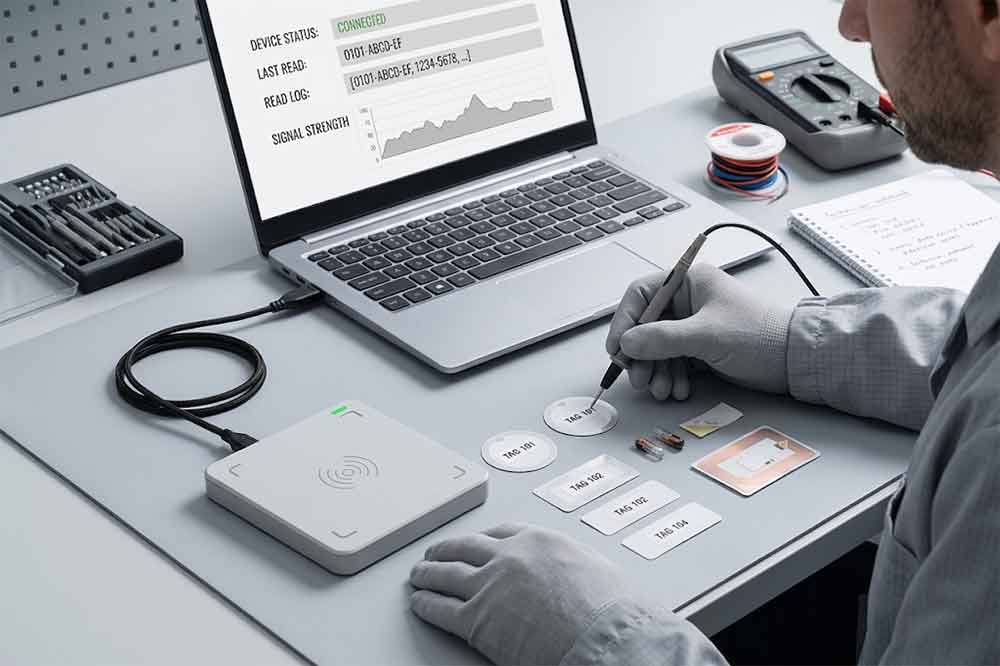
USB RFID reader may work perfectly during initial testing but behave differently after it is connected to a business computer, inventory application, or production workstation. Sometimes the computer cannot detect the device. In other cases, the reader connects successfully but fails to identify tags or send the expected data to the software.These problems do not always mean the RFID reader is defective. The cause may be an incompatible tag, an incorrect output mode, a missing driver, an unsuitable reading environment, or a software configuration issue.A structured troubleshooting process helps purchasing teams, engineers, and system integrators identify the source of a problem before replacing hardware. This guide covers common USB RFID reader issues, practical checks, and questions to ask a supplier when additional technical support is needed.The Computer Does Not Recognize the USB RFID ReaderOne of the first problems users encounter is that the computer does not appear to recognize the connected reader.The device may not appear in the expected system interface, the application may report that no reader is available, or the reader may connect and disconnect repeatedly.What to check firstStart with the physical connection. Inspect the USB cable, connector, and port. If possible, test another suitable USB port and a known-good cable. Avoid introducing additional USB hubs during initial troubleshooting, as they can add another variable.Next, check how the reader is designed to communicate with the computer. A reader using HID keyboard emulation may appear as a human interface device, while a virtual COM model may require a compatible driver and appear as a serial port. SDK-based devices may also require specific software components.Open the operating system’s device management tools and check whether the reader appears correctly. Look for warning symbols, driver errors, or repeated connection changes.If the reader is not recognized, verify the manufacturer’s installation instructions before installing or removing drivers.When to contact the supplierProvide the reader model, operating system version, connection method, and any error message. A screenshot of the device status can help technical support narrow down the issue.Do not assume that every USB RFID reader uses the same driver or appears under the same device category.The Reader Connects but Cannot Read RFID TagsA reader may connect normally while failing to identify a tag. In this situation, the USB connection may be working correctly, but the RFID reading conditions need further investigation.Check frequency and tag compatibilityRFID tags operate at specific frequency bands and use particular air-interface protocols. A reader designed for one frequency does not automatically support tags designed for another.For example, an LF reader, an HF reader operating at 13.56 MHz, and a UHF reader serve different tag families and applications. Before testing, confirm that the tag type is supported by the reader.Also check whether the tag is damaged, incorrectly positioned, or unsuitable for the intended application.Check distance and orientationMove the tag closer to the reader and test it at several positions. For a close-range reader, the intended reading distance may be only a few centimeters. A UHF reader may support a different working range, depending on its antenna, tag, settings, and environment.Do not judge performance using only one tag or one position. Test multiple known-good tags and record the conditions under which each one can be read.Consider the surrounding materialsMetal surfaces and liquids can affect RFID performance, particularly in UHF applications. A tag that works well in free air may perform differently when attached to a metal tool, liquid container, or other product.Use a tag designed for the actual material where necessary, and test it in the intended installation environment.For more detail, see our guide to USB RFID reader reading range.RFID Data Is Read but Does Not Appear in the ApplicationThis problem can be confusing because the reader may successfully identify a tag, yet the expected information does not appear in the software.The key is to distinguish between reading the tag and delivering its data to the target application.Check the output modeIn HID keyboard-emulation mode, tag data is usually sent to the active input field. If the cursor is in another window, the data may appear somewhere unexpected or seem to disappear.Open a simple text editor, select the input area, and scan a known tag. If the tag ID appears there, the reader’s basic output path may be working, and the issue may be related to the target application or its configuration.For virtual COM communication, confirm that the correct port is selected and that the application uses the protocol supported by the reader.For SDK-based integration, verify that the correct library, device settings, and supported functions are being used.Check the data formatThe application may expect a different representation of the tag ID. For example, it may require a hexadecimal identifier while the reader is configured to output another format.Check whether the reader adds a prefix, suffix, delimiter, or line ending. These settings can affect how the application parses the received data.Our guide to USB RFID reader data output modes explains the differences between HID, virtual COM, and software-based integration.The Reader Sends Incorrect or Incomplete Tag DataSometimes the reader outputs data, but the value does not match what the application expects.First, establish which tag field the project requires. Depending on the tag and reader, the application may use a UID, EPC, or another supported memory field. These identifiers are not interchangeable in every application.Next, compare the reader output with the tag information available through a known-good test tool or the manufacturer’s software. Check whether the output has been converted, shortened, padded, or formatted differently.If the project reads user memory or performs write operations, verify that the selected tag supports the required operation and that the correct memory area and access conditions are being used.Avoid changing database records simply to compensate for an unexplained output difference. Identify the expected data format first, then decide whether the reader configuration or application logic needs adjustment.The Reader Detects the Same Tag RepeatedlyRepeated reads are common in RFID systems. A reader may continuously detect a tag while the tag remains within its reading field. This behavior is not necessarily a hardware fault.The correct response depends on the application.For example, an asset registration workflow may need to create only one record when a tag is presented. A monitoring system, on the other hand, may need to record repeated observations over time.Practical ways to handle duplicate readsCheck whether the reader supports a trigger mode, inventory timing controls, or duplicate-suppression options. Available functions vary by model.If filtering must be performed in software, the application may temporarily ignore repeated reads of the same identifier within a defined time window. The appropriate interval depends on the workflow and should be tested carefully.For example, suppressing repeated reads for too long could hide a legitimate second scan. A system that records movement events may need different logic from a simple check-in form.Define the required behavior before adjusting reader settings.Reading Performance Is UnstableA reader may identify tags reliably in one location but miss them in another. This can happen after equipment is installed near metal structures, electrical devices, cables, or other sources of interference.Start by reproducing the problem under controlled conditions. Test the same tag, reader, distance, and orientation in a relatively clear environment. Then introduce the actual product, mounting position, and surrounding materials.For UHF systems, antenna orientation, tag placement, metal, liquid, and nearby RF activity can affect results. For other frequencies, coil alignment, coupling, tag construction, and the intended operating distance may also matter.Check whether the problem affects all tags or only a specific tag type. If only certain tags fail, investigate tag compatibility and placement before assuming that the reader itself is faulty.Where possible, document the successful and unsuccessful reading positions. This information is more useful than a general report that the reader has a short range.The Reader Works on One Computer but Not AnotherDifferent computers may have different operating systems, driver versions, USB configurations, permissions, and application dependencies.If the reader works on one computer but not another, compare the two environments instead of immediately changing the reader configuration.Check the following:Operating system and version.Required drivers and installation status.USB port and power configuration.Application version and permissions.SDK or library version, where applicable.COM port selection and communication settings.Whether the same test tag and output mode are being used.For projects deployed across many workstations, document the working configuration. This makes it easier to reproduce the setup and diagnose later problems.Before bulk deployment, test the reader on the actual computer types that will be used in production.A Simple Troubleshooting WorkflowWhen a USB RFID reader fails, changing several settings at once makes the cause harder to identify. A step-by-step test is more reliable.Step 1: Confirm the connection. Check the cable, USB port, power, and device recognition.Step 2: Verify tag compatibility. Confirm the frequency, protocol, and supported tag type.Step 3: Test a known-good tag. Use a tag already confirmed to work with the reader.Step 4: Check basic output. For HID, test in a text editor. For virtual COM or SDK-based readers, use the manufacturer’s supported test utility or sample application.Step 5: Verify the data format. Compare the returned identifier with the expected value and check any prefix, suffix, or conversion settings.Step 6: Reproduce the actual environment. Test the reader with the real products, materials, distance, and mounting position.Step 7: Record the result. Document the model, firmware or software version, operating system, tag type, configuration, and error message.If the problem remains, send this information to the supplier along with a short video or screenshot where appropriate. A clear reproduction procedure helps technical support determine whether the issue relates to hardware, configuration, tags, or software.What B2B Buyers Should Confirm Before Bulk PurchasingTroubleshooting is easier when technical requirements are clear before an order is placed.Ask the supplier to confirm the supported RFID frequencies and tag protocols, USB communication modes, operating system compatibility, driver requirements, and availability of SDKs or protocol documentation.For projects with specific performance requirements, provide representative tags and describe the actual application. Ask whether the supplier can support sample testing and provide guidance on configuration.If the reader will be integrated into custom software, verify the availability of test tools, sample code, and technical support. If the project requires OEM or ODM customization, document the required interface, output format, and expected workflow before production.A small pre-production test can uncover compatibility issues before they affect an entire deployment.ConclusionUSB RFID reader troubleshooting begins with identifying which part of the process is failing: the USB connection, tag reading, data output, or application integration. Checking these stages separately helps teams avoid unnecessary hardware replacement and resolve problems more efficiently.For B2B deployments, the most effective approach combines known-good tags, a controlled test environment, documented software settings, and clear communication with the supplier. Testing the reader with the intended tags and application before bulk purchasing can reduce integration delays and improve deployment reliability.Frequently Asked Questions1. Why is my USB RFID reader not detected by the computer?Check the USB cable, port, driver installation, and operating system compatibility. Also confirm whether the reader uses HID, virtual COM, or another supported communication interface.2. Why does my USB RFID reader connect but fail to read tags?Verify that the tag frequency and protocol are supported. Then test a known-good tag at different positions and distances, considering the surrounding materials.3. Why does the RFID tag ID not appear in my software?Check the output mode, active input field, COM port, protocol, and expected data format. Test with a text editor or the supplier’s supported utility where appropriate.4. Why does my RFID reader read the same tag repeatedly?Repeated reads can be normal. Check whether the reader supports trigger modes or duplicate filtering, and configure the application according to the intended workflow.5. What information should I provide when requesting technical support?Provide the reader model, operating system, tag type, connection mode, software version, error message, and steps to reproduce the problem. Screenshots or a short video may also help.

How Personalised Memorial Cards Help Irish Families Preserve Precious Memories Career & Business
Oct 22, 2026 • visibility 27 • 9 min read

How Personalised Memorial Cards Help Irish Families Preserve Precious Memories

Losing someone special is never easy. During a time of grief, families often look for meaningful ways to celebrate a loved one's life and preserve the memories they shared. Memorial cards provide a beautiful, lasting reminder of someone who will always hold a special place in their hearts. With carefully selected photographs, personal messages, prayers, and thoughtful designs, these keepsakes help families remember their loved ones with love and dignity.Irish Memory Cards offers personalised memorial stationery to help families create meaningful tributes that reflect the life, personality, and beliefs of the person they are remembering.Why Memorial Cards Remain Meaningful KeepsakesMemorial cards have a long-standing place in Irish remembrance traditions. They are often shared with family members, friends, and funeral attendees as a lasting expression of love and remembrance. Many people keep these cards in wallets, prayer books, handbags, or special memory boxes.A thoughtfully designed card can include a treasured photograph, the person's name, important dates, a favourite prayer, a meaningful poem, or a personal message. These details transform a simple printed card into a treasured keepsake that brings comfort whenever it is revisited.Choosing a reliable Memorial Cards Company allows families to create a design that reflects their loved one's life while maintaining a respectful and elegant presentation.Finding Quality Memorial Cards Ireland Families Can PersonaliseWhen choosing Memorial Cards Ireland families should consider both the design and the personal details they want to include. Some prefer traditional religious imagery, while others choose floral backgrounds, peaceful landscapes, Celtic-inspired patterns, or simple contemporary layouts.Personalisation gives families the opportunity to celebrate the individuality of their loved one. A favourite photograph can bring back happy memories, while a carefully chosen verse can express feelings that are sometimes difficult to put into words.Consider these elements when planning your memorial card:Photographs: Select a clear, meaningful picture that reflects your loved one's personality.Prayers and poems: Choose words that offer comfort and express your family's beliefs.Personal messages: Include a short dedication that captures the love and memories you wish to preserve.Design and layout: Choose colours, imagery, and typography that create a dignified and readable keepsake.Printed quality: Look for clear text, good image reproduction, and durable materials suitable for long-term keeping.Taking time to select these details can help you create a memorial card that feels personal and special.Wallet Cards in Ireland: Small Keepsakes with Lasting MeaningWallet Cards in Ireland are a practical choice for people who want to keep a reminder of their loved one close at all times. Their compact format makes them easy to carry in a wallet, purse, or pocket.Although wallet memorial cards are small, they can hold meaningful details such as a photograph, name, dates, prayer, or short remembrance message. Family members may carry them daily, while friends may keep them as a personal memento of someone they cared about.These cards can also be suitable for remembrance gatherings, anniversaries, and other occasions when families come together to reflect on the life of someone special.When choosing wallet cards, consider readability, image clarity, and the amount of information you wish to include. A simple, balanced layout can help ensure that every detail remains easy to appreciate.Traditional Memorial Card Ireland Designs for Timeless RemembranceA Traditional Memorial Card Ireland design is a meaningful option for families who wish to preserve familiar Irish memorial customs. Traditional styles may feature religious imagery, crosses, saints, prayers, floral decorations, and classic typography.For families with Catholic traditions, a prayer or spiritual message may be an important part of the design. Others may prefer a peaceful image or a favourite poem that reflects the person's character and life journey.Traditional designs do not have to feel impersonal. Adding a favourite photograph, a personal dedication, or a carefully selected verse can make the card unique while preserving its familiar appearance.The most suitable design is one that feels authentic to the person being remembered and brings comfort to those who receive it.How to Choose the Right Memorial CardBefore placing an order, gather the information you would like to include. Check names, dates, spelling, photographs, and any chosen prayers or poems carefully. Think about whether you prefer a traditional or contemporary design and whether a wallet card or another format would best suit your needs.It can also be helpful to discuss the design with close family members. Sharing ideas may help you choose details that represent the memories and values everyone wishes to celebrate.Working with a dedicated Memorial Cards Company can help you explore available styles and create a personalised tribute that meets your preferences.Why Choose Irish Memory Cards?At Irish Memory Cards, the focus is on helping families create thoughtful memorial keepsakes that honour important memories. Whether you are looking for personalised wallet cards or a traditional design, selecting the right combination of photographs, wording, and presentation can make the finished card truly meaningful.Our goal is to help you find a suitable memorial card that reflects your loved one's memory with care and respect.Create a Lasting Tribute TodayMemorial cards are more than printed keepsakes. They are reminders of love, shared experiences, family traditions, and the special people who remain part of our lives.If you are looking for Memorial Cards Ireland, explore the available options at Irish Memory Cards. Discover designs for Wallet Cards in Ireland, traditional memorial tributes, and personalised remembrance keepsakes.Visit US: https://www.irishmemorycards.com/#MemorialCards #MemorialCardsIreland #WalletCards #TraditionalMemorialCards #IrishMemoryCards

Understanding Lithium Ion Pouch Cells: A Practical Guide for Battery Wholesalers Tech & Innovation
Oct 22, 2026 • visibility 28 • 11 min read

Understanding Lithium Ion Pouch Cells: A Practical Guide for Battery Wholesalers

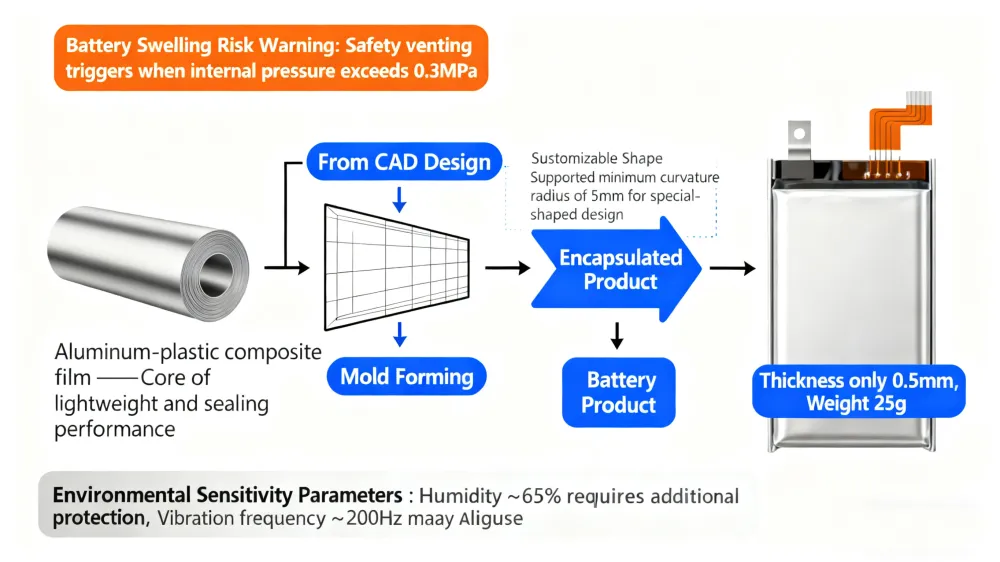
If you’ve ever dipped your toes into the world of lithium-ion batteries, you probably noticed that lithium ion pouch cells have been gaining a lot of attention lately.In real‑world applications, pouch battery often stands out when space and weight matter most. Unlike hard‑cased cells, pouch cells can be shaped more flexibly, so designers use them in everything from slim consumer electronics to compact energy storage modules. For many battery buyers, that flexibility makes pouch batteries worth a close look.Unlike their cylindrical or prismatic cousins, pouch cells are a flexible, lightweight option—but they come with their own quirks. For wholesalers, understanding these subtleties can mean the difference between happy clients and constant returns.While understanding the structure and advantages of pouch cells is important, many buyers and OEM engineers also want to know how these cells are actually assembled into battery packs. In real-world applications, lithium ion pouch batteries can be connected in series, parallel, or mixed configurations depending on the required voltage, capacity, and power output. If you’d like a more detailed explanation of how pouch cells are connected in practical battery systems, you can read this guide:How Are Lithium Ion Pouch Batteries Connected?What Makes Pouch Cells Unique?​At first glance, a pouch cell looks deceptively simple—a flat, flexible package, often wrapped in an aluminum-laminated film. But underneath, there’s clever engineering designed to maximize energy storage while minimizing weight.Flexibility and Form Factor: Unlike rigid cylindrical cells, pouch cells can be made in various shapes and sizes. This makes them ideal for devices or battery packs that don’t have a traditional rectangular or cylindrical compartment.Lightweight Advantage: Without a metal casing, these cells are lighter, which is a huge plus for portable electronics, drones, or electric vehicles where every gram matters.Cost-Efficient Production: For manufacturers and wholesalers, pouch cells are often cheaper to produce at scale, since the manufacturing process is simpler than that of prismatic cells.The Challenges You Need to Know​No product is perfect, and pouch cells are no exception. Wholesalers need to be aware of some common issues:Swelling During Use: One of the most talked-about quirks is that pouch cells can swell during charging and discharging. While this is usually manageable, it’s important to advise customers to provide some space in the battery enclosure.Environmental Sensitivity: High humidity and extreme temperatures can reduce the lifespan of these cells. Proper storage and shipping conditions are essential to avoid early failures.Mechanical Protection: Because the pouch is flexible, it’s more prone to physical damage. Ensuring that packs are reinforced or housed in protective structures is key for long-term reliability.Practical Tips for Wholesalers​Selling lithium ion pouch cells isn’t just about offering the product—it’s about helping your clients succeed. Here are some practical tips:Know Your Market: Pouch cells are popular in electric bikes, power tools, drones, and small-scale energy storage solutions. Matching the cell format to your clients’ devices can boost satisfaction.Educate Your Customers: A quick guide on proper handling, storage, and usage can save both you and your clients headaches. Many failures can be prevented with simple precautions.Offer Variety: Different projects require different capacities, thicknesses, and sizes. Stocking a range of options positions you as a trusted partner, not just a supplier.Why Pouch Cells Are Worth It​Despite their quirks, pouch cells are here to stay. Their adaptability, weight savings, and manufacturing advantages make them an increasingly popular choice across industries. For wholesalers, understanding their strengths and limitations is the key to providing real value.At the end of the day, selling lithium ion pouch cells battery isn’t just about moving inventory—it’s about helping businesses power their products safely, efficiently, and reliably. A well-informed wholesaler is a trusted partner, and in a growing market like lithium-ion batteries, trust goes a long way.Why Lipo Pouch Cells Are Popular for Custom Battery Designs​For manufacturers looking for lightweight and flexible battery solutions, lipo pouch cells have become a preferred option in many compact electronic products and custom battery pack projects. Unlike traditional cylindrical cells, lipo pouch cells use a flexible packaging structure, allowing engineers to customize the battery shape, thickness, and capacity according to the available product space. This design flexibility makes them suitable for applications where size and weight are critical factors.When sourcing lipo pouch cells in bulk, battery wholesalers should pay attention to more than just capacity ratings. Factors such as cell thickness tolerance, discharge performance, cycle life, safety protection, and consistency between batches can directly affect the reliability of the final battery pack. High-quality pouch cells help manufacturers achieve better energy utilization while maintaining stable performance during long-term operation.For OEM customers, lipo pouch cells are widely used in drones, wearable devices, smart electronics, medical equipment, GPS trackers, and other portable products that require compact yet powerful energy sources. A reliable battery supplier can provide customized pouch cell solutions, including different voltage options, capacity ranges, connector designs, and integrated BMS configurations to meet specific product requirements.Choosing the right lipo pouch cells supplier is an important step for companies planning long-term production. Beyond competitive pricing, manufacturers should evaluate production capability, quality control processes, certification support, and customization experience to ensure consistent supply for future projects.Choosing the Right Lithium Pouch Cell for Wholesale Applications​For battery wholesalers, selecting the right lithium pouch cell is not only about comparing capacity and size. The performance of a pouch cell depends on factors such as energy density, cycle life, safety features, and manufacturing consistency. Compared with traditional cylindrical cells, lithium pouch cells offer a flexible design that allows manufacturers to create thinner and lighter battery packs for different applications.When sourcing pouch cells in bulk, wholesalers should pay attention to supplier quality control, cell testing procedures, and customization capability. A reliable lithium pouch cell supplier can provide stable cell performance, different capacity options, and support for OEM battery pack projects. This makes pouch cells a popular choice for portable electronics, medical equipment, smart devices, and other applications where space and weight are important factors.What Is Pouch Cell Battery? A Simple Guide​Have you ever wondered, “What exactly is a pouch cell battery?” If so, you’re definitely not alone. These little power packs are everywhere these days—from your smartphone to electric cars. What makes them stand out is their soft, flexible casing. Unlike the stiff cylindrical or rectangular batteries we’re used to, pouch cells are lighter, easier to shape, and surprisingly versatile.Read →What Is Pouch Cell Battery? A Simple Guide

R-Seal An Advanced Insulation Solution for Metal Buildings Home & Gardening
Oct 21, 2026 • visibility 46 • 10 min read

R-Seal An Advanced Insulation Solution for Metal Buildings

Insulation plays an important role in the performance of metal and steel buildings. Warehouses, manufacturing facilities, agricultural structures, and commercial properties all require suitable insulation to help control heat transfer, maintain comfortable indoor temperatures, and support efficient building operations. Choosing the right insulation system during the planning stage can also help construction teams coordinate materials and installation more effectively.R-Seal® is a rigid insulation system designed specifically for metal roof and wall applications. By combining insulation with an integrated air-barrier system, it provides an option for building owners and construction professionals looking to improve the performance of their building envelope.Understanding the R-Seal Insulation SystemR Seal is a proprietary insulation system developed for metal building applications. It combines a reflective radiant barrier, a closed-cell foam core, and an integrated Tape Tab air-barrier system. These components are designed to help reduce heat transfer and control air movement through properly designed roof and wall assemblies.Traditional insulation methods may leave areas around framing members where heat can move more readily. A continuous insulation approach helps address these thermal bridges by providing a more consistent insulating layer across the building envelope.R-Seal is designed for installation over the exterior framing of walls and beneath roof panels. The installation method depends on the specific assembly and requires coordination with structural framing, roofing components, and other building materials.Why R-Seal Matters for Metal Building ConstructionMetal buildings offer flexibility and durability for many commercial and industrial applications. However, metal framing and panels can conduct heat, making insulation an important consideration in the overall building design.An appropriately selected insulation system can help improve thermal control and reduce temperature fluctuations inside the facility. Better insulation may also reduce heating and cooling demand, depending on the climate, building design, and operating conditions.R Seal offers several features that can support metal building performance:Continuous insulation: Helps create a consistent thermal layer across roof and wall assemblies.Integrated air barrier: The Tape Tab system is designed to seal panel seams and help control unwanted air movement.Multiple thickness options: Different configurations allow project teams to evaluate insulation according to their required thermal performance.Metal building compatibility: The system is designed for metal roof and wall applications.Project-specific planning: Custom panel lengths and coordinated layouts can help address individual project requirements.The actual performance of any insulation system depends on product selection, installation quality, building design, and compliance with applicable codes.Metal Building Insulation Services for BuildersSuccessful insulation projects require more than selecting a suitable product. Builders must coordinate insulation quantities, technical specifications, material delivery, and installation schedules with the rest of the construction process.ENVO Solutions provides Metal Building Insulation Servicesto support commercial, industrial, and agricultural construction projects. Its team works with builders to evaluate insulation requirements, review product options, prepare project takeoffs, provide quotations, and coordinate materials.This support helps construction teams make informed decisions about insulation thickness, assembly compatibility, and project logistics. Planning these details early can reduce avoidable delays and help keep the insulation work aligned with the overall construction schedule.ENVO also provides product information, drawings, and installation guidance to help teams understand how the selected system fits into the building design.Choosing the Right Insulation ThicknessR Seal is available in several thickness configurations, including 2-inch, 2.6-inch, 3-inch, 4-inch, and 5-inch panels. Each project has different thermal requirements, so the appropriate option should be selected according to the building's specifications rather than thickness alone.Important considerations include the local climate, required R-value, roof and wall assembly design, intended building use, and applicable energy codes. Project teams should also review how the insulation integrates with structural components, fasteners, panel joints, and exterior finishes.Air leakage and moisture management are equally important. Properly designed transitions and sealed connections help maintain the continuity of the building envelope and reduce the risk of performance problems.Consulting technical documentation and coordinating with the insulation provider can help builders select a configuration that matches the project requirements.How ENVO Solutions Supports R Seal ProjectsENVO Solutions is a licensed national distributor for R-Seal and supports projects from initial planning through material delivery and installation. Its services include project assessment, system selection, quotations, project-specific drawings, production and delivery coordination, and installation training.This approach helps builders organize the insulation process while accounting for project dimensions, material quantities, and construction schedules. Working with a knowledgeable supplier can also make it easier to resolve product questions before installation begins.Whether the project involves a new metal building or an upgrade to an existing structure, the insulation strategy should be based on the building's current condition, performance goals, and construction requirements.Benefits of Planning Insulation EarlyIncluding insulation in the early stages of construction offers several practical advantages. Design teams can coordinate the roof and wall assemblies, identify required materials, and address details that might otherwise cause installation difficulties.Early planning also helps builders evaluate insulation options against project budgets and delivery schedules. By reviewing specifications before ordering materials, teams can better align product quantities and installation requirements with the wider construction plan.A well-coordinated insulation system can support more consistent indoor conditions, reduce unwanted heat transfer, and contribute to the long-term performance of the building envelope.ConclusionR Seal provides a rigid insulation system designed for metal roof and wall applications. Its combination of a closed-cell foam core, reflective radiant barrier, and integrated Tape Tab air-barrier system is intended to support continuous insulation and air control in properly designed building assemblies.For builders, selecting the right system involves evaluating thermal requirements, roof and wall construction, installation details, and applicable codes. ENVO Solutions supports this process through R-Seal product supply, project takeoffs, quotations, drawings, delivery coordination, and installation guidance.With careful planning and appropriate product selection, construction teams can develop an insulation approach that supports building performance and project-specific requirements.

ENVOSolutions LLC
Read arrow_forward
Alexistogel Online: Membahas Fitur dan Informasi Platform
Oct 21, 2026 • visibility 25 • 11 min read

Alexistogel Online: Membahas Fitur dan Informasi Platform

Perkembangan teknologi digital telah mengubah cara masyarakat menikmati berbagai bentuk hiburan melalui internet. Salah satu topik yang sering dibicarakan dalam dunia online gaming adalah permainan angka, termasuk Toto Macau, Macau 4D, dan berbagai layanan yang berkaitan dengan bandar toto. Seiring meningkatnya penggunaan platform digital, pengguna juga semakin tertarik untuk memahami informasi, fitur, keamanan, dan risiko yang berkaitan dengan layanan tersebut. Alexistogel menjadi salah satu kata kunci yang dapat ditemukan dalam pembahasan mengenai platform permainan angka dan hiburan digital.Memahami cara kerja sebuah platform sebelum menggunakannya merupakan langkah penting bagi siapa pun yang ingin menjelajahi dunia hiburan online. Pengguna sebaiknya tidak hanya memperhatikan tampilan situs, tetapi juga mempelajari kebijakan layanan, perlindungan data pribadi, transparansi informasi, serta ketentuan hukum yang berlaku di wilayah masing-masing.Mengenal Alexistogel dalam Dunia Online GamingAlexistogel merupakan salah satu istilah pencarian yang berkaitan dengan platform permainan angka dan online gaming. Ketika mencari informasi mengenai sebuah platform, pengguna biasanya ingin mengetahui fitur yang tersedia, kemudahan akses, sistem akun, serta bagaimana informasi disajikan kepada pengunjung.Dalam lingkungan digital yang terus berkembang, kualitas pengalaman pengguna menjadi faktor penting. Sebuah platform yang memiliki navigasi jelas dan informasi terstruktur dapat membantu pengunjung memahami berbagai bagian situs dengan lebih mudah. Selain itu, penjelasan mengenai kebijakan privasi, syarat penggunaan, dan dukungan pelanggan juga perlu diperhatikan sebelum seseorang memutuskan untuk menggunakan layanan tertentu.Pencarian informasi mengenai Alexistogel sebaiknya dilakukan secara hati-hati. Pengguna perlu memeriksa keaslian alamat situs, menghindari tautan mencurigakan, serta tidak membagikan informasi sensitif kepada pihak yang belum terverifikasi.Memahami Toto Macau dan Macau 4DToto Macau dan Macau 4D merupakan istilah yang sering muncul dalam pembahasan permainan angka berbasis hasil undian. Istilah tersebut memiliki kaitan dengan pencarian informasi mengenai angka, jadwal hasil, dan berbagai jenis data yang digunakan oleh komunitas penggemar permainan angka.Macau 4D umumnya merujuk pada format permainan yang menggunakan kombinasi empat digit. Namun, mekanisme permainan, aturan, dan ketentuan setiap layanan dapat berbeda. Karena itu, pengguna tidak seharusnya menganggap semua platform memiliki sistem yang sama atau menjamin hasil tertentu.Dalam memahami Toto Macau, penting untuk membedakan informasi historis dari prediksi. Hasil sebelumnya tidak menjamin hasil berikutnya, terutama apabila setiap hasil ditentukan melalui proses acak yang independen. Tidak ada metode analisis sederhana yang dapat memastikan kombinasi angka tertentu akan muncul pada periode selanjutnya.Pendekatan yang bijaksana adalah mempelajari informasi yang tersedia tanpa menganggapnya sebagai jaminan keuntungan. Pengguna juga perlu memahami risiko finansial yang mungkin muncul ketika permainan angka melibatkan uang sungguhan.Peran Bandar Toto dalam Ekosistem DigitalIstilah bandar toto sering digunakan untuk menggambarkan penyedia atau operator yang berkaitan dengan layanan permainan angka. Dalam konteks online gaming, pengguna mungkin menemukan berbagai platform dengan desain, sistem akun, dan metode transaksi yang berbeda.Sebelum mempercayai suatu layanan, pengguna sebaiknya memeriksa identitas operator, ketentuan penggunaan, perlindungan informasi pribadi, serta legalitas operasionalnya. Klaim mengenai layanan yang aman, pembayaran cepat, atau peluang menang tinggi tidak seharusnya diterima begitu saja tanpa bukti yang dapat diverifikasi.Bandar toto yang menyampaikan informasi secara transparan akan menjelaskan aturan layanan dan risiko yang relevan. Meskipun demikian, tampilan profesional atau ulasan positif saja tidak cukup untuk membuktikan bahwa suatu platform dapat dipercaya.Keamanan akun juga menjadi perhatian utama. Gunakan kata sandi yang kuat, jangan menggunakan kata sandi yang sama untuk berbagai layanan, dan hindari memberikan kode verifikasi kepada orang lain. Langkah sederhana tersebut dapat membantu mengurangi risiko penyalahgunaan akun.Bandar Toto Macau dan Pentingnya Informasi yang AkuratBandar Toto Macau merupakan kombinasi kata kunci yang sering digunakan oleh orang-orang yang mencari informasi mengenai layanan Toto Macau melalui internet. Pencarian tersebut dapat mencakup informasi umum, hasil historis, penjelasan sistem, dan fitur yang tersedia pada berbagai platform.Ketika mengakses informasi terkait bandar toto macau, pengguna perlu memperhatikan sumber data dan waktu publikasinya. Informasi yang tidak mencantumkan tanggal atau sumber yang jelas mungkin sudah tidak relevan atau belum tentu akurat.Jangan mudah percaya pada klaim bahwa suatu platform memiliki akses khusus terhadap hasil mendatang. Data historis dapat digunakan untuk memahami kejadian sebelumnya, tetapi tidak dapat membuktikan bahwa seseorang mampu mengetahui hasil undian berikutnya secara pasti.Selain akurasi informasi, perlindungan konsumen juga penting. Pengguna perlu mengetahui prosedur pengaduan, ketentuan transaksi, serta batasan tanggung jawab penyedia layanan sebelum menggunakan suatu platform.Mengenal Paito Macau dan Penggunaan Data HistorisPaito Macau biasanya merujuk pada penyajian data hasil sebelumnya dalam bentuk tabel atau catatan visual. Format ini dapat membantu pembaca mengamati dan membandingkan data historis tanpa harus membuka setiap hasil secara terpisah.Paito Macau dapat menyusun informasi berdasarkan tanggal, periode, atau kategori tertentu. Penyajian yang rapi membantu pengguna membaca data dengan lebih sistematis. Akan tetapi, kualitas analisis tetap bergantung pada kelengkapan, ketepatan, dan sumber data yang digunakan.Penting untuk memahami bahwa pola yang terlihat dalam kumpulan angka tidak otomatis menunjukkan adanya hubungan sebab-akibat. Otak manusia cenderung menemukan pola bahkan ketika data sebenarnya terbentuk secara acak. Oleh sebab itu, paito sebaiknya dipahami sebagai alat untuk melihat catatan masa lalu, bukan sebagai metode yang menjamin prediksi.Jika menggunakan tabel historis untuk tujuan pembelajaran statistik, pengguna dapat mempelajari frekuensi, distribusi, dan variasi angka. Analisis tersebut dapat membantu memahami konsep probabilitas, tetapi tidak menghilangkan ketidakpastian dari hasil acak.Tips Menjelajahi Online Gaming dengan Lebih AmanOnline gaming mencakup berbagai jenis hiburan digital, mulai dari permainan kasual hingga permainan yang melibatkan transaksi finansial. Setiap kategori memiliki karakteristik dan risiko berbeda, sehingga pengguna perlu menentukan batasan yang sesuai.Berikut beberapa hal yang layak diperhatikan:Periksa legalitas: Pastikan layanan yang digunakan sesuai dengan peraturan di wilayah tempat tinggal.Lindungi informasi pribadi: Hindari membagikan data identitas, kata sandi, atau kode keamanan kepada pihak yang tidak tepercaya.Evaluasi sumber informasi: Bandingkan informasi dari sumber yang dapat diverifikasi dan waspadai klaim berlebihan.Pahami risiko finansial: Jangan menggunakan uang untuk kebutuhan pokok atau meminjam uang demi mengikuti permainan.Tetapkan batas waktu: Pastikan aktivitas hiburan digital tidak mengganggu pekerjaan, pendidikan, hubungan sosial, atau istirahat.Kenali tanda penipuan: Waspadai permintaan pembayaran yang tidak jelas, janji keuntungan pasti, dan tautan yang menyerupai situs resmi.Kebiasaan tersebut dapat membantu pengguna membuat keputusan yang lebih rasional ketika menjelajahi berbagai layanan digital.KesimpulanAlexistogel, Toto Macau, bandar toto, Macau 4D, paito Macau, dan Bandar Toto Macau merupakan kata kunci yang berkaitan dengan pencarian informasi mengenai permainan angka dan online gaming. Setiap istilah memiliki konteks tersendiri, mulai dari platform digital hingga penyajian data historis.Hal terpenting adalah memahami batasan informasi yang tersedia, memeriksa keamanan layanan, dan tidak menganggap pola angka sebagai jaminan hasil. Dengan pendekatan yang kritis, perlindungan data pribadi, serta pemahaman mengenai risiko dan peraturan yang berlaku, pengguna dapat menilai informasi online gaming secara lebih bertanggung jawab. Hiburan digital sebaiknya tetap berada dalam batas yang aman dan tidak mengorbankan kesejahteraan pribadi maupun kondisi keuangan.

Data Accuracy in Supermarket Price Comparison at Postcode Level Tech & Innovation
Oct 21, 2026 • visibility 30 • 11 min read

Data Accuracy in Supermarket Price Comparison at Postcode Level

IntroductionIn today’s fast-moving grocery ecosystem, pricing is no longer a city-level strategy. It has become a hyper-local game where even nearby neighborhoods can experience noticeable differences in product rates. Retailers, FMCG brands, and consumer analytics platforms are now paying closer attention to how grocery prices fluctuate across different areas, especially in major urban clusters where demand patterns vary significantly.To build actionable market strategies, businesses are now using automation-driven techniques such as Web Scraping Ecommerce Data to gather pricing signals at scale. When combined with location-based insights, this helps uncover real patterns hidden beneath city-wide averages.Ultimately, Supermarket Price Comparison at Postcode Level enables businesses to detect hidden pricing gaps, optimize promotions, and improve retail decision-making using verified market signals rather than assumptions. In this blog, we will explore how postcode-level grocery price comparison reveals an average 18% price gap across cities and why postcode-based pricing analytics has become a must-have strategy for grocery retailers and consumer product brands.Understanding Price Differences Across Neighborhood Grocery StoresRetail grocery pricing can vary significantly depending on location, even within the same city. Many customers assume that the price they see in one store reflects the city-wide average, but localized pricing strategies often create hidden gaps. Stores adjust their prices based on competition density, customer demographics, and operational costs in different areas.For businesses, having access to Powerful Grocery & Supermarket Datasets allows for a more precise evaluation of these local differences. This data provides insights into pricing clusters, enabling retailers to identify high-cost zones, verify compliance with price agreements, and spot opportunities for targeted promotions.A 2024 retail study revealed that grocery prices across different neighborhoods can vary by 10% to 22%, depending on local competition and purchasing behavior. Monitoring these gaps enables businesses to refine pricing strategies and align store-level pricing with broader objectives.Sample Neighborhood Price Comparison:Dairy Products: Neighborhood 1 average price: $4.10; Neighborhood 2 average price: $4.85; Price difference: 18.3%Fresh Vegetables: Neighborhood 1 average price: $3.40; Neighborhood 2 average price: $3.95; Price difference: 16.2%Snacks & Chips: Neighborhood 1 average price: $2.25; Neighborhood 2 average price: $2.70; Price difference: 20.0%Household Items: Neighborhood 1 average price: $5.90; Neighborhood 2 average price: $6.85; Price difference: 16.1%With a neighborhood-level perspective, retailers can prioritize regions with high pricing disparities and adjust strategies for competitive advantage. This approach transforms data into actionable insights and allows smarter decisions in promotions and inventory management.Leveraging Real-Time Monitoring To Improve Grocery Pricing DecisionsFrequent price fluctuations are common in retail due to supplier costs, seasonal demand, and competitor promotions. Waiting for weekly or monthly reports often results in delayed responses and lost revenue. For grocery retailers, Supermarket Price Monitoring provides daily or hourly updates that help identify pricing gaps and spot competitor activity.By tracking changes in real-time, businesses can understand which stores are increasing margins, which locations require discounting, and which zones are most volatile. This enables smarter promotion planning, reduces ineffective campaigns, and helps maintain competitive pricing consistency across regions.Monitoring pricing trends also uncovers “hot zones” where competition is strongest. These zones often see aggressive discounts or higher pricing for premium products. Real-time monitoring ensures that pricing teams are not reacting late to such trends but can make proactive decisions.Price Gap Analysis Across Different Cities:City 1: Lowest neighborhood basket cost: $82; Highest neighborhood basket cost: $97; Price difference: 18.3%City 2: Lowest neighborhood basket cost: $74; Highest neighborhood basket cost: $88; Price difference: 18.9%City 3: Lowest neighborhood basket cost: $79; Highest neighborhood basket cost: $93; Price difference: 17.7%City 4: Lowest neighborhood basket cost: $90; Highest neighborhood basket cost: $106; Price difference: 17.8%Integrating Postcode-Level Price Tracking ensures that retailers can forecast trends, plan pricing adjustments, and maintain consistency in competitive markets. This strategy transforms fragmented pricing data into meaningful, actionable intelligence for grocery businesses.Using Automation To Capture Accurate Pricing Across SupermarketsCollecting accurate pricing data manually is slow and error-prone. Stores often display different prices online than on shelves, and promotions vary across platforms. Automated Grocery Price Scraping provides a scalable solution to collect reliable, structured data from multiple supermarket websites.Automation allows retailers to capture daily price changes, ensuring reports reflect the real market. This approach identifies hidden promotions or pricing variations between regions, which are often invisible in manual audits. By implementing automation, businesses can reduce inaccuracies and respond faster to competitor moves or supply chain changes.Retailers adopting automated systems have seen up to 30% higher pricing accuracy compared to traditional methods. This not only improves promotion planning but also helps maintain consistent pricing across stores and ensures better customer satisfaction.Example of Pricing Volatility Captured with Automation:Packaged Snacks: 5–8 price updates per week; maximum price gap across neighborhoods: 21%Fresh Dairy: 4–6 price updates per week; maximum price gap across neighborhoods: 19%Frozen Foods: 3–5 price updates per week; maximum price gap across neighborhoods: 16%Household Essentials: 2–4 price updates per week; maximum price gap across neighborhoods: 14%With Real-Time Grocery Price Tracking Across Cities, retailers can make rapid pricing adjustments and reduce the risk of losing customers to competitors. This level of automation ensures consistency, accuracy, and actionable insights for grocery pricing decisions.How ArcTechnolabs Can Help You?Retail businesses often struggle with inconsistent pricing visibility across stores, apps, and supermarket websites. Instead of relying on manual checks, teams can build structured insights using Supermarket Price Comparison at Postcode Level for faster market response and smarter promotional planning.What we offers:Customized postcode-based grocery pricing dashboards.Automated competitor data extraction and validation systems.Daily and hourly price monitoring across supermarket platforms.Promotion and discount intelligence across regional markets.Multi-city grocery basket analysis and category-level insights.API-ready datasets for pricing analytics and BI integration.You can build a reliable strategy using Postcode-Level Price Tracking and ensure your grocery pricing intelligence remains consistent, measurable, and scalable across every market you operate in.ConclusionPricing gaps in grocery markets are not random. They are driven by competition intensity, local demand behavior, and retail pricing strategies that vary from one postcode to another. This is why Supermarket Price Comparison at Postcode Level reveals hidden cost differences that city-level averages completely miss.With structured data and Supermarket Price Monitoring, businesses can reduce blind spots and respond to market changes faster. Connect with ArcTechnolabs today to build a smarter postcode-level grocery pricing strategy and strengthen your competitive retail intelligence.#SupermarketPriceComparisonAtPostcodeLevel,#SupermarketPriceMonitoring,#PostcodeLevelPriceTracking,#RealTimeGroceryPriceTrackingAcrossCities,Source: https://www.arctechnolabs.com/supermarket-price-comparison-at-postcode-level.phpContact us:E-mail: [email protected] No: +91 8866656657Visit Now: https://www.arctechnolabs.co

Steve Harringtone
Read arrow_forward
How Computer Skills Can Open New Career Paths Today Education & Learning
Oct 21, 2026 • visibility 45 • 10 min read

How Computer Skills Can Open New Career Paths Today

IntroductionThe world is changing quickly, and computers have become an important part of many jobs. Today, people use computers in offices, schools, banks, shops, hospitals, and many other places. Even small businesses use computers to manage their daily work.Because of this change, basic computer skills are useful for students, job seekers, and working people. Knowing how to use a computer can help people find new opportunities, complete tasks easily, and feel more confident at work.Learning computer skills does not mean that a person must become a computer expert. Even basic knowledge can be a good starting point for building a better career.Why Computer Skills Are Important for JobsMany companies use computers to manage information and complete daily activities. Employees may need to write documents, prepare reports, send emails, and enter data into computer systems.People who know how to perform these tasks can find it easier to adjust to different workplaces. Basic computer knowledge can also help them learn new software when required.For example, an office assistant may use a computer to prepare letters and maintain records. A shop worker may use billing software to prepare customer bills. These examples show how computer skills are useful in different types of jobs.As more workplaces use digital tools, learning basic computer operations has become an important step towards career development.Computer Skills Help Students Prepare for the FutureStudents can start learning computer skills while they are still studying. These skills can help them complete school and college assignments, prepare presentations, and search for useful information online.Students can also learn how to create documents, organise files, and communicate through email. These activities improve their confidence and prepare them for future work.When students understand computers early, they may find it easier to learn advanced digital tools later. They can also explore different career options and understand which skills are needed for those jobs.Regular computer practice can help students become more independent and better prepared for future opportunities.Data Entry and Office Work OpportunitiesData entry and office support are examples of work that often require basic computer knowledge. These jobs may involve entering information, updating records, preparing documents, and organising files.People interested in these roles should learn typing, file management, and the use of common office software. They should also develop good attention to detail because small mistakes can affect important records.Knowing how to use spreadsheets can be helpful for arranging information and performing simple calculations. Email skills are also useful for sharing documents and communicating with team members.Although job requirements differ between employers, a good understanding of basic computer tasks can help beginners prepare for office-related work.Digital Skills Can Support Small Business WorkComputer knowledge can also help people who want to work with small businesses or start their own business.Many businesses use computers to prepare bills, maintain customer details, track sales, and manage expenses. Some also use online tools to communicate with customers and share information about their products or services.For example, a small shop owner can use a spreadsheet to record daily sales. An office assistant can organise customer information in digital files. These simple tasks can save time and make business records easier to manage.People with basic computer skills may therefore find opportunities in different business settings, depending on their knowledge and experience.Learning New Skills Can Improve Career ChoicesBasic computer knowledge can be the first step towards learning more advanced skills. Once people understand how computers work, they can explore other areas according to their interests.Some may choose to learn accounting software, while others may study graphic design, website development, data analysis, or digital marketing. Each field requires different skills, training, and practice.It is important to choose a learning path based on personal interests and career goals. People should also check the requirements of the jobs they want to pursue.Learning one skill at a time makes the process easier. With regular practice, beginners can slowly build their knowledge and explore new career directions.How RSCIT Learning Can Build a Strong FoundationRSCIT stands for Rajasthan State Certificate Course in Information Technology. It introduces learners to basic computer concepts and useful digital activities.Learners can study computer fundamentals, internet use, digital services, and common computer applications. This knowledge can help them understand how computers are used in everyday life and at work.People searching for an RSCIT Course in Udaipur can compare different institutes before choosing where to study. They should check the course syllabus, practical learning opportunities, teaching methods, and support provided to beginners.For example, learners can explore institutes such as Swastik Computer Education to understand the available computer learning options in Udaipur. Choosing a suitable learning environment can help students ask questions, prectise regularly, and improve their understanding.The Importance of Practice and ConfidenceJoining a course is only one part of learning computer skills. Regular practice is equally important.Beginners can start by learning how to type, create folders, save files, and prepare simple documents. They can then prectise using email, browsing the internet, and working with office applications.It is normal to make mistakes during the learning process. Instead of feeling discouraged, learners should try again and ask questions when they need help.Prectising small tasks every day can improve speed, accuracy, and confidence. Over time, these skills can make it easier to learn new software and complete work-related activities.ConclusionComputer skills can open new career paths by helping people prepare for office work, data entry, business support, and further digital learning. They also help students complete their studies and prepare for future employment.Basic computer knowledge alone does not guarantee a job, but it can provide a useful foundation for developing other skills. The right learning approach, regular practice, and a willingness to improve can make a real difference.In today's digital world, learning computer skills is a practical step towards personal growth. By starting with the basics and building knowledge gradually, people can prepare themselves for new opportunities and a changing workplace.