Articles

Articles & Insights

Discover, learn, and grow with stories from our ecosystem members.

search
Where Can Truck Owners Find Dependable Mobile Truck Repair Calgary Services? Automotive & Vehicles
Nov 12, 2026 • visibility 23 • 15 min read

Where Can Truck Owners Find Dependable Mobile Truck Repair Calgary Services?

Breakdowns happen to commercial trucks while en route to deliver their loads. They happen while parked at a job site. Finding an accessible and reliable repair service in Calgary is essential for truck and fleet owners. Mechanical and tire issues can disrupt scheduled service and increase operating expenses.Mobile service can provide multiple benefits to truck owners and fleet operators. A service technician can assist with mechanical repairs, trailer repairs, and electrical service. Mobile tire service can allow truck owners to avoid a lengthy and expensive tow to a repair facility.When selecting a service provider, transport fleet owners and operators should evaluate a service provider’s availability, repair skills, transportation and communication abilities, and a service provider’s commitment to service.Why Do Truck Owners Need Mobile Repair Services?Mobile truck repair offers services to help commercial vehicles operating out of fleet yards, warehouses, and construction sites. Mobile services even provide help to vehicles parked on the side of the road. Mobile services can assess the situation to see if the repair can be done on-site. There are many advantages to utilizing a mobile service:The service comes to the vehicle.The vehicle does not need to be moved to a repair shop.Repair and maintenance work can be scheduled according to the operating schedule of the vehicle.Repair work can be scheduled according to the operating schedule of the fleet.The location of the repair work can be identified, and the most appropriate repair work can be determined.Mobile services can perform repairs and assess the condition of the vehicles and trailers operated by a fleet.Mobile services cannot perform all repairs. Repair shops can perform assessments and determine if repairs can be performed at a mobile location.What Services Should You Expect From a Mobile Truck Repair Provider?Comprehensive mobile repair services have a team of experts who can identify issues, inspect vehicles, and communicate potential repair solutions to clients.Repeated service requests for commercial trucks and trailers may include:Diagnosis of mechanical issues: A variety of issues affecting the operation of trucks or trailers may warrant an investigation.Repair of brake systems: Trailer and truck brake issues and unusual wear should be assessed.Troubleshooting of electrical systems: Concerns with the starting system or electrical wiring may impact the operation of a vehicle.Inspection of air systems: Leaks in the air system may impact the operation of the system.Repair of trailers: Braking systems, suspension, and lighting on trailers may require service.Tire repairs: A range of issues may impact the operation and safety of a vehicle, including a roadside inspection of a truck with a flat or damaged tire.Knowledge of the services available allows a client to determine the most appropriate repair service for their situation.How Does Mobile Truck Tire Service Help Commercial Drivers?A bad tire can cause instant issues for commercial vehicles. Mobile truck tire services can provide the right assistance in the correct location based on the type of equipment and availability of the provider.Common tire issues include punctures, damaged valves, under-inflation, irregular wear, damage to the tire sidewall, and sudden failures.By having the right inspection done, you will know whether the tire can be repaired or if it needs to be replaced. Whilst not all punctures can be repaired, if there has been damage to the sidewall, major damage to the structure of the tire, or damage due to driving on an under-inflated tire, then you may need the tire to be replaced.If a tire is heavily damaged or flat, then you should not try to continue using the vehicle. If possible, move the vehicle to a safe place and complete the correct roadside safety measures. Contact professional assistance.Regular checks can help fleet managers spot any potential issues. By checking the inflation, tread, visual damage, and valve, you will have useful information on the condition of your tires.Where Can You Find Mobile Truck Mechanics Near You?Truck owners can find mobile truck mechanics near me by researching local providers who can help with commercial vehicles.Firstly identify what sort of repairs are required. If the issue is with tires rather than an engine or electrical issue, you will likely need a different service or provider. Consider:What areas do they cover? Ensure they can provide services to your current location. (Calgary, Chestermere, or surrounding areas).Do they have experience of commercial vehicles? Ask if they have experience with the truck, trailer, or fleet vehicle you have.Do they offer the correct services? Ensure they can diagnose the issue.A reputable provider should be able to explain how they will repair the issue and what information they will need.Ask about what times they can come to see you, how long they estimate it will take them to get there, if they will need any parts, and if there are any extra charges.Research online, local directories, reviews and ask other commercial operators for recommendations.What Information Should You Provide When Requesting Mobile Assistance?If you can provide accurate information, it will help the service provider understand your query. Try to collect some basic information before you contact us:Type of truck/trailer and basic vehicle information.Exact location or landmark.What issues are you having with the mechanical and/or tires?Are there any warning lights showing on the dashboard? Any strange noises?Is the vehicle able to drive?If you may need tires replaced, what size/spec of tire?Pictures of any visible damage.By giving extra information such as 'The commercial truck has a damaged rear tire and is located in a safe area of industry,' it provides us with more useful information than just requesting roadside assistance.Good communication will help us to understand whether a mobile service is needed or if we need to tow the vehicle to our workshop.Commercial Truck and Trailer Repair Support in Chestermere and CalgaryTruck owners in Calgary and Chestermere will want to ensure they choose the right service for their vehicle. Whether you require mechanical advice, trailer issues, or diagnosis, it’s important to get the correct service.Ninja Mobile Truck & Trailer Repair in Chestermere, Calgary, can offer mobile truck and trailer repairs. 130 Dawson Harbour Rise, Chestermere, AB T1X 1Z7, CanadaTruck drivers, owner drivers, and fleet managers can get in touch to discuss any issues with your vehicle. Ensure you know the exact location and what issue you’re having so we can advise on what services we can offer.If you have any issues with your tires, ensure you know what service is available and if you will need any tire replacements.Frequently Asked QuestionsWhere can I find dependable mobile truck repair in Calgary?Truck repair services are available from local directories, online, trade recommendations, and commercial vehicle service directories. Ensure repair services cover your area, carry out the type of repair you need, have good reviews, and are available.What problems can mobile truck mechanics repair?Depending on their tools and capabilities, mobile mechanics may be able to complete a range of repairs, including mechanical, electrical, brake, battery, air leak, and tire damage, and some trailer repairs. Major repairs may require a workshop.When should I request mobile truck tire service?If you have a puncture, low, or obvious damage, or a flat tire on your commercial vehicle, then you should get help with your tires. Do not drive on a badly damaged tire and get it inspected somewhere safe.Is mobile truck repair suitable for fleet vehicles?Yes, if you’re a fleet operator, you may find mobile repair useful for certain repairs and servicing at your yard, warehouse, or suitable location. It will depend on the repairs needed and what the repair service can do.How can I prevent unexpected commercial truck tire problems?Regularly inspect the tires. Keep the tire pressure at the recommended levels by the manufacturer. Check for wear and tear on the treads and any obvious damage. Keep a record of tire inspections and replacements so that fleet managers can keep track of vehicle condition.Conclusion: Choose the Right Mobile Repair Support for Your TruckFor maintaining commercial vehicles, regular servicing, timely inspections, and appropriate repair services can be very helpful. Choosing the right mobile service can help you with finding solutions to any issues that may arise with your vehicles, ranging from mechanical issues to trailer repairs, plus tire checks and replacements.If you are looking for mobile truck tire services or commercial truck & trailer repairs in the Calgary & Chestermere areas, Ninja Mobile Truck & Trailer Repair - Chestermere, Calgary, is an excellent local company to contact. Give us some details about your vehicle, where you are located, and the issue you are having so we can determine what services are available.By making informed choices about what repairs are needed, truck owners can reduce the amount of time their vehicles are out of action, keeping them in safer conditions.

Ninja Truckrepair
Read arrow_forward
article
Nov 12, 2026 • visibility 16 • 11 min read

Data Center Cabinet Rental Service Market

Global Data Center Cabinet Rental Service Market to Reach USD 11,590 Million by 2031Data Center Cabinet Rental Service Market | Intel Market ResearchAccording to Intel Market Research, the global data center cabinet rental service market market outlook is USD 2,237 million in 2024 to USD 11,590 million by 2031; CAGR 30.3%. The report examines the market's current position and forecast direction, together with the factors shaping demand across the product and service categories covered in the study. It reviews market size, industry developments, key applications, regional conditions and the competitive environment. The analysis is intended to provide a consistent view of the market using the base year and forecast period stated in the report, without extending the published estimates.Data center cabinet rental services lease secure, climate-controlled space in third-party data centers for IT infrastructure. Services can include rackspace, power distribution, cooling, network connectivity and physical security. The model lets businesses access managed infrastructure without building private facilities, with options ranging from individual cabinets to private cages or suites. The report places this product or service within a defined market scope and considers how its characteristics relate to the industries and end users covered by the study. This context is relevant when interpreting the market estimates because it distinguishes the products and services included in the analysis from adjacent categories. The report's overview also introduces the main applications and explains why the market is relevant to the sectors identified in its coverage.See the full report: Data Center Cabinet Rental Service MarketKey Market Findings·       USD 2,237 million in 2024 to USD 11,590 million by 2031; CAGR 30.3%·       Payment types: monthly, quarterly, half-year and annual. Applications: Internet Data Centers, Enterprise Data Centers and National Supercomputing Centers. Power capacity: low power up to 5kW, medium 5-10kW and high above 10kW.·       North America dominates through hyperscale deployments; Asia-Pacific is the fastest-growing region due to expanding digital economies in China and India. North America and Asia-Pacific accounted for over 70% of new cabinet deployments in 2024.·       The report examines colocation providers and infrastructure operators competing through facility footprint, connectivity, power capacity, cooling, security and value-added services.·       Flexible infrastructure, cloud adoption and enterprise cost management are central to the market.The report's main indicators provide a snapshot of the market's size and expected direction. USD 2,237 million in 2024 to USD 11,590 million by 2031; CAGR 30.3%. Market coverage includes payment types: monthly, quarterly, half-year and annual. applications: internet data centers, enterprise data centers and national supercomputing centers. power capacity: low power up to 5kw, medium 5-10kw and high above 10kw. Regional context: North America dominates through hyperscale deployments; Asia-Pacific is the fastest-growing region due to expanding digital economies in China and India. North America and Asia-Pacific accounted for over 70% of new cabinet deployments in 2024. Companies and developments covered include The report examines colocation providers and infrastructure operators competing through facility footprint, connectivity, power capacity, cooling, security and value-added services. These points should be read as the published scope and findings of the study. They do not represent an independent ranking or an additional forecast beyond the figures provided on the report page.Download the free sample: Request the report sampleGrowth DriversCloud computing and hyperscale demand; colocation growth; lower IT infrastructure costs; flexible capacity for AI and machine-learning workloads; data sovereignty and demand for local compliant providers. Monthly Payment accounts for over 40% of revenue. These factors explain the demand conditions identified in the report and connect the market outlook with the industries and applications included in the study. Technology development, end-user requirements, investment patterns and changes in operating models can influence the pace of adoption within the categories covered.ChallengesHybrid cloud offerings from providers such as AWS Outposts and Azure Stack compete with independent colocation. Energy costs have increased 22-25% in key markets since 2022, increasing operating pressure and the need for advanced power monitoring. These considerations form part of the market conditions assessed in the report. They can influence product development, sourcing, operating costs, project planning or adoption decisions. Including these restraints alongside the growth factors gives readers a balanced view of the market outlook.Market SegmentationPayment types: monthly, quarterly, half-year and annual. Applications: Internet Data Centers, Enterprise Data Centers and National Supercomputing Centers. Power capacity: low power up to 5kW, medium 5-10kW and high above 10kW. The segmentation framework allows readers to compare the market across the specific product, application, technology and end-user categories identified in the report. It also helps clarify how the study organizes demand and which parts of the market are included in its analysis. The categories are retained as stated in the source.Regional AnalysisNorth America dominates through hyperscale deployments; Asia-Pacific is the fastest-growing region due to expanding digital economies in China and India. North America and Asia-Pacific accounted for over 70% of new cabinet deployments in 2024. The report's geographic framework provides a basis for reviewing the market across the regions included in the study. The leading or fastest-growing area is identified only where that distinction is stated in the source.Explore the complete market analysis: View report detailsCompetitive LandscapeThe report examines colocation providers and infrastructure operators competing through facility footprint, connectivity, power capacity, cooling, security and value-added services. The competitive landscape section identifies companies discussed in the report and describes the developments or capabilities specifically mentioned in the source. The company names are presented as report coverage, not as a new ranking.Why the Report MattersThe data center cabinet rental service market report brings together market estimates, growth factors, restraints, segmentation, regional coverage and company information. It can help manufacturers, service providers, investors and industry professionals understand the market's defined scope, compare the categories covered and use the published outlook as a starting point for further business or market evaluation.Report LinkRead the full data center cabinet rental service market report for its complete market outlook, segment analysis, regional coverage and competitive information.About + ContactIntel Market Research was established in 2015 and provides in-depth quantified market research reports. For report enquiries, contact +91 916 916 4321 or [email protected]. Website: www.intelmarketresearch.com. Office: City Vista, Kharadi, Pune, India.Download the sample report: Click here to request a free sampleFull report: https://www.intelmarketresearch.com/data-center-cabinet-rental-service-2025-2032-634-5902

How to Test NFC RFID Reader Compatibility with Your Smartphone (No Tech Degree Needed) Tech & Innovation
Nov 12, 2026 • visibility 30 • 11 min read

How to Test NFC RFID Reader Compatibility with Your Smartphone (No Tech Degree Needed)

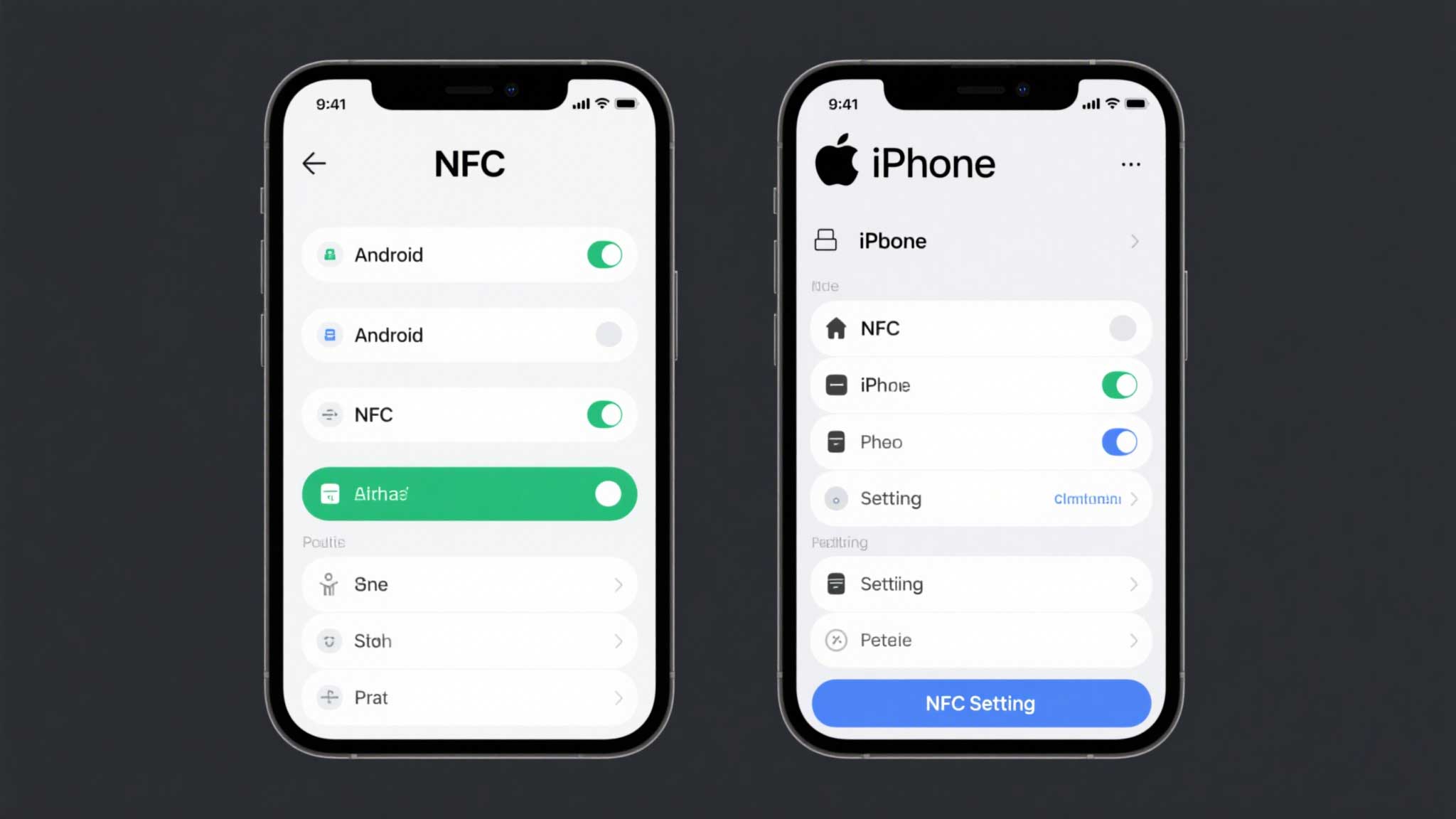
You bought an NFC RFID reader to scan loyalty cards or inventory tags with your phone. You plug it in, open an app… and nothing. No beep, no scan, no clue why. Before you yeet the reader into the trash, let’s run a dead-simple test to figure out if your phone’s the problem—or the hardware. Spoiler: It’s usually the phone.Before choosing an RFID reader for your project, it is important to understand which tag types your smartphone can recognize. You can also learn more about how to identify an RFID tag.​​1. What You’ll Need​​​​NFC RFID Reader​​: We’ll use Cykeo’s mobile-compatible model as an example.​​Smartphone​​: Android 8+ or iPhone 7+ (older models often lack full NFC support).​​USB-C/Lightning Adapter​​: For wired readers (Bluetooth models skip this).​​5 NFC Tags​​: Stickers, cards, or product tags.Besides frequency compatibility, the performance of the antenna for RFID communication also affects reading distance and signal stability. A poorly designed antenna may cause weak detection or inconsistent scanning results, especially when testing with different smartphone models. In addition, the quality and chip sensitivity of each RFID tag can influence how quickly the phone recognizes the tag. Using high-quality RFID tags with optimized antenna design usually provides a more stable testing experience during compatibility checks.2. Step 1: Check Your Phone’s NFC Chip​​​​a. Android Phones​​Go to ​​Settings > Connected Devices > Connection Preferences > NFC​​.Toggle NFC ​​ON​​.If the menu doesn’t exist, your phone lacks NFC hardware (common on budget models).​​b. iPhones​​iPhones only support NFC in background mode—no toggles.Test by holding a tag near the top of the phone. If it vibrates/chimes, NFC works.​​Pro Tip​​: iPhones can’t write to tags without third-party apps. Android rules here.​​3. Step 2: Test the Reader with a Free App​​​​a. For Android​​:Download ​​NFC Tools​​ (free, no ads).Connect the reader via USB or Bluetooth.Open the app, tap ​​“Scan”​​, and hold a RFID tag near the reader.​​Success​​: Tag UID and data pop up.​​Failure​​: App says “No NFC tag detected” (blame the phone or reader).​​b. For iPhones​​:Download ​​NFC Tag Reader by Cykeo​​ (their free app skips Apple’s restrictions).Open the app, connect the reader, and scan.​​iPhone 14 Hack​​: Restart the phone if scans lag—iOS throttles NFC during updates.​​4. Step 3: Diagnose Connection Issues​​​​a. “Device Not Supported” Errors​​​​Fix 1​​: Use a USB-OTG cable (Android) or MFi-certified adapter (iPhone).​​Fix 2​​: Update your phone’s OS—manufacturers quietly drop NFC support.​​b. Inconsistent Tag Reads​​​​Fix 1​​: Hold tags 1–2 inches from the reader (no waving).​​Fix 2​​: Avoid scanning near metal surfaces or wireless chargers.​​Cykeo Workaround​​: Their readers auto-adjust RF power to reduce interference.​​5. Step 4: Real-World Use Cases That Actually Work​​​​a. Retail Inventory​​​​Android Only​​: Scan 100+ tags into Google Sheets using ​​NFC Tools + Automate​​.​​iPhone Limit​​: Apple restricts bulk scanning to paid enterprise apps.​​b. Loyalty Programs​​Write VIP codes to tags with Cykeo’s app—works on both OS.​​c. Smart Home Triggers​​Android: Tap a tag to turn on lights (via Tasker).iPhone: Needs a $15/month HomeKit subscription. Ugh.​​6. Phones That Flunk NFC Tests (Save Your Money)​​​​a. Avoid These Android Models​​:Samsung Galaxy A03s, TCL 20 SE, Motorola Moto G Pure.​​b. iPhones to Skip​​:iPhone 6, SE (1st gen), or older.​​Takeaway​​: Testing NFC RFID reader compatibility takes 10 minutes—but most folks skip it and waste $100. Use free apps, check your OS, and remember: iPhones hate NFC freedom. For small biz tasks, grab a mid-range Android and a Cykeo reader. For Apple fans? Pray for iOS updates.Related Reading: How to Check If NFC Is Working on Your Phone?Most people don’t think about NFC until it suddenly stops working.Maybe your phone won’t read a tag. Maybe a contactless payment fails for no obvious reason. Or perhaps you’re trying to set up an access card and nothing happens when you tap your phone.The good news is that checking NFC isn’t complicated. In many cases, you can tell whether the problem is with the phone, the tag, or the settings in less than five minutes.Read next: How to Check If NFC Is Working on Your PhoneWant to go beyond smartphone NFC testing?Checking NFC compatibility with a smartphone is a quick way to confirm whether a reader or tag can communicate at the NFC level. However, for commercial RFID projects, the testing process usually involves more than just a phone scan. Factors like RFID tag performance, reader power, antenna installation, reading distance, and environmental interference can all affect the final result.If you are evaluating RFID hardware for warehouse inventory, asset tracking, retail, or industrial applications, we recommend checking our complete guide on how to check if RFID is working. It covers practical testing methods for RFID tags, readers, and complete systems, helping buyers and solution providers avoid common problems before large-scale deployment.Read more: How to Check If RFID Is Working: A Practical Guide Before Buying RFID Hardware in BulkCan Your Smartphone Really Test an NFC Reader? Here Is What You Need to KnowMany people start NFC testing with a simple question: “Can my smartphone read this NFC tag or work with this NFC reader?” In most cases, an Android phone is a convenient tool for checking basic NFC compatibility. However, smartphone testing only shows part of the picture. Factors like NFC protocol support, antenna performance, reading distance, and hardware design can still affect the final result.If you are evaluating NFC or RFID hardware for a commercial project, we recommend checking our latest guide “How to Test NFC on Android”, where we explain the actual testing steps, common problems, and what buyers should confirm before ordering NFC readers in bulk.Read the full guide: How to Test NFC on Android: A Practical Guide Before Buying NFC HardwareHow to Add RFID Module in ProteusLearn how to add an RFID module to Proteus, configure the required library files, and set up the simulation environment for RFID projects. This practical tutorial helps students, developers, and electronics engineers understand how to simulate RFID module connections and test basic RFID functions before moving to real hardware development.

article
Lifestyle & Culture
Nov 12, 2026 • visibility 19 • 10 min read

Technology Built for Norway’s Harsh Operating Environments

Norwegian technology is built around demanding environments where reliability, efficiency, and clear standards matter. From offshore energy and maritime operations to aquaculture, transport infrastructure, and industrial automation, engineers advance systems expected to perform in cold weather, salt-laden air, and around-the-clock operating cycles. The sector is defined not only by software innovation but also by practical field knowledge, integrated hardware, and disciplined testing. For organizations selecting equipment, services, or digital infrastructure, understanding this operating context helps separate durable solutions from products that are difficult to maintain.Resilience Starts with the Operating EnvironmentReliability in Norway is rarely an abstract objective. A sensor installed on an offshore platform may experience wind-driven rain, icing, vibration, electromagnetic interference, and significant temperature variation. Equipment used on vessels or coastal infrastructure must also resist corrosion caused by saltwater. These conditions make enclosure design, sealing, thermal management, and component selection essential engineering considerations rather than optional enhancements.One practical example is an industrial monitoring system for a pumping station or remote subsea installation. A robust design might use a 24 V DC power supply, IP67-rated housing, and operating temperatures from âˆ’40°C to +70°C. Communication could combine local Modbus or CAN protocols with LTE-M for long-distance telemetry. Such parameters allow operators to detect pressure anomalies, vibration, or abnormal motor current before a minor fault becomes a shutdown.Power efficiency is equally important at remote sites. Solar panels, wind generators, and rechargeable batteries may form the primary energy system, meaning every milliampere can affect service life. Low-power processors, duty-cycle sensors, and local alarm functions reduce transmission requirements. More importantly, storing critical data at the edge preserves essential information if a communications link becomes unavailable.Smart Systems for Offshore and Maritime OperationsOffshore and maritime applications illustrate how Norwegian engineering combines physical durability with digital capability. Support vessels, fishing fleets, aquaculture platforms, and offshore service units increasingly depend on integrated navigation, machinery, and machinery-monitoring systems. The objective is not simply more data, but better decisions made quickly by crews working under time pressure.For example, a vessel monitoring solution can combine GNSS positioning, engine telemetry, bilge-level sensors, and fuel-flow measurement. GNSS may provide positional accuracy within 1–3 metres, while vibration sensors can identify bearing degradation in rotating equipment. When these measurements appear on a bridge display or shore-based fleet platform, operators can compare engine temperature, RPM, and fuel consumption against established operating limits. This supports predictive maintenance and helps reduce unplanned downtime.Environmental monitoring creates additional opportunities. Compact units equipped with dissolved oxygen, temperature, pH, and turbidity sensors can support aquaculture operations. A typical dissolved-oxygen measurement range might cover 0–20 mg/L with an accuracy of Â±0.1 mg/L or Â±1 percent. Continuous readings allow farms to adjust aeration, feed schedules, and stocking density. The same basic sensor architecture can be adapted to detect leaks, monitor bridge structures, or evaluate water quality around industrial facilities.Connectivity choices must match each application. Ethernet and fiber are dependable on vessels and fixed installations where stable cabling is available. For remote land-based sites, LTE-M, 4G, LoRaWAN, or satellite links may be more appropriate. LoRaWAN can provide long-range, low-power communication over several kilometres, making it useful for distributed infrastructure. By contrast, satellite connectivity supports offshore coverage where cellular networks are absent. Successful systems often use multiple communication methods rather than depending on one network.Automation, Cybersecurity, and Lifecycle SupportAutomation is transforming Norwegian industrial operations, but implementation requires more than connecting a sensor to a dashboard. The most effective projects begin with a clearly defined problem, measurable performance targets, and agreement on how operators will use the information. A manufacturing line, for example, might need to reduce response time to a machine fault from 30 minutes to less than five. A water-treatment facility may focus instead on pump energy use, chemical consumption, or regulatory reporting.Industrial control systems commonly rely on protocols such as Modbus TCP, EtherNet/IP, OPC UA, and MQTT. These standards enable sensors, programmable logic controllers, robotic equipment, and enterprise software to exchange data. However, interoperability should not be confused with automatic security. Networks should use encrypted remote access, role-based permissions, secure boot mechanisms, and regularly updated software. Software bills of materials, network segmentation, and controlled maintenance windows help reduce operational risk.Lifecycle support can determine whether a digital investment delivers lasting value. Norway’s geography makes rapid on-site access difficult for some installations. Remote diagnostics can shorten troubleshooting time by allowing engineers to review logs, update configurations, or restart a device before travelling. Remote access must still be carefully controlled, since an insecure connection can create risks greater than the downtime it was intended to prevent.Predictive maintenance is another important application. Vibration analysis, thermal imaging, motor-current signatures, and acoustic monitoring can reveal early signs of wear in pumps, motors, gearboxes, and bearings. For a subsea pump operating at temperatures near 60°C, a temperature increase of 10°C may justify inspection even when the unit remains below its formal trip threshold. Combining several parameters gives operators stronger evidence than any single reading. It also supports maintenance scheduling, spare-parts planning, and safer vessel utilization.ConclusionNorwegian technology succeeds by combining environmental resilience, sound engineering, and practical usability. Systems designed for offshore platforms, vessels, aquaculture sites, and remote infrastructure must remain dependable under difficult access, limited connectivity, corrosive conditions, and strict operating demands. Technical parameters such as IP67 protection, âˆ’40°C cold-start capability, 24 V power systems, 4–20 mA sensor outputs, and multi-protocol connectivity provide a practical foundation, but serviceability and cybersecurity remain equally important.As organizations pursue automation and remote operations, the strongest solutions will be those designed around real workflows rather than technology for its own sake. Durable hardware, efficient communications, measurable maintenance targets, and secure lifecycle support can improve uptime while reducing unnecessary travel and operating costs. This combination of field-tested reliability and digital capability forms the core of the rnorwaytech industry opportunity.

article
Tech & Innovation
Nov 11, 2026 • visibility 26 • 21 min read

Ethical Hacking Skills: Best Cyber Security Course in Kolkata with Placement Guarantee

Ethical hacking is an important part of modern digital security. As businesses move their operations, customer information, and financial transactions online, protecting digital systems from cyber threats has become a major priority. Organizations need professionals who understand how attackers identify vulnerabilities, exploit security weaknesses, and gain unauthorized access to systems. Ethical hackers use similar techniques with permission to identify security gaps and help organizations strengthen their defenses.Learning ethical hacking can open career opportunities in information security, penetration testing, vulnerability assessment, and security operations. Students and graduates interested in this field can explore the Best Cyber Security Course in Kolkata with Placement Guarantee to develop practical knowledge of network security, ethical hacking techniques, and defensive security practices.What Is Ethical Hacking?Ethical hacking is the authorized process of testing computer systems, networks, applications, and digital infrastructure to identify security vulnerabilities. Ethical hackers work within an agreed scope and use approved methods to assess how effectively an organization's systems can resist cyberattacks.Unlike malicious hackers, ethical hackers operate with permission and follow defined rules. Their purpose is to identify weaknesses before cybercriminals can exploit them.For example, an organization may hire an ethical hacker to test its website. The professional examines login systems, application inputs, access controls, and other security features to identify potential vulnerabilities. The findings are documented in a report that helps the organization improve its security.Ethical hacking is also known as white-hat hacking because it uses hacking techniques for legitimate security purposes.Why Is Ethical Hacking Important?Organizations across banking, healthcare, retail, education, manufacturing, and technology manage valuable digital information. Cyberattacks can affect business operations, customer trust, financial resources, and sensitive data.Ethical hacking helps organizations identify security weaknesses and improve their ability to respond to threats.Key benefits include:Identifying Vulnerabilities: Security professionals discover weaknesses in applications, networks, and systems before attackers exploit them.Protecting Sensitive Data: Security testing helps organizations strengthen controls around customer information, employee records, and business data.Improving Network Security: Ethical hackers assess network configurations, access permissions, and communication pathways.Strengthening Application Security: Testing helps identify weaknesses in websites, mobile applications, and software platforms.Supporting Compliance: Security assessments can help organizations strengthen their information security practices and meet applicable requirements.Building Security Awareness: Ethical hacking findings help technical teams understand attack methods and improve defensive practices.As digital infrastructure expands, ethical hacking remains a relevant capability within the broader Cyber Security industry.Types of Ethical HackingEthical hacking includes different testing approaches based on the systems being assessed and the security objectives of an organization.Network HackingNetwork hacking involves assessing wired and wireless networks to identify weaknesses that could allow unauthorized access. Ethical hackers examine network configurations, exposed services, communication protocols, and access controls.Network security testing helps organizations understand how effectively their infrastructure protects connected devices and business information.Web Application HackingWeb application hacking focuses on identifying vulnerabilities in websites and online applications. Security professionals test authentication, input validation, session management, access controls, and application behavior.Common testing areas include SQL injection, cross-site scripting (XSS), and security misconfigurations.Wireless Network HackingWireless security testing examines Wi-Fi networks and their security configurations. Ethical hackers assess encryption, authentication mechanisms, network access, and potential weaknesses in wireless infrastructure.Mobile Application HackingMobile application security testing focuses on applications developed for smartphones and tablets. Professionals examine data storage, authentication, application permissions, communication security, and other potential weaknesses.Social Engineering AssessmentsSocial engineering assessments evaluate how people and organizational processes respond to manipulation attempts. Authorized security exercises may examine phishing awareness, password practices, and security procedures.These assessments help organizations improve employee awareness and strengthen their overall security culture.Cloud Security TestingCloud security testing examines the configuration and protection of cloud-based infrastructure, applications, and data. Ethical hackers assess access permissions, exposed resources, identity controls, and security configurations within the approved testing scope.Common Ethical Hacking ToolsEthical hackers use specialized tools to understand systems, identify vulnerabilities, and document security findings. Tool selection depends on the testing objective, environment, and authorization provided.Some widely used tools include:Kali Linux: A Linux distribution that includes tools for penetration testing and security assessments.Nmap: Used for network discovery, host identification, and service scanning.Wireshark: Helps analyze network traffic and understand communication between devices.Burp Suite: Supports web application security testing and analysis.Metasploit Framework: Provides a structured environment for authorized penetration testing and vulnerability validation.John the Ripper: Used for password security auditing and password recovery testing.Nessus: Supports vulnerability assessment and security scanning.OWASP ZAP: Helps identify security weaknesses in web applications.Learning how these tools work is useful, but effective ethical hacking also requires understanding networking, operating systems, programming fundamentals, security concepts, and responsible testing practices.Essential Skills Required for Ethical HackingA successful learning path combines technical knowledge, analytical thinking, and responsible security practices.Networking FundamentalsUnderstanding IP addresses, ports, protocols, DNS, routing, and network architecture helps learners understand how systems communicate. These concepts are essential for network security testing.Linux and Operating SystemsEthical hackers frequently work with Linux environments and command-line tools. Knowledge of operating systems, file permissions, processes, and system administration helps professionals understand how computers function.Programming and ScriptingBasic knowledge of Python, scripting, and programming logic can support security testing and task automation. Understanding how applications process information also helps identify potential vulnerabilities.Web and Application SecurityKnowledge of HTTP, HTML, JavaScript, databases, authentication, and application architecture helps learners understand common web security weaknesses.Vulnerability AssessmentProfessionals need to identify, understand, prioritize, and document vulnerabilities. This includes interpreting security scan results and assessing the potential impact of identified weaknesses.Problem-Solving and Analytical ThinkingEthical hacking requires professionals to examine technical information, recognize unusual behavior, and understand how different system components interact.Professional Ethics and Legal AwarenessEthical hackers must work within explicit authorization and defined testing boundaries. Understanding responsible disclosure, privacy, and applicable laws is essential to professional security work.How an Ethical Hacking Assessment WorksAn ethical hacking assessment follows a structured process. Each stage helps security professionals understand the target environment, conduct authorized tests, and communicate useful findings.Planning and Authorization: The organization and security team define the assessment objectives, permitted systems, scope, and testing conditions.Information Gathering: The ethical hacker collects relevant information about the approved target environment, such as domain details, network information, and publicly available technical data.Scanning and Enumeration: Security professionals identify active systems, open ports, services, and other information that can help map the environment.Vulnerability Identification: The assessment examines potential weaknesses in applications, networks, configurations, and security controls.Controlled Testing: Within the approved scope, professionals validate identified vulnerabilities to understand their impact without causing unnecessary disruption.Reporting: Findings are documented with technical details, risk levels, and recommended remediation steps.Remediation Support: The organization uses the report to improve security controls, address vulnerabilities, and strengthen its defenses.This structured approach helps businesses understand their security posture and prioritize improvements.Career Opportunities After Ethical Hacking TrainingEthical hacking knowledge can support several career paths within information security and Cyber Security. Job responsibilities vary according to the employer, technical experience, and role requirements.Ethical HackerEthical hackers conduct authorized security assessments to identify vulnerabilities in digital systems. They document findings and recommend improvements to strengthen security.Penetration TesterPenetration testers simulate approved cyberattacks against networks, applications, and infrastructure. Their work helps organizations understand how security weaknesses could affect their systems.Vulnerability Assessment AnalystThese professionals identify and prioritize security vulnerabilities across applications, networks, and IT infrastructure. They help technical teams understand which issues require attention.Security AnalystSecurity analysts monitor systems, examine suspicious activities, analyze security alerts, and support incident response activities.Network Security EngineerNetwork security engineers help design, implement, and maintain security controls that protect organizational networks and connected systems.Application Security AnalystApplication security analysts assess software and web applications for vulnerabilities. They work with development and security teams to improve application protection.Security Operations Center AnalystSOC analysts monitor security events, investigate alerts, and support the detection and response process. They use security monitoring tools to identify potentially malicious activity.Practical training, technical projects, and knowledge of commonly used security tools can help learners prepare for these professional pathways.How to Choose the Right Cyber Security Training ProgramSelecting a suitable training program is an important step for anyone planning to enter the information security industry. A strong program should combine foundational concepts with practical learning.Consider the following factors:Comprehensive Curriculum: Look for coverage of networking, operating systems, ethical hacking, penetration testing, application security, and defensive security concepts.Practical Labs: Hands-on exercises help learners understand how security tools and testing techniques work.Industry-Relevant Tools: Exposure to commonly used security tools can help students become familiar with professional workflows.Project-Based Learning: Practical assignments and case studies help learners apply technical concepts to realistic scenarios.Mentor Guidance: Structured guidance can help students understand complex security topics and develop problem-solving skills.Certification: A recognized training certificate can demonstrate the learning completed during a program.Career Support: Resume preparation, interview practice, and placement assistance can help learners prepare for employment opportunities.A balanced learning experience should develop both offensive security knowledge and an understanding of how organizations protect their digital infrastructure.Cyber Security and Ethical Hacking Training at Boston Institute of AnalyticsBoston Institute of Analytics offers a Cyber Security and Ethical Hacking program designed to help learners develop technical knowledge and practical security skills. The program covers relevant Cyber Security concepts through structured instruction, practical exercises, projects, and case studies.The learning experience includes:200+ hours of learning across relevant technical and security concepts.15+ projects and case studies to strengthen practical understanding.20+ tools that introduce learners to commonly used technical environments.Practical exposure to security concepts, ethical hacking, and vulnerability assessment.Learning pathways covering network security, application security, penetration testing, and incident response.Career preparation, interview support, and placement assistance.The program offers different learning durations to accommodate varied learning goals:4-Month Certification: A structured foundation in Cyber Security concepts and practical skills.6-Month Diploma: An extended learning pathway with additional time for technical development.10-Month Master Diploma: A comprehensive learning pathway with extended practical exposure.Learners exploring the Top Cyber Security Course in Kolkata with Job Guarantee can consider the program's curriculum, practical learning approach, and career support. Boston Institute of Analytics also provides placement assistance and lifetime career support to help learners prepare for relevant professional opportunities.Students can also learn more about the legal boundaries of ethical hacking in India to understand why authorization, responsible testing, and professional ethics are essential when working in this field.Who Should Learn Ethical Hacking?Ethical hacking is suitable for learners who are interested in technology, networks, applications, and digital security.Computer Science Graduates: Can build on their knowledge of programming, operating systems, and computer networks.IT Professionals: Can develop additional skills relevant to network security, vulnerability assessment, and information security.Engineering Students: Can apply technical and analytical knowledge to security-related challenges.Working Professionals: Can strengthen their technical capabilities and explore opportunities in Cyber Security.Beginners Interested in Technology: Can start with networking and operating system fundamentals before progressing to ethical hacking concepts.A structured learning path can help beginners build technical confidence and gradually develop practical security knowledge.Frequently Asked QuestionsWhat is ethical hacking in simple terms?Ethical hacking is the authorized testing of computer systems, networks, and applications to identify security weaknesses and help organizations protect their digital assets.Is ethical hacking a good career option?Ethical hacking can be a relevant career path for people interested in information security, penetration testing, vulnerability assessment, and network protection. Opportunities vary by technical skills, experience, and employer requirements.Do I need coding skills to learn ethical hacking?Basic programming knowledge is helpful, particularly Python and scripting. Beginners can start with networking and operating system fundamentals while gradually developing programming skills.Which tools should beginners learn for ethical hacking?Beginners can explore Nmap, Wireshark, Kali Linux, Burp Suite, and OWASP ZAP. Learning the underlying security concepts is as important as understanding individual tools.How long does it take to learn ethical hacking?The learning timeline depends on prior technical knowledge, study time, and practical experience. A structured training program can help learners progress from foundational concepts to more advanced security techniques.Is ethical hacking legal in India?Ethical hacking is conducted legally when the professional has proper authorization and follows the agreed scope of testing. Accessing or testing systems without permission can create legal consequences.ConclusionEthical hacking helps organizations identify digital security weaknesses and strengthen their protection against cyber threats. Knowledge of networking, operating systems, application security, vulnerability assessment, and professional testing practices can create a strong foundation for a career in information security.For learners interested in this field, practical training is an important part of developing technical confidence. Boston Institute of Analytics combines structured Cyber Security education, project-based learning, exposure to relevant tools, certification pathways, and career support. Developing these skills can help students and professionals explore opportunities across ethical hacking, penetration testing, vulnerability assessment, and security operations.