Articles

Articles & Insights

Discover, learn, and grow with stories from our ecosystem members.

search
Protecting Your Family’s Future: What Bartlett Property Owners Need to Know About Real Estate Trusts
Oct 27, 2026 • visibility 22 • 7 min read

Protecting Your Family’s Future: What Bartlett Property Owners Need to Know About Real Estate Trusts

Planning for the inevitable is never a comfortable task. However, if you own property in Bartlett, putting off estate planning can leave your grieving family with a massive administrative and financial burden.Transferring your real estate into a trust is one of the most effective ways to protect your assets and your heirs. Without one, families are often blindsided by the harsh realities of probate court, aggressive creditor claims, estate taxes, and sometimes, bitter infighting over who gets what.If you want to ensure a smooth transition of your wealth and property, here is a breakdown of why a real estate trust is a smart move and how it actually works.The Ultimate Probate BypassWhen a homeowner passes away with their property solely in their name, the estate must go through probate. Probate is a public, time-consuming, and notoriously expensive court process designed to settle debts and distribute whatever is left. If you don't have a solid estate plan, the state steps in to determine who inherits your property.By deeding your real estate into a trust, you effectively bypass probate court altogether. The property is legally owned by the trust, managed by a trustee, and is smoothly transferred to your beneficiaries upon your passing. The heirs can then decide whether to keep the home or sell it and collect the proceeds—without a judge holding up the timeline.Tax Advantages and Total PrivacyAnother major advantage of a trust is wealth protection. While there are generous lifetime exclusions on the transfer of estates (which adjust annually for the cost of living and can roll over to a surviving spouse), wealthy estates can be hit hard by gift and estate taxes.Placing your home in an irrevocable trust can shield your beneficiaries from these heavy tax burdens, potentially saving them anywhere from 8 to 40 percent. Furthermore, unlike probate—which makes the details of your estate a matter of public record—a trust is a completely private transfer of wealth.Customizing the Trust to Your Family’s NeedsThere is no "one-size-fits-all" trust. You can structure it specifically to accommodate your family's unique dynamics:Special Needs Trust: If you have a dependent who requires lifelong care, this structure ensures they receive supplemental income without jeopardizing their eligibility for state or federal assistance.Spendthrift Trust: If you are leaving property to a financially irresponsible heir, this trust restricts their access to the principal funds and shields the inherited assets from their personal creditors.Revocable vs. Irrevocable: A revocable trust allows you to make changes during your lifetime. An irrevocable trust means you cannot undo the transfer of assets, but this rigid structure is usually required to qualify for those major estate tax exemptions.Making It OfficialSetting up a trust requires taking a realistic inventory of your assets and gathering your important documents. You will need to select a successor trustee—someone you implicitly trust to manage the estate—and confirm they are willing to take on the responsibility.While you can technically create a trust online, the stakes for real estate are too high to risk a paperwork error. It is highly advisable to seek professional legal counsel to draft the documents and ensure your deed is precisely and legally transferred into the trust's name.Navigating the Next StepsManaging an inherited property can still be overwhelming, even with a trust in place. If your family recently inherited a Bartlett home through a trust and you prefer to liquidate the asset quickly rather than deal with repairs or the traditional real estate market, Spencer Buys Houses can help. We provide fair, all-cash offers and can close in a matter of days to make a difficult transition as stress-free as possible. Call our experienced team today at 901-621-8799 to explore your options.Read More- https://blog.spencerbuyshouses.com/blog/real-estate-trusts-bartlett/

Spencer Shadrach
Read arrow_forward
How to Evaluate a University's Quality Before Taking Admission Education & Learning
Oct 27, 2026 • visibility 32 • 10 min read

How to Evaluate a University's Quality Before Taking Admission

Choosing the right university is one of the most important decisions in a student's academic journey. The university you select can influence your learning experience, career opportunities, professional network, and personal development. With so many institutions offering different courses and facilities, it is essential to evaluate their quality carefully before making a final decision.Instead of relying only on advertisements, campus facilities, or popularity, students should consider several factors to determine whether a university meets their academic and career goals. Understanding a university rating can also help students make informed decisions by providing insights into institutional performance and educational standards.1. Check Accreditation and RecognitionThe first step in evaluating a university is to verify its legal recognition and accreditation status. In India, students should check whether the institution is recognised by the appropriate regulatory authorities and whether the specific course meets applicable professional requirements.Accreditation can provide valuable information about an institution's commitment to academic standards and quality assurance. Students should consult official sources to verify the university's credentials rather than relying solely on claims made in brochures or advertisements.A recognised institution with transparent academic policies can provide greater confidence when planning your higher education.2. Evaluate Teaching Quality and Faculty ExpertiseThe quality of teaching directly affects how well students understand their subjects and develop practical skills. Before taking admission, research the qualifications, professional experience, and academic backgrounds of the faculty members.Consider whether the university employs experienced professors, encourages interactive learning, and provides students with opportunities to participate in projects, discussions, and practical assignments.You should also explore the faculty-to-student ratio, availability of academic mentoring, and access to additional learning resources. These factors can help you understand whether the university offers an environment that supports individual academic growth.3. Understand University Ratings and Evaluation CriteriaA university rating is a useful starting point for assessing an institution's strengths and areas for improvement. Instead of considering only its reputation, students should examine how the institution performs across different aspects of higher education.For example, QS I-GAUGE university ratings assess institutional performance through a comprehensive framework that considers areas such as teaching and learning, faculty quality, employability, facilities, research, and other relevant criteria. The framework also incorporates stakeholder feedback and evidence-based evaluation.Reviewing overall and category-specific ratings can help students identify universities that align with their priorities. For instance, a student interested in research may focus on research performance, while someone planning to enter the corporate sector may give greater importance to employability.Remember that a rating is one decision-making tool, not a guarantee of individual academic or career success.4. Research Placement Opportunities and Career OutcomesCareer prospects are another important consideration when choosing a university. Investigate placement records, internship opportunities, industry partnerships, and career guidance services.Look beyond headline salary figures and examine the percentage of eligible students placed, the range of recruiting companies, and the types of roles offered to graduates. Where possible, check whether placement information is published transparently and covers multiple academic years.Universities that provide career counselling, practical training, industry projects, and networking opportunities can help students prepare for the workplace. However, placement outcomes may vary according to the course, individual performance, and market conditions.5. Examine Infrastructure and Learning ResourcesA supportive learning environment requires more than attractive buildings. Evaluate the facilities that directly contribute to academic development, including libraries, laboratories, computer facilities, digital learning platforms, and classrooms.For technical and professional courses, check whether students have access to relevant equipment, specialised laboratories, and hands-on training opportunities.If you are considering residential education, also assess hostel accommodation, internet access, transport, healthcare, sports facilities, and campus safety measures. Visiting the campus, when possible, can help you understand whether the facilities are suitable for your needs.6. Consider Research, Innovation, and Industry ExposureUniversities that encourage research and innovation can offer valuable opportunities for students who want to develop analytical, technical, and problem-solving skills.Find out whether the institution supports research projects, faculty publications, innovation initiatives, entrepreneurship programmes, and collaborations with industries or other academic institutions.Students should also look for opportunities to participate in seminars, workshops, internships, and live projects. These experiences can help bridge the gap between classroom learning and real-world applications.7. Speak to Current Students and AlumniStudent and alumni feedback can provide practical insights that official university materials may not fully capture. Ask about teaching quality, faculty accessibility, examination procedures, campus culture, administrative support, and placement assistance.Online reviews can be useful, but avoid making decisions based on a single positive or negative comment. Look for recurring patterns and compare feedback from multiple sources.Speaking directly with graduates can also help you understand how well the university prepared them for employment or further studies.8. Compare Fees, Scholarships, and Overall ValueBefore finalising admission, calculate the total cost of education, including tuition fees, accommodation, transportation, examination charges, and other expenses.Explore scholarship programmes, financial assistance, instalment options, and eligibility requirements. Compare the overall cost with the quality of education, available facilities, and career opportunities.The most expensive university is not necessarily the best choice. Focus on finding an institution that provides suitable educational value within your budget.ConclusionEvaluating a university before admission requires careful research and a balanced understanding of academic quality, faculty expertise, career outcomes, infrastructure, and affordability. Students should verify institutional recognition, speak with current students and alumni, and compare reliable sources of information before making a decision.Exploring a credible university rating system can make this process more structured by helping you understand institutional strengths across multiple criteria.Ultimately, the right university is one that matches your academic interests, career ambitions, learning preferences, and financial circumstances. Taking time to evaluate your options today can help you make a more confident decision about your future.

article
Tech & Innovation
Oct 27, 2026 • visibility 26 • 18 min read

Master Python and Machine Learning Skills with the Best Data Science Course in Pune with Placement Guarantee

Python and machine learning are valuable skills for learners who want to build careers in data analytics, artificial intelligence, and data science. Organizations use data to understand customer behavior, improve business operations, forecast demand, and support better decisions. Professionals who can work with data, build analytical solutions, and explain their findings can contribute to these business goals.Learners exploring the Best Data Science Course in Pune with Placement Guarantee can develop technical knowledge through structured learning, practical assignments, and industry-oriented projects. By combining Python programming with statistical analysis and machine learning, learners can build a foundation for data-focused career opportunities.Why Are Python and Machine Learning Important for Data Science Careers?Python is widely used in data science because it supports data preparation, analysis, visualization, automation, and machine learning. Its libraries make it easier to work with datasets and develop analytical workflows.Machine learning helps computers identify patterns in data and use those patterns to generate predictions or classifications. Businesses apply these methods to customer segmentation, fraud detection, demand forecasting, recommendation systems, and other analytical tasks.Together, Python and machine learning help learners develop the ability to:Prepare and organize raw datasets.Explore trends and relationships in information.Automate repetitive analytical tasks.Build predictive models for defined problems.Evaluate model performance using suitable metrics.Present findings through reports and visualizations.These skills are useful for learners who want to progress from basic data handling to more advanced analytical work.Essential Python Skills Every Data Science Beginner Should Learn1. Python Programming FundamentalsBeginners should understand variables, data types, operators, conditional statements, loops, functions, and error handling. These concepts form the foundation for writing reusable and readable code.Learners should practise solving small problems, such as calculating summary statistics, processing lists of values, and organizing information into dictionaries or other data structures.Strong fundamentals make it easier to work with larger datasets and understand more advanced data science libraries.2. Data Analysis with Pandas and NumPyPandas supports structured data manipulation, while NumPy provides tools for numerical computation. These libraries help analysts load datasets, filter records, transform columns, and calculate summary statistics.Common practice activities include:Importing CSV and spreadsheet files.Selecting and filtering rows and columns.Handling missing values and duplicate records.Grouping information by category.Calculating averages, totals, and distributions.Combining datasets for further analysis.For example, a learner can use Pandas to organize sales records, calculate monthly revenue, and identify products with changing performance.3. Data VisualizationVisualization helps learners understand patterns that may not be obvious from raw tables. Python libraries such as Matplotlib and Seaborn support charts that communicate distributions, relationships, and trends.Learners should practise selecting suitable charts, adding meaningful labels, and writing concise explanations of their findings.The goal is not simply to produce attractive graphics but to use visual evidence to answer a business or analytical question.4. Data Cleaning and Exploratory Data AnalysisReal-world datasets may contain missing values, inconsistent categories, duplicate records, and unusual observations. Data cleaning helps improve dataset quality before further analysis.Exploratory data analysis (EDA) involves examining distributions, identifying relationships, and investigating patterns. It helps learners understand the dataset and decide which analytical methods may be appropriate.These skills are important because the quality of the input data influences the usefulness of subsequent analysis.Machine Learning Concepts to Build After PythonOnce learners are comfortable with programming and data preparation, they can begin exploring machine learning methods.1. Supervised LearningSupervised learning uses labelled examples to train a model to predict an outcome. Two common tasks are regression and classification.Regression: Predicts numerical values, such as sales or delivery time.Classification: Predicts categories, such as whether a transaction may be fraudulent.Learners can practise these concepts using sample datasets and compare the predictions with known outcomes.2. Unsupervised LearningUnsupervised learning identifies patterns in data without relying on predefined outcome labels. Clustering is one common technique used to group similar records.For example, a retailer might use customer purchase patterns to identify groups with similar buying behavior. Such groups can help inform marketing analysis and customer engagement strategies.3. Model Training and EvaluationBuilding a model involves more than selecting an algorithm. Learners should understand training and testing datasets, model evaluation, and the importance of assessing performance on data that was not used for training.Common evaluation measures include accuracy, precision, recall, F1-score, and mean absolute error. The appropriate metric depends on the problem being solved.Understanding these measures helps learners explain what a model does well and where its limitations may lie.4. Feature Engineering and Model ImprovementFeature engineering involves preparing or transforming input variables to help a model learn useful patterns. This may include encoding categories, scaling numerical values, or deriving new variables from existing information.Learners should also understand overfitting, underfitting, and the need for suitable validation methods. These concepts help them develop more reliable analytical workflows.5. Using Python Libraries for Machine LearningLibraries such as Scikit-learn provide tools for preprocessing data, training models, evaluating results, and building repeatable workflows.Learners can begin with straightforward regression and classification examples before exploring more complex approaches. A clear understanding of the problem, data, and evaluation method is more valuable than using an advanced algorithm without understanding its purpose.Practical Projects to Build a Data Science PortfolioProjects help learners connect programming concepts with business problems. A well-documented portfolio can also provide useful examples for technical interviews.Project 1: Sales ForecastingUse historical sales data to explore trends and build a basic forecasting model. Prepare the dataset, visualize changes over time, and evaluate how closely the model's predictions match observed values.Skills demonstrated: Python, Pandas, visualization, data preparation, and model evaluation.Project 2: Customer SegmentationAnalyze customer activity and purchasing behavior to identify groups with similar characteristics. Use exploratory analysis and a clustering method to examine possible segments.Skills demonstrated: Data cleaning, feature preparation, clustering, and analytical interpretation.Project 3: Customer Churn PredictionUse a suitable sample dataset to build a model that predicts whether a customer may stop using a service. Explore relevant variables and evaluate the model using metrics appropriate to the business problem.Skills demonstrated: Classification, feature engineering, model evaluation, and business reasoning.Project 4: Employee Attrition AnalysisStudy a sample employee dataset to identify patterns associated with staff turnover. Visualize the main findings and discuss how an organization might use the analysis to explore retention challenges.Skills demonstrated: Exploratory data analysis, Python programming, visualization, and communication.For each project, include the problem statement, dataset description, preparation steps, analytical approach, evaluation results, and key findings. This helps demonstrate how you approach a problem from beginning to end.How Structured Data Science Training Supports Career ReadinessIndependent learning is useful for exploring Python and machine learning, while structured training can provide a clearer progression from programming fundamentals to applied analytics.Boston Institute of Analytics offers a Data Science and Artificial Intelligence program covering Python, SQL, machine learning, data visualization, and modern AI technologies. Practical assignments and case-based activities help learners apply technical concepts to analytical tasks.Learners considering the Top Data Science Course in Pune with Job Guarantee can build their knowledge through a structured curriculum and project-oriented learning. Developing a portfolio alongside technical skills can help candidates demonstrate their ability to approach data problems systematically.Career preparation may also include resume guidance, interview practice, and support with presenting project work. Any formal job guarantee is subject to the applicable program terms and eligibility requirements; career support and placement assistance do not represent an unconditional promise of employment.Career Opportunities After Learning Python and Machine LearningPython and machine learning can support several career paths, depending on the candidate's experience, technical depth, and project portfolio.Data Analyst: Uses data preparation, analysis, and visualization to answer business questions.Junior Data Scientist: Supports data exploration, model development, and analytical projects.Machine Learning Associate: Helps prepare datasets, train models, and evaluate performance.Business Intelligence Analyst: Develops dashboards and reports to support business decisions.Python Data Analyst: Uses Python libraries to automate analysis and process datasets.Analytics Associate: Supports reporting, exploratory analysis, and data-driven projects.Candidates can strengthen their preparation by combining Python and machine learning with SQL, statistics, communication, and domain knowledge.How to Prepare for Data Science InterviewsTechnical interviews may include programming exercises, data manipulation, statistical concepts, machine learning fundamentals, and discussions about previous projects.A practical preparation plan includes:Practise Python coding: Work with loops, functions, lists, dictionaries, and data structures.Solve Pandas exercises: Practise filtering, grouping, merging, and cleaning datasets.Revise statistics: Understand averages, distributions, correlation, probability, and sampling.Learn machine learning fundamentals: Explain regression, classification, clustering, overfitting, and evaluation metrics.Build and document projects: Prepare clear walkthroughs of your problem, methods, and findings.Practise SQL: Learn queries, joins, aggregation, and data retrieval.Explain your decisions: Be ready to describe why you selected a particular approach and how you evaluated the results.Interview preparation should focus on understanding and application rather than memorizing definitions. Being able to explain a model's purpose, performance, and limitations demonstrates stronger analytical thinking.For more learning context, explore this resource on Data Science training, tools, and career opportunities.Frequently Asked Questions1. Can beginners learn Python for Data Science?Yes. Beginners can start with programming fundamentals and gradually learn data manipulation, visualization, and machine learning. Regular coding practice and small projects help build confidence.2. Should I learn Python before machine learning?Learning Python fundamentals first is a practical approach. Familiarity with data structures, functions, Pandas, NumPy, and basic statistics makes machine learning concepts easier to apply.3. Which Python libraries are useful for Data Science?Pandas and NumPy support data processing and numerical analysis. Matplotlib and Seaborn help with visualization, while Scikit-learn provides tools for many traditional machine learning tasks.4. What projects are suitable for a beginner's Data Science portfolio?Sales analysis, customer segmentation, churn prediction, and employee attrition analysis are useful starting points. Choose projects that allow you to demonstrate data cleaning, analysis, evaluation, and clear communication.5. Can Python and machine learning help me move into a data-focused career?Yes. These skills can support preparation for data analyst, analytics associate, and selected junior data science roles. The appropriate pathway depends on the technical requirements of the role and the candidate's practical experience.6. How does a Data Science course help with job preparation?A structured program can combine programming instruction, applied assignments, case studies, and portfolio development. Career support may also help learners prepare resumes, practise interviews, and communicate their skills to employers.ConclusionPython and machine learning provide a strong technical foundation for learners who want to work with data. By developing programming fundamentals, data preparation, visualization, model evaluation, and project-building skills, learners can progress toward practical analytics work.Boston Institute of Analytics offers Data Science and Artificial Intelligence training that combines programming, analytical tools, and applied learning. With regular practice, a well-documented portfolio, and focused interview preparation, learners in Pune can work toward developing the skills needed for data-driven careers.

Truck Mechanic Calgary Alberta: Expert 24/7 Mobile Truck Repair Services Automotive & Vehicles
Oct 27, 2026 • visibility 34 • 16 min read

Truck Mechanic Calgary Alberta: Expert 24/7 Mobile Truck Repair Services

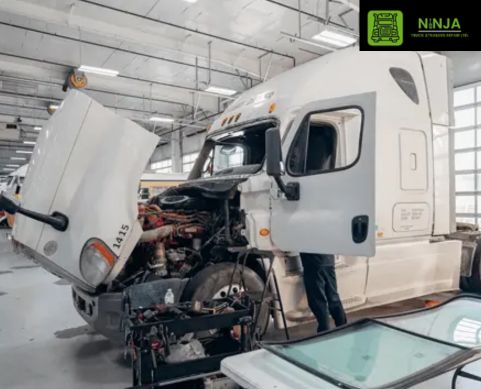
Commercial trucks play a crucial role in logistics, delivery, and construction companies as well as many transportation companies. Truck mechanics in Calgary, Alberta, can impact business schedules, deliveries, operating costs, and customer relationships if a delay occurs. Having a reliable Calgary truck mechanic service in Alberta can be a handy solution for drivers and fleet operators facing mechanical issues. Ninja Mobile Truck & Trailer Repair in Calgary offers mobile truck repair services to provide expert services and the necessary equipment on-site and in real-time for commercial vehicles.A mobile service can implement repairs at a truck’s location, whereas a traditional repair shop is not able to do this. A professional mobile truck repair service can examine a vehicle and identify the best repair option, whether the truck is parked at a fleet center, waiting at a job site, or down on the road. This can help to prevent and reduce unnecessary towing, reduce downtime, and ensure that businesses continue to run smoothly.Why Professional Truck Repair MattersCommercial trucks are subject to harsh working conditions. All of these factors, such as heavy loads, long-distance driving, frequent braking, weather, and engine hours, can put a huge amount of stress on critical components. Many parts on an engine could wear out over time, such as engines, tires, brakes, suspension parts, cooling systems, electrics, and batteries.If the problem seems to not be a problem, then you might be paving the way for a big explosion. It’s important to address the following sounds, lights, or symptoms early on: unusual noises, lights, difficulty starting, fluid leaks, overheating, poor braking, or electrical problems.A Calgary truck repair service can detect these issues and provide the needed repairs. Action in time can avoid damage to the vehicle and delay of the downtime and can also help to make the operations safer.What Services Can a Mobile Truck Mechanic Provide?Many inspections, maintenance, and repairs can be done at the mobile truck by a qualified mobile-truck mechanic. Services provided will vary based on the technician’s tools and the problem severity.Mobile services could include the following:Analyze and troubleshoot engine issues. Diagnose and solve engine problems.Evaluation and replacement of batteries.Repair of starters and alternators. Starter/alternator repair.Inspecting and repairing brakes;Air system diagnosticsAir leak repairsElectrical troubleshootingCooling system inspectionsReplacement of belts and hoses.Suspension checksRepair or replacement of lighting and electrical work.Conduct tire inspections and provide emergency tire services. Perform tire checks and provide tire assistance.Preventive maintenanceTrailer-related repairsMobile diagnostics can be particularly useful in cases where a truck is not able to safely get to a conventional repair shop.24/7 Emergency Truck RepairTruck breakdowns don’t occur during regular business hours. A truck can break down at any time of the day, at night, on a weekend delivery, or after hours.In such cases, one can look for a solution like emergency mobile repair. While the driver can be left to wait for an extended time, the technician can go to the car and check the issue and decide whether the repair can be done at the car or not.Rapid response can minimize the following:Driver waiting timeDelivery delaysTowing expensesLost productivityAdditional vehicle damageFailure to deliver on customer commitments.Having responsive roadside assistance can enhance business workflows and make fleet operations more resilient for businesses that rely on consistent transportation.Preventive Truck Maintenance Reduces BreakdownsEmergency repairs are vital but so is preventive maintenance. By conducting routine checks, techs can discover damage to parts before it breaks.A preventive maintenance program can consist of inspection of the following:Motor oils, lubricants, and fuel. Car fluids and oils.Brake componentsTires and tire pressureBatteriesBelts and hosesCooling systemsElectrical connectionsAir systemsSuspension componentsSafety equipment and lights.Through regular service, the service and reliability of commercial vehicles can be enhanced. Additionally, fleet managers can plan maintenance service based on vehicle availability, further minimizing the effect on daily operations.Mobile Repair Saves Valuable TimeTraditional repair processes include getting a disabled car towed, waiting for a service bay, and arranging for driver pick-up. These actions can take a lot of time in the course of a breakdown.With mobile repair, the repair person comes to you, which makes the job easy. The services available at Ninja Mobile Truck and Trailer Repair–Calgary are on-site and aim to minimize the need for unnecessary movement and help commercial vehicles reach their service efficiently.This can be very advantageous for fleet operators since several trucks can be checked or serviced at the fleet location. Maintenance is easier to coordinate when sending vehicles without having to send them to different repair shops.Supporting Truck and Trailer ReliabilityDepending on trucks and trailers, a commercial operation is dependent. Trader’s attention is given to the engine and drivetrain maintenance, but it is important to also inspect the trailer systems.Over time, parts of a trailer such as its brakes, tires, suspension, lights, electrical connections, air lines, doors, couplers, and more can wear out. Issues with these systems could impact safety and even cause a vehicle to fail to circulate.A good mobile repair company would thus need experience in dealing with both trucks and trailers. Comprehensive service enables companies to obtain a number of maintenance requirements from one convenient service provider.Signs Your Truck Needs Professional AttentionThe driver should not overlook any warning from a truck of mechanical issues. Some red flags may include:Difficulty startingEngine warning lightsUnusual engine soundsExcessive smokeOverheatingBrake performance changesAir pressure problemsFluid leaksElectrical failuresUnusual vibrationsUneven tire wearWhen a vehicle has a problem that could affect the safety of the vehicle or cause it to not operate normally, the driver is advised to stop for safety and get professional help instead of driving.Choosing the Right Truck Mechanic in CalgaryMaking a good choice of a repair service provider is a crucial decision for owner-operators and fleet managers. Watch for heavy-duty truck people who have commercial truck experience, commercial professional diagnostic equipment, mobility, and a good understanding of commercial vehicle systems.Important considerations include:Technician experienceEmergency availabilityMobile service capabilitiesDiagnostic equipmentA wide range of knowledge with respect to trucks and trailers.Preventive maintenance optionsResponse timesClear communicationProfessional service practicesWhen searching for a truck mechanic in Calgary, Alberta, businesses could come across various repair providers. The experience, services offered, responsiveness, and customer support can be compared to help operators determine which provider is best for them.Why Choose Mobile Truck Repair?Mobile repair offers flexibility when the traditional repair options are cumbersome. Rather than arranging a repair shop appointment, businesses can ask for support at any time or place where it suits mobile support.Ninja Mobile Truck & Trailer Repair Calgary provides on-site services to help commercial drivers and fleet operators maintain and repair their vehicles as well as handle any emergencies. By having professional diagnostics and repair support, the downtime can be reduced and vehicle maintenance can be on schedule.ConclusionIn the business world, businesses that rely on commercial vehicles day-to-day require reliable truck maintenance. Whether it’s conducting preventative inspections or providing roadside emergency services, professional service can help keep vehicles on the road, ensure optimal performance, and contribute to safer operations.Reliable Truck Manufacturer Repair Companies in Calgary, Alberta, offer a way for owners and drivers to obtain trusted professionals who can identify and resolve numerous truck issues. A professional mobile truck mechanic can also offer the added convenience of repairing the truck on location.Ninja Mobile Truck & Trailer Repair—Calgary offers reliable mobile truck and trailer repair service, tailored for commercial transportation needs. Through responsive service, professional skills, and convenient on-site support, Ninja Mobile Truck & Trailer Repair—Calgary strives to ensure businesses have efficient trucks and are ready for the road.Frequently Asked QuestionsWhat does “mechanic” mean?A mechanic is a professional who is trained to inspect, diagnose, maintain, and repair cars or mechanical equipment. A truck mechanic is a specialist who repairs heavy-duty and commercial vehicles and can focus on the engines, brakes, electrical systems, cooling systems, suspension, air systems, and other systems used in commercial trucks.What is a hand truck used for?A hand truck is known as a manual material handling device that is used to transport heavy or bulky goods. Generally consists of two wheels and a frame and a small platform or toe plate to hold the load. General warehouses, delivery operations, loading areas, and commercial facilities often require hand trucks for a faster and more efficient way of moving boxes, equipment, and other material.When should I call a mobile truck mechanic?Heavy or bulky items transported by a hand truck are called manual material handling devices. Generally consists of two wheels and a frame and a small platform or toe plate to hold the load. General warehouses, delivery operations, loading areas, and commercial facilities often require hand trucks for a faster and more efficient way of moving boxes, equipment, and other material.Can a mobile truck mechanic perform preventive maintenance?Yes. The mobile truck mechanic may do some of the same preventive maintenance services as a stationary truck mechanic, depending on the provider and equipment available, and can do them at a fleet yard, job site, or at an appropriate location. This can include fluid checks, battery tests, brake tests, and other routine tests, as well as inspections and diagnostics of the electrical systems.

Ninja Truckrepair
Read arrow_forward
Regular MBA or Online MBA: Which Is Better for Your Career in 2026? Education & Learning

Oct 27, 2026 • visibility 27 • 6 min read

Regular MBA or Online MBA: Which Is Better for Your Career in 2026?

A Master of Business Administration (MBA) is a popular postgraduate qualification for individuals seeking to develop management expertise, leadership abilities, and business knowledge. However, choosing between a regular MBA and an online MBA can be challenging. Both formats offer opportunities for professional growth, but they differ in learning experience, cost, flexibility, and career support.Understanding these differences can help you choose a programme that aligns with your career goals, financial situation, and lifestyle.Read Blog: Regular MBA vs Online MBA: Which Is Right for You in 2026?1. Course Structure and FeesA regular MBA is typically a two-year, full-time programme delivered on campus. Students attend scheduled classes, participate in group discussions, complete projects, and interact directly with faculty and peers. Depending on the institution, total tuition fees can range from a few lakhs to over ₹25 lakh.An online MBA generally offers greater flexibility through live sessions, recorded lectures, digital learning platforms, and virtual projects. Programmes typically take two years, although the duration varies by institution. Fees are often lower because students can avoid relocation, accommodation, and commuting expenses. Before enrolling, verify the programme's recognition and eligibility status.2. Who Should Choose Each Format?Regular MBA: This format is well suited to fresh graduates and early-career professionals who can dedicate themselves to full-time study. It offers an immersive campus experience, face-to-face networking, internships, faculty interaction, and opportunities to participate in placement drives. Students targeting careers in consulting, finance, or competitive management roles may benefit from these opportunities, particularly at institutions with strong industry connections.Online MBA: This format is ideal for working professionals who want to enhance their management skills without leaving their jobs. It also suits individuals seeking career advancement, professional development, or a career transition while managing personal commitments. Flexible schedules allow learners to balance education with work, although assignments and live sessions still require consistent effort.3. Career Opportunities and GrowthA regular MBA can provide access to structured campus recruitment, internships, and extensive professional networks. These advantages can be particularly valuable for fresh graduates entering the job market or professionals planning a significant career change.An online MBA can support career advancement by strengthening business knowledge and management capabilities. Depending on the institution, learners may also receive career guidance, networking opportunities, and placement assistance. However, recruitment outcomes vary, and students should not assume that every programme offers equivalent placement support.Both formats can contribute to long-term career growth. Employers may consider factors such as the institution's reputation, relevant experience, practical skills, and programme recognition when evaluating candidates.4. How to Make the Right ChoiceBefore deciding, consider your career stage, budget, preferred learning environment, and available study time. Compare curricula, faculty expertise, specialisations, industry exposure, and career services across institutions.For online programmes in India, verify the university's recognition and the programme's applicable approval or entitlement status through official regulatory sources, including the University Grants Commission's Distance Education Bureau.ConclusionNeither a regular MBA nor an online MBA is universally better. A regular programme may suit students seeking campus immersion and structured recruitment opportunities, while an online MBA offers flexibility for professionals balancing work and education.Ultimately, the right choice depends on your goals, circumstances, and the quality of the programme you select. Investing in relevant skills, practical experience, and continuous learning will remain essential for long-term career success.

How AI Assistants Are Transforming the Way We Program Education & Learning
Oct 27, 2026 • visibility 24 • 6 min read

How AI Assistants Are Transforming the Way We Program

Artificial Intelligence (AI) is transforming software development by changing how programmers write, test, debug, and maintain code. AI-powered coding assistants are becoming valuable tools for developers, computer science students, and recent graduates. By automating repetitive tasks and providing real-time guidance, these tools make programming more efficient and accessible while allowing developers to focus on creativity and problem-solving.What Are AI Coding Assistants?AI coding assistants are intelligent tools powered by large language models (LLMs) that help developers throughout the programming process. Platforms such as GitHub Copilot, Claude Code, Cursor, and Google Gemini Code Assist can generate code, explain programming concepts, identify errors, suggest improvements, and assist with software testing. They act as digital coding partners, supporting developers at different stages of a project.Read Blog: How AI Assistants Are Changing the Way We ProgramHow AI Assistants Are Changing Programming1. Faster Code GenerationAI assistants help developers generate code snippets, functions, APIs, and user interface components using simple instructions. By reducing the time spent on repetitive coding tasks, they allow programmers to concentrate on complex technical challenges and improve overall productivity.2. Simplifying Debugging and Error DetectionFinding and fixing programming errors can be time-consuming, particularly for beginners. AI tools can analyse code, identify potential issues, explain error messages, and recommend possible solutions. Developers can use these suggestions to resolve problems faster and improve code quality.3. Making Programming More AccessibleFor students learning to code, AI assistants provide an interactive learning experience. They can explain unfamiliar code, demonstrate programming concepts, suggest alternative approaches, and help learners understand different programming languages. This personalised guidance can build confidence and encourage independent learning.4. Encouraging Problem-Solving and Better PromptingAI-assisted programming shifts some attention from manually writing every line of code to defining problems clearly and evaluating proposed solutions. Developers must communicate their requirements effectively through prompts, assess different approaches, and determine whether the generated code meets the intended objectives. Logical reasoning and critical thinking remain essential.5. Supporting the Entire Development ProcessModern AI coding tools can assist with more than code generation. Depending on their capabilities, they can help write tests, review code changes, troubleshoot issues, update documentation, and automate selected development tasks. These features help streamline workflows and improve collaboration among software development teams.Essential Skills for AI-Ready ProgrammersAs AI becomes increasingly integrated into software development, aspiring programmers should strengthen their programming fundamentals, logical reasoning, and problem-solving abilities. Learning to use AI tools effectively, write clear prompts, review generated code, and identify security vulnerabilities is equally important.Why Human Expertise Still MattersDespite their advantages, AI assistants can produce inaccurate, inefficient, or insecure code. Their suggestions require careful evaluation, testing, and validation. Developers must understand the underlying logic, protect sensitive information, and ensure that software meets user requirements. Creativity, ethical judgment, and technical expertise remain essential for building reliable solutions.ConclusionAI assistants are reshaping programming by simplifying routine tasks, supporting learning, and accelerating software development. However, they are most effective when combined with strong programming knowledge and human judgment. For students and aspiring developers, learning to collaborate with AI while developing independent technical skills is an important step towards building a successful career in the evolving technology industry.

Web Scraping for Food Delivery Market Trends in the USA Tech & Innovation
Oct 27, 2026 • visibility 23 • 11 min read

Web Scraping for Food Delivery Market Trends in the USA

IntroductionThe US food delivery market continues to evolve at a rapid speed, driven by shifting consumer preferences and expanding digital platforms. To stay competitive in this fast-paced landscape, restaurant brands are turning to scalable data extraction techniques that capture real-time market movements across nationwide platforms.By utilizing Web Scraping Services, business owners can collect vast amounts of digital insights directly from online delivery aggregators. This automated gathering process helps restaurants analyze dynamic pricing models, track emerging regional flavor trends, and monitor promotional tactics across various urban territories seamlessly.Deploying Web Scraping for Food Delivery Market Trends in the USA allows modern dining brands to turn raw online information into actionable strategic decisions. Through precise data monitoring, food businesses optimize menu offerings, adapt to local demand shifts, and secure a stronger market positioning.Tracking Plant Based Food Demands Through Local ExtractionUnderstanding shifting consumer dietary choices requires precise data gathering across varied geographic areas and multi-location dining establishments. Modern dining platforms see shifting ordering patterns where plant-based meals, gluten-free choices, and organic bowls capture expanding consumer market shares every quarter across major metropolitan hubs.Analyzing continuous regional streams from Food Delivery Web Scraping Datasets USA Stores helps brand managers isolate zip-code level demand variations before introducing costly permanent menu revisions nationwide. Utilizing automated real-time monitoring tools lets multi-unit operators easily track neighborhood ordering volumes and customer preference changes.Restaurants using a targeted Food Delivery Data Extraction API for USA Restaurant platforms effortlessly update online menu descriptions, nutritional tags, and ingredient highlights to capture rising regional search volumes directly. This data-driven approach minimizes trial expenses while improving seasonal item success rates across active storefronts.Automated tracking of dietary tags like vegan, keto, and gluten-free across top city marketsRegional ordering volume breakdown isolating localized flavor demands down to postal codesDetailed item description parsing to identify trending ingredients and customer preferencesReal-time inventory status mapping to highlight popular dietary substitutes in active demandWest Coast: +28% plant-based growth rate; top requested category — dairy-free & vegan bowls; average order value increase — +14%.East Coast: +22% plant-based growth rate; top requested category — gluten-free fast casual; average order value increase — +11%.Midwest: +18% plant-based growth rate; top requested category — high-protein plant protein; average order value increase — +9%.Dynamic Menu Pricing Strategies for USA Restaurant PlatformsManaging profitability during inflationary periods requires constant visibility into competitive price shifts across neighborhood delivery radiuses. Dining establishments frequently adjust item pricing, delivery fees, and bundle promotions to protect margins while maintaining solid customer retention metrics across major digital apps.Financial teams relying on structured Food Menu Datasets quickly gain full transparency into baseline menu prices, seasonal price variations, and promotional discount strategies used by competing local establishments. Having immediate visibility into local pricing models prevents margin erosion without sacrificing daily sales velocity or consumer trust.Implementing specialized Extract USA Restaurant Menu Data for Competitor Analysis equips strategy teams with real-time price monitoring capabilities across multiple third-party delivery platforms simultaneously. Having continuous competitive pricing intelligence ensures dining brands remain profitable, flexible, and fully aligned with local market expectations.Automated price tracking comparing base menu costs across competing nearby establishmentsReal-time monitoring of promotional discounts, meal bundles, and seasonal special offersHistorical price elasticity modeling to project revenue impacts prior to introducing price increasesMulti-platform surcharge analysis to equalize customer costs across distinct delivery storefrontsFast Casual: 5%–8% pricing variance; weekly promotional discounts; neutral customer retention impact (+1.2%).Premium Casual: 8%–12% pricing variance; bi-weekly promotional discounts; positive customer retention impact (+3.5%).Specialty / Artisan: 10%–15% pricing variance; monthly promotional discounts; positive customer retention impact (+4.8%).Cloud Kitchen Expansion Analytics for Virtual Dining BrandsVirtual dining concepts and cloud kitchen operations depend completely on digital storefront visibility, search placement, and localized cuisine coverage to drive order volume. Without physical dine-in footprints, these delivery-only concepts must continuously monitor market saturation, cuisine gaps, and service area radiuses to maximize profitability.Integrating professional Food Delivery Menu Scraping Services enables virtual restaurant operators to systematically map competitor density, dominant dish categories, and peak ordering windows across strategic urban markets. Thorough spatial analysis ensures new virtual concept launches target underserved culinary niches rather than overcrowded market segments.Leveraging a robust Food Delivery Analytics API for Restaurant Businesses provides operators with critical performance metrics, including estimated order prep times, delivery range coverage, and sentiment ratings. These comprehensive data insights allow cloud kitchen managers to fine-tune digital menus, streamline kitchens, and secure higher order conversion rates consistently.Strategic mapping of cuisine coverage to uncover underserved food delivery niches locallyComprehensive sentiment analysis parsing customer feedback to refine virtual menu offeringsOperational benchmark tracking covering estimated prep times, driver wait times, and fulfillment feesVisibility monitoring across delivery apps to maximize virtual brand placement and search rankLate-Night Comfort: High competitor density; 4.5-mile average delivery radius; top-performing time slot: 10 PM–2 AM.Healthy Lunch Bowls: Medium competitor density; 3.0-mile average delivery radius; top-performing time slot: 11 AM–2 PM.Gourmet Desserts: Low competitor density; 5.0-mile average delivery radius; top-performing time slot: 7 PM–11 PM.How ArcTechnolabs Can Help You?In today’s digital dining ecosystem, accurate information forms the backbone of profitable growth. Industry leaders frequently employ Web Scraping for Food Delivery Market Trends in the USA to maintain a comprehensive view of pricing structures, competitor offers, and shifting customer demands across all major platforms.We deliver end-to-end data extraction solutions designed specifically for the food and beverage industry, empowering your team to make confident, data-backed operational choices.Customizable scraping architecture built for large-scale multi-platform extractionAutomated scheduling delivering clean daily or weekly data feeds directly to your pipelineHigh-precision parsing ensuring clean, structured output formatted for easy analytics integrationEnterprise-grade proxy infrastructure offering uninterrupted data collection with high uptimeComprehensive coverage across national, regional, and independent food delivery storefrontsDedicated technical support ensuring customized data delivery tailored to your business needsWhether you need detailed market intelligence or specialized competitor tracking, our reliable Food Delivery Web Data Scraper for Us Restaurants provides the exact operational data required to streamline menu management and expand market share effortlessly.ConclusionNavigating the competitive restaurant environment requires continuous visibility into changing consumer tastes and rival strategies. Incorporating Web Scraping for Food Delivery Market Trends in the USA into your strategic workflow provides immediate clarity on pricing shifts, regional menu demands, and promotional performance.Modern food businesses must adapt swiftly to shifting online market dynamics or risk losing ground to faster-moving competitors. Deploying a specialized Food Delivery Analytics API for Restaurant Businesses ensures your brand remains agile, profitable, and aligned with market demands. Contact ArcTechnolabs today to scale your food delivery data extraction capabilities!#WebScrapingForFoodDeliveryMarketTrendsInTheUSA,#FoodDeliveryDataExtractionAPIForUSARestaurant,#ExtractUSARestaurantMenuDataForCompetitorAnalysis,#FoodDeliveryAnalyticsAPIForRestaurantBusinesses,Source: https://www.arctechnolabs.com/web-scraping-for-food-delivery-market-trends-in-the-usa.phpContact us:E-mail: [email protected] No: +91 8866656657Visit Now: https://www.arctechnolabs.com/

Steve Harringtone
Read arrow_forward
Same Day Dentures Near Me: Get Your Smile Back Without the Long Wait Health & Wellness
Oct 27, 2026 • visibility 29 • 14 min read

Same Day Dentures Near Me: Get Your Smile Back Without the Long Wait

Losing teeth can affect more than your appearance. It may make eating difficult, change the way you speak, and reduce your confidence in social situations. If you need a tooth replacement solution without a lengthy wait, searching for same day dentures near me can help you explore available treatment options. Immediate dentures may allow eligible patients to receive replacement teeth on the same day as tooth extraction, depending on their oral health, treatment needs, and the dental provider’s services. Understanding the process can help you make an informed decision about restoring your smile.What Are Same-Day Dentures?Same-day dentures, often called immediate dentures, are removable dental appliances designed to replace missing teeth. In suitable cases, they are placed immediately after natural teeth are extracted, allowing patients to avoid spending the initial healing period without replacement teeth.People searching for same day dentures near me should understand that same-day treatment does not guarantee that every step, including fabrication and final fitting, will be completed in one visit. The timeline depends on the condition of the teeth and gums, the number of teeth being replaced, and whether a suitable denture can be prepared in advance.Immediate dentures may replace several missing teeth or an entire arch. A dental professional evaluates your mouth to determine whether this approach is appropriate.How the Treatment Process WorksGetting dentures involves careful planning to support comfort, function, and appearance. Although the exact steps vary, the process generally includes several stages.1. Initial Dental ExaminationThe dentist examines your teeth, gums, and supporting bone. Existing dental problems, infection, gum disease, and the condition of remaining teeth may influence the treatment plan. Dental X-rays or other diagnostic procedures may be recommended when necessary.2. Impressions and MeasurementsImpressions or digital scans may be used to record the shape of your mouth. The dentist also evaluates your bite, facial proportions, and desired appearance to help create dentures that fit your needs.3. Tooth Extraction and Denture PlacementIf extractions are necessary, the dentist determines when the dentures can be placed. Immediate dentures may be inserted directly after extraction when clinically appropriate. However, not every patient is a candidate for this approach, and some cases require additional preparation or a different timeline.4. Follow-Up and AdjustmentsYour gums and supporting tissues change as they heal, which can affect how your dentures fit. Follow-up appointments help identify pressure points, improve comfort, and determine whether relining or other adjustments are needed.When considering same day dentures near me, ask about the expected timeline for every stage, including follow-up visits and possible replacement dentures after healing.Who Can Benefit From Immediate Dentures?Immediate dentures may suit people who need multiple teeth removed and want to maintain their appearance during healing. They can also be helpful for individuals who prefer not to remain without visible teeth while waiting for conventional dentures.Potential candidates include adults with severely damaged teeth, extensive tooth loss, or dental conditions that make extraction and replacement necessary. However, suitability depends on individual circumstances.Patients with significant gum disease, uncontrolled oral infections, complex bite concerns, or other health factors may need additional treatment before receiving dentures. A comprehensive examination helps the dentist determine the safest approach.Searching for same day dentures near me is a useful starting point, but the right treatment should be based on your oral health rather than speed alone.Benefits of Choosing a Faster Tooth Replacement OptionReplacing missing teeth can support several aspects of everyday life. Immediate dentures offer potential benefits for appropriately selected patients.Maintaining appearance: Replacement teeth can help preserve the appearance of your smile during the initial healing period.Supporting speech: Dentures may help restore certain speech functions, although an adjustment period is common.Making meals easier: Replacement teeth can improve chewing compared with having extensive tooth loss, though eating may initially require soft foods and smaller bites.Supporting confidence: Having replacement teeth may help patients feel more comfortable during conversations and social activities.Reducing time without teeth: Immediate dentures can eliminate the need to wait without replacement teeth in suitable cases.These benefits depend on fit, healing, and individual treatment needs. Dentures may feel unfamiliar at first, and patients often need time to adapt.Preparing for Your Denture AppointmentPreparation can make your appointment more productive and help you understand what to expect. Before treatment, write down your questions about the procedure, recovery, costs, and maintenance.Tell your dentist about medications, allergies, existing health conditions, and previous dental treatments. Follow the instructions provided for any planned extractions or sedation. If sedation is involved, ask whether you need someone to accompany you home.It is also helpful to plan for recovery by keeping soft foods available, arranging time to rest, and understanding how to clean your dentures. Your dentist will explain when and how to remove or clean the appliance, since instructions may differ immediately after extraction.When comparing same day dentures near me, ask whether the service includes an examination, extractions if needed, the initial denture, adjustments, and follow-up care. Clarifying these details helps you compare treatment plans accurately.Adjusting to Your New DenturesGetting used to dentures takes patience. During the first few days, you may notice increased saliva, mild soreness, or changes in speech. These experiences can improve as your mouth adapts, but persistent or severe discomfort should be assessed by your dentist.Start with soft foods and cut meals into small pieces. Chew slowly and try to distribute food evenly on both sides of your mouth. As your comfort improves, your dentist can advise you on gradually returning to a wider range of foods.Practice speaking aloud to become more familiar with the way your dentures feel. Reading a book or repeating challenging words can help you build confidence.Proper cleaning is essential for oral hygiene and denture longevity. Follow your dentist’s instructions for cleaning the appliance and caring for your gums. Never adjust or trim dentures yourself, because doing so can damage the appliance or cause injury.Patients searching for same day dentures near me should also understand that immediate dentures may require more adjustments during healing than dentures made after the gums have settled.Understanding the Limitations and Long-Term CareAlthough immediate dentures provide a convenient option for some patients, they are not always a permanent, one-time solution. After extraction, the gums and underlying bone gradually change shape. These changes can cause dentures to loosen or become uncomfortable.Your dentist may recommend adjustments, relining, or a new denture once healing is more advanced. The timing depends on your recovery and the condition of your mouth.Immediate dentures can also involve additional costs for follow-up visits, repairs, or replacement appliances. Ask for a clear explanation of what is included in your treatment plan before proceeding.Maintaining regular dental appointments remains important even if you wear full dentures. Your dentist can evaluate oral tissues, identify irritation, and check the condition and fit of the appliance. With proper care and professional guidance, dentures can remain a useful part of your tooth replacement plan.ConclusionChoosing same day dentures near me may help you explore options for restoring your smile without an extended period without teeth. Immediate dentures can support appearance and everyday function while your mouth heals, but treatment suitability, timing, and long-term results vary. A dental examination is essential to determine the most appropriate solution for your needs. Discuss the procedure, expected recovery, adjustment appointments, and total costs with your dentist before making a decision. With realistic expectations and consistent follow-up care, you can take practical steps toward improving your comfort and confidence.Frequently Asked Questions1. Can I get dentures on the same day as tooth extraction?In suitable cases, immediate dentures can be placed on the day of extraction. Your dentist must first evaluate your oral health and determine whether the procedure is appropriate.2. How long does it take to adjust to immediate dentures?Adjustment varies from person to person. Speech, eating, and comfort may improve over several weeks, while gum healing and changes in fit can continue for several months.3. Will immediate dentures need to be replaced?Not always immediately, but healing can change the shape of your gums and affect the fit. Your dentist may recommend adjustments, relining, or replacement after healing.4. Are same-day dentures suitable for everyone?No. Your remaining teeth, gum health, bone structure, medical history, and treatment goals all influence whether immediate dentures are a suitable option.

what is the meaning of rfid tag Tech & Innovation
Oct 27, 2026 • visibility 21 • 20 min read

what is the meaning of rfid tag

What is the meaning of RFID tag? An RFID tag is a radio-frequency identification device that uses a chip and antenna, or another compatible radio-frequency design, to communicate identification data to a reader. It helps businesses identify, track, and manage tagged items without requiring direct visual contact or manual barcode scanning.RFID tags appear on retail products, reusable containers, library books, industrial tools, pallets, and many other assets. Their job is not always to store a large amount of information. In many systems, a tag supplies an identifier that software connects to a product record, location, ownership status, or inventory entry.That distinction matters. A tag is only one component of an RFID system. The reader, antenna, software, tag placement, and operating environment determine whether the information can be captured reliably.What Does RFID Mean in RFID Tag Technology?RFID stands for Radio Frequency Identification. It describes a technology that uses radio waves to identify objects or retrieve supported data from electronic tags.A typical RFID tag includes two important components:Chip: Stores an identifier and, depending on the tag, additional information or security-related data.Antenna: Enables the tag to receive radio-frequency signals and communicate with a compatible reader.These components are often embedded in a label, plastic housing, card, textile insert, or rugged industrial enclosure. Some tags are designed for inexpensive disposable labels, while others are built to withstand repeated handling or demanding working conditions.Unlike a printed barcode, an RFID tag does not generally need to be positioned directly in front of a scanner. The reader communicates with the tag through radio waves, although materials, orientation, interference, and system configuration can affect the result.An important point for procurement teams: RFID does not describe one universal tag format. A small HF tag designed for a contactless application and a UHF tag attached to a warehouse carton may use different frequencies, protocols, antennas, and readers.How Does an RFID Tag Work?An RFID tag works by communicating with a compatible reader. The reader sends a radio-frequency signal, and the tag responds according to its design and supported protocol. The reader captures the response, and connected software processes the resulting identification data.For a common passive UHF RFID system, the process generally follows these steps:The reader transmits a signal. Its antenna creates the radio-frequency field needed for communication.The tag responds. A passive tag obtains operating energy from the reader’s field and uses it to respond.The reader captures the data. The system identifies the tag or retrieves supported information.Software updates the relevant record. Depending on the application, the event may update inventory, register an asset movement, or support another workflow.The software step is easy to overlook. Reading a tag successfully does not automatically confirm that an item has been shipped, that a tool has been returned, or that a product belongs in a particular location. Those outcomes depend on the rules and data connected to the reader.For example, a warehouse portal may read several tagged cartons as a pallet passes through a controlled zone. The application must still associate those tag identifiers with the correct shipment and determine whether the observed items match the expected list.RFID tags allow compatible readers to identify tagged inventory without requiring every label to be scanned individually by line of sight.What Is an RFID Tag Used For?RFID tags identify items and provide data that connected systems can use to manage inventory, assets, materials, and workflows. The application depends on the tag type, reader capabilities, and software configuration.ApplicationHow RFID tags are usedWarehouse inventoryIdentify cartons, pallets, and other tagged stock.Retail operationsSupport product identification and inventory visibility.Asset trackingAssociate equipment with digital asset records.LibrariesIdentify tagged books and support circulation or inventory processes.Industrial toolsLink tools to records for tracking and controlled workflows.Laundry and textilesIdentify compatible tagged garments, linen, or reusable textiles.LogisticsSupport item identification at receiving, sorting, and dispatch points.In a tool-management application, for instance, tags can help identify individual tools when they enter or leave a controlled area. The system may compare the detected identifiers with a tool register, helping staff investigate missing items or incomplete returns.In a warehouse, the challenge is often different. Multiple tags may respond within a short interval, and nearby products may be moving through the reader zone together. Reader placement, antenna direction, tag orientation, and the logic used to associate reads with a particular shipment can matter as much as the tag itself.RFID Tag Types and Frequency DifferencesRFID tags are available in several designs. Frequency, power source, memory, antenna construction, and the material being tagged all influence which design is appropriate.According to GS1, passive UHF RFID systems commonly operate in the 860–930 MHz range under the EPC Gen2 air-interface standard. This technology is widely used for inventory identification and tracking.RFID tag typeTypical characteristicsCommon applicationsLF RFIDLow-frequency communication; typically short rangeSelected identification and access systemsHF RFIDCommonly operates at 13.56 MHzContactless cards, ticketing, and item identificationPassive UHF RFIDUses reader-supplied energy; supports multi-tag inventory workflowsWarehouses, logistics, retail, and asset trackingActive RFIDUses an onboard power source to transmit signalsApplications requiring longer-range identificationPassive RFID Tags vs. Active RFID TagsA passive RFID tag does not need its own battery. In a passive UHF system, the reader provides operating energy, and the tag responds by modulating the radio signal reflected from its antenna. GS1 documents this operating principle in its system architecture guidance.An active RFID tag has an onboard power source and can transmit its own signal. Its range and operating characteristics differ from passive designs, and it may be appropriate for applications with different identification requirements.The right choice is not always the tag with the greatest reading distance. A warehouse may need to distinguish items passing through one doorway without reading inventory on an adjacent shelf. In that setting, controlling the read zone is often more useful than maximizing range.Rugged RFID tags can link industrial equipment to identification and asset-management records.Technical Considerations Before Selecting an RFID TagRFID performance depends on the entire installation, not just the tag specification. The following checks help reduce avoidable problems during deployment:Tagged material: Metal surfaces and liquids can affect radio-frequency performance, depending on the frequency and tag design. Specialized tags may be needed.Orientation: A tag’s antenna position relative to the reader antenna can influence successful reads.Read zone: Reader power, antenna placement, and surrounding objects affect which tags are detected.Protocol compatibility: The tag and reader must support compatible air-interface protocols.Data handling: Confirm whether the system needs only an identifier or additional tag memory and encoding functions.For passive UHF applications, GS1’s guidance notes that reading distance varies with the environment, reader power, interference, and other system factors. It is therefore more accurate to validate performance under actual operating conditions than to rely on a single advertised distance.Security also deserves attention. The US National Institute of Standards and Technology published Guidelines for Securing RFID Systems (NIST SP 800-98), covering RFID risks, privacy considerations, and protective measures. Organizations should evaluate the security capabilities of the tag and the wider system against their actual requirements.Frequently Asked Questions About RFID Tags1. What is the meaning of RFID tag in simple terms?An RFID tag is an electronic identification device that communicates with a compatible reader using radio waves. It typically contains a chip and antenna and can be attached to products, equipment, containers, or other assets. The information it provides helps connected software identify items and manage related records.2. What is an RFID tag used for?RFID tags are used for inventory management, warehouse operations, retail product identification, asset tracking, library systems, industrial tool management, and logistics. Their function depends on the tag technology and the application connected to the reader. Some tags provide a basic identifier, while others support additional data or security features.3. How does an RFID tag work without a battery?A passive RFID tag obtains the energy needed to respond from a compatible reader’s radio-frequency field. Its antenna receives the signal, and the chip responds according to the supported protocol. Active RFID tags work differently because they use an onboard power source.4. What is the difference between an RFID tag and a barcode?A barcode represents information in a printed visual pattern and generally requires a scanner to see the code. An RFID tag communicates wirelessly with a compatible reader, so direct visual alignment is not generally required. RFID systems can also identify multiple tags within a reading zone, depending on the technology and configuration.5. Can RFID tags be read through packaging?In many applications, RFID tags can be read without opening a package, provided the packaging and surrounding environment allow reliable radio-frequency communication. Metalized packaging, liquids, tag orientation, and nearby materials can affect performance. The correct tag and reader combination should be tested with the actual products and packaging.6. Do all RFID tags work with the same reader?No. RFID tags may use different frequency bands, communication protocols, chip technologies, and data formats. A reader must support the relevant technology and configuration. Before purchasing tags in bulk, check the manufacturer’s specifications and test representative tags with the intended equipment.7. How far can an RFID tag be detected?There is no single reading distance for all RFID tags. The effective range depends on the frequency, tag antenna, reader power, antenna design, tag orientation, and operating environment. Some applications use close-range identification, while properly configured UHF systems may read tags from considerably farther away. Actual performance should be validated on-site.Choosing RFID Tags for a Real-World ApplicationThe most suitable RFID tag is the one that performs reliably in the intended environment and works with the existing system. A low-cost label may be suitable for cardboard cartons, while reusable tools, metal equipment, or washable textiles may require a different tag construction.For a Cykeo RFID project, start by defining three things: what must be identified, where the tag will be installed, and which reader or software platform will process the data.Then verify the following:Application: Product inventory, tool control, access management, or another defined workflow.Tag construction: Label, card, hard tag, or a specialized design for the target material.Reader compatibility: Supported frequency, protocol, antenna configuration, and data format.Operating environment: Metal, liquids, temperature, moisture, repeated handling, or other relevant conditions.Validation: Read performance, identification accuracy, and system integration under actual operating conditions.An RFID tag’s advertised range alone is not a reliable measure of suitability. In a warehouse, an excessively broad reading zone can capture tags from the wrong pallet. In a tool room, a durable tag that stays attached throughout repeated use may matter more than maximum distance.For procurement teams and system integrators, a small controlled test using representative tagged items is a practical step before committing to a large deployment.What Is the Meaning of RFID Tag in Business Operations?The meaning of RFID tag becomes clearer when viewed as part of a complete identification system. A tag supplies an electronic identity; a reader captures that identity; and software connects the reading to an operational record.For businesses, that connection can support inventory visibility, asset identification, receiving, dispatch, and equipment management. GS1’s EPC/RFID standards define how identifiers can be encoded and communicated, helping systems exchange identification data in a consistent format.Cykeo’s RFID solutions cover reader hardware and identification applications. When evaluating a deployment, confirm the required tag technology, reader compatibility, and environmental conditions before selecting equipment.What is the meaning of RFID tag? It is an electronic identification device that communicates with a compatible reader, allowing connected systems to identify tagged items and use their data in business workflows.