

KIMA CELL's Store
Owned by KIMA CELL Joined Jun 2024 14 Listings
KIMA CELL's Store
easyid.me/biz/kimacell-17bea5 • Verified Store
Scan to open official EasyID digital store, view live catalog, or save business card.
Verified Merchant
EasyID Certified Seller
Fast 24h Packing
Direct courier dispatch
Zero Escrow Direct
Direct merchant settlement
Store Listings (4)
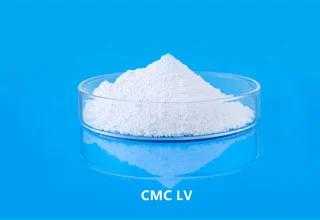
Oil Drilling Grade CMC
#cmc #for #oil #drilling <br>[a]https%3A%2F%2Fwww.kimacellulose.com%2Fproducts%2Fcmc-for-oil-drilling%2F[/a] <br> <br>CMC for oil drilling (CMC) is water soluble polymer derived from cellulose that is commonly used as a thickening, stabilizing, and emulsifying agent in drilling fluids for the oil and gas industry. <br>Oil drilling grade Carboxymethyl Cellulose (CMC) is water soluble polymer derived from cellulose that is commonly used as a thickening, stabilizing, and emulsifying agent in drilling fluids for the oil and gas industry. <br>CMC is a water-soluble polymer that can be used to control the rheology and viscosity of drilling fluids, as well as to improve their fluid loss and filtration properties. <br>The oil drilling grade CMC is specifically designed and formulated for use in drilling fluids and has a number of properties that make it suitable for this application, including: <br> <br>High purity: Oil drilling grade CMC is highly pure and free from contaminants, which ensures its consistency and reliability in drilling operations. <br> <br> <br>Good solubility: Oil drilling grade CMC has good solubility in water, which allows it to be easily mixed with other drilling fluid components and dispersed uniformly throughout the fluid. <br> <br> <br>High viscosity: Oil drilling grade CMC can form a highly viscous solution in water, which helps to control the rheology and viscosity of drilling fluids and prevent the loss of fluid during drilling operations. <br> <br> <br>Good filtration control: Oil drilling grade CMC can help to control the filtration properties of drilling fluids by forming a filter cake on the wellbore that can help to prevent the loss of fluid and maintain wellbore stability. <br> <br>How To Use Oil Drilling Grade CMC? <br> <br>Oil drilling grade Carboxymethyl Cellulose (CMC) is typically added to drilling fluids as a dry powder or in a pre-hydrated form. Here are the general steps for using oil drilling grade CMC in drilling fluids: <br>01. <br>Determine the appropriate dosage: The dosage of oil drilling grade CMC will depend on the specific application, the properties of the drilling fluid, and the desired rheology and filtration properties. The manufacturer's instructions and technical data sheets should be consulted to determine the appropriate dosage. <br>02. <br>Pre-hydrate the CMC: If the oil drilling grade CMC is in a powder form, it will need to be pre-hydrated before it can be added to the drilling fluid. This can be done by mixing the CMC with clean, fresh water and allowing it to hydrate for a specified period of time, according to the manufacturer's instructions. <br>03. <br>Add the CMC to the drilling fluid: Once the CMC is hydrated, it can be added to the drilling fluid slowly and continuously while the fluid is being mixed. The mixing process should be done according to the manufacturer's instructions to ensure that the CMC is evenly dispersed throughout the fluid. <br>04. <br>Allow the drilling fluid to circulate: Once the CMC is added, the drilling fluid should be allowed to circulate for a period of time to ensure that the CMC is fully activated and the desired rheological and filtration properties are achieved. <br>05. <br>Monitor and adjust: The drilling fluid should be monitored and adjusted as needed to ensure that the desired properties are maintained throughout the drilling operation. The dosage of CMC may need to be adjusted based on changes in drilling conditions and properties. <br>Oil drilling grade Carboxymethyl Cellulose (CMC) has a number of advantages for use in drilling fluids in the oil and gas industry, including: <br>Rheology control: <br>Oil drilling grade CMC can control the rheology of drilling fluids, which can help to prevent problems such as lost circulation, stuck pipe, and wellbore instability. <br>Fluid loss control: <br>Oil drilling grade CMC can help to control the loss of drilling fluid during drilling operations, which can help to reduce the cost of drilling and improve the safety and efficiency of the operation. <br>Wellbore stability: <br>Oil drilling grade CMC can help to stabilize the wellbore, which can help to prevent issues such as differential sticking and formation damage. <br>Compatibility: <br>Oil drilling grade CMC is compatible with a wide range of drilling fluid additives, making it easy to incorporate into existing drilling fluid systems. <br>Environmental and health safety: <br>Oil drilling grade CMC is a naturally derived polymer that is biodegradable, non-toxic, and environmentally friendly, making it a safe and sustainable choice for use in drilling fluids. <br>Cost-effective: <br>Oil drilling grade CMC is cost-effective compared to other drilling fluid additives, providing significant cost savings to drilling operations. <br> <br>There are cellulose ether suppliers, but we are one of the best choices for you

HPMC for Food
[a]https%3A%2F%2Fwww.kimacellulose.com%2Fproducts%2Fhpmc-for-food%2F[/a] <br>#kima #chemical <br>Food grade HPMC (Hydroxypropyl methylcellulose) is a type of food ingredient that is specifically designed for use in food applications. It is a cellulose-based ingredient that is derived from natural sources, such as wood pulp or cotton. <br> <br>Food grade HPMC (Hydroxypropyl methylcellulose) is a type of food ingredient that is specifically designed for use in food applications. It is a cellulose-based ingredient that is derived from natural sources, such as wood pulp or cotton. <br> <br>Food grade HPMC is considered safe for human consumption and is widely used in the food industry for a variety of purposes, including as a thickener, emulsifier, and stabilizer. <br> <br>Food grade HPMC is typically produced under strict manufacturing conditions to ensure that it meets the regulatory standards for food safety and quality. It is commonly used in food products such as baked goods, dairy products, and beverages, as well as in dietary supplements and pharmaceuticals. <br> <br>HPMC is used as a dough conditioner to improve the texture, structure, and consistency of baked goods such as bread, cakes, and pastries. It also helps to extend the shelf life of these products. <br> <br>HPMC is used as a stabilizer in dairy products such as yogurt, ice cream, and whipped cream. It helps to prevent separation and improves the overall texture and mouthfeel of these products. <br> <br>HPMC is used as a thickener and stabilizer in a variety of beverages, including fruit juices, smoothies, and energy drinks. It helps to improve the viscosity and stability of these products, as well as prevent separation of ingredients. <br> <br>HPMC is used as a thickener in sauces, gravies, and salad dressings to improve the texture and stability of these products. It can also help to prevent separation of ingredients and enhance the overall mouthfeel. <br> <br>HPMC is used as a texturizer and emulsifier in many processed foods, including frozen meals, canned soups, and snacks. It helps to improve the overall texture and consistency of these products and enhances their shelf life. <br> <br>Types of HPMC Products for Food <br>HPMC E3 FGIn the food sector, KimaCell®HPMC E3 can be used as a thickener, stabilizer, and moisturizer to thicken, retain water, and enhance flavor. In wealthy nations, KimaCell®HPMC E3 has been extensively utilized. <br> <br>HPMC E5 FGKimaCell®HPMC E5 FG is hydroxypropyl methylcellulose, which can lower the temperature at which pastry paste gelatinizes as well as its peak and cold viscosities. <br> <br>HPMC E6 FGA high-performance hydrophilic polymer with cellulose as its foundation, HPMC E6 FG is utilized as an excipient in pharmaceutical and nutraceutical goods. It is a free-flowing, homogenous powder that ranges in color from white to off-white and is used to enhance the flow and compressibility of tablets, capsules, and powders. <br> <br>HPMC E15 FGHPMC E15 FG is a white, flavorless powder that is used in a range of food and industrial items for film formation, thickening, emulsification, suspension, and protection. Moreover, it serves as a tablet binder for capsules and tablets. <br> <br>HPMC E50 FGKimaCell® HPMC E50 FG is an excellent option for many applications because it has FDA approval for use in food and pharmaceuticals. <br> <br>HPMC E4M FGHPMC E4M FG has excellent compatibility with other polymers and is used to improve product stability and shelf life. It is extensively utilized in the food, cosmetics, pharmaceutical, and other industries. <br> <br>HPMC F50 FGFoods with HPMC F50 FG have better viscosity, less syneresis, and better texture. Moreover, it is employed in the beauty and pharmaceutical industries. Because HPMC F50 FG lacks flavorings, preservatives, and colorings, it is perfect for use in food products that need to be extremely pure. <br> <br>HPMC F4M FGIn food and beverage applications, hypromellose (Hydroxypropyl Methyl Cellulose, or HPMC F4M FG) is frequently used as a thickening and gelling agent. It is a great option for a range of food applications because it is non-toxic, non-irritating, odorless, and tasteless. <br> <br>HPMC K15 FGKimaCell®HPMC K15 FG is perfect for uses including tablet coatings, personal care products, and food coatings because of its low viscosity. <br> <br>HPMC K100 FGKimaCell®HPMC K100 FG Hydroxypropyl methyl cellulose forms a protective layer during frying. On the one hand, it prevents the oil from penetrating into the outer skin of the food, and on the other ha... <br> <br>HPMC K4M FGKimaCell® K4M FG grade has a fine granulation that helps to ensure a good flow rate, making it easier to handle in manufacturing and packaging processes. <br>HPMC K15M FGHPMC K15M FG is a modified version of hydroxypropyl methylcellulose (HPMC) developed specifically for coating applications. It has excellent film forming and lubrication properties, as well as good adhesion, flexibility and water-resistance. It is suitable for coating tablets, pellets and capsules, and also provides controlled release of active ingredients. <br> <br>HPMC K100M FGHPMC K100M FG is a pre-neutralized, high-viscosity hydroxypropyl methylcellulose (HPMC) that provides superior thickening and suspending properties in a wide variety of personal care and pharmaceutical applications. <br> <br>HPMC K200M FGHPMC K200M FG is excellent for cold process formulations since it is also highly soluble in cold water. The rheological and film-forming abilities of HPMC K200M FG are excellent, and it mixes well with other substances. <br> <br>How To Use HPMC for Food? <br>When using HPMC Hydroxypropyl Methylcellulose in food applications, it is important to follow the recommended usage levels and specific instructions provided by the manufacturer. Here are some general guidelines for using HPMC in food: <br>1.Determine the appropriate amount of HPMC to add to your recipe. The recommended dosage of HPMC varies depending on the specific application and desired properties of the final product. It's important to consult with the manufacturer or a food ingredient expert to determine the appropriate amount to use. <br>2.Pre-hydrate the HPMC before adding it to your recipe. HPMC is water-soluble, but it should be hydrated before use to ensure it disperses evenly and doesn't form clumps. To hydrate HPMC, add it to water or other liquids in a separate container and mix well until it forms a smooth, uniform solution. <br>3.Add the hydrated HPMC to your recipe. Depending on the recipe, you may need to mix the HPMC solution into other ingredients or add it directly to the cooking or processing stage. Make sure the HPMC is thoroughly mixed into the recipe to ensure even distribution. <br>4.Allow time for the HPMC to work. HPMC requires time to reach its full thickening and stabilizing potential. Depending on the recipe, you may need to allow the food product to rest or cook for a certain period to allow the HPMC to fully hydrate and achieve the desired texture. <br> <br>Here are some of the main advantages of using HPMC ( 9004 65 3 ) in food: <br>Texture and mouthfeel: <br>HPMC can be used to create a wide range of textures in food products, from thin liquids to thick gels and pastes. It can also be used to improve the mouthfeel of foods, making them smoother and creamier. <br>Stability: <br>HPMC is an effective stabilizer that helps to prevent ingredients from separating or settling out over time. This can improve the overall appearance and quality of food products and extend their shelf life. <br>Reduced fat and calories: <br>HPMC can be used to replace high-fat or high-calorie ingredients in food products, such as cream or butter. This can help to reduce the overall fat and calorie content of the product without sacrificing texture or flavor. <br>Clean label: <br>HPMC is a naturally derived ingredient that is considered safe for human consumption. It can be used as an alternative to synthetic ingredients, which can help food manufacturers create products with a cleaner label. <br>Compatibility: <br>HPMC is compatible with a wide range of other food ingredients and can be used in a variety of processing conditions, including high temperatures and acidic or alkaline environments. This makes it a versatile ingredient that can be used in many different types of food products. <br> <br>If you want to know more about hpmc full form in food, please visit our website. <br> <br>As top of cellulose ether manufacturers in China, kima chemical co ltd focus on cellulose ether production and supply various grades of cellulose ethers, Hydroxypropyl Methylcellulose (HPMC), Methyl Hydroxyethyl Cellulose (MHEC), Hydroxyethyl Cellulose (HEC), Carboxy Methyl Cellulose (CMC) are our most popular product, we are supplying cellulose ether to global market with wide viscosity range and for different application fields.
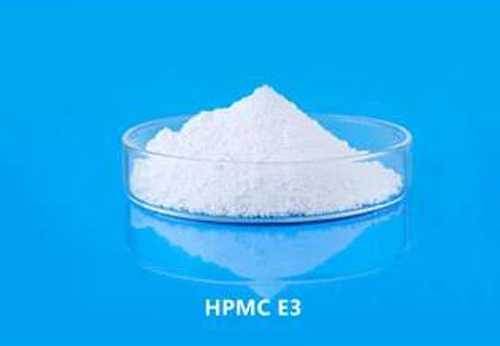
HPMC for Pharmaceutical
HPMC in Pharma <br>Pharmaceutical grade HPMC Hydroxypropyl methyl cellulose is a widely used pharmaceutical excipient that is used in a variety of applications in the pharmaceutical industry. <br> <br>Pharmaceutical grade HPMC Hydroxypropyl methyl cellulose is a widely used pharmaceutical excipient that is used in a variety of applications in the pharmaceutical industry. <br> <br>As an excipient, HPMC is an inactive ingredient that is used to improve the quality, safety, and effectiveness of drug products. Here are some of the main applications of HPMC in the pharmaceutical industry: <br> <br>Controlled release: HPMC can be used to create controlled-release drug formulations that release the active ingredient at a controlled rate over an extended period of time. This can help to improve the efficacy of the drug and reduce the frequency of dosing. <br> <br>Tablet coating: HPMC is a common binder used in tablet formulations. It helps to hold the tablet ingredients together, improving the tablet's structural integrity, and ensuring consistent dosage and disintegration. <br> <br>Film coating: HPMC can be used as a film coating for tablets, vegetable capsules, and granules. It helps to protect the drug from environmental factors and improve its appearance and swallowability. <br> <br>Disintegrant: HPMC can be used as a disintegrant in tablet formulations to help the tablet dissolve quickly and uniformly in the gastrointestinal tract. This can improve the bioavailability of the drug and enhance its therapeutic effect. <br> <br>Suspending agent: HPMC can be used as a suspending agent to keep insoluble drug particles in suspension in liquid formulations, such as suspensions and emulsions. <br> <br>Types of HPMC for Pharmaceutical <br>HPMC E3 <br>Pharmaceutical excipient grade hydroxypropyl methyl cellulose, also known as hypromellose, is a cellulose-based polymer used in the production of hard capsules, pellet granulation, and film coating. <br> <br>HPMC E5 <br>KimaCell®HPMC E5 are of the highest quality and are used in the development and manufacture of formulations. <br> <br>HPMC E6 <br>KimaCell®HPMC E6 is soluble in both cold and hot water, is tasteless, odorless, and non-toxic. The production, dose, and quality of hydroxypropyl methylcellulose, a type of cellulose mixed ether, have been rising quickly in China during the past 15 years. <br> <br>HPMC E15 <br>HPMC E15 is a non-ionic cellulose derivative that can be used as a rheology modifier and thickening agent for aqueous solutions. It provides excellent stability, good film-forming properties, and is heat resistant. <br> <br>HPMC E50 <br>HPMC E50 is a hydroxypropyl methylcellulose (HPMC) grade with a medium viscosity used as a binder, thickener, and suspending agent in a variety of products. <br> <br>HPMC E4M <br>HPMC E4M is a pharmaceutical grade modified cellulose polymer that is used as a binder, disintegrant, stabiliser, and release agent in pharmaceutical formulations. It provides excellent solubility, film forming properties, low-toxicity, and is also used as a suspending agent in oral suspensions. <br> <br>HPMC F50 <br>HPMC F50 is a hydroxypropyl methylcellulose used as a pharmaceutical binder, disintegrant, and lubricant. It is a white, odorless, tasteless powder that easily dissolves in cold water and has good film-forming properties. <br> <br>HPMC F4M <br>HPMC F4M is a cellulose-based excipient used in pharmaceutical and health care products. It is a white to slightly yellowish-white powder, odorless and tasteless. <br> <br>HPMC K15 LV <br>HPMC K15 LV is a low viscosity hydroxypropyl methylcellulose (HPMC) used as a suspending and thickening agent in various applications. It is used in pharmaceutical and food products to provide a uniform consistency, increase stability, and improve the product's shelf life. <br> <br>HPMC K100 LV <br>HPMC K100 LV is a cellulose ether used as a rheology modifier, suspending agent, and film forming agent. It is a low viscosity grade of Hydroxypropyl Methylcellulose (HPMC) and is suitable for creating solutions of low to medium viscosity. <br> <br>HPMC K4M <br>KimaCell®HPMC K4M hydroxypropyl methyl cellulose provides excellent water retention and solubility, and is an ideal choice for formulating products with a smooth texture and feel. <br> <br>HPMC K15M <br>KimaCell®HPMC K15M is a multi-purpose pharmaceutical excipient, which can be used as a thickener, dispersant, emulsifier and film-forming agent. <br> <br>HPMC K100M <br>HPMC K100M is frequently employed as pharmaceutical excipients in the pharmaceutical business as thickeners, dispersants, emulsifiers, and film-forming agents. Moreover, it is utilized for suspensions, ophthalmic preparations, prolonged and controlled release matrix, floating tablets, and film coating and adhesive on tablet medications. <br> <br>HPMC K200M <br>For drug-loaded sustained-release systems, KimaCell®HPMC K200M is employed as the drug skeleton for tablets or the capsule shell. <br> <br>How To Use HPMC for Pharmaceutical? <br>HPMC (Hydroxypropyl methylcellulose) can be used to pharmaceutical excipient formulations using different methods depending on the application. Here are some general guidelines for adding HPMC in pharmaceuticals: <br> <br>01. <br>Binder: HPMC can be added as a binder to the dry blend of tablet ingredients. The HPMC is typically added to the dry powder blend and mixed thoroughly. Water or another suitable solvent is then added to the blend to form a granulation that is dried and milled to the desired particle size. The resulting granules are then compressed into tablets using a tablet press. <br> <br>02. <br>Disintegrant: HPMC can be added as a disintegrant to the dry blend of tablet ingredients. The HPMC is typically added to the dry powder blend and mixed thoroughly. Water or another suitable solvent is then added to the blend to form a granulation that is dried and milled to the desired particle size. The resulting granules are then compressed into tablets using a tablet press. <br> <br>03 <br>Film coating: HPMC can be added to a coating solution for film-coating tablets. To prepare an HPMC film-coating solution, HPMC is usually dispersed in water or an organic solvent, along with plasticizers and other excipients. The resulting solution is then sprayed onto the surface of the tablet using a spray coating apparatus. <br> <br>04 <br>Controlled release: HPMC can be added to a drug formulation to create a controlled-release dosage form. The HPMC is typically mixed with the active ingredient and other excipients to form a matrix that releases the drug at a controlled rate over an extended period of time. The matrix can be incorporated into tablets, capsules, or other dosage forms. <br> <br>If you want to know more use of hpmc in pharmaceuticals, please visit our website. <br> <br>As one of hpmc manufacturers in china, we will do our best to meet all the needs of customers. <br>#hpmc#in#pharmaceutical <br>[a]https%3A%2F%2Fwww.kimacellulose.com%2Fproducts%2Fhpmc-in-pharmaceutical%2F[/a]
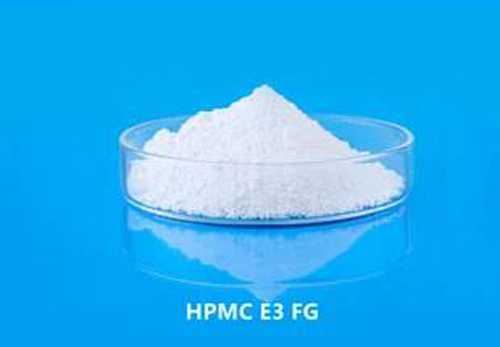
HPMC for Food
hydroxypropyl methylcellulose food <br>methyl cellulose in food <br> <br>HPMC for Food <br>Food grade HPMC (Hydroxypropyl methylcellulose) is a type of food ingredient that is specifically designed for use in food applications. It is a cellulose-based ingredient that is derived from natural sources, such as wood pulp or cotton. <br> <br>Food grade HPMC (Hydroxypropyl methylcellulose) is a type of food ingredient that is specifically designed for use in food applications. It is a cellulose-based ingredient that is derived from natural sources, such as wood pulp or cotton. <br> <br>Food grade HPMC is considered safe for human consumption and is widely used in the food industry for a variety of purposes, including as a thickener, emulsifier, and stabilizer. <br> <br>Food grade HPMC is typically produced under strict manufacturing conditions to ensure that it meets the regulatory standards for food safety and quality. It is commonly used in food products such as baked goods, dairy products, and beverages, as well as in dietary supplements and pharmaceuticals. <br> <br>HPMC is used as a dough conditioner to improve the texture, structure, and consistency of baked goods such as bread, cakes, and pastries. It also helps to extend the shelf life of these products. <br> <br>HPMC is used as a stabilizer in dairy products such as yogurt, ice cream, and whipped cream. It helps to prevent separation and improves the overall texture and mouthfeel of these products. <br> <br>HPMC is used as a thickener and stabilizer in a variety of beverages, including fruit juices, smoothies, and energy drinks. It helps to improve the viscosity and stability of these products, as well as prevent separation of ingredients. <br> <br>HPMC is used as a thickener in sauces, gravies, and salad dressings to improve the texture and stability of these products. It can also help to prevent separation of ingredients and enhance the overall mouthfeel. <br> <br>HPMC is used as a texturizer and emulsifier in many processed foods, including frozen meals, canned soups, and snacks. It helps to improve the overall texture and consistency of these products and enhances their shelf life. <br> <br>Types of HPMC for Food <br>HPMC E3 FG <br>In the food sector, KimaCell®HPMC E3 can be used as a thickener, stabilizer, and moisturizer to thicken, retain water, and enhance flavor. In wealthy nations, KimaCell®HPMC E3 has been extensively utilized. <br> <br>HPMC E5 FG <br>KimaCell®HPMC E5 FG is hydroxypropyl methylcellulose, which can lower the temperature at which pastry paste gelatinizes as well as its peak and cold viscosities. <br> <br>HPMC E6 FG <br>A high-performance hydrophilic polymer with cellulose as its foundation, HPMC E6 FG is utilized as an excipient in pharmaceutical and nutraceutical goods. It is a free-flowing, homogenous powder that ranges in color from white to off-white and is used to enhance the flow and compressibility of tablets, capsules, and powders. <br> <br>HPMC E15 FG <br>HPMC E15 FG is a white, flavorless powder that is used in a range of food and industrial items for film formation, thickening, emulsification, suspension, and protection. Moreover, it serves as a tablet binder for capsules and tablets. <br> <br>HPMC E50 FG <br>KimaCell® HPMC E50 FG is an excellent option for many applications because it has FDA approval for use in food and pharmaceuticals. <br> <br>HPMC E4M FG <br>HPMC E4M FG has excellent compatibility with other polymers and is used to improve product stability and shelf life. It is extensively utilized in the food, cosmetics, pharmaceutical, and other industries. <br> <br>HPMC F50 FG <br>Foods with HPMC F50 FG have better viscosity, less syneresis, and better texture. Moreover, it is employed in the beauty and pharmaceutical industries. Because HPMC F50 FG lacks flavorings, preservatives, and colorings, it is perfect for use in food products that need to be extremely pure. <br> <br>HPMC F4M FG <br>In food and beverage applications, hypromellose (Hydroxypropyl Methyl Cellulose, or HPMC F4M FG) is frequently used as a thickening and gelling agent. It is a great option for a range of food applications because it is non-toxic, non-irritating, odorless, and tasteless. <br> <br>HPMC K15 FG <br>KimaCell®HPMC K15 FG is perfect for uses including tablet coatings, personal care products, and food coatings because of its low viscosity. <br> <br>HPMC K100 FG <br>KimaCell®HPMC K100 FG Hydroxypropyl methyl cellulose forms a protective layer during frying. On the one hand, it prevents the oil from penetrating into the outer skin of the food, and on the other ha... <br> <br>HPMC K4M FG <br>KimaCell® K4M FG grade has a fine granulation that helps to ensure a good flow rate, making it easier to handle in manufacturing and packaging processes. <br> <br>HPMC K15M FG <br>HPMC K15M FG is a modified version of hydroxypropyl methylcellulose (HPMC) developed specifically for coating applications. It has excellent film forming and lubrication properties, as well as good adhesion, flexibility and water-resistance. It is suitable for coating tablets, pellets and capsules, and also provides controlled release of active ingredients. <br> <br>HPMC K100M FG <br>HPMC K100M FG is a pre-neutralized, high-viscosity hydroxypropyl methylcellulose (HPMC) that provides superior thickening and suspending properties in a wide variety of personal care and pharmaceutical applications. <br> <br>HPMC K200M FG <br>HPMC K200M FG is excellent for cold process formulations since it is also highly soluble in cold water. The rheological and film-forming abilities of HPMC K200M FG are excellent, and it mixes well with other substances. <br> <br>How To Use HPMC for Food? <br>When using HPMC Hydroxypropyl Methylcellulose in food applications, it is important to follow the recommended usage levels and specific instructions provided by the manufacturer. Here are some general guidelines for using methyl cellulose in food: <br> <br>01. <br>Determine the appropriate amount of HPMC to add to your recipe. The recommended dosage of HPMC varies depending on the specific application and desired properties of the final product. It's important to consult with the manufacturer or a food ingredient expert to determine the appropriate amount to use. <br> <br>02. <br>Pre-hydrate the HPMC before adding it to your recipe. HPMC is water-soluble, but it should be hydrated before use to ensure it disperses evenly and doesn't form clumps. To hydrate HPMC, add it to water or other liquids in a separate container and mix well until it forms a smooth, uniform solution. <br> <br>03. <br>Add the hydrated HPMC to your recipe. Depending on the recipe, you may need to mix the HPMC solution into other ingredients or add it directly to the cooking or processing stage. Make sure the HPMC is thoroughly mixed into the recipe to ensure even distribution. <br> <br>04. <br>Allow time for the HPMC to work. HPMC requires time to reach its full thickening and stabilizing potential. Depending on the recipe, you may need to allow the food product to rest or cook for a certain period to allow the HPMC to fully hydrate and achieve the desired texture. <br> <br>Here are some of the main advantages of using HPMC (9004 65 3) in food: Texture and mouthfeel: HPMC can be used to create a wide range of textures in food products, from thin liquids to thick gels and pastes. It can also be used to improve the mouthfeel of foods, making them smoother and creamier. <br> <br>Stability: HPMC is an effective stabilizer that helps to prevent ingredients from separating or settling out over time. This can improve the overall appearance and quality of food products and extend their shelf life. <br> <br>Reduced fat and calories: HPMC can be used to replace high-fat or high-calorie ingredients in food products, such as cream or butter. This can help to reduce the overall fat and calorie content of the product without sacrificing texture or flavor. <br> <br>Clean label: HPMC is a naturally derived ingredient that is considered safe for human consumption. It can be used as an alternative to synthetic ingredients, which can help food manufacturers create products with a cleaner label. <br> <br>Compatibility: HPMC is compatible with a wide range of other food ingredients and can be used in a variety of processing conditions, including high temperatures and acidic or alkaline environments. This makes it a versatile ingredient that can be used in many different types of food products. <br> <br>As one of cellulose ether manufacturers, we will do our best to meet all the needs of customers. <br>#hydroxypropyl#methyl#cellulose#in#food <br>[a]https%3A%2F%2Fwww.kimacellulose.com%2Fproducts%2Fhpmc-for-food%2F[/a]
About KIMA CELL's Store
No description provided.
0.0
Customer Reviews
See what others are saying about KIMA CELL's Store. We verify purchases to ensure reviews are genuine.
No reviews yet for this store.