

Greens Tone's Store
Owned by Greens Tone Joined May 2024 10 Listings
Greens Tone's Store
easyid.me/biz/greenstone-6af662 • Verified Store
Scan to open official EasyID digital store, view live catalog, or save business card.
Verified Merchant
EasyID Certified Seller
Fast 24h Packing
Direct courier dispatch
Zero Escrow Direct
Direct merchant settlement
Store Listings (10)
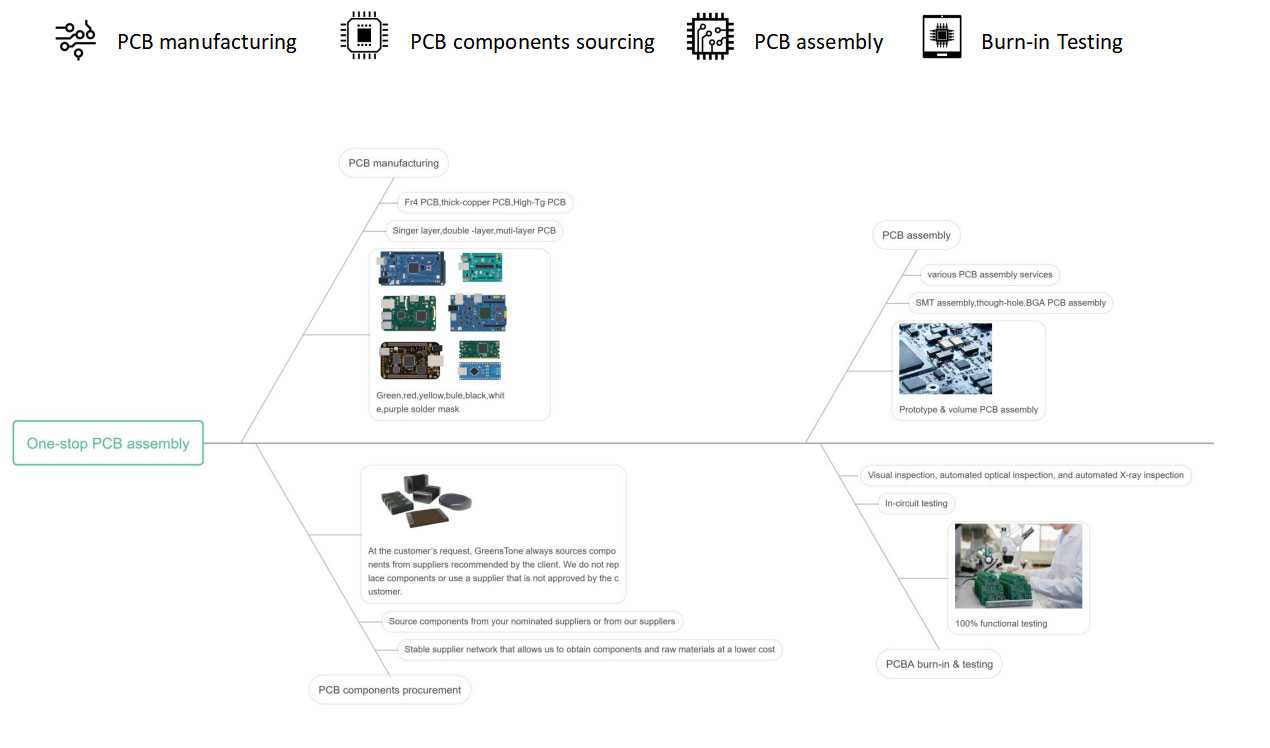
China Turn key PCB Assembly
#Assembly <br>[a]https%3A%2F%2Fwww.greenpcba.com%2Fturn-key-pcb-assembly%2F[/a] <br>China Turn key PCB Assembly <br>GreensTone has over 10 years of experience in the China turnkey PCB assembly industry. Our core values are centered around customer service, engineering, manufacturing, and product solutions. In the beginning, we gained a stellar reputation through China turnkey PCB electronics assembly services and our customers pushed us to help them find solutions for PCB Fabrication, Components, Interconnect, Cables, Packaging Systems, and Mechanical parts in plastic or metal. Our expansion into these areas has allowed us to provide our customers with a wide range of engineering and manufacturing capabilities. Our core business is PCB assembly! <br> <br>China Turnkey PCB Assembly Quality Control Process <br>Assembly manual instruction <br>The PCBA engineer of prototype pcb assembly supplier GreensTone make the assembly manual instruction to norm the manufacturing process in advance, guide the production, and improve the quality from the process technology <br>IQC Incoming Quality Control <br>Check all the components values, pads size, brands, manufacturing date and code <br>SPI Solder Paste Inspection <br>Solder paste inspection can check the solder paste is sufficient and uniform to prevent assembly quality problems in advance caused by poor solder paste soldering <br>Online AOI Inspection <br>The AOI can check the short circuit, offset, wrong solder, reverse solder, false solder, empty solder, incomplete solder, etc. It also can check excessive solder, less solder, continuous solder and solder joints. <br>First sample confirm <br>Check the first China turnkey pcb electronics sample with Gerber, BOM and coordinate files, test it's function with the testing program. Only sample confirmed by PCBA engineer, it can go for mass production. <br>Off-line AOI inspection <br>Check the soldered surface mount assembly for errors, omissions, and false connections. <br>X-Ray welding inspection <br>Inspect the solder joints of invisible components like BGA. <br>QC manual inspection <br>The assembled board is visually inspected to ensure 100 % ok. <br> <br>Specification of China Turnkey PCB Electronics Assembly <br>Item name China Turn key PCB Assembly Capability <br>PCB Type Rigid PCB <br>PCB Shape Rectangular, Circular and any Odd Shapes <br>PCB Dimension Min Board Size: 50mm x 100mm (Boards smaller than this size need to be panelized) <br>Max Board Size: 250mm x 500mm <br> <br>Types of solder leaded and lead-free (RoHS Compliant) assembly <br>Components Size Passive Component: components as small as 01005, 0201,0402. <br>BGA: handle BGA of 0.25mm pitch with X-ray testing. <br>Fine Pitch to 0.25mm <br>UBGA, QFN, POP, leadless chips, connectors and terminals. <br>Components package in Reels, Cut Tape, Tube & Tray, Loose Parts and Bulk. <br>Components Source Turn-key/partial turn-key <br>Stencils laser cut stainless steel stencils <br>Quantities 1-50000pcs <br> <br>Full Turnkey&Partial Turnkey PCBA <br>When it comes to printed circuit board assembly (PCBA), choosing the right approach can significantly impact the success of your project. Two commonly used strategies are Full Turnkey and Partial Turnkey PCBA services. In this guide, we will delve into the differences between these two options and provide insights to help you make an informed decision for your specific needs. <br>Full Turnkey PCBA <br>Full Turnkey PCBA is a comprehensive service where the pcb assembly suppliers takes complete responsibility for the entire assembly process, from sourcing components to the final product's delivery. This approach offers several advantages: <br>Single-Point Responsibility: With Full Turnkey, you only need to communicate with one supplier. They manage everything from procurement to assembly, streamlining the process and reducing potential communication gaps. <br>Expertise in Sourcing: PCB assembly providers specializing in Full Turnkey services have established relationships with component suppliers and can often secure components at better prices and lead times. <br>Quality Control: Full Turnkey services often include rigorous quality control processes, ensuring that each component meets the required standards, thus minimizing the risk of defects. <br>Time Efficiency: Since the PCB assembly provider handles every aspect, Full Turnkey can be faster, especially when dealing with complex projects or tight deadlines. <br>Reduced Administrative Burden: By outsourcing the procurement and assembly process, you free up internal resources and reduce administrative overhead. <br>Partial Turnkey PCBA <br>Partial Turnkey PCBA, on the other hand, is a hybrid approach where you and the assembly provider share responsibilities. In this scenario: <br>You Provide Some Components: In Partial Turnkey, you supply some or all of the critical components, such as specialized chips or proprietary parts, while the assembly provider procures the remaining standard components. <br>Shared Responsibility: You and the assembly provider work together to define the scope of responsibilities. Typically, the assembly provider handles PCB fabrication, assembly, and testing, while you manage component procurement. <br>Flexibility: Partial Turnkey allows you to have more control over component selection and sourcing, especially when you have specific requirements or existing component stock. <br>Cost Control: Since you provide some components, you have a better understanding of their costs and can potentially save money on components you already have in-house. <br>Customization: This approach is suitable for projects with unique component requirements or those where you want to maintain control over certain aspects of the assembly process. <br>Choosing Between Full Turnkey and Partial Turnkey PCBA <br>To make an informed decision between Full Turnkey and Partial Turnkey PCBA, you should consider several factors: <br>Project Complexity: For simple, straightforward projects with readily available components, Partial Turnkey might be sufficient. However, complex projects with specialized or hard-to-source components often benefit from Full Turnkey services. <br>Component Sourcing: Evaluate your ability to source components efficiently. If you have established supply chains or proprietary components, Partial Turnkey might be more suitable. Otherwise, Full Turnkey can simplify the procurement process. <br>Time Constraints: Full Turnkey services are generally faster due to the assembly provider's expertise and streamlined processes. If your project has tight deadlines, this might be a crucial factor. <br>Quality Requirements: If your project demands rigorous quality control and assurance, Full Turnkey services are more likely to meet these standards since the assembly provider assumes full responsibility for component quality. <br>Budget Constraints: Consider your budget carefully. Full Turnkey services might have a higher upfront cost but can potentially save you money in the long run by reducing the risk of errors and rework. <br>Control and Customization: If you value control over component selection or have unique requirements, Partial Turnkey allows you to maintain a higher degree of control. <br>Communication and Collaboration: Assess your team's ability to collaborate effectively with the assembly provider. Full Turnkey minimizes communication complexity, while Partial Turnkey requires more coordination. <br> <br>Turnkey PCB Assembly Testing <br>The success of any electronic product hinges on the quality and reliability of its printed circuit board assembly (PCBA). To achieve this, thorough testing of the PCB is paramount. In this guide, we will explore the importance of Turnkey PCB Assembly Testing, the different testing methods available, and best practices to ensure the highest quality and reliability for your electronic devices. <br>Why Turnkey PCB Assembly Testing Matters <br>Turnkey PCB Assembly Testing refers to the comprehensive evaluation of the assembled PCB to ensure that it functions correctly and meets the specified performance criteria. This testing process plays a pivotal role in product quality and reliability for several reasons: <br>Defect Detection: Testing helps identify manufacturing defects such as soldering issues, short circuits, or open connections. Detecting these problems early in the production process prevents costly rework or product failures in the field. <br>Functional Verification: Beyond identifying defects, testing validates that the PCB functions as intended. This ensures that the end product will meet its performance requirements and function reliably in real-world scenarios. <br>Reliability Assurance: Rigorous testing minimizes the risk of early product failures, reducing warranty claims and improving overall customer satisfaction. A reliable product enhances your brand's reputation. <br>Compliance with Standards: Many industries have specific quality and safety standards that must be met. Turnkey PCB Assembly Testing ensures that your product complies with these standards, preventing regulatory issues and potential liability. <br>Cost Savings: While testing adds an upfront cost to the manufacturing process, it can save you substantial money in the long run by reducing scrap, rework, and warranty-related expenses. <br>Types of Turnkey PCB Assembly Testing <br>There are several testing methods available to assess PCBAs. The choice of testing method(s) depends on your project's requirements, complexity, and budget. Here are some common types of Turnkey PCB Assembly Testing: <br>Visual Inspection: This is the most basic form of testing, involving a visual examination of the PCB for obvious defects such as soldering errors, component placement issues, or physical damage. While not comprehensive, visual inspection provides a quick initial assessment. <br>Automated Optical Inspection (AOI): AOI systems use cameras and image processing software to examine the PCB's surface for defects. It can detect issues such as missing components, misalignment, or solder joint problems with high accuracy and speed. <br>In-Circuit Testing (ICT): ICT involves testing the PCB's electrical properties by probing specific points on the circuit. It checks for electrical connectivity, shorts, opens, and component value discrepancies. ICT is effective for complex PCBAs with many components. <br>Functional Testing: Functional testing evaluates the PCB's performance in real-world conditions. It involves applying a set of test inputs and monitoring the outputs to ensure the PCB functions as intended. Functional tests verify the device's overall functionality. <br>Boundary Scan Testing: This method utilizes a set of standardized test logic that is embedded in the integrated circuits (ICs) on the PCB. It's particularly useful for testing complex PCBs with many digital components, providing a way to test interconnections and verify component functionality. <br>Environmental Testing: Environmental testing involves subjecting the PCB to extreme conditions such as temperature variations, humidity, or vibration to assess its resilience and reliability under adverse circumstances. This type of testing is essential for applications with stringent environmental requirements, like aerospace or automotive electronics. <br>Best Practices for Turnkey PCB Assembly Testing <br>To ensure the highest quality and reliability of your PCBAs, consider these best practices when implementing Turnkey PCB Assembly Testing: <br>Early Testing: Begin testing as early as possible in the assembly process. This allows for immediate identification and rectification of defects, reducing rework costs and improving overall efficiency. <br>Comprehensive Testing: Utilize a combination of testing methods. While visual inspection and AOI can catch surface defects, in-circuit testing and functional testing provide deeper insights into electrical performance. <br>Test Fixtures and Jigs: Develop appropriate test fixtures and jigs to facilitate testing. Well-designed fixtures ensure consistent and repeatable results. <br>Test Coverage Analysis: Determine the critical components and functionalities that require testing. Not every component may need exhaustive testing, so focus your efforts where they matter most to save time and resources. <br>Documentation and Traceability: Maintain thorough records of the testing process, including test results, equipment calibration, and any rework or repairs. This documentation is invaluable for quality control and audits. <br>Regular Calibration: Ensure that testing equipment is regularly calibrated to maintain accuracy. Inaccurate equipment can lead to false results and compromise product quality. <br>Feedback Loop: Establish a feedback loop between the testing process and the production line. Any issues detected during testing should trigger immediate corrective actions. <br>Training and Expertise: Invest in training for your testing personnel. Skilled operators are more likely to identify subtle defects and ensure accurate testing. <br>Continuous Improvement: Periodically review your testing processes and equipment to identify opportunities for optimization and cost reduction. <br> <br>Benefits of Turnkey PCB Assembly Services <br>In the dynamic world of electronics manufacturing, efficiency, reliability, and cost-effectiveness are paramount. Turnkey PCB assembly services have emerged as a compelling solution for companies seeking streamlined and hassle-free PCB manufacturing. In this guide, we will explore the numerous benefits of utilizing Turnkey PCB assembly services, shedding light on why they are an increasingly popular choice for manufacturers worldwide. <br>1. Single-Point Responsibility <br>One of the primary advantages of Turnkey PCB assembly services is the concept of single-point responsibility. When you opt for Turnkey services, you entrust the entire PCB assembly process to a specialized provider. This means that the responsibility for every aspect of the project, from sourcing components to final assembly and testing, rests on the shoulders of the Turnkey service provider. This streamlined approach simplifies project management, reduces communication complexity, and minimizes the potential for misunderstandings between multiple suppliers. <br>2. Expert Component Sourcing <br>Efficient component sourcing is a critical aspect of any PCB assembly project. Turnkey service providers often have established relationships with component suppliers, both domestic and international. These relationships enable themto secure components at competitive prices and with shorter lead times. With their extensive industry knowledge and connections, Turnkey service providers can navigate the complexities of the global component market, ensuring a reliable and timely supply of parts for your project. This expertise in component sourcing is particularly beneficial for projects with tight schedules or specialized component requirements. <br>3. Reduced Administrative Burden <br>Managing the procurement of components, coordinating with multiple suppliers, and overseeing the assembly process can be administratively burdensome. Turnkey PCB assembly services alleviate this load by handling all procurement and assembly-related tasks. This allows your team to focus on other critical aspects of your project, such as design, testing, or marketing, ultimately improving your operational efficiency. <br>4. Quality Control and Assurance <br>Quality control is of utmost importance in electronics manufacturing, and Turnkey PCB assembly services prioritize this aspect. These services often include stringent quality control processes throughout the assembly process. From component inspection to soldering quality checks, every step is meticulously monitored to ensure that the final PCB meets the required standards. By entrusting your project to a reputable Turnkey service provider, you benefit from their experience in maintaining high-quality production processes and minimizing the risk of defects or failures. <br>5. Time Efficiency <br>Time-to-market is a critical factor in the electronics industry. Turnkey PCB assembly services are renowned for their time efficiency. These providers specialize in PCB assembly, and their streamlined processes and well-defined workflows enable them to complete projects quickly. Whether you have a tight deadline or need to respond swiftly to market demands, Turnkey services can significantly reduce the lead time associated with PCB assembly compared to managing multiple suppliers individually. <br>6. Cost Savings <br>While it may seem that Turnkey services come with added costs due to the convenience they offer, they can actually lead to cost savings in various ways. Firstly, Turnkey service providers' expertise in component sourcing often results in cost-effective procurement, as they can negotiate favorable terms with suppliers. Additionally, their rigorous quality control processes minimize the risk of defective products, reducing costly rework or warranty claims down the line. Over time, these cost-saving benefits can outweigh the initial investment in Turnkey services. <br>7. Scalability and Flexibility <br>Turnkey PCB assembly services are adaptable to the changing needs of your project. Whether you're working on a small prototype run or a large-scale production batch, Turnkey service providers can accommodate your requirements. This scalability ensures that you have the capacity to meet market demands without the complexities of managing different suppliers or assembly lines. Furthermore, if your project requires design changes or component substitutions, Turnkey providers can swiftly adapt to these modifications, ensuring a smooth production process. <br>8. Access to Advanced Technology and Equipment <br>PCB assembly technology is continuously evolving, with new equipment and techniques emerging regularly. Turnkey service providers invest in state-of-the-art machinery and stay updated on the latest industry trends. By partnering with these providers, you gain access to cutting-edge technology and expertise that may not be feasible to maintain in-house. This access to advanced equipment can lead to improved product quality and performance. <br>9. Risk Mitigation <br>Electronics manufacturing involves inherent risks, such as component shortages, manufacturing errors, or supply chain disruptions. Turnkey PCB assembly services are well-equipped to mitigate these risks. They often maintain safety stock of critical components, have backup suppliers in place, and employ risk management strategies to ensure project continuity even in challenging situations. By leveraging their expertise and resources, you reduce the vulnerability of your project to unforeseen disruptions. <br> <br>If you are looking for a reliable electronic assembly factory, don't hesitate to contact us!
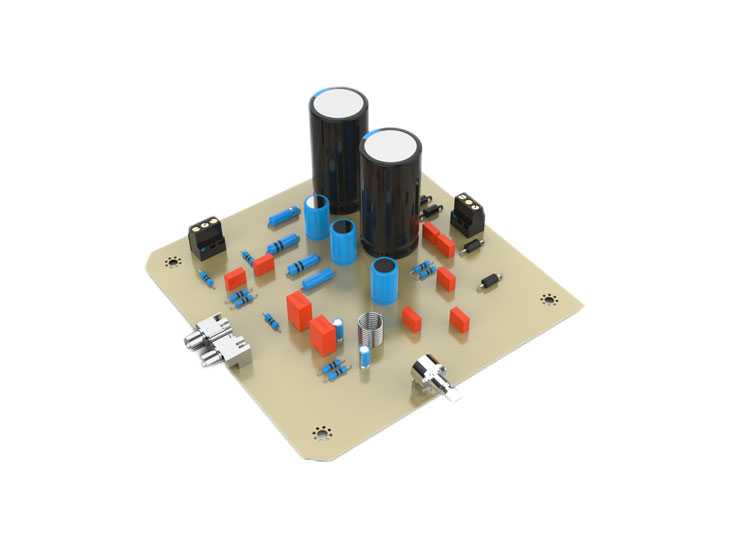
China Through-hole PCB Assembly
#through <br>[a]https%3A%2F%2Fwww.greenpcba.com%2Fthrough-hole-pcb-assembly%2F[/a] <br>GreensTone provides china automated through hole pcb assembly services to meet conventional lead assembly requirements of a variety of industries. We provide single, double-sided, as well as high-density multilayer Plated Through Hole (PTH) circuit board assembly services to meet low to mid volume production. Most through-hole printed circuit board services are designed to provide high-quality products to mission-critical applications to industries such as new energy like EV charger, industry control like Electric meters, and military. <br> <br>China Automated Though hole PCB Assembly Testing and Inspection Capabilities <br>Automated Optical Inspection: Abbreviated as AOI, these tests are performed to ensure that product is free from soldering, component, and BGA defects. <br>Burn-in Tests: These tests to detect components failure or reliability in real environments. <br>Automated X-Ray Inspection: This testing is performed to inspect insufficient fills, short circuits, fills, etc. The automated X-ray inspection helps reduce the number of defects, and improve the quality of the Through-Hole circuit. <br>In-Circuit Testing: This type of testing is conducted for high volume production lines, and helps us check every minute soldering, and other components in detail. <br>Assisted Visual Inspection <br> <br>What Are The Applications For China Automated Through-hole PCB Assembly? <br>China through hole PCB assembly, though a traditional method, continues to find its niche in various specialized applications: <br>Aerospace and Defense: In critical aerospace and defense systems, where reliability is paramount, through-hole components offer robust connections that withstand harsh conditions and vibrations. China through hole PCB assembly are commonly used in avionics, radar systems, and military hardware. <br>Medical Devices: Medical equipment, including life-saving devices like pacemakers and diagnostic instruments, often rely on through-hole assembly due to its durability and adherence to strict medical standards. <br>Industrial Automation: Components for industrial automation must endure tough environments with high temperatures and vibrations. China through hole assembly components excel in these settings, making them essential for motor control systems and sensor interfaces. <br>Automotive Electronics: Certain automotive applications, such as engine control units (ECUs) and airbag systems, benefit from the robustness of through-hole components, which can withstand the mechanical stresses and temperature variations in vehicles. <br>High-Power Devices: For high-power applications, where components need to handle substantial current and heat dissipation, China throughhole PCB assembly components are preferred. Examples include power amplifiers and voltage regulators. <br>Prototyping and Development: In the early stages of product development, through-hole components are chosen for their ease of manual assembly and modification. They facilitate testing and prototyping processes. <br>Legacy Systems: Older electronic systems and legacy equipment often rely on through-hole components. Repairing or retrofitting these systems often requires China through hole assembly to maintain compatibility. <br>Education and Training: China through hole PCB assembly is commonly used in educational settings to teach electronics fundamentals. Its simplicity and accessibility make it an excellent starting point for students learning about PCB assembly. <br> <br>China Automated Through Hole Pcb Assembly Design Process <br>Designing a PCB for through-hole assembly is a meticulous process that involves several key steps. Here, we'll walk you through the through-hole PCB assembly design process, highlighting each stage's significance: <br>1. Project Requirements Analysis: <br>Begin by thoroughly understanding the project's requirements, including component types, performance specifications, and environmental conditions. These insights shape the design objectives. <br>2. Schematic Capture: <br>Create a schematic diagram using Electronic Design Automation (EDA) software. This schematic illustrates the electrical connections between components, forming the basis of your PCB design. <br>3. Component Selection: <br>Choose through-hole components that align with project requirements, considering voltage ratings, current handling capacity, and physical size. Availability of components is also a key factor. <br>4. PCB Layout Design: <br>Utilize PCB design software to place components on the board. Carefully consider factors like component orientation, spacing, and signal routing to optimize functionality and ease of assembly. <br>5. Routing and Tracing: <br>Create copper traces on the PCB to establish electrical connections between components as per the schematic. Ensure proper signal integrity, avoiding cross-talk or interference. <br>6. Design Rule Check (DRC): <br>Run a DRC to identify and rectify any design violations or errors, ensuring the design adheres to manufacturing and assembly standards. <br>7. Footprint and Hole Placement: <br>Define component footprints and hole placements, ensuring alignment with through-hole components' lead spacing and size. <br>8. Thermal Considerations: <br>Pay attention to components that may generate heat and incorporate thermal management strategies, like vias or heatsinks, to maintain proper operating temperatures. <br>9. Layer Stackup: <br>Determine the number of PCB layers needed and establish the layer stackup, considering factors such as signal integrity and impedance control. <br>10. Design Review: <br>- Conduct a comprehensive design review to identify any potential issues or optimizations, involving multiple stakeholders if necessary. <br>11. Documentation: <br>- Generate detailed design documentation, including Gerber files, assembly drawings, and bill of materials (BOM), to guide PCB fabrication and assembly. <br>12. Prototyping: <br>- Before full-scale production, create a prototype to validate the design's functionality and make any necessary refinements. <br>13. Manufacturing and Assembly: <br>- Once the design is finalized and validated, proceed to PCB fabrication and through-hole assembly. <br>14. Testing and Quality Control: <br>- Rigorously test the assembled PCBs to ensure they meet performance standards and quality criteria. <br>15. Production: <br>- Scale up production for the required quantity, ensuring consistency and adherence to design specifications. <br>Throughout this process, collaboration with experienced PCB designers and assembly experts is essential to ensure a successful through-hole PCB assembly design. Attention to detail, adherence to standards, and thorough testing contribute to a reliable and functional final product. <br> <br>HOW DOES THROUGH HOLE PCB ASSEMBLY WORK? <br>China through-hole PCB assembly is a conventional method of mounting electronic components onto a printed circuit board (PCB). Here's how the process works: <br>Component Insertion: <br>Through-hole components have leads (wire-like extensions) that are inserted into corresponding holes on the PCB. These holes are plated with conductive material to create electrical connections. <br>Soldering: <br>Once components are inserted, the PCB is typically flipped over, and the leads protruding from the bottom are soldered to create secure electrical connections. This soldering process can be manual or automated. <br>Trimming and Cleaning: <br>Excess lead lengths are trimmed, and the PCB is cleaned to remove any flux residue or contaminants. <br>Quality Control: <br>The assembled PCB undergoes thorough quality control checks to ensure proper soldering, component placement, and functionality. This may include visual inspection, automated testing, and functional testing. <br>Secondary Assembly (Optional): <br>In some cases, through-hole assembly may be combined with surface mount technology (SMT) assembly to accommodate a wider range of components and functions. This is known as mixed-technology assembly. <br>Final Testing: <br>The completed PCB is subjected to final testing to verify its performance and functionality according to project requirements. <br>Packaging and Shipping: <br>Once the PCBs pass all quality checks, they are packaged according to customer specifications and prepared for shipping. <br> <br>Our Through Hole PCB Assembly Capabilities <br>At GreensTone, we pride ourselves on our extensive capabilities in through-hole PCB assembly. Our commitment to quality, efficiency, and customer satisfaction sets us apart. Here's an overview of our capabilities: <br>Experienced Team: Our team of skilled engineers and technicians possesses years of experience in through-hole PCB assembly, ensuring the highest level of expertise. <br>Comprehensive Services: We offer comprehensive through-hole assembly services, including design support, component sourcing, PCB fabrication, assembly, testing, and quality control. <br>State-of-the-Art Equipment: We utilize cutting-edge equipment and technology for precise component placement, soldering, and quality assurance. <br>Customization: We understand that every project is unique. We collaborate closely with our clients to accommodate specific component preferences, design complexities, and compliance requirements. <br>Quality Assurance: Quality is our top priority. We implement stringent quality control measures at every stage of the assembly process to deliver PCBs of the highest standards. <br>Efficiency: Our streamlined processes and advanced equipment enable us to complete projects quickly and efficiently, meeting tight deadlines and ensuring on-time delivery. <br>Cost-Effective Solutions: We focus on cost-efficiency without compromising quality, helping our clients achieve their project goals within budget. <br> <br>Manual & Automated Through Hole PCB Assembly Services <br>Our through-hole PCB assembly services encompass both manual and automated processes, allowing us to cater to a wide range of project requirements: <br>Manual Assembly: For projects with specific requirements or low-volume production, manual through-hole assembly provides the flexibility needed for precise component placement and soldering. <br>Automated Assembly: High-volume projects benefit from our automated through-hole assembly processes. Our automated equipment ensures efficiency, consistency, and accuracy in component placement and soldering. <br> <br>GreensTone Is A Through Hole PCB Assembly Expert <br>With a strong commitment to quality, reliability, and innovation, GreensTone stands as your trusted expert in through-hole PCB assembly. Our extensive capabilities, experienced team, and dedication to excellence make us the ideal partner for your through-hole assembly needs. <br>When you choose GreensTone, you gain a partner dedicated to the success of your project. Our expertise and commitment to quality ensure that your through-hole PCBs meet the highest standards and are ready to power your electronic products reliably. <br> <br>If you are looking for a reliable ems manufacturing company, don't hesitate to contact us!
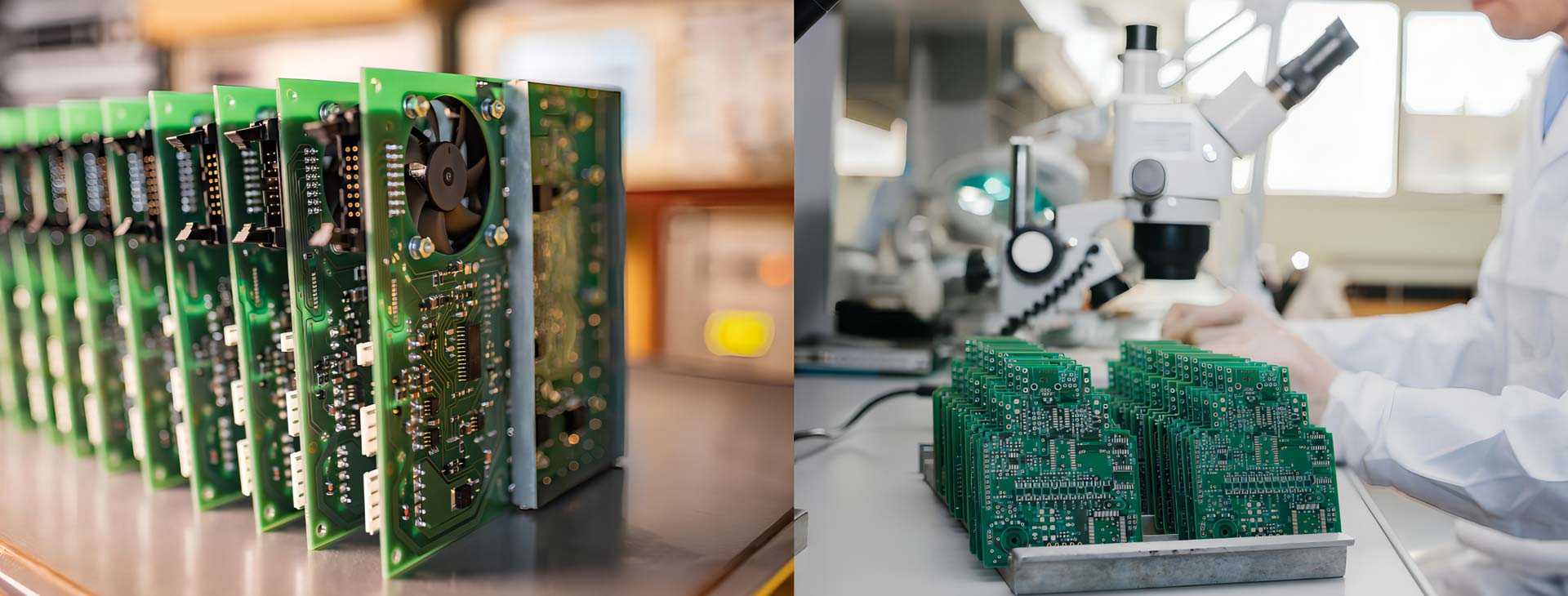
SMT PCB Assembly
#assembly <br>[a]https%3A%2F%2Fwww.greenpcba.com%2Fsmt-pcb-assembly%2F[/a] <br>As SMT assembly supplier, GreensTone SMT production runs with automated SMT production processes, including single or double-sided component insertions. STM components include passive Component: components as small as 01005, 0201,0402. <br>ICs like BGA: handle BGA of 0.25mm pitch with X-ray testing, fine Pitch to 0.25mm UBGA, QFN, POP, leadless chips, connectors and terminals, these components can be in Reels, Cut Tape, Tube & Tray, Loose Parts and Bulk package. <br> <br>GreensTone SMT PCB Assembly Advantages <br>High quality At the customer's request, contract electronics manufacturing factory GreensTone always sources components from suppliers recommended by the client. We do not replace components or use a supplier that is not approved by the customer. Incoming quality control, outgoing quality control and in-process quality control. Visit our reliable network of suppliers, on-site inspection of raw material, internal audits monitor facilities, all requirements specified in writting, any changes are made through a secure approval process. <br>Cost Effective-We are located in the city Shenzhen(The electronics components center),China .This allows us to provide low-cost circuit board manufacturing,lectronic components procurement and assembly services. <br>Experienced team work <br>We have more than 10 years experience in contract manufacturing. when you come to work with GreensTone to start China prototype pcb assembly services or contract manufacturing project, our sales people will get in touch with you at first, the design assistant engineer will check your files include BOM list, drawings and components specifications.when you decide to order from us, the project manager will set-up project account for you, our assembly engineer will give you some advanced assembly suggestion before volume production. So you can see, we have at least 4-5 expertise work as a team, these engineers are with backgrounds in mechanical design, testing, materials,injection for plastics and CAD modeling. <br>GreensTone always has good performance in complex manufacturing, we have expertise in electronics components,expertise team in plastic/metal/cable parts,expertise team in assembly&testing and expertise team in quality control. For a new complex project, run the project in sections is important. Run a project we go like this: project review--project--approval --prototype--small batches--Bulk production. <br>Flexibility We react quickly to your changing needs. Our working time and style is flexible to meet your variable needs. To us, your requirements are our guidelines and rules to follow. <br>Whether you need design support, electronic manufacturing services or technology expertise, we can help. And we'll do it wherever you are in the product development process-from design and manufacturing to supply chain, logistics and packing-to bring your products to market faster and more efficiently. We have expertise in mechanicals, plastics and electronics. We have the flexibility to provide support across your entire product life-cycle, including expert design collaboration, robust testing, advanced assembly capabilities and more.No matter the volume, scale or complexity of your products <br>Care about your product security whole-life long-term run, we have: <br>Expertise in meeting UL/CE/VDE requirements <br>RoHs-compliant manufacturing process. <br>IS09001&IS014001 certification <br> <br>Specification of SMT PCB Assembly Capability <br>Ball Grid Array (BGA) <br>Ultra-Fine Ball Grid Array (uBGA) <br>Quad Flat Pack No-Lead (QFN) <br>Quad Flat Package (QFP) <br>Small Outline Integrated Circuit (SOIC) <br>Plastic Leaded Chip Carrier (PLCC) <br>Package-On-Package (PoP) <br>Small Chip Packages (pitch of 0.2 mm) <br> <br>What is SMT? <br>In the ever-evolving world of electronics, innovations in manufacturing techniques have played a pivotal role in the miniaturization, performance enhancement, and cost-effectiveness of electronic devices. Surface Mount Technology (SMT) is one such manufacturing technique that has revolutionized the way printed circuit boards (PCBs) are assembled. In this guide, we will delve into what SMT is, how it works, its advantages, and its significance in modern PCB manufacturing. <br>Surface Mount Technology, commonly referred to as SMT, is a PCB assembly method that replaces traditional through-hole technology (THT). While THT involves inserting component leads through holes in the PCB and soldering them on the opposite side, SMT components are mounted directly onto the surface of the PCB. SMT components are smaller, lighter, and enable higher component density on the PCB. <br> <br>SMT PCB assembly process <br>Surface Mount Technology (SMT) is a pivotal advancement in the field of printed circuit board (PCB) assembly. It has revolutionized the way electronic components are mounted onto PCBs, enabling smaller, lighter, and more efficient electronic devices. In this comprehensive guide, we will walk you through the SMT PCB assembly process, step by step, providing insights into each stage and the importance of precision and quality control. <br>1. PCB Design and Preparation <br>The SMT PCB assembly process begins with meticulous PCB design. Design engineers use specialized software to create the PCB layout, considering factors such as component placement, signal routing, and thermal management. The design must adhere to industry standards and ensure that components fit precisely. <br> <br>Once the design is finalized, the PCB fabrication process begins. This involves creating the actual PCB by etching the copper layers, drilling holes, and applying solder mask and silkscreen. The result is a bare PCB ready for component placement. <br>2. Stencil Fabrication <br>To apply solder paste accurately, a stencil is created. This stencil is typically made of stainless steel or nickel and is precisely machined to match the PCB's layout. The stencil contains openings (apertures) corresponding to the pads where components will be placed. <br>3. Solder Paste Application <br>Solder paste is a critical element in the SMT process. It consists of tiny solder particles suspended in flux. The solder paste is applied to the PCB's pads using the stencil and a specialized machine called a solder paste printer. The stencil ensures that the paste is deposited only on the designated areas. <br>The solder paste serves two primary purposes: <br>Facilitating Component Attachment: When heated, the solder paste transforms into a liquid state, allowing components to attach securely to the PCB. <br>Solder Joint Formation: After component placement, the solder paste solidifies, creating solder joints that establish electrical and mechanical connections between the components and the PCB. <br>4. Component Placement <br>This stage involves the precise placement of SMT components onto the PCB. Automated pick-and-place machines are used for this purpose. These machines are programmed with the component placement data from the PCB design files, enabling them to pick up components from reels or trays and place them with pinpoint accuracy onto the solder paste-covered pads. Component placement speed and accuracy are crucial for efficient PCB assembly. <br>5. Reflow Soldering <br>After component placement, the PCB enters a reflow soldering oven. The reflow soldering process consists of several critical phases: <br>5.1. Preheating: The PCB is gradually heated to a specific temperature to activate the flux in the solder paste and eliminate any moisture. <br>5.2. Temperature Soak: The PCB is held at a peak temperature for a set duration to ensure that the solder paste fully melts and wets the component leads and PCB pads. <br>5.3. Cooling: The PCB is cooled gradually to solidify the solder joints. Proper cooling is essential to prevent thermal stress on components. <br>Reflow soldering is a precise process, with strict temperature profiles tailored to the specific components and solder paste used. The goal is to achieve reliable solder joints without overheating or damaging sensitive components. <br>6. Inspection and Quality Control <br>After reflow soldering, the PCB undergoes thorough inspection to identify any defects or issues. Automated Optical Inspection (AOI) and X-ray inspection are commonly used methods to check for: <br>Component placement accuracy: AOI verifies that components are correctly positioned on the pads. <br>Solder joint quality: AOI checks for solder joint defects such as insufficient solder, excess solder, solder bridges, and tombstoning. <br>Component presence and orientation: AOI ensures that all components are present, correctly oriented, and in the right locations. <br>Any detected defects are flagged for rework or repair, ensuring that only high-quality PCBs proceed to the next stages. <br>7. Additional Processing (Optional) <br>Depending on the specific requirements of the PCB and the assembly, additional processes may be necessary: <br>Selective Soldering: In cases where through-hole components are required alongside SMT components, selective soldering machines can be used to solder the through-hole components without affecting the SMT components. <br>Conformal Coating: If environmental protection is needed, conformal coating may be applied to the PCB to safeguard it against moisture, dust, and other contaminants. <br>Functional Testing: In some cases, functional testing may be performed to verify that the PCB operates as intended. This can involve applying power and signals to the PCB to simulate real-world conditions. <br>8. Cleaning (Optional) <br>Cleaning is essential to remove any residue left by the solder paste or flux after the assembly process. It is especially important in applications where cleanliness and reliability are critical, such as aerospace or medical devices. Automated cleaning machines use specialized cleaning agents to thoroughly clean the PCB. <br>9. Final Inspection and Testing <br>Before the PCBs are shipped to customers or integrated into electronic devices, they undergo a final inspection and testing phase. This ensures that all components are correctly soldered, all functions are operational, and the PCBs meet the required quality standards. Random sampling and testing are common practices in large-scale PCB manufacturing. <br>10. Packaging and Shipping <br>Once the PCBs pass final inspection and testing, they are packaged according to customer specifications and prepared for shipping. Careful packaging is essential to prevent damage during transit. <br> <br>How does SMT PCB assembly work? <br>1. Component Placement: The first step in SMT assembly service is the placement of components on the PCB's surface. This is typically done using automated pick-and-place machines. These machines are programmed to precisely position each component in its designated location on the PCB. <br>2. Solder Paste Application: To ensure components adhere securely to the PCB, a solder paste is applied to the pads on the board where the components will be attached. The solder paste is a mixture of solder particles and flux, which facilitates the soldering process. <br>3. Reflow Soldering: Once the components and solder paste are in place, the entire PCB is passed through a reflow soldering oven. This oven heats the PCB to a specific temperature, causing the solder paste to melt and form a strong bond between the components and the PCB's surface. The precise temperature and heating profiles are critical to ensure proper soldering without damaging the components. <br>4. Inspection and Quality Control: After reflow soldering, the PCB undergoes inspection to identify any defects or soldering issues. Automated optical inspection (AOI) and X-ray inspection are commonly used to check solder joints and component placement accuracy. Any defective PCBs are flagged for rework or repair. <br>5. Testing and Functional Verification: Following inspection, the PCB may undergo functional testing to ensure that all components function as intended. This can involve applying power and signals to the PCB to verify its performance. <br>6. Cleaning: To remove any residue from the soldering process, the PCB may be cleaned using specialized cleaning agents and equipment. Proper cleaning is essential to prevent long-term reliability issues. <br> <br>GreensTone is a SMT PCB assembly expert <br>In the rapidly evolving world of electronics manufacturing, partnering with a trusted and experienced Surface Mount Technology (SMT) PCB assembly expert is essential. GreensTone, a leading player in the field, stands out as your go-to expert for all your SMT PCB assembly needs. In this concise guide, we'll explore why GreensTone is your trusted partner and the key advantages they bring to the table. <br>GreensTone's SMT PCB Assembly Expertise <br>GreensTone boasts a wealth of expertise and a solid reputation in the realm of SMT PCB assembly. Their experience extends across a wide range of industries and applications, making them a reliable choice for both small-scale projects and large-scale production runs. <br>Key Advantages of Choosing GreensTone <br>Here are the primary reasons why GreensTone is your SMT PCB assembly expert of choice: <br>1. Comprehensive SMT Solutions <br>GreensTone offers a comprehensive suite of SMT PCB assembly services tailored to your specific needs. Whether you require Full Turnkey assembly, Partial Turnkey assembly, or have specialized requirements, GreensTone has you covered. Their flexible approach ensures that your project receives the attention and services it deserves. <br>2. Uncompromising Quality Control <br>Quality is at the forefront of GreensTone's services. They implement rigorous quality control measures at every stage of the assembly process. From component inspection to soldering quality checks, GreensTone is committed to delivering PCBs of the highest quality standards. This dedication to quality minimizes the risk of defects and ensures the reliability of your electronic products. <br>3. Cutting-Edge Technology and Equipment <br>GreensTone is equipped with state-of-the-art machinery and technology, enabling them to achieve precise component placement, efficient soldering, and superior manufacturing quality. Their commitment to staying at the forefront of technological advancements enhances the overall performance and reliability of your PCBs. <br>4. Customized Solutions <br>Recognizing that every project is unique, GreensTone collaborates closely with you to accommodate specific component preferences, design complexities, and compliance requirements. They tailor their services to align with your project's individual needs, ensuring a customized and precise approach. <br>5. Speed and Efficiency <br>In the fast-paced electronics industry, time-to-market is critical. GreensTone's streamlined processes and advanced equipment enable them to complete projects quickly and efficiently. This efficiency ensures that your products are ready for market in a timely manner, giving you a competitive edge. <br>6. Proven Track Record <br>GreensTone has established a solid reputation for reliability and excellence in SMT PCB assembly. Their track record of successful projects and satisfied clients speaks volumes about their capabilities and commitment to delivering top-notch results. <br>7. Cost-Effective Solutions <br>GreensTone's cost-effective procurement practices, combined with reduced rework and warranty-related expenses, can lead to significant long-term cost savings. They understand the importance of cost-efficiency and work diligently to maximize the value of their services. <br>8. Industry Diversification <br>GreensTone's expertise isn't limited to a single industry. They have successfully served clients across various sectors, including consumer electronics, automotive, aerospace, medical devices, industrial automation, and communication technology. Their ability to adapt to diverse industry requirements demonstrates their versatility and competence. <br> <br>There are many contract electronics manufacturing companies, but we are one of the best choices for you.
PCB Surface
[a]https%3A%2F%2Fwww.greenpcba.com%2Fpcb-surface%2F[/a] <br> # electronic # manufacturing # service # china <br> <br>PCB surface finish include: PCB plating finishes is a coating between a component and a bare board PCB. It is applied for two basic reasons: to ensure solderability, and to protect exposed copper circuitry. As there are many types of surface finishes, selecting the right one is no easy task, especially as surface mounts have become more complex and regulations such as RoHS and WEEE have changed industry standards. <br> <br>Recently, the common surface PCB treatment technologies which GreensTone may use when manufacturing PCBs are HASL(hot air solder leveling), organic coating (OSP), electroless nickel/gold, immersion silver, immersion gold, etc. <br> <br>The solder mask is mainly Liquid UV Photo-imageable Ink with green, red, black, yellow, white, matt black/green, bule, gray, etc. green should be the most commonly used one. The suggested soldermask clearance in GERBER is 2-4 mils. <br> <br>The silkscreen layer is the top layer of the PCB and serves as a reference indicator for placing components on the PCB. The graphics and text on PCB, a circuit board is usually printed with a permanent non-conductive epoxy ink. The color is typically white. Screen printing is used to specify useful information on the PCB board, which can help users during the assembly. It is used to mark component values, part numbers, test points, polarity, etc. <br> <br>PCB Surface Features <br>PCB surface finish Comparison of cost and solderability <br>Actual solderability: Electroplating nickel gold> HASL > OSP > ENIG >Immersion silver >Immersion tin <br> <br>Cost: Electroplating nickel gold > ENIG > Immersion silver> Immersion tin > HASL > OSP. <br> <br>The functions of the solder mask layer on the PCB board <br>Preventing short circuit from bridge connection in the soldering process <br> <br>Preventing the physical breakage of a conductor circuit <br> <br>Prevent short circuit between conductive lines and solder joints when proceeding reflow soldering, wave soldering, and manual welding <br> <br>Preventing the copper layer from oxidation <br> <br>Its high Insulating brings the possibility to the high density of PCB finish <br> <br>Here are three main ways to add silkscreen coating on a PCB <br>Manual screen-printing: This is a process that can be used when line widths are greater than 7 mm and the registration tolerance is 5 mm. <br> <br>Liquid Photo Imaging (LPI): This process provides more accuracy and legibility over manual screening and is used when line widths are greater than 4 mm <br> <br>Direct Legend Printing (DLP): This is the most accurate way of adding a silkscreen, however, it is very expensive. <br> <br>For more information about electronic manufacturing service china and turnkey pcb assembly, please feel free to contact us!
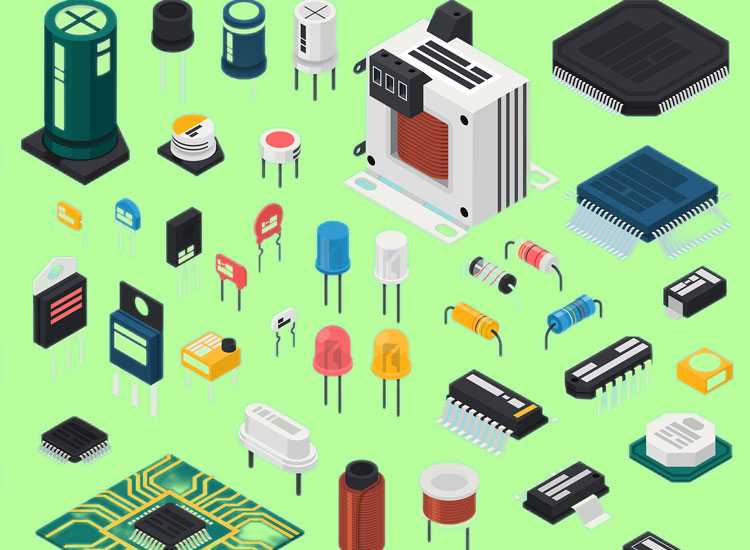
PCB Components Sourcing
[a]https%3A%2F%2Fwww.greenpcba.com%2Fpcb-components-sourcing%2F[/a] <br>#printed #circuit #board <br> <br>GreensTone Electronics employs a dedicated, parts sourcing and procurement team to manage the logistics and procurement of PCB sourcing assembly components using a quality-controlled and time tested sourcing system that guarantees faultless electronic parts sourcing so our PCB assembly services can be offered to our clients at the lowest cost in the global electronic contract manufacturing industry. <br> <br>Greenstone Electronic Components Sourcing Capabilities <br>Quality Parts <br>GreensTone sources electronic components with the highest quality from reliable sources and suppliers who can guarantee the best parts for our customers. At the customer’s request, GreensTone always sources components from suppliers recommended by the client. We do not replace components or use a supplier that is not approved by the customer. <br> <br>Hard To Find Parts Sourcing <br>GreensTone has the capability of sourcing hard-to-find, obsolete or unusually long leadtime components as a result of building over the years an extensive network of global sources for ICs produced in Taiwan, Korea, Japan, and other regions across Asia. When a re-placement or cross-reference part is necessary, we solicit your approval first. we have long term relationship with the agents of TI, Microchip, Epson, PANASONIC, KEMET, VISHAY, STMicroelectronics, Infineon, Murata, MXIC, infineon, ON, TOSHIBA, NXP, RUBYCON, BrightKing, TDK, Meanwell and so on. <br> <br>PCB Components Sourcing Lead Times and Costs <br>Most parts orders can be filled in approximately 7 to 10 working days from the initial order date. We utilize barcode and RFID labeling to expedite our procurement and inventory control processes. Using this type of automation technology permits us to know in real time a true inventory count in our local warehouses. In addition, we conduct quality testing prior to any components being stocked in our warehouse bins. In some cases, integrated circuit modules will be given electrical characteristic testing. We have built a solid procurement and warehousing system that is so efficient we are able to pass onto our customers at low handling cost. <br> <br>If you are looking for a reliable contract electronics manufacturing factory, don't hesitate to contact us! <br> <br>For more about printed circuit board, contact us.
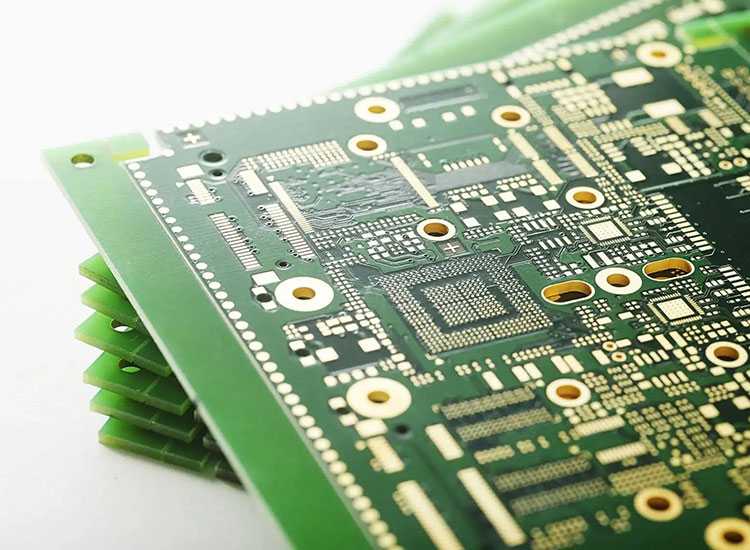
PCB Capability
[a]https%3A%2F%2Fwww.greenpcba.com%2Fpcb-capability%2F[/a] <br>#printed #circuit #board <br> <br>GreensTone has successfully served customers with pcb manufacturing capabilities service in communication, industial devices, new engrgy, power supply, sensors, smart home applications control, smart industial control , medical devices and security control device and so on. <br> <br>GreensTone PCB Quality Control <br>1. PCB Files Checking Before manufacturing <br>For every orders we recieved, Gerber files should be checked by our PCB engineers before sending to production. Engineers would help to check the board edge clearance, drilling, pad spacing, impedance and routing. if the engineer finds a problem with the file or something can't be optimized, our engineers will contact the customer to confirm the files again. <br> <br>2. Raw Material Guarantee <br>The quality of the raw materials determines the quality of the finished products. GreensTone has been working with leading suppliers in the industry,and apply materials as to international standards and customer requirements, such as Rogers, Shengyi, KB (kingboard) sheet, Rohm&Haas, TAIYO for solder mask ink. <br> <br>3. The Good Performace Production Equipment <br>To ensure the quality and reliability of PCB products, GreensTone continuously introduces advanced equipment to improve their pcb fabrication capabilities, including: <br>Automatic solder mask production line <br>LDI exposure machine <br>Fully automatic PCB etching equipments line <br>Fully automatic PCB testing machine line <br>Fully automatic electroplating line <br>Automatic silkscreen printing production line <br> <br>4. Quality Inspection Method <br>Comply with ISO9001:2015 requirements <br>Production processes are in line with IPC standards <br>Basic visual inspections <br>Rigorous electrical tests. <br>Flying Probe Testing <br>AOI (Automated Optical Inspection) <br>Copper Thickness Tester <br> <br>If you are looking for a reliable ems manufacturing company, don't hesitate to contact us! <br> <br>For more about printed circuit board, contact us.
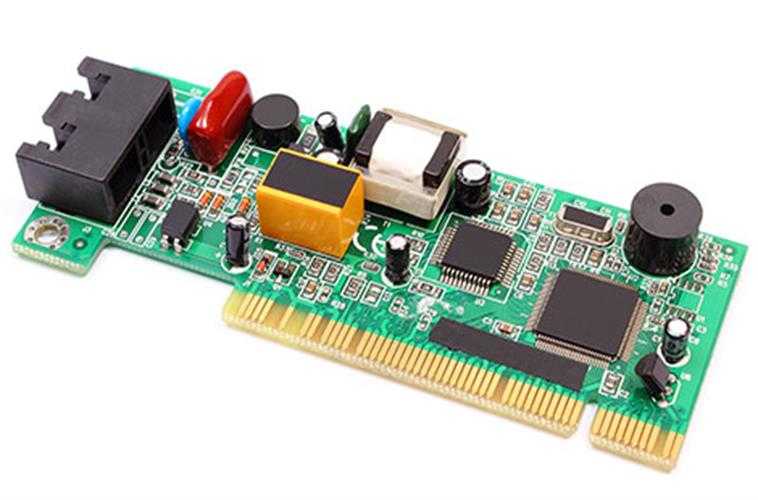
PCB Assembly Service
[a]https%3A%2F%2Fwww.greenpcba.com%2Fpcb-assembly-service%2F[/a] <br>#printed #circuit #assembly <br> <br>GreensTone specializes in the pcba pcb assembly, including: <br>Circuit board assembly <br>Surface mount technologies (SMT) <br>Pin Through Hole <br>Complex secondary operations <br>Automated conformal coating <br>Inspection <br>Automated optical inspection (AOI) <br> <br>GreensTone conducts upfront evaluations of all components, designs and fabrication processes to optimize suppliers and technologies. We recommend appropriate alternatives to minimize risks and reduce costs. <br> <br>GreensTone is a cost-effective electronic contract manufacturing company providing one-stop contract electronic assembly services. Our services include: PCB manufacturing, Electronic component sourcing, printed circuit board pcba assembly, chip programming, confirmal coating, cable assembly, CNC/injection molding service, plastic/metal case assembly, and final testing. <br> <br>GreensTone focused on: <br>PCB assembly <br>Box build assembly <br>One-stop contract electronics manufacturing&assembly <br> <br>GreensTone specialized in: <br>SMT, Through-hole <br>Full PCB components procurement, <br>Contract PCB assembly OEM <br>CNC, plastic injection molding, sheet metal fabrication <br>Box build assembly <br> <br>How Long Does It Take To Assemble A PCB? <br>Depending on the production quantities, PCB production takes 3-14 business days. For prototype run, it takes 3-5 business days. For volume run, it normall takes 14 business days. pcba circuit board assembly normally take 5-14 business days for small to medium volume production. The components lead time is uncertain, and for normal parts, it can be around 2-4weeks, but for long lead time part like some ICs from TI and Microchip, it would be longer. And it will depend on the lead time which the suppliers provide. <br> <br> <br>What does one stop pcb assembly do? A blank PCB soldered with electronic semiconductors and components. GreensTone PCB assembly process is like this: You send us your design file→ we arrange pcb&pcba manufacture and parts sourcing as per your files request →parts receipt→Parts kit preparation →SMD manchine pragraming→paste stencil fabrication→SMD manchine set-up→SMD verification of component's footprints→assemble PCB top side→assemble PCB bottom side→ Through-hole wave solder/hand solder assembly→ Touch up and testing→ Final QC&shipment <br> <br>How Long Does It Take To Assemble A PCB? <br>About GreensTone <br>GreensTone is an contract electronics manufacturing factory providing one-stop electronic assembly services.Our services include PCB manufacturing, parts procurement, PCB assembly, China prototype pcb pcba assembly services, Mechanical fabrication,Plastic molding and box build.We are concentrated on one-stop contract electronics manufacturing in low-medium volume, and products life-cycle management. <br> <br>Since 2011,our company has successfully served customers in the United States, Australia, Western Europe and other regions of the world spanning many areas,like industrial equipments, communication electronics,Traffic control, medical electronics, security, new energy and laser equipments, etc... <br> <br>There are many contract electronics manufacturing companies, but we are one of the best choices for you. <br> <br>For more about printed circuit assembly, contact us.
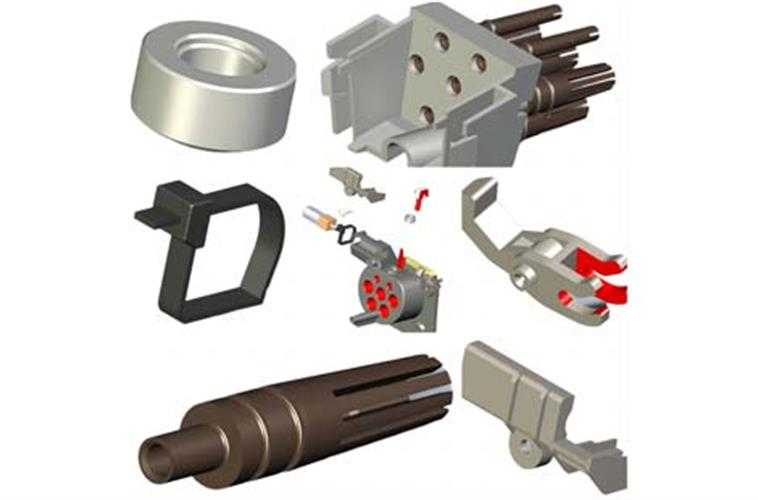
DELIVER MOLDING MECHANICAL DESIGNS SYSTEMATICALLY
[a]https%3A%2F%2Fwww.greenpcba.com%2Fmolding-services%2F[/a] <br>#printed #circuit #assembly <br> <br>GreensTone mechanical design engineers will work with your team to design and test the best solutions for your products. Gain full access to our specialized molding capabilities including layout, thermal analysis, prototype and verification testing, CNC machining, sheet metal fabrication, plastic molding and 3D printing. <br> <br>Molding or moulding, is the process of manufacturing by shaping liquid or pliable raw material using a rigid frame called a mold or matrix. This itself may have been made using a pattern or model of the final object.GreensTone has a large team of engineers, designers and manufacturing experts. These technical specialists are located in shenzhen china with backgrounds in mechanical design, testing, materials, injection for plastics, manufacturing techniques and CAD modeling. <br> <br>Greenstone custom moulding service Capabilities <br>Mold design: <br> <br>Facility: with automated, three-axis, VMC centers, and sinker EDMs. <br> <br>supply metal stamped parts ranging from small to large precision metal components <br> <br>provide a wide range of custom mold making services, from the prototype, pilot run, to mass production. <br> <br>Tooling design, manufacturing and repairing: <br> <br>Encompass a variety of capabilities, such as 2D or 3D CAD modeling, prototyping, inspection, design, and engineering analysis. <br> <br>offer full technical DFM support and comprehensive documentation, available upon request. <br> <br>Greenstone mould making services Capabilities <br> <br>Molding Quality Control Process <br>1. Pre-production Document Check <br> <br>Before the production, our engineering team conducts a technical evaluation of your part design. This includes an assessment of important factors such as 3D and 2D drawings, material, surface finish, structure, workmanship and etc. When the engineer finds that there is a problem with the file or there is something that can be optimized, communicate with the customer in time to eliminate the problem before processing. <br> <br>2. Raw Material Guarantee <br>GreensTone strictly controls material and surface treatment suppliers, using high-quality materials to produce parts. Upon customer request, we provide certification of the materials used to manufacture your parts. Reports come from raw material manufacturers and usually include: material model number, material grades, material dimensions, mechanical properties, chemical analysis, etc. <br> <br>3. The World's Leading Production Equipment <br>To guarantee our strict quality control, we have the highest specification production workshop and the most advanced equipment, including but not limited to the following: <br> <br>-axis,4-axis,5-axis CNC Machining Center <br>Turn-milling Complex Machine <br>EDM Equipment <br>NCT Punch Machine <br>Laser Cutting Machine <br>Press Brake Machine <br> <br>4. In-process Quality Control <br>We strictly comply with ISO9001:2015 requirements. The parts will be processed in strict accordance with the established technological process. After the FAI report is passed, the mass production can be carried out. There is IPQC in the production process to ensure that every process is correct. <br> <br>5. Quality Inspection Before Shipment <br>We have a dedicated QC team that 100% inspects finished parts before delivery, ensuring the parts we manufacture are of the highest quality. For all orders, we provide inspection reports upon request. <br> <br>If you are looking for a reliable mold making company china, don't hesitate to contact us! <br> <br>There are many electronics assembly companies, but we are one of the best choices for you. <br> <br>For more about printed circuit assembly, contact us.
High-TG PCB
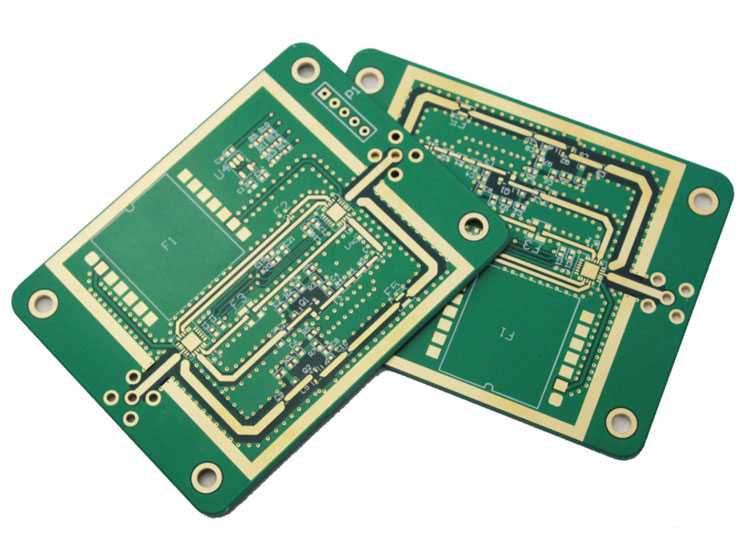
#printed circuit board assembly <br>[a]https%3A%2F%2Fwww.greenpcba.com%2Fhigh-tg-pcb%2F[/a] <br> <br> <br> <br>Glass Transition Temperature is referred to as Tg, and FR4 is a designation for a particular type of epoxy glass. <br> <br>Normal FR4 Tg ranges from 130 to 140 degrees, moderate Tg is higher than 150 to 160 degrees, and China high TG PCB is more than 170 degrees. <br> <br>The performance of PCB anti-moisture heat resistance, chemical resistance, quality stability, and other properties improves as Tg increases. <br> <br>Tg 170°C PCB material is referred to as a China high Tg PCB. Greenstone is a China pcb high tg supplier which can provide satisfied high tg pcb. These days, computers, precision instruments, communication devices, etc., all frequently use high PCB Tg materials. <br> <br>Uses and Applications of High-tg PCB <br>As usual, made with Tg ≥ 170℃ PCB material, which is called a high Tg printed circuit board. With the rapid development of the electronics industry, china high TG PCB material is widely used in <br>computers <br>communication equipment <br>precise apparatus <br>Instruments <br>Power supply devices <br> <br>There are many electronic contract manufacturing companies, but we are one of the best choices for you. <br> <br>For more about printed circuit board assembly, contact us.
Heavy Copper PCB
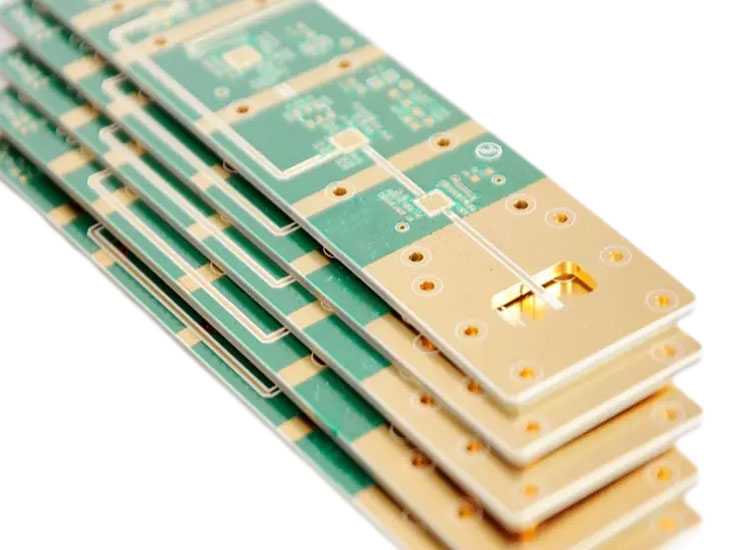
[a]https%3A%2F%2Fwww.greenpcba.com%2Fheavy-copper-pcb%2F[/a] <br>#china #heavy #copper #pcb <br> <br>Heavy Copper PCB <br>PCBs with a copper thickness of more than 70um are called thick copper PCBs, sometimes also called thick copper PCBs. Copper thickness typically varies from 105 to 400 µm. The thicker the copper, the higher the power dissipation of the board. These thick copper plates are used for high current output and improved thermal management. Thick copper makes it possible to create boards with cross-sections for high current loads, which also facilitates heat dissipation. Greenstone is one of the China heavy copper pcb manufacturers which can provide the most professional products and services. <br> <br>Advantages of china heavy copper pcb <br>Thick copper PCB is widely used in <br>various household appliances <br>high-tech products <br>military <br>medical <br>other electronic equipment. <br> <br>The application of thick copper PCB makes the core component of electronic equipment products-circuit boards have a longer service life, and at the same time it is very helpful to the size reduction of electronic equipment. <br> <br>For more information about contract manufacturing china and circuit board assembly, please feel free to contact us!
About Greens Tone's Store
No description provided.
0.0
Customer Reviews
See what others are saying about Greens Tone's Store. We verify purchases to ensure reviews are genuine.
No reviews yet for this store.