

xjg machine's Store
Owned by xjg machine Joined Jun 2024 15 Listings
xjg machine's Store
easyid.me/biz/xjgmachine-767f2a • Verified Store
Scan to open official EasyID digital store, view live catalog, or save business card.
Verified Merchant
EasyID Certified Seller
Fast 24h Packing
Direct courier dispatch
Zero Escrow Direct
Direct merchant settlement
Store Listings (4)
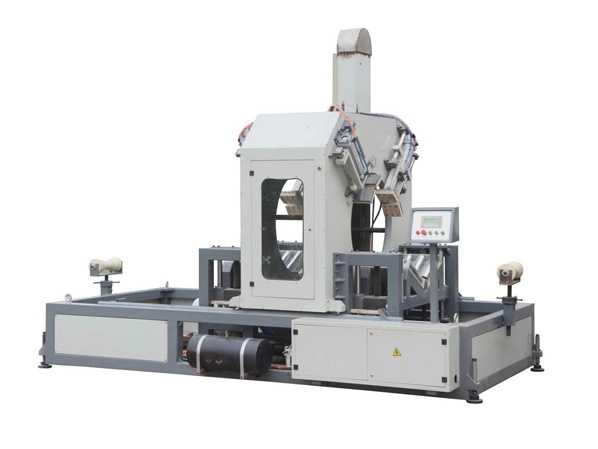
HDPE Pipe Production Line
HDPE Pipe Production Line <br>High-Density Polyethylene (HDPE) pipe production line is an advanced manufacturing setup designed for the efficient production of HDPE pipes. HDPE pipes are known for their exceptional durability, flexibility, and corrosion resistance, making them widely used in various industries for transporting fluids and gases. <br> <br>HDPE tube production line is highly automated and operates continuously to ensure efficiency and precision in manufacturing. It's capable of producing pipes of various sizes and specifications to cater to diverse industrial, agricultural, municipal, and residential needs. <br> <br>Features of HDPE Pipe Production Line <br>The machine host extruder using the special treatment single screw extruder, and the forming product is good. <br> <br>This series HDPE pipe production line is mainly used for producing pipe of water supply and drainage in the field of agriculture and construction, cable and ect. <br> <br>This HDPE pipe extrusion machine group consist of vacuum calibration tank, haul-off unit, cutting unit, stacker and so on. <br> <br>The machine units can adopt the single screw co-extruder for extrusion. <br> <br>The production pipe diameter range: Φ20-Φ2000mm <br> <br>The extrusion line adopt the electrical system: ABB speed governor, Japanese RKC temperature controller, SIMENS contactor. <br> <br>HDPE Pipe Production Line Application <br> <br>HDPE pipe extrusion machines serve various industries and sectors, including: <br> <br>Water Supply and Distribution: HDPE pipes are widely utilized for water supply networks in municipal, residential, and industrial areas due to their durability, corrosion resistance, and flexibility, making them ideal for transporting potable water over long distances and diverse terrain. <br> <br>Sewage and Drainage Systems: HDPE pipes are commonly used in sewage and drainage systems because of their resistance to chemicals, abrasion, and corrosion. They effectively convey wastewater, stormwater, and sewage to treatment plants or disposal sites, contributing to efficient waste management. <br> <br>Gas Distribution: HDPE pipes find extensive use in distributing natural gas and other combustible gases in residential, commercial, and industrial settings. Their lightweight design, ease of installation, and corrosion resistance make them a preferred choice for gas distribution networks. <br> <br>Irrigation and Agriculture: HDPE pipes are employed in irrigation systems for agricultural purposes, including crop irrigation, drip irrigation, and sprinkler systems. Their flexibility, durability, and UV resistance enable them to withstand harsh outdoor conditions and facilitate efficient water distribution to crops. <br> <br>Critical Components Of HDPE Pipe Extrusion Line <br> <br>The HDPE pipe extrusion line consists of several key components, each playing a critical role in the efficient production of HDPE pipes: <br> <br>Hopper– The starting point where raw HDPE pellets are introduced into the system. <br> <br>Extruder– The core component where HDPE pellets are melted. It consists mainly of a barrel, screw, and heater. <br> <br>Die Head– Attached to the extruder, it shapes the molten HDPE into a pipe form. <br> <br>Vacuum Tank– Stabilizes the pipe shape using a vacuum system and cools it down to solidify its form. <br> <br>Cooling Tank– Further cools the pipe to ensure strength and dimensional stability. <br> <br>Haul-Off– Pulls the pipe through the line at a consistent speed to maintain uniform thickness and diameter. <br> <br>Cutter– Precisely cuts the pipes to desired lengths. <br> <br>How Does A Single Screw Extruder Work In HDPE Pipe Production? <br> <br>The single screw extruder plays a fundamental role in HDPE pipe production, operating on a relatively straightforward principle. Here’s a detailed breakdown: <br> <br>Feeding–HDPE pellets are fed into the extruder’s hopper, moving down the barrel due to gravity. <br> <br>Melting–The pellets enter the barrel, where they encounter the rotating screw. Friction and heating elements along the barrel gradually melt the pellets. <br> <br>Mixing and Homogenizing–The screw, designed with precise geometries for mixing, ensures the melted HDPE is consistently homogeneous. <br> <br>Extruding–The now molten HDPE is forced through the die head at the end of the barrel, shaping it into a pipe. <br> <br>Cooling and Solidification–The extruded pipe passes through the vacuum and cooling tanks, solidifying into its final form. <br> <br>This process, facilitated by the single screw extruder, allows for the efficient production of high-quality HDPE pipes. Each component plays a specific role, ensuring the end product meets the requirements for various applications. <br> <br>HDPE Pipe Extrusion Process <br>Raw Material Handling: The process begins with the handling and preparation of raw materials, which usually involves high-quality HDPE resin pellets. These pellets are fed into the production line machinery. <br> <br>Extrusion Process: The heart of the production line is the extrusion process. Here, the HDPE resin pellets are heated and melted in an extruder, forming a molten plastic. The molten plastic is then forced through a die, giving it the desired shape and size of the pipe. <br> <br>Cooling and Sizing: Once the molten plastic is shaped, it passes through a cooling system, where it solidifies and takes the form of a pipe. Sizing tools ensure the pipe meets the required dimensions and specifications. <br> <br>Cutting and Stacking: The continuous pipe produced is cut into specific lengths as per requirements. These cut pipes are then stacked or coiled for packaging and transportation. <br> <br>Quality Control: Throughout the production process, quality control measures are implemented to ensure that the pipes meet industry standards and specifications. This includes monitoring dimensions, wall thickness, strength, and other critical parameters. <br> <br>Optional Additional Processes: Depending on the intended application, additional processes like printing, marking, or surface treatment might be included in the production line. <br> <br>The HDPE pipe production line is highly automated and operates continuously to ensure efficiency and precision in manufacturing. It's capable of producing pipes of various sizes and specifications to cater to diverse industrial, agricultural, municipal, and residential needs. <br> <br>The final pipes manufactured through this line exhibit excellent properties such as resistance to corrosion, chemicals, abrasion, and impact, making them ideal for applications in water supply, gas distribution, drainage systems, and more. <br> <br>FAQ about HDPE Pipe Extrusion Line <br>What are the advantages of using an HDPE pipe extrusion line? <br>Here are several advantages of using an HDPE pipe extrusion line: <br>Versatility: HDPE pipes can be produced in a wide range of sizes and thicknesses, making them suitable for various applications such as water supply, drainage systems, gas distribution, and industrial piping. <br> <br>Durability: HDPE pipes have excellent resistance to corrosion, chemicals, and abrasion, making them highly durable and long-lasting. They can withstand harsh environmental conditions and have a long service life. <br> <br>Flexibility: HDPE pipes have a high level of flexibility, allowing them to withstand ground movements and seismic activities without cracking or breaking. This flexibility also simplifies installation, especially in areas with challenging terrain. <br> <br>Cost-effective: HDPE pipes offer cost advantages over other materials due to their lower installation and maintenance costs. They require minimal maintenance, have a long lifespan, and are resistant to corrosion, reducing the need for repairs or replacements. <br> <br>Environmentally Friendly: HDPE pipes are recyclable and have a low carbon footprint. They are made from non-toxic materials and do not release harmful substances into the environment during production or use. <br> <br>Overall, the use of an HDPE pipe extrusion line provides numerous benefits in terms of performance, cost-effectiveness, and sustainability. <br>How are HDPE pipes manufactured? <br>HDPE pipes are manufactured by melting the HDPE resin and other additives in an extruder, then shaping and cooling the material. <br> <br>What standards should HDPE pipes meet? <br>HDPE pipes should meet applicable standards such as ISO 4427, DIN 8074, and EN 12201. <br> <br>How does an HDPE pipe extrusion line work? <br>An HDPE pipe extrusion line works by melting and shaping high-density polyethylene (HDPE) material into pipes of various sizes and thicknesses. Here is a step-by-step explanation of how it works: <br> <br>1. Material Feeding <br> <br>2. Melting and Homogenization <br> <br>3. Extrusion and Shaping <br> <br>4. Cooling and Solidification <br> <br>5. Haul-off and Cutting <br> <br>6. Stacking and Packaging <br> <br>Throughout the process, various parameters such as temperature, pressure, and speed are carefully controlled to ensure the quality and consistency of the produced HDPE pipes. <br> <br>What are the main components of an HDPE pipe extrusion line? <br>Extrusion Machine: The heart of the production line, this machine melts and extrudes the HDPE resin through a die to form the pipe's shape and size. The extruder heats and melts the HDPE pellets, which are then pushed through a die head to create the pipe's desired diameter and thickness. <br> <br>Pipe Cooling System: After extrusion, the pipes need to be rapidly cooled to solidify the material and maintain its shape. Cooling tanks or water spray systems are used for this purpose. <br> <br>Pipe Sizing and Shaping Equipment: This part of the line ensures that the pipes are accurately sized and shaped according to the required specifications. Sizing sleeves or vacuum sizing systems help to achieve the desired diameter and shape. <br> <br>Haul-off or Puller: This component pulls the newly formed pipe through the production line at a consistent speed, maintaining the proper tension and preventing deformities. <br> <br>Cutting and Stacking Equipment: Once the pipes have been extruded to the desired length, they are cut to size and stacked or coiled for storage or further processing. <br> <br>Quality Control and Inspection: Various sensors, gauges, and inspection systems are incorporated along the production line to monitor the quality and dimensions of the pipes continuously. <br> <br>What is the capacity or output of an HDPE pipe extrusion line? <br>The capacity or output of the HDPE pipe extrusion line offered by QING CHEN YU can range from 80kg/h to 1000kg/h. However, it is important to note that the specific capacity may vary depending on factors such as the size and specifications of the pipes being produced, the speed of the extrusion line, and the efficiency of the equipment. It is recommended to consult with the manufacturer or supplier for precise details regarding the capacity of a specific HDPE pipe extrusion line. <br> <br>What are the applications of HDPE pipes produced by an extrusion line? <br>The HDPE pipes produced by an extrusion line can be used in various applications, including: <br>Water Supply <br> <br>Gas Distribution <br> <br>Drainage Systems <br> <br>Industrial Piping <br> <br>Geothermal Systems <br> <br>Landfill and Environmental Protection <br> <br>Cable Protection <br> <br>It is important to note that the specific applications of HDPE pipes can vary depending on factors such as the pipe size, thickness, and specific requirements of the project. <br> <br>What are the benefits of using HDPE pipes? <br>HDPE pipes are strong, durable, and safe for use in a variety of applications. They are also resistant to chemicals and abrasion, making them ideal for infrastructure projects. <br>#HDPE #tube #production #line <br>[a]https%3A%2F%2Fwww.xjgmachine.com%2Fproducts%2Fhdpe-pipe-production-line%2F[/a]
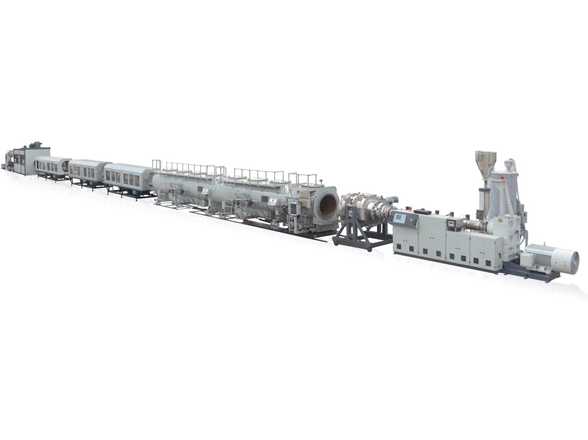
HDPE Pipe Production Line
#extrusion <br>[a]https%3A%2F%2Fwww.xjgmachine.com%2Fproducts%2Fhdpe-pipe-production-line.html[/a] <br>High-Density Polyethylene (HDPE pipe line) pipe production line is an advanced manufacturing setup designed for the efficient production of HDPE pipes. HDPE pipes are known for their exceptional durability, flexibility, and corrosion resistance, making them widely used in various industries for transporting fluids and gases. <br>HDPE pipe production line is highly automated and operates continuously to ensure efficiency and precision in manufacturing. It's capable of producing pipes of various sizes and specifications to cater to diverse industrial, agricultural, municipal, and residential needs. <br> <br>Features of HDPE Pipe Production Line <br>The machine host extruder using the special treatment single screw extruder, and the forming product is good. <br>This series HDPE pipe extrusion line is mainly used for producing pipe of water supply and drainage in the field of agriculture and construction, cable and ect. <br>This HDPE pipe extrusion machine group consist of vacuum calibration tank, haul-off unit, cutting unit, stacker and so on. <br>The machine units can adopt the single screw co-extruder for extrusion. <br>The production pipe diameter range: Φ20-Φ2000mm <br>The extrusion line adopt the electrical system: ABB speed governor, Japanese RKC temperature controller, SIMENS contactor. <br> <br>HDPE Pipe Production Line Application <br>HDPE pipe extrusion machines serve various industries and sectors, including: <br>Water Supply and Distribution: HDPE pipes are widely utilized for water supply networks in municipal, residential, and industrial areas due to their durability, corrosion resistance, and flexibility, making them ideal for transporting potable water over long distances and diverse terrain. <br>Sewage and Drainage Systems: HDPE pipes are commonly used in sewage and drainage systems because of their resistance to chemicals, abrasion, and corrosion. They effectively convey wastewater, stormwater, and sewage to treatment plants or disposal sites, contributing to efficient waste management. <br>Gas Distribution: HDPE pipes find extensive use in distributing natural gas and other combustible gases in residential, commercial, and industrial settings. Their lightweight design, ease of installation, and corrosion resistance make them a preferred choice for gas distribution networks. <br>Irrigation and Agriculture: HDPE pipes are employed in irrigation systems for agricultural purposes, including crop irrigation, drip irrigation, and sprinkler systems. Their flexibility, durability, and UV resistance enable them to withstand harsh outdoor conditions and facilitate efficient water distribution to crops. <br> <br>Critical Components Of HDPE Pipe Extrusion Line <br>The HDPE pipe extrusion line consists of several key components, each playing a critical role in the efficient production of HDPE pipes: <br>Hopper – The starting point where raw HDPE pellets are introduced into the system. <br>Extruder – The core component where HDPE pellets are melted. It consists mainly of a barrel, screw, and heater. <br>Die Head – Attached to the extruder, it shapes the molten HDPE into a pipe form. <br>Vacuum Tank – Stabilizes the pipe shape using a vacuum system and cools it down to solidify its form. <br>Cooling Tank – Further cools the pipe to ensure strength and dimensional stability. <br>Haul-Off – Pulls the pipe through the line at a consistent speed to maintain uniform thickness and diameter. <br>Cutter – Precisely cuts the pipes to desired lengths. <br> <br>How Does A Single Screw Extruder Work In HDPE Pipe Production? <br>The single screw extruder plays a fundamental role in HDPE pipe production, operating on a relatively straightforward principle. Here’s a detailed breakdown: <br>Feeding – HDPE pellets are fed into the extruder’s hopper, moving down the barrel due to gravity. <br>Melting – The pellets enter the barrel, where they encounter the rotating screw. Friction and heating elements along the barrel gradually melt the pellets. <br>Mixing and Homogenizing – The screw, designed with precise geometries for mixing, ensures the melted HDPE is consistently homogeneous. <br>Extruding – The now molten HDPE is forced through the die head at the end of the barrel, shaping it into a pipe. <br>Cooling and Solidification – The extruded pipe passes through the vacuum and cooling tanks, solidifying into its final form. <br>This process, facilitated by the single screw extruder, allows for the efficient production of high-quality HDPE pipes. Each component plays a specific role, ensuring the end product meets the requirements for various applications. <br> <br>HDPE Pipe Extrusion Process <br>Raw Material Handling: The process begins with the handling and preparation of raw materials, which usually involves high-quality HDPE resin pellets. These pellets are fed into the production line machinery. <br>Extrusion Process: The heart of the production line is the extrusion process. Here, the HDPE resin pellets are heated and melted in an extruder, forming a molten plastic. The molten plastic is then forced through a die, giving it the desired shape and size of the pipe. <br>Cooling and Sizing: Once the molten plastic is shaped, it passes through a cooling system, where it solidifies and takes the form of a pipe. Sizing tools ensure the pipe meets the required dimensions and specifications. <br>Cutting and Stacking: The continuous pipe produced is cut into specific lengths as per requirements. These cut pipes are then stacked or coiled for packaging and transportation. <br>Quality Control: Throughout the production process, quality control measures are implemented to ensure that the pipes meet industry standards and specifications. This includes monitoring dimensions, wall thickness, strength, and other critical parameters. <br>Optional Additional Processes: Depending on the intended application, additional processes like printing, marking, or surface treatment might be included in the production line. <br>The HDPE pipe production line is highly automated and operates continuously to ensure efficiency and precision in manufacturing. It's capable of producing pipes of various sizes and specifications to cater to diverse industrial, agricultural, municipal, and residential needs. <br>The final pipes manufactured through this line exhibit excellent properties such as resistance to corrosion, chemicals, abrasion, and impact, making them ideal for applications in water supply, gas distribution, drainage systems, and more. <br> <br>FAQ about HDPE Pipe Extrusion Line <br>What are the advantages of using an HDPE pipe extrusion line? <br>Here are several advantages of using an HDPE pipe extrusion line: <br>Versatility: HDPE pipes can be produced in a wide range of sizes and thicknesses, making them suitable for various applications such as water supply, drainage systems, gas distribution, and industrial piping. <br>Durability: HDPE pipes have excellent resistance to corrosion, chemicals, and abrasion, making them highly durable and long-lasting. They can withstand harsh environmental conditions and have a long service life. <br>Flexibility: HDPE pipes have a high level of flexibility, allowing them to withstand ground movements and seismic activities without cracking or breaking. This flexibility also simplifies installation, especially in areas with challenging terrain. <br>Cost-effective: HDPE pipes offer cost advantages over other materials due to their lower installation and maintenance costs. They require minimal maintenance, have a long lifespan, and are resistant to corrosion, reducing the need for repairs or replacements. <br>Environmentally Friendly: HDPE pipes are recyclable and have a low carbon footprint. They are made from non-toxic materials and do not release harmful substances into the environment during production or use. <br>Overall, the use of an HDPE pipe extrusion line provides numerous benefits in terms of performance, cost-effectiveness, and sustainability. <br>How are HDPE pipes manufactured? <br>HDPE pipes are manufactured by melting the HDPE resin and other additives in an extruder, then shaping and cooling the material. <br>What standards should HDPE pipes meet? <br>HDPE pipes should meet applicable standards such as ISO 4427, DIN 8074, and EN 12201. <br>How does an HDPE pipe extrusion line work? <br>An HDPE pipe extrusion line works by melting and shaping high-density polyethylene (HDPE) material into pipes of various sizes and thicknesses. Here is a step-by-step explanation of how it works: <br>1. Material Feeding <br>2. Melting and Homogenization <br>3. Extrusion and Shaping <br>4. Cooling and Solidification <br>5. Haul-off and Cutting <br>6. Stacking and Packaging <br>Throughout the process, various parameters such as temperature, pressure, and speed are carefully controlled to ensure the quality and consistency of the produced HDPE pipes. <br>What are the main components of an HDPE pipe extrusion line? <br>Extrusion Machine: The heart of the production line, this machine melts and extrudes the HDPE resin through a die to form the pipe's shape and size. The extruder heats and melts the HDPE pellets, which are then pushed through a die head to create the pipe's desired diameter and thickness. <br>Pipe Cooling System: After extrusion, the pipes need to be rapidly cooled to solidify the material and maintain its shape. Cooling tanks or water spray systems are used for this purpose. <br>Pipe Sizing and Shaping Equipment: This part of the line ensures that the pipes are accurately sized and shaped according to the required specifications. Sizing sleeves or vacuum sizing systems help to achieve the desired diameter and shape. <br>Haul-off or Puller: This component pulls the newly formed pipe through the production line at a consistent speed, maintaining the proper tension and preventing deformities. <br>Cutting and Stacking Equipment: Once the pipes have been extruded to the desired length, they are cut to size and stacked or coiled for storage or further processing. <br>Quality Control and Inspection: Various sensors, gauges, and inspection systems are incorporated along the production line to monitor the quality and dimensions of the pipes continuously. <br>What is the capacity or output of an HDPE pipe extrusion line? <br>The capacity or output of the HDPE pipe extrusion line offered by QING CHEN YU can range from 80kg/h to 1000kg/h. However, it is important to note that the specific capacity may vary depending on factors such as the size and specifications of the pipes being produced, the speed of the extrusion line, and the efficiency of the equipment. It is recommended to consult with the manufacturer or supplier for precise details regarding the capacity of a specific HDPE pipe extrusion line. <br>What are the applications of HDPE pipes produced by an extrusion line? <br>The HDPE pipes produced by an extrusion line can be used in various applications, including: <br>Water Supply <br>Gas Distribution <br>Drainage Systems <br>Industrial Piping <br>Geothermal Systems <br>Landfill and Environmental Protection <br>Cable Protection <br>It is important to note that the specific applications of HDPE pipes can vary depending on factors such as the pipe size, thickness, and specific requirements of the project. <br>What are the benefits of using HDPE pipes? <br>HDPE pipes are strong, durable, and safe for use in a variety of applications. They are also resistant to chemicals and abrasion, making them ideal for infrastructure projects. <br> <br>For more information about hdpe pipe production line price, please feel free to contact us! <br> <br>There are many plastic processing equipment companies, but we are one of the best choices for you.
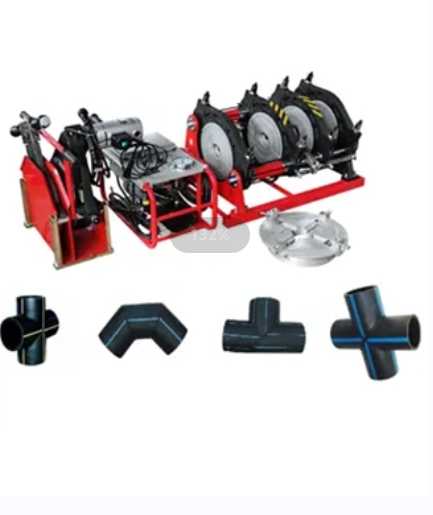
HDPE Pipe Butt Welding Machine
#machine <br>[a]https%3A%2F%2Fwww.xjgmachine.com%2Fproducts%2Fhdpe-pipe-butt-welding-machine%2F[/a] <br> <br>HDPE Pipe Butt Welding Machine is an essential piece of equipment used to join high-density polyethylene pipes. HDPE but welding machine is a reliable, efficient, and cost-effective method of welding that creates a strong and durable joint. HDPE pipe welding machines use an electric heating plate to melt the ends of the pipes, which are then pressed together under specific conditions. HDPE pipe butt welding machine are commonly used in various industries, including water distribution, natural gas supply, and mining, to create joints in the pipelines. These machines come in different sizes and models, suitable for welding pipes of varying diameters and wall thickness. QING CHEN YU is a professional manufacturer and supplier of HDPE Welding Machines, that provides high quality hdpe pipe fusion welding machine solutions. Contact us now for more information. <br> <br>The Benefits of Using HDPE Pipe Butt Welding Machine for Piping Systems <br>HDPE Pipe Butt Welding Machine <br>Using an HDPE pipe butt welding machine offers several benefits for piping systems. This welding method creates a strong and leak-proof joint that is more reliable than other welding methods. hdpe butt fusion welder for sale also allow for quicker and more efficient welding of pipes, reducing labor costs and increasing output. Additionally, the welded joint is highly resistant to corrosion, abrasion, and chemicals, resulting in a longer service life of the piping system. The use of butt welding machines also reduces the need for fittings and flanges, which can result in a more streamlined and cost-effective piping system. Overall, the manual hdpe pipe welding machine improves the quality, reliability, and durability of the piping system, providing long-term benefits for various industrial applications. As a professional butt welding machine supplier in China, QING CHEN YU provides quality HDPE pipe butt welding machine solutions. Feel free to contact at any time. <br> <br>The Role of Automation in HDPE Pipe Butt Welding Machine Production <br>Automation plays a crucial role in hdpe butt welding machine production. Automated welding systems make the welding process faster, uniform, and more reliable than manual welding methods. These machines are designed to perform various welding operations automatically, such as heating and fusing the pipes at precise temperatures and pressure. Automated HDPE pipe butt welding machines also come with advanced features such as remote control, data recording, and real-time monitoring systems. These features help operators to improve their welding practices and optimize the welding process, reducing the likelihood of errors and reducing the overall costs of pipe welding. In summary, automation in HDPE pipe butt welding machine production reduces labor, improves productivity, and enhances performance. <br> <br>Innovations in HDPE Pipe Butt Welding Machine for Large Diameter Pipes <br>Several innovations have been made in HDPE pipe butt welding machines for large-diameter pipes in recent years. One significant innovation is the use of CNC (Computer Numerical Control) technology, which allows the machine to be more precise and efficient. Some machines now feature remote control for welding parameters, automated cutting, and data recording, resulting in a higher level of automation in the welding process. Another innovation is the development of larger welding machines capable of welding pipes up to 2000mm in diameter. These HDPE pipe butt welding machines feature powerful hydraulic systems, higher wattage heating plates, and are optimized for thicker walls and more massive pipes. These innovations in HDPE pipe butt welding machines allow for faster, more efficient, and more reliable welding of large-diameter pipes. <br> <br>More About HDPE Pipe Butt Welding Machine <br>What is Butt Welding? <br>Butt welding is the most common type of welding process used to join the HDPE pipes. The process involves the joining of two flat surfaces against each other. By flat surface, in HDPE pipes, means the flat facing surfaces at the two ends of the pipe joined together utilizing high temperature and extreme pressure. <br>During the heating process, the end of the HDPE pipe is pressed against a heated plate. Once the heated surfaces reach a molten state, the two surfaces are then bought together to join under controlled pressure. Once the molten parts fuse together to form a bond, the cooling process takes place for a specific amount of time, depending upon the dimension and thickness of the pipe. The heating, joining, and cooling processes are critical in ensuring the bond strength and achieving smoothness and quality of the weld. <br>Throughout each of these butt welding steps, there is also an equal possibility of flaw formation, mostly due to factors like lack of pressure or weld force, inaccurate temperature to achieve desired weld bead, misalignment, inadequate cooling time, improper surface cleaning, or presence of external inclusions in the material. The resulting flaws due to these factors may include: <br>· “Cold fusion” or partial bond due to inadequate weld force or temperature <br>· Porosity and cracks resulting from a lack of surface preparation <br> <br>Available Diameters Of Butt Welding Machines <br>QING CHENYU MACHINERY makes high-quality butt welding machines to weld HDPE pipes from 40mm to 3000mm OD. However, HDPE pipe and fittings of any diameter can be butt welded, but diameters beneath 63mm are not generally recommended as it becomes difficult to align the pipe ends accurately and consistently within the specifications of the relevant standard. Although we also have machine for 40mm, when a welded joint is required, the preference for small diameters is to use electrofusion. Large diameter pressure and non-pressure pipes to 3000mm and above are now regularly welded, with fittings machines already producing to 2000mm. <br> <br>What is the difference between butt welding and butt fusion? <br>Butt welding and butt fusion are interchangeable terms used to describe the process of joining HDPE pipe. Therefore, butt welding machines and butt fusion machines perform the exact same function, however the terms are used in different locations across the globe. Countries using the metric system of measurement usually call the process butt welding, as opposed to countries using the imperial system who refer to their machines as butt fusion machines. <br> <br>Types Of Butt Welding Machines <br>HDPE Pipe welding machine are of four types. <br>a. butt welding machines, <br>b. electrofusion welding machines, <br>c. hand extruders, <br>d. Fitting butt welding machines <br> <br>For more information about hdpe pipe welding machine price, please feel free to contact us! <br> <br>There are many plastic processing machine manufacturers, but we are one of the best choices for you.
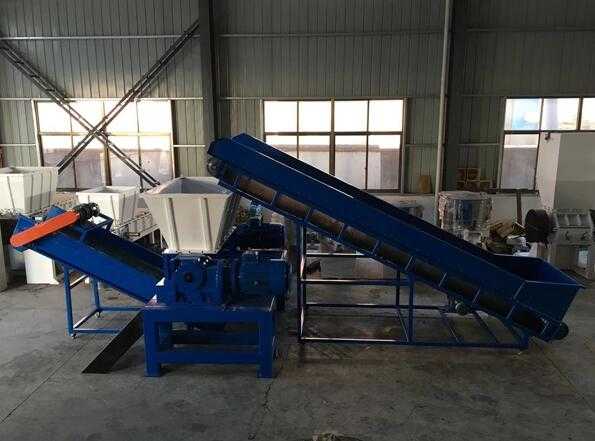
Double Shaft Shredder
Double Shaft Shredder <br>A double shaft plastic shredder is a type of shredder machine that is equipped with two parallel shafts, each fitted with rotary blades. The blades rotate in opposite directions to shred materials such as plastics, rubber, wood, and metal into small, manageable pieces. The shredder is used in various industries, including recycling, waste management, and manufacturing, to reduce the size and volume of waste materials for easier transportation and disposal. <br> <br>XJG-D Double-shaft shredder/double shaft crusher can shred all kinds of soft plastics and rubbers like, plastic film, greenhouse film, fishing nets, plastic bags, ton bags/ jumbo bags, woven bags, nonwoven bags, nonwoven fabric, tires, etc. <br> <br>HS Code: 84778000. <br> <br>Double Shaft Plastic Shredder Features <br>Low rotation rate. <br> <br>Low noise and high torque. <br> <br>Electrical overloading protective. <br> <br>Blade hardness at 60-65 by SKD11. <br> <br>Hydraulic system, an independent power system, the structure solid, smooth running, feed material easily, high output. <br> <br>PLC program control system automatically rotates, stops and realizes fully automatic operation of equipment. Safe and reliable running. <br> <br>As a professional plastic recycling machine company in China, we also have custom dual shaft shredder for sale. Feel free to contact us for further info! <br> <br>Benefits of Using Double Shaft Shredders for Waste Reduction <br>Small dual shaft shredders offer several environmental benefits in waste reduction. By shredding waste into smaller sizes, these machines reduce the volume of waste and make it easier to transport. This, in turn, reduces emissions from transportation and landfilling. Additionally, the shredded materials can be reused for manufacturing new products, thereby reducing the need for virgin raw materials, which can be resource-intensive to extract. Finally, the use of double shaft shredders supports the circular economy by promoting the reuse of resources, minimizing waste generation, and reducing environmental impacts associated with waste disposal. <br> <br>What's The Difference Between Single Shaft Shredder & Double Shaft Shredder? <br> <br>1. Structurer Difference <br>Double shaft shredder is mainly composed of <br>· feed hopper <br>· two shredded spindles <br>· shredding blades <br>· discharge hopper <br> <br>Single shaft shredder is mainly composed of <br>· feed hopper <br>· stationary cutter <br>· shredding blades <br>· Screen <br> <br>2. Blade Type Differences <br>Single shaft plastic shredder only has one rotary shaft holding all the cutting blades. When the shaft rotates, carrying the cutting blades, there’s a shearing force between the rotating blades and the stationary cutter. <br> <br>Double shaft shredder has two rotary shafts, both hold many blades. The two shafts rotate relative to each other to cutting materials. <br> <br>3. Different Materials To Be Cutted <br>Double Shaft Shredder features high torque and high efficiency, suitable for shredding domestic waste, industrial waste, electronic waste, biomass waste, kitchen waste, medical waste, wood chips, and other materials, etc. <br> <br>Single shaft shredder is commonly used in paper mill processing waste fabric, leather scrap, domestic waste, PE, PP, plastic pipe, plastic film, woven bags, wire and cable cans, aluminum scrap, and other aluminum products. <br> <br>Double Shaft Shredder Working Principle <br>Double-shaft shredder, also known as double-shaft twin shaft machine, shearing design principle, alloy knife material, through shearing, tearing, and extrusion to reduce the size of the material. Strong impact resistance, broken metal knives do not break. <br> <br>The double shaft shredder is mainly used in domestic waste, industrial waste, and leather scraps, organic waste, medical waste, RDF, hazardous waste, bulky waste, paper mill twisted rope, etc. <br> <br>The working principle of the double-shaft shredder: During the crushing process, the claws on the rotor pull the material into the crushing cavity. The blades are arranged in a staggered and occlusal manner so that the material can be cut and broken in both the horizontal and vertical directions at the same time. After the material is broken, it is intercepted and peeled off by the partition and finally discharged downward. <br> <br>The main working part of the crusher is a pair of relatively rotating rollers, and the rollers are equipped with gear teeth arranged in a spiral. After the material enters the machine, it is bitten and sheared by the gear teeth made of staggered high-hardness wear-resistant materials, and is split, broken and pulverized to a size lower than the set size, and then forced to be excluded from the machine. The roller is driven by the motor through the reducer and has a large torque. When encountering difficult-to-break objects, it will automatically reverse under the action of the PLC automatic control system, and rotate forward and reverse many times until the materials are broken and discharged. This principle equipment has different names in various industries: metal shredder, coal grading crusher, domestic waste shredder, construction waste shredder. According to its own structural characteristics, it can be called a spiral-toothed roller crusher (shredder), which is commonly used in the form of double shaft (double toothed roller), as well as single shaft and four shafts (four-toothed roller). <br> <br>FAQs Of Double Shaft Shredder <br>What kinds of materials can a double shaft shredder shred? <br>Plastics, rubber, wood, paper, cardboard, metal, and electrical trash are just a few of the things that a twin shaft shredder can destroy. <br> <br>What materials of what sizes can a double shaft shredder shred? <br>Double shaft shredders can process things of different sizes and shapes, including huge, hefty materials as well as smaller, more delicate items. <br> <br>How does a double shaft shredder work? <br>A double shaft shredder operates by feeding materials into the machine, which are then cut and shredded by the blades on the two parallel shafts. <br> <br>What are the benefits of using a double shaft shredder? <br>Double shaft shredders can reduce the volume of waste, making it easier to transport and dispose of. They can also recover valuable resources from materials that are shredded. <br> <br>Now the double shaft shredder machine price is reasonable, if you are interested, please contact us. <br> <br>If you are looking for reliable plastic processing equipment companies, please choose us, and we will be your best partner. <br>#twin#shaft#machine <br>[a]https%3A%2F%2Fwww.xjgmachine.com%2Fproducts%2Fdouble-shaft-shredder.html[/a]
About xjg machine's Store
No description provided.
0.0
Customer Reviews
See what others are saying about xjg machine's Store. We verify purchases to ensure reviews are genuine.
No reviews yet for this store.