

PattesonSprayfoam's Store
Owned by PattesonSprayfoam Joined Aug 2024 13 Listings
PattesonSprayfoam's Store
easyid.me/biz/pattesonsprayfoam-e92307 • Verified Store
Scan to open official EasyID digital store, view live catalog, or save business card.
Verified Merchant
EasyID Certified Seller
Fast 24h Packing
Direct courier dispatch
Zero Escrow Direct
Direct merchant settlement
Store Listings (11)
Which Commercial Roofing Materials Are Best for Extreme Weather?
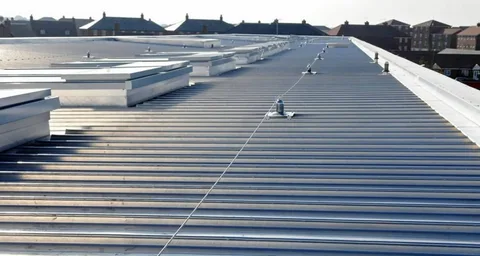
When it comes to safeguarding your commercial property against extreme weather, selecting the right commercial roofing materials is crucial. Whether you're dealing with intense sun, heavy snowfall, or severe winds, the roof over your business must withstand these challenges. This blog post delves into the best commercial roofing options designed to endure extreme weather conditions. Understanding the strengths and weaknesses of each material will help you make an informed decision that ensures long-lasting protection for your property. <br>Understanding the Importance of Weather-Resistant Roofing <br>In regions prone to extreme weather conditions, the durability and resilience of your roofing material become paramount. A well-chosen roof not only protects your building but also enhances its energy efficiency, reducing overall operational costs. Investing in high-quality commercial roofing materials ensures that your business remains operational and safe, no matter the weather outside. <br>Key Factors to Consider for Extreme Weather Roofing <br>Before diving into specific materials, it’s essential to understand the key factors that make a roofing material suitable for extreme weather. Here are some crucial aspects to consider: <br>Durability: The material should be able to withstand harsh conditions like heavy snow, strong winds, and intense UV rays. <br>Thermal Resistance: In regions with extreme temperature fluctuations, the roofing material should offer good insulation to maintain a consistent internal temperature. <br>Water Resistance: For areas prone to heavy rainfall or snow, the material must provide excellent water resistance to prevent leaks and water damage. <br>Wind Resistance: High wind speeds can damage roofs that are not properly secured or made from inferior materials. The roofing material should have a high wind resistance rating. <br>Energy Efficiency: In hot climates, the roofing material should reflect heat to keep the building cool, thereby reducing energy costs. <br>Top Commercial Roofing Materials for Extreme Weather <br>1. Metal Roofing <br>Metal roofing is a popular choice for commercial buildings, especially in areas with severe weather conditions. It’s known for its durability and longevity, often lasting up to 50 years or more with proper maintenance. Metal roofs are highly resistant to wind, making them ideal for regions prone to hurricanes or tornadoes. Additionally, metal reflects sunlight, reducing the heat absorbed by the building and helping to lower energy costs. <br>Pros: <br>Exceptional durability and long lifespan. <br>High wind and fire resistance. <br>Reflective surface reduces cooling costs. <br>Low maintenance requirements. <br>Cons: <br>Can be noisy during rain or hailstorms without proper insulation. <br>Higher upfront costs compared to other materials. <br>2. EPDM Roofing <br>EPDM (Ethylene Propylene Diene Monomer) roofing is a type of synthetic rubber commonly used in commercial roofing. Its flexibility and resilience make it suitable for a wide range of weather conditions. EPDM is highly resistant to UV rays, ozone, and severe weather, making it an excellent choice for regions with extreme heat or cold. It’s also easy to install and repair, which can be a cost-saving benefit. <br>Pros: <br>Excellent resistance to UV radiation and extreme temperatures. <br>Flexible and can withstand thermal expansion and contraction. <br>Relatively easy and cost-effective to install and repair. <br>Good lifespan of 20-30 years with proper maintenance. <br>Cons: <br>Can be prone to punctures from sharp objects or heavy foot traffic. <br>Black EPDM absorbs heat, which may increase cooling costs unless a reflective coating is applied. <br>3. TPO Roofing <br>TPO (Thermoplastic Olefin) roofing is a single-ply membrane that offers a balance of durability, cost-effectiveness, and energy efficiency. TPO is highly reflective, making it an excellent choice for buildings in hot climates. Its heat-welded seams provide strong resistance against leaks, and it’s also resistant to punctures, tears, and microbial growth. TPO roofing is suitable for a variety of commercial applications, especially in areas with fluctuating temperatures and heavy rainfall. <br>Pros: <br>Highly reflective, reducing cooling costs. <br>Seamless installation reduces the risk of leaks. <br>Resistant to punctures and tears. <br>Energy-efficient and environmentally friendly. <br>Cons: <br>Shorter lifespan compared to other materials, typically around 15-20 years. <br>Can be prone to shrinkage over time, leading to potential leaks if not properly maintained. <br>4. Modified Bitumen Roofing <br>Modified bitumen roofing is an asphalt-based material that has been reinforced with either polyester or fiberglass. It’s known for its robustness and ability to withstand harsh weather conditions, making it a reliable option for commercial buildings. Modified bitumen roofs are highly resistant to water, and their layered installation provides excellent protection against leaks. This material is also flexible, allowing it to adapt to temperature changes without cracking. <br>Pros: <br>Strong resistance to water and leaks. <br>Flexible and can handle temperature fluctuations. <br>Easy to <br>install and repair, making it a cost-effective option. <br>Suitable for both hot and cold climates due to its adaptability. <br>Cons: <br>Shorter lifespan compared to materials like metal or EPDM, typically lasting 10-20 years. <br>Requires regular maintenance to ensure longevity. <br>Can be prone to UV damage unless a protective coating is applied. <br>5. PVC Roofing <br>PVC (Polyvinyl Chloride) roofing is a single-ply membrane that offers superior protection against a variety of extreme weather conditions. It is especially known for its resistance to chemical damage, fire, and high winds. PVC roofing is also energy-efficient, thanks to its reflective surface, which helps to keep buildings cool. This makes it a popular choice for commercial properties in hot climates. Additionally, PVC is durable and has a long lifespan, often exceeding 20 years with proper maintenance. <br>Pros: <br>Excellent resistance to fire, chemicals, and high winds. <br>Highly reflective, contributing to energy savings. <br>Durable with a long lifespan. <br>Resistant to punctures and tears. <br>Cons: <br>Higher initial cost compared to some other roofing materials. <br>Can become brittle over time in extremely cold climates. <br>Requires professional installation to ensure proper performance. <br>Choosing the Right Roofing Material for Your Business <br>Selecting the ideal commercial roofing materials for your business depends on several factors, including the specific weather conditions in your area, your budget, and the long-term goals for your property. For businesses located in regions with extreme weather, it's essential to prioritize materials that offer durability, weather resistance, and energy efficiency. <br>Key Considerations: <br>Climate: Assess the predominant weather patterns in your area, such as extreme heat, cold, wind, or precipitation. Choose a material that excels in handling these conditions. <br>Building Design: The design and structure of your commercial building may influence your roofing material choice. Flat roofs, for instance, may benefit from materials like TPO or PVC. <br>Maintenance Requirements: Consider the maintenance needs of each material. Some materials, like metal roofing, require less frequent maintenance than others. <br>Budget: Balance the initial cost of the roofing material with its long-term benefits, including lifespan, maintenance costs, and energy savings. <br>Location-Specific Considerations for Commercial Roofing in Twin Falls, Idaho <br>Twin Falls, Idaho, experiences a range of weather conditions, from hot summers to cold, snowy winters. This diverse climate necessitates a roofing material that can perform well in both extremes. <br>Recommended Materials for Twin Falls: <br>Metal Roofing: Given its durability and ability to reflect heat, metal roofing is a strong candidate for Twin Falls' varied climate. <br>EPDM Roofing: Its flexibility and resistance to temperature fluctuations make EPDM suitable for Twin Falls, especially for buildings with flat roofs. <br>TPO Roofing: The reflective properties of TPO roofing can help combat the summer heat, while its durability ensures protection during winter storms. <br>When selecting a roofing material for your Twin Falls property, consider how each option will perform throughout the year. The right choice will not only protect your building but also contribute to its energy efficiency and overall value. <br>FAQs About Commercial Roofing Materials <br>Q1: How long do commercial roofing materials typically last? <br>A: The lifespan of commercial roofing materials varies depending on the type and quality. Metal roofing can last 40-50 years, while EPDM and TPO typically last 15-30 years with proper maintenance. Modified bitumen and PVC roofs also offer durability, with lifespans ranging from 10 to over 20 years. <br>Q2: Which roofing material is best for energy efficiency? <br>A: TPO and PVC roofing materials are highly reflective, making them excellent choices for energy efficiency. These materials reflect sunlight, reducing the heat absorbed by the building and helping to lower cooling costs. <br>Q3: How often should I maintain my commercial roof? <br>A: Regular maintenance is essential for prolonging the life of your commercial roof. It's recommended to have your roof inspected at least twice a year, ideally in the spring and fall. Additionally, you should schedule inspections after any major weather events, such as storms or heavy snowfall. <br>Q4: Can I install a new roofing material over an existing roof? <br>A: In some cases, it is possible to install a new roofing material over an existing one, but this depends on the condition of the current roof and local building codes. It's important to consult with a professional roofing contractor to assess the feasibility of this option. <br>Q5: What are the signs that my commercial roof needs replacement? <br>A: Signs that your commercial roof may need replacement include frequent leaks, visible damage (such as cracks or punctures), pooling water, and significant wear and tear. If your roof is nearing the end of its expected lifespan, it's wise to consider replacement to avoid costly repairs down the line. <br>Conclusion <br>Choosing the right commercial roofing materials is a critical decision that can significantly impact the longevity and safety of your commercial property. By selecting materials that are designed to withstand extreme weather conditions, you can ensure that your business remains protected and operational, regardless of the climate. <br>For businesses in Twin Falls, Idaho, and surrounding areas like Burley, Rupert, American Falls, Hagerman, and Buhl, it's essential to consider both the immediate and long-term benefits of each roofing material. Whether you opt for the durability of metal, the flexibility of EPDM, or the energy efficiency of TPO or PVC, investing in high-quality roofing materials is a smart move for any commercial property owner. <br>For professional guidance on selecting and installing the best roofing materials for your business, contact Valley Spray Works at (208) 539-5281. Their experienced team will help you choose the ideal solution tailored to your specific needs and ensure your property is equipped to handle even the most extreme weather conditions.
Which Commercial Roofing Materials Are Best for Extreme Weather?
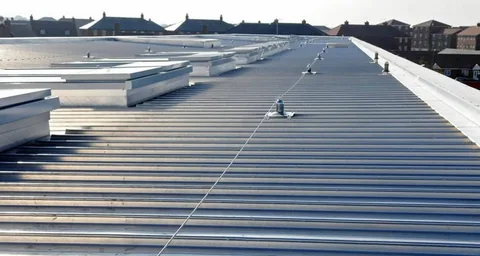
When it comes to safeguarding your commercial property against extreme weather, selecting the right commercial roofing materials is crucial. Whether you're dealing with intense sun, heavy snowfall, or severe winds, the roof over your business must withstand these challenges. This blog post delves into the best commercial roofing options designed to endure extreme weather conditions. Understanding the strengths and weaknesses of each material will help you make an informed decision that ensures long-lasting protection for your property. <br>Understanding the Importance of Weather-Resistant Roofing <br>In regions prone to extreme weather conditions, the durability and resilience of your roofing material become paramount. A well-chosen roof not only protects your building but also enhances its energy efficiency, reducing overall operational costs. Investing in high-quality commercial roofing materials ensures that your business remains operational and safe, no matter the weather outside. <br>Key Factors to Consider for Extreme Weather Roofing <br>Before diving into specific materials, it’s essential to understand the key factors that make a roofing material suitable for extreme weather. Here are some crucial aspects to consider: <br>Durability: The material should be able to withstand harsh conditions like heavy snow, strong winds, and intense UV rays. <br>Thermal Resistance: In regions with extreme temperature fluctuations, the roofing material should offer good insulation to maintain a consistent internal temperature. <br>Water Resistance: For areas prone to heavy rainfall or snow, the material must provide excellent water resistance to prevent leaks and water damage. <br>Wind Resistance: High wind speeds can damage roofs that are not properly secured or made from inferior materials. The roofing material should have a high wind resistance rating. <br>Energy Efficiency: In hot climates, the roofing material should reflect heat to keep the building cool, thereby reducing energy costs. <br>Top Commercial Roofing Materials for Extreme Weather <br>1. Metal Roofing <br>Metal roofing is a popular choice for commercial buildings, especially in areas with severe weather conditions. It’s known for its durability and longevity, often lasting up to 50 years or more with proper maintenance. Metal roofs are highly resistant to wind, making them ideal for regions prone to hurricanes or tornadoes. Additionally, metal reflects sunlight, reducing the heat absorbed by the building and helping to lower energy costs. <br>Pros: <br>Exceptional durability and long lifespan. <br>High wind and fire resistance. <br>Reflective surface reduces cooling costs. <br>Low maintenance requirements. <br>Cons: <br>Can be noisy during rain or hailstorms without proper insulation. <br>Higher upfront costs compared to other materials. <br>2. EPDM Roofing <br>EPDM (Ethylene Propylene Diene Monomer) roofing is a type of synthetic rubber commonly used in commercial roofing. Its flexibility and resilience make it suitable for a wide range of weather conditions. EPDM is highly resistant to UV rays, ozone, and severe weather, making it an excellent choice for regions with extreme heat or cold. It’s also easy to install and repair, which can be a cost-saving benefit. <br>Pros: <br>Excellent resistance to UV radiation and extreme temperatures. <br>Flexible and can withstand thermal expansion and contraction. <br>Relatively easy and cost-effective to install and repair. <br>Good lifespan of 20-30 years with proper maintenance. <br>Cons: <br>Can be prone to punctures from sharp objects or heavy foot traffic. <br>Black EPDM absorbs heat, which may increase cooling costs unless a reflective coating is applied. <br>3. TPO Roofing <br>TPO (Thermoplastic Olefin) roofing is a single-ply membrane that offers a balance of durability, cost-effectiveness, and energy efficiency. TPO is highly reflective, making it an excellent choice for buildings in hot climates. Its heat-welded seams provide strong resistance against leaks, and it’s also resistant to punctures, tears, and microbial growth. TPO roofing is suitable for a variety of commercial applications, especially in areas with fluctuating temperatures and heavy rainfall. <br>Pros: <br>Highly reflective, reducing cooling costs. <br>Seamless installation reduces the risk of leaks. <br>Resistant to punctures and tears. <br>Energy-efficient and environmentally friendly. <br>Cons: <br>Shorter lifespan compared to other materials, typically around 15-20 years. <br>Can be prone to shrinkage over time, leading to potential leaks if not properly maintained. <br>4. Modified Bitumen Roofing <br>Modified bitumen roofing is an asphalt-based material that has been reinforced with either polyester or fiberglass. It’s known for its robustness and ability to withstand harsh weather conditions, making it a reliable option for commercial buildings. Modified bitumen roofs are highly resistant to water, and their layered installation provides excellent protection against leaks. This material is also flexible, allowing it to adapt to temperature changes without cracking. <br>Pros: <br>Strong resistance to water and leaks. <br>Flexible and can handle temperature fluctuations. <br>Easy to <br>install and repair, making it a cost-effective option. <br>Suitable for both hot and cold climates due to its adaptability. <br>Cons: <br>Shorter lifespan compared to materials like metal or EPDM, typically lasting 10-20 years. <br>Requires regular maintenance to ensure longevity. <br>Can be prone to UV damage unless a protective coating is applied. <br>5. PVC Roofing <br>PVC (Polyvinyl Chloride) roofing is a single-ply membrane that offers superior protection against a variety of extreme weather conditions. It is especially known for its resistance to chemical damage, fire, and high winds. PVC roofing is also energy-efficient, thanks to its reflective surface, which helps to keep buildings cool. This makes it a popular choice for commercial properties in hot climates. Additionally, PVC is durable and has a long lifespan, often exceeding 20 years with proper maintenance. <br>Pros: <br>Excellent resistance to fire, chemicals, and high winds. <br>Highly reflective, contributing to energy savings. <br>Durable with a long lifespan. <br>Resistant to punctures and tears. <br>Cons: <br>Higher initial cost compared to some other roofing materials. <br>Can become brittle over time in extremely cold climates. <br>Requires professional installation to ensure proper performance. <br>Choosing the Right Roofing Material for Your Business <br>Selecting the ideal commercial roofing materials for your business depends on several factors, including the specific weather conditions in your area, your budget, and the long-term goals for your property. For businesses located in regions with extreme weather, it's essential to prioritize materials that offer durability, weather resistance, and energy efficiency. <br>Key Considerations: <br>Climate: Assess the predominant weather patterns in your area, such as extreme heat, cold, wind, or precipitation. Choose a material that excels in handling these conditions. <br>Building Design: The design and structure of your commercial building may influence your roofing material choice. Flat roofs, for instance, may benefit from materials like TPO or PVC. <br>Maintenance Requirements: Consider the maintenance needs of each material. Some materials, like metal roofing, require less frequent maintenance than others. <br>Budget: Balance the initial cost of the roofing material with its long-term benefits, including lifespan, maintenance costs, and energy savings. <br>Location-Specific Considerations for Commercial Roofing in Twin Falls, Idaho <br>Twin Falls, Idaho, experiences a range of weather conditions, from hot summers to cold, snowy winters. This diverse climate necessitates a roofing material that can perform well in both extremes. <br>Recommended Materials for Twin Falls: <br>Metal Roofing: Given its durability and ability to reflect heat, metal roofing is a strong candidate for Twin Falls' varied climate. <br>EPDM Roofing: Its flexibility and resistance to temperature fluctuations make EPDM suitable for Twin Falls, especially for buildings with flat roofs. <br>TPO Roofing: The reflective properties of TPO roofing can help combat the summer heat, while its durability ensures protection during winter storms. <br>When selecting a roofing material for your Twin Falls property, consider how each option will perform throughout the year. The right choice will not only protect your building but also contribute to its energy efficiency and overall value. <br>FAQs About Commercial Roofing Materials <br>Q1: How long do commercial roofing materials typically last? <br>A: The lifespan of commercial roofing materials varies depending on the type and quality. Metal roofing can last 40-50 years, while EPDM and TPO typically last 15-30 years with proper maintenance. Modified bitumen and PVC roofs also offer durability, with lifespans ranging from 10 to over 20 years. <br>Q2: Which roofing material is best for energy efficiency? <br>A: TPO and PVC roofing materials are highly reflective, making them excellent choices for energy efficiency. These materials reflect sunlight, reducing the heat absorbed by the building and helping to lower cooling costs. <br>Q3: How often should I maintain my commercial roof? <br>A: Regular maintenance is essential for prolonging the life of your commercial roof. It's recommended to have your roof inspected at least twice a year, ideally in the spring and fall. Additionally, you should schedule inspections after any major weather events, such as storms or heavy snowfall. <br>Q4: Can I install a new roofing material over an existing roof? <br>A: In some cases, it is possible to install a new roofing material over an existing one, but this depends on the condition of the current roof and local building codes. It's important to consult with a professional roofing contractor to assess the feasibility of this option. <br>Q5: What are the signs that my commercial roof needs replacement? <br>A: Signs that your commercial roof may need replacement include frequent leaks, visible damage (such as cracks or punctures), pooling water, and significant wear and tear. If your roof is nearing the end of its expected lifespan, it's wise to consider replacement to avoid costly repairs down the line. <br>Conclusion <br>Choosing the right commercial roofing materials is a critical decision that can significantly impact the longevity and safety of your commercial property. By selecting materials that are designed to withstand extreme weather conditions, you can ensure that your business remains protected and operational, regardless of the climate. <br>For businesses in Twin Falls, Idaho, and surrounding areas like Burley, Rupert, American Falls, Hagerman, and Buhl, it's essential to consider both the immediate and long-term benefits of each roofing material. Whether you opt for the durability of metal, the flexibility of EPDM, or the energy efficiency of TPO or PVC, investing in high-quality roofing materials is a smart move for any commercial property owner. <br>For professional guidance on selecting and installing the best roofing materials for your business, contact Valley Spray Works at (208) 539-5281. Their experienced team will help you choose the ideal solution tailored to your specific needs and ensure your property is equipped to handle even the most extreme weather conditions.
Which Commercial Roofing Materials Are Best for Extreme Weather?
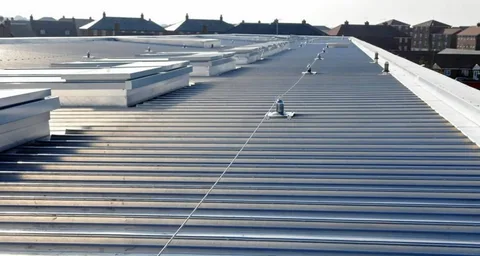
When it comes to safeguarding your commercial property against extreme weather, selecting the right commercial roofing materials is crucial. Whether you're dealing with intense sun, heavy snowfall, or severe winds, the roof over your business must withstand these challenges. This blog post delves into the best commercial roofing options designed to endure extreme weather conditions. Understanding the strengths and weaknesses of each material will help you make an informed decision that ensures long-lasting protection for your property. <br>Understanding the Importance of Weather-Resistant Roofing <br>In regions prone to extreme weather conditions, the durability and resilience of your roofing material become paramount. A well-chosen roof not only protects your building but also enhances its energy efficiency, reducing overall operational costs. Investing in high-quality commercial roofing materials ensures that your business remains operational and safe, no matter the weather outside. <br>Key Factors to Consider for Extreme Weather Roofing <br>Before diving into specific materials, it’s essential to understand the key factors that make a roofing material suitable for extreme weather. Here are some crucial aspects to consider: <br>Durability: The material should be able to withstand harsh conditions like heavy snow, strong winds, and intense UV rays. <br>Thermal Resistance: In regions with extreme temperature fluctuations, the roofing material should offer good insulation to maintain a consistent internal temperature. <br>Water Resistance: For areas prone to heavy rainfall or snow, the material must provide excellent water resistance to prevent leaks and water damage. <br>Wind Resistance: High wind speeds can damage roofs that are not properly secured or made from inferior materials. The roofing material should have a high wind resistance rating. <br>Energy Efficiency: In hot climates, the roofing material should reflect heat to keep the building cool, thereby reducing energy costs. <br>Top Commercial Roofing Materials for Extreme Weather <br>1. Metal Roofing <br>Metal roofing is a popular choice for commercial buildings, especially in areas with severe weather conditions. It’s known for its durability and longevity, often lasting up to 50 years or more with proper maintenance. Metal roofs are highly resistant to wind, making them ideal for regions prone to hurricanes or tornadoes. Additionally, metal reflects sunlight, reducing the heat absorbed by the building and helping to lower energy costs. <br>Pros: <br>Exceptional durability and long lifespan. <br>High wind and fire resistance. <br>Reflective surface reduces cooling costs. <br>Low maintenance requirements. <br>Cons: <br>Can be noisy during rain or hailstorms without proper insulation. <br>Higher upfront costs compared to other materials. <br>2. EPDM Roofing <br>EPDM (Ethylene Propylene Diene Monomer) roofing is a type of synthetic rubber commonly used in commercial roofing. Its flexibility and resilience make it suitable for a wide range of weather conditions. EPDM is highly resistant to UV rays, ozone, and severe weather, making it an excellent choice for regions with extreme heat or cold. It’s also easy to install and repair, which can be a cost-saving benefit. <br>Pros: <br>Excellent resistance to UV radiation and extreme temperatures. <br>Flexible and can withstand thermal expansion and contraction. <br>Relatively easy and cost-effective to install and repair. <br>Good lifespan of 20-30 years with proper maintenance. <br>Cons: <br>Can be prone to punctures from sharp objects or heavy foot traffic. <br>Black EPDM absorbs heat, which may increase cooling costs unless a reflective coating is applied. <br>3. TPO Roofing <br>TPO (Thermoplastic Olefin) roofing is a single-ply membrane that offers a balance of durability, cost-effectiveness, and energy efficiency. TPO is highly reflective, making it an excellent choice for buildings in hot climates. Its heat-welded seams provide strong resistance against leaks, and it’s also resistant to punctures, tears, and microbial growth. TPO roofing is suitable for a variety of commercial applications, especially in areas with fluctuating temperatures and heavy rainfall. <br>Pros: <br>Highly reflective, reducing cooling costs. <br>Seamless installation reduces the risk of leaks. <br>Resistant to punctures and tears. <br>Energy-efficient and environmentally friendly. <br>Cons: <br>Shorter lifespan compared to other materials, typically around 15-20 years. <br>Can be prone to shrinkage over time, leading to potential leaks if not properly maintained. <br>4. Modified Bitumen Roofing <br>Modified bitumen roofing is an asphalt-based material that has been reinforced with either polyester or fiberglass. It’s known for its robustness and ability to withstand harsh weather conditions, making it a reliable option for commercial buildings. Modified bitumen roofs are highly resistant to water, and their layered installation provides excellent protection against leaks. This material is also flexible, allowing it to adapt to temperature changes without cracking. <br>Pros: <br>Strong resistance to water and leaks. <br>Flexible and can handle temperature fluctuations. <br>Easy to <br>install and repair, making it a cost-effective option. <br>Suitable for both hot and cold climates due to its adaptability. <br>Cons: <br>Shorter lifespan compared to materials like metal or EPDM, typically lasting 10-20 years. <br>Requires regular maintenance to ensure longevity. <br>Can be prone to UV damage unless a protective coating is applied. <br>5. PVC Roofing <br>PVC (Polyvinyl Chloride) roofing is a single-ply membrane that offers superior protection against a variety of extreme weather conditions. It is especially known for its resistance to chemical damage, fire, and high winds. PVC roofing is also energy-efficient, thanks to its reflective surface, which helps to keep buildings cool. This makes it a popular choice for commercial properties in hot climates. Additionally, PVC is durable and has a long lifespan, often exceeding 20 years with proper maintenance. <br>Pros: <br>Excellent resistance to fire, chemicals, and high winds. <br>Highly reflective, contributing to energy savings. <br>Durable with a long lifespan. <br>Resistant to punctures and tears. <br>Cons: <br>Higher initial cost compared to some other roofing materials. <br>Can become brittle over time in extremely cold climates. <br>Requires professional installation to ensure proper performance. <br>Choosing the Right Roofing Material for Your Business <br>Selecting the ideal commercial roofing materials for your business depends on several factors, including the specific weather conditions in your area, your budget, and the long-term goals for your property. For businesses located in regions with extreme weather, it's essential to prioritize materials that offer durability, weather resistance, and energy efficiency. <br>Key Considerations: <br>Climate: Assess the predominant weather patterns in your area, such as extreme heat, cold, wind, or precipitation. Choose a material that excels in handling these conditions. <br>Building Design: The design and structure of your commercial building may influence your roofing material choice. Flat roofs, for instance, may benefit from materials like TPO or PVC. <br>Maintenance Requirements: Consider the maintenance needs of each material. Some materials, like metal roofing, require less frequent maintenance than others. <br>Budget: Balance the initial cost of the roofing material with its long-term benefits, including lifespan, maintenance costs, and energy savings. <br>Location-Specific Considerations for Commercial Roofing in Twin Falls, Idaho <br>Twin Falls, Idaho, experiences a range of weather conditions, from hot summers to cold, snowy winters. This diverse climate necessitates a roofing material that can perform well in both extremes. <br>Recommended Materials for Twin Falls: <br>Metal Roofing: Given its durability and ability to reflect heat, metal roofing is a strong candidate for Twin Falls' varied climate. <br>EPDM Roofing: Its flexibility and resistance to temperature fluctuations make EPDM suitable for Twin Falls, especially for buildings with flat roofs. <br>TPO Roofing: The reflective properties of TPO roofing can help combat the summer heat, while its durability ensures protection during winter storms. <br>When selecting a roofing material for your Twin Falls property, consider how each option will perform throughout the year. The right choice will not only protect your building but also contribute to its energy efficiency and overall value. <br>FAQs About Commercial Roofing Materials <br>Q1: How long do commercial roofing materials typically last? <br>A: The lifespan of commercial roofing materials varies depending on the type and quality. Metal roofing can last 40-50 years, while EPDM and TPO typically last 15-30 years with proper maintenance. Modified bitumen and PVC roofs also offer durability, with lifespans ranging from 10 to over 20 years. <br>Q2: Which roofing material is best for energy efficiency? <br>A: TPO and PVC roofing materials are highly reflective, making them excellent choices for energy efficiency. These materials reflect sunlight, reducing the heat absorbed by the building and helping to lower cooling costs. <br>Q3: How often should I maintain my commercial roof? <br>A: Regular maintenance is essential for prolonging the life of your commercial roof. It's recommended to have your roof inspected at least twice a year, ideally in the spring and fall. Additionally, you should schedule inspections after any major weather events, such as storms or heavy snowfall. <br>Q4: Can I install a new roofing material over an existing roof? <br>A: In some cases, it is possible to install a new roofing material over an existing one, but this depends on the condition of the current roof and local building codes. It's important to consult with a professional roofing contractor to assess the feasibility of this option. <br>Q5: What are the signs that my commercial roof needs replacement? <br>A: Signs that your commercial roof may need replacement include frequent leaks, visible damage (such as cracks or punctures), pooling water, and significant wear and tear. If your roof is nearing the end of its expected lifespan, it's wise to consider replacement to avoid costly repairs down the line. <br>Conclusion <br>Choosing the right commercial roofing materials is a critical decision that can significantly impact the longevity and safety of your commercial property. By selecting materials that are designed to withstand extreme weather conditions, you can ensure that your business remains protected and operational, regardless of the climate. <br>For businesses in Twin Falls, Idaho, and surrounding areas like Burley, Rupert, American Falls, Hagerman, and Buhl, it's essential to consider both the immediate and long-term benefits of each roofing material. Whether you opt for the durability of metal, the flexibility of EPDM, or the energy efficiency of TPO or PVC, investing in high-quality roofing materials is a smart move for any commercial property owner. <br>For professional guidance on selecting and installing the best roofing materials for your business, contact Valley Spray Works at (208) 539-5281. Their experienced team will help you choose the ideal solution tailored to your specific needs and ensure your property is equipped to handle even the most extreme weather conditions.
Which Commercial Roofing Materials Are Best for Extreme Weather?
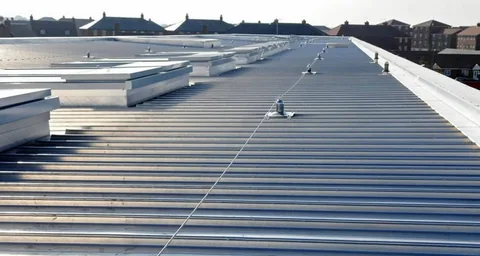
When it comes to safeguarding your commercial property against extreme weather, selecting the right commercial roofing materials is crucial. Whether you're dealing with intense sun, heavy snowfall, or severe winds, the roof over your business must withstand these challenges. This blog post delves into the best commercial roofing options designed to endure extreme weather conditions. Understanding the strengths and weaknesses of each material will help you make an informed decision that ensures long-lasting protection for your property. <br>Understanding the Importance of Weather-Resistant Roofing <br>In regions prone to extreme weather conditions, the durability and resilience of your roofing material become paramount. A well-chosen roof not only protects your building but also enhances its energy efficiency, reducing overall operational costs. Investing in high-quality commercial roofing materials ensures that your business remains operational and safe, no matter the weather outside. <br>Key Factors to Consider for Extreme Weather Roofing <br>Before diving into specific materials, it’s essential to understand the key factors that make a roofing material suitable for extreme weather. Here are some crucial aspects to consider: <br>Durability: The material should be able to withstand harsh conditions like heavy snow, strong winds, and intense UV rays. <br>Thermal Resistance: In regions with extreme temperature fluctuations, the roofing material should offer good insulation to maintain a consistent internal temperature. <br>Water Resistance: For areas prone to heavy rainfall or snow, the material must provide excellent water resistance to prevent leaks and water damage. <br>Wind Resistance: High wind speeds can damage roofs that are not properly secured or made from inferior materials. The roofing material should have a high wind resistance rating. <br>Energy Efficiency: In hot climates, the roofing material should reflect heat to keep the building cool, thereby reducing energy costs. <br>Top Commercial Roofing Materials for Extreme Weather <br>1. Metal Roofing <br>Metal roofing is a popular choice for commercial buildings, especially in areas with severe weather conditions. It’s known for its durability and longevity, often lasting up to 50 years or more with proper maintenance. Metal roofs are highly resistant to wind, making them ideal for regions prone to hurricanes or tornadoes. Additionally, metal reflects sunlight, reducing the heat absorbed by the building and helping to lower energy costs. <br>Pros: <br>Exceptional durability and long lifespan. <br>High wind and fire resistance. <br>Reflective surface reduces cooling costs. <br>Low maintenance requirements. <br>Cons: <br>Can be noisy during rain or hailstorms without proper insulation. <br>Higher upfront costs compared to other materials. <br>2. EPDM Roofing <br>EPDM (Ethylene Propylene Diene Monomer) roofing is a type of synthetic rubber commonly used in commercial roofing. Its flexibility and resilience make it suitable for a wide range of weather conditions. EPDM is highly resistant to UV rays, ozone, and severe weather, making it an excellent choice for regions with extreme heat or cold. It’s also easy to install and repair, which can be a cost-saving benefit. <br>Pros: <br>Excellent resistance to UV radiation and extreme temperatures. <br>Flexible and can withstand thermal expansion and contraction. <br>Relatively easy and cost-effective to install and repair. <br>Good lifespan of 20-30 years with proper maintenance. <br>Cons: <br>Can be prone to punctures from sharp objects or heavy foot traffic. <br>Black EPDM absorbs heat, which may increase cooling costs unless a reflective coating is applied. <br>3. TPO Roofing <br>TPO (Thermoplastic Olefin) roofing is a single-ply membrane that offers a balance of durability, cost-effectiveness, and energy efficiency. TPO is highly reflective, making it an excellent choice for buildings in hot climates. Its heat-welded seams provide strong resistance against leaks, and it’s also resistant to punctures, tears, and microbial growth. TPO roofing is suitable for a variety of commercial applications, especially in areas with fluctuating temperatures and heavy rainfall. <br>Pros: <br>Highly reflective, reducing cooling costs. <br>Seamless installation reduces the risk of leaks. <br>Resistant to punctures and tears. <br>Energy-efficient and environmentally friendly. <br>Cons: <br>Shorter lifespan compared to other materials, typically around 15-20 years. <br>Can be prone to shrinkage over time, leading to potential leaks if not properly maintained. <br>4. Modified Bitumen Roofing <br>Modified bitumen roofing is an asphalt-based material that has been reinforced with either polyester or fiberglass. It’s known for its robustness and ability to withstand harsh weather conditions, making it a reliable option for commercial buildings. Modified bitumen roofs are highly resistant to water, and their layered installation provides excellent protection against leaks. This material is also flexible, allowing it to adapt to temperature changes without cracking. <br>Pros: <br>Strong resistance to water and leaks. <br>Flexible and can handle temperature fluctuations. <br>Easy to <br>install and repair, making it a cost-effective option. <br>Suitable for both hot and cold climates due to its adaptability. <br>Cons: <br>Shorter lifespan compared to materials like metal or EPDM, typically lasting 10-20 years. <br>Requires regular maintenance to ensure longevity. <br>Can be prone to UV damage unless a protective coating is applied. <br>5. PVC Roofing <br>PVC (Polyvinyl Chloride) roofing is a single-ply membrane that offers superior protection against a variety of extreme weather conditions. It is especially known for its resistance to chemical damage, fire, and high winds. PVC roofing is also energy-efficient, thanks to its reflective surface, which helps to keep buildings cool. This makes it a popular choice for commercial properties in hot climates. Additionally, PVC is durable and has a long lifespan, often exceeding 20 years with proper maintenance. <br>Pros: <br>Excellent resistance to fire, chemicals, and high winds. <br>Highly reflective, contributing to energy savings. <br>Durable with a long lifespan. <br>Resistant to punctures and tears. <br>Cons: <br>Higher initial cost compared to some other roofing materials. <br>Can become brittle over time in extremely cold climates. <br>Requires professional installation to ensure proper performance. <br>Choosing the Right Roofing Material for Your Business <br>Selecting the ideal commercial roofing materials for your business depends on several factors, including the specific weather conditions in your area, your budget, and the long-term goals for your property. For businesses located in regions with extreme weather, it's essential to prioritize materials that offer durability, weather resistance, and energy efficiency. <br>Key Considerations: <br>Climate: Assess the predominant weather patterns in your area, such as extreme heat, cold, wind, or precipitation. Choose a material that excels in handling these conditions. <br>Building Design: The design and structure of your commercial building may influence your roofing material choice. Flat roofs, for instance, may benefit from materials like TPO or PVC. <br>Maintenance Requirements: Consider the maintenance needs of each material. Some materials, like metal roofing, require less frequent maintenance than others. <br>Budget: Balance the initial cost of the roofing material with its long-term benefits, including lifespan, maintenance costs, and energy savings. <br>Location-Specific Considerations for Commercial Roofing in Twin Falls, Idaho <br>Twin Falls, Idaho, experiences a range of weather conditions, from hot summers to cold, snowy winters. This diverse climate necessitates a roofing material that can perform well in both extremes. <br>Recommended Materials for Twin Falls: <br>Metal Roofing: Given its durability and ability to reflect heat, metal roofing is a strong candidate for Twin Falls' varied climate. <br>EPDM Roofing: Its flexibility and resistance to temperature fluctuations make EPDM suitable for Twin Falls, especially for buildings with flat roofs. <br>TPO Roofing: The reflective properties of TPO roofing can help combat the summer heat, while its durability ensures protection during winter storms. <br>When selecting a roofing material for your Twin Falls property, consider how each option will perform throughout the year. The right choice will not only protect your building but also contribute to its energy efficiency and overall value. <br>FAQs About Commercial Roofing Materials <br>Q1: How long do commercial roofing materials typically last? <br>A: The lifespan of commercial roofing materials varies depending on the type and quality. Metal roofing can last 40-50 years, while EPDM and TPO typically last 15-30 years with proper maintenance. Modified bitumen and PVC roofs also offer durability, with lifespans ranging from 10 to over 20 years. <br>Q2: Which roofing material is best for energy efficiency? <br>A: TPO and PVC roofing materials are highly reflective, making them excellent choices for energy efficiency. These materials reflect sunlight, reducing the heat absorbed by the building and helping to lower cooling costs. <br>Q3: How often should I maintain my commercial roof? <br>A: Regular maintenance is essential for prolonging the life of your commercial roof. It's recommended to have your roof inspected at least twice a year, ideally in the spring and fall. Additionally, you should schedule inspections after any major weather events, such as storms or heavy snowfall. <br>Q4: Can I install a new roofing material over an existing roof? <br>A: In some cases, it is possible to install a new roofing material over an existing one, but this depends on the condition of the current roof and local building codes. It's important to consult with a professional roofing contractor to assess the feasibility of this option. <br>Q5: What are the signs that my commercial roof needs replacement? <br>A: Signs that your commercial roof may need replacement include frequent leaks, visible damage (such as cracks or punctures), pooling water, and significant wear and tear. If your roof is nearing the end of its expected lifespan, it's wise to consider replacement to avoid costly repairs down the line. <br>Conclusion <br>Choosing the right commercial roofing materials is a critical decision that can significantly impact the longevity and safety of your commercial property. By selecting materials that are designed to withstand extreme weather conditions, you can ensure that your business remains protected and operational, regardless of the climate. <br>For businesses in Twin Falls, Idaho, and surrounding areas like Burley, Rupert, American Falls, Hagerman, and Buhl, it's essential to consider both the immediate and long-term benefits of each roofing material. Whether you opt for the durability of metal, the flexibility of EPDM, or the energy efficiency of TPO or PVC, investing in high-quality roofing materials is a smart move for any commercial property owner. <br>For professional guidance on selecting and installing the best roofing materials for your business, contact Valley Spray Works at (208) 539-5281. Their experienced team will help you choose the ideal solution tailored to your specific needs and ensure your property is equipped to handle even the most extreme weather conditions.
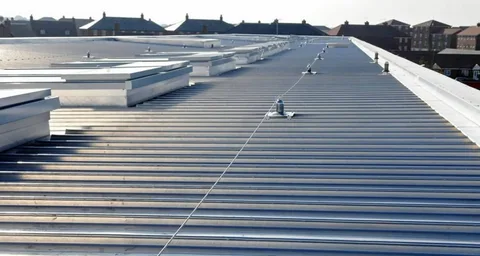
Which Commercial Roofing Materials Are Best for Extreme Weather?
When it comes to safeguarding your commercial property against extreme weather, selecting the right commercial roofing materials is crucial. Whether you're dealing with intense sun, heavy snowfall, or severe winds, the roof over your business must withstand these challenges. This blog post delves into the best commercial roofing options designed to endure extreme weather conditions. Understanding the strengths and weaknesses of each material will help you make an informed decision that ensures long-lasting protection for your property. <br>Understanding the Importance of Weather-Resistant Roofing <br>In regions prone to extreme weather conditions, the durability and resilience of your roofing material become paramount. A well-chosen roof not only protects your building but also enhances its energy efficiency, reducing overall operational costs. Investing in high-quality commercial roofing materials ensures that your business remains operational and safe, no matter the weather outside. <br>Key Factors to Consider for Extreme Weather Roofing <br>Before diving into specific materials, it’s essential to understand the key factors that make a roofing material suitable for extreme weather. Here are some crucial aspects to consider: <br>Durability: The material should be able to withstand harsh conditions like heavy snow, strong winds, and intense UV rays. <br>Thermal Resistance: In regions with extreme temperature fluctuations, the roofing material should offer good insulation to maintain a consistent internal temperature. <br>Water Resistance: For areas prone to heavy rainfall or snow, the material must provide excellent water resistance to prevent leaks and water damage. <br>Wind Resistance: High wind speeds can damage roofs that are not properly secured or made from inferior materials. The roofing material should have a high wind resistance rating. <br>Energy Efficiency: In hot climates, the roofing material should reflect heat to keep the building cool, thereby reducing energy costs. <br>Top Commercial Roofing Materials for Extreme Weather <br>1. Metal Roofing <br>Metal roofing is a popular choice for commercial buildings, especially in areas with severe weather conditions. It’s known for its durability and longevity, often lasting up to 50 years or more with proper maintenance. Metal roofs are highly resistant to wind, making them ideal for regions prone to hurricanes or tornadoes. Additionally, metal reflects sunlight, reducing the heat absorbed by the building and helping to lower energy costs. <br>Pros: <br>Exceptional durability and long lifespan. <br>High wind and fire resistance. <br>Reflective surface reduces cooling costs. <br>Low maintenance requirements. <br>Cons: <br>Can be noisy during rain or hailstorms without proper insulation. <br>Higher upfront costs compared to other materials. <br>2. EPDM Roofing <br>EPDM (Ethylene Propylene Diene Monomer) roofing is a type of synthetic rubber commonly used in commercial roofing. Its flexibility and resilience make it suitable for a wide range of weather conditions. EPDM is highly resistant to UV rays, ozone, and severe weather, making it an excellent choice for regions with extreme heat or cold. It’s also easy to install and repair, which can be a cost-saving benefit. <br>Pros: <br>Excellent resistance to UV radiation and extreme temperatures. <br>Flexible and can withstand thermal expansion and contraction. <br>Relatively easy and cost-effective to install and repair. <br>Good lifespan of 20-30 years with proper maintenance. <br>Cons: <br>Can be prone to punctures from sharp objects or heavy foot traffic. <br>Black EPDM absorbs heat, which may increase cooling costs unless a reflective coating is applied. <br>3. TPO Roofing <br>TPO (Thermoplastic Olefin) roofing is a single-ply membrane that offers a balance of durability, cost-effectiveness, and energy efficiency. TPO is highly reflective, making it an excellent choice for buildings in hot climates. Its heat-welded seams provide strong resistance against leaks, and it’s also resistant to punctures, tears, and microbial growth. TPO roofing is suitable for a variety of commercial applications, especially in areas with fluctuating temperatures and heavy rainfall. <br>Pros: <br>Highly reflective, reducing cooling costs. <br>Seamless installation reduces the risk of leaks. <br>Resistant to punctures and tears. <br>Energy-efficient and environmentally friendly. <br>Cons: <br>Shorter lifespan compared to other materials, typically around 15-20 years. <br>Can be prone to shrinkage over time, leading to potential leaks if not properly maintained. <br>4. Modified Bitumen Roofing <br>Modified bitumen roofing is an asphalt-based material that has been reinforced with either polyester or fiberglass. It’s known for its robustness and ability to withstand harsh weather conditions, making it a reliable option for commercial buildings. Modified bitumen roofs are highly resistant to water, and their layered installation provides excellent protection against leaks. This material is also flexible, allowing it to adapt to temperature changes without cracking. <br>Pros: <br>Strong resistance to water and leaks. <br>Flexible and can handle temperature fluctuations. <br>Easy to <br>install and repair, making it a cost-effective option. <br>Suitable for both hot and cold climates due to its adaptability. <br>Cons: <br>Shorter lifespan compared to materials like metal or EPDM, typically lasting 10-20 years. <br>Requires regular maintenance to ensure longevity. <br>Can be prone to UV damage unless a protective coating is applied. <br>5. PVC Roofing <br>PVC (Polyvinyl Chloride) roofing is a single-ply membrane that offers superior protection against a variety of extreme weather conditions. It is especially known for its resistance to chemical damage, fire, and high winds. PVC roofing is also energy-efficient, thanks to its reflective surface, which helps to keep buildings cool. This makes it a popular choice for commercial properties in hot climates. Additionally, PVC is durable and has a long lifespan, often exceeding 20 years with proper maintenance. <br>Pros: <br>Excellent resistance to fire, chemicals, and high winds. <br>Highly reflective, contributing to energy savings. <br>Durable with a long lifespan. <br>Resistant to punctures and tears. <br>Cons: <br>Higher initial cost compared to some other roofing materials. <br>Can become brittle over time in extremely cold climates. <br>Requires professional installation to ensure proper performance. <br>Choosing the Right Roofing Material for Your Business <br>Selecting the ideal commercial roofing materials for your business depends on several factors, including the specific weather conditions in your area, your budget, and the long-term goals for your property. For businesses located in regions with extreme weather, it's essential to prioritize materials that offer durability, weather resistance, and energy efficiency. <br>Key Considerations: <br>Climate: Assess the predominant weather patterns in your area, such as extreme heat, cold, wind, or precipitation. Choose a material that excels in handling these conditions. <br>Building Design: The design and structure of your commercial building may influence your roofing material choice. Flat roofs, for instance, may benefit from materials like TPO or PVC. <br>Maintenance Requirements: Consider the maintenance needs of each material. Some materials, like metal roofing, require less frequent maintenance than others. <br>Budget: Balance the initial cost of the roofing material with its long-term benefits, including lifespan, maintenance costs, and energy savings. <br>Location-Specific Considerations for Commercial Roofing in Twin Falls, Idaho <br>Twin Falls, Idaho, experiences a range of weather conditions, from hot summers to cold, snowy winters. This diverse climate necessitates a roofing material that can perform well in both extremes. <br>Recommended Materials for Twin Falls: <br>Metal Roofing: Given its durability and ability to reflect heat, metal roofing is a strong candidate for Twin Falls' varied climate. <br>EPDM Roofing: Its flexibility and resistance to temperature fluctuations make EPDM suitable for Twin Falls, especially for buildings with flat roofs. <br>TPO Roofing: The reflective properties of TPO roofing can help combat the summer heat, while its durability ensures protection during winter storms. <br>When selecting a roofing material for your Twin Falls property, consider how each option will perform throughout the year. The right choice will not only protect your building but also contribute to its energy efficiency and overall value. <br>FAQs About Commercial Roofing Materials <br>Q1: How long do commercial roofing materials typically last? <br>A: The lifespan of commercial roofing materials varies depending on the type and quality. Metal roofing can last 40-50 years, while EPDM and TPO typically last 15-30 years with proper maintenance. Modified bitumen and PVC roofs also offer durability, with lifespans ranging from 10 to over 20 years. <br>Q2: Which roofing material is best for energy efficiency? <br>A: TPO and PVC roofing materials are highly reflective, making them excellent choices for energy efficiency. These materials reflect sunlight, reducing the heat absorbed by the building and helping to lower cooling costs. <br>Q3: How often should I maintain my commercial roof? <br>A: Regular maintenance is essential for prolonging the life of your commercial roof. It's recommended to have your roof inspected at least twice a year, ideally in the spring and fall. Additionally, you should schedule inspections after any major weather events, such as storms or heavy snowfall. <br>Q4: Can I install a new roofing material over an existing roof? <br>A: In some cases, it is possible to install a new roofing material over an existing one, but this depends on the condition of the current roof and local building codes. It's important to consult with a professional roofing contractor to assess the feasibility of this option. <br>Q5: What are the signs that my commercial roof needs replacement? <br>A: Signs that your commercial roof may need replacement include frequent leaks, visible damage (such as cracks or punctures), pooling water, and significant wear and tear. If your roof is nearing the end of its expected lifespan, it's wise to consider replacement to avoid costly repairs down the line. <br>Conclusion <br>Choosing the right commercial roofing materials is a critical decision that can significantly impact the longevity and safety of your commercial property. By selecting materials that are designed to withstand extreme weather conditions, you can ensure that your business remains protected and operational, regardless of the climate. <br>For businesses in Twin Falls, Idaho, and surrounding areas like Burley, Rupert, American Falls, Hagerman, and Buhl, it's essential to consider both the immediate and long-term benefits of each roofing material. Whether you opt for the durability of metal, the flexibility of EPDM, or the energy efficiency of TPO or PVC, investing in high-quality roofing materials is a smart move for any commercial property owner. <br>For professional guidance on selecting and installing the best roofing materials for your business, contact Valley Spray Works at (208) 539-5281. Their experienced team will help you choose the ideal solution tailored to your specific needs and ensure your property is equipped to handle even the most extreme weather conditions.
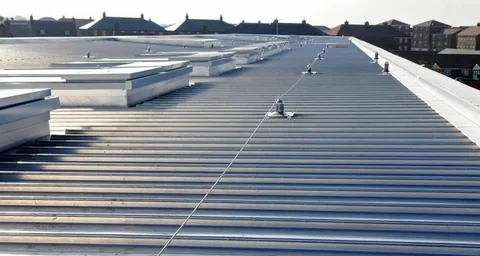
Which Commercial Roofing Materials Are Best for Extreme Weather?
When it comes to safeguarding your commercial property against extreme weather, selecting the right commercial roofing materials is crucial. Whether you're dealing with intense sun, heavy snowfall, or severe winds, the roof over your business must withstand these challenges. This blog post delves into the best commercial roofing options designed to endure extreme weather conditions. Understanding the strengths and weaknesses of each material will help you make an informed decision that ensures long-lasting protection for your property. <br>Understanding the Importance of Weather-Resistant Roofing <br>In regions prone to extreme weather conditions, the durability and resilience of your roofing material become paramount. A well-chosen roof not only protects your building but also enhances its energy efficiency, reducing overall operational costs. Investing in high-quality commercial roofing materials ensures that your business remains operational and safe, no matter the weather outside. <br>Key Factors to Consider for Extreme Weather Roofing <br>Before diving into specific materials, it’s essential to understand the key factors that make a roofing material suitable for extreme weather. Here are some crucial aspects to consider: <br>Durability: The material should be able to withstand harsh conditions like heavy snow, strong winds, and intense UV rays. <br>Thermal Resistance: In regions with extreme temperature fluctuations, the roofing material should offer good insulation to maintain a consistent internal temperature. <br>Water Resistance: For areas prone to heavy rainfall or snow, the material must provide excellent water resistance to prevent leaks and water damage. <br>Wind Resistance: High wind speeds can damage roofs that are not properly secured or made from inferior materials. The roofing material should have a high wind resistance rating. <br>Energy Efficiency: In hot climates, the roofing material should reflect heat to keep the building cool, thereby reducing energy costs. <br>Top Commercial Roofing Materials for Extreme Weather <br>1. Metal Roofing <br>Metal roofing is a popular choice for commercial buildings, especially in areas with severe weather conditions. It’s known for its durability and longevity, often lasting up to 50 years or more with proper maintenance. Metal roofs are highly resistant to wind, making them ideal for regions prone to hurricanes or tornadoes. Additionally, metal reflects sunlight, reducing the heat absorbed by the building and helping to lower energy costs. <br>Pros: <br>Exceptional durability and long lifespan. <br>High wind and fire resistance. <br>Reflective surface reduces cooling costs. <br>Low maintenance requirements. <br>Cons: <br>Can be noisy during rain or hailstorms without proper insulation. <br>Higher upfront costs compared to other materials. <br>2. EPDM Roofing <br>EPDM (Ethylene Propylene Diene Monomer) roofing is a type of synthetic rubber commonly used in commercial roofing. Its flexibility and resilience make it suitable for a wide range of weather conditions. EPDM is highly resistant to UV rays, ozone, and severe weather, making it an excellent choice for regions with extreme heat or cold. It’s also easy to install and repair, which can be a cost-saving benefit. <br>Pros: <br>Excellent resistance to UV radiation and extreme temperatures. <br>Flexible and can withstand thermal expansion and contraction. <br>Relatively easy and cost-effective to install and repair. <br>Good lifespan of 20-30 years with proper maintenance. <br>Cons: <br>Can be prone to punctures from sharp objects or heavy foot traffic. <br>Black EPDM absorbs heat, which may increase cooling costs unless a reflective coating is applied. <br>3. TPO Roofing <br>TPO (Thermoplastic Olefin) roofing is a single-ply membrane that offers a balance of durability, cost-effectiveness, and energy efficiency. TPO is highly reflective, making it an excellent choice for buildings in hot climates. Its heat-welded seams provide strong resistance against leaks, and it’s also resistant to punctures, tears, and microbial growth. TPO roofing is suitable for a variety of commercial applications, especially in areas with fluctuating temperatures and heavy rainfall. <br>Pros: <br>Highly reflective, reducing cooling costs. <br>Seamless installation reduces the risk of leaks. <br>Resistant to punctures and tears. <br>Energy-efficient and environmentally friendly. <br>Cons: <br>Shorter lifespan compared to other materials, typically around 15-20 years. <br>Can be prone to shrinkage over time, leading to potential leaks if not properly maintained. <br>4. Modified Bitumen Roofing <br>Modified bitumen roofing is an asphalt-based material that has been reinforced with either polyester or fiberglass. It’s known for its robustness and ability to withstand harsh weather conditions, making it a reliable option for commercial buildings. Modified bitumen roofs are highly resistant to water, and their layered installation provides excellent protection against leaks. This material is also flexible, allowing it to adapt to temperature changes without cracking. <br>Pros: <br>Strong resistance to water and leaks. <br>Flexible and can handle temperature fluctuations. <br>Easy to <br>install and repair, making it a cost-effective option. <br>Suitable for both hot and cold climates due to its adaptability. <br>Cons: <br>Shorter lifespan compared to materials like metal or EPDM, typically lasting 10-20 years. <br>Requires regular maintenance to ensure longevity. <br>Can be prone to UV damage unless a protective coating is applied. <br>5. PVC Roofing <br>PVC (Polyvinyl Chloride) roofing is a single-ply membrane that offers superior protection against a variety of extreme weather conditions. It is especially known for its resistance to chemical damage, fire, and high winds. PVC roofing is also energy-efficient, thanks to its reflective surface, which helps to keep buildings cool. This makes it a popular choice for commercial properties in hot climates. Additionally, PVC is durable and has a long lifespan, often exceeding 20 years with proper maintenance. <br>Pros: <br>Excellent resistance to fire, chemicals, and high winds. <br>Highly reflective, contributing to energy savings. <br>Durable with a long lifespan. <br>Resistant to punctures and tears. <br>Cons: <br>Higher initial cost compared to some other roofing materials. <br>Can become brittle over time in extremely cold climates. <br>Requires professional installation to ensure proper performance. <br>Choosing the Right Roofing Material for Your Business <br>Selecting the ideal commercial roofing materials for your business depends on several factors, including the specific weather conditions in your area, your budget, and the long-term goals for your property. For businesses located in regions with extreme weather, it's essential to prioritize materials that offer durability, weather resistance, and energy efficiency. <br>Key Considerations: <br>Climate: Assess the predominant weather patterns in your area, such as extreme heat, cold, wind, or precipitation. Choose a material that excels in handling these conditions. <br>Building Design: The design and structure of your commercial building may influence your roofing material choice. Flat roofs, for instance, may benefit from materials like TPO or PVC. <br>Maintenance Requirements: Consider the maintenance needs of each material. Some materials, like metal roofing, require less frequent maintenance than others. <br>Budget: Balance the initial cost of the roofing material with its long-term benefits, including lifespan, maintenance costs, and energy savings. <br>Location-Specific Considerations for Commercial Roofing in Twin Falls, Idaho <br>Twin Falls, Idaho, experiences a range of weather conditions, from hot summers to cold, snowy winters. This diverse climate necessitates a roofing material that can perform well in both extremes. <br>Recommended Materials for Twin Falls: <br>Metal Roofing: Given its durability and ability to reflect heat, metal roofing is a strong candidate for Twin Falls' varied climate. <br>EPDM Roofing: Its flexibility and resistance to temperature fluctuations make EPDM suitable for Twin Falls, especially for buildings with flat roofs. <br>TPO Roofing: The reflective properties of TPO roofing can help combat the summer heat, while its durability ensures protection during winter storms. <br>When selecting a roofing material for your Twin Falls property, consider how each option will perform throughout the year. The right choice will not only protect your building but also contribute to its energy efficiency and overall value. <br>FAQs About Commercial Roofing Materials <br>Q1: How long do commercial roofing materials typically last? <br>A: The lifespan of commercial roofing materials varies depending on the type and quality. Metal roofing can last 40-50 years, while EPDM and TPO typically last 15-30 years with proper maintenance. Modified bitumen and PVC roofs also offer durability, with lifespans ranging from 10 to over 20 years. <br>Q2: Which roofing material is best for energy efficiency? <br>A: TPO and PVC roofing materials are highly reflective, making them excellent choices for energy efficiency. These materials reflect sunlight, reducing the heat absorbed by the building and helping to lower cooling costs. <br>Q3: How often should I maintain my commercial roof? <br>A: Regular maintenance is essential for prolonging the life of your commercial roof. It's recommended to have your roof inspected at least twice a year, ideally in the spring and fall. Additionally, you should schedule inspections after any major weather events, such as storms or heavy snowfall. <br>Q4: Can I install a new roofing material over an existing roof? <br>A: In some cases, it is possible to install a new roofing material over an existing one, but this depends on the condition of the current roof and local building codes. It's important to consult with a professional roofing contractor to assess the feasibility of this option. <br>Q5: What are the signs that my commercial roof needs replacement? <br>A: Signs that your commercial roof may need replacement include frequent leaks, visible damage (such as cracks or punctures), pooling water, and significant wear and tear. If your roof is nearing the end of its expected lifespan, it's wise to consider replacement to avoid costly repairs down the line. <br>Conclusion <br>Choosing the right commercial roofing materials is a critical decision that can significantly impact the longevity and safety of your commercial property. By selecting materials that are designed to withstand extreme weather conditions, you can ensure that your business remains protected and operational, regardless of the climate. <br>For businesses in Twin Falls, Idaho, and surrounding areas like Burley, Rupert, American Falls, Hagerman, and Buhl, it's essential to consider both the immediate and long-term benefits of each roofing material. Whether you opt for the durability of metal, the flexibility of EPDM, or the energy efficiency of TPO or PVC, investing in high-quality roofing materials is a smart move for any commercial property owner. <br>For professional guidance on selecting and installing the best roofing materials for your business, contact Valley Spray Works at (208) 539-5281. Their experienced team will help you choose the ideal solution tailored to your specific needs and ensure your property is equipped to handle even the most extreme weather conditions.
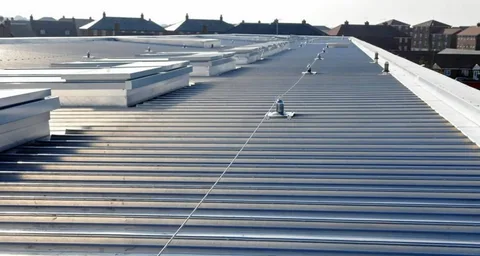
Which Commercial Roofing Materials Are Best for Extreme Weather?
When it comes to safeguarding your commercial property against extreme weather, selecting the right commercial roofing materials is crucial. Whether you're dealing with intense sun, heavy snowfall, or severe winds, the roof over your business must withstand these challenges. This blog post delves into the best commercial roofing options designed to endure extreme weather conditions. Understanding the strengths and weaknesses of each material will help you make an informed decision that ensures long-lasting protection for your property. <br>Understanding the Importance of Weather-Resistant Roofing <br>In regions prone to extreme weather conditions, the durability and resilience of your roofing material become paramount. A well-chosen roof not only protects your building but also enhances its energy efficiency, reducing overall operational costs. Investing in high-quality commercial roofing materials ensures that your business remains operational and safe, no matter the weather outside. <br>Key Factors to Consider for Extreme Weather Roofing <br>Before diving into specific materials, it’s essential to understand the key factors that make a roofing material suitable for extreme weather. Here are some crucial aspects to consider: <br>Durability: The material should be able to withstand harsh conditions like heavy snow, strong winds, and intense UV rays. <br>Thermal Resistance: In regions with extreme temperature fluctuations, the roofing material should offer good insulation to maintain a consistent internal temperature. <br>Water Resistance: For areas prone to heavy rainfall or snow, the material must provide excellent water resistance to prevent leaks and water damage. <br>Wind Resistance: High wind speeds can damage roofs that are not properly secured or made from inferior materials. The roofing material should have a high wind resistance rating. <br>Energy Efficiency: In hot climates, the roofing material should reflect heat to keep the building cool, thereby reducing energy costs. <br>Top Commercial Roofing Materials for Extreme Weather <br>1. Metal Roofing <br>Metal roofing is a popular choice for commercial buildings, especially in areas with severe weather conditions. It’s known for its durability and longevity, often lasting up to 50 years or more with proper maintenance. Metal roofs are highly resistant to wind, making them ideal for regions prone to hurricanes or tornadoes. Additionally, metal reflects sunlight, reducing the heat absorbed by the building and helping to lower energy costs. <br>Pros: <br>Exceptional durability and long lifespan. <br>High wind and fire resistance. <br>Reflective surface reduces cooling costs. <br>Low maintenance requirements. <br>Cons: <br>Can be noisy during rain or hailstorms without proper insulation. <br>Higher upfront costs compared to other materials. <br>2. EPDM Roofing <br>EPDM (Ethylene Propylene Diene Monomer) roofing is a type of synthetic rubber commonly used in commercial roofing. Its flexibility and resilience make it suitable for a wide range of weather conditions. EPDM is highly resistant to UV rays, ozone, and severe weather, making it an excellent choice for regions with extreme heat or cold. It’s also easy to install and repair, which can be a cost-saving benefit. <br>Pros: <br>Excellent resistance to UV radiation and extreme temperatures. <br>Flexible and can withstand thermal expansion and contraction. <br>Relatively easy and cost-effective to install and repair. <br>Good lifespan of 20-30 years with proper maintenance. <br>Cons: <br>Can be prone to punctures from sharp objects or heavy foot traffic. <br>Black EPDM absorbs heat, which may increase cooling costs unless a reflective coating is applied. <br>3. TPO Roofing <br>TPO (Thermoplastic Olefin) roofing is a single-ply membrane that offers a balance of durability, cost-effectiveness, and energy efficiency. TPO is highly reflective, making it an excellent choice for buildings in hot climates. Its heat-welded seams provide strong resistance against leaks, and it’s also resistant to punctures, tears, and microbial growth. TPO roofing is suitable for a variety of commercial applications, especially in areas with fluctuating temperatures and heavy rainfall. <br>Pros: <br>Highly reflective, reducing cooling costs. <br>Seamless installation reduces the risk of leaks. <br>Resistant to punctures and tears. <br>Energy-efficient and environmentally friendly. <br>Cons: <br>Shorter lifespan compared to other materials, typically around 15-20 years. <br>Can be prone to shrinkage over time, leading to potential leaks if not properly maintained. <br>4. Modified Bitumen Roofing <br>Modified bitumen roofing is an asphalt-based material that has been reinforced with either polyester or fiberglass. It’s known for its robustness and ability to withstand harsh weather conditions, making it a reliable option for commercial buildings. Modified bitumen roofs are highly resistant to water, and their layered installation provides excellent protection against leaks. This material is also flexible, allowing it to adapt to temperature changes without cracking. <br>Pros: <br>Strong resistance to water and leaks. <br>Flexible and can handle temperature fluctuations. <br>Easy to <br>install and repair, making it a cost-effective option. <br>Suitable for both hot and cold climates due to its adaptability. <br>Cons: <br>Shorter lifespan compared to materials like metal or EPDM, typically lasting 10-20 years. <br>Requires regular maintenance to ensure longevity. <br>Can be prone to UV damage unless a protective coating is applied. <br>5. PVC Roofing <br>PVC (Polyvinyl Chloride) roofing is a single-ply membrane that offers superior protection against a variety of extreme weather conditions. It is especially known for its resistance to chemical damage, fire, and high winds. PVC roofing is also energy-efficient, thanks to its reflective surface, which helps to keep buildings cool. This makes it a popular choice for commercial properties in hot climates. Additionally, PVC is durable and has a long lifespan, often exceeding 20 years with proper maintenance. <br>Pros: <br>Excellent resistance to fire, chemicals, and high winds. <br>Highly reflective, contributing to energy savings. <br>Durable with a long lifespan. <br>Resistant to punctures and tears. <br>Cons: <br>Higher initial cost compared to some other roofing materials. <br>Can become brittle over time in extremely cold climates. <br>Requires professional installation to ensure proper performance. <br>Choosing the Right Roofing Material for Your Business <br>Selecting the ideal commercial roofing materials for your business depends on several factors, including the specific weather conditions in your area, your budget, and the long-term goals for your property. For businesses located in regions with extreme weather, it's essential to prioritize materials that offer durability, weather resistance, and energy efficiency. <br>Key Considerations: <br>Climate: Assess the predominant weather patterns in your area, such as extreme heat, cold, wind, or precipitation. Choose a material that excels in handling these conditions. <br>Building Design: The design and structure of your commercial building may influence your roofing material choice. Flat roofs, for instance, may benefit from materials like TPO or PVC. <br>Maintenance Requirements: Consider the maintenance needs of each material. Some materials, like metal roofing, require less frequent maintenance than others. <br>Budget: Balance the initial cost of the roofing material with its long-term benefits, including lifespan, maintenance costs, and energy savings. <br>Location-Specific Considerations for Commercial Roofing in Twin Falls, Idaho <br>Twin Falls, Idaho, experiences a range of weather conditions, from hot summers to cold, snowy winters. This diverse climate necessitates a roofing material that can perform well in both extremes. <br>Recommended Materials for Twin Falls: <br>Metal Roofing: Given its durability and ability to reflect heat, metal roofing is a strong candidate for Twin Falls' varied climate. <br>EPDM Roofing: Its flexibility and resistance to temperature fluctuations make EPDM suitable for Twin Falls, especially for buildings with flat roofs. <br>TPO Roofing: The reflective properties of TPO roofing can help combat the summer heat, while its durability ensures protection during winter storms. <br>When selecting a roofing material for your Twin Falls property, consider how each option will perform throughout the year. The right choice will not only protect your building but also contribute to its energy efficiency and overall value. <br>FAQs About Commercial Roofing Materials <br>Q1: How long do commercial roofing materials typically last? <br>A: The lifespan of commercial roofing materials varies depending on the type and quality. Metal roofing can last 40-50 years, while EPDM and TPO typically last 15-30 years with proper maintenance. Modified bitumen and PVC roofs also offer durability, with lifespans ranging from 10 to over 20 years. <br>Q2: Which roofing material is best for energy efficiency? <br>A: TPO and PVC roofing materials are highly reflective, making them excellent choices for energy efficiency. These materials reflect sunlight, reducing the heat absorbed by the building and helping to lower cooling costs. <br>Q3: How often should I maintain my commercial roof? <br>A: Regular maintenance is essential for prolonging the life of your commercial roof. It's recommended to have your roof inspected at least twice a year, ideally in the spring and fall. Additionally, you should schedule inspections after any major weather events, such as storms or heavy snowfall. <br>Q4: Can I install a new roofing material over an existing roof? <br>A: In some cases, it is possible to install a new roofing material over an existing one, but this depends on the condition of the current roof and local building codes. It's important to consult with a professional roofing contractor to assess the feasibility of this option. <br>Q5: What are the signs that my commercial roof needs replacement? <br>A: Signs that your commercial roof may need replacement include frequent leaks, visible damage (such as cracks or punctures), pooling water, and significant wear and tear. If your roof is nearing the end of its expected lifespan, it's wise to consider replacement to avoid costly repairs down the line. <br>Conclusion <br>Choosing the right commercial roofing materials is a critical decision that can significantly impact the longevity and safety of your commercial property. By selecting materials that are designed to withstand extreme weather conditions, you can ensure that your business remains protected and operational, regardless of the climate. <br>For businesses in Twin Falls, Idaho, and surrounding areas like Burley, Rupert, American Falls, Hagerman, and Buhl, it's essential to consider both the immediate and long-term benefits of each roofing material. Whether you opt for the durability of metal, the flexibility of EPDM, or the energy efficiency of TPO or PVC, investing in high-quality roofing materials is a smart move for any commercial property owner. <br>For professional guidance on selecting and installing the best roofing materials for your business, contact Valley Spray Works at (208) 539-5281. Their experienced team will help you choose the ideal solution tailored to your specific needs and ensure your property is equipped to handle even the most extreme weather conditions.
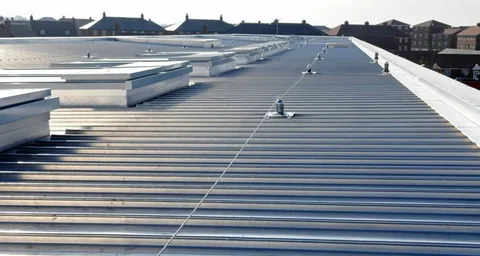
Which Commercial Roofing Materials Are Best for Extreme Weather?
When it comes to safeguarding your commercial property against extreme weather, selecting the right commercial roofing materials is crucial. Whether you're dealing with intense sun, heavy snowfall, or severe winds, the roof over your business must withstand these challenges. This blog post delves into the best commercial roofing options designed to endure extreme weather conditions. Understanding the strengths and weaknesses of each material will help you make an informed decision that ensures long-lasting protection for your property. <br>Understanding the Importance of Weather-Resistant Roofing <br>In regions prone to extreme weather conditions, the durability and resilience of your roofing material become paramount. A well-chosen roof not only protects your building but also enhances its energy efficiency, reducing overall operational costs. Investing in high-quality commercial roofing materials ensures that your business remains operational and safe, no matter the weather outside. <br>Key Factors to Consider for Extreme Weather Roofing <br>Before diving into specific materials, it’s essential to understand the key factors that make a roofing material suitable for extreme weather. Here are some crucial aspects to consider: <br>Durability: The material should be able to withstand harsh conditions like heavy snow, strong winds, and intense UV rays. <br>Thermal Resistance: In regions with extreme temperature fluctuations, the roofing material should offer good insulation to maintain a consistent internal temperature. <br>Water Resistance: For areas prone to heavy rainfall or snow, the material must provide excellent water resistance to prevent leaks and water damage. <br>Wind Resistance: High wind speeds can damage roofs that are not properly secured or made from inferior materials. The roofing material should have a high wind resistance rating. <br>Energy Efficiency: In hot climates, the roofing material should reflect heat to keep the building cool, thereby reducing energy costs. <br>Top Commercial Roofing Materials for Extreme Weather <br>1. Metal Roofing <br>Metal roofing is a popular choice for commercial buildings, especially in areas with severe weather conditions. It’s known for its durability and longevity, often lasting up to 50 years or more with proper maintenance. Metal roofs are highly resistant to wind, making them ideal for regions prone to hurricanes or tornadoes. Additionally, metal reflects sunlight, reducing the heat absorbed by the building and helping to lower energy costs. <br>Pros: <br>Exceptional durability and long lifespan. <br>High wind and fire resistance. <br>Reflective surface reduces cooling costs. <br>Low maintenance requirements. <br>Cons: <br>Can be noisy during rain or hailstorms without proper insulation. <br>Higher upfront costs compared to other materials. <br>2. EPDM Roofing <br>EPDM (Ethylene Propylene Diene Monomer) roofing is a type of synthetic rubber commonly used in commercial roofing. Its flexibility and resilience make it suitable for a wide range of weather conditions. EPDM is highly resistant to UV rays, ozone, and severe weather, making it an excellent choice for regions with extreme heat or cold. It’s also easy to install and repair, which can be a cost-saving benefit. <br>Pros: <br>Excellent resistance to UV radiation and extreme temperatures. <br>Flexible and can withstand thermal expansion and contraction. <br>Relatively easy and cost-effective to install and repair. <br>Good lifespan of 20-30 years with proper maintenance. <br>Cons: <br>Can be prone to punctures from sharp objects or heavy foot traffic. <br>Black EPDM absorbs heat, which may increase cooling costs unless a reflective coating is applied. <br>3. TPO Roofing <br>TPO (Thermoplastic Olefin) roofing is a single-ply membrane that offers a balance of durability, cost-effectiveness, and energy efficiency. TPO is highly reflective, making it an excellent choice for buildings in hot climates. Its heat-welded seams provide strong resistance against leaks, and it’s also resistant to punctures, tears, and microbial growth. TPO roofing is suitable for a variety of commercial applications, especially in areas with fluctuating temperatures and heavy rainfall. <br>Pros: <br>Highly reflective, reducing cooling costs. <br>Seamless installation reduces the risk of leaks. <br>Resistant to punctures and tears. <br>Energy-efficient and environmentally friendly. <br>Cons: <br>Shorter lifespan compared to other materials, typically around 15-20 years. <br>Can be prone to shrinkage over time, leading to potential leaks if not properly maintained. <br>4. Modified Bitumen Roofing <br>Modified bitumen roofing is an asphalt-based material that has been reinforced with either polyester or fiberglass. It’s known for its robustness and ability to withstand harsh weather conditions, making it a reliable option for commercial buildings. Modified bitumen roofs are highly resistant to water, and their layered installation provides excellent protection against leaks. This material is also flexible, allowing it to adapt to temperature changes without cracking. <br>Pros: <br>Strong resistance to water and leaks. <br>Flexible and can handle temperature fluctuations. <br>Easy to <br>install and repair, making it a cost-effective option. <br>Suitable for both hot and cold climates due to its adaptability. <br>Cons: <br>Shorter lifespan compared to materials like metal or EPDM, typically lasting 10-20 years. <br>Requires regular maintenance to ensure longevity. <br>Can be prone to UV damage unless a protective coating is applied. <br>5. PVC Roofing <br>PVC (Polyvinyl Chloride) roofing is a single-ply membrane that offers superior protection against a variety of extreme weather conditions. It is especially known for its resistance to chemical damage, fire, and high winds. PVC roofing is also energy-efficient, thanks to its reflective surface, which helps to keep buildings cool. This makes it a popular choice for commercial properties in hot climates. Additionally, PVC is durable and has a long lifespan, often exceeding 20 years with proper maintenance. <br>Pros: <br>Excellent resistance to fire, chemicals, and high winds. <br>Highly reflective, contributing to energy savings. <br>Durable with a long lifespan. <br>Resistant to punctures and tears. <br>Cons: <br>Higher initial cost compared to some other roofing materials. <br>Can become brittle over time in extremely cold climates. <br>Requires professional installation to ensure proper performance. <br>Choosing the Right Roofing Material for Your Business <br>Selecting the ideal commercial roofing materials for your business depends on several factors, including the specific weather conditions in your area, your budget, and the long-term goals for your property. For businesses located in regions with extreme weather, it's essential to prioritize materials that offer durability, weather resistance, and energy efficiency. <br>Key Considerations: <br>Climate: Assess the predominant weather patterns in your area, such as extreme heat, cold, wind, or precipitation. Choose a material that excels in handling these conditions. <br>Building Design: The design and structure of your commercial building may influence your roofing material choice. Flat roofs, for instance, may benefit from materials like TPO or PVC. <br>Maintenance Requirements: Consider the maintenance needs of each material. Some materials, like metal roofing, require less frequent maintenance than others. <br>Budget: Balance the initial cost of the roofing material with its long-term benefits, including lifespan, maintenance costs, and energy savings. <br>Location-Specific Considerations for Commercial Roofing in Twin Falls, Idaho <br>Twin Falls, Idaho, experiences a range of weather conditions, from hot summers to cold, snowy winters. This diverse climate necessitates a roofing material that can perform well in both extremes. <br>Recommended Materials for Twin Falls: <br>Metal Roofing: Given its durability and ability to reflect heat, metal roofing is a strong candidate for Twin Falls' varied climate. <br>EPDM Roofing: Its flexibility and resistance to temperature fluctuations make EPDM suitable for Twin Falls, especially for buildings with flat roofs. <br>TPO Roofing: The reflective properties of TPO roofing can help combat the summer heat, while its durability ensures protection during winter storms. <br>When selecting a roofing material for your Twin Falls property, consider how each option will perform throughout the year. The right choice will not only protect your building but also contribute to its energy efficiency and overall value. <br>FAQs About Commercial Roofing Materials <br>Q1: How long do commercial roofing materials typically last? <br>A: The lifespan of commercial roofing materials varies depending on the type and quality. Metal roofing can last 40-50 years, while EPDM and TPO typically last 15-30 years with proper maintenance. Modified bitumen and PVC roofs also offer durability, with lifespans ranging from 10 to over 20 years. <br>Q2: Which roofing material is best for energy efficiency? <br>A: TPO and PVC roofing materials are highly reflective, making them excellent choices for energy efficiency. These materials reflect sunlight, reducing the heat absorbed by the building and helping to lower cooling costs. <br>Q3: How often should I maintain my commercial roof? <br>A: Regular maintenance is essential for prolonging the life of your commercial roof. It's recommended to have your roof inspected at least twice a year, ideally in the spring and fall. Additionally, you should schedule inspections after any major weather events, such as storms or heavy snowfall. <br>Q4: Can I install a new roofing material over an existing roof? <br>A: In some cases, it is possible to install a new roofing material over an existing one, but this depends on the condition of the current roof and local building codes. It's important to consult with a professional roofing contractor to assess the feasibility of this option. <br>Q5: What are the signs that my commercial roof needs replacement? <br>A: Signs that your commercial roof may need replacement include frequent leaks, visible damage (such as cracks or punctures), pooling water, and significant wear and tear. If your roof is nearing the end of its expected lifespan, it's wise to consider replacement to avoid costly repairs down the line. <br>Conclusion <br>Choosing the right commercial roofing materials is a critical decision that can significantly impact the longevity and safety of your commercial property. By selecting materials that are designed to withstand extreme weather conditions, you can ensure that your business remains protected and operational, regardless of the climate. <br>For businesses in Twin Falls, Idaho, and surrounding areas like Burley, Rupert, American Falls, Hagerman, and Buhl, it's essential to consider both the immediate and long-term benefits of each roofing material. Whether you opt for the durability of metal, the flexibility of EPDM, or the energy efficiency of TPO or PVC, investing in high-quality roofing materials is a smart move for any commercial property owner. <br>For professional guidance on selecting and installing the best roofing materials for your business, contact Valley Spray Works at (208) 539-5281. Their experienced team will help you choose the ideal solution tailored to your specific needs and ensure your property is equipped to handle even the most extreme weather conditions.
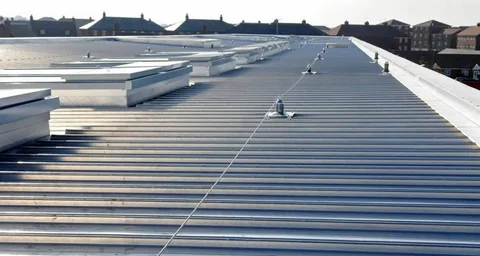
Which Commercial Roofing Materials Are Best for Extreme Weather?
When it comes to safeguarding your commercial property against extreme weather, selecting the right commercial roofing materials is crucial. Whether you're dealing with intense sun, heavy snowfall, or severe winds, the roof over your business must withstand these challenges. This blog post delves into the best commercial roofing options designed to endure extreme weather conditions. Understanding the strengths and weaknesses of each material will help you make an informed decision that ensures long-lasting protection for your property. <br>Understanding the Importance of Weather-Resistant Roofing <br>In regions prone to extreme weather conditions, the durability and resilience of your roofing material become paramount. A well-chosen roof not only protects your building but also enhances its energy efficiency, reducing overall operational costs. Investing in high-quality commercial roofing materials ensures that your business remains operational and safe, no matter the weather outside. <br>Key Factors to Consider for Extreme Weather Roofing <br>Before diving into specific materials, it’s essential to understand the key factors that make a roofing material suitable for extreme weather. Here are some crucial aspects to consider: <br>Durability: The material should be able to withstand harsh conditions like heavy snow, strong winds, and intense UV rays. <br>Thermal Resistance: In regions with extreme temperature fluctuations, the roofing material should offer good insulation to maintain a consistent internal temperature. <br>Water Resistance: For areas prone to heavy rainfall or snow, the material must provide excellent water resistance to prevent leaks and water damage. <br>Wind Resistance: High wind speeds can damage roofs that are not properly secured or made from inferior materials. The roofing material should have a high wind resistance rating. <br>Energy Efficiency: In hot climates, the roofing material should reflect heat to keep the building cool, thereby reducing energy costs. <br>Top Commercial Roofing Materials for Extreme Weather <br>1. Metal Roofing <br>Metal roofing is a popular choice for commercial buildings, especially in areas with severe weather conditions. It’s known for its durability and longevity, often lasting up to 50 years or more with proper maintenance. Metal roofs are highly resistant to wind, making them ideal for regions prone to hurricanes or tornadoes. Additionally, metal reflects sunlight, reducing the heat absorbed by the building and helping to lower energy costs. <br>Pros: <br>Exceptional durability and long lifespan. <br>High wind and fire resistance. <br>Reflective surface reduces cooling costs. <br>Low maintenance requirements. <br>Cons: <br>Can be noisy during rain or hailstorms without proper insulation. <br>Higher upfront costs compared to other materials. <br>2. EPDM Roofing <br>EPDM (Ethylene Propylene Diene Monomer) roofing is a type of synthetic rubber commonly used in commercial roofing. Its flexibility and resilience make it suitable for a wide range of weather conditions. EPDM is highly resistant to UV rays, ozone, and severe weather, making it an excellent choice for regions with extreme heat or cold. It’s also easy to install and repair, which can be a cost-saving benefit. <br>Pros: <br>Excellent resistance to UV radiation and extreme temperatures. <br>Flexible and can withstand thermal expansion and contraction. <br>Relatively easy and cost-effective to install and repair. <br>Good lifespan of 20-30 years with proper maintenance. <br>Cons: <br>Can be prone to punctures from sharp objects or heavy foot traffic. <br>Black EPDM absorbs heat, which may increase cooling costs unless a reflective coating is applied. <br>3. TPO Roofing <br>TPO (Thermoplastic Olefin) roofing is a single-ply membrane that offers a balance of durability, cost-effectiveness, and energy efficiency. TPO is highly reflective, making it an excellent choice for buildings in hot climates. Its heat-welded seams provide strong resistance against leaks, and it’s also resistant to punctures, tears, and microbial growth. TPO roofing is suitable for a variety of commercial applications, especially in areas with fluctuating temperatures and heavy rainfall. <br>Pros: <br>Highly reflective, reducing cooling costs. <br>Seamless installation reduces the risk of leaks. <br>Resistant to punctures and tears. <br>Energy-efficient and environmentally friendly. <br>Cons: <br>Shorter lifespan compared to other materials, typically around 15-20 years. <br>Can be prone to shrinkage over time, leading to potential leaks if not properly maintained. <br>4. Modified Bitumen Roofing <br>Modified bitumen roofing is an asphalt-based material that has been reinforced with either polyester or fiberglass. It’s known for its robustness and ability to withstand harsh weather conditions, making it a reliable option for commercial buildings. Modified bitumen roofs are highly resistant to water, and their layered installation provides excellent protection against leaks. This material is also flexible, allowing it to adapt to temperature changes without cracking. <br>Pros: <br>Strong resistance to water and leaks. <br>Flexible and can handle temperature fluctuations. <br>Easy to <br>install and repair, making it a cost-effective option. <br>Suitable for both hot and cold climates due to its adaptability. <br>Cons: <br>Shorter lifespan compared to materials like metal or EPDM, typically lasting 10-20 years. <br>Requires regular maintenance to ensure longevity. <br>Can be prone to UV damage unless a protective coating is applied. <br>5. PVC Roofing <br>PVC (Polyvinyl Chloride) roofing is a single-ply membrane that offers superior protection against a variety of extreme weather conditions. It is especially known for its resistance to chemical damage, fire, and high winds. PVC roofing is also energy-efficient, thanks to its reflective surface, which helps to keep buildings cool. This makes it a popular choice for commercial properties in hot climates. Additionally, PVC is durable and has a long lifespan, often exceeding 20 years with proper maintenance. <br>Pros: <br>Excellent resistance to fire, chemicals, and high winds. <br>Highly reflective, contributing to energy savings. <br>Durable with a long lifespan. <br>Resistant to punctures and tears. <br>Cons: <br>Higher initial cost compared to some other roofing materials. <br>Can become brittle over time in extremely cold climates. <br>Requires professional installation to ensure proper performance. <br>Choosing the Right Roofing Material for Your Business <br>Selecting the ideal commercial roofing materials for your business depends on several factors, including the specific weather conditions in your area, your budget, and the long-term goals for your property. For businesses located in regions with extreme weather, it's essential to prioritize materials that offer durability, weather resistance, and energy efficiency. <br>Key Considerations: <br>Climate: Assess the predominant weather patterns in your area, such as extreme heat, cold, wind, or precipitation. Choose a material that excels in handling these conditions. <br>Building Design: The design and structure of your commercial building may influence your roofing material choice. Flat roofs, for instance, may benefit from materials like TPO or PVC. <br>Maintenance Requirements: Consider the maintenance needs of each material. Some materials, like metal roofing, require less frequent maintenance than others. <br>Budget: Balance the initial cost of the roofing material with its long-term benefits, including lifespan, maintenance costs, and energy savings. <br>Location-Specific Considerations for Commercial Roofing in Twin Falls, Idaho <br>Twin Falls, Idaho, experiences a range of weather conditions, from hot summers to cold, snowy winters. This diverse climate necessitates a roofing material that can perform well in both extremes. <br>Recommended Materials for Twin Falls: <br>Metal Roofing: Given its durability and ability to reflect heat, metal roofing is a strong candidate for Twin Falls' varied climate. <br>EPDM Roofing: Its flexibility and resistance to temperature fluctuations make EPDM suitable for Twin Falls, especially for buildings with flat roofs. <br>TPO Roofing: The reflective properties of TPO roofing can help combat the summer heat, while its durability ensures protection during winter storms. <br>When selecting a roofing material for your Twin Falls property, consider how each option will perform throughout the year. The right choice will not only protect your building but also contribute to its energy efficiency and overall value. <br>FAQs About Commercial Roofing Materials <br>Q1: How long do commercial roofing materials typically last? <br>A: The lifespan of commercial roofing materials varies depending on the type and quality. Metal roofing can last 40-50 years, while EPDM and TPO typically last 15-30 years with proper maintenance. Modified bitumen and PVC roofs also offer durability, with lifespans ranging from 10 to over 20 years. <br>Q2: Which roofing material is best for energy efficiency? <br>A: TPO and PVC roofing materials are highly reflective, making them excellent choices for energy efficiency. These materials reflect sunlight, reducing the heat absorbed by the building and helping to lower cooling costs. <br>Q3: How often should I maintain my commercial roof? <br>A: Regular maintenance is essential for prolonging the life of your commercial roof. It's recommended to have your roof inspected at least twice a year, ideally in the spring and fall. Additionally, you should schedule inspections after any major weather events, such as storms or heavy snowfall. <br>Q4: Can I install a new roofing material over an existing roof? <br>A: In some cases, it is possible to install a new roofing material over an existing one, but this depends on the condition of the current roof and local building codes. It's important to consult with a professional roofing contractor to assess the feasibility of this option. <br>Q5: What are the signs that my commercial roof needs replacement? <br>A: Signs that your commercial roof may need replacement include frequent leaks, visible damage (such as cracks or punctures), pooling water, and significant wear and tear. If your roof is nearing the end of its expected lifespan, it's wise to consider replacement to avoid costly repairs down the line. <br>Conclusion <br>Choosing the right commercial roofing materials is a critical decision that can significantly impact the longevity and safety of your commercial property. By selecting materials that are designed to withstand extreme weather conditions, you can ensure that your business remains protected and operational, regardless of the climate. <br>For businesses in Twin Falls, Idaho, and surrounding areas like Burley, Rupert, American Falls, Hagerman, and Buhl, it's essential to consider both the immediate and long-term benefits of each roofing material. Whether you opt for the durability of metal, the flexibility of EPDM, or the energy efficiency of TPO or PVC, investing in high-quality roofing materials is a smart move for any commercial property owner. <br>For professional guidance on selecting and installing the best roofing materials for your business, contact Valley Spray Works at (208) 539-5281. Their experienced team will help you choose the ideal solution tailored to your specific needs and ensure your property is equipped to handle even the most extreme weather conditions.
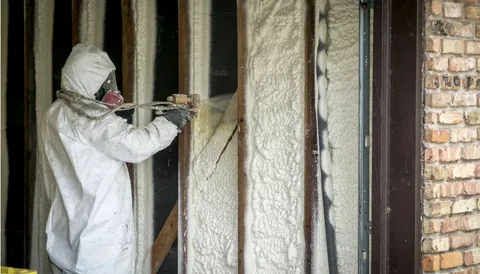
How to Maintain and Care for Your Open-Cell Spray Foam Insulation: 6 Essential Tips
Open-cell spray foam insulation is a popular choice for many homeowners due to its excellent thermal performance and soundproofing qualities. To ensure that this insulation remains effective and lasts for years, it’s important to follow proper maintenance and care practices. Here are six essential tips to keep your open cell spray foam insulation in top condition. <br>1. Regular Inspections <br>Why Inspections Matter <br>Routine inspections are crucial for identifying any potential issues before they become serious problems. Over time, various factors can impact the performance of your open-cell spray foam insulation, such as physical damage, mold growth, or settling. <br>What to Look For <br>Physical Damage: Check for any visible signs of damage, such as tears or punctures. These can compromise the insulation's effectiveness. <br>Mold and Mildew: Inspect for signs of mold or mildew growth, which can occur if moisture infiltrates the insulation. <br>Settling: Ensure that the foam hasn't settled or shifted significantly, which could reduce its insulating properties. <br>When to Inspect <br>It's recommended to perform a thorough inspection at least once a year or after any significant weather events, such as heavy rains or storms. <br>2. Address Moisture Issues Promptly <br>Understanding Moisture Risks <br>Open cell spray foam insulation is more susceptible to moisture compared to closed-cell varieties. Excessive moisture can lead to mold growth and reduced insulation efficiency. <br>How to Prevent Moisture Problems <br>Seal Leaks: Ensure that all potential sources of water leaks are properly sealed. Check for leaks in your roof, windows, and plumbing. <br>Control Humidity: Use dehumidifiers or proper ventilation systems to control indoor humidity levels. <br>Inspect Roof and Gutters: Regularly clean and maintain your roof and gutters to prevent water from seeping into the insulation. <br>Responding to Moisture Issues <br>If you notice any signs of moisture damage, address the problem immediately by fixing leaks and drying out the affected areas. If mold is present, it may be necessary to consult a professional to handle the remediation. <br>3. Clean the Insulation Carefully <br>Why Cleaning is Important <br>Keeping your open cell spray foam insulation clean helps maintain its performance and prevents the buildup of contaminants that could affect its effectiveness. <br>How to Clean <br>Dust and Debris: Gently remove dust and debris from the insulation using a vacuum cleaner with a soft brush attachment. Avoid using harsh chemicals or abrasive tools that could damage the foam. <br>Avoid Water: Do not use water or excessive moisture when cleaning, as this can degrade the insulation material. <br>Frequency of Cleaning <br>Routine cleaning should be done as needed, but it’s generally advisable to clean the insulation at least once a year or when significant dust or debris accumulates. <br>4. Maintain Proper Ventilation <br>Importance of Ventilation <br>Proper ventilation is essential for preventing moisture buildup and ensuring that your open cell spray foam insulation performs optimally. <br>How to Ensure Good Ventilation <br>Use Exhaust Fans: Install and use exhaust fans in areas prone to high moisture levels, such as bathrooms and kitchens. <br>Ensure Airflow: Make sure that air can circulate freely around the insulation and that vents are not blocked or obstructed. <br>Regular Maintenance: Check and clean your ventilation systems regularly to ensure they are functioning correctly. <br>Impact of Poor Ventilation <br>Inadequate ventilation can lead to trapped moisture, which may result in mold growth and a decrease in the insulation's effectiveness. <br>5. Protect the Insulation During Renovations <br>Why Protection is Needed <br>During home renovations or construction work, your open-cell spray foam insulation can be exposed to damage from dust, debris, and other materials. <br>How to Protect Your Insulation <br>Cover the Area: Use protective coverings or barriers to shield the insulation from dust and debris during renovations. <br>Seal Off Areas: If possible, seal off the area with the insulation to prevent contaminants from reaching it. <br>Clean Up Immediately: After renovation work, clean any dust or debris that may have settled on or near the insulation. <br>Post-Renovation Check <br>After renovations are complete, inspect the insulation to ensure it hasn't been damaged and that its performance remains intact. <br>6. Hire a Qualified Contractor for Repairs <br>Why Professional Help is Important <br>If you encounter any issues with your open cell spray foam insulation, it’s best to consult a qualified contractor who specializes in spray foam insulation. They have the expertise and tools to address problems effectively and ensure that the insulation is properly repaired. <br>What to Look For in a Contractor <br>Experience: Choose a contractor with experience in handling open-cell spray foam insulation. <br>Reputation: Look for reviews and testimonials from previous clients to gauge the contractor’s reliability and quality of work. <br>Certifications: Ensure the contractor is certified and follows industry best practices for insulation maintenance and repair. <br>Finding a Qualified Contractor <br>If you require professional assistance, consider reaching out to a trusted contractor who can provide expert service for your open cell spray foam insulation. <br>Conclusion <br>Maintaining and caring for your open-cell spray foam insulation is essential for ensuring its longevity and performance. Regular inspections, prompt attention to moisture issues, careful cleaning, proper ventilation, protection during renovations, and hiring a qualified contractor are key steps to keep your insulation in optimal condition. For expert service and support in Gainesville, Ocala, and Crystal River, Florida, contact R-Factor Sprayfoam Solutions at (352) 663-5905. Their team of professionals is ready to assist with all your insulation needs. <br>FAQ <br>1. How often should I inspect my open cell spray foam insulation? <br>It's advisable to inspect your insulation at least once a year or after significant weather events to identify and address any issues promptly. <br>2. What should I do if I find mold on my open-cell spray foam insulation? <br>If you discover mold, address the underlying moisture issue immediately and consult a professional for mold remediation to ensure safe and effective removal. <br>3. Can I clean open-cell spray foam insulation myself? <br>Yes, you can clean your insulation using a vacuum with a soft brush attachment. Avoid using water or harsh chemicals that could damage the foam. <br>4. How can I prevent moisture problems with my open cell spray foam insulation? <br>Prevent moisture problems by sealing leaks, controlling indoor humidity, and maintaining your roof and gutters to avoid water infiltration. <br>5. What should I do if my open-cell spray foam insulation is damaged during renovations? <br>Protect your insulation during renovations by using barriers and cleaning up dust and debris. If damage occurs, consult a qualified contractor for repairs.
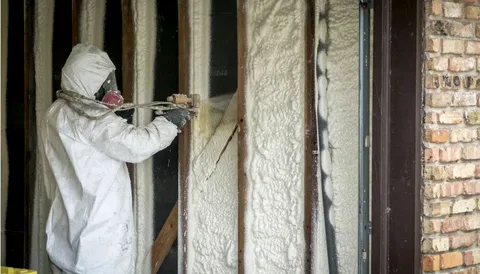
How to Maintain and Care for Your Open-Cell Spray Foam Insulation: 6 Essential Tips
Open-cell spray foam insulation is a popular choice for many homeowners due to its excellent thermal performance and soundproofing qualities. To ensure that this insulation remains effective and lasts for years, it’s important to follow proper maintenance and care practices. Here are six essential tips to keep your open cell spray foam insulation in top condition. <br>1. Regular Inspections <br>Why Inspections Matter <br>Routine inspections are crucial for identifying any potential issues before they become serious problems. Over time, various factors can impact the performance of your open-cell spray foam insulation, such as physical damage, mold growth, or settling. <br>What to Look For <br>Physical Damage: Check for any visible signs of damage, such as tears or punctures. These can compromise the insulation's effectiveness. <br>Mold and Mildew: Inspect for signs of mold or mildew growth, which can occur if moisture infiltrates the insulation. <br>Settling: Ensure that the foam hasn't settled or shifted significantly, which could reduce its insulating properties. <br>When to Inspect <br>It's recommended to perform a thorough inspection at least once a year or after any significant weather events, such as heavy rains or storms. <br>2. Address Moisture Issues Promptly <br>Understanding Moisture Risks <br>Open cell spray foam insulation is more susceptible to moisture compared to closed-cell varieties. Excessive moisture can lead to mold growth and reduced insulation efficiency. <br>How to Prevent Moisture Problems <br>Seal Leaks: Ensure that all potential sources of water leaks are properly sealed. Check for leaks in your roof, windows, and plumbing. <br>Control Humidity: Use dehumidifiers or proper ventilation systems to control indoor humidity levels. <br>Inspect Roof and Gutters: Regularly clean and maintain your roof and gutters to prevent water from seeping into the insulation. <br>Responding to Moisture Issues <br>If you notice any signs of moisture damage, address the problem immediately by fixing leaks and drying out the affected areas. If mold is present, it may be necessary to consult a professional to handle the remediation. <br>3. Clean the Insulation Carefully <br>Why Cleaning is Important <br>Keeping your open cell spray foam insulation clean helps maintain its performance and prevents the buildup of contaminants that could affect its effectiveness. <br>How to Clean <br>Dust and Debris: Gently remove dust and debris from the insulation using a vacuum cleaner with a soft brush attachment. Avoid using harsh chemicals or abrasive tools that could damage the foam. <br>Avoid Water: Do not use water or excessive moisture when cleaning, as this can degrade the insulation material. <br>Frequency of Cleaning <br>Routine cleaning should be done as needed, but it’s generally advisable to clean the insulation at least once a year or when significant dust or debris accumulates. <br>4. Maintain Proper Ventilation <br>Importance of Ventilation <br>Proper ventilation is essential for preventing moisture buildup and ensuring that your open cell spray foam insulation performs optimally. <br>How to Ensure Good Ventilation <br>Use Exhaust Fans: Install and use exhaust fans in areas prone to high moisture levels, such as bathrooms and kitchens. <br>Ensure Airflow: Make sure that air can circulate freely around the insulation and that vents are not blocked or obstructed. <br>Regular Maintenance: Check and clean your ventilation systems regularly to ensure they are functioning correctly. <br>Impact of Poor Ventilation <br>Inadequate ventilation can lead to trapped moisture, which may result in mold growth and a decrease in the insulation's effectiveness. <br>5. Protect the Insulation During Renovations <br>Why Protection is Needed <br>During home renovations or construction work, your open-cell spray foam insulation can be exposed to damage from dust, debris, and other materials. <br>How to Protect Your Insulation <br>Cover the Area: Use protective coverings or barriers to shield the insulation from dust and debris during renovations. <br>Seal Off Areas: If possible, seal off the area with the insulation to prevent contaminants from reaching it. <br>Clean Up Immediately: After renovation work, clean any dust or debris that may have settled on or near the insulation. <br>Post-Renovation Check <br>After renovations are complete, inspect the insulation to ensure it hasn't been damaged and that its performance remains intact. <br>6. Hire a Qualified Contractor for Repairs <br>Why Professional Help is Important <br>If you encounter any issues with your open cell spray foam insulation, it’s best to consult a qualified contractor who specializes in spray foam insulation. They have the expertise and tools to address problems effectively and ensure that the insulation is properly repaired. <br>What to Look For in a Contractor <br>Experience: Choose a contractor with experience in handling open-cell spray foam insulation. <br>Reputation: Look for reviews and testimonials from previous clients to gauge the contractor’s reliability and quality of work. <br>Certifications: Ensure the contractor is certified and follows industry best practices for insulation maintenance and repair. <br>Finding a Qualified Contractor <br>If you require professional assistance, consider reaching out to a trusted contractor who can provide expert service for your open cell spray foam insulation. <br>Conclusion <br>Maintaining and caring for your open-cell spray foam insulation is essential for ensuring its longevity and performance. Regular inspections, prompt attention to moisture issues, careful cleaning, proper ventilation, protection during renovations, and hiring a qualified contractor are key steps to keep your insulation in optimal condition. For expert service and support in Gainesville, Ocala, and Crystal River, Florida, contact R-Factor Sprayfoam Solutions at (352) 663-5905. Their team of professionals is ready to assist with all your insulation needs. <br>FAQ <br>1. How often should I inspect my open cell spray foam insulation? <br>It's advisable to inspect your insulation at least once a year or after significant weather events to identify and address any issues promptly. <br>2. What should I do if I find mold on my open-cell spray foam insulation? <br>If you discover mold, address the underlying moisture issue immediately and consult a professional for mold remediation to ensure safe and effective removal. <br>3. Can I clean open-cell spray foam insulation myself? <br>Yes, you can clean your insulation using a vacuum with a soft brush attachment. Avoid using water or harsh chemicals that could damage the foam. <br>4. How can I prevent moisture problems with my open cell spray foam insulation? <br>Prevent moisture problems by sealing leaks, controlling indoor humidity, and maintaining your roof and gutters to avoid water infiltration. <br>5. What should I do if my open-cell spray foam insulation is damaged during renovations? <br>Protect your insulation during renovations by using barriers and cleaning up dust and debris. If damage occurs, consult a qualified contractor for repairs.
About PattesonSprayfoam's Store
No description provided.
0.0
Customer Reviews
See what others are saying about PattesonSprayfoam's Store. We verify purchases to ensure reviews are genuine.
No reviews yet for this store.