Oct 13, 2026
•
visibility 3
•
21 min read
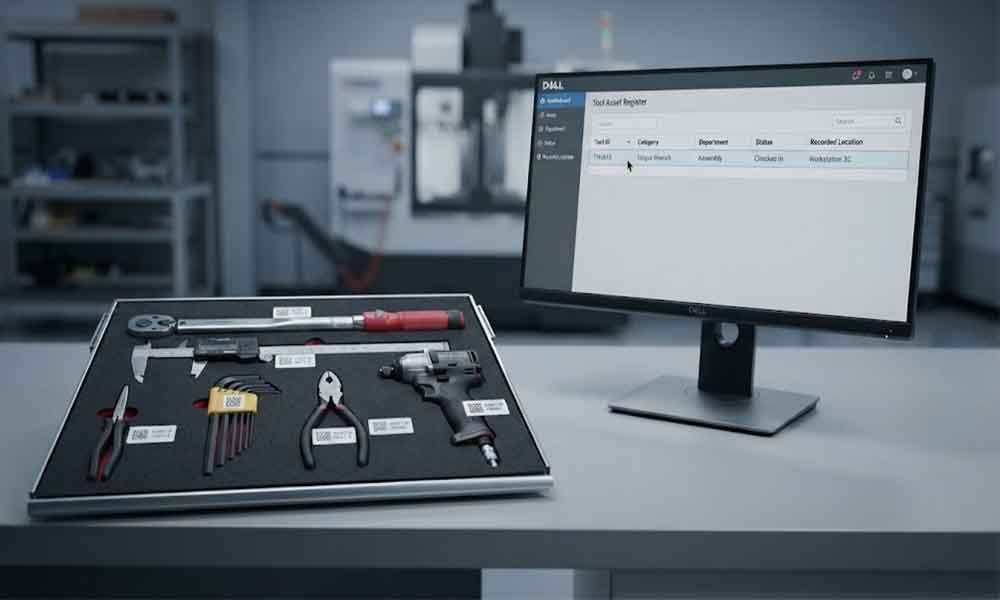
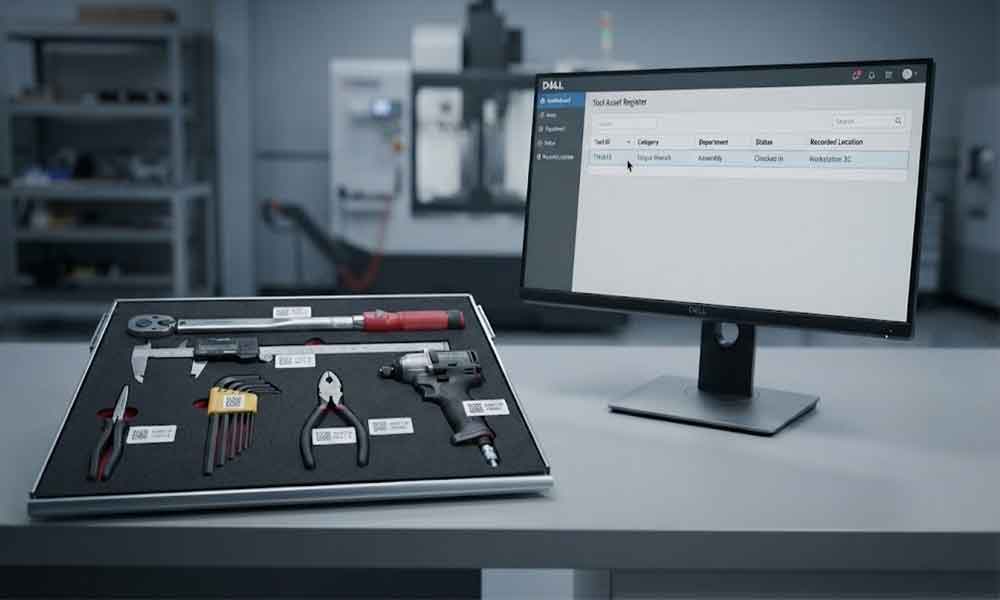
Industrial tools are assets, even when they are too small to appear on a company’s main equipment register. Torque wrenches, measuring instruments, maintenance tools, power tools, and specialized production equipment can all carry a purchase cost and an operational responsibility. When these items move between departments, technicians, workshops, and storage locations, maintaining reliable records becomes difficult.An RFID tool cabinet can help connect physical tools with digital asset records. Instead of relying entirely on spreadsheets or manual sign-out sheets, a company can use RFID identification, cabinet transactions, and management software to improve visibility into tool identity, location, availability, and responsibility.The objective is not simply to count tools. It is to make tool assets easier to identify, manage, audit, and allocate throughout daily operations.What Is RFID Tool Asset Management?RFID tool asset management is the process of identifying, recording, locating, and controlling tools with the help of radio frequency identification technology and connected management software.Each managed tool is associated with a digital record. Depending on the application, this record may contain a tool ID, description, category, department, assigned location, purchase information, responsible user, condition, and maintenance references.An RFID tag provides a way to identify the physical tool. An RFID reader or cabinet reading system detects compatible tags, while software associates the captured identification data with the corresponding asset records.An RFID smart tool cabinet adds a practical control point to this process. It can support tool storage, user authentication, checkout and return recording, and inventory checks. The exact functions depend on the cabinet hardware, software configuration, and integration requirements.For factories managing hundreds or thousands of tools, this connection between physical storage and digital records can make routine asset management more consistent.Why Industrial Tool Assets Are Difficult to ManageMany factories already have an asset register. The problem is that the register does not always reflect what happens on the workshop floor.A spreadsheet may show that a tool belongs to the maintenance department, but the tool could be in a technician’s toolbox, on a production line, awaiting inspection, or temporarily stored in another workshop.These gaps create several practical problems.Asset records become outdatedTools may be transferred between departments without updating their assigned locations. Staff may also replace a damaged tool, change its storage position, or lend it to another team without updating the relevant records.Over time, the asset register and physical inventory can become inconsistent.Responsibility is difficult to establishWhen several technicians share the same equipment, it may be unclear who last checked out a tool or who should return it. This is especially challenging for expensive, specialized, or frequently shared tools.Manual audits consume timeA conventional asset audit may require employees to visit storage locations, read labels, compare serial numbers, and update spreadsheets. If tools are distributed across multiple locations, the work becomes more complicated.Asset availability is not always clearA tool may exist in the asset register but still be unavailable for work. It could be checked out, misplaced, damaged, reserved, or awaiting inspection.For maintenance and production teams, knowing that a tool exists is not enough. They also need to understand its current operational status.How RFID Tool Cabinet Supports Asset ManagementConnect each tool with digital asset recordThe first step is to establish a reliable identity for every managed tool.A tool can receive a unique asset ID and a suitable RFID tag. The corresponding software record stores the tool’s basic information and links the physical item to its digital identity.The record might include the tool category, model, serial number, department, storage location, and asset status. Additional fields can be included when needed.RFID tags do not necessarily need to store all this information themselves. In many deployments, the tag provides an identifier, while the main record remains in the management system.This arrangement makes it easier to update asset information without rewriting the entire record on the physical tag.Improve visibility into tool locationsAn RFID tool cabinet provides a defined location where tools can be stored and identified.When a tool is checked out or returned through a supported workflow, the system can record the transaction and update the associated location or custody information. Where several cabinets are connected to a shared platform, authorized users may be able to view tool records across departments or facilities.However, a cabinet transaction does not automatically prove the exact real-time location of a tool after it leaves the cabinet. If a technician carries the tool to another work area, the system needs an additional recording method or tracking infrastructure to establish its subsequent location.Clear rules for transfers, returns, and temporary storage help keep location records useful.Record tool custody and responsibilityAsset management often requires more than knowing where a tool is stored. Managers also need to know who has taken responsibility for it.A connected cabinet can support user authentication and tool checkout records. Depending on the configuration, a transaction may link a tool, user, timestamp, and cabinet location.These records help supervisors investigate missing tools, review borrowing history, and identify repeated problems in a shared tool room.For high-value assets, permission rules can also restrict access to selected tools or categories. The system should match these rules to actual job responsibilities rather than making access unnecessarily complicated.Make asset inventory easier to maintainRFID identification can reduce the amount of manual work required for routine tool checks.A compatible cabinet may identify multiple tagged tools during an inventory process, depending on the tag design, tool materials, cabinet structure, antenna arrangement, and reading configuration.The resulting records can be compared with the expected inventory to identify discrepancies. Staff can then investigate missing, unexpected, or incorrectly registered tools.RFID does not guarantee perfect reading in every environment. Metal surfaces, closely packed tools, tag orientation, and overlapping read zones can affect performance. Representative tools should be tested before a system is deployed at scale.Connect asset status with daily operationsA tool’s asset record becomes more useful when it reflects operational conditions.For example, a tool may be registered and present in a cabinet but unavailable because it is damaged or overdue for inspection. Another tool may be available but assigned to a different department.A well-designed system can distinguish between statuses such as available, checked out, under maintenance, awaiting inspection, and retired. The exact status model should reflect the company’s operating procedures.Where calibration or maintenance records are important, the asset management system can link to the relevant maintenance or quality software instead of keeping disconnected copies of the same information.What Information Should Tool Asset Record Contain?The required data depends on tool value, risk, usage, and company procedures. A practical starting point is to define a consistent record structure.Asset informationManagement purposeUnique asset IDDistinguishes one tool from anotherRFID tag IDConnects the physical tag with the digital recordTool name and categoryMakes search and reporting easierModel or serial numberSupports identification and verificationAssigned departmentShows organizational responsibilityCurrent recorded locationHelps users find the toolAsset statusShows availability or restrictionsCurrent custodianSupports accountability for checked-out toolsTransaction historyRecords issue, return, and transfer eventsMaintenance or inspection referenceConnects the tool with relevant service recordsPurchase or asset valueSupports financial and replacement reviews where requiredNot every tool needs every field. Adding too many mandatory fields can make registration slow and increase the chance of incomplete records.A better approach is to define the minimum information needed for all tools, then add specialized fields for high-value equipment, calibrated instruments, or tools subject to stricter controls.RFID Tool Cabinets and Enterprise Asset Management SoftwareAn RFID cabinet can manage a defined tool storage and transaction workflow, but larger organizations may already use ERP, CMMS, MES, warehouse software, or an enterprise asset management platform.Integration can connect cabinet activity with these existing records.For example, ERP software may hold purchasing and financial information. A CMMS may manage maintenance activities and work orders. MES software may coordinate production operations. The RFID tool management layer can supply tool identification and transaction events where the interface supports them.Before integration, the project team should define which system owns each data field. If two systems can independently update a tool’s department or status, conflicting records may appear.The technical design should also specify how events are transmitted, how failed synchronization is handled, and how duplicate transactions are prevented. APIs, scheduled data exchange, or other supported interfaces may be appropriate depending on the existing software.A small pilot involving representative tools and actual users is often a practical way to validate these decisions before connecting multiple cabinets.How to Implement RFID Tool Asset ManagementStart with an asset auditReview the existing tool register and compare it with the tools physically available. Identify duplicate records, missing asset IDs, outdated locations, and inconsistent tool names.There is little value in automating a database that already contains major identification problems.Classify tools by management requirementsNot every item needs the same level of control. Frequently shared tools, high-value equipment, precision instruments, and general-purpose hand tools may require different tag types, permissions, and record fields.Classification helps control implementation costs and keeps the workflow appropriate for each tool category.Test tags and cabinet reading performanceSelect representative tools, including metal tools and items with unusual shapes or dense storage arrangements. Test whether the proposed tags can be read reliably in the intended cabinet.Confirm how the system handles multiple tools, unexpected reads, and tools placed close together. Actual test results are more useful than relying on a reader’s maximum advertised range.Define location, custody, and status rulesDecide what happens when a tool is issued, returned, transferred, sent for repair, or retired.For example, a checkout transaction might update custody without changing the tool’s home department. A transfer transaction might change the assigned location. Keeping these meanings separate helps avoid misleading records.Validate reports and integrationBefore full deployment, compare cabinet records with physical checks. Confirm that users can locate tools, supervisors can review transaction histories, and exceptions can be investigated.If the project includes ERP, CMMS, or MES integration, test synchronization failures and record updates as well as the normal workflow.Common Mistakes in Tool Asset Management ProjectsOne common mistake is treating the RFID tag as the complete asset management solution. Identification is important, but useful records also depend on accurate master data, sensible workflows, and consistent user behavior.Another problem is assuming that a tool’s last cabinet transaction provides continuous location tracking. Tools taken to a work area may need separate transfer or return procedures to keep location information current.Companies may also create too many asset statuses or require unnecessary data entry. The resulting process becomes difficult to follow, and employees may work around it.Finally, deploying multiple cabinets before validating the asset data and user workflow can multiply small errors across the organization. A pilot helps reveal these problems while the scope is still manageable.Choosing RFID Tool Cabinet for Asset ManagementWhen evaluating an RFID tool cabinet, review the complete solution rather than the cabinet enclosure alone.Consider whether the cabinet supports the required tool types, RFID tags, authentication methods, inventory workflows, and transaction records. Check how it manages multiple tools, whether it can support several cabinets, and which software interfaces are available.Ask the supplier to demonstrate the actual tools and tags you plan to manage. Clarify what is included in the software, installation, data migration, integration, training, and ongoing support.For an enterprise project, also confirm who owns the asset records, how data can be exported, and what happens if the network or external software becomes unavailable.A suitable solution should improve the company’s existing asset management process rather than simply introduce another disconnected database.ConclusionRFID tool cabinets can help companies connect physical tools with digital asset records, improve visibility into recorded locations and custody, and simplify routine inventory checks. Their value depends on more than RFID hardware: accurate asset data, reliable reading performance, clear operating rules, and suitable software integration are equally important.For industrial teams, the practical goal is to maintain a trustworthy picture of each managed tool: what it is, where it was last recorded, who is responsible for it, and whether it is available for work. Starting with a well-defined pilot gives the organization a realistic basis for improving tool asset management across more departments and locations.For companies planning a wider tool management project, the RFID tool cabinet category provides a starting point for evaluating cabinet options. Teams can also review RFID tool cabinet data management, RFID tool cabinet software integration, and the RFID tool cabinet pilot project guide before selecting a deployment approach.