Best Anti-Aging Serums in France: Discover Your Skincare Essential
Discover the best anti-aging serums in France. Explore anti-wrinkle treatments, retinol and face serum essentials at Luxamour.
Discover, learn, and grow with stories from our ecosystem members.
Discover the best anti-aging serums in France. Explore anti-wrinkle treatments, retinol and face serum essentials at Luxamour.
Articulated Mining Truck Diesel Engine Market Outlook: Market Forecast Through 2034Market outlook: US367.0millionin2025|US380.2 million in 2026 | US$504.0 million by 2034 | CAGR: 3.6% (2026–2034)Market OverviewThe articulated mining truck diesel engine market covers complete compression-ignition engines supplied as original equipment or genuine replacement power units for articulated mining and quarry haul trucks. Typical packages combine a diesel block, turbocharging, fuel injection, engine management, and integrated emissions hardware. The report focuses on diesel power units fitted to articulated off-highway vehicles and excludes complete trucks, separately sold transmissions, fuel, servicing, rigid ultra-class haul-truck engines, and unrelated industrial power units.See the full report: Open report / request sampleKey Findings· 2025 market size: US367.0million;2026estimate:US380.2 million.· 2034 forecast: US$504.0 million, with a 3.6% CAGR during 2026–2034.· Asia represented an estimated 38% of 2025 revenue.· Low to Medium Power (400–700 hp) accounted for an estimated 68% of 2025 Type revenue.· The report covers Type, Technical Route, Structure, Application, and regional demand.Growth DriversDemand is connected to the use of diesel-powered articulated haulers at mining and quarry sites, including operations that require torque response, cooling performance, and off-road capability. The report identifies the importance of low-speed torque, cooling, and emissions compliance in engine selection. Original equipment installations and genuine replacement power units are included. Suppliers combine in-house OEM engine designs with externally sourced power units for different truck platforms.View the report page and request a sample: Open report / request sampleChallengesThe diesel-engine market is defined around complete compression-ignition power units fitted to articulated mining and quarry haul trucks. The report distinguishes engine power bands, technical route, engine structure, and truck application. This allows readers to consider both the output class and the way power is delivered to the vehicle. Operating conditions described in the report include soft haul roads, gradients, and repeated acceleration and braking, which make torque response and cooling performance relevant alongside peak horsepower. The market boundary excludes complete trucks, separately sold transmissions, fuel, servicing, and engines for rigid ultra-class haul trucks. Keeping these categories separate is important for evaluating original-equipment and genuine replacement-engine demand on a consistent basis.The market estimate is limited to diesel engines supplied for articulated mining and quarry trucks. It should not be read as the total market for all diesel engines, industrial power units, or complete mining vehicles.The report also presents the market through its defined regional and segment framework, allowing readers to compare the stated categories using a consistent scope. The estimates and shares in this release are reproduced from the report page and retain their stated base year and forecast period. Readers seeking the underlying assumptions, additional tables, and detailed country coverage can consult the full report page or contact the research provider.Diesel engine demand is affected by fuel prices, emissions requirements, replacement costs, and the development of alternative powertrains. Articulated trucks operate on soft haul roads and gradients with frequent acceleration and braking, placing demands on torque response and cooling. Battery-electric articulated haulers are emerging as a longer-term substitute where charging infrastructure is available. Buyers also need to distinguish complete diesel-engine revenue from whole-truck and transmission revenue.Market SegmentationType: Low to Medium Power (400–700 hp), Medium Power (700–900 hp), and High to Medium Power (900–1100 hp). Technical Route: Mechanical Direct Drive Engine and Diesel-electric Drive Engine. Structure: Inline Engine and V-type Engine. Application: Less than 30 Tons, 30 to 40 Tons (inclusive), and More than 40 Tons.Regional AnalysisAsia was the largest regional market in 2025, accounting for an estimated 38% of revenue. The report provides geographic coverage across five major regions and selected countries. Regional performance is considered alongside the market's product and application segments. The stated regional share is an estimate for 2025 and should be read within the specific product scope of this report.Competitive LandscapeThe report references Caterpillar, Komatsu, Volvo, Bell Equipment, Mercedes-Benz, mtu, and Cummins. Examples include the Komatsu DBA127 engine in the HM460-6, the Caterpillar C18 in the 745, the Mercedes OM471LA power rating listed for Bell B45E, and the Cummins X15 off-highway power rating.Why the Report MattersThe report is useful to diesel-engine manufacturers, articulated-truck OEMs, replacement-engine suppliers, mining and quarry fleet operators, and investors assessing power-unit demand, emissions requirements, technical configurations, and competitive activity.Report LinkExplore the full Articulated Mining Truck Diesel Engine Market report for market estimates, segmentation, regional coverage, and competitive information.View full report / request sample: Open report / request sampleRead the report page for further details on the articulated mining truck diesel engine market market and available report formats.Report and sample enquiry: Open report / request sampleAbout + ContactIntel Market Research provides global market intelligence and strategic research across industry sectors. For report information and enquiries, contact [email protected] or call +91 9169164321.
Health & Wellness
Explore stylish hot tubs featuring customizable massage experiences, innovative spa technology, and comfortable designs created for everyday enjoyment and wellness.
Mumbai is known for its financial markets, corporate offices, banking institutions and rapidly growing technology sector. From digital banking platforms and stock market applications to e-commerce businesses and large corporate networks, the city depends heavily on technology to keep its operations running.But as businesses become more digitally connected, protecting information and systems has become equally important. Cyberattacks, phishing attempts, identity theft and data breaches are no longer concerns limited to large technology companies. Financial institutions, healthcare providers, retail businesses and startups also need professionals who understand digital security.This changing business environment has encouraged many students and working professionals to explore cybersecurity courses in Mumbai as a way to enter the growing information security industry.However, choosing the right programme involves more than learning ethical hacking techniques. Students also need practical exposure, industry guidance and an understanding of how cybersecurity knowledge translates into professional responsibilities.Why Does Mumbai Need More Cybersecurity Professionals?Mumbai's position as a major financial and commercial centre makes digital security particularly important.Banks, insurance companies, fintech businesses, consulting firms and technology organisations regularly handle confidential customer information and financial data. A security incident can affect business operations, customer confidence and an organisation's reputation.Some important areas where cybersecurity plays a role include:Banking and Financial Services: Digital transactions, online banking and financial applications require secure systems to protect customer information.Corporate IT Infrastructure: Large organisations need professionals who can monitor networks, identify vulnerabilities and support information security.E-commerce and Retail: Online businesses must protect payment information, customer accounts and transaction records.Healthcare: Hospitals and healthcare organisations depend on secure digital records and information management systems.These requirements create opportunities for individuals interested in building a career in cybersecurity.What Can You Learn Through Cybersecurity Training?A structured cybersecurity programme helps learners understand how digital systems work, where vulnerabilities can emerge and how organisations approach security.Depending on the curriculum, important learning areas can include:Network Security: Understanding network infrastructure and methods used to protect connected systems.Ethical Hacking: Learning authorised techniques to identify security weaknesses.Vulnerability Assessment: Identifying and evaluating potential weaknesses in applications and networks.Information Security: Understanding how sensitive information is protected from unauthorised access.Security Monitoring: Learning how suspicious activities and potential threats are identified.These concepts help students build a foundation for understanding the responsibilities involved in cybersecurity roles.Career Opportunities After Completing a Cybersecurity Course in MumbaiCybersecurity offers several career paths depending on a candidate's technical knowledge, practical experience and professional interests.Some roles that learners can explore include:Career RoleWhat the Professional DoesCybersecurity AnalystMonitors and investigates potential security threatsSOC AnalystObserves security alerts and supports incident responseEthical HackerPerforms authorised security testingPenetration TesterTests systems to identify exploitable vulnerabilitiesInformation Security AnalystHelps protect organisational informationVulnerability Assessment AnalystIdentifies and documents system weaknessesNetwork Security AssociateSupports secure network operationsFor fresh graduates, entry-level security roles can provide a starting point. IT professionals can also explore specialised cybersecurity responsibilities as part of their career development.Why Practical Exposure Matters More Than Just Learning TheoryImagine understanding how a phishing attack works but not knowing how to recognise suspicious activity in a professional environment. This is one of the gaps that practical cybersecurity training aims to address.Students should look for programmes that encourage them to apply concepts rather than simply memorise definitions.Practical assignments, guided exercises and exposure to security-related scenarios can help learners understand how different security techniques are used.Interview preparation is another important consideration. Technical interviews may involve questions about networking, vulnerabilities, security practices and problem-solving approaches.Mock interviews help students practise explaining their understanding and become more comfortable with recruitment discussions.Choosing the Right Cybersecurity Institute in MumbaiMumbai has several training options, so comparing programmes carefully can help students make a better decision.Before enrolling, consider the following:Industry-Relevant Curriculum: Check whether the programme covers networking, ethical hacking, vulnerability assessment and information security.Individual Mentoring: Access to mentors can help students clarify difficult topics and receive guidance during their learning journey.Doubt-Solving Support: Regular doubt-solving sessions make it easier to revisit technical concepts and strengthen understanding.Internship Opportunities: Internships can provide exposure to professional environments and help students understand workplace expectations.Placement Assistance: Explore the institute's employer network, interview preparation support and recruitment opportunities for eligible students.A combination of these factors can make a cybersecurity programme more valuable than classroom learning alone.Explore Cybersecurity Training at Boston Institute of Analytics, MumbaiFor students looking for cybersecurity training in Mumbai, Boston Institute of Analytics offers a Cybersecurity and Ethical Hacking programme designed to introduce learners to important areas of digital security.The programme combines technical education with career-oriented support to help students prepare for opportunities in the cybersecurity industry.Some of its key features include:One-on-One Mentoring: Students receive individual guidance to discuss learning progress and understand challenging concepts.DoubtBuster Sessions: Dedicated doubt-solving sessions help learners revisit difficult subjects and improve their understanding.Mock Interviews: Interview practice helps students prepare for technical questions and recruitment discussions.Guaranteed Internships: Internship opportunities help learners gain professional exposure and understand how cybersecurity concepts are applied in workplace environments.Campus Connect: Students can interact with mentors and fellow learners, creating opportunities for collaboration and a more engaging learning experience.BIA also provides placement assistance through its employer network. Its cybersecurity placement ecosystem includes companies such as Accenture, IBM, Deloitte, TCS, Infosys, Wipro, Cognizant, Cisco, Capgemini, Microsoft and HCLTech.These employers represent opportunities across IT services, technology, consulting and cybersecurity. Actual recruitment depends on individual eligibility and employer requirements.Final ThoughtsMumbai's growing dependence on digital services has made cybersecurity an important part of business operations. As financial institutions, technology companies and other organisations continue to protect their digital infrastructure, the need for people with relevant security knowledge remains significant.For students and working professionals, exploring cybersecurity courses in Mumbai can be a practical starting point for entering this field.The right programme should combine technical learning with practical exposure, mentoring, internship opportunities and career preparation.With structured training and consistent effort, aspiring professionals can begin developing the knowledge needed to explore opportunities in the cybersecurity industry.
Credit analysis is an essential function in banking and financial services. Before providing loans, extending credit facilities, or financing business expansion, financial institutions evaluate a borrower's financial position, repayment capacity, cash flow, and risk profile. This process helps lenders make informed financing decisions and manage potential credit risks.For individuals interested in building a career in finance, the Best Investment Banking Course in Delhi with Placement Guarantee provides a learning pathway to develop financial analysis, valuation, and analytical skills relevant to the finance industry.What Is Credit Analysis in Finance?Credit analysis is the process of assessing the financial strength and creditworthiness of an individual or business seeking financing. Analysts examine financial statements, income sources, outstanding liabilities, repayment history, and business performance to understand the likelihood of repayment.In corporate finance and investment banking, credit analysis also supports decisions involving corporate loans, debt financing, bonds, and other financial instruments.Important elements of credit analysis include:Financial Position: Evaluating assets, liabilities, equity, and overall financial stability.Cash Flow Analysis: Understanding whether the borrower generates sufficient cash to meet financial obligations.Debt Assessment: Examining existing borrowings and repayment commitments.Profitability: Studying revenue, operating expenses, and profit margins.Industry Analysis: Understanding market conditions and business risks.Credit Risk Evaluation: Assessing the possibility of delayed payments or default.Why Credit Analysis Matters in Banking and Investment BankingFinancial institutions need a clear understanding of credit risk before committing capital. Credit analysis provides a structured approach to evaluating borrowers and financial opportunities.It supports several important activities:Assessing whether a company can repay its loans.Evaluating financial risk before extending credit.Supporting corporate lending and debt financing decisions.Analyzing bonds and fixed-income investments.Understanding the financial health of businesses.Helping lenders establish appropriate credit terms.Investment banking professionals also use credit-related analysis when working on debt capital markets, corporate financing, leveraged transactions, and financial restructuring.Key Methods Used in Credit AnalysisCredit analysts use financial ratios, cash flow calculations, business research, and qualitative assessments to understand a borrower's financial condition.Debt-to-Equity RatioThe debt-to-equity ratio compares a company's total debt with its shareholders' equity. It helps analysts understand how much of the business is financed through borrowing.Interest Coverage RatioThis ratio measures a company's ability to pay interest expenses using its operating earnings. A stronger coverage ratio generally indicates greater capacity to meet interest obligations.Debt Service Coverage RatioThe Debt Service Coverage Ratio (DSCR) compares available cash flow with required debt payments. It helps assess whether a borrower can meet principal and interest commitments.Current RatioThe current ratio compares current assets with current liabilities. It provides an indication of a company's ability to meet short-term financial obligations.Cash Flow AnalysisCash flow analysis examines the money generated and used by a business. It helps analysts understand whether operations generate enough cash to support repayments and ongoing expenses.Essential Skills for Credit Analysis ProfessionalsA career in credit analysis requires financial knowledge, analytical thinking, and the ability to interpret business performance.Financial Statement AnalysisProfessionals need to understand income statements, balance sheets, and cash flow statements. These reports provide important information about a company's financial health.Financial Ratio AnalysisCredit analysts use financial ratios to evaluate liquidity, profitability, leverage, and repayment capacity. Understanding these metrics supports structured financial assessments.Financial ModelingFinancial modeling helps analysts estimate future financial performance and understand how changes in revenue, expenses, interest rates, and debt affect a company's financial position.Industry and Business ResearchA company's creditworthiness is influenced by its industry, competitive position, customer base, and business model. Research helps analysts understand these factors.Risk Assessment and CommunicationCredit professionals need to identify potential risks and communicate their findings through reports, presentations, and financial recommendations.Tools Used in Credit AnalysisFinancial tools help professionals organize data, calculate ratios, build financial models, and present analysis.Microsoft Excel: Used for financial calculations, ratio analysis, forecasting, and reporting.Python: Supports financial data processing and analytical workflows.Power BI: Helps present financial information through interactive dashboards.Tableau: Supports data visualization and financial reporting.Financial Research Platforms: Provide company information, industry data, and financial market insights.Practical knowledge of these tools can help learners prepare for analytical responsibilities in banking and finance.Building Investment Banking Skills in DelhiDelhi has a broad business and financial ecosystem, including banks, consulting firms, financial services companies, corporate finance teams, and professional service organizations. These sectors create opportunities for individuals with financial analysis and business research skills.Students interested in investment banking can develop their knowledge through:Accounting and financial statement analysis.Corporate finance and capital markets.Credit analysis and risk assessment.Financial modeling and business valuation.Debt financing and fixed-income fundamentals.Equity research and investment analysis.Excel, Python, Power BI, and Tableau.A structured learning approach combined with practical assignments can help students understand how financial concepts are applied in professional environments.Investment Banking and Financial Analytics Program at Boston Institute of AnalyticsBoston Institute of Analytics offers an Investment Banking and Financial Analytics program that combines financial concepts, analytical techniques, and practical learning. It covers important areas such as financial statement analysis, corporate finance, financial modeling, business valuation, mergers and acquisitions, and investment analysis.The program provides dual certification in Investment Banking and Financial Analytics, helping learners develop knowledge across two complementary areas.Key learning features include:200+ hours of learning.50+ assignments and case studies.20+ financial modeling stages.Practical exposure to financial analysis and valuation.Training in Excel, Python, Prompt Engineering, Power BI, and Tableau.Career support and placement assistance.Students can select from three program pathways:4-Month Certification: ₹97,0006-Month Diploma: ₹1,40,000, with a 2-month Financial Analyst internship pathway10-Month Master Diploma: ₹1,75,000, with 6 months of on-the-job training as an Investment Banker or Financial AnalystThe Top Investment Banking Course in Delhi with Job Guarantee combines practical assignments, industry-relevant tools, dual certification, and career support to help learners prepare for finance-related roles.Career Opportunities After Learning Credit AnalysisCredit analysis knowledge can support career development across banking, financial services, investment research, and corporate finance.Credit AnalystCredit Analysts evaluate the financial condition of borrowers, analyze repayment capacity, and prepare reports to support lending decisions.Investment Banking AnalystInvestment Banking Analysts assist with financial analysis, transaction documentation, company research, and corporate financing activities.Financial AnalystFinancial Analysts interpret financial data, prepare reports, evaluate business performance, and support financial planning.Risk AnalystRisk Analysts identify and assess financial risks associated with lending, investments, and business operations.Fixed-Income Research AnalystThese professionals analyze bonds, debt instruments, interest rates, and issuer credit quality to understand fixed-income investment opportunities.Why Practical Learning Matters in FinanceFinancial analysis involves more than understanding formulas and definitions. Professionals need to apply concepts to financial statements, business situations, and market data.Practical learning helps students:Calculate and interpret financial ratios.Analyze company financial statements.Understand debt and repayment structures.Build financial models using business assumptions.Prepare structured financial reports.Use analytical tools to interpret financial information.Case studies and assignments also help learners improve problem-solving, presentation, and financial communication skills.Students can explore how AI is influencing financial modeling and valuation to understand how technology is becoming part of modern financial analysis.Frequently Asked QuestionsWhat is credit analysis in banking?Credit analysis is the evaluation of a borrower's financial position, repayment capacity, liabilities, cash flow, and credit risk before a financial institution provides credit or financing.Which financial ratios are important in credit analysis?Important ratios include the debt-to-equity ratio, interest coverage ratio, Debt Service Coverage Ratio, current ratio, and profitability ratios.Is credit analysis useful for an investment banking career?Yes. Credit analysis supports debt financing, corporate lending, fixed-income research, financial restructuring, and other areas connected with investment banking and financial services.Which institute offers investment banking training in Delhi?Boston Institute of Analytics offers an Investment Banking and Financial Analytics program in Delhi. It includes dual certification, financial modeling, practical assignments, industry-relevant tools, and career support.What jobs can students pursue after an investment banking course?Career options include Investment Banking Analyst, Credit Analyst, Financial Analyst, Risk Analyst, Fixed-Income Research Analyst, and Valuation Analyst.ConclusionCredit analysis plays an important role in lending, debt financing, and investment decisions. Understanding financial statements, cash flow, debt obligations, and credit risk can help individuals develop valuable skills for careers in banking and financial services.Boston Institute of Analytics offers Investment Banking and Financial Analytics training in Delhi through practical assignments, financial modeling, dual certification, industry-relevant tools, and career support. The program helps learners build a foundation for pursuing opportunities across investment banking, credit analysis, and financial analytics.

Tech & Innovation
web scraping
Game
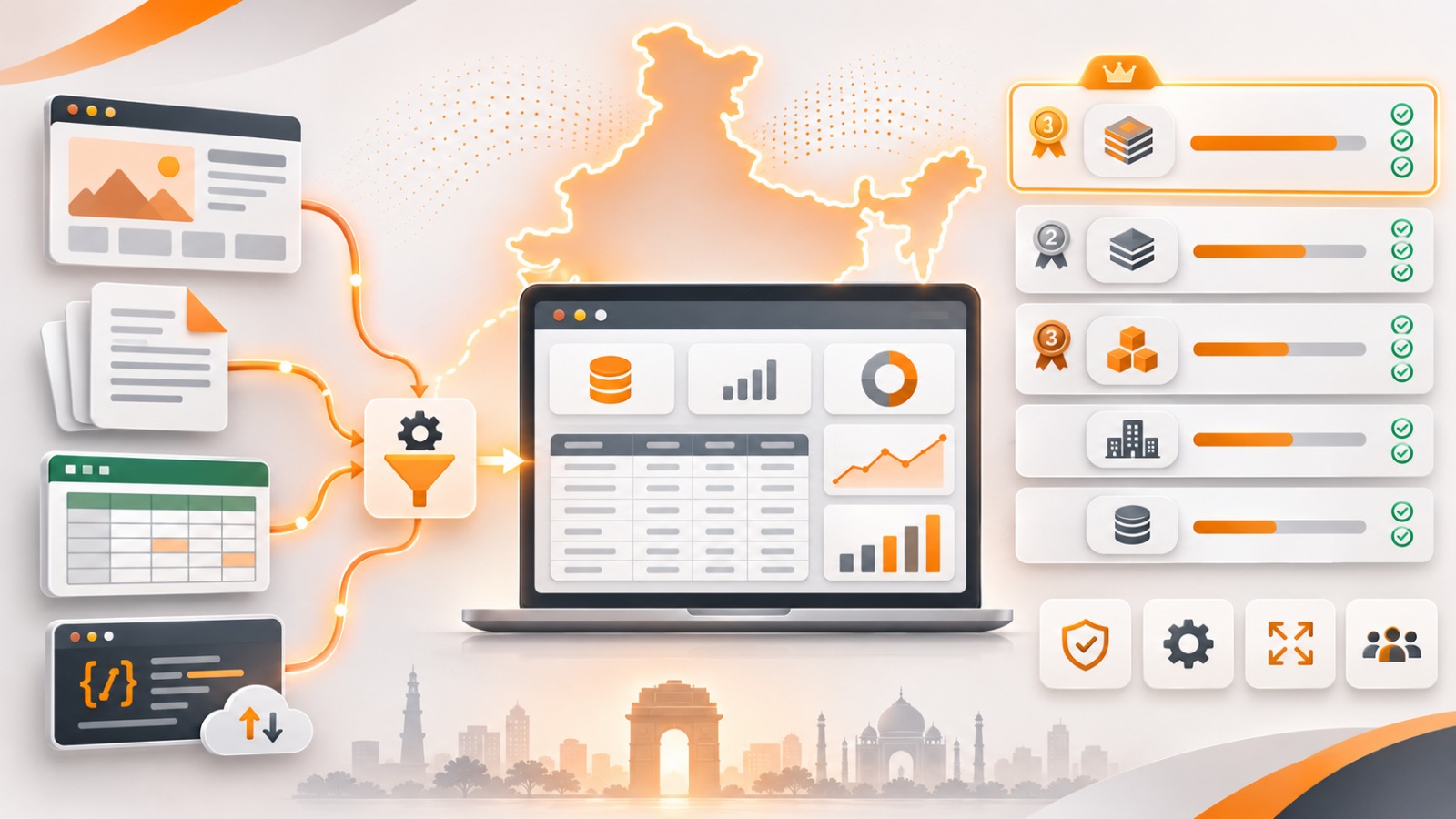
India's digital transformation has changed the way businesses operate. Banking transactions, online shopping, healthcare services, government platforms and everyday communication increasingly depend on digital systems. While this shift has made services more accessible, it has also increased the importance of protecting sensitive information from cyber threats.Cyberattacks, data breaches, phishing attempts and ransomware incidents have made cybersecurity an important business priority. Organisations now need professionals who can identify security weaknesses, monitor suspicious activities and protect their digital infrastructure.For students, graduates and working professionals interested in technology, this growing demand has created opportunities to explore cybersecurity courses in India. These programmes offer structured learning in areas such as network security, ethical hacking, vulnerability assessment and information security.Why Is Cybersecurity Becoming an Important Career Choice in India?Almost every industry depends on digital infrastructure today. Financial institutions need secure transaction systems, healthcare organisations must protect patient information, and e-commerce companies need to safeguard customer accounts and payment details.As a result, cybersecurity is no longer limited to specialised technology companies. It has become relevant across several industries.Some of the factors contributing to its growing importance include:Increasing use of digital banking and online payments.Expansion of cloud computing and remote working.Growing dependence on mobile applications and connected devices.Rising concerns about data privacy and information security.Greater need for secure business networks and IT infrastructure.This creates opportunities for individuals interested in building careers in information security and related technology fields.What Do Cybersecurity Courses in India Cover?A well-structured cybersecurity programme introduces students to the technical concepts and tools used to understand and protect digital systems.Although the curriculum varies between institutes, several important areas are commonly included.1. Network SecurityStudents learn how computer networks operate and how organisations protect them against unauthorised access, suspicious traffic and potential vulnerabilities.2. Ethical HackingEthical hacking introduces the methods used to identify weaknesses in computer systems through authorised security testing. It helps learners understand how vulnerabilities can be discovered and addressed.3. Vulnerability AssessmentThis area focuses on identifying security gaps in applications, networks and systems. Students learn why regular security assessments are important for preventing potential attacks.4. Information SecurityInformation security covers the principles and practices used to protect confidential business and personal information from unauthorised access, modification or loss.5. Security MonitoringLearners develop an understanding of how suspicious activities are monitored, analysed and investigated within digital environments.These subjects provide a foundation for understanding how cybersecurity professionals contribute to organisational security.Career Opportunities After Completing a Cybersecurity CourseOne of the important considerations when selecting a cybersecurity programme is the range of career opportunities it can help students explore.Depending on their knowledge, practical exposure and experience, learners can consider several roles.Job RolePrimary ResponsibilityCybersecurity AnalystMonitoring and analysing security threatsSOC AnalystObserving security alerts and investigating incidentsEthical HackerTesting systems for security vulnerabilities with authorisationPenetration TesterEvaluating the security of networks and applicationsInformation Security AnalystSupporting organisational information protectionVulnerability Assessment AnalystIdentifying and documenting security weaknessesNetwork Security AssociateHelping maintain secure network environmentsFresh graduates can explore entry-level opportunities, while experienced IT professionals may use specialised training to move towards cybersecurity-related responsibilities.Why Practical Training and Placement Preparation MatterLearning cybersecurity concepts is important, but understanding how to apply them in professional environments is equally valuable.Students should look for programmes that provide opportunities to practise technical concepts, work through security-related problems and understand industry expectations.Placement preparation also deserves attention. Mock interviews can help candidates become comfortable answering technical questions and explaining their understanding of cybersecurity concepts.One-on-one mentoring and doubt-solving sessions can further support the learning process by allowing students to clarify difficult topics and receive individual guidance.Internship opportunities are another useful part of career preparation. They can help learners understand professional workflows and gain exposure before applying for full-time positions.Choosing the Right Cybersecurity Institute in IndiaWith several training options available, selecting the right institute requires more than comparing course fees or duration.Consider the following factors before enrolling:Curriculum: Check whether the programme covers relevant cybersecurity subjects and practical concepts.Practical exposure: Look for opportunities to work with security tools and understand real-world scenarios.Faculty guidance: Experienced trainers can help explain technical subjects more effectively.Mentoring: Individual attention and doubt-solving support can improve the learning experience.Internships: Check whether the institute provides structured internship opportunities.Placement assistance: Understand the recruitment network, interview preparation process and career support available to eligible students.Comparing these factors can help learners make a more informed decision about cybersecurity training in India.Explore Cybersecurity Training at Boston Institute of AnalyticsBoston Institute of Analytics offers a Cybersecurity and Ethical Hacking programme designed for learners interested in developing knowledge of digital security and ethical hacking.The programme combines technical learning with career-oriented support to help students prepare for opportunities in the cybersecurity industry.Some of the key features include:One-on-One Mentoring: Students receive individual guidance to discuss their learning progress and clarify concepts.DoubtBuster Sessions: Dedicated doubt-solving sessions help learners revisit difficult topics and strengthen their understanding.Mock Interviews: Interview practice helps students prepare for technical discussions and recruitment processes.Guaranteed Internships: Internship opportunities provide exposure to professional environments and help learners understand workplace expectations.Campus Connect: Students get opportunities to interact with mentors and fellow learners, creating a more engaging learning environment.BIA also provides placement assistance, helping eligible students explore recruitment opportunities across its employer network.Its cybersecurity placement ecosystem includes employers such as Accenture, IBM, Deloitte, TCS, Infosys, Wipro, Cognizant, Cisco, Capgemini, Microsoft and HCLTech.These opportunities depend on individual eligibility, employer requirements and recruitment processes.Final ThoughtsCybersecurity is becoming an important part of India's digital economy. As organisations continue to depend on connected systems and online services, protecting digital infrastructure will remain a significant responsibility.For individuals interested in technology, cybersecurity training can provide a structured way to understand digital threats, security practices and ethical hacking.When comparing cybersecurity courses in India, look beyond the syllabus. Practical exposure, mentoring, internship opportunities and placement preparation can all contribute to a more meaningful learning experience.With the right training and consistent effort, aspiring professionals can begin working towards a career in the evolving cybersecurity industry.
Cyber attacks can disrupt business operations, expose confidential information, and affect customer trust. When a security incident occurs, organizations need professionals who can identify the threat, limit its impact, investigate the cause, and restore affected systems. This makes incident response an important part of modern Cyber Security operations.For individuals interested in developing practical security skills, the Best Cyber Security Course in Pune with Placement Guarantee offers a structured learning pathway covering essential security concepts, practical exercises, and career-focused training.What Is Incident Response in Cyber Security?Incident response is the organized process of identifying, managing, and recovering from security incidents. These incidents may include malware infections, phishing attacks, unauthorized access, data breaches, ransomware, and suspicious network activity.The objective is to reduce damage, restore normal operations, and prevent similar incidents in the future.A typical incident response process includes:Preparation: Establishing security policies, response procedures, tools, and responsibilities.Identification: Detecting unusual activity and determining whether a security incident has occurred.Containment: Limiting the spread of an attack and protecting unaffected systems.Eradication: Removing malicious files, unauthorized access, and other sources of compromise.Recovery: Restoring systems and monitoring them for signs of further suspicious activity.Lessons Learned: Documenting the incident and improving security procedures.Understanding these stages helps Cyber Security professionals respond to threats in a structured and effective manner.Why Incident Response Is Important for OrganizationsOrganizations rely on digital systems to manage customer information, financial transactions, internal communication, and business operations. A security incident can affect multiple departments and create operational challenges.Incident response helps organizations:Reduce the impact of cyber attacks.Protect sensitive business and customer information.Identify compromised systems and accounts.Restore affected applications and infrastructure.Understand how an attack occurred.Improve security policies and response procedures.A well-organized response process also helps security teams communicate effectively during high-pressure situations.Common Cyber Security Incidents Professionals HandleIncident response professionals work with different types of security threats. Recognizing their characteristics is an important part of security training.Malware InfectionsMalware includes malicious software designed to damage systems, steal information, or provide unauthorized access. Security teams investigate infected devices, isolate affected systems, and remove malicious components.Ransomware AttacksRansomware can encrypt files and disrupt access to business systems. Incident response teams focus on containment, investigation, system recovery, and strengthening defenses against future attacks.Phishing and Social EngineeringPhishing attempts use deceptive messages or websites to obtain sensitive information. Professionals investigate suspicious emails, identify affected accounts, and support account protection measures.Unauthorized AccessUnauthorized access occurs when individuals enter systems, applications, or accounts without permission. Security teams investigate access records, identify compromised credentials, and restrict further access.Data BreachesA data breach involves unauthorized exposure or access to confidential information. Professionals investigate the affected systems, determine the scope of exposure, and support appropriate recovery and reporting procedures.Essential Skills for Incident Response ProfessionalsIncident response requires technical knowledge, analytical thinking, and the ability to work through complex security situations.Network Security FundamentalsProfessionals need to understand network architecture, communication protocols, firewalls, and common network vulnerabilities. This knowledge helps identify unusual traffic and suspicious connections.Log AnalysisSystem and network logs provide information about user activity, system events, authentication attempts, and potential attacks. Learning to interpret these records helps professionals identify suspicious behavior.Threat DetectionSecurity professionals must recognize indicators of compromise, unusual system activity, malware behavior, and unauthorized access attempts.Digital InvestigationInvestigating a security incident involves collecting relevant evidence, examining system activity, and understanding the sequence of events that caused the compromise.Security ToolsPractical familiarity with monitoring, scanning, and investigation tools helps professionals understand how security teams detect and manage threats.Tools Used in Incident ResponseSecurity teams use specialized tools to monitor systems, investigate suspicious activity, and manage security incidents.Wireshark: Analyzes network traffic and communication patterns.Nmap: Identifies network hosts, open ports, and available services.Splunk: Supports log analysis, monitoring, and security investigations.Snort: Detects suspicious network traffic through intrusion detection capabilities.Metasploit: Supports authorized security testing and vulnerability assessment.Kali Linux: Provides a collection of tools used in ethical hacking and security assessments.Learning how these tools work helps students develop practical knowledge of security environments.Building Cyber Security Skills in PunePune has a growing technology and business ecosystem, with IT services companies, software organizations, financial services, and technology-driven businesses. These organizations rely on secure networks, applications, and digital infrastructure.Students interested in Cyber Security can build a strong foundation by learning:Network security and communication protocols.Ethical hacking and penetration testing.Vulnerability identification and assessment.System and application security.Incident detection and response fundamentals.Security monitoring and investigation.Practical security tools and techniques.Hands-on labs and scenario-based exercises help learners understand how security concepts apply to real-world environments.Cyber Security and Ethical Hacking Program at Boston Institute of AnalyticsBoston Institute of Analytics offers a Cyber Security and Ethical Hacking program designed to develop technical knowledge and practical security skills. The program covers important areas of Cyber Security through structured learning, hands-on exercises, and project-based activities.The curriculum includes network security, cryptography, ethical hacking, penetration testing, web and mobile application security, and cloud security fundamentals.The program includes:200+ hours of learning.15+ projects and case studies.Exposure to 20+ tools.Practical exercises and security-focused assignments.Technical skill development and career support.Students can choose from different learning pathways:4-Month Certification: ₹97,0006-Month Diploma: ₹1,40,00010-Month Master Diploma: ₹1,75,000The Top Cyber Security Course in Pune with Job Guarantee combines technical training with practical learning and career support to help students prepare for opportunities in the Cyber Security field.Career Opportunities After Learning Cyber SecurityKnowledge of incident response, network security, and ethical hacking can support career development across different security functions.Security Operations Center AnalystA Security Operations Center Analyst monitors security alerts, investigates suspicious activity, and helps organizations identify potential threats.Incident Response AnalystIncident Response Analysts investigate security incidents, support containment activities, document findings, and contribute to recovery efforts.Cyber Security AnalystCyber Security Analysts monitor systems, assess security risks, identify vulnerabilities, and support the implementation of security controls.Vulnerability Assessment AnalystThese professionals identify weaknesses in networks, applications, and systems and help organizations prioritize remediation activities.Penetration TesterPenetration Testers perform authorized security assessments to identify exploitable weaknesses and evaluate an organization's security defenses.Why Practical Training Matters in Cyber SecurityCyber Security is a practical discipline. Professionals need to understand how systems behave, how attacks occur, and how security controls work in different situations.Practical training helps learners:Identify suspicious network activity.Understand vulnerabilities and security weaknesses.Practice security assessments in controlled environments.Interpret system and network logs.Apply security tools to technical exercises.Develop structured approaches to security problems.Project-based learning also helps students improve technical communication, documentation, and problem-solving skills.Students can explore the legal boundaries of ethical hacking in India to understand the importance of authorization and responsible security testing.Frequently Asked QuestionsWhat is incident response in Cyber Security?Incident response is the process of identifying, containing, investigating, and recovering from security incidents such as malware infections, phishing attacks, ransomware, and data breaches.What skills are required for incident response?Important skills include network security, log analysis, threat detection, digital investigation, vulnerability assessment, and familiarity with security monitoring tools.Can beginners learn incident response?Yes. Beginners can start with networking fundamentals, operating systems, security concepts, and ethical hacking basics before progressing to incident investigation and response techniques.Which institute offers Cyber Security training in Pune?Boston Institute of Analytics offers a Cyber Security and Ethical Hacking program in Pune, with structured learning, practical assignments, projects, tool exposure, and career support.What jobs can students pursue after a Cyber Security course?Career options include Cyber Security Analyst, Security Operations Center Analyst, Incident Response Analyst, Vulnerability Assessment Analyst, and Penetration Tester.ConclusionIncident response plays an important role in protecting organizations from cyber threats and reducing the impact of security incidents. Learning threat detection, investigation, containment, and recovery techniques can help individuals develop skills relevant to modern security operations.Boston Institute of Analytics offers Cyber Security and Ethical Hacking training in Pune through practical learning, project-based assignments, exposure to industry-relevant tools, and career support. The program helps learners build a technical foundation for pursuing opportunities in the growing Cyber Security industry.
Retirement brings new financial priorities for Army, Navy and Air Force officers. Diversified investments can help retired defence personnel manage financial risks while working towards long-term wealth creation. By spreading savings across suitable options such as mutual funds, bonds, fixed deposits and equities, retirees can balance income requirements with future financial goals. A well-structured investment portfolio also helps address inflation, healthcare expenses and family responsibilities. Hum Fauji Initiatives understands the unique financial needs of armed forces personnel and their families, offering financial guidance to support informed investment decisions, retirement planning and effective wealth management for a more secure financial future.
Articulated Mining Truck Diesel Engine Market Outlook: Market Forecast Through 2034Market outlook: US367.0millionin2025|US380.2 million in 2026 | US$504.0 million by 2034 | CAGR: 3.6% (2026–2034)Market OverviewThe articulated mining truck diesel engine market covers complete compression-ignition engines supplied as original equipment or genuine replacement power units for articulated mining and quarry haul trucks. Typical packages combine a diesel block, turbocharging, fuel injection, engine management, and integrated emissions hardware. The report focuses on diesel power units fitted to articulated off-highway vehicles and excludes complete trucks, separately sold transmissions, fuel, servicing, rigid ultra-class haul-truck engines, and unrelated industrial power units.See the full report: Open report / request sampleKey Findings· 2025 market size: US367.0million;2026estimate:US380.2 million.· 2034 forecast: US$504.0 million, with a 3.6% CAGR during 2026–2034.· Asia represented an estimated 38% of 2025 revenue.· Low to Medium Power (400–700 hp) accounted for an estimated 68% of 2025 Type revenue.· The report covers Type, Technical Route, Structure, Application, and regional demand.Growth DriversDemand is connected to the use of diesel-powered articulated haulers at mining and quarry sites, including operations that require torque response, cooling performance, and off-road capability. The report identifies the importance of low-speed torque, cooling, and emissions compliance in engine selection. Original equipment installations and genuine replacement power units are included. Suppliers combine in-house OEM engine designs with externally sourced power units for different truck platforms.View the report page and request a sample: Open report / request sampleChallengesThe diesel-engine market is defined around complete compression-ignition power units fitted to articulated mining and quarry haul trucks. The report distinguishes engine power bands, technical route, engine structure, and truck application. This allows readers to consider both the output class and the way power is delivered to the vehicle. Operating conditions described in the report include soft haul roads, gradients, and repeated acceleration and braking, which make torque response and cooling performance relevant alongside peak horsepower. The market boundary excludes complete trucks, separately sold transmissions, fuel, servicing, and engines for rigid ultra-class haul trucks. Keeping these categories separate is important for evaluating original-equipment and genuine replacement-engine demand on a consistent basis.The market estimate is limited to diesel engines supplied for articulated mining and quarry trucks. It should not be read as the total market for all diesel engines, industrial power units, or complete mining vehicles.The report also presents the market through its defined regional and segment framework, allowing readers to compare the stated categories using a consistent scope. The estimates and shares in this release are reproduced from the report page and retain their stated base year and forecast period. Readers seeking the underlying assumptions, additional tables, and detailed country coverage can consult the full report page or contact the research provider.Diesel engine demand is affected by fuel prices, emissions requirements, replacement costs, and the development of alternative powertrains. Articulated trucks operate on soft haul roads and gradients with frequent acceleration and braking, placing demands on torque response and cooling. Battery-electric articulated haulers are emerging as a longer-term substitute where charging infrastructure is available. Buyers also need to distinguish complete diesel-engine revenue from whole-truck and transmission revenue.Market SegmentationType: Low to Medium Power (400–700 hp), Medium Power (700–900 hp), and High to Medium Power (900–1100 hp). Technical Route: Mechanical Direct Drive Engine and Diesel-electric Drive Engine. Structure: Inline Engine and V-type Engine. Application: Less than 30 Tons, 30 to 40 Tons (inclusive), and More than 40 Tons.Regional AnalysisAsia was the largest regional market in 2025, accounting for an estimated 38% of revenue. The report provides geographic coverage across five major regions and selected countries. Regional performance is considered alongside the market's product and application segments. The stated regional share is an estimate for 2025 and should be read within the specific product scope of this report.Competitive LandscapeThe report references Caterpillar, Komatsu, Volvo, Bell Equipment, Mercedes-Benz, mtu, and Cummins. Examples include the Komatsu DBA127 engine in the HM460-6, the Caterpillar C18 in the 745, the Mercedes OM471LA power rating listed for Bell B45E, and the Cummins X15 off-highway power rating.Why the Report MattersThe report is useful to diesel-engine manufacturers, articulated-truck OEMs, replacement-engine suppliers, mining and quarry fleet operators, and investors assessing power-unit demand, emissions requirements, technical configurations, and competitive activity.Report LinkExplore the full Articulated Mining Truck Diesel Engine Market report for market estimates, segmentation, regional coverage, and competitive information.View full report / request sample: Open report / request sampleRead the report page for further details on the articulated mining truck diesel engine market market and available report formats.Report and sample enquiry: Open report / request sampleAbout + ContactIntel Market Research provides global market intelligence and strategic research across industry sectors. For report information and enquiries, contact [email protected] or call +91 9169164321.
Health & Wellness
Discover what to eat after gallbladder removal surgery, Indian diet options, recovery tips and common food myths explained by Dr. Uday Ravi, Bangalore.