Articles

Articles & Insights

Discover, learn, and grow with stories from our ecosystem members.

search
article
Nov 04, 2026 • visibility 11 • 8 min read

Articulated Mining Truck Engine Market

Articulated Mining Truck Engine Market Outlook: Market Forecast Through 2034Market outlook: US381.0millionin2025|US394.6 million in 2026 | US$522.0 million by 2034 | CAGR: 3.6% (2026–2034)Market OverviewThe articulated mining truck engine market covers assembled power units installed in articulated mining dump trucks. These engines convert fuel into the torque needed to move ore, overburden, and aggregate on loose gradients. The engine-only scope includes the assembled combustion unit, injection system, cooling integration, and factory-installed exhaust controls. It excludes axles, tipping hydraulics, body structures, and separate workshop services. The report assesses engine power, fuel, structure, application, and geography.See the full report: Open report / request sampleKey Findings·       2025 market size: US381.0million;2026estimate:US394.6 million.·       2034 forecast: US$522.0 million, representing a 3.6% CAGR during 2026–2034.·       Asia represented an estimated 39% of 2025 engine revenue.·       Low to Medium Power (400–700 hp) accounted for an estimated 67% of 2025 Type revenue.·       The report covers Type, Fuel, Structure, Application, and regional demand.Growth DriversDemand is linked to mine construction, quarry transport, and the use of articulated haulers across different payload classes. Engine selection depends on torque, cooling margin, exhaust configuration, and the operating duty cycle. The report notes that powertrain overhaul and remanufacturing programmes support demand after the original truck purchase. Suppliers' installed platforms and the need to match engine ratings to specific vehicle configurations also influence procurement.View the report page and request a sample: Open report / request sampleChallengesEngine suppliers and buyers must account for fuel and exhaust regulations, installation-specific ratings, cooling requirements, and operating conditions. Fuel and exhaust rules can alter equipment costs through aftertreatment packages and calibration. Battery-electric articulated haulers entering production represent an emerging substitute for new combustion power units, although the report does not characterize them as the dominant market. Engine-only revenue must also be kept separate from complete truck invoices.Engine requirements depend on the payload class and operating conditions of the articulated truck. The report separates engine power categories, fuel type, engine structure, and vehicle application, allowing readers to examine the market through several technical dimensions. Engine output alone does not determine suitability: torque delivery, cooling integration, injection systems, exhaust controls, and the vehicle's duty cycle also matter. The report treats the finished engine as a distinct component market and excludes the complete carrier vehicle and separate workshop services. This distinction helps manufacturers, suppliers, and fleet operators evaluate engine demand without double counting the engine value within a complete articulated-truck sale. The listed examples from major equipment and engine manufacturers provide context for the range of platforms identified in the report.The stated market values apply to finished engines within the report's articulated-hauler scope. They are not an estimate of all off-highway engines or of the total value of the trucks in which the engines are installed.The report also presents the market through its defined regional and segment framework, allowing readers to compare the stated categories using a consistent scope. The estimates and shares in this release are reproduced from the report page and retain their stated base year and forecast period. Readers seeking the underlying assumptions, additional tables, and detailed country coverage can consult the full report page or contact the research provider.Market SegmentationType: Low to Medium Power (400–700 hp), Medium Power (700–900 hp), and High to Medium Power (900–1100 hp). Fuel: Diesel Engine and Natural Gas Engine. Structure: Inline Engine and V-type Engine. Application: Less than 30 Tons, 30 to 40 Tons (inclusive), and More than 40 Tons.Regional AnalysisAsia was the largest regional market in 2025, accounting for an estimated 39% of revenue. The report provides geographic coverage across five major regions and selected countries. Regional performance is considered alongside the market's product and application segments. The stated regional share is an estimate for 2025 and should be read within the specific product scope of this report.Competitive LandscapeThe report references Caterpillar, Komatsu, Volvo, John Deere, mtu, Cummins, and Scania. Examples include the Caterpillar C18, Komatsu HM400 engine, Bell B50E engine output using an mtu platform, and John Deere 460 P-Tier PowerTech engine. The report identifies established installed platforms across the articulated-hauler market.Why the Report MattersThe report can assist engine manufacturers, articulated-hauler OEMs, component suppliers, fleet operators, and investors evaluating engine demand, power categories, fuel choices, technical requirements, and regional market trends.Report LinkExplore the full Articulated Mining Truck Engine Market report for market estimates, segmentation, regional coverage, and competitive information.View full report / request sample: Open report / request sampleRead the report page for further details on the articulated mining truck engine market market and available report formats.Report and sample enquiry: Open report / request sampleAbout + ContactIntel Market Research provides global market intelligence and strategic research across industry sectors. For report information and enquiries, contact [email protected] or call +91 9169164321.

Articulated Mining Truck Market
Nov 04, 2026 • visibility 5 • 8 min read

Articulated Mining Truck Market

Articulated Mining Truck Market Outlook: Market Forecast Through 2034Market outlook: US1,370.0millionin2025|US1,417.9 million in 2026 | US$1,866.0 million by 2034 | CAGR: 3.5% (2026–2034)Market OverviewArticulated mining trucks are complete off-road vehicles used to carry excavated material across irregular mine roads. A hinged frame joint helps the vehicle turn and maintain traction in conditions where rigid haulage equipment may be less manoeuvrable. A complete vehicle includes the cab, drivetrain, load body, axles, steering articulation, and onboard safety systems. The report examines the market by payload class, driven energy, intelligence, application, and region.See the full report: Open report / request sampleKey Findings·       2025 market size: US1,370.0million;2026estimate:US1,417.9 million.·       2034 forecast: US$1,866.0 million, at a 3.5% CAGR during 2026–2034.·       Asia accounted for an estimated 42% of 2025 revenue.·       The 30 to 40 Tons (Inclusive) category represented an estimated 47% of 2025 market revenue.·       The report covers vehicle type, driven energy, intelligence, application, and regional forecasts.Growth DriversDemand is associated with mining development, quarry operations, and the need to move excavated material over challenging routes. Truck selection depends on payload, traction, retarding, articulation, and haul-cycle productivity. The report notes that Asia's regional position is supported by mine development and heavy earthmoving demand in China, India, and Southeast Asia. Manufacturers are also working on battery-electric and autonomous articulated-hauler technologies, creating additional areas for market monitoring.View the report page and request a sample: Open report / request sampleChallengesFleet operators must match vehicle capacity and configuration to actual site conditions rather than choosing solely on maximum payload. Operating routes, traction requirements, suspension, engine output, and service availability influence purchasing decisions. Electric and driverless technologies are developing, but the report does not state that they already dominate the market. Buyers also need to distinguish complete-truck revenue from separately measured engine, transmission, and tire markets.Market SegmentationThe market is shaped by the range of tasks performed by articulated haulers in mines, quarries, and related material-handling operations. Payload class is one part of the purchasing decision, while driven energy and intelligent operation provide additional ways to classify the vehicles. Application categories distinguish metallic-mineral and non-metallic-mineral uses. The report's scope is the complete articulated truck, including its principal vehicle systems, rather than separately invoiced engines, transmissions, or tires. This distinction matters because component markets may be researched independently, but their values are already embedded in the price of a complete vehicle. The report also records developments in battery-electric production and autonomous-truck development as market activity, without suggesting that these technologies already dominate the full market.The forecast covers complete articulated mining trucks under the report's definition. It is separate from component-only estimates for engines, transmissions, and tires, which are embedded in the purchase value of a complete vehicle and should not be added without adjustment.The report also presents the market through its defined regional and segment framework, allowing readers to compare the stated categories using a consistent scope. The estimates and shares in this release are reproduced from the report page and retain their stated base year and forecast period. Readers seeking the underlying assumptions, additional tables, and detailed country coverage can consult the full report page or contact the research provider.Type: Under 30 Tons, 30 to 40 Tons (Inclusive), and Over 40 Tons. Driven Energy: Electric Articulated Truck and Diesel Articulated Truck. Intelligent: Driverless and Non-driverless. Application: Metallic Minerals and Non-metallic Minerals.Regional AnalysisAsia was the largest regional market in 2025, accounting for an estimated 42% of revenue. The report provides geographic coverage across five major regions and selected countries. Regional performance is considered alongside the market's product and application segments. The stated regional share is an estimate for 2025 and should be read within the specific product scope of this report.Competitive LandscapeThe report references Volvo Construction Equipment, Caterpillar, Komatsu, and Bell Equipment. It cites payload examples including the Volvo A60, Cat 745, Komatsu HM400, and Bell B50E. It also notes Volvo's serial production of battery-electric articulated haulers in 2026 and Komatsu's development work on autonomous operation for the HM400.Why the Report MattersThe report is relevant to articulated-truck manufacturers, mining and quarry operators, equipment distributors, investors, and industry planners assessing vehicle demand, payload classes, energy options, automation, and regional opportunities.Report LinkExplore the full Articulated Mining Truck Market report for market estimates, segmentation, regional coverage, and competitive information.View full report / request sample: Open report / request sampleRead the report page for further details on the articulated mining truck market market and available report formats.Report and sample enquiry: Open report / request sampleAbout + ContactIntel Market Research provides global market intelligence and strategic research across industry sectors. For report information and enquiries, contact [email protected] or call +91 9169164321.

Articulated Mining Truck Tires Market
Nov 04, 2026 • visibility 12 • 8 min read

Articulated Mining Truck Tires Market

Articulated Mining Truck Tires MarketArticulated Mining Truck Tires Market Outlook: Market Forecast Through 2034Market outlook: US259.0millionin2025|US268.5 million in 2026 | US$358.0 million by 2034 | CAGR: 3.7% (2026–2034)Market OverviewThe articulated mining truck tires market covers off-road replacement tires specified for articulated dump truck service. The report treats tires as a separately replaceable heavy-duty component rather than as complete mining vehicles. Tire selection is linked to load, operating speed, duty severity, and the working environment of the haul route. Rock cuts, heat, and mud can affect casing life and tread choice. The analysis considers type, tread, size, application, and regional demand.See the full report: Open report / request sampleKey Findings·       2025 market size: US259.0million;2026estimate:US268.5 million.·       2034 forecast: US$358.0 million, with a 3.7% CAGR during 2026–2034.·       Asia represented an estimated 44% of 2025 revenue.·       The report segments the market by tire type, tread, size, and application.·       The market scope is off-road replacement tires, not complete articulated mining trucks.Growth DriversDemand is connected to the operation and maintenance of articulated mining and quarry fleets. Replacement requirements arise from the conditions in which trucks operate, including haul-route surfaces, load levels, speed, and duty severity. Fleet operators assess tire specifications against route fitment and operating conditions. The report also highlights the role of supplier fitment information, product traceability, service network coverage, and maintenance planning in tire selection.View the report page and request a sample: Open report / request sampleChallengesTire performance can vary with site conditions, including rock cuts, heat, mud, and seasonal access limitations. A catalogue specification alone may not reflect the requirements of a particular mine. Buyers need to consider machine compatibility, service support, downtime history, and the operating profile of the haul cycle. The report also emphasizes that tire revenue must be distinguished from complete truck value to avoid counting components already included in vehicle sales.Market SegmentationType: Radial Tire and Bias Tire. Tread: E3, E4, E2, and E1. Size: 23.5R25, 26.5R25, 29.5R25, 35/65R33, and Others. Application: Less than 30 Tons, 30 to 40 Tons (inclusive), and More than 40 Tons.The report's segmentation gives buyers and suppliers several ways to compare replacement tire demand. Tire type, tread classification, size, and truck payload application are treated as separate dimensions. This reflects the fact that a tire specification must be appropriate for the vehicle and the working conditions rather than selected only by its nominal size. Haul-road surface, rock cuts, heat, mud, load, operating speed, and duty severity all form part of the operating context described in the report. Service network coverage, fitment information, product traceability, and vehicle-manufacturer approval are also relevant to supplier evaluation. The study focuses on off-road replacement tires for articulated dump trucks. It does not measure the value of complete mining vehicles, which avoids confusing component replacement revenue with new-truck sales.The estimates refer to the replacement tire category defined in the study. They should not be treated as a valuation of all off-road tires or the complete articulated-hauler market, because the report applies a specific vehicle and component boundary.The report also presents the market through its defined regional and segment framework, allowing readers to compare the stated categories using a consistent scope. The estimates and shares in this release are reproduced from the report page and retain their stated base year and forecast period. Readers seeking the underlying assumptions, additional tables, and detailed country coverage can consult the full report page or contact the research provider.Regional AnalysisAsia was the largest regional market in 2025, accounting for an estimated 44% of revenue. The report provides geographic coverage across five major regions and selected countries. Regional performance is considered alongside the market's product and application segments. The stated regional share is an estimate for 2025 and should be read within the specific product scope of this report.Competitive LandscapeThe report references Michelin, Yokohama, BKT, and Goodyear. Michelin and Yokohama offer E4-rated articulated dump truck tires, while BKT and Goodyear document alternative tread and size choices. Fleet managers compare fitment specifications with vehicle-manufacturer approval and available service networks.Why the Report MattersThe report can support tire manufacturers, distributors, fleet maintenance teams, mining and quarry operators, and investors evaluating tire specifications, replacement demand, supplier activity, and regional market conditions.Report LinkExplore the full Articulated Mining Truck Tires Market report for market estimates, segmentation, regional coverage, and competitive information.View full report / request sample: Open report / request sampleRead the report page for further details on the articulated mining truck tires market market and available report formats.Report and sample enquiry: Open report / request sampleAbout + ContactIntel Market Research provides global market intelligence and strategic research across industry sectors. For report information and enquiries, contact [email protected] or call +91 9169164321.

article
Career & Business
Nov 04, 2026 • visibility 37 • 2 min read

How Diversity Audits Help Organisations Identify Workplace Gaps and Improve Inclusion

Diversity audits help organisations evaluate their workplace culture, policies, recruitment practices, and employee experiences to identify gaps in diversity, equity, and inclusion. They provide valuable insights into barriers that may affect equal opportunities and employee participation.The Outcast Collective helps businesses assess their existing work culture, review inclusive HR policies, and develop practical DEI strategies. Through workplace assessments, climate surveys, inclusion workshops, and leadership coaching, organisations can identify challenges and take meaningful steps towards improvement.By addressing unconscious bias, strengthening accessibility, and promoting fair employment practices, businesses can create environments where employees feel respected and valued. With expert DEI consulting support, organisations can turn diversity commitments into sustainable workplace inclusion. 

The Outcast Collective
Read arrow_forward
Bitcoin Cloud Mining Platform Market
Nov 04, 2026 • visibility 17 • 8 min read

Bitcoin Cloud Mining Platform Market

Bitcoin Cloud Mining Platform Market Outlook: Market Forecast Through 2034Market outlook: US2,740.0millionin2025|US2,965.6 million in 2026 | US$5,584.0 million by 2034 | CAGR: 8.2% (2026–2034)Market OverviewBitcoin cloud mining platforms sell access to remotely operated SHA-256 computing power instead of transferring ownership of physical mining machines. Customers select a hashrate entitlement and contract term, while the facility operator manages power, cooling, maintenance, and pool connections. The report measures customer contract consideration and marketplace fees for rented Bitcoin hashrate. It excludes Bitcoin rewards, equipment sales, and standalone pool administration charges.See the full report: Open report / request sampleKey Findings·       2025 market size: US2,740.0million;2026estimate:US2,965.6 million.·       2034 forecast: US$5,584.0 million, with an 8.2% CAGR during 2026–2034.·       North America represented an estimated 38% of 2025 revenue.·       Leasing from Own Infrastructure accounted for an estimated 64% of 2025 Type revenue.·       The report segments the market by type, contract, application, payment structure, and region.Growth DriversDemand is supported by access to hosted SHA-256 capacity and the ability to obtain mining exposure without directly operating energy-intensive ASIC equipment. The report describes different needs among personal customers and enterprises: personal users may seek smaller contracts, while enterprises negotiate larger capacity blocks and reporting. Platform models include provider-owned infrastructure leasing and hashrate marketplaces. Transparent hashprice benchmarks and customer growth are also relevant to adoption.View the report page and request a sample: Open report / request sampleChallengesContract economics are affected by mining difficulty, electricity tariffs, provider solvency, and the difference between contract costs and expected mining receipts. The report notes that customers increasingly compare contract pricing with expected mining returns, settlement risk, and evidence of operating facilities. It also references network electricity consumption and declining dollar hashprice as factors shaping the commercial environment. Misleading return promises can undermine confidence in cloud-mining contracts.Market SegmentationType: Leasing from Own Infrastructure and Hashrate Marketplace. Contracts: Fixed-term Contracts, Open-ended Contracts, and Others. Application: Enterprises and Personal. Payment Structure: Prepaid Hashrate, Recurring Subscription, and Usage-based Access.Regional AnalysisNorth America was the largest regional market in 2025, accounting for an estimated 38% of revenue. The report provides geographic coverage across five major regions and selected countries. Regional performance is considered alongside the market's product and application segments. The stated regional share is an estimate for 2025 and should be read within the specific product scope of this report.The report's categories distinguish the commercial arrangements through which customers obtain mining capacity. Leasing from provider-owned infrastructure differs from access through a hashrate marketplace, while fixed-term and open-ended contracts represent separate contract structures. Payment options include prepaid hashrate, recurring subscriptions, and usage-based access. These distinctions matter because customers may compare contract duration, payment timing, capacity access, and the operating responsibility retained by the platform provider. The report also separates enterprise and personal applications and identifies the geographic markets included in its coverage. Its revenue boundary focuses on rented Bitcoin hashrate and platform fees, not the value of Bitcoin rewards, equipment sales, or standalone pool administration. This helps readers assess the platform market on its stated basis.The estimates apply to the platform services and hashrate rental activity defined in the report. They do not represent Bitcoin market capitalization, total mining rewards, or the value of mining hardware sold to customers.The report also presents the market through its defined regional and segment framework, allowing readers to compare the stated categories using a consistent scope. The estimates and shares in this release are reproduced from the report page and retain their stated base year and forecast period. Readers seeking the underlying assumptions, additional tables, and detailed country coverage can consult the full report page or contact the research provider.Competitive LandscapeThe report identifies BitFuFu, Bitdeer, NiceHash, Braiins, and GoMining as participants using different infrastructure, marketplace, and digital-miner approaches. It records BitFuFu's reported US$350.6 million cloud-mining solutions revenue for 2025 and managed mining capacity of 26.1 EH/s at December 2025. The report also notes an announced closure date for Binance cloud-mining products.Why the Report MattersThe report can help cloud-mining providers, infrastructure operators, technology companies, investors, and customers understand market size, contract structures, platform models, regional demand, and operating risks.Report LinkExplore the full Bitcoin Cloud Mining Platform Market report for market estimates, segmentation, regional coverage, and competitive information.View full report / request sample: Open report / request sampleRead the report page for further details on the bitcoin cloud mining platform market market and available report formats.Report and sample enquiry: Open report / request sampleAbout + ContactIntel Market Research provides global market intelligence and strategic research across industry sectors. For report information and enquiries, contact [email protected] or call +91 9169164321.
article
Career & Business
Nov 04, 2026 • visibility 30 • 13 min read

PSIR Optional Coaching with Mentorship in India: Build a Strong Strategy for UPSC Mains

Choosing the right PSIR Optional Coaching with Mentorship in India can make an important difference in your UPSC Civil Services Examination preparation. Political Science and International Relations (PSIR) is a popular optional subject because it connects political theories, Indian politics, international relations, and current affairs. However, scoring well requires more than reading books. You also need a clear study plan, regular answer-writing practice, effective revision, and proper guidance.For aspirants targeting UPSC Mains 2027 and beyond, mentorship can help bring structure to preparation. It can guide you in understanding the syllabus, selecting useful resources, improving answer presentation, and identifying areas that need more attention.At Roundtable IAS, aspirants can explore PSIR-focused preparation and mentorship-oriented guidance to build a more organised approach to the optional subject.Why Choose PSIR Optional for UPSC?PSIR is a subject that helps aspirants understand political systems, government institutions, political thinkers, international organisations, and global developments. It also develops analytical thinking, which is useful for writing balanced answers in the UPSC Mains examination.Some important reasons aspirants choose PSIR include:Connection with General Studies: Several PSIR topics overlap with GS Paper II, including governance, international relations, and political institutions.Current affairs relevance: International events and Indian political developments can help enrich answers.Analytical learning: The subject encourages critical thinking and different perspectives.Structured syllabus: The syllabus is divided into two papers, making it possible to plan preparation topic by topic.Essay and interview relevance: Political and international issues can also support preparation for other stages of the examination.However, choosing PSIR should depend on your interest, understanding, and willingness to study the subject consistently.What Makes PSIR Optional Coaching with Mentorship in India Useful?Classroom or online lectures can help you understand concepts, but completing the syllabus is only one part of preparation. You must also learn how to use your knowledge effectively in Mains answers.A mentorship-oriented approach can help aspirants follow a structured preparation process.1. Clear Understanding of the PSIR SyllabusThe first step is to understand the complete syllabus of both papers. Mentorship can help you divide broad topics into smaller sections and identify important themes.You should focus on:Paper I: Political Theory and Indian Government and Politics.Paper II: Comparative Politics and International Relations.Important political thinkers and their ideas.Indian political developments and constitutional issues.International relations theories, organisations, and current developments.A topic-wise plan makes preparation easier to track and revise.2. Personalised Preparation GuidanceEvery aspirant has different strengths and challenges. Some may understand political theory easily but struggle with international relations. Others may have good conceptual knowledge but find answer writing difficult.Mentorship can help you identify these gaps and make practical improvements through:Setting realistic weekly and monthly targets.Prioritising topics according to your preparation level.Selecting relevant books and study resources.Planning revision sessions.Maintaining consistency throughout preparation.3. Regular Answer-Writing PracticeAnswer writing is an important part of PSIR Optional preparation. Knowing a topic is not enough; you must present your understanding in a clear, relevant, and organised manner.Practise writing answers with:A direct and meaningful introduction.Relevant political thinkers, theories, and concepts.Examples from Indian politics and international relations.Balanced arguments and critical analysis.A short and relevant conclusion.Regular practice helps you improve clarity, structure, and time management.4. Guidance for Current Affairs IntegrationCurrent affairs can add value to PSIR answers when used correctly. However, adding too many examples without explaining their relevance can make an answer less focused.Connect current developments with relevant syllabus topics. For example, international conflicts can be linked to international relations theories, while constitutional debates can be connected to Indian political institutions.The goal is to use current affairs to support your arguments rather than simply reproduce news information.How to Choose the Best PSIR Optional Coaching with Mentorship in IndiaBefore selecting a coaching programme, compare its learning approach and the support it offers. Do not choose a course only because of advertisements or popularity.Consider these factors:Selection factorWhat to checkSyllabus coverageDoes the programme address both PSIR papers?Conceptual teachingAre political theories and thinkers explained clearly?Answer writingDoes it provide opportunities for regular practice?FeedbackIs answer evaluation or improvement guidance available?MentorshipAre preparation targets and individual challenges discussed?Study resourcesAre the materials relevant and easy to revise?Current affairsDoes the learning approach connect current events with the syllabus?Ask for details about class schedules, programme duration, faculty, mentorship access, answer evaluation, and course resources before enrolling.Practical Tips to Score Better in PSIR OptionalEven with guidance, your personal effort and consistency remain essential. Follow these practical steps to improve your preparation.1. Read the Syllabus Before StartingKeep the official UPSC syllabus with you. Connect every book chapter, lecture, and current affairs topic with a syllabus heading.2. Prepare Short and Useful NotesAvoid copying entire books into your notes. Prepare concise notes containing key arguments, thinkers, examples, important terms, and relevant data.3. Study Political Thinkers ComparativelyDo not memorise thinkers in isolation. Understand their arguments and compare different perspectives wherever relevant.4. Practise Previous Years' QuestionsPrevious years' questions help you understand the nature of the examination. They also show how UPSC frames questions from different syllabus areas.5. Revise at Regular IntervalsPlan multiple revisions instead of waiting until the end of the syllabus. Short notes and topic-wise summaries can make revision faster.6. Improve Answer PresentationUse relevant headings, clear arguments, examples, and balanced conclusions. Avoid unnecessary information and keep your answer focused on the question.How Roundtable IAS Can Support Your PSIR PreparationFinding the right guidance is an important step towards organised preparation. Roundtable IAS offers PSIR-focused learning and UPSC preparation support for aspirants who want to strengthen their understanding of the optional subject.Aspirants exploring PSIR Optional Coaching with Mentorship in India can review the available course information and identify whether the programme matches their preparation needs.Explore the PSIR Mains 2027 Course to learn more about the available preparation support.You can also strengthen your preparation with these resources:Best Political Science Optional Strategy for UPSC 2027Best Books for Political Science Optional UPSC 2027Choose a learning programme after reviewing its features, teaching approach, and suitability for your preparation stage.Frequently Asked Questions (FAQs)1. Is PSIR a good optional subject for UPSC Mains?PSIR can be a suitable optional subject for aspirants interested in political science, Indian politics, and international relations. Its relevance to parts of General Studies and current affairs can also support integrated preparation.2. Why is mentorship important for PSIR Optional preparation?Mentorship can help aspirants create a study plan, identify weak areas, improve answer-writing skills, and maintain consistency. It provides direction beyond simply completing lectures and reading books.3. Can beginners choose PSIR Optional?Yes. Beginners can choose PSIR if they are interested in the subject and are ready to understand its concepts systematically. Starting with the syllabus and basic resources can make the learning process easier.4. How important is answer writing in PSIR Optional?Answer writing is essential because UPSC Mains tests how effectively you apply your knowledge. Regular practice helps improve structure, analytical depth, relevance, and time management.5. How should I prepare for PSIR Optional alongside General Studies?Create a realistic timetable that gives dedicated time to both subjects. Identify overlapping topics, integrate relevant current affairs, and maintain separate revision plans for PSIR and General Studies.ConclusionPreparing for PSIR Optional requires conceptual clarity, syllabus-based study, regular revision, and consistent answer-writing practice. The right guidance can help you organise these activities and identify areas where you need improvement.When selecting PSIR Optional Coaching with Mentorship in India, look beyond the number of lectures. Focus on teaching quality, answer-writing support, useful resources, and the nature of mentorship. With a realistic strategy and disciplined effort, you can build a strong foundation for UPSC Mains.

Roundtable IAS
Read arrow_forward
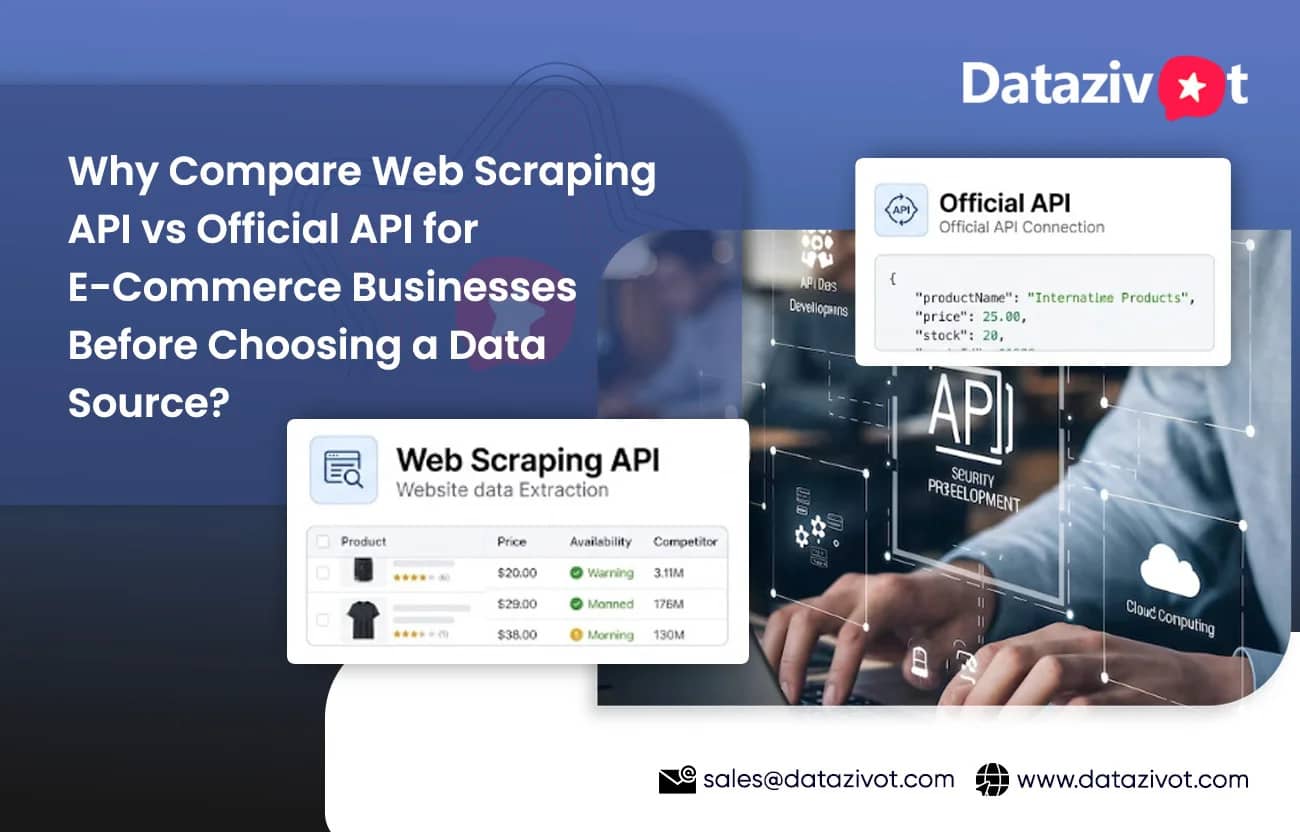
Web Scraping API vs Official API for E-Commerce Businesses Tech & Innovation
Nov 04, 2026 • visibility 31 • 12 min read

Web Scraping API vs Official API for E-Commerce Businesses

IntroductionChoosing the right data pipeline is a pivotal decision for any modern online retailer. E-commerce platforms generate massive volumes of pricing, product, and consumer feedback data every second. Selecting between a custom automated extraction pipeline and an official vendor connection directly impacts your digital system agility, long-term operational budget, and overall enterprise scalability.Official endpoints offer structured connectivity, but they frequently impose rigid query limits, rate caps, and restricted payload fields. Conversely, flexible toolkits built for automated extraction let you gather public web information without strict vendor limitations. Implementing a Web Scraping API enables tech teams to establish continuous, high-volume data streams without hitting constant platform roadblocks.Evaluating a Web Scraping API vs Official API for E-Commerce Businesses allows organizations to weigh technical flexibility against system stability. By assessing uptime reliability, field-level coverage, and integration complexity, e-commerce brands can build robust web data pipelines tailored precisely to their strategic growth objectives and operational needs.Technical Data Access Coverage and Field Level Payload FlexibilityChoosing a reliable digital dataset pipeline requires evaluating how deeply each source accesses external catalog details. Official merchant feeds restrict visibility to vendor-sanctioned parameters, often omitting real-time stock balances or unauthenticated consumer reviews. These endpoints enforce strict call quotas that impede large-scale analytics during peak promotional periods.To eliminate structural blind spots, leading digital brands deploy advanced extraction frameworks across targeted storefronts. Implementing Competitive Intelligence Using Web Scraping for Decision Making ensures continuous monitoring of dynamic retail shifts without artificial call limits. This approach captures full page content while bypassing modern anti-bot hurdles.Automated IP address rotation prevents localized request blocking.Dynamic JavaScript execution captures asynchronously rendered price updates.Headless browser integration extracts deeply nested product specifications.Custom selector parsing transforms raw HTML into structured datasets.Integrating automated collection tools streamlines analytical workflows for enterprise pricing teams. Organizations must Extract Website Data Using a Scraping API to maintain total visibility over shifting catalog changes across competitor platforms. This technical strategy guarantees consistent, unredacted data ingestion for internal intelligence systems.Data Field Access: Official API — Restricted to vendor-approved payloads; Web Scraping API — Complete public page coverage.Rate Limits: Official API — Strict caps (e.g., 500–1,000 requests/hr); Web Scraping API — Highly scalable with automated proxy rotation.Setup & Approval: Official API — Requires seller authentication & approval; Web Scraping API — Immediate deployment on public pages.Average Uptime/Accuracy: Official API — ~99.9% stable schema; Web Scraping API — ~98.5% (requires anti-bot management)Platform Integration Speed Maintenance and Delivery Latency StandardsSystem stability remains essential when connecting external data streams into automated repricing engines or inventory tools. Direct vendor feeds provide standardized JSON or XML structures with predictable schema designs, minimizing upfront developer workload. Planned migration notices further reduce surprise maintenance overhead for internal technical teams.However, relying exclusively on proprietary connection channels introduces geographic and scope restrictions across external platforms. Achieving Real-Time Data Access Through Official APIs works reliably for internal store logistics, but fails when tracking competitor storefronts that do not publish open partner endpoints.Standardized JSON structures streamline database mapping workflows.Predictable payload schemas lower continuous engineering overhead.Official versioning frameworks give advance notice of breaking modifications.Direct server connections maintain fast turnaround for owned store metrics.Blending direct connections with cloud extraction scripts balances operational stability against external visibility. Implementing structured Competitive Intelligence strategies allows enterprise organizations to cross-examine internal sales records against dynamic external market trends without incurring data blind spots.Initial Engineering Setup: Official API Integration — Low to Moderate (Standard SDKs); Web Scraping API Pipeline — Low to Moderate (RESTful Endpoints).Ongoing Maintenance: Official API Integration — Minimal (Schema changes notified); Web Scraping API Pipeline — Moderate (Requires parser adjustment).Target Platforms: Official API Integration — Internal / Partner platforms only; Web Scraping API Pipeline — Any public e-commerce website.Real-Time Latency: Official API Integration — Direct stream (100–300 ms); Web Scraping API Pipeline — Near real-time (500–1,500 ms).Operational Cost Efficiency Scalability and System Compliance StandardsScaling enterprise data collection requires balancing recurring bandwidth expenses against overall pipeline performance goals. Standard provider subscriptions enforce progressive tier pricing that quickly escalates costs as query frequency increases. Collecting millions of product records daily can lead to unsustainable API overage fees.Deploying specialized Web Scraping Systems for Enterprise Data Collection offers a cost-effective alternative for high-volume market monitoring. Managed scraping infrastructures handle proxy pools, browser instances, and anti-bot challenges automatically, sparing engineering teams from building complex scraping stacks in-house.Flexible pay-as-you-go pricing scales smoothly with request volume.Automated proxy routing handles IP blocks without team intervention.Cloud extraction engines process millions of daily catalog requests efficiently.Custom output formatting fits directly into existing data pipelines.Modern e-commerce brands rely on automated extraction tools to feed machine learning pricing models. Companies frequently Scrape Public Website Data for Market Research to obtain high-density datasets across global digital channels, ensuring strategic pricing decisions remain backed by reliable competitive intelligence.Pricing Model: Official API — Tiered per request / High enterprise cost; Web Scraping API — Pay-per-successful request or bandwidth.Compliance Alignment: Official API — Subject to API Terms of Service (ToS); Web Scraping API — Aligned with public data collection standards.Infra Management: Official API — Managed entirely by data provider; Web Scraping API — Cloud-hosted with automated proxy management.Data Structure: Official API — Native JSON/XML formats; Web Scraping API — Custom JSON/CSV tailored to database schemas.How Datazivot Can Help You?Navigating the complexities of data ingestion requires robust infrastructure tailored to your online business needs. When comparing a Web Scraping API vs Official API for E-Commerce Businesses, companies often face hurdles like unexpected rate limits, blocked IP addresses, or incomplete data fields.We eliminate these bottlenecks by delivering customized end-to-end data pipelines designed for high-volume extraction across dynamic e-commerce platforms.Customized enterprise data pipeline architecture designed for scaleAutomated proxy management featuring dynamic IP rotation and anti-bot resolutionHigh-frequency price and inventory monitoring across global marketplacesFlexible data delivery formats including clean JSON, CSV, and direct database feedsSchema maintenance monitoring to handle target website design changes seamlesslyDedicated technical support offering high uptime SLAs for business-critical operationsWhether your engineering team needs to monitor competitor prices or aggregate large product catalogs, our infrastructure provides seamless access to public web information. Partnering with us allows your organization to receive a Web Data Scraper for Structured Business Datasets, enabling your team to focus on strategic analysis rather than infrastructure management.ConclusionChoosing the most effective data source remains a strategic imperative for modern retail organizations. Comparing a Web Scraping API vs Official API for E-Commerce Businesses ensures your leadership team balances system maintenance costs, pipeline scalability, and field-level visibility effectively.Choosing to Scrape Public Website Data for Market Research provides the flexibility required to capture full market intelligence across diverse digital storefronts. Transform your operational strategy today by partnering with Datazivot to deploy scalable, high-speed data extraction solutions tailored to your growth goals.#WebScrapingAPIVsOfficialAPIForECommerceBusinesses,#ExtractWebsiteDataUsingAScrapingAPI,#RealTimeDataAccessThroughOfficialAPIs,#ScrapePublicWebsiteDataForMarketResearch,Source: https://www.datazivot.com/web-scraping-api-vs-official-api-for-e-commerce-businesses.phpContact us:E-mail: [email protected] No: +91 8866656657Visit Now: https://www.datazivot.com/

Melissa Melissa Torres
Read arrow_forward
What is RFID Antenna? Tech & Innovation
Nov 04, 2026 • visibility 30 • 6 min read

What is RFID Antenna?

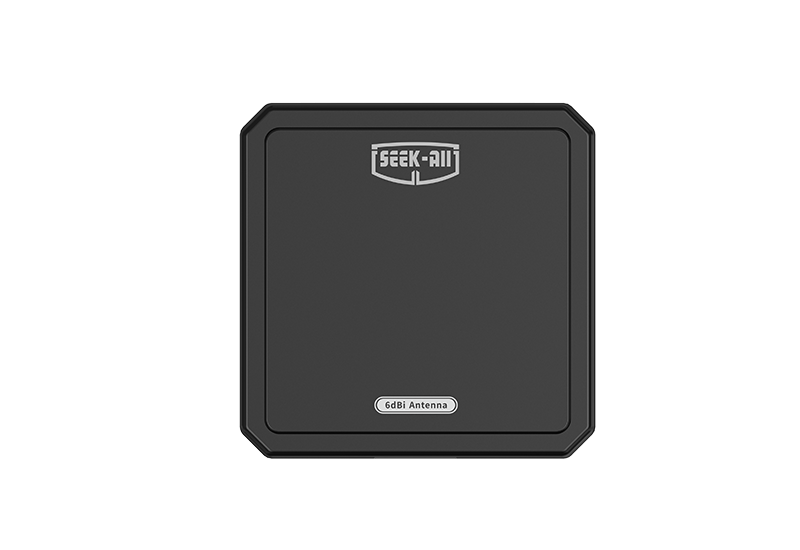
If you’re looking into RFID technology, a core question arises: what is RFID antenna? Simply put, an RFID antenna is a crucial component that transmits and receives radio waves, enabling communication between an RFID reader and the tags. Think of it as the messenger and interpreter in the system.Without the antenna, the reader cannot send commands or power to the tags, nor can it listen for their responses. It’s the vital link that makes the entire RFID process possible, turning data into radio frequency signals and back again.How Does an RFID Antenna Actually Function?Understanding how does an RFID antenna work breaks down into two main modes: transmitting and receiving. When the connected RFID reader sends a command, the antenna converts this electrical signal into electromagnetic radio waves (RF signals) and broadcasts them into its surrounding area. This signal can also provide the energy needed to power passive RFID tags.Conversely, when a tag within range responds, the antenna captures its weak returning signal. It then converts these captured waves back into an electrical signal that the reader can decipher into usable data, like a unique serial number or stored information. The antenna’s design directly determines its effective read range and how well it can focus energy in a specific pattern.Exploring Different Types of RFID AntennasNot all RFID antennas are the same. The types of RFID antennas are primarily chosen based on their polarization and gain, which suit different real-world scenarios. Common configurations include linear polarized and circular polarized antennas.Linear polarized antennas focus energy in a single plane (horizontal or vertical). They offer a longer read range but require careful alignment between the tag and antenna. These are often used in controlled settings like conveyor belts. Circular polarized antennas, on the other hand, emit signals that spiral out. They are excellent for environments where tag orientation is unpredictable, like in retail inventory or asset tracking, as they provide more consistent reads despite the tag’s angle, though with a slightly shorter range.Where Are RFID Antennas Used? Key ApplicationsThe practical RFID antenna applications are vast and cross multiple industries. In retail and logistics, they are mounted on portals, shelves, or handheld readers to manage inventory in real-time, drastically reducing stock-checks time. In manufacturing, they track parts and work-in-progress on assembly lines.Access control systems use antennas embedded in panels to read credentials from badges. Libraries use them to self-checkout and detect items. In warehousing, fork-lift mounted antennas help locate pallets. Each application demands a specific antenna type—considering range, durability, and radiation pattern—to solve a unique business challenge effectively.Choosing the Right RFID Antenna for Your ProjectSelecting an antenna isn’t just about picking one with the longest range. You must consider the environment (indoors/outdoors, metal presence), the required read zone size and shape, the type of tags being used, and any regulatory power limits. Partnering with an experienced provider like CYKEO ensures you get a system where the reader, antenna, and tags are optimally matched for your specific use case, maximizing your investment’s return.