

Michelle Moser's Store
Owned by Michelle Moser Joined Oct 2023 14 Listings
Michelle Moser's Store
easyid.me/biz/michellem111-5b0a61 • Verified Store
Scan to open official EasyID digital store, view live catalog, or save business card.
Verified Merchant
EasyID Certified Seller
Fast 24h Packing
Direct courier dispatch
Zero Escrow Direct
Direct merchant settlement
Store Listings (14)
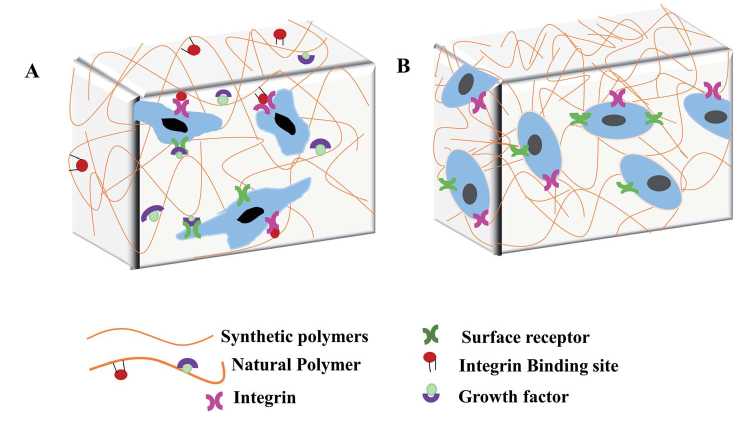
Scaffold-Based Technologies
As the size and complexity of 3D models increase, the need for scaffolds becomes more and more obvious. In addition to space control, cell aggregates also need to exchange nutrients and gases. When the aggregate thickness is 1-2 mm, the problem of cell death will occur due to lack of mass transfer, mainly through the exchange of nutrients and waste metabolites. This has been solved through the use of highly porous scaffolds, where the basic design considers shape, cell adhesion sites and the flow of gases, nutrients, and metabolites. Scaffolds can be made from either natural or synthetic materials. Many 3D culture systems are already available. Biomaterials can be used in 3D cell culture to enhance various forms of culture efficiency and cell function, including hydrogel, solid scaffold, acellular natural tissue and ultra-low attachment (ULA) surface.
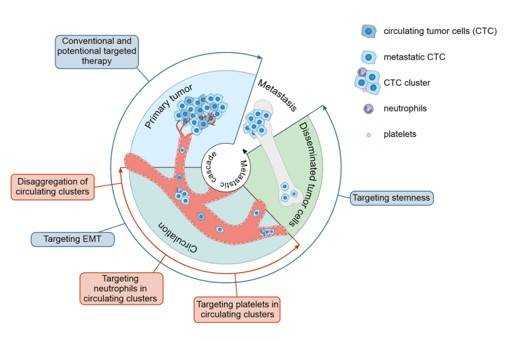
Tumour Metastasis Micro-model 3D Printing Service
As a trusted 3D bioprinting biotech company, CD BioSciences' experienced team of experts can offer you various types of in vitro model building services based on the high-resolution 3Dmicroflu™ technology platform covering all aspects of life science research. Here, the advantages and applications of 3Dmicroflu™ technology platform in the construction of tumour metastasis models are demonstrated in the following section.

Receptors & Sensors
Signaling pathways link extracellular cues to cellular responses, so that cells are able to adapt to the changes in the environment. The signals are processed as a series of molecular events in cells. Proteins responsible for detecting the signal are termed receptors or sensors, which are the first nodes in signaling transduction pathways. <br> <br>How the receptors receive the signals and initiate the signaling transduction processes is under intensive research, especially ACE2, the entry point for coronaviruses (e.g., HCoV-NL63, SARS-CoV and SARS-CoV-2). CD BioSciences offers a complete portfolio of solutions for uncovering the mystery of receptors and sensors including identification and characterization of receptors and generation agonists and antagonists for receptors.
Transcription Factors
Signaling pathways transduce extracellular signals to affect transcription factor (TF) mediated gene regulation. TFs are sequence-specific DNA-binding proteins that control the transcription of DNA to mRNA. Approximately, 10% of genes in the human genome encode TFs, which makes them the single largest family of human proteins. <br> <br>The function of TFs is to regulate (turn on and off) gene transcription according to cellular signaling to make sure the right genes are expressed in the right amount on the right occasion. TFs work alone or with other proteins/cofactors to regulate a diversity of cellular processes, such as cell division, cell growth, metabolism, stress response and apoptosis. Mutations in TFs cause certain diseases. Thus, they are potential drug targets. <br> <br>The key to understanding the mechanism of a signaling pathway is to identify and characterize the TFs functioning downstream the signaling pathway. CD BioSciences offers a complete portfolio of solutions covering every aspect of TF studies, including binding motif analysis, domain mapping, and interacting protein identification.

PTM Enzymes
Post-translational modifications (PTMs) are important components in signaling transductions, which affect the activity of proteins in signaling pathways. Phosphorylation is the most common PTM. The other PTMs include acetylation, methylation, glycosylation, lipidation, nitrosylation and ubiquitination. <br> <br>In signaling pathways, proteins exist in two states: activated and inactivated, which are generally under the regulation PTMs. PTMs mediate signaling transductions during cell proliferation and differentiation, immune response, metabolism, apoptosis, etc. Any dysregulation of PTMs in the cells leads to different levels of functional failures. Thus, learning how protein PTMs modulate signaling pathways are of great importance. <br> <br>CD BioSciences offers a complete portfolio of solutions for resolve PTM-related issues including PTM profiling, substrate and enzyme identification and inhibitor/activator screening.
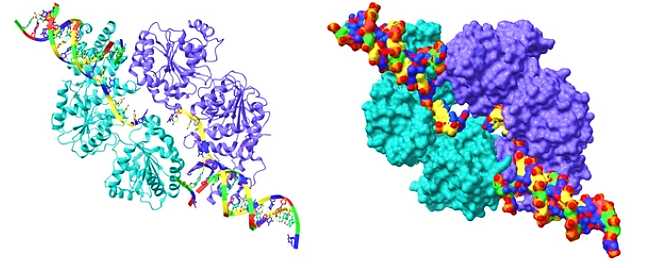
DNA / RNA-Protein Interactions Imaging Analysis
DNA / RNA - protein interactions are critical to all organisms, especially in the regulation of DNA replication, transcription and repair, and RNA transport and translation. At present, a variety of in vivo and in vitro methods have been developed to analyze DNA / RNA - protein interactions, such as affinity purification schemes, EMSA and chromatin purification methods, but they cannot perform single-molecule real-time imaging analysis and effectively analyze the mechanism of DNA / RNA - protein interaction. The combination of fluorescence probe and microscope provides an effective tool for researchers to study its interaction mechanism.
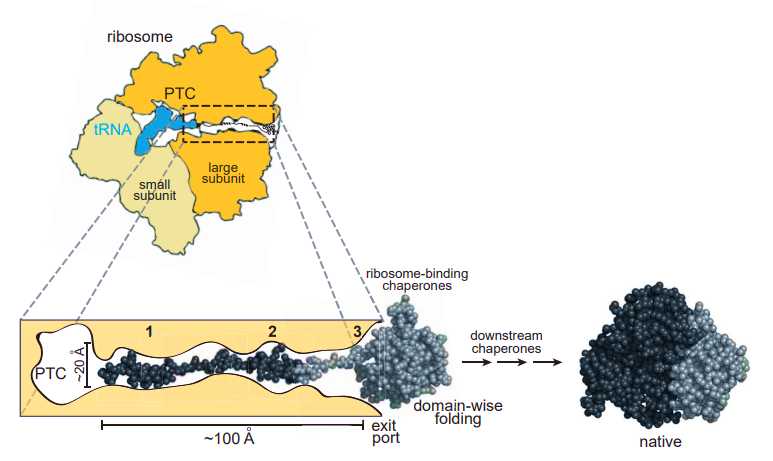
Protein Folding Imaging Analysis
Protein is a complex organic compound composed of amino acids. Due to the hydrophilicity, hydrophobicity, positive charge, negative charge and other characteristics of amino acid residues, it can be folded into a precise 3D structure through the interaction between the residues. The sequence of amino acids determines the unique 3D structure of each protein and its specific functions. Protein participates in almost every process in the cell and is necessary to maintain the structure and function of human tissues and organs. Protein folding errors can induce a variety of degenerative diseases, such as Parkinson's disease, Alzheimer's disease, frostbite, and senile heart failure. Therefore, imaging analysis of the folding process of proteins is of great significance for the early diagnosis and treatment of diseases.
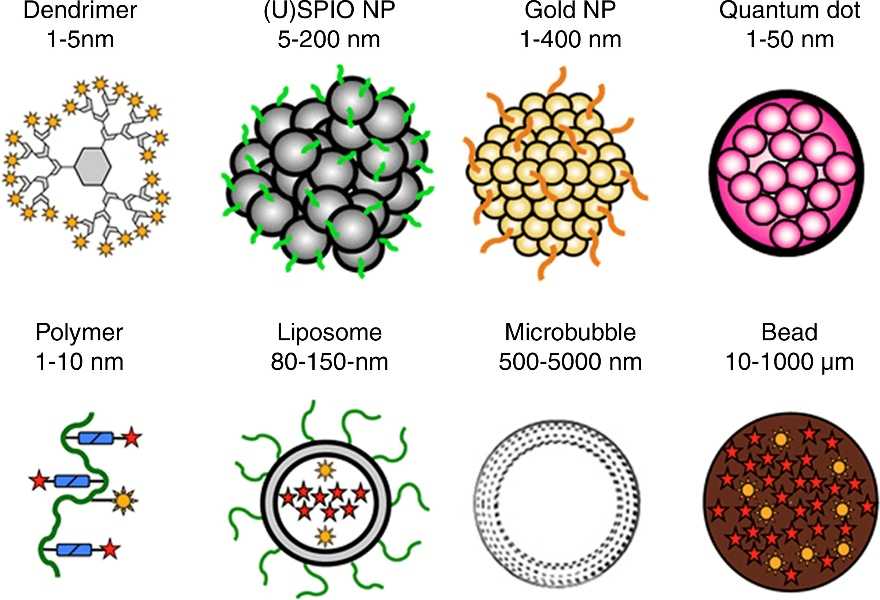
Nanoparticles Imaging Technology
Nanoparticles are becoming multifunctional tools in biomedical applications, especially in the field of biomedical imaging. Nanoparticles can be used to diagnose, monitor physical and pathological processes, treat and control biological systems. Nanoparticles are usually less than 100nm in size, and they can be made of materials with different chemical properties, the most common being metals, metal oxides, silicates, polymers, carbon, lipids, and biomolecules. Nanomaterials have diverse chemical surface properties, unique magnetic properties, and adjustable absorption and emission properties. They can be designed in different sizes, shapes, chemical surface properties and hollow, porous or solid structures.
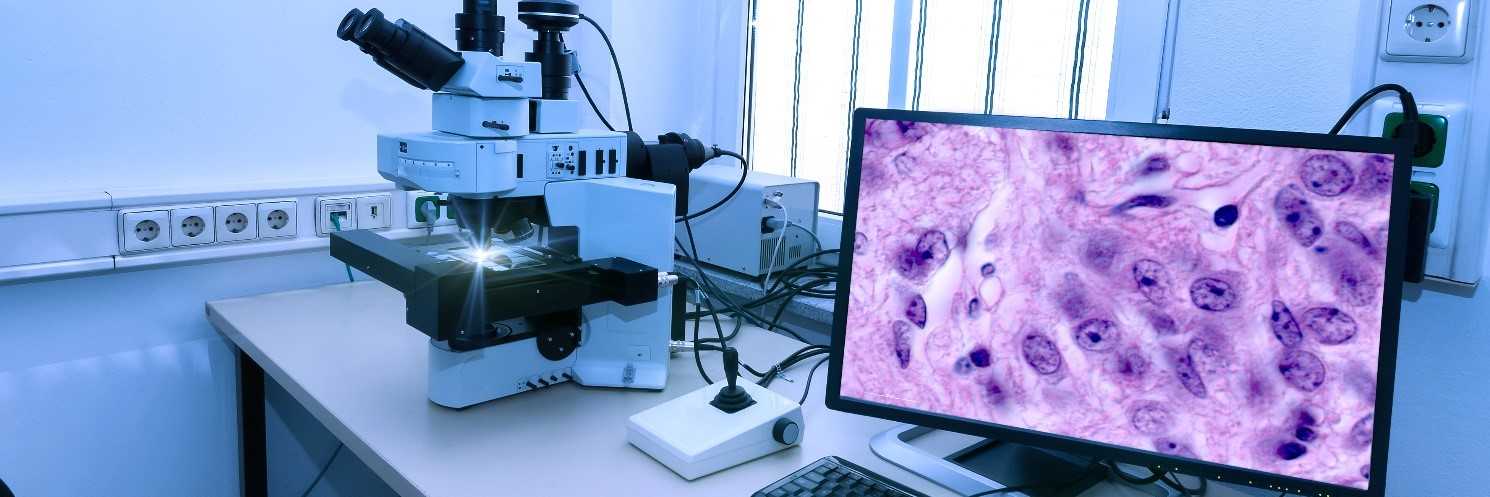
Time-Lapse Imaging
Time-lapse imaging technology is a powerful, versatile and continuously developed imaging tool that can take continuous images at regular points in time to capture the dynamics of the things being observed. Live cell time-lapse imaging can monitor the response of live cells during a certain period of time and generate a large amount of image-based information to quantify the behavior of cell populations.
Business Intelligence Service
HighRun DataScience has launched professional data analytics services to offer various tools and technologies to interpret data. It is an excellent chance for you to improve operation efficiency, optimize strategies in the market, and help with feature decision-making.
Pricing Analysis Service
Statistical technology is not limited to being used in pharmaceutical, clinical, financial, or retail areas. At the same time, it can also be supplied to various industries, including agriculture, education, government, manufacturing, media, transportation, etc. Now HighRun DataScience offers services for different fields with high-quality and customized services to meet your needs and requirements.
Ubiquitin Enzymes & DUBs
Ubiquitination (ubiquitinylation) is a post-translational modification (PTM) process, where a ubiquitin is added to a lysine/cysteine/ serine/threonine of a substrate protein via the C-terminal glycine of ubiquitin. It is essential for balancing numerous physiological processes. Through altering proteins' degradation, cellular location, activity, and interactions with other molecules, ubiquitination regulates protein functions in relevant signaling pathways.
About Michelle Moser's Store
No description provided.
0.0
Customer Reviews
See what others are saying about Michelle Moser's Store. We verify purchases to ensure reviews are genuine.
No reviews yet for this store.