

dgfeman com's Store
Owned by dgfeman com Joined Sep 2023 8 Listings
dgfeman com's Store
easyid.me/biz/dgfeman-6af120 • Verified Store
Scan to open official EasyID digital store, view live catalog, or save business card.
Verified Merchant
EasyID Certified Seller
Fast 24h Packing
Direct courier dispatch
Zero Escrow Direct
Direct merchant settlement
Store Listings (8)
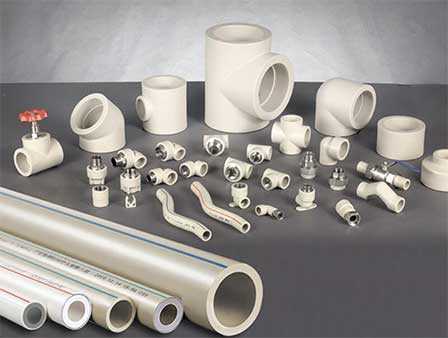
Several Common Problems and Solutions of Plastic Injection Parts
Ⅰ. Reasons and solutions for deformation of plastic injection parts <br> <br>An injection molded part is shaped like a cavity but is a twisted version of the cavity shape. <br> <br>1. Possible reasons for the problem <br> <br>(1) Bending is due to excessive internal stress in the injection molded part. <br> <br>(2) The mold filling speed is slow. <br> <br>(3) Insufficient plastic in the mold cavity. <br> <br>(4) The plastic temperature is too low or inconsistent. <br> <br>(5) The plastic injection parts are too hot when ejected. <br> <br>(6) Insufficient cooling or inconsistent temperature of moving and fixed molds. <br> <br>(7) The structure of the plastic injection parts is unreasonable (for example, the reinforcing ribs are concentrated on one side, but far apart). <br> <br>2. Remedy <br> <br>(1) Reduce the injection pressure. <br> <br>(2) Reduce the forward time of the screw. <br> <br>(3) Increase cycle time (especially cooling time). Immerse in warm water (38°C) immediately after ejection from the mold (especially thicker plastic injection parts) to slowly cool the plastic injection parts. <br> <br>(4) Increase the injection speed. <br> <br>(5) Increase the plastic temperature. <br> <br>(6) Use cooling equipment. <br> <br>(7) Appropriately increase the cooling time or improve the cooling conditions to ensure that the mold temperatures of the movable and fixed molds are consistent as much as possible. <br> <br>(8) Improve the structure of plastic parts according to the actual situation where permitted. <br> <br>Ⅱ. Common problems that should be paid attention to in the injection molding process of transparent plastic injection parts <br> <br>Due to the high light transmittance of transparent plastics, the surface quality of plastic products must be strictly required, and there should be no defects such as streaks, pores, whitening, halo, black spots, discoloration, and poor gloss. Equipment, molds, and even product design, must pay great attention and put forward strict or even special requirements. <br> <br>Secondly, since most of the transparent plastics have high melting point and poor fluidity, in order to ensure the surface quality of the product, a higher temperature is often required, and the process parameters such as injection pressure and injection speed should also be finely adjusted, so that the plastic injection can be filled with the mold, It will not generate internal stress and cause product deformation and cracking. <br> <br>Therefore, strict operation should be carried out in terms of raw material preparation, equipment and mold requirements, injection molding process and raw material processing of products. Here are some types of plastic material for injection molding. <br> <br>Ⅲ. Common problems of color difference control of plastic molded products <br> <br>Chromatic aberration is a common defect in injection molding. There are many factors affecting color difference, involving raw resin, color masterbatch, mixing of color masterbatch and raw materials, injection molding process, injection molding machine, etc. <br> <br>Ⅳ. Adjust the process parameters of plastic injection parts(temperature/pressure/speed/position) <br> <br>The measurement and control of temperature is very important in plastic injection moulding services. While making these measurements is relatively simple, most injection molding machines do not have sufficient temperature pick-up points or lines. On most injection molding machines, the temperature is sensed by a thermocouple. A thermocouple basically consists of two different wire tails joined together. If one end is hotter than the other, a tiny electrical signal will be generated; the more heated, the stronger the signal. <br> <br>As one of injection mold suppliers china, we will do our best to meet all the needs of customers.
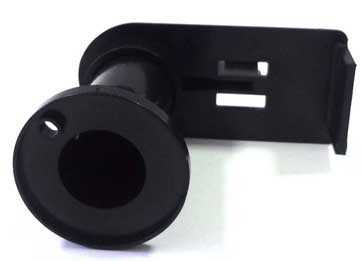
Do You Know the Main Process Parameters of Plastic Injection Parts?
1. Barrel temperature of plastic injection parts: <br> <br>The melt temperature is important, and the injection cylinder temperature used is only a guideline. The melt temperature can be measured at the nozzle or using the air jet method. The temperature setting of the injection cylinder depends on the melt temperature, screw speed, back pressure, injection volume and injection molding cycle. If you have no experience processing a particular grade of plastic, start with the lowest setting. <br> <br>For ease of control, the shot tank is divided into zones, but not all are set to the same temperature. If operating for long periods of time or at high temperatures, set the temperature in the first zone to a lower value, this will prevent premature melting and shunting of the plastic. Make sure the hydraulic oil, hopper closure, mold and shot cylinder are at the correct temperature before starting plastic injection moulding services. <br> <br>2. Melt temperature of plastic injection parts: <br> <br>The melt temperature plays a major role in the flow properties of the plastic injection parts melt. Since the plastic does not have a specific melting point, the so-called melting point is a temperature range in a molten state. The structure and composition of the plastic molecular chain are different, so the impact on its fluidity is also different. Rigid molecular chains are obviously affected by temperature, such as PC, PPS, etc., while flexible molecular chains such as PA, PP, PE, etc. have no obvious fluidity by changing the temperature, so the reasonable injection temperature should be adjusted according to different materials. <br> <br>3. Mold temperature of plastic injection parts: <br> <br>Some plastic injection molding materials require higher mold temperature due to high crystallization temperature and slow crystallization rate. Some plastic materials require higher or lower temperature due to the control of size and deformation, or the need for demolding. For example, PC injection generally requires more than 60 degrees. In order to achieve better appearance and improve fluidity of PPS, the mold temperature sometimes needs to be above 160 degrees, so the mold temperature has an important role in improving the appearance, deformation, size, and plastic mold of the product. <br> <br>4. Injection pressure of plastic molded parts: <br> <br>The melt overcomes the resistance required to move forward, which directly affects the size, weight and deformation of the product. Different plastic products require different injection pressures. For materials such as PA and PP, increasing the pressure will significantly improve the fluidity. The injection pressure Size determines the density of the product, i.e. the appearance gloss. It does not have a fixed value, and the more difficult it is to fill the mold, the higher the pressure of the injection molded part. <br> <br>Feman Tooling specializes in the design and manufacture of plastic and die casting molds, and can provide a full range of custom plastic molding china, including design, prototype sample making, tool making, modification and modification, accessories JIG&Fixture, 250T capacity plastic mold production and precision component manufacturing. Welcome to consult. <br> <br>As an injection mold factory china, we will do our best to meet all the needs of customers.

Principles of Injection Mold Design
Ⅰ. Mold opening direction and parting line of injection mold design <br> <br>At the beginning of the design of each injection product, the mold opening direction and parting line should be determined first to ensure that the core-pulling slider mechanism is minimized and the influence of the parting line on the appearance is eliminated. <br> <br>1. After the mold opening direction is determined, the reinforcing ribs, buckles, protrusions and other structures of the product are designed to be consistent with the mold opening direction as much as possible, so as to avoid core pulling and reduce seam lines and prolong the life of the mold. <br> <br>2. After the mold opening direction is determined, an appropriate parting line can be selected to avoid undercuts in the mold opening direction, so as to improve the appearance and performance. <br> <br>Ⅱ. The demoulding slope of the injection mold design <br> <br>1. Appropriate demoulding slope can avoid product pulling (pulling). The demoulding slope of the smooth surface should be greater than or equal to 0.5 degrees, the surface of the fine skin (sand surface) should be greater than 1 degree, and the surface of the coarse skin should be greater than 1.5 degrees. <br> <br>2. Appropriate demoulding slope can avoid product top damage, such as top white, top deformation, and top rupture. <br> <br>3. When designing a product with a deep cavity structure, the slope of the outer surface should be larger than the slope of the inner surface as much as possible to ensure that the mold core is not offset during injection molding, obtain a uniform product wall thickness, and ensure the material strength of the product opening. <br> <br>Ⅲ. Product wall thickness of injection mold design <br> <br>1. All molding plastic types have a certain range of wall thickness, generally 0.5~4mm. When the wall thickness exceeds 4mm, it will cause the cooling time to be too long and cause shrinkage and other problems. Consider changing the product structure. <br> <br>2. Uneven wall thickness will cause surface shrinkage. <br> <br>3. Uneven wall thickness will cause pores and weld lines. <br> <br>Ⅳ. Reinforcing ribs for injection mold design <br> <br>1. Reasonable application of reinforcing ribs can increase product rigidity and reduce deformation. <br> <br>2. The thickness of the reinforcing ribs must be ≤ (0.5~0.7) T product wall thickness, otherwise the surface will shrink. <br> <br>3. The single-sided slope of the reinforcing rib should be greater than 1.5° to avoid top injury. <br> <br>Ⅴ. Fillet of injection mold design <br> <br>1. Too small rounded corners may cause stress concentration in the product such as insert molding electronics, resulting in product cracking. <br> <br>2. Too small fillet may cause stress concentration in the mold cavity, resulting in cavity cracking. <br> <br>3. Setting a reasonable rounded corner can also improve the processing technology of the mold. For example, the cavity can be directly milled with an R cutter to avoid low-efficiency electrical machining. <br> <br>4. Different rounded corners may cause the movement of the parting line, and different rounded corners or inclinations should be selected according to the actual situation. <br> <br>Ⅵ. The injection mold design hole <br> <br>1. The shape of the hole should be as simple as possible, generally round. <br> <br>2. The axial direction of the hole is the same as that of the mold opening, which can avoid core pulling. <br> <br>3. When the aspect ratio of the hole is greater than 2, the drafting slope should be set. At this time, the diameter of the hole should be calculated according to the minor diameter size (maximum solid size). <br> <br>4. The length-diameter ratio of blind holes is generally not more than 4. Anti-hole pin punching and bending. <br> <br>5. The distance between the hole and the edge of the product is generally greater than the aperture size. <br> <br>As a plastic die maker in china, we will do our best to meet all the needs of customers. <br> <br>If you want to know more kinds of injection moulding products, please visit our website.
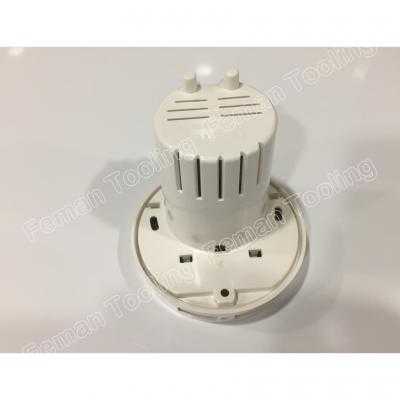
Several Parameters That Should Be Paid Attention to in the Injection Mold Design
There are two templates on the injection molding machine, one does not move, called fixed template; the other can move, called moving template. The mold is fixed on the two templates by screws and pressure plates respectively. When the mold is opened, the movable platen of the injection molding machine moves, thereby driving the mold to open. <br> <br>After the mold is manufactured, injection molding is carried out, the injection molding machine is loaded, and the product is started. However, there are many models of injection molding machines, and each injection molding machine has its own parameters. For plastic die maker in china, the injection mold design must be able to meet the requirements of the injection molding machine model provided by the customer, otherwise it will not be able to produce. <br> <br>There are many design parameters of the injection molding machine. The following focuses on several parameters related to the mold. <br> <br>1. Injection volume of injection mold design <br> <br>The injection volume is the maximum mass value (or volume value) of the melt that the injection molding machine can inject at one time during production, which represents the maximum injection capacity of this type of injection molding machine. The amount of melt used in the design of an injection mold is smaller than the injection volume of the injection molding machine. Otherwise, the product like insert molding electronics is dissatisfied and cannot be produced. <br> <br>2. Clamping force of injection mold design <br> <br>What is at stake is the pressing force of the injection molding machine on the template when the mold is closed. The clamping force required by the molded product during molding must be less than the rated clamping force of the selected injection molding machine. Otherwise, the melted glue will easily run away from the parting surface, resulting in flash. <br> <br>3. Tie rod spacing for injection mold design <br> <br>There are four tie rods in the dead corners of the fixed platen and the movable platen of the injection molding machine. Their function is to ensure that the injection molding machine has sufficient strength and rigidity, and at the same time is responsible for sliding the template. But it tends to limit the overall size of the mold, because the mold is installed from the middle of the tie rod. <br> <br>The dimensions of the mold cannot be larger than their corresponding tie rod spacing at the same time. If the length of the mold exceeds the tie rod spacing, check whether the mold is hoisted into the tie rod workshop by rotating. If the rotating hoisting cannot be carried out, only the mold size can be changed. , or replace the injection molding machine. <br> <br>4. Nozzle size check for injection mold design <br> <br>The nozzle head of the cheap injection molding machine is generally spherical. When selecting the sprue sleeve, the spherical radius of the sprue sleeve should be consistent with the spherical radius of the nozzle. In order to prevent the high-pressure melt from overflowing from the contact gap between the nozzle and the sprue sleeve, generally the ball radius of the sprue sleeve should be larger than the nozzle ball radius, and the size of the small end of the sprue should also be slightly larger than the size of the nozzle hole, so that the nozzle can be Sprue sleeves are easy to align. <br> <br>As a plastic mold tooling company, we will do our best to meet all the needs of customers.

Processing Guidelines for Injection Mold Design
Ⅰ. Construction materials for injection mold design <br> <br>The appropriate die steel should be selected according to the application requirements. If prototyping, there is no need to use hardened die steel. In most cases, pre-hardened steel or aluminum is often used to reduce costs and facilitate tooling adjustments during the prototyping stage. These soft metals can also mold enough test pieces and prefabricated parts. Pre-hardened tool steels such as P-20 or NAKR-55 are often used to make large-scale tooling because hardening of tool steels is impractical in large-scale applications. <br> <br>At higher volumes, injection mold designs of plastic die maker in china require the use of hardened mold steel for the core and cavity. S-7, H-13 and stainless steel 420 are the most commonly used steels. S-7 is an excellent die steel that can be used in production operations for long periods of time. If high melt and mold temperatures are required, H-13 steel should be used. H-13 can also be used to make hot runner manifolds. The tempering temperature of H-13 is very high and can withstand high mold processing temperatures without affecting hardness. <br> <br>Stainless steels are the best choice for tool steels if the application requires high wear resistance or if there is a lot of condensation in the environment. Cavity inserts with high abrasion resistance can be made from A2, ASP23 or D-2 steel. <br> <br>All tool steels can rely on some kind of plating protection to prevent wear and corrosion. Only stainless steel can be repaired by welding and machining. For steel that is already coated, repairs can only be carried out after the coating has been removed. Re-coating is required after repair. <br> <br>Ⅱ. Sprue, runner and gate for injection mold design <br> <br>1. Sprue bushing <br> <br>With conventional molds, hot material enters the mold through a sprue bushing. The runner system guides the material through the gate into the mold cavity. Proper design and proper sizing of the sprue bushing is critical for proper melt distribution and proper ejection of the molded part. <br> <br>The sprue "O" diameter should be approximately 20% larger than the nozzle exit diameter to prevent sprue blockage when the mold is opened. The "O" dimension is also closely related to part and runner size. Heated sprue bushings can be used in place of conventional sprue bushings. The initial cost of a heated sprue (or "hot" bushing) may be higher than a "cold" bushing, but because it eliminates the sprue attached to each component or runner system, it greatly reduces the waste. With thermal bushings, the temperature of the melt entering the runner system can be controlled more precisely. <br> <br>2. Runner design <br> <br>The runners should be as short as possible to reduce unnecessary pressure drops. The cross section is preferably circular. If the runner needs to be placed halfway through the mold, use a trapezoidal round bottom runner. Semicircular and flat runners are inefficient and not recommended. The runner should allow balanced, unrestricted flow of material into one or more parts (if multiple cavities are used). <br> <br>Typically, a runner needs to be reduced in diameter by 20% for every 90 degrees of rotation. This needs to be taken into account when designing the runner system in the injection mold. The diameter of the circular flow channel is usually 0.125~0.375 (3.2~9.5mm). <br> <br>3. Gate <br> <br>Injection molding mold design gates for LNP composite parts should provide ample processing leeway without in-mold stress. Depending on the type of gate used (i.e., latent, edge, lug, etc.), some basic gate dimensions also control the fill rate, the amount of material flowing into the cavity, and the rate at which the part solidifies. The wall thickness determines the size of the gate, and the part geometry determines the location of the gate on the part. <br> <br>As a 2k molding factory, we will do our best to meet all the needs of customers.
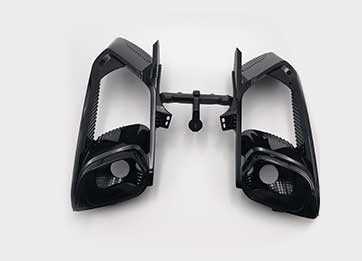
Common Quality Problems of Plastic Injection Parts
After injection molding, there are some bad problems, which will affect the assembly efficiency or the performance of the whole machine. There are certain differences with the predetermined quality standards (inspection standards), which cannot meet the company's quality requirements. In addition to strengthening the quality awareness training of employees and dealing with defective parts in a timely manner (such as selection, processing, etc.); these defects may be caused by the following aspects: molds, raw materials, process parameters, equipment, environment, and personnel. The defects are summarized as follows: <br> <br>1. Color difference of plastic injection parts <br> <br>The color of the injection molded part is different from the single standard color sample when viewed with the naked eye, and it is judged as a color difference under the standard light source. <br> <br>2. The plastic injection parts are not satisfied (lack of glue) <br> <br>Usually lack of glue refers to the uneven flow of glue, that is, the cavity is not full. The plastic moulding parts are not full, and there are bubbles, voids, shrinkage holes, etc., which do not match the standard model, which can also be called lack of glue. <br> <br>3. Warpage and deformation of plastic injection parts <br> <br>The shape of the injection molded part is rotated and twisted after the plastic part is demolded or for a period of time. If the straight edge is facing inward, or the flat part is curved outward, or the flat part has undulations, there are local and overall deformation. <br> <br>4. Welding line (pattern) of plastic injection parts <br> <br>The linear traces on the surface of the plastic injection parts are formed by the fusion of plastics in the mold, and the melts are not completely fused together at the intersection. Deep to shallow development, this phenomenon has a certain impact on the appearance and mechanical properties. Such as the weld line at the bottom of the hook plate. <br> <br>5. Corrugation of plastic injection parts <br> <br>The surface of the plastic injection parts has a spiral or cloudy wave-like uneven phenomenon, or there are corrugated lines on the inside of the transparent products, which are called corrugations. <br> <br>6. Overfill of plastic injection parts (flash, drape) <br> <br>A thin (flash) compound appears around the parting line around the injection molded part or on the sealing surface of the mold, which is called overflow. <br> <br>7. Silver thread pattern of plastic injection parts <br> <br>The long, needle-like silver-white frost-like fine lines on the surface of the plastic injection parts, the opening direction is along the direction of the material flow, and the front end of the fluid is rough where the plastic parts are not completely filled, called silver lines (silver lines) . <br> <br>8. Uneven color of plastic injection parts (color mixing) <br> <br>The color of the surface of the plastic injection parts is not uniform, there are shades and different hues, which is called color mixing. <br> <br>9. Poor gloss of plastic injection parts (dark color) <br> <br>The surface of the injection molded part is dull and dull or the gloss is uneven, which is called dark color or poor gloss. <br> <br>10. Poor demoulding (deformation from demoulding) <br> <br>Similar to warpage deformation, the plastic injection parts cannot be released from the mold smoothly after molding, and there are deformations, white tops, cracks, strains, etc., which are called poor demoulding. <br> <br>11. Cracks and ruptures of plastic injection parts <br> <br>Void cracks and resulting breakage appear on the surface of the injection molded part. <br> <br>12. Foaming (burning) of plastic injection parts <br> <br>Many dark black streaks or black spots appear on the surface or inside of the plastic injection parts, which are called smears or burns. <br> <br>13. The size of the plastic injection parts does not match <br> <br>During the molding process of plastic injection parts, the failure to maintain the original predetermined dimensional accuracy is called dimensional non-conformity. <br> <br>14. Bubble and dark bubble in plastic injection parts <br> <br>There are pores inside the plastic injection parts. Bubble is the defect of small volume or a series of pores formed inside the product after molding, and dark bubble is the vacuum hole generated inside the plastic. <br> <br>15. Mixed corrosion on the surface of plastic injection parts <br> <br>The surface of the plastic injection parts presents a dull, whitish and hazy appearance, which is called mixed corrosion. <br> <br>16. Depression of plastic injection parts <br> <br>The surface of the plastic injection parts is uneven, smooth, and shallow pits or dimples are generated inward. <br> <br>17. Cold material for plastic injection parts (cold glue) <br> <br>The surface of the injection molded part is formed of cold glue, and the color, performance and body are all different plastics. <br> <br>18. Top white/top height of plastic injection parts <br> <br>The surface of the plastic injection parts is obviously white or higher than the original plane. <br> <br>19. White spot of plastic injection parts <br> <br>There are white particles in the plastic injection molding products, and the particles are also called "fish eyes", which are mostly reflected on the transparent products. <br> <br>20. Insufficient strength of plastic injection parts (brittle cracking) <br> <br>The strength of the injection molded part is lower than expected, so that the injection molded part cannot withstand the predetermined load. <br> <br>As a china plastic molding company, we will do our best to meet all the needs of customers.
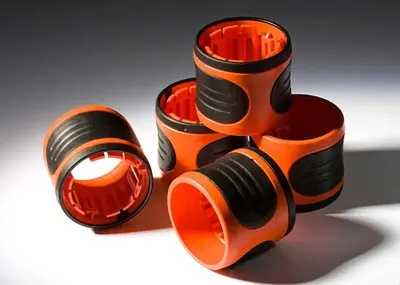
PP Injection Molding
Chromatic aberration of injection molded parts: a common problem between the casing and the appearance parts. <br> <br> <br>① Factors in raw materials: including toner replacement, plastic material grade change, and setting agent replacement. <br> <br>② Different types of raw materials: For example, injection molding polypropylene and ABS material or injection molding polycarbonate require the same color, but there is a slight color difference due to different material types, but a limited range is allowed. <br> <br>③ Equipment process reasons: <br> <br>A. temperature; <br> <br>B. Pressure; <br> <br>C melting time; <br> <br>D. Different batches of mixing materials, different machines and other process factors. <br> <br>④ Environmental factors: the barrel is not clean, the drying hopper is dusty, the mold is oily, etc. <br> <br>⑤ Factors of the toner itself: some toners are not affected by temperature, and the products are easily changed by temperature changes. <br> <br>2. Injection molding parts are not satisfied (lack of glue) <br> <br>Generally, the parts that appear are: deep, thin, long, thin, far from the gate, easy to trap air and lack of glue in places with debris in the mold. <br> <br>① Mould: <br> <br>A. The design of the gating system is unreasonable. The gating system is the channel for the melt to enter the mold cavity, which has a great relationship with the molding quality of the injection molded parts. The gate is not parallel, and the position of the gate is not in the wall thickness; <br> <br>B. The mold exhaust structure is poor; <br> <br>C. Impurities or cold materials in the melt block the flow channel; <br> <br>D. The mold temperature does not meet the requirements. <br> <br>② In terms of raw materials: <br> <br>A. The moisture content of raw materials is too large; <br> <br>B. The volatile matter in the raw material exceeds the standard; <br> <br>C. There are too many impurities or recycled materials in the raw materials. <br> <br>③ Injection molding machine: <br> <br>A. Insufficient injection volume: For example, a 150T machine is used to produce 180T products. <br> <br>B. The nozzle is blocked by foreign matter, and the nozzle hole is too small; <br> <br>C. Insufficient supply of raw materials: if the barrel is blocked, the nozzle material will affect the blanking; <br> <br>D. Check valve failure; <br> <br>E. The injection stroke is not enough; <br> <br>F. The sealing ring of the injection cylinder is damaged. <br> <br>④ Forming operation: <br> <br>A. The mold temperature is too low; <br> <br>B. The injection pressure is too low; <br> <br>C. The pressure holding time is too short; <br> <br>D. The injection speed is too slow or too fast; <br> <br>E. The melt temperature is too low. <br> <br>3. Warpage and deformation of injection molded parts <br> <br>① Mould: <br> <br>Mainly due to unreasonable reasons in mold design. <br> <br>② Forming operation: <br> <br>A. The injection pressure is too high, the molecular orientation of the fluid direction and the vertical flow direction are quite different, and the plastic tries to restore the original curled state, so the shrinkage in the fluid flow direction is greater than that in the vertical flow direction; <br> <br>B. The melt temperature is too high; <br> <br>C. The holding pressure is too high: when the holding pressure is high, the internal pressure in the plastic is too high, and the release of the internal stress after demolding causes the injection molded parts to warp and deform; <br> <br>D. The melt flow rate is too slow; <br> <br>E. The tempering temperature is too high or the time is too long. <br> <br>③ In terms of raw materials: PP/PA materials are easily deformed. <br> <br>4. Welding line (pattern) of injection molded parts <br> <br>① Mould: <br> <br>A. There are too many gates, that is, there are too many glue feeding points, and the cross-sectional area of the glue feeding mouth is too small; <br> <br>B. There is no cold material hole in the mold or the position of the cold material hole is incorrect; <br> <br>C. The design of the mold cooling system is unreasonable, and the melt is cooled too fast and unevenly in the mold. <br> <br>② In terms of raw materials: <br> <br>A. Too much release agent is used, or unsuitable release agent is used; <br> <br>B. The fluidity of the melt is poor, and it is easy to produce weld lines during molding; <br> <br>C. There is too much water in the raw material or the volatile content is too high. <br> <br>③ Forming operation: <br> <br>A. The melt temperature is too low, the low temperature melt has poor shunting and confluence performance, and it is easy to form weld lines; <br> <br>B. The melt injection pressure is too low, so that the injection speed is too slow, and the temperature of the melt in the cavity is not the same. At this time, the melt is easy to produce weld lines when the melt is divided and merged. <br> <br>As a reliable plastic molding company china, we can offer sorts of injection molded parts for sale, anything you need, please leave us a message.
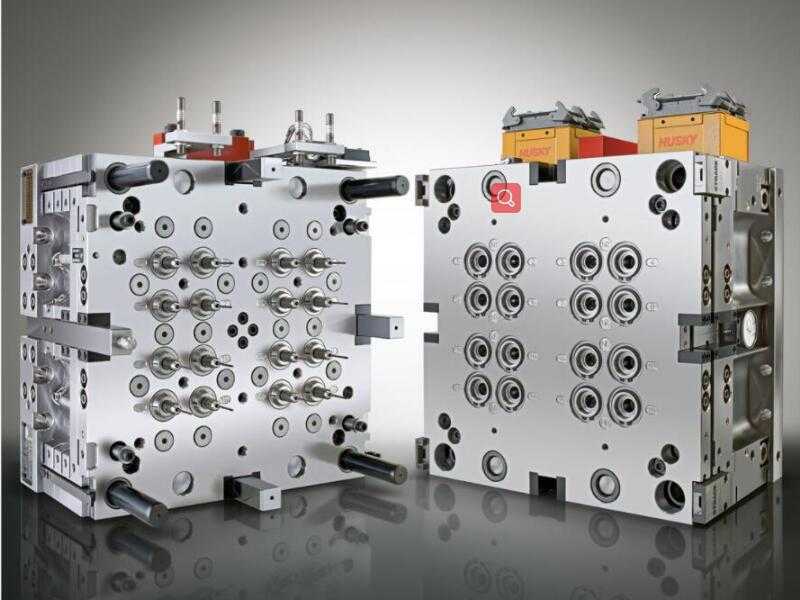
Precautions for Maintenance of Injection Moulding Dies
The maintenance procedures required for each precision plastic injection moulding location depend on different mold cycles. Below are some general principles that every mold user can use to ensure the efficient operation of injection mold components such as hot runners, heaters, guide posts, and ejectors, in case the unexpected arises. <br> <br>1. Check whether there is early-warning rust or moisture at the air diffuser of the injection moulding die <br> <br>If you notice rust or moisture near the hot runner vents, it could mean condensation inside or possibly a ruptured water pipe. Moisture can cause a fatal short circuit to the heater. If the machine is not running all year round, but is shut down at night or on weekends, the chance of this condensation will increase. <br> <br>2. Remember to remind the precision plastic injection moulding die operator not to "clean up" the hot nozzle at the gate <br> <br>If the operator happens to see a small piece of stainless steel at the die runner, it may actually be a runner assembly. "Cleaning" out what appears to be a hindrance often destroys the hot tip. In order not to damage the hot nozzle, please confirm the nozzle type of the lower hot runner system before taking action, make sure that all operators are well trained and can recognize all the different nozzle types they come into contact with. <br> <br>3. Sliding buckle of injection molding die <br> <br>For machines that run year-round, this work should be done weekly. <br> <br>4. The resistance value of the heater is checked interactively by the injection moulding die <br> <br>You should have measured the resistance of your heater when you first started using it, now it's time to measure it again and compare. If the resistance value fluctuates by 10%, it is time to consider replacing the heater to ensure that it does not fail at a critical point in the production process. If the initial resistance value has never been measured, measure it now and use the resulting value as a reference for future inspections of the heater. <br> <br>5. Check whether there are signs of wear between the guide post and the guide sleeve of the injection moulding die <br> <br>Look for signs of scratches or scuffs, which are due to lack of lubrication. If the marks are just emerging, you can also extend the life of the guide posts and guide bushes by lubricating them more. If the wear is severe, it is time to replace the parts with new ones. Otherwise, the cavity and core parts may not fit well, resulting in different thicknesses of the part cavity walls. <br> <br>6. Check the water flow during the production of the 2 shot plastic injection molding die <br> <br>Connect a hose to the outlet of the waterway and let the water flow through the hose to the bucket. If the water flowing out is not clear or colored, rust may occur, and if the water is not flowing smoothly, it means that there is a blockage somewhere. <br> <br>If these problems are found, re-drill all the water pipes to make sure they are clear (or clean them by whatever method you use most often). Improving the plant's water treatment system can prevent future problems caused by rust and blockages. <br> <br>7. Clean the injection moulding die thimble <br> <br>Over the course of a year, the thimble will become dirty due to gas build-up and film-like impurities. A good cleaning with mold cleaner every six to twelve months is recommended. After cleaning, apply a layer of lubricant to the thimble to prevent chafing or breaking. <br> <br>8. Check whether there is a fracture in the radius area of the hot filling nozzle of the injection moulding die <br> <br>Fractures are caused by loose hardened plastic fragments remaining in the hot nozzle of the machine from the clamping force from the injection barrel assembly during forward injection. It is also possible that the problem is caused by misalignment of the centerlines. Both possibilities are to be considered when finding fractures. <br> <br>Sprue bushings should be replaced if the damage is severe enough to prevent petal-like leaks in the injection moulding die (referring to plastic leaks between the guide bush and the hot tip of the machine). <br> <br>As one of 2k molding suppliers, we can offer sorts of related products for sale, anything you need, please contact us.
About dgfeman com's Store
No description provided.
0.0
Customer Reviews
See what others are saying about dgfeman com's Store. We verify purchases to ensure reviews are genuine.
No reviews yet for this store.