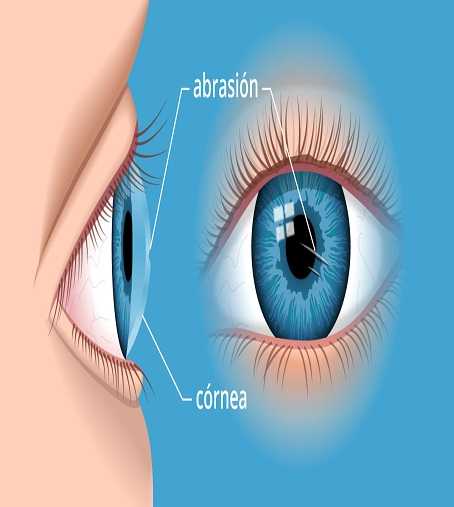

A corneal transplant, also known as a corneal graft, is a surgical procedure in which a damaged or diseased cornea is replaced with a healthy one from a donor. The cornea is the clear, dome-shaped surface that covers the front of the eye and helps to focus light on the retina.
Corneal transplantation is typically performed when the cornea has become cloudy or misshapen due to disease, injury, or aging. The most common reason for corneal transplantation is a condition called keratoconus, in which the cornea becomes thin and bulges outwards.
During the procedure, the damaged cornea is removed and replaced with a donor cornea that has been screened for disease and tissue compatibility. The new cornea is secured in place with sutures, which are typically removed several months after the surgery.
After the surgery, patients may experience some discomfort and sensitivity to light, but most are able to resume normal activities within a few weeks. With proper care and follow-up, corneal transplantation can restore vision and improve quality of life for patients with corneal disease or injury.
Corneal transplantation is typically performed when the cornea has become cloudy or misshapen due to disease, injury, or aging. The most common reason for corneal transplantation is a condition called keratoconus, in which the cornea becomes thin and bulges outwards.
During the procedure, the damaged cornea is removed and replaced with a donor cornea that has been screened for disease and tissue compatibility. The new cornea is secured in place with sutures, which are typically removed several months after the surgery.
After the surgery, patients may experience some discomfort and sensitivity to light, but most are able to resume normal activities within a few weeks. With proper care and follow-up, corneal transplantation can restore vision and improve quality of life for patients with corneal disease or injury.