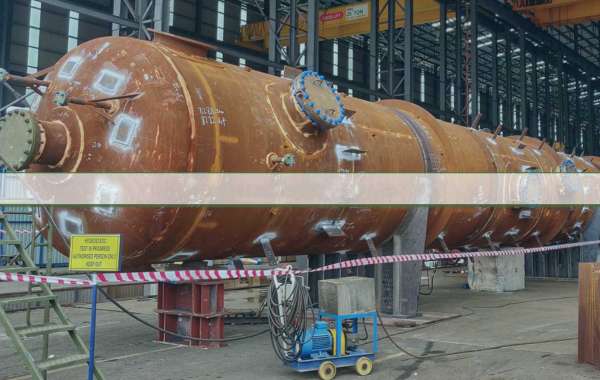
Everything You Should Know About Hydrostatic Testing Pumps
Hydrostatic testing is a key operation for many industries and applications that employ high-pressure equipment. A hydrostatic pressure test, on the other hand, is only as good as the pump used to accomplish it. In other words, not only should the system being tested be structurally sound and work properly, but the pump testing should also be reliable and sustain suitable pressure levels.
In this article, we'll go over hydrostatic testing, popular uses, and what to look for when selecting the finest hydrostatic testing pump.
What is Hydrostatic Testing?
Hydrostatic testing is a form of test that involves filling a pressure vessel or pipe system with fluid to a given PSI in order to determine that it can safely retain the pressure it is rated for while maintaining structural integrity. The item being tested must keep its PSI for a set amount of time without leaking or rupturing. The manufacturer or government agency rules normally decide the length of duration and PSI rating for each application's hydrostatic test.
To perform a hydrostatic equipment, a closed loop system must be formed, which usually entails closing a supply valve. Water (from the Greek word hydro) is the most often used pressurised fluid, and it is sometimes coloured to aid in visual inspection of leaks. Hydrostatic tests are frequently required after equipment shutdowns, repairs, or extended periods of inactivity to ensure that it will function properly when it is returned to service.
Common Applications for Hydrostatic Testing
In theory, any system that requires a pressure greater than the ambient pressure can benefit from a hydrostatic test. The most typical industries and applications for hydrostatic testing are as follows:
Sprinkler connections :
Many sprinkler connections are required by code to be checked on a regular basis to guarantee that they can sustain pressure and work properly when activated. A pump is connected to the main sprinkler system line and is pressured to 250 PSI for at least 15 minutes.
Fire hydrants :
Fire hoses, for example, must be checked to guarantee they do not burst or fail in service. They are usually checked before being placed in fire trucks or transported to fire stations.
Manufacturers of pipes :
Commercial pipe manufacturing factories will do hydrostatic testing on pipes of varied lengths, particularly those supplied to government organisations. They must demonstrate that every pipe fits specifications and will not fail in important applications such as naval defence vessels.
System of cooling :
Cylinders or coils for A/C or refrigeration units are inspected on a regular basis, especially in places where climate control is vital, such as hospitals. These types of refrigerants are also used to cool electronics in industrial electrical enclosures, as well as military vehicles utilised in extremely hot climes. Cooling systems are used in municipal vehicles such as city buses, and some state Departments of Transportation may demand frequent testing to assure safety and appropriate operation.
Miscellaneous :
Cortec hydrostatic testing include oil and gas pipelines, irrigation systems, gas cylinders, boilers, sewer water lines, plumbing, and more.
What to Look for When Purchasing a Hydrostatic Testing Pump
As you can see, a hydrostatic testing firm may offer services to a variety of sectors. As a result, it will necessitate the employment of a pump capable of operating at various pressures that fulfil the required criteria.
Maintaining steady pressure, on the other hand, is where the true value lies. An electric plunger pump is appropriate for a hydrostatic test because it cannot have variable pressure. Unlike a diaphragm pump with flexible components, the pressure of a plunger pump does not ebb and flow. Both are positive displacement pumps, although they differ significantly.
The amount of flow output that a pump can deliver is also important to operators. They don't want to spend the entire day standing about waiting for a system to fill and achieve the desired PSI. The faster a pump's flow rate, the faster the system will fill.
Electric plunger pumps are great not just for their silent operation and regular flow and pressure, but they are also compact, portable, and readily manipulated to fit into small places.
Failure in essential systems or the hydrostatic testing pumps employed to test them is not an option. Learn what distinguishes Pumptec hydrostatic testing pumps from the competition and how our engineers can design a solution to meet your exact needs.
Hope this information will help you in know about hydrotesting pumps. Request for an all-purpose lubricant-free sample email us at [email protected] or call us at 97144340669.


