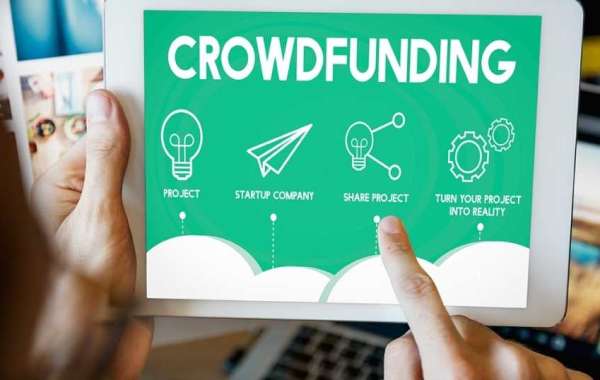
Why Crowdfund?
Crowdfunding is a way for people to pool their resources to invest in a project or venture. This strategy takes advantage of the networks of a huge group of people working together, particularly online through social media and crowdfunding sites.
Crowdfunding investment might be a great way to get the money you need to start your own business. Why?
• It lets you tap into the largest pool of potential investors throughout the world: people everywhere.
• As a result, you'll have a sizable fan base ready to buy from you and spread the word once your product or service goes live.
• By spreading the hazard around, it relieves the financial burden on a select few.
• It allows you to set the parameters of the business funding process, bypassing traditional financial institutions like banks and VC firms as well as professional investors.
• It allows you to start talking to your faithful before you even officially begin your firm. If you all share what you know and push each other, you can make your plan even better.
The upside of a successful crowdfunding round is that it not only generates much-needed capital but also builds a community of loyal customers who feel invested in the company's success.
One potential drawback is that your crowdfunding campaign can fail if you don't have a particularly interesting narrative to share. Even while crowdfunding sites like Kickstarter don't start collecting until a certain threshold is met, it's still a lot of time that could have been spent on other aspects of expanding the business.
Crowdfunding Varieties
The varied forms of crowdsourcing mirror the wide diversity of capital-raising strategies available to companies at various stages of development. How you choose to crowdfund will be determined by the nature of your business and your expansion plans. Crowdfunding can take several different forms, the three most common being donation-based, reward-based, and equity-based.
Crowdfunding campaigns often involve asking for money in exchange for perks on websites like Kickstarter and Indiegogo. That could entail getting something for free or having input into how the product or service is developed.
Capital Raising Through the Crowds Using Donations
Donation-based crowdfunding can be defined as any crowdfunding campaign in which investors or donors do not receive any monetary reward. Many crowdfunding campaigns rely on monetary donations to pay for important causes or necessary expenses, such as those related to natural disasters, charitable organizations, or medical care.
Methods of Crowdfunding that Offer Rewards
Crowdfunding with rewards is when people give money to your company in exchange for something, usually some kind of product or service. While backers do receive a reward, this technique is still classified as a form of crowdfunding similar to donation-based campaigns because there is no financial or equity return. Because it allows business owners to offer incentives to their contributors without significantly increasing costs or surrendering ownership interest, this strategy is widely adopted on crowdfunding sites like Kickstarter and Indiegogo.
The Crowdfunding of Equity
In equity-based crowdfunding, backers exchange cash for an ownership stake in the business rather than merely receiving a product or service in exchange. Your investors will get a return on their money and a cut of the company's future profits in the form of a dividend or distribution if they have purchased equity in your company.
Due to the nature of crowdfunding, it may be more challenging for dishonest business owners to pull out fraud.
Crowdfunding has been the subject of numerous publications highlighting its potential risks. Crowdfunding is a relatively new method of transferring funds, therefore it is only natural that entrepreneurs and investors would want to know the potential downsides before committing any money. However, the potential benefits outweigh the risks by a considerable margin.
For instance, broker-dealers and funding portals are likely to screen crowdfunded enterprises just as thoroughly as any institutional investor would, and they will also have the critical scrutiny of the crowd to bolster the portals' initial due diligence. Crowdfunded businesses will have access to more relevant investors, leading to a more thorough and efficient due diligence process than is possible with traditional funding methods.


