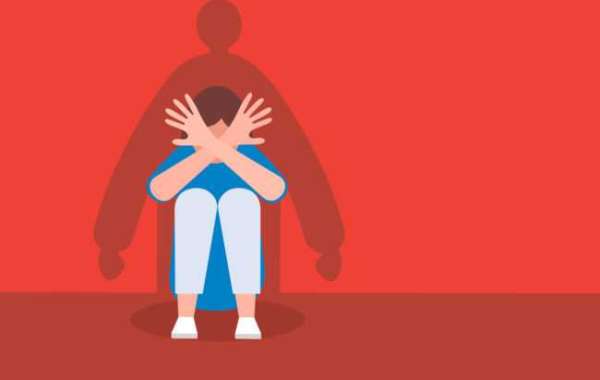
Body-Oriented Approaches to Treating Trauma
Having experienced a traumatic event can be quite debilitating. Symptoms of Posttraumatic Stress Disorder (PTSD) can include depression, substance abuse, and rehashing of painful memories. There are many ways to treat trauma. This article will look at the body-oriented approaches to treating trauma.
Posttraumatic stress disorder
PTSD, or posttraumatic stress disorder, is a psychiatric disorder characterized by excessive psychological distress and a sense of helplessness in the aftermath of a traumatic event. Symptoms can be disabling and may result in suicidal behavior. Symptoms also may be associated with a serious physical illness. It is important to remember that the condition can be triggered by a variety of events.
The incidence of PTSD has been reported to be higher in the United States than in other developed countries. In addition, the conditional risk for PTSD varies with the type of traumatic event. Specifically, a study showed that assaultive violence had the highest conditional PTSD risk.
PTSD symptoms
PTSD is a mental health disorder that can develop after a traumatic event. Symptoms include hyperarousal, emotional numbing, and avoidance. Survivors may experience depression, substance use disorders, and relationship problems. Medications can help ease anxiety and paranoia, as well as sadness.
Some studies have shown that children and teens have an increased risk of developing PTSD. According to the Substance Abuse and Mental Health Services Administration, two-thirds of adolescents have experienced a traumatic event.
There are many different types of trauma that can lead to PTSD. Survivors of a traumatic event might experience a range of negative effects on behavior, including sleeplessness, substance use, and psychosis.
Depression
Despite the high rate of depression following trauma, there is relatively little investigation into its causes. A few studies have found significant correlations between the incidence of depression and other trauma-related symptoms. Nevertheless, it is important to determine how these associations may be explained by the processes involved. Specifically, it is known that post-trauma rumination is associated with depression. Likewise, studies have shown that a reduced degree of concreteness predicts the severity of psychological problems after traumatic experiences.
The rumination scale of the Response Style Questionnaire (RSQ) has been used successfully in clinical populations and has also shown good psychometric properties. It has also been used to assess depressive rumination in non-clinical settings. Study 1 provided 83 participants for whom rumination data were available. Similarly, in Study 2 114 participants were studied.
Substance abuse
Identifying the relationship between trauma and substance abuse is essential to addressing addiction. Whether the person is a child or an adult, there is an increased risk of both if they have experienced a traumatic event in the past. Often, individuals will turn to drugs or alcohol to cope with the pain of their traumatic experiences. The combination of drugs and alcohol can lead to addiction and other mental health problems.
Some organizations take an integrated approach to treating both a trauma and substance use disorder. This can include therapy, medical care, and aftercare. It is a more effective method of recovery than treating one or the other alone.
Body-oriented approaches to treating trauma
Whether you're dealing with chronic pain, PTSD, or depression, body-oriented approaches to treating trauma can be effective. These methods involve working with the body to release problematic tension and stress. They are especially useful for people with somatoform or medically unexplained symptoms.
These methods are based on the theory that all traumatic experiences are stored in the body through "body memory." These memories remain in the nervous system even after the event has passed. This leads to energy build-up that can lead to physical health problems.
The body-oriented approaches to treating trauma include Sensorimotor Psychotherapy, EMDR, mindfulness-based therapy, relaxation therapies, and Somatic Experiencing (SE). Some of these methods aim to change the emotional and physiological processing of trauma, while others aim to treat the symptoms of somatization.


