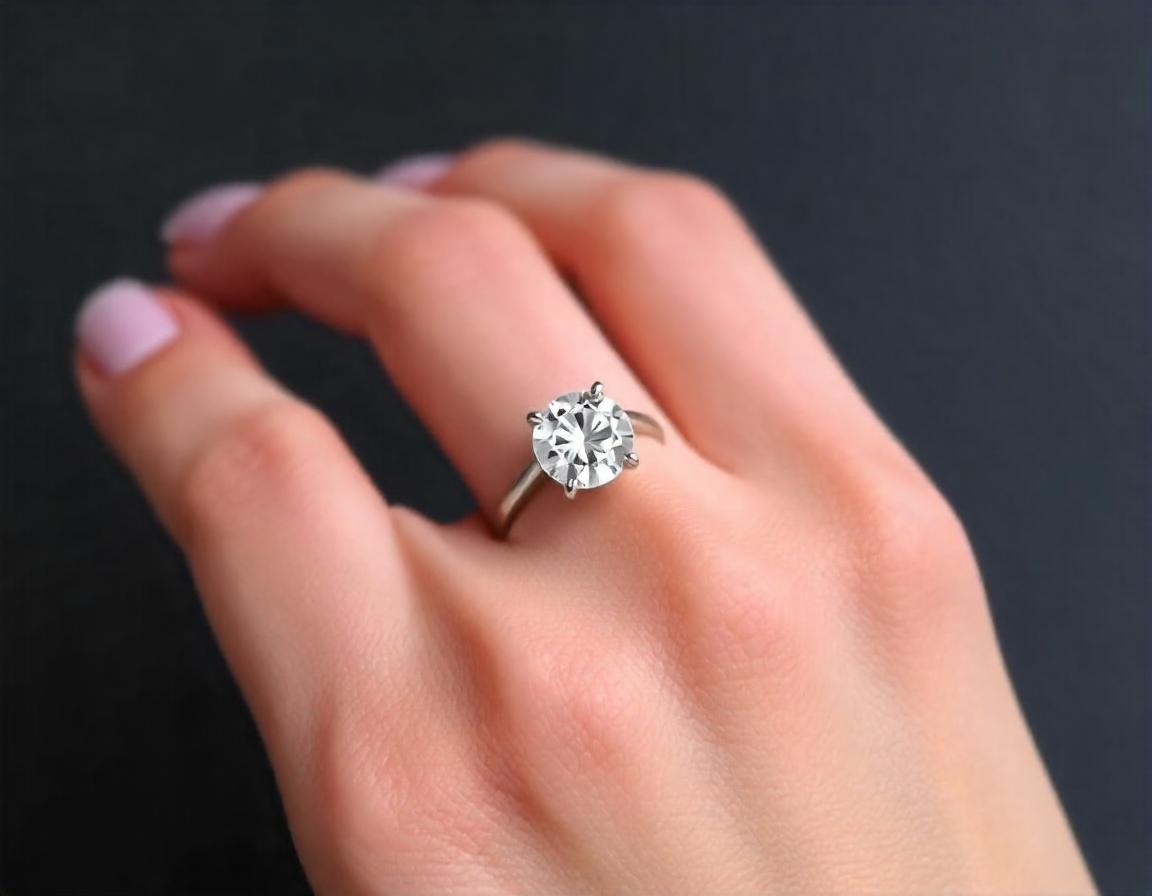
Are Lab-Grown Diamond Rings a Good Investment? Pros and Cons Explained
Lab-grown diamond rings are gaining popularity as a modern alternative to natural diamonds. These diamonds, created in laboratories using advanced technology, offer a stunning appearance identical to natural diamonds but come with a smaller price tag. However, many people wonder if lab-grown diamond rings are a good investment. Let’s explore their pros and cons to help you make an informed decision.
What Are Lab-Grown Diamonds?
Lab-grown diamonds, also known as man-made or synthetic diamonds, are created using high-pressure, high-temperature (HPHT) methods or chemical vapor deposition (CVD) techniques. These processes replicate the conditions under which natural diamonds form deep within the Earth’s crust. The result is a diamond with the same chemical, physical, and optical properties as natural diamonds.
Unlike cubic zirconia or moissanite, lab-grown diamonds are real diamonds. They are graded using the same criteria as natural diamonds, known as the 4Cs: carat, cut, color, and clarity. The only difference is their origin.
Benefits and Drawbacks of Lab-Grown Diamonds
Benefits of Lab-Grown Diamonds
-
Cost-Effective: Lab-grown diamonds are typically 20-40% cheaper than natural diamonds, making them an affordable option for engagement rings and fine jewelry.
-
Ethical and Sustainable: These diamonds are considered more ethical as they do not involve mining, which can have negative environmental and social impacts.
-
Identical Beauty: Lab-grown diamonds look exactly like natural diamonds to the naked eye and even under a jeweler’s magnification.
-
Customizable: Advanced technology allows for precise customization of size, color, and clarity.
-
Eco-Friendly: Producing lab-grown diamonds has a smaller environmental footprint compared to mining.
Drawbacks of Lab-Grown Diamonds
-
Resale Value: Lab-grown diamonds tend to depreciate faster and have a lower resale value than natural diamonds.
-
Market Perception: Many people still perceive natural diamonds as more prestigious and valuable.
-
Limited Rarity: Since they can be mass-produced, lab-grown diamonds lack the rarity that adds to the allure of natural diamonds.
-
Technological Advances: As technology improves, lab-grown diamonds may become even cheaper, further impacting their value.
Investment Potential of Lab-Grown Diamonds
When it comes to investment, lab-grown diamond rings might not be the best choice. Unlike natural diamonds, which hold their value due to rarity and demand, lab-grown diamonds are produced in controlled environments, making them less scarce. This abundance reduces their potential as a long-term investment.
However, lab-grown diamonds are an excellent choice for those looking for an affordable, ethical, and beautiful piece of jewelry rather than a financial asset. If you’re buying a diamond ring as a symbol of love or personal style, the lower price and ethical advantages might outweigh the lack of investment potential.
Certification and Appraisal of Lab-Grown Diamonds
Certification is crucial when buying any diamond, including lab-grown ones. Reputable laboratories like the Gemological Institute of America (GIA) and the International Gemological Institute (IGI) provide grading reports for lab-grown diamonds. These reports detail the diamond’s 4Cs and clearly indicate that the diamond is lab-grown.
Appraisals for lab-grown diamonds are also available, but it’s important to note that their value is typically lower than natural diamonds. Ensure that your appraisal is conducted by a qualified professional to get an accurate valuation.
Market Analysis of Lab-Grown Diamonds
The lab-grown diamond market has experienced significant growth in recent years. As consumers become more aware of ethical and environmental issues, demand for lab-grown diamonds has risen. In addition, technological advancements have made the production of these diamonds more efficient, further driving their popularity.
However, the market for lab-grown diamonds is still relatively new and evolving. Prices may continue to decrease as production becomes more cost-effective. This trend could make them even less appealing as an investment but more accessible for everyday consumers.
Comparison to Natural Diamonds
| Feature | Lab-Grown Diamonds | Natural Diamonds |
|---|---|---|
| Origin | Created in labs | Mined from the Earth |
| Cost | 20-40% cheaper | Higher price |
| Environmental Impact | Lower impact | Significant impact |
| Rarity | Not rare | Rare |
| Resale Value | Lower | Higher |
| Appearance | Identical | Identical |
While natural diamonds hold their value better and are often seen as status symbols, lab-grown diamonds excel in affordability, ethics, and sustainability. The choice depends on your priorities and budget.
Industry Insights and Expert Opinions
Industry experts have mixed opinions about lab-grown diamonds. Some believe they are the future of the diamond industry due to their ethical and eco-friendly attributes. Others argue that their lack of rarity and lower resale value make them unsuitable as investments.
Jewelers often recommend lab-grown diamonds for customers seeking affordable and sustainable options. Natural diamonds, on the other hand, remain the preferred choice for those prioritizing long-term value and tradition.
Conclusion
Lab-grown diamond rings are an excellent choice for those who value affordability, ethics, and sustainability. While they may not be the best investment option due to their lower resale value and lack of rarity, they offer stunning beauty and identical properties to natural diamonds. Whether you choose a lab-grown or natural diamond ring, understanding the benefits and drawbacks can help you make the right decision based on your needs and priorities.


