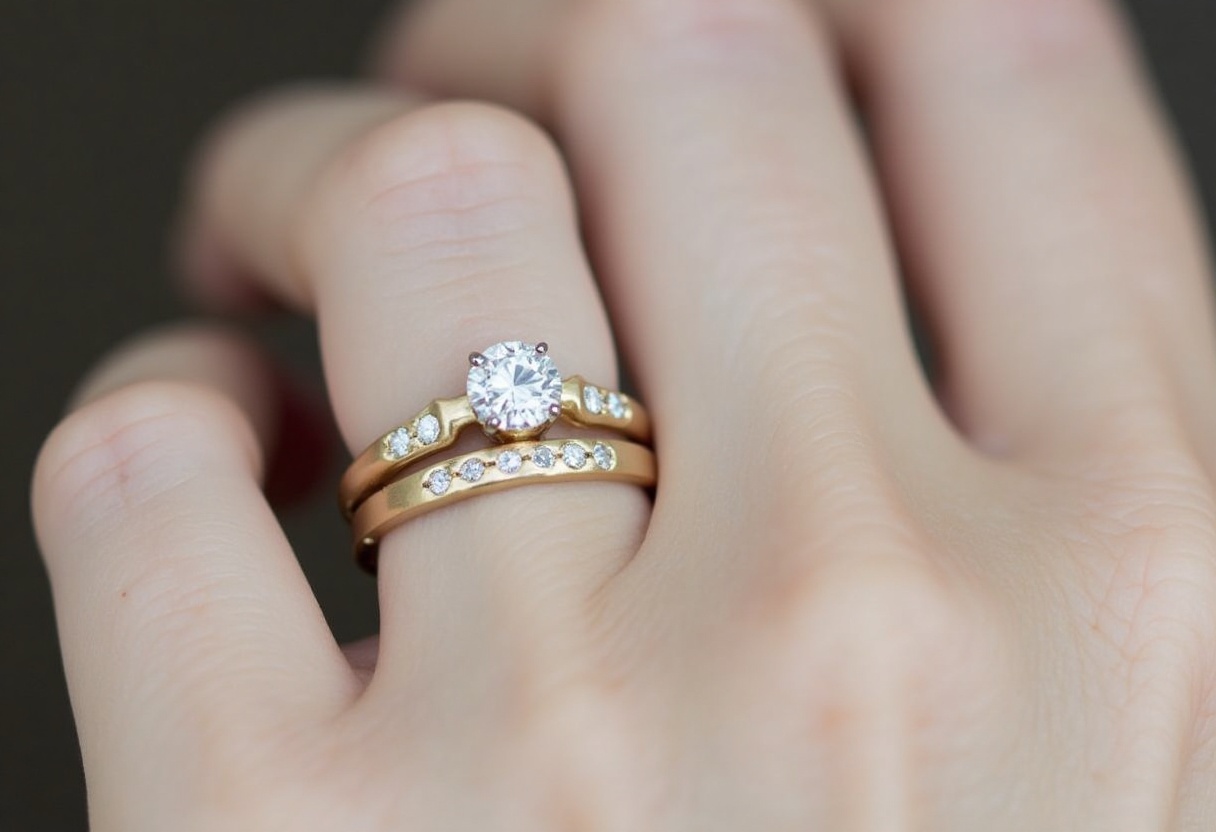
Lab Grown Diamond Rings: Understanding the 4 Cs
Are you thinking about buying a diamond ring? Lab grown diamond rings might be perfect for you! These beautiful rings are becoming more and more popular for good reasons. Lab grown diamond rings feature real diamonds that are made in a laboratory instead of being mined from deep underground. They look exactly like mined diamonds but cost much less. This makes them a smart choice for anyone looking for a stunning ring without spending too much money.
When shopping for lab grown diamond rings, it's important to understand what makes a diamond beautiful and valuable. Diamond experts use something called the "4 Cs" to grade diamonds. These 4 Cs are Cut, Clarity, Color, and Carat. Each of these factors affects how your diamond looks and how much it costs. Let's explore each one in simple terms so you can make the best choice for your budget and style.
Cut: What Makes Your Diamond Sparkle
The cut is the most important of all the 4 Cs. It's not just about the shape of the diamond but how well it was cut and polished. A well-cut diamond reflects light beautifully, creating that amazing sparkle we all love. Even if a diamond has perfect color and clarity, it won't shine brightly if it has a poor cut.
How Cut Grades Work
Diamond cuts are graded on a scale:
- Excellent – Reflects the most light and sparkles the most
- Very Good – Still sparkles beautifully
- Good – Has decent sparkle, but not the best
- Fair – Shows less sparkle than higher grades
- Poor – Looks dull with little shine
The better the cut grade, the more your lab grown diamond ring will sparkle and catch people's attention.
Different Diamond Shapes
While cut quality matters most, the shape of your diamond also affects how it looks:
- Round cut – This is the most popular shape and creates the most sparkle
- Oval, pear, and marquise – These "fancy shapes" create a unique look
- Princess, cushion, and emerald cuts – Each has its own special style
Remember, no matter which shape you choose, the quality of the cut is what really makes your diamond shine.
Expert Advice on Cut
Diamond expert Anna Cole says, "Always prioritize cut above everything else." A diamond with a perfect cut will sparkle beautifully even if it doesn't have the best color or clarity. When choosing your lab grown diamond ring, check the cut grade first.
Clarity: How Clear Is Your Diamond?
Clarity refers to how clear your diamond is. Most diamonds have tiny flaws called "inclusions" (inside the diamond) or "blemishes" (on the surface). These natural marks can affect how the diamond looks.
Understanding Clarity Grades
Diamonds are graded for clarity on this scale:
- Flawless (FL) – No flaws at all, extremely rare
- Internally Flawless (IF) – No flaws inside the diamond
- VVS1 – VVS2 – Very, very small flaws that are hard to see
- VS1 – VS2 – Very small flaws that are difficult to spot
- SI1 – SI2 – Small flaws, usually hard to see without magnification
- I1 – I3 – Visible flaws that can be seen without magnification
The fewer flaws a diamond has, the higher its clarity grade and price.
What Clarity Grade Means for Your Ring
Here's the good news: most flaws in diamonds are incredibly tiny. You typically can't see them without a jeweler's magnifying glass. This is why many people choose VS2 or SI1 grade diamonds for their lab grown diamond rings. These grades offer a clean look to the naked eye but cost much less than the highest clarity grades.
For the best value, avoid I1-I3 clarity diamonds, as their flaws can be visible and may make the diamond look cloudy or have dark spots.
Clarity and Value: A Real Example
Consider this example:
- One diamond has VS1 clarity
- Another has SI2 clarity
- Both have the same cut, color, and carat weight
The VS1 diamond will cost significantly more, but when looking at both with just your eyes, you might not see any difference. This is why choosing a slightly lower clarity grade can save you money without sacrificing beauty.
Color: How White Is Your Diamond?
The color grade of a diamond refers to how colorless (white) it appears. The less color, the more valuable the diamond is considered.
The Diamond Color Scale
Diamonds are graded on a scale from D (completely colorless) to Z (light yellow or brown):
- D-F – Colorless (highest grades)
- G-J – Near colorless (excellent value)
- K-Z – Noticeable yellow or brown tint
Most people can't tell the difference between a D and a G color diamond without comparing them side by side.
How Color Affects Price
A D-color diamond (completely colorless) costs much more than a J-color diamond. However, in real life, the difference may be hard to notice, especially once the diamond is set in a ring. Also, if you choose a yellow gold setting for your lab grown diamond ring, a diamond with a slight yellow tint (like J) can still look perfectly white against the gold.
Best Value for Color
For most people, G to I color diamonds offer the best balance between price and appearance. These diamonds still look white to the naked eye but cost significantly less than D-F diamonds. This allows you to put more of your budget toward cut, carat, or the ring setting.
Carat: Size and Weight
Carat measures how much a diamond weighs, not necessarily how big it looks. One carat equals 200 milligrams.
Understanding Carat Weight
- Higher carat means a heavier, larger diamond
- Higher carat diamonds cost more per carat
- Two diamonds with the same carat weight might look different in size depending on their shape and cut
For example, an oval diamond often appears larger than a round diamond of the same carat weight because of how it's shaped.
Smart Carat Shopping
Diamond prices jump significantly at popular carat weights:
- 0.5 carat
- 1.0 carat
- 1.5 carats
A smart way to save money is to buy just under these popular weights. For instance, a 0.9-carat diamond can look almost as big as a 1-carat diamond but costs much less. This is one of the best "insider tips" when shopping for lab grown diamond rings.
What Most People Choose
Data shows that 1-carat diamonds are the most popular choice for engagement rings. Because demand is so high for this exact weight, the price is higher too. Going slightly under 1 carat (like 0.9) can give you better value without a noticeable difference in appearance.
Bringing It All Together: Finding Your Perfect Lab Grown Diamond Ring
When shopping for lab grown diamond rings, remember that all 4 Cs work together. You don't need the highest grade in every category to get a beautiful ring. Instead, balance your choices based on what matters most to you.
Here are some practical tips:
- Always prioritize cut – Choose Excellent or Very Good cut grades for maximum sparkle
- For clarity, aim for VS2 or SI1 – These look clean to the naked eye but cost less than higher grades
- For color, consider G to I – These still look white but are more affordable
- For carat, consider your finger size – A smaller diamond can look proportional on a smaller hand
- Look for diamonds just under whole carat weights – You'll save money without losing noticeable size
Final Thoughts
Lab grown diamond rings offer all the beauty of mined diamonds at a lower price. By understanding the 4 Cs, you can choose a diamond that looks stunning while staying within your budget. Remember to buy from a trusted jeweler who can explain these qualities and show you examples of different grades.
Whether you're shopping for an engagement ring, a special gift, or a treat for yourself, your lab grown diamond ring will shine bright for years to come when you choose wisely. With this knowledge, you're ready to find the perfect diamond that balances beauty and value exactly the way you want.


