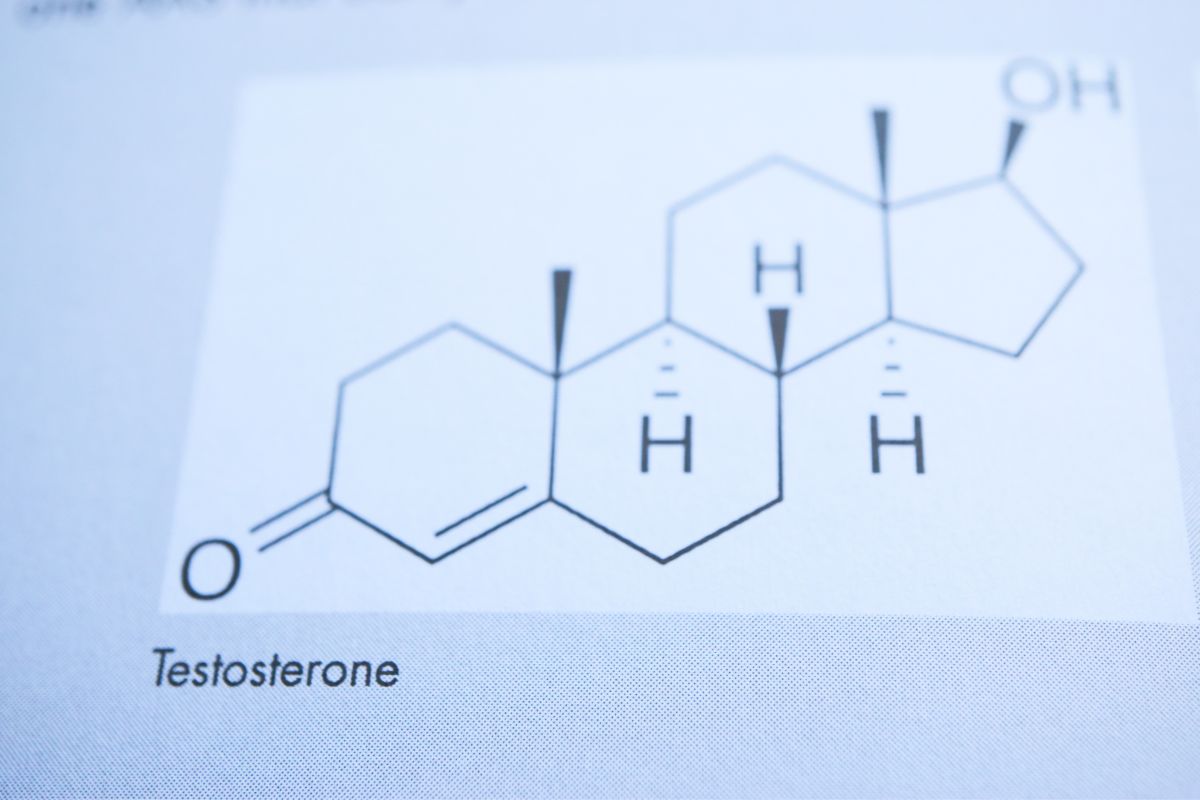
Understanding the Endocrine System’s Role in Testosterone Production
Testosterone is a vital hormone that plays a significant role in male development and overall health. While often associated with masculinity, its production and regulation are orchestrated by the intricate workings of the endocrine system. Understanding how this system governs testosterone synthesis provides insight into various physiological processes and potential health implications.
The Endocrine System: An Overview
The endocrine system comprises a network of glands that secrete hormones directly into the bloodstream. These hormones act as messengers, regulating numerous bodily functions, including growth, metabolism, and reproduction. Key glands involved in testosterone production include the hypothalamus, pituitary gland, and testes.
The Hypothalamic-Pituitary-Gonadal (HPG) Axis
Central to testosterone regulation is the Hypothalamic-Pituitary-Gonadal (HPG) axis, a feedback loop involving the hypothalamus, pituitary gland, and gonads (testes). This axis ensures the proper synthesis and release of testosterone, maintaining hormonal balance.
- Hypothalamus: Located in the brain, the hypothalamus initiates the process by secreting Gonadotropin-Releasing Hormone (GnRH) in a pulsatile manner. This hormone signals the pituitary gland to act.MDPI
- Pituitary Gland: In response to GnRH, the anterior pituitary releases two gonadotropins: Luteinizing Hormone (LH) and Follicle-Stimulating Hormone (FSH). LH primarily stimulates testosterone production, while FSH is crucial for spermatogenesis.
- Testes: LH targets the Leydig cells in the testes, prompting them to produce testosterone. Simultaneously, FSH acts on Sertoli cells, supporting sperm maturation.ScienceDirect
Testosterone's Role in the Body
Testosterone influences various aspects of male physiology:
- Reproductive Development: It drives the formation of male reproductive organs during fetal development and supports sperm production in adulthood.
- Secondary Sexual Characteristics: During puberty, testosterone induces changes such as deepening of the voice, facial hair growth, and increased muscle mass.
- Bone and Muscle Health: It contributes to bone density and muscle strength, reducing the risk of osteoporosis.
- Mood and Cognitive Function: Adequate testosterone levels are associated with mood stability, cognitive performance, and overall well-being.
Feedback Mechanisms and Hormonal Balance
The HPG axis operates on a negative feedback system to maintain hormonal equilibrium. Elevated testosterone levels signal the hypothalamus and pituitary to reduce GnRH, LH, and FSH production, thereby decreasing testosterone synthesis. Conversely, low testosterone levels prompt increased hormone release to restore balance.
Factors Affecting Testosterone Production
Several factors can influence the endocrine system's regulation of testosterone:
- Age: Testosterone levels naturally decline with age, often leading to symptoms such as reduced libido and energy.
- Stress: Chronic stress elevates cortisol levels, which can suppress GnRH secretion and subsequently lower testosterone production.
- Nutrition and Lifestyle: Poor diet, lack of exercise, and inadequate sleep can disrupt hormonal balance, affecting testosterone levels.
- Medical Conditions: Disorders such as hypogonadism, obesity, and type 2 diabetes can impair the HPG axis, leading to altered testosterone production.
Clinical Implications of Hormonal Imbalance
Disruptions in the endocrine system's regulation of testosterone can result in various health issues:
- Hypogonadism: Characterized by low testosterone levels, it can cause symptoms like fatigue, decreased libido, and infertility.
- Delayed or Precocious Puberty: Imbalances in hormone levels can lead to abnormal timing of puberty.
- Metabolic Disorders: Low testosterone is linked to increased body fat, insulin resistance, and a higher risk of metabolic syndrome.
Maintaining Hormonal Health
To support the endocrine system and healthy testosterone levels:
- Regular Exercise: Engaging in both aerobic and resistance training can boost testosterone production.
- Balanced Diet: Consuming a diet rich in essential nutrients supports overall hormonal health.
- Stress Management: Practices such as meditation and adequate rest can mitigate stress-related hormonal disruptions.
- Medical Consultation: Regular check-ups can help detect and address hormonal imbalances early.
Conclusion
The endocrine system, through the coordinated efforts of the hypothalamus, pituitary gland, and testes, plays a pivotal role in regulating testosterone production. Maintaining the health of this system is essential for various aspects of male physiology, from reproductive health to mood regulation. Understanding and supporting the endocrine system's function can lead to improved overall well-being and quality of life.
For more information: https://www.globenewswire.com/news-release/2025/04/17/3063638/0/en/Best-Testosterone-Boosters-for-Men-Over-40-and-50-TestoPrime-Under-Review.html


