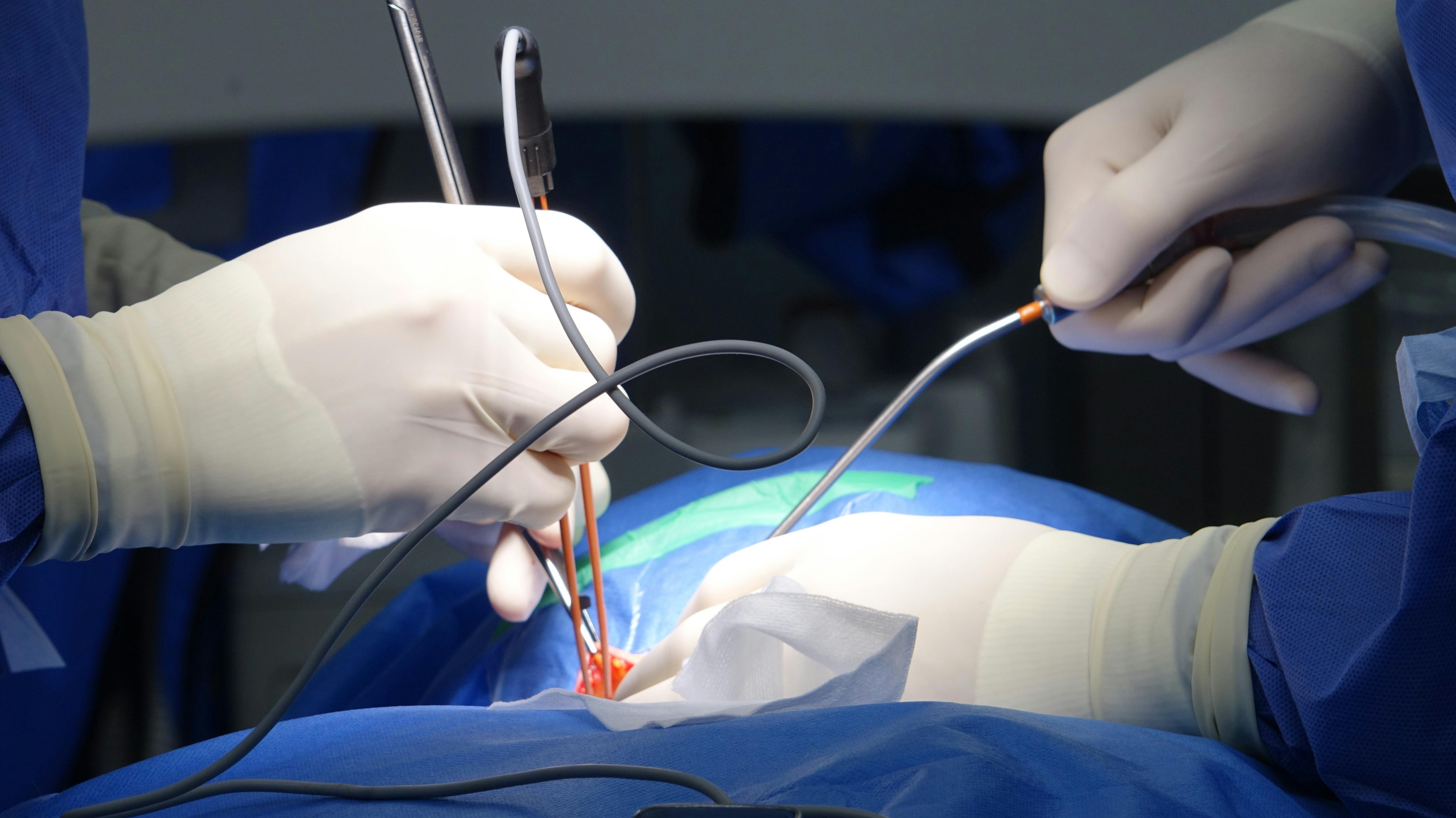
Surgical Navigation Systems: Enhancing Precision and Safety in Modern Surgery
Surgical practice has entered a new era, driven by the need for precision, personalization, and patient safety. As procedures grow increasingly complex, traditional manual methods often fall short in delivering consistent outcomes. This gap has been effectively bridged by advanced digital technologies like Surgical Navigation Systems. These systems transform surgeries into data-driven, highly visualized experiences, enhancing both surgeon confidence and patient safety. A key innovator in this domain is HRS Navigation, which develops advanced navigation platforms. Their easyNav™ systems provide surgeons with real-time, image-guided assistance during intricate cranial, spinal, and ENT surgeries, significantly optimizing clinical outcomes.
What Are Surgical Navigation Systems?
Surgical navigation systems are advanced technological platforms that guide surgeons by integrating preoperative imaging with real-time anatomical tracking. Often referred to as "GPS for the body," these systems allow clinicians to visualize instruments and anatomical structures in three dimensions during surgery. By synchronizing imaging data—such as CT, MRI, or fluoroscopy—with intraoperative tracking sensors, these systems ensure that every incision and movement is precisely planned and executed.
The technology relies on three key components:
-
Preoperative imaging data
-
Tracking hardware (usually infrared cameras and markers)
-
Navigation software that maps instrument position in real time
This orchestration reduces the reliance on visual estimations and manual alignment, which are prone to human error.
Applications Across Surgical Specialties
Surgical navigation systems are no longer confined to neurosurgery. Their use has expanded dramatically across multiple disciplines, including:
-
Spinal Surgery: Ensures accurate screw placement and alignment, particularly in scoliosis and trauma cases
-
ENT (Ear, Nose, Throat): Improves precision during delicate sinus and skull base surgeries
-
Orthopedics: Helps achieve proper limb alignment in joint replacements
-
Cranial Surgery: Guides tumor resections, biopsies, and decompression surgeries with micrometric accuracy
They are increasingly integrated with robotic-assisted platforms and minimally invasive techniques, making procedures safer, faster, and more effective.
Benefits of Surgical Navigation Systems
The clinical advantages of surgical navigation systems are multifaceted. Here’s how they revolutionize the surgical landscape:
-
Enhanced Accuracy: Navigation systems offer precise visual guidance, reducing errors in targeting and alignment.
-
Real-Time Visualization: Surgeons can see both the internal anatomy and the instrument path simultaneously.
-
Tissue Preservation: By limiting unnecessary incisions, these systems help preserve healthy tissues.
-
Fewer Intraoperative Complications: Real-time data minimizes guesswork, significantly lowering the risk of nerve or vessel injury.
Moreover, this precision translates to better outcomes, especially in anatomically complex or high-risk areas like the spine and brain.
How Surgical Navigation Improves Patient Outcomes
From the patient’s perspective, surgical navigation systems are transformative:
-
Faster Recovery: Reduced tissue trauma and more efficient procedures shorten hospital stays.
-
Fewer Revision Surgeries: Accurate placement and minimal invasiveness lower the likelihood of future corrective surgeries.
-
Improved Implant Longevity: In orthopedic procedures, precise alignment leads to better-fitting prosthetics, which last longer.
-
Reduced Postoperative Pain: Smaller incisions and better targeting help minimize post-op discomfort.
These improvements collectively result in higher patient satisfaction, quicker return to normal activities, and reduced overall healthcare costs.
HRS Navigation and the easyNav™ Advantage
HRS Navigation has emerged as a front-runner in developing surgical navigation systems designed specifically to address the unique challenges of cranial, spinal, and ENT procedures. Their easyNav™ system is engineered to be both surgeon-friendly and clinically robust. It provides:
-
High-resolution real-time imaging
-
User-friendly interface with touch-based controls
-
Seamless integration with operating room tools and imaging equipment
By offering real-time positional feedback, easyNav™ empowers surgeons to operate with greater confidence and accuracy, even in minimally accessible regions of the anatomy. This not only boosts surgical performance but also contributes to enhanced safety and reduced procedural times.
Clinical Evidence and Case Studies
The efficacy of surgical navigation systems is well-supported by scientific literature. A study published by the National Institutes of Health demonstrated that navigation-assisted spinal surgeries reduced pedicle screw misplacement rates from 10.3% to just 2.1%, a substantial leap in surgical accuracy. Another peer-reviewed analysis in Neurosurgical Focus highlighted improved tumor resection margins in brain surgeries conducted with navigation systems compared to conventional methods.
Such data underscore the real-world benefits of these technologies and validate their growing adoption in hospitals and surgical centers worldwide.
Challenges and Considerations in Implementation
Despite their advantages, surgical navigation systems come with certain challenges:
-
Cost Implications: The initial investment in navigation hardware and software can be significant.
-
Learning Curve: Surgeons and operating room staff must undergo training to use these systems effectively.
-
Workflow Integration: Synchronizing the technology with preexisting systems and protocols can be complex.
However, these challenges are increasingly being addressed through modular system designs, better user interfaces, and ongoing clinician education.
Future Directions in Surgical Navigation
The future of surgical navigation is deeply intertwined with artificial intelligence, machine learning, and augmented reality. Key trends include:
-
AI-Powered Decision Support: Predictive analytics will soon assist surgeons in selecting optimal surgical paths.
-
AR Visualization: Augmented reality will allow surgeons to "see through" tissues for even better anatomical mapping.
-
Personalized Surgery: Algorithms will tailor surgical plans to individual patient anatomies and risk profiles.
These advances promise to make surgeries safer, smarter, and more personalized than ever before.
Conclusion: A New Era in Surgical Excellence
Surgical navigation systems represent a paradigm shift in how surgery is performed—bridging the gap between human skill and machine-guided precision. As these systems become more intuitive and widespread, they will redefine what it means to operate safely and effectively.
With companies like HRS Navigation leading the charge, delivering tools like easyNav™ that combine accuracy with ease of use, the future of surgery is not only brighter but fundamentally transformed. Embracing these innovations ensures that both surgeons and patients benefit from the highest standards of care, precision, and outcome-driven medicine.
Explore More:https://hrsnavigation.com/product-page/#cranial-navigation


