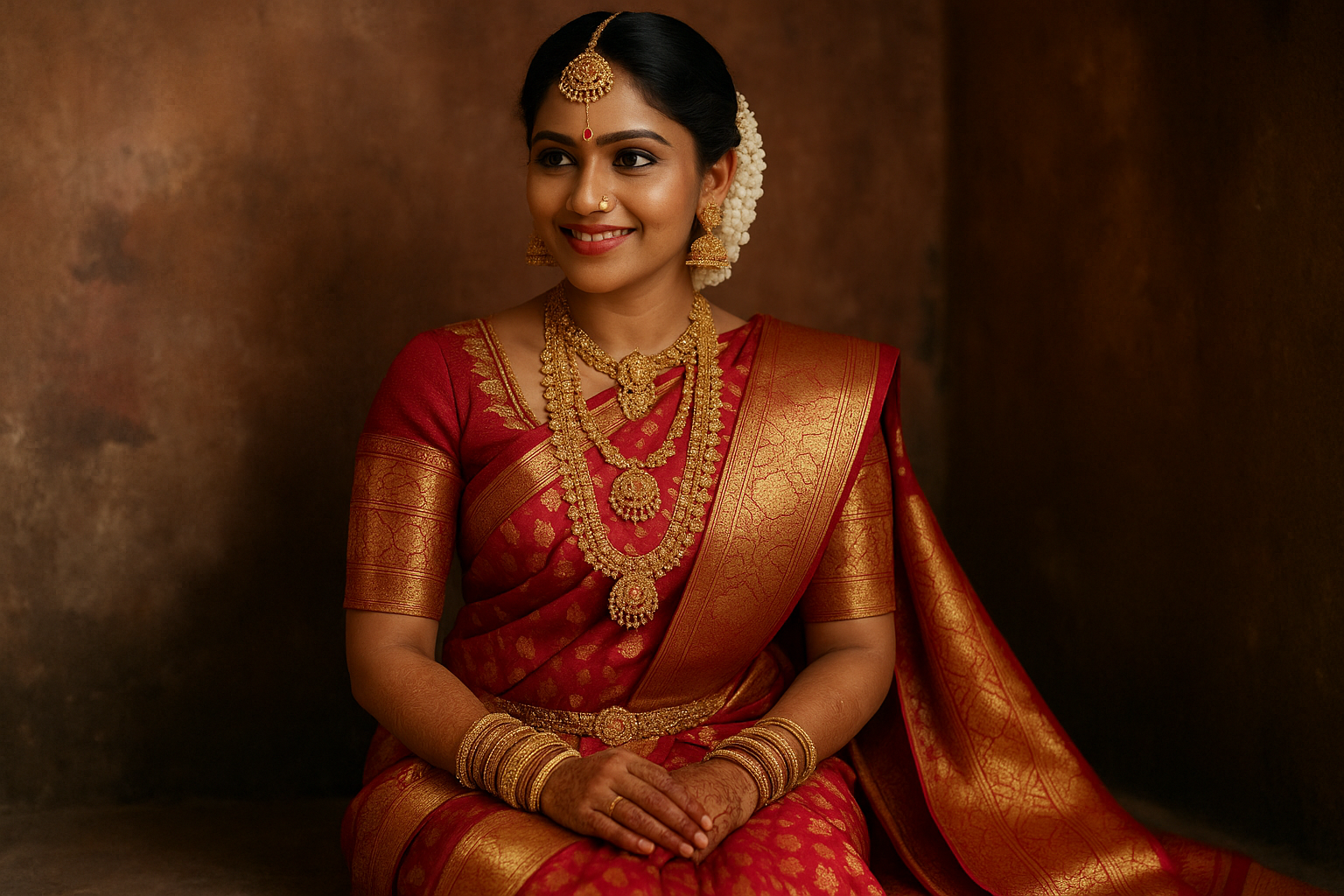
The Cultural Significance Behind Traditional Kanjivaram Sarees for Brides
In Indian weddings, attire is far more than a matter of fashion—it is a declaration of heritage, emotion, and identity. Among the most cherished garments in a bride’s trousseau are Bridal Silk Sarees, a symbol of tradition, craftsmanship, and grace. These sarees not only elevate the visual charm of a wedding ceremony but also hold deep cultural meaning passed down through generations. Draped in rich textures and vibrant hues, these timeless pieces form an essential part of the bridal ensemble, reflecting the values, roots, and customs embedded in the fabric of Indian society.
The popularity of bridal silk sarees is not confined to one region. While their patterns, motifs, and draping styles may differ across the country, they all serve the same purpose—to honor centuries-old traditions. For South Indian brides in particular, silk sarees are often worn as the main wedding attire, with the choice of silk representing prosperity and auspiciousness. Woven from pure mulberry silk and often embellished with gold or silver zari, these sarees are more than garments—they are works of art that carry blessings of the past into the future.
Rooted in Rituals and Symbolism
Traditional Indian weddings are steeped in symbolism, and the bridal saree plays a pivotal role in that visual and emotional storytelling. The color red, often preferred for bridal silk sarees, symbolizes fertility, prosperity, and marital bliss. Gold, which is frequently incorporated into the designs, stands for wealth and sacredness. The silk itself, regarded as a pure and luxurious fabric, adds a divine touch to the ensemble, making it ideal for religious and matrimonial ceremonies.
Each fold and pleat of a bridal saree is draped with intention, often guided by family elders who pass down the method as a rite of passage. Wearing a saree at one’s wedding is not just about elegance—it is an act of devotion to one’s roots, a tribute to the women in the family who wore similar garments at their own weddings. This cyclical bond between generations creates a living legacy that transcends fashion.
The Role of Traditional Kanjivaram Sarees
Among all silk sarees, Traditional Kanjivaram Sarees hold a distinct place of honor. Originating from the temple town of Kanchipuram in Tamil Nadu, these sarees are renowned for their unmatched quality, vibrant colors, and intricate motifs inspired by nature, mythology, and architecture. The richness of the weave and the symbolic artistry woven into every thread makes them a natural choice for bridal wear.
These sarees are especially known for their contrast borders and pallus, which feature motifs like peacocks, lotuses, elephants, and temple designs. These elements not only enhance the visual splendor but also add layers of cultural and spiritual meaning. For instance, the peacock is associated with beauty and pride, while temple borders echo sacred architecture, aligning the bride with divine blessings.
Kanjivaram sarees are often considered heirlooms, passed from mothers to daughters, each with its own story and sentiment. They’re worn not just for their aesthetic appeal but for what they represent—a continuous thread that connects generations of women through shared rituals, memories, and dreams.
A Symbol of Feminine Strength and Identity
Wearing a traditional saree, especially on one’s wedding day, is a powerful act of cultural affirmation. The structured elegance of a silk saree frames the bride in strength and poise. At a time when fashion trends lean towards minimalism and fusion, choosing to wear a traditional Kanjivaram saree becomes an intentional statement—of pride in one’s heritage and a refusal to let that legacy fade.
Moreover, the intricate labor involved in crafting a bridal silk saree—from selecting the silk threads to hand-weaving the motifs—reflects the strength, patience, and artistry often attributed to the feminine spirit. It’s a garment that honors craftsmanship, values tradition, and uplifts the identity of the woman wearing it.
Beyond the Wedding Day
While bridal silk sarees are primarily worn during the wedding ceremony, their cultural value does not end there. These sarees become treasured keepsakes, often reused on festive occasions, anniversaries, or passed on to the next generation. In many families, the bridal saree is part of the inheritance, sometimes even repurposed into baby cradles, cushion covers, or ceremonial decorations—each new use preserving its essence.
In contemporary times, there’s also a growing appreciation for reinventing traditional bridal silk sarees. Brides now pair these sarees with designer blouses, modern jewelry, and chic hairstyles—creating a bridge between heritage and modern expression. Yet, no matter how they are styled, the soul of the saree remains intact: it continues to symbolize sacred commitment, family values, and cultural pride.
Conclusion
The significance of a bridal saree extends far beyond fabric and fashion. It is woven with stories, traditions, and the silent prayers of loved ones. As long as weddings remain deeply cultural and emotionally rich, these sarees will continue to hold their irreplaceable place in bridal wardrobes across generations.


