Best Tips for Painting Concrete Floors
Concrete floors can look dull and lifeless, but with the right paint and a little time, you can give them a whole new look. A painted concrete floor is not only attractive but also protects your surface from dust, moisture, and wear. Whether you’re painting your garage, basement, patio, or any other concrete area, following some simple steps can give you professional-looking results without spending too much.
1. Start with a Clean Surface
The first thing you need to do is clean the floor. Use a broom or vacuum to remove dust, dirt, and debris. Then wash the floor using water and a mild cleaner. For grease or oil spots, use a concrete degreaser. Let the surface dry fully before moving to the next step. A clean surface helps the paint stick better and last longer.
2. Repair Any Damage
Look for cracks, holes, or chipped areas. These should be fixed before painting. Use a concrete repair product or patching compound to fill them in. Smooth the patched areas with a trowel and let them dry completely. Fixing damage now prevents problems with the paint later.
3. Etch the Floor (If Needed)
If the concrete is smooth or newly poured, it may need to be etched. Etching creates a rough texture that helps the paint stick. You can buy an etching solution from a hardware store. Follow the directions carefully and wear gloves and goggles. Once you finish etching, rinse the floor and let it dry for at least 24 hours.
4. Choose the Right Paint
Not all paints are made for concrete. Choose paint specifically designed for concrete floors. Epoxy or masonry paint works best because it’s strong and water-resistant. These paints are great for garages and basements. Avoid using regular wall paint—it won’t last and will peel off quickly.
5. Apply Primer First
Using a concrete primer before painting helps the paint stick better and provides a smoother finish. Use a roller or brush to apply the primer evenly. Let it dry according to the product instructions. Skipping this step can lead to poor results.
6. Paint in Thin Layers
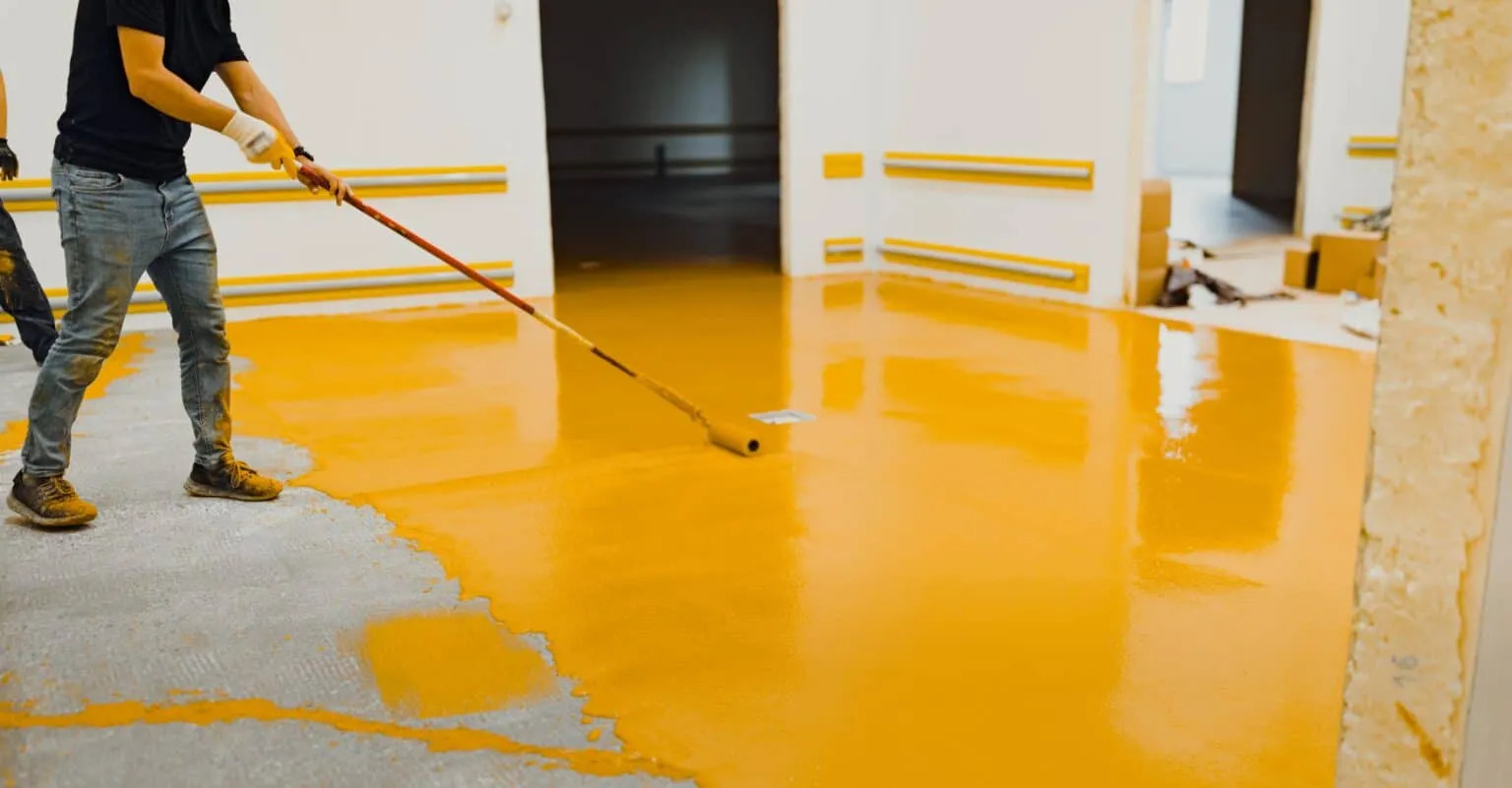
Start painting by cutting in around the edges with a brush. Then use a roller for the larger areas. Apply the paint in thin, even coats. It’s better to use two or three light coats than one thick one. Let each coat dry before applying the next.
7. Allow Enough Drying Time
Once you’re done painting, don’t rush to use the floor. Let it dry for at least 24–48 hours before walking on it. For garages or heavy furniture, wait 5–7 days to make sure the paint is fully cured. Drying time is important for durability.
8. Add a Clear Top Coat (Optional)
For extra protection, especially in busy areas, apply a clear concrete sealer over the painted floor. It adds a layer that protects against scratches, stains, and water. It also gives your floor a shiny, finished look. Just make sure the sealer is compatible with your paint type.
9. Make Sure There’s Good Ventilation
Paint and primer can produce strong smells. Keep windows and doors open and use fans for good airflow. This helps the floor dry faster and makes it safer to work indoors.
10. Keep the Floor Maintained
To keep your floor looking fresh, clean it regularly with a soft broom or mop. Don’t use harsh chemicals or rough scrubbers. Avoid dragging heavy furniture across the surface. With proper care, your painted floor can last for years.
Final Thoughts
Painting your concrete floor is a great way to refresh your space and make it look cleaner and brighter. With a bit of preparation and the right materials, you can get excellent results even if you’re doing it yourself. A painted concrete floor adds beauty and protects the surface for the long term.
Follow these simple steps—cleaning, repairing, priming, painting, and sealing—to get a smooth, strong finish that lasts. Whether it’s your basement, garage, or outdoor area, this easy DIY project can make a big difference.
For more easy tips and home improvement ideas, visit My Next House Project—your guide to making every part of your home better.


