Everything You Need to Know About Intramural Leiomyomas: Symptoms, Causes, and Treatment Options
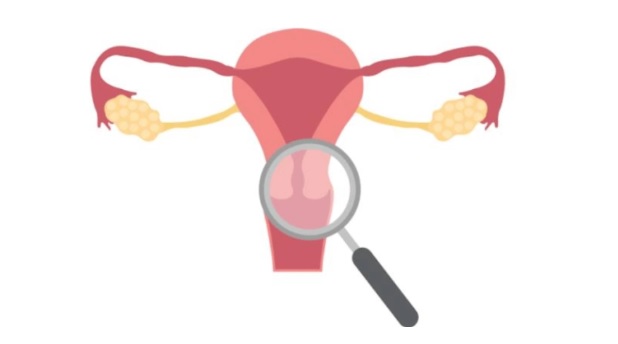
Intramural leiomyomas, also referred to as fibroids, are benign growths that form in the muscular wall of the uterus. These types of fibroids are among the most common uterine abnormalities and, while often not dangerous, can cause a variety of symptoms depending on their size and location. In this article, we will explore what intramural leiomyomas are, their potential causes, symptoms, and the treatment options available for those affected by them.
What are Intramural Leiomyomas?
Intramural leiomyomas are non-cancerous tumors that develop within the muscular layer of the uterus, known as the myometrium. They differ from submucosal fibroids (which form just beneath the uterine lining) and subserosal fibroids (which develop on the outer wall of the uterus). These fibroids can range in size from small nodules that don’t cause noticeable symptoms to large masses that may affect the shape and functioning of the uterus.
Common Symptoms of Intramural Leiomyomas
Many women with intramural fibroids do not experience symptoms, particularly if the fibroids are small. However, when symptoms do occur, they can be diverse and impact a woman’s overall health. Some of the most common symptoms include:
-
Heavy Menstrual Bleeding: One of the hallmark symptoms of intramural fibroids is heavy and prolonged periods. This can lead to fatigue and even anemia if left untreated.
-
Pelvic Pain and Pressure: Women may experience aching or sharp pelvic pain, especially during menstruation. The fibroids can exert pressure on surrounding organs, which might cause discomfort.
-
Frequent Urination: Larger fibroids can press on the bladder, causing a frequent need to urinate or difficulty in fully emptying the bladder.
-
Painful Intercourse: Fibroids can make sexual intercourse uncomfortable or painful due to their size or location.
-
Back or Leg Pain: In some cases, fibroids may press on nerves, leading to pain in the lower back or legs.
-
Fertility Issues: Large intramural fibroids or those near the inner lining of the uterus can impact fertility. They can interfere with implantation or cause miscarriage.
What Causes Intramural Leiomyomas?
While the exact cause of intramural fibroids is not fully understood, several factors are believed to contribute to their development:
-
Hormonal Influence: Estrogen and progesterone, hormones that regulate the menstrual cycle, are thought to play a role in the growth of fibroids. These hormones stimulate fibroid growth, which is why fibroids often shrink after menopause when hormone levels decrease.
-
Genetic Factors: Family history plays a significant role in the development of fibroids. Women with a family history of fibroids are at higher risk of developing them.
-
Age: Intramural fibroids are more common in women between the ages of 30 and 40, particularly during their reproductive years.
-
Ethnic Background: African American women tend to develop fibroids at an earlier age and may experience more severe symptoms compared to other women.
-
Lifestyle Factors: Obesity, a high-fat diet, and high blood pressure are also considered potential risk factors for fibroid development.
Treatment Options for Intramural Leiomyomas
If you are diagnosed with intramural leiomyomas, treatment will depend on the size, location, and severity of the symptoms. Here are some treatment options available for managing fibroids:
-
Observation and Monitoring
For women with small, asymptomatic fibroids, a "watchful waiting" approach may be appropriate. This involves monitoring the fibroids over time to track any changes in size or symptoms. Fibroids often stabilize or shrink after menopause, eliminating the need for treatment. -
Medications
Medications can help manage symptoms, particularly heavy bleeding and pain. Some commonly used medications include:-
Pain Relievers: Nonsteroidal anti-inflammatory drugs (NSAIDs) can help alleviate pain and reduce inflammation associated with fibroids.
-
Hormonal Therapies: Birth control pills, hormonal IUDs, or GnRH agonists can shrink fibroids by reducing estrogen levels.
-
Iron Supplements: These are recommended for women suffering from anemia caused by heavy bleeding.
-
-
Uterine Fibroid Embolization (UFE)
UFE is a minimally invasive procedure in which blood vessels supplying the fibroids are blocked. This cuts off the blood supply, causing the fibroids to shrink and die. UFE can effectively reduce the size of fibroids and alleviate related symptoms like heavy bleeding and pelvic pain. -
Myomectomy
A myomectomy is a surgical procedure that involves the removal of fibroids while leaving the uterus intact. This option is often chosen by women who wish to preserve their fertility. Myomectomy can be performed via traditional open surgery, laparoscopically, or with a hysteroscope, depending on the fibroid’s location and size. -
Hysterectomy
For women with large fibroids or those who no longer wish to preserve fertility, a hysterectomy may be recommended. This surgery involves the removal of the uterus and is considered a permanent solution to fibroids. It eliminates the possibility of future fibroid development.
Conclusion
Intramural leiomyomas are a common type of fibroid that affects many women, often without causing significant symptoms. However, when symptoms are present, they can impact a woman’s quality of life. Understanding the potential causes and treatment options for intramural fibroids is essential for effective management. If you experience symptoms related to fibroids, it is important to consult with a healthcare provider who can guide you through the appropriate treatment options. To learn more about intramural leiomyomas and the latest treatment options, visit USA Fibroid Centers.


