Can Fibroids Burst? Understanding the Risks and Symptoms
Uterine fibroids are non-cancerous growths that form in the uterus, affecting a significant number of women worldwide. These fibroids can vary in size and may cause a range of symptoms, including heavy menstrual bleeding, pelvic pain, and pressure. While fibroids are typically benign, many women wonder whether they can burst or rupture, and what that would mean for their health. In this article, we will explore whether fibroids can burst, the potential risks, and how to manage fibroid-related health concerns.
What Are Uterine Fibroids?
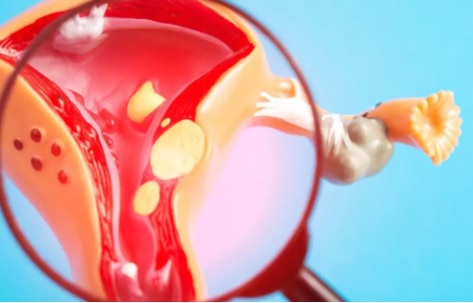
Before we dive into the question of whether fibroids can burst, it’s important to understand what they are. Uterine fibroids are benign tumors made of muscle and fibrous tissue that develop in or on the uterus. They can vary greatly in size, from small pea-sized growths to larger tumors that can distort the shape of the uterus. While the exact cause of fibroids is unknown, they are believed to be influenced by hormonal factors, particularly estrogen and progesterone.
There are different types of fibroids, including:
-
Intramural fibroids: These are located within the muscular wall of the uterus.
-
Submucosal fibroids: These grow just beneath the inner lining of the uterus and can protrude into the uterine cavity.
-
Subserosal fibroids: These grow on the outer wall of the uterus and can extend outward.
-
Pedunculated fibroids: These fibroids are attached to the uterus by a stalk or peduncle and can hang outside the uterus.
Can Fibroids Burst?
The simple answer is yes, fibroids can burst, but it is relatively rare. The rupture or bursting of a fibroid, also known as a fibroid torsion or degeneration, typically occurs in certain circumstances.
Fibroids can burst when they undergo rapid growth or degeneration. Degeneration refers to the process when a fibroid outgrows its blood supply, causing the tissue to die. This can lead to a painful event, which might be mistaken for a ruptured fibroid. However, while fibroids can burst, it is not common for them to do so, especially in cases of smaller, less complex fibroids.
There are several factors that may contribute to a fibroid bursting or causing severe pain:
-
Rapid Growth: Fibroids that grow very quickly can become more prone to complications, including rupture. This growth may outpace the fibroid's ability to receive adequate blood flow, which can lead to tissue breakdown and possible rupture.
-
Fibroid Size: Larger fibroids are more likely to cause complications than smaller ones. Larger fibroids may cause more pressure on surrounding tissues, increasing the risk of torsion or rupture.
-
Pregnancy: Pregnancy can influence the growth and behavior of fibroids. As the uterus expands, fibroids may undergo changes, including increased blood flow, which can sometimes lead to complications like degeneration or rupture, particularly if the fibroid is large.
-
Trauma or Injury: Physical trauma or injury to the pelvic region can lead to a fibroid rupture. This could occur during surgery, childbirth, or an accident that affects the uterus.
-
Pedunculated Fibroids: These types of fibroids, which are attached to the uterus by a stalk, are more prone to twisting, which may result in a rupture or degeneration.
Symptoms of a Bursting Fibroid
When a fibroid bursts or ruptures, it can cause sudden, severe pain. Some women may also experience bleeding. The following symptoms may indicate a fibroid rupture or severe degeneration:
-
Severe Pelvic Pain: Sudden, sharp, or intense pelvic pain is a common symptom when a fibroid bursts. This pain may come on suddenly and be severe enough to require immediate medical attention.
-
Abdominal Tenderness: There may be tenderness or swelling in the abdomen if a fibroid has ruptured or if there is significant pressure from a large fibroid.
-
Heavy Bleeding: If a fibroid bursts, it can lead to abnormal bleeding, including heavy menstrual bleeding or unexpected vaginal bleeding.
-
Fever and Chills: In some cases, a burst fibroid can lead to an infection, which may cause fever and chills. This requires prompt medical treatment.
What To Do if You Suspect a Ruptured Fibroid
If you experience severe pelvic pain, heavy bleeding, or other concerning symptoms, it is important to seek immediate medical attention. Your doctor will perform a physical examination and may conduct imaging tests, such as an ultrasound, to determine if a fibroid has ruptured or is causing other complications.
In some cases, surgical intervention may be necessary to treat a ruptured fibroid or to manage symptoms caused by a fibroid. Depending on the severity and location of the fibroid, your doctor may recommend options such as:
-
Fibroid Removal (Myomectomy): This procedure involves the removal of fibroids while preserving the uterus. It is an option for women who wish to maintain their fertility.
-
Hysterectomy: For women who are no longer interested in fertility or whose fibroids are particularly large or troublesome, a hysterectomy (removal of the uterus) may be recommended.
-
Non-Surgical Treatments: In some cases, medications or non-invasive procedures like uterine artery embolization may be used to shrink or treat fibroids without surgery.
Prevention and Management
While fibroids cannot always be prevented, there are ways to manage the symptoms and reduce the risk of complications. Maintaining a healthy lifestyle, including regular exercise, a balanced diet, and stress management, may help reduce the growth of fibroids. Additionally, regular gynecological check-ups can help detect fibroids early and monitor their growth.
If you are concerned about uterine fibroids or suspect that one of your fibroids may have ruptured, it’s crucial to consult with a healthcare provider. For more information on fibroid management and treatment options, visit USA Fibroid Centers.
Conclusion
Fibroids can burst, though this is rare and typically occurs under specific circumstances like rapid growth or trauma. If you experience symptoms like severe pelvic pain or heavy bleeding, it’s essential to seek medical advice promptly. With the right treatment, many women can effectively manage fibroid-related health concerns.


