The Impact of Aging on BMI and Body Composition
Aging brings about a variety of changes in the human body, many of which influence overall health and physical appearance. Among these changes, shifts in body mass index (BMI) and body composition are particularly significant. Understanding how aging affects these factors is crucial for promoting healthy bmi versus bmr & fat aging and preventing age-related health issues.
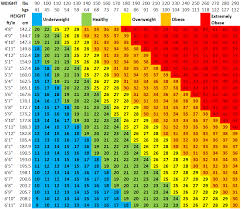
As people grow older, their metabolic rate tends to slow down, leading to changes in how the body processes and stores energy. This slowdown often results in an increase in body fat, even if an individual's weight remains stable. Muscle mass typically declines with age—a phenomenon known as sarcopenia—which further alters body composition. The loss of lean muscle tissue can cause BMI to become a less accurate indicator of health since BMI only considers weight relative to height without differentiating between fat and muscle.
In addition to muscle loss, older adults often experience an increase in fat accumulation, especially around the abdominal area. This redistribution of fat is linked to greater risks of metabolic disorders such as insulin resistance, type 2 diabetes, and cardiovascular disease. Therefore, relying solely on BMI to assess health in older populations can be misleading, as two individuals with the same BMI may have vastly different body compositions and health risks.
Furthermore, changes in hormonal levels that accompany aging contribute to these shifts in body composition. Reduced levels of growth hormone, testosterone, and estrogen affect muscle synthesis and fat storage. These hormonal changes, combined with decreased physical activity that is common among older adults, exacerbate muscle loss and fat gain.
Maintaining a healthy body composition in later years requires a multifaceted approach. Regular physical activity, particularly resistance training, can help preserve and even build muscle mass. Nutrition also plays a key role; adequate protein intake and balanced diets support muscle health and limit excessive fat accumulation. Monitoring changes in body composition, rather than focusing solely on BMI, provides a clearer picture of an individual's health status and allows for more tailored health interventions.
In summary, aging profoundly impacts BMI and body composition through muscle loss, fat redistribution, and hormonal changes. Recognizing these changes is vital to managing health risks and improving quality of life for older adults. Emphasizing muscle maintenance and healthy fat levels, rather than just weight, fosters healthier aging and supports long-term well-being.


