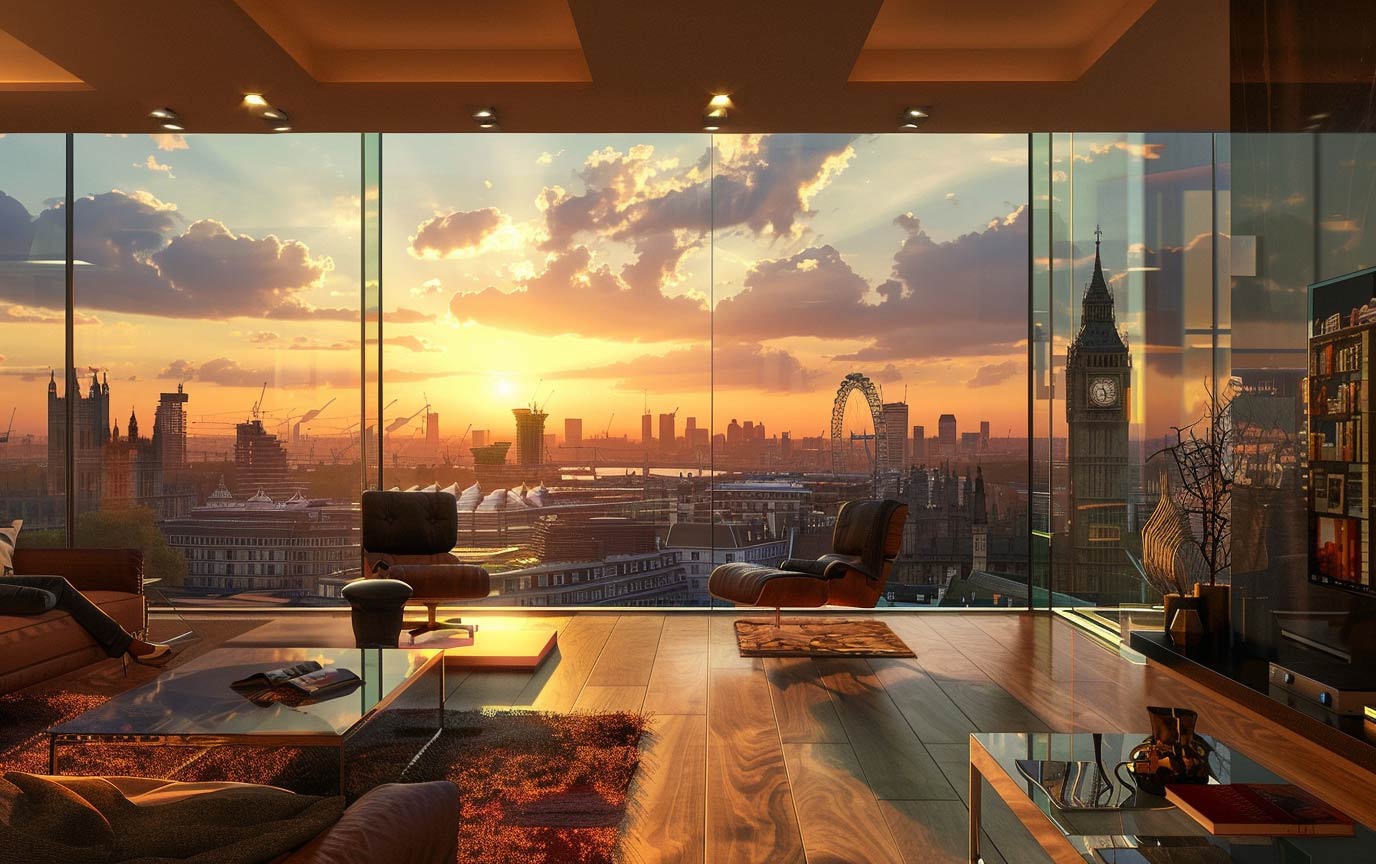
Heated Glass: The modern innovation redefining comfort, efficiency, and design
Heated glass is transforming the way homes and commercial properties are designed by merging warmth, style, and advanced technology. With modern architecture leaning toward cleaner lines, larger windows, and unobstructed views, demand for practical, new glazing solutions has never been more urgent. Heated glass provides an intelligent solution to ensure comfort, eliminate condensation, and enhance energy efficiency without sacrificing the aesthetics of large glass areas. Whether for a residential property, office, hotel, or luxury development, heated glass is a smart choice for the future.
This advanced glazing solution is designed to complement modern architectural needs, offering both functionality and aesthetics. It finds wide application in windows, skylights, glass partitions, winter gardens, bathrooms, and even shopfronts.
How Does Heated Glass Work?
The principle involved in heated glass is relatively simple yet very effective. It involves a conductive, transparent coating applied to one of the inner glass surfaces. If electricity passes through, the coating evenly heats the glass surface. This heat radiates into the room, similar to underfloor heating, to give you comfortable warmth.
In insulated glass units, including double- or triple-glazing, the efficient heated glass maintains surface temperature and reduces heat loss. The inner pane is warm, avoiding cold spots and eliminating the unpleasant drafts common with traditional glazing systems.
Condensation-free living: a solution at hand.
One of the biggest advantages of heated glass is that it prevents condensation. In colder climates or in moist environments, condensation on windows can lead to mould growth, property damage, and poor visibility. Heated glass keeps the surface temperature above the dew point, preventing the glass from becoming cloudy or wet.
It makes heated glass especially useful in bathrooms, swimming pool enclosures, kitchens, conservatories, and commercial buildings with large areas of glazing. By eliminating moisture buildup, heated glass contributes to a healthier environment indoors, reducing cleaning needs in the process.
Superior Energy Efficiency
Heated glass is more than a luxury feature; it's an energy-efficient solution that boosts thermal performance. The radiant heat from the glass warms the room's objects and surfaces, providing consistent comfort and temperature throughout. Simultaneously, this reduces dependency on traditional heating systems, further decreasing energy use.
Comfort Without Compromise
The main disadvantage of traditional heating systems is uneven heating: there are always hot and cold spots in every room. Heated glass disperses heat uniformly across its surface, preventing cold air drafts at window locations and making the indoors more comfortable.
Enhancing Modern Architectural Design
Heated glass now opens the door to creative, expansive architectural designs, allowing architects and designers to specify large glass panels, minimal framing, and unobstructed views while maintaining interior thermal comfort. Because the heating element is invisible, there are no obtrusive radiators or heaters that block the aesthetics.
Heated glass also supports clean, contemporary design concepts across luxury villas and hotels, modern offices, and retail spaces. It also helps to maximise natural light, thus making the interior space appear brighter, bigger, and more visually appealing.
Transport and specialist sectors
Heated windshields, display cases, and refrigerated units. Its versatility enables it to be used for both functional and decorative applications. Increased Safety and Durability Heated glass is usually made with toughened or laminated glass, which enhances its strength and safety. Toughened glass resists impact and temperature fluctuations. In contrast, laminated glass offers added security due to its bonded layers. These aspects make heated glass a reliable option both internally and externally by ensuring durability for an extended period.
Environmentally Friendly Choice
With increasing awareness of sustainable building practices, heated glass has emerged as an environmentally friendly alternative to conventional heating. Its energy-efficient operation and the capability to reduce overall heating requirements contribute to a smaller carbon footprint. Besides, better insulation means fewer fluctuations in indoor temperature; thus, it helps create a more stable and environmentally responsible living or working space.
Smart Home Devices for Modern Life
Heated glass can be combined with smart home systems to provide easy temperature control. Users can manually adjust the heat level or set timers and automation to maintain comfort while consistently optimising energy usage. It makes it ideal for modern smart homes and technologically advanced commercial spaces.
Conclusion
Heated glass is an innovative glazing solution that combines comfort, efficiency, and modern design. It's setting a new future for architectural glazing by offering warmth, condensation prevention, better energy performance, and greater aesthetic appeal. This heated glass provides a sleek upgrade that's both functional and stylish for residential or commercial applications. Heated glass is a bold, progressive choice for those who want to adopt the most advanced designs while ensuring comfort year-round.


