
Immunotherapy in Delhi Explained: Monitoring Progress and Results
Immunotherapy has transformed modern cancer care by helping the body’s own immune system recognize and destroy cancer cells. For many patients receiving Immunotherapy in Delhi, a common concern is understanding whether the treatment is actually working. Unlike chemotherapy or radiation, immunotherapy often acts gradually, and its benefits may not be immediately visible. Knowing what to expect can help patients and families feel more confident and informed during this journey.
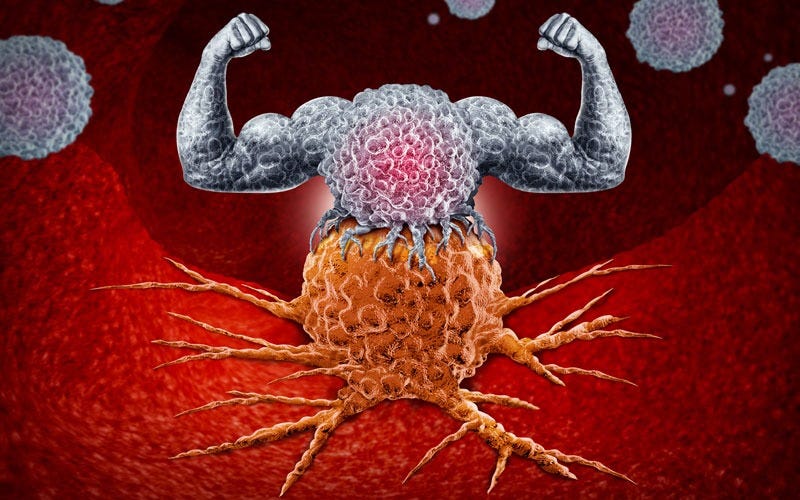
Understanding How Immunotherapy Works:
Immunotherapy strengthens or reprograms the immune system to better identify cancer cells. Normally, cancer can hide from immune defenses, but immunotherapy removes these protective barriers. Treatments such as immune checkpoint inhibitors allow immune cells to stay active, while advanced therapies like CAR-T cell therapy modify a patient’s own immune cells to target cancer more effectively.
Depending on the cancer type — such as lung cancer, melanoma, lymphoma, or bladder cancer — doctors select a personalized approach. Treatment may be given intravenously over multiple sessions or, in certain cases, as a one-time cellular infusion under expert supervision at a Best Cancer Hospital in Delhi.
Signs That Immunotherapy May Be Working:
Because immunotherapy works differently, progress is often assessed over weeks or months. Common positive indicators include:
Reduction in Tumor Size: Imaging tests like CT, MRI, or PET scans may show gradual tumor shrinkage. This usually takes time, sometimes two to six months, but steady reduction is an encouraging sign.
Improvement in Cancer Symptoms: Decreased pain, improved breathing, better mobility, or increased energy may indicate that the cancer burden is reducing.
Stable Disease: In some cases, tumors do not shrink but also do not grow. This stability is considered a success, as the immune system is keeping the cancer under control.
Improved Blood Markers: Tumor markers in blood tests may decrease, signaling that the cancer is responding to treatment.
Better Overall Well-Being: Patients may feel stronger, experience improved appetite, or resume daily activities — subtle but meaningful signs of progress.
Unusual but Expected Responses: Immunotherapy can cause reactions that may seem concerning but are sometimes positive:
Pseudoprogression: Tumors may initially appear larger on scans due to immune cell activity and inflammation before shrinking later.
Delayed Response: Some patients require several months before noticeable improvement occurs.
Immune-Related Side Effects: Rashes, joint pain, fatigue, or thyroid changes can occur when the immune system becomes more active. These effects are manageable with timely medical care.
When Immunotherapy May Not Be Effective:
It is equally important to recognize warning signs, such as continuous tumor growth, worsening symptoms, rising tumor markers, or new cancer sites on scans. If this happens, doctors may adjust the treatment plan or explore alternative therapies.
How Doctors Monitor Progress:
Specialists at a Best Cancer Hospital in Delhi carefully track response through regular imaging, blood tests, physical examinations, and patient feedback. This comprehensive monitoring helps guide treatment decisions and ensures patient safety.
Supporting Yourself During Treatment:
Maintaining good nutrition, staying physically active within limits, managing side effects promptly, and seeking emotional support can improve quality of life during immunotherapy.
Conclusion:
Immunotherapy is a powerful and promising cancer treatment that works by activating the immune system. While results may take time, signs such as tumor shrinkage, symptom relief, stable disease, and improved energy indicate progress. With expert monitoring, open communication, and personalized care, Immunotherapy in Delhi continues to offer hope to many cancer patients.
#Cancer Hospital in Delhi #Cancer Specialist in Delhi
Also visit: https://justpaste.it/jwc5j


