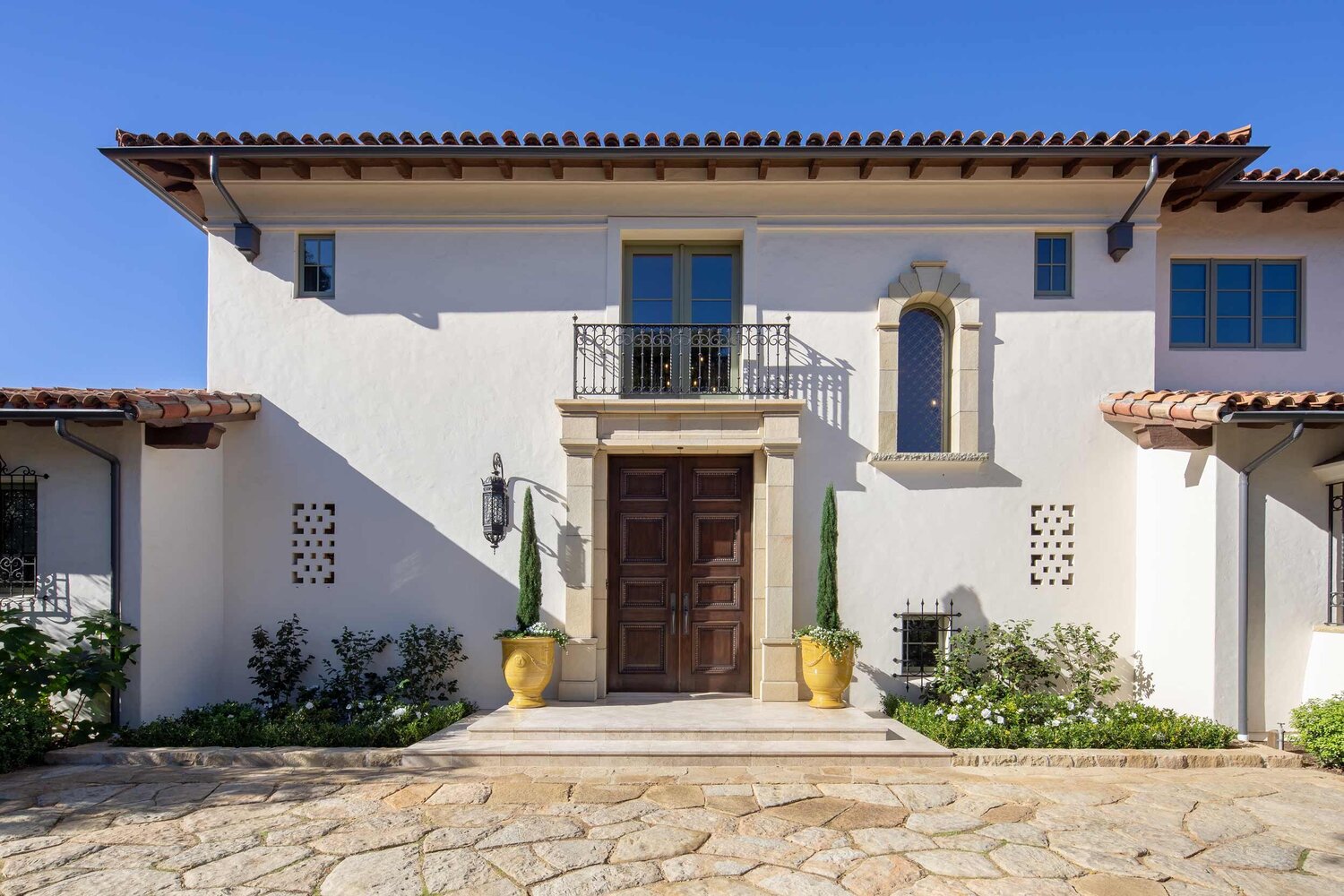
Spanish Colonial Style Architecture: Core Elements Every Architect Should Know!
“Architecture is not just building walls and roofs. It’s shaping how we live, breathe, and feel every day.”
When you’re designing or studying Spanish colonial style architecture, you’re dealing with a tradition rich with life, climate response, and heritage. This style isn’t about random details — it’s about purposeful design that blends aesthetics, function, and cultural history. Here’s a clear, engaging guide that breaks down what truly defines the style and why each element matters to both designers and clients.
Why These Features Matter
Before we explore specifics, let’s set the scene. Spanish colonial style architecture draws from centuries-old practices rooted in warm climates, community-focused planning, and materials that respond to heat, sun, and outdoor living.
It’s not just nostalgia; recent housing data shows styles influenced by Mediterranean and Spanish traditions (including red-tile roofs and stucco walls) remain sought after in the high-end U.S. market, where Mediterranean-influenced homes command a median price around $725,000 in 2025.
Now let’s break down the elements you need to know.
Courtyards: The Heart of the Home
Imagine stepping through your front door and finding a peaceful haven wrapped in walls, open to the sky, with plants, seating, and sunlight. That’s the magic of a courtyard in Spanish Colonial architecture.
Courtyards are far more than decorative. They create outdoor living spaces that naturally cool the home, encourage social gatherings, and frame views from every surrounding room. In classic designs, they serve as the spatial anchor; like the spine in your favorite story.
So when you design a courtyard with purpose, you’re giving a home its soul.
Stucco Walls and Thermal Performance
The white or light-colored stucco walls common in Spanish Colonial buildings do more than evoke character: they are functional.
In hot climates, stucco reflects harsh sunlight and stores heat during the day, slowly releasing it at night. This passive thermal strategy keeps interiors comfortable without over-reliance on mechanical systems. Thick-stucco walls also offer durability and low maintenance — perfect for both historic conservation projects and modern sustainable builds.
Red Clay Tiles: Beauty Meets Function
The instantly recognizable red clay tile roof isn’t just pretty. Its curved forms create air pockets that slow heat transfer, making it ideal for warm, sun-drenched settings.
These tiles historically came from local clay, baked and shaped by hand. Today, they still serve a similar purpose: weather protection, longevity, and that signature Mediterranean warmth. This element bridges heritage and energy efficiency with grace.
Arches: Flow and Form
Arches show up everywhere in Spanish Colonial architecture — from grand entryways to small window reveals. These rounded forms invite light, soften transitions between spaces, and nod to centuries of European influences.
Whether you’re creating loggias, interior halls, or framing a courtyard entrance, arches give buildings fluid movement and visual harmony. They aren’t just structural, they are emotional connectors between space and experience.
Wooden Beams: Rustic Character Up Close
Exposed wooden beams add both texture and story. Originally structural, today they often serve decorative roles that enhance interiors with warmth and contrast against stucco and tile.
This detail brings focus into living rooms, entryways, and vaulted ceilings, making spaces feel grounded yet expressive. In historic conservation or custom living spaces, wooden beams tie together craftsmanship, character, and comfort.
Putting It All Together for Projects
As an architect San Luis Obispo or anywhere else, mastering these elements means you’re not replicating style, you’re interpreting it with purpose.
Clients seeking custom homes, energy-efficient residences, or historic building conservation will appreciate designs that respect tradition while meeting modern living needs. These elements protect comfort, enhance beauty, and create spaces that feel like home from the first glance.
Final Thoughts
Every classic design choice in Spanish colonial style architecture has meaning: courtyards shape how we gather, stucco walls respond to heat, clay tiles balance beauty and climate, arches guide movement, and wooden beams add soul.
You’re not just designing houses. You’re shaping experiences.


