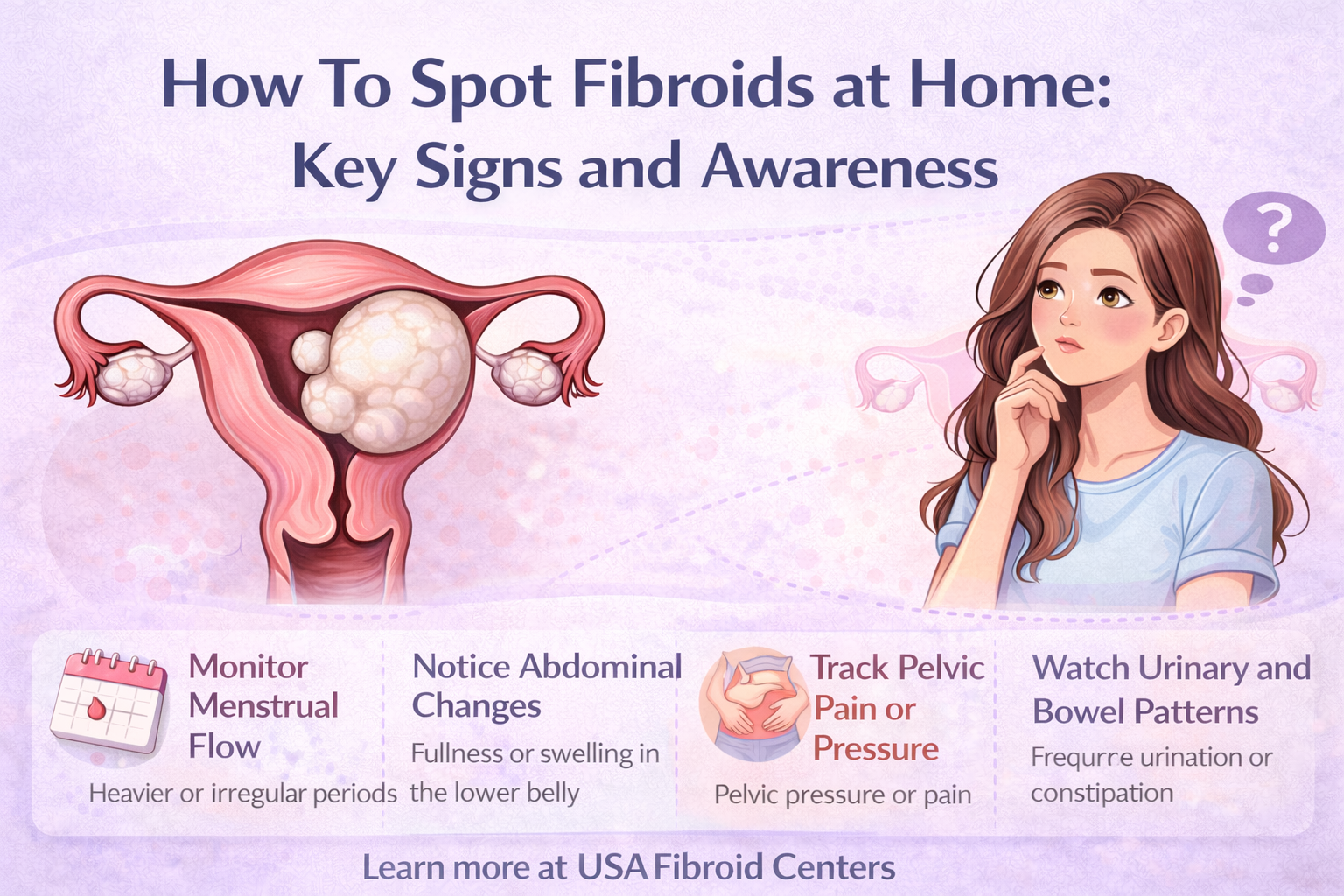
How to Check for Fibroids at Home: Signs, Symptoms, and When to See a Doctor
Uterine fibroids are a common health condition that affects many women during their reproductive years. These non-cancerous growths develop in or around the uterus and often go unnoticed until symptoms begin to interfere with daily life. Many women ask how to check for fibroids at home when they start experiencing unusual changes in their body. While fibroids cannot be officially diagnosed without medical imaging, recognizing early signs at home can help women seek timely medical care.
Understanding Uterine Fibroids
Fibroids, also called leiomyomas, vary in size, number, and location. Some remain very small and cause no symptoms, while others grow large enough to create discomfort. The impact of fibroids depends on where they develop within the uterine wall, inside the uterine cavity, or on the outer surface of the uterus.
Because fibroids often grow slowly, symptoms may appear gradually and are sometimes mistaken for normal menstrual changes.
Can Fibroids Be Checked at Home?
There is no at-home test or physical exam that can confirm fibroids. However, women can monitor their bodies for warning signs and symptom patterns that may suggest the presence of fibroids. Tracking these changes plays an important role in deciding when to consult a healthcare provider.
Common Symptoms to Watch For
Pay attention to the following symptoms, especially if they persist or worsen over time:
- Heavy or prolonged menstrual bleeding
- Periods lasting longer than seven days
- Pelvic pressure or fullness
- Abdominal bloating or visible swelling
- Frequent urination or difficulty emptying the bladder
- Lower back pain
- Pain during intercourse
- Fatigue, which may be linked to anemia from heavy bleeding
Keeping a symptom journal at home can help identify patterns related to menstrual cycles or daily activities.
Checking Physical Changes at Home
Some women notice changes in their lower abdomen, such as firmness or a feeling of fullness. While this does not confirm fibroids, a noticeably enlarged or firm lower belly especially without weight gain—can be a sign worth discussing with a doctor.
It is important not to press or self-examine aggressively, as fibroids cannot be reliably felt without professional training and imaging.
Tracking Menstrual Changes
One of the most telling signs of fibroids is a change in menstrual patterns. At home, women can:
- Track cycle length and flow intensity
- Note the presence of clots
- Monitor how often pads or tampons need to be changed
- Observe bleeding between periods
These details provide valuable information during a medical consultation.
When Home Monitoring Is Not Enough
Although symptom awareness is helpful, only a healthcare provider can confirm fibroids through diagnostic tools such as ultrasound or MRI scans. If symptoms interfere with daily life, cause pain, or lead to fatigue, medical evaluation becomes essential.
Educational resources explaining symptom awareness and diagnosis such as guidance on how to check for fibroids at home help women understand when to move from observation to professional care.
Importance of Early Evaluation
Early detection allows women to explore a wider range of treatment options, including non-surgical and minimally invasive approaches. Waiting too long may allow fibroids to grow larger, potentially increasing symptom severity.
Prompt evaluation is especially important for women who are planning pregnancy or experiencing anemia due to heavy bleeding.
What a Doctor May Do Next
Once symptoms are reported, a doctor may perform:
- A pelvic exam
- Ultrasound imaging
- MRI scans for detailed assessment
Based on the results, treatment recommendations are tailored to symptom severity, fibroid size, and personal health goals.
Key Takeaways
- Fibroids cannot be diagnosed at home, but symptoms can be monitored
- Heavy periods, pelvic pressure, and bloating are common warning signs
- Tracking menstrual and physical changes helps guide medical decisions
- Medical imaging is required for confirmation
- Early evaluation supports better symptom management
Final Thoughts
Understanding your body is the first step toward better health. While you cannot fully check for fibroids at home, being aware of symptoms and changes allows you to take control and seek care at the right time. If symptoms persist or affect quality of life, professional evaluation is the safest and most effective next step.


