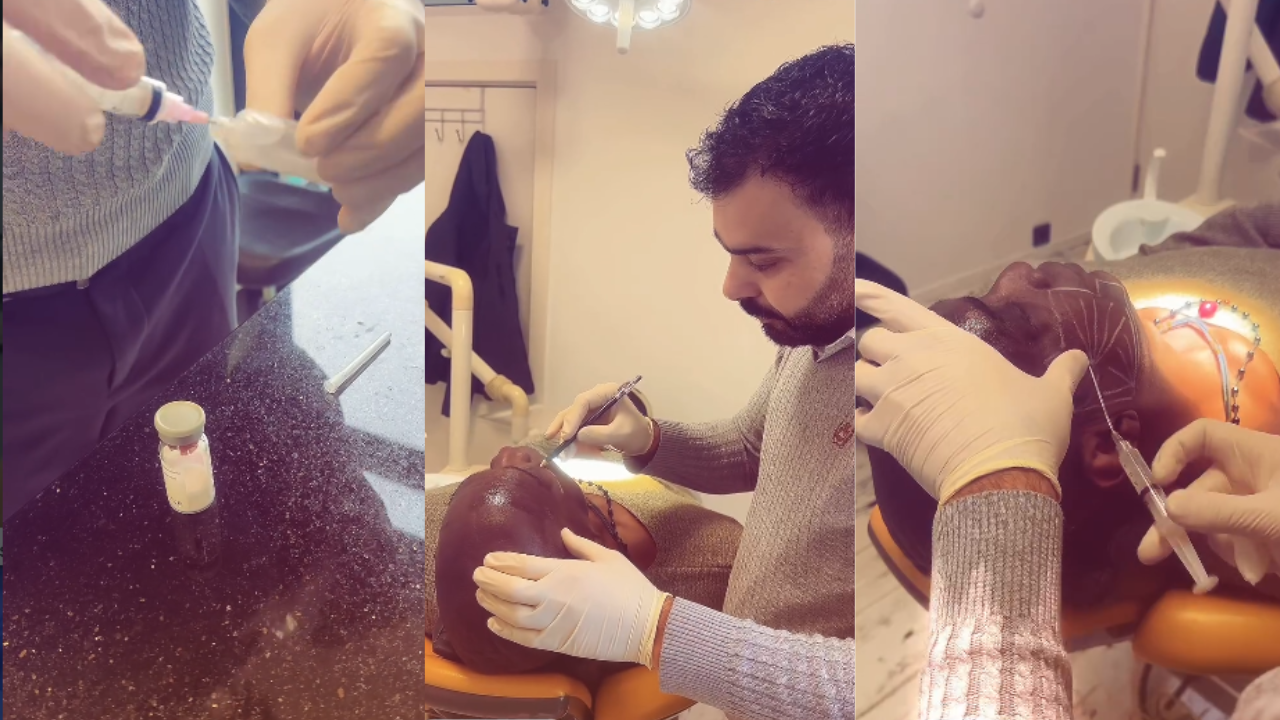
Lost Facial Volume With Age? Sculptra Helps You Get It Back Naturally
In June 2025, People Magazine shared how comedian Margaret Cho openly talked about her cosmetic treatments including Sculptra, in an Instagram video. She explained how volume loss in her cheeks and temples made her look tired on camera even when she felt confident and healthy. Instead of hiding it, she chose to talk honestly about why she used treatments that helped her look more like herself again.
She explained that even with good sleep, makeup and skincare, her face no longer reflected how energetic she felt inside. This made her explore professional treatments instead of relying only on creams and beauty products. Her story connected with thousands of people. Not because she wanted to look younger. But because she wanted to look rested, strong and natural.
Many people in their 30s, 40s, and 50s feel the same way. You notice your cheeks are flatter. Your face looks less firm. Your smile lines seem deeper. Your jawline is softer than before. Your skin does not bounce back the way it used to.You are not sick.You are not stressed. You are not doing anything wrong.
You are just aging.
And that brings us to a common question: wat is sculptra and can it really help bring back lost facial volume naturally?
Let’s explore the facts.
Why Facial Volume Loss Happens With Age
Aging is not only about wrinkles on the surface. It starts deep inside the skin, long before lines become visible.
According to UCLA Health, collagen production drops by about 1 percent every year starting in early adulthood. Collagen is the protein that keeps skin firm, thick, elastic and well-supported.
It acts like the internal “scaffolding” of your face.
The American Academy of Dermatology also reports that during the first five years of menopause, women can lose up to 30 percent of their skin’s collagen. After that, the loss continues at around 2 percent per year.
This explains why some people feel they “suddenly aged” during their 40s and 50s.
This leads to:
- Thinner skin
- Hollow cheeks
- Weaker jawline
- Sunken temples
- Sagging around the mouth
- Less facial definition
As fat pads shrink and collagen weakens, the face loses its natural support system.
No cream or serum can fully fix this kind of deep structural change. That is why many people start looking for medical-grade solutions that work beneath the surface.
What Is Sculptra? A Clear and Simple Explanation
So, what is Sculptra in real terms? Sculptra is an injectable treatment that helps your skin rebuild its own collagen. It does not fill your face like traditional fillers.
Instead, it works like a trainer for your skin. It encourages your body to do the work itself. Its main ingredient is poly-L-lactic acid (PLLA). This substance has been used in medicine for decades including in dissolvable stitches and medical implants. It is biocompatible, meaning the body accepts it safely and it is slowly absorbed over time.
When Sculptra is injected:
- It activates collagen production
- It strengthens skin structure
- It restores volume gradually
- It improves firmness over time
- It enhances skin texture
- It improves facial balance
Over several weeks and months, new collagen forms around the injection areas. This rebuilds lost volume in a natural way.
This is why Sculptra is called a collagen stimulator or biostimulator, not just a filler.
Official Medical Approval and Safety
Sculptra is not a trend product. It is medically approved and well-studied.
The U.S. Food and Drug Administration (FDA) first approved Sculptra in 2004 for patients with facial fat loss caused by HIV treatment. Later, after extensive clinical trials, it was approved for cosmetic use to treat wrinkles and volume loss.
According to the National Center for Biotechnology Information (NCBI), Sculptra is approved for correcting facial folds and contour deficiencies in healthy adults.
This means:
- It passed safety testing
- It met medical standards
- It showed reliable results
Millions of treatments have been performed worldwide.
When done by trained professionals using correct techniques and dosages, it is considered very safe.
This is why choosing an experienced clinic is so important.
How Sculptra Is Different From Regular Fillers
Many people confuse Sculptra with hyaluronic acid fillers. They work in very different ways.
Traditional Fillers
- Give instant volume
- Work like padding under the skin
- Last 6 to 12 months
- Results are immediate
- Need frequent touch-ups
Sculptra
- Builds collagen slowly
- Strengthens skin from within
- Lasts up to 24 months
- Results appear gradually
- Improves skin quality
Cleveland Clinic confirms that Sculptra results can last over two years with proper treatment.
This makes Sculptra ideal for people who want long-term and natural-looking improvement without frequent clinic visits.
What Happens During a Sculptra Treatment?
The process is structured and personalized. No two faces are treated exactly the same.
Step 1: Consultation
A doctor examines your face, listens to your goals and studies how your skin is aging. They look at bone structure, fat loss, skin thickness and muscle movement.
Photos may be taken for comparison and planning.
Step 2: Treatment Plan
Most people need 2 to 3 sessions, spaced 4 to 6 weeks apart.
This slow approach prevents overcorrection and allows collagen to develop evenly.
Step 3: Injections
Sculptra is injected into areas such as:
- Cheeks
- Jawline
- Temples
- Chin
- Smile lines
The session usually takes 30 to 45 minutes.
Numbing cream is often used for comfort. Most patients describe the feeling as mild pressure rather than pain.
Step 4: Aftercare
Patients are advised to massage the treated area for several days. This helps spread the product evenly and lowers the risk of small lumps.
Doctors also provide detailed aftercare instructions.
When Will You See Results?
Sculptra requires patience.It does not change your face overnight. This is part of its strength.
Typical timeline:
- First 2 weeks: mild swelling may appear
- 1 month: early improvement
- 3 months: visible volume changes
- 6 months: full result
Because collagen builds naturally, changes appear slowly and evenly.
People around you usually notice that you look healthier, more rested or brighter without knowing exactly why.
Real Patient Experiences
Celebrity Example
Margaret Cho shared publicly that she uses Sculptra in her cheeks, jowls and temples to maintain facial structure. Her story was published by People.com in 2025.
RealSelf Patient Reviews
On RealSelf, a 45-year-old patient wrote about choosing Sculptra for sunken temples and cheeks. After completing multiple sessions, they reported natural-looking fullness and better facial balance.
Clinic Case Studies
Many facial clinics publish case reports showing patients in their 40s and 50s with early volume loss who achieved subtle improvement using Sculptra instead of heavy fillers.
These real-world examples show that results depend on skill, planning and patience.
Proven Psychological Benefits
Sculptra does more than change appearance.It can improve emotional well-being.
A study published on PubMed found that after PLLA treatment:
- 43 percent of patients felt more optimistic
- 33 percent felt less anxious
- Many reported higher confidence
- Many felt more comfortable socially
When people feel good about how they look, it often improves relationships, work confidence and daily mood.
Why Sculptra Is Growing in Popularity
According to the International Society of Aesthetic Plastic Surgery (ISAPS), global aesthetic procedures reached 34.9 million in 2023 with non-surgical treatments growing rapidly. This shows a major shift in beauty culture.
More people now prefer:
- Preventive aging care
- Subtle improvements
- Skin health focus
- Long-term results
- Non-surgical solutions
Sculptra fits this trend perfectly. It supports your natural beauty instead of replacing it.
Who Is Sculptra Best For?
Sculptra works well for people who:
- Are over 30
- Have facial volume loss
- Want natural results
- Accept gradual change
- Prefer long-term solutions
- Value skin health
It may not suit people who want instant dramatic changes for special events.
A professional consultation is always essential to decide suitability.
Cost and Long-Term Value
In the Netherlands, Sculptra pricing depends on:
- Number of vials
- Treatment sessions
- Doctor’s experience
- Clinic location
- Aftercare support
Prices usually range from several hundred to over a thousand euros per session.
While this seems high, many patients find it cost-effective because results last longer than standard fillers and require fewer visits.
How to Maintain Your Results
To protect your investment:
- Use sunscreen daily
- Follow a good skincare routine
- Eat balanced meals
- Sleep well
- Avoid smoking
- Drink enough water
- Attend follow-ups
Doctors who specialize in facial aesthetics combine clinical training with years of experience and hours of research to design long-lasting treatment plans. Your lifestyle plays a big role too.
Is Sculptra Worth It?
So, what is Sculptra really about? It is not about changing your face. It is about restoring what time slowly takes away.
It helps rebuild:
- Collagen
- Structure
- Firmness
- Natural volume
- Confidence
If you are noticing that your face looks flatter, tired or less defined, Sculptra may be a smart option.
With proper guidance, realistic expectations and skilled treatment, it can help you look refreshed, confident and natural at every stage of life. Aging is unavoidable. Looking worn out is not.


