Designing Luxury Stays: Inside the World of Hotel Interior Designers
Luxury in hospitality is no longer defined solely by price or location—it is defined by experience. Today’s travelers seek immersive environments that combine comfort, elegance, personalization, and emotional connection. At the center of these experiences are expert hotel interior designers, the creative professionals who transform hotels into refined destinations that guests remember long after their stay ends.
From grand lobbies to intimate guest rooms, hotel interior designers shape how luxury is felt, not just seen. Their work blends artistry, functionality, psychology, and brand identity to create spaces that communicate exclusivity, sophistication, and effortless comfort.
The Meaning of Luxury in Modern Hotel Design
Luxury hotel design has evolved significantly over the years. Once associated with heavy ornamentation and opulence, modern luxury is now more nuanced. It emphasizes quality over excess, experience over display, and emotional resonance over formality.
Hotel interior designers understand that true luxury lies in thoughtful details: perfectly balanced lighting, intuitive layouts, tactile materials, and seamless functionality. Guests may not consciously notice every design element, but they instinctively feel the difference between an ordinary space and a well-designed luxury environment.
Luxury design today also prioritizes privacy, personalization, and a sense of calm—qualities that expert designers carefully integrate into every space.
The Role of Hotel Interior Designers in Luxury Hospitality
Hotel interior designers play a strategic role far beyond aesthetics. They translate a hotel’s vision and brand promise into physical environments that reflect its identity and target audience.
Their responsibilities include:
-
Developing cohesive design concepts
-
Selecting premium materials and finishes
-
Planning spatial layouts for comfort and flow
-
Integrating lighting, acoustics, and technology
-
Ensuring durability, safety, and functionality
In luxury hospitality, every design decision must serve both the guest experience and the hotel’s long-term operational success. This balance is where experienced hotel interior designers truly excel.
Creating Iconic First Impressions
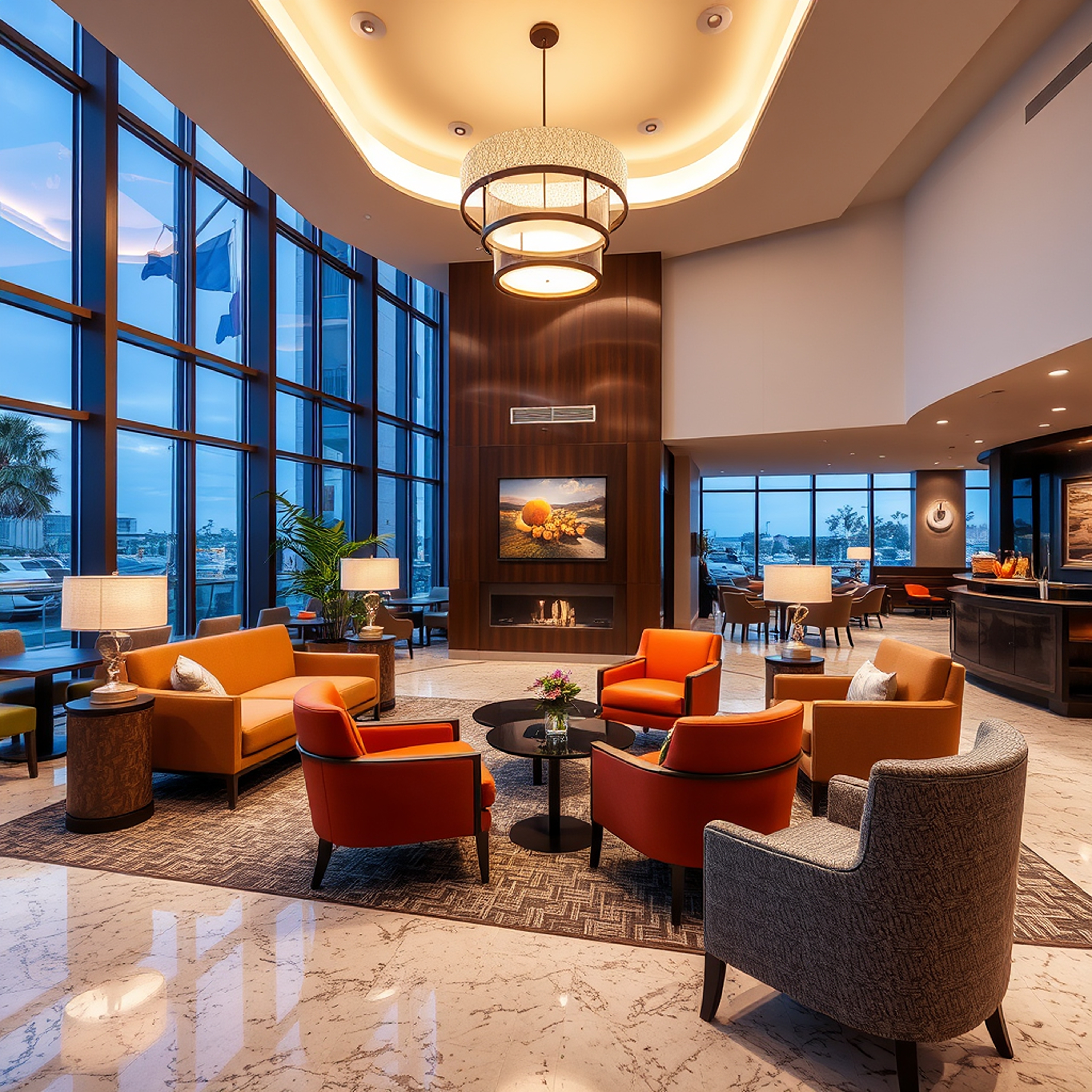
The journey of a luxury stay begins the moment guests arrive. Lobbies, entrances, and reception areas set expectations for what lies ahead. These spaces must feel impressive yet welcoming, refined yet comfortable.
Hotel interior designers carefully craft first impressions using:
-
Dramatic yet balanced lighting
-
High-quality natural materials such as marble, wood, and stone
-
Statement furniture and curated artwork
-
Spacious layouts that feel open and uncluttered
Rather than overwhelming guests, luxury lobbies invite them to slow down, relax, and absorb the atmosphere. This emotional shift is the first step in delivering a premium experience.
Storytelling Through Design
One of the defining elements of luxury hotel interiors is storytelling. Every exceptional hotel has a narrative, and hotel interior designers use design to tell that story subtly and consistently.
Inspiration often comes from:
-
The hotel’s location and cultural context
-
Architectural heritage or historical references
-
Nature, landscape, or local craftsmanship
Through color palettes, textures, materials, and art, designers create a strong sense of place. This storytelling approach makes luxury feel authentic rather than generic, allowing guests to connect emotionally with the destination.
Designing Luxurious Guest Rooms
Guest rooms are the heart of the hotel experience. In luxury hotels, these spaces must feel like private sanctuaries—calm, elegant, and highly functional.
Hotel interior designers focus on:
-
Spacious, intuitive layouts
-
Layered lighting for different moods and activities
-
Premium bedding and upholstery
-
Soundproofing and privacy
-
Smart technology integrated seamlessly into the design
Attention to detail is critical. Custom headboards, bespoke furniture, refined finishes, and curated artwork elevate the room from comfortable to exceptional. Every element is chosen to enhance rest, relaxation, and a sense of exclusivity.
Elevating Bathrooms Into Wellness Spaces
In luxury hospitality, bathrooms are no longer purely functional—they are wellness retreats. Hotel interior designers treat these spaces with the same care as bedrooms and living areas.
Natural stone, soft lighting, high-end fixtures, and spa-inspired layouts create a sense of indulgence. Features such as freestanding tubs, walk-in rain showers, heated floors, and premium toiletries contribute to the overall luxury experience.
These thoughtfully designed bathrooms allow guests to unwind, reinforcing the hotel’s commitment to comfort and self-care.
Designing High-End Public Spaces
Luxury hotels are defined not only by private rooms but also by their public spaces. Restaurants, lounges, bars, spas, and pools play a major role in shaping the guest experience.
Hotel interior designers design these areas to feel both exclusive and inviting. Through careful zoning, lighting design, and furniture selection, they create spaces that adapt to different times of day and guest needs.
A lounge might feel serene and intimate in the morning, then transform into a vibrant social hub in the evening. This versatility adds depth and richness to the luxury experience.
The Psychology Behind Luxury Design
Luxury design is deeply rooted in psychology. Hotel interior designers understand how environmental factors influence mood, perception, and behavior.
Soft textures create comfort, warm lighting encourages relaxation, and balanced proportions create a sense of harmony. Neutral palettes paired with rich accents evoke sophistication without feeling cold or impersonal.
These psychological principles help designers create spaces where guests feel valued, relaxed, and emotionally connected to their surroundings.
Sustainability and Responsible Luxury
Modern luxury is increasingly aligned with sustainability. Today’s guests appreciate hotels that demonstrate environmental responsibility without compromising quality or comfort.
Hotel interior designers incorporate sustainable practices by:
-
Using eco-friendly and responsibly sourced materials
-
Choosing energy-efficient lighting and systems
-
Designing durable interiors that reduce waste
-
Incorporating natural light and greenery
Responsible design not only benefits the environment but also enhances brand reputation and guest trust—an essential component of contemporary luxury hospitality.
Balancing Beauty With Functionality
Behind every elegant hotel interior is a highly functional design framework. Luxury spaces must support smooth operations while maintaining visual refinement.
Experienced hotel interior designers collaborate closely with architects, engineers, and hotel operators to ensure layouts support housekeeping, maintenance, and guest services efficiently.
When functionality is seamlessly integrated, guests experience effortless comfort, and staff can deliver exceptional service without disruption.
Why Expert Hotel Interior Designers Are Essential
Designing a luxury hotel requires specialized expertise. Hotel interior designers bring industry knowledge, creative vision, and technical skill to complex hospitality projects.
They understand:
-
Luxury market expectations
-
Guest behavior and preferences
-
Hospitality trends and innovations
-
Long-term operational needs
By aligning design with brand strategy and guest experience goals, expert hotel interior designers help hotels stand out in a competitive global market.
Creating Luxury Experiences That Last
Luxury is ultimately about memory. Guests may forget the specifics of their stay, but they remember how a space made them feel.
Through thoughtful design, hotel interior designers create environments that inspire relaxation, delight, and emotional connection. These spaces encourage guests to return, recommend, and form lasting relationships with the brand.
Designing luxury stays is not just about beauty—it is about crafting experiences that resonate deeply. Inside the world of hotel interior designers, creativity meets strategy to transform hotels into unforgettable destinations.


