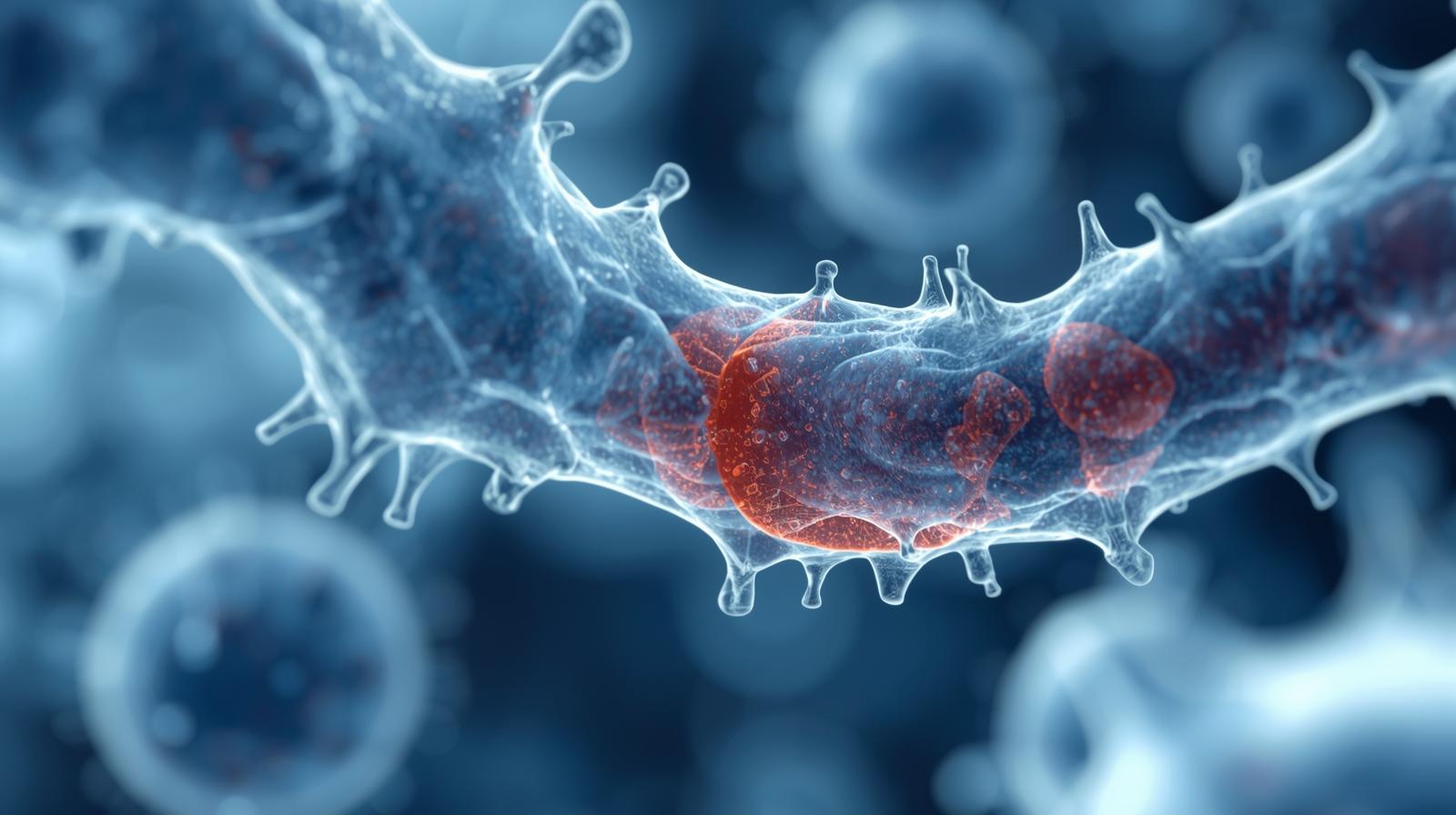
How Do Bone Marrow Transplants Work – A Complete Patient Guide in Delhi
A bone marrow transplant is a life-saving medical procedure used to treat serious blood and immune system disorders. For patients and families in Delhi seeking clear, trustworthy information, understanding how do bone marrow transplants work is the first step toward informed decision-making.
At Indian Health Adviser, we aim to explain complex medical topics in a simple, patient-friendly way—without exaggeration, confusion, or unnecessary medical jargon.
Understanding Bone Marrow and Its Role in the Body
What Is Bone Marrow?
Bone marrow is the soft, spongy tissue found inside large bones such as the hip and thigh bones. It is responsible for producing:
-
Red blood cells (carry oxygen)
-
White blood cells (fight infections)
-
Platelets (help with blood clotting)
When bone marrow stops functioning properly due to disease or damage, the body can no longer maintain healthy blood cell levels.
Why Bone Marrow Becomes Damaged
Bone marrow may fail due to:
-
Blood cancers like leukemia or lymphoma
-
Genetic blood disorders such as thalassemia
-
Bone marrow failure syndromes
-
Damage from chemotherapy or radiation
In such cases, a bone marrow transplant may be recommended by specialists.
How Do Bone Marrow Transplants Work?
The Basic Principle
To understand how do bone marrow transplants work, think of it as replacing unhealthy or damaged bone marrow with healthy stem cells. These new stem cells travel to the bone marrow and begin producing healthy blood cells.
The goal is to restore the body’s ability to produce normal blood and immune cells.
Conditioning Before the Transplant
Before receiving new stem cells, patients undergo a preparation phase called conditioning, which may include:
-
Chemotherapy
-
Sometimes radiation therapy
This step helps remove diseased cells and suppress the immune system so the new stem cells can engraft successfully.
Types of Bone Marrow Transplants Explained
Autologous Bone Marrow Transplant
In this type, a patient’s own healthy stem cells are collected and stored before high-dose treatment. After treatment, these cells are returned to the body.
Commonly used when the bone marrow itself is not diseased but needs protection during intensive therapy.
Allogeneic Bone Marrow Transplant
Here, stem cells are taken from a matched donor—often a sibling or an unrelated donor found through a registry.
This method is used when the patient’s bone marrow is affected by genetic or malignant conditions.
Haploidentical Transplant
When a full donor match is unavailable, a partially matched family member may be considered under specialist supervision.
Step-by-Step Bone Marrow Transplant Process
Stem Cell Collection
Stem cells are collected either from:
-
Bone marrow
-
Peripheral blood
-
Umbilical cord blood
The collection method depends on medical requirements and donor suitability.
Transplant Infusion
The stem cells are infused into the patient’s bloodstream through an IV line—similar to a blood transfusion. No surgery is involved at this stage.
Engraftment and Recovery
Over the next few weeks, the new stem cells settle in the bone marrow and begin producing blood cells. This phase requires close monitoring for infections and complications.
Recovery and Long-Term Care After Transplant
Hospital Stay and Monitoring
Patients usually remain under strict medical supervision during early recovery. Blood counts, immune response, and organ function are monitored regularly.
Life After a Bone Marrow Transplant
Recovery is gradual and varies from person to person. Patients may need:
-
Regular follow-ups
-
Infection prevention measures
-
Nutritional and lifestyle guidance
Long-term care plays a crucial role in transplant success.
Bone Marrow Transplant Support in Delhi
Access to Specialized Care
Delhi is home to several advanced medical centers offering bone marrow transplant evaluation and treatment. However, navigating hospitals, specialists, and procedures can be overwhelming.
How Indian Health Adviser Helps
Indian Health Adviser supports patients and families by:
-
Explaining treatment options clearly
-
Guiding patients through the transplant journey
-
Connecting them with appropriate medical resources
Our goal is to help you understand your options, not push decisions.
When Should You Consider a Bone Marrow Transplant?
Conditions That May Require a Transplant
A bone marrow transplant may be considered for:
-
Leukemia and other blood cancers
-
Severe aplastic anemia
-
Inherited blood disorders
-
Certain immune system diseases
Only a qualified medical specialist can determine suitability after proper evaluation.
Get Trusted Guidance from Indian Health Adviser
If you or a loved one is exploring treatment options and wants to understand how do bone marrow transplants work, expert guidance can make the journey clearer and less stressful.
📍 Location: Delhi
📞 Call Us: 9990205353
🌐 Website: https://www.indianhealthadviser.com/bone-marrow-transplant/what-is-a-bone-marrow-transplant-and-how-does-it-work/
🏥 Brand: Indian Health Adviser
👉 Reach out for reliable information, compassionate guidance, and patient-first support—so you can take the next step with confidence.


