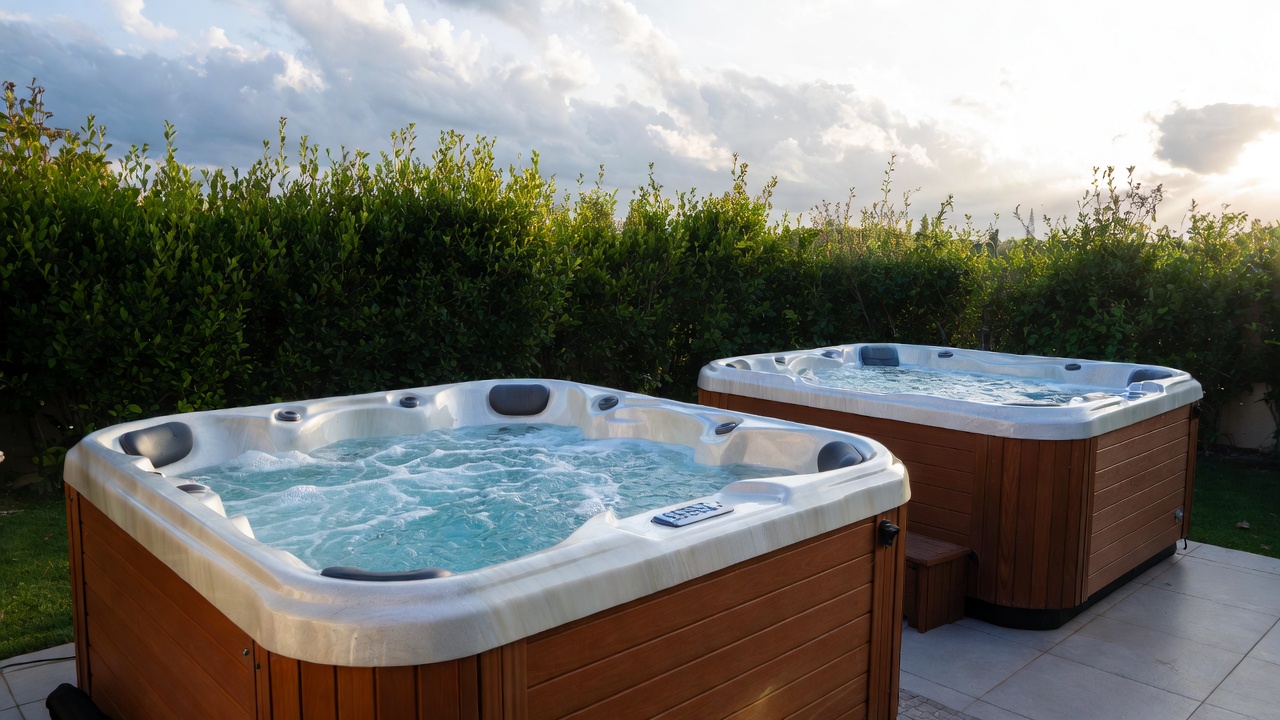
Hot Tubs for Joint Health: Soothing Relief Beneath the Surface
Joint pain and stiffness can quietly chip away at everyday comfort—whether it’s from arthritis, an old injury, overuse, or simply the passage of time. While medications and physical therapy are common go-to solutions, one often overlooked (and deeply enjoyable) option is hydrotherapy. Specifically, hot tubs can play a meaningful role in supporting joint health and improving overall mobility.
How Heat Helps Joints
Warm water does wonders for the body. When you immerse yourself in a hot tub, the heat increases blood circulation, delivering more oxygen and nutrients to muscles and joints. This enhanced circulation helps reduce inflammation and promotes natural healing processes. Heat also relaxes tight muscles surrounding the joints, which can ease pressure and reduce pain.
For people with conditions like osteoarthritis or rheumatoid arthritis, stiffness is often worst in the morning or after long periods of inactivity. A short soak in a hot tub can loosen joints, making movement easier and less painful for hours afterward.
The Power of Buoyancy
One of the biggest joint-friendly benefits of hot tubs is buoyancy. Water supports body weight, reducing stress on joints such as knees, hips, and the spine. In fact, water can reduce weight-bearing by up to 90%, depending on immersion depth. This makes gentle movement possible even for those who struggle with land-based exercise.
In a hot tub, you can safely perform light stretches and range-of-motion exercises without the fear of impact or strain. Over time, this can help maintain flexibility, strengthen surrounding muscles, and protect joints from further wear.
Massage That Goes Deeper
Most hot tubs are equipped with therapeutic jets that provide targeted massage. These jets help release muscle knots, improve lymphatic drainage, and reduce joint stiffness. When muscles around a joint are relaxed, the joint itself can move more freely and with less discomfort.
Targeted hydro-massage can be especially beneficial for problem areas like the lower back, shoulders, and knees—areas that commonly bear the brunt of daily stress.
Stress Reduction and Better Sleep
Joint pain isn’t just physical; it often affects mood, energy levels, and sleep quality. Hot tubs encourage relaxation by lowering stress hormones and triggering the release of endorphins—the body’s natural painkillers. A soak in the evening can also help regulate body temperature and promote deeper, more restorative sleep, which is essential for tissue repair and pain management.
Using Hot Tubs Safely for Joint Health
While hot tubs are generally safe, moderation is key. Limit sessions to 15–20 minutes, keep water temperatures around 100–102°F (38–39°C), and stay hydrated. People with cardiovascular conditions or severe inflammation should consult a healthcare professional before regular use.
A Warm Step Toward Healthier Joints
Hot tubs aren’t a cure for joint conditions, but they can be a powerful complementary tool. By combining heat, buoyancy, and massage, they offer a natural, low-impact way to ease pain, improve mobility, and enhance quality of life. Sometimes, the path to healthier joints really does start with simply slowing down—and soaking it all in.


