What to Expect During TMS Melbourne Sessions
When you are considering a new medical treatment, it is completely normal to feel a mix of curiosity and apprehension. If you have been researching TMS Melbourne as a potential solution for depression, anxiety, or chronic pain, you likely want to know exactly what happens once you step inside the clinic. Transcranial Magnetic Stimulation (TMS) is a non-invasive procedure that uses magnetic pulses to stimulate specific nerve cells in the brain. At Cortical TMS, the focus is on providing a high level of personalized care, starting with a comprehensive psychiatric assessment to ensure the treatment is tailored to each individual’s neurological profile. This approach provides a biological solution for those seeking relief without the systemic side effects often associated with long-term medication use.
This guide will walk you through the entire process of a typical session, from the initial setup to the post-treatment experience, helping you feel prepared and comfortable as you begin your journey toward better mental health in the Melbourne area.
The Importance of the Initial Mapping Session
Before your regular daily sessions begin, you will undergo a specialized "mapping" session at Cortical TMS. This is perhaps the most critical part of the process because it determines the exact location and intensity of the magnetic pulses. Every person’s brain is shaped slightly differently, and the specific areas responsible for mood regulation can vary by a few millimeters from person to person.
During this initial visit, Dr. Shanek Wick or a trained technician will identify your "motor threshold." This involves delivering small pulses to the part of the brain that controls your thumb movement. Once they see a tiny twitch in your thumb, they know they have found the right intensity for your specific brain chemistry. From there, they use precise measurements to locate the prefrontal cortex, which is the target area for treating depression and anxiety.
This level of precision is what makes TMS so effective. By taking the time to map your brain accurately, the team at Cortical TMS ensures that the stimulation is delivered exactly where it will do the most good, maximizing your chances of a successful outcome.
What Does a Typical Daily Session Look Like?
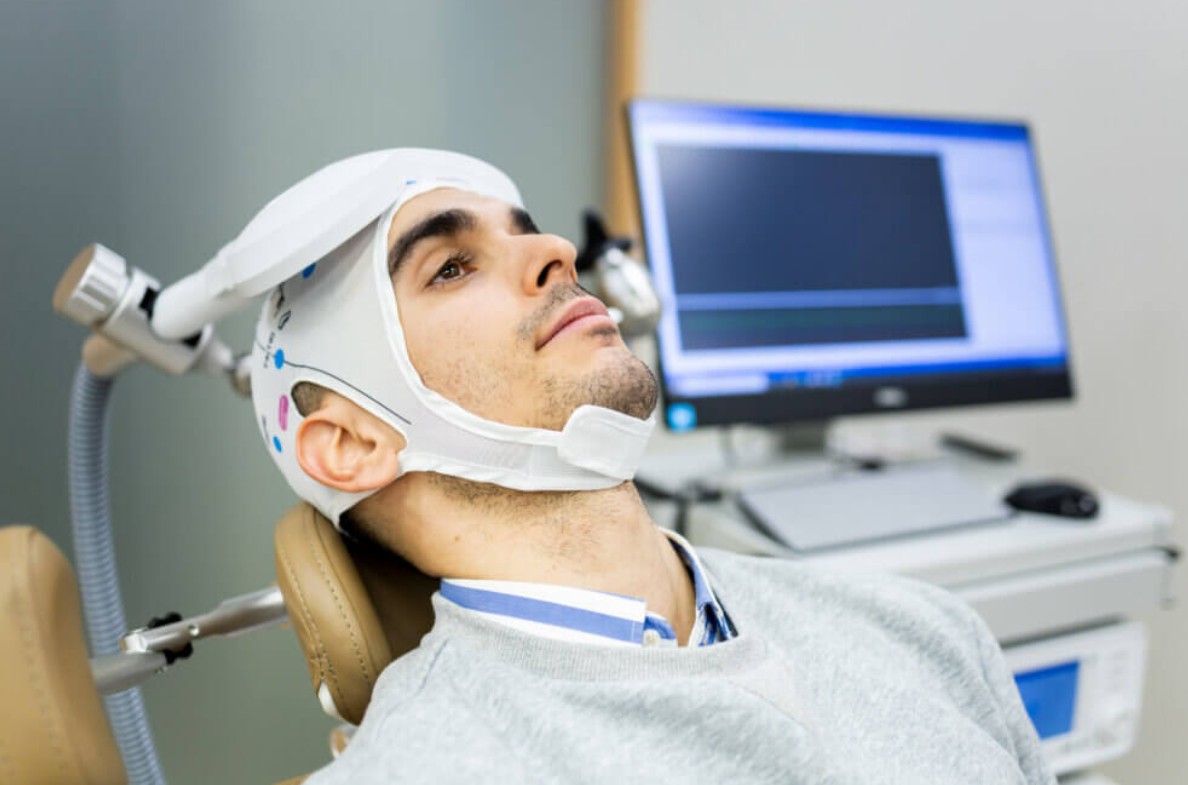
Once your mapping is complete, your daily sessions will follow a very predictable and relaxed routine. When you arrive at the Moonee Ponds clinic, you will be seated in a comfortable, reclining chair—much like one you might find in a high-end dental office or a spa. You remain fully clothed and fully awake throughout the entire process.
A magnetic coil, housed in a plastic casing, is positioned gently against your scalp. Once the machine is turned on, you will hear a rapid clicking sound, often compared to the sound of a typewriter or a woodpecker. Simultaneously, you will feel a tapping sensation on your head. Most patients describe this as a light, rhythmic tapping that is easily tolerable.
Because the treatment is non-invasive, you can spend the 20 to 40 minutes of your session engaging in light activity. Many patients at Cortical TMS choose to watch television, listen to music, or simply chat with the technician. There is no need for silence or stillness, making the experience feel much less like a "medical procedure" and more like a brief pause in your day.
Managing the Sensation and Comfort Levels
While the tapping sensation is unique, it should never be painful. During your first few sessions, the technician will gradually "ramp up" the intensity to your prescribed level. This allows your scalp and your nerves to acclimate to the sensation. If at any point you feel uncomfortable, the technician can adjust the positioning or the intensity immediately.
At Cortical TMS, patient comfort is a top priority. The team is highly experienced in helping patients settle into the routine. Most people find that after the first three or four sessions, they become so used to the tapping that they can almost ignore it. Some even find the rhythmic nature of the pulses to be somewhat relaxing.
It is also worth noting that unlike other brain stimulation therapies, TMS does not involve any electrical current entering the body. It is purely magnetic, which is why it doesn't cause the "shocks" or systemic distress that people sometimes fear when they think of advanced mental health technology.
The Convenience of No Recovery Time
One of the biggest draws for patients in Melbourne is the fact that TMS requires absolutely no downtime. In our busy modern world, taking weeks off for a hospital stay or dealing with the "fog" of a new medication can be impossible. With TMS, there is no anesthesia and no sedation.
As soon as the coil is removed at the end of your session, you are free to go. You can drive yourself home, go straight back to the office, or head to the gym. There are no restrictions on your physical or cognitive activities. This makes it an ideal choice for professionals, parents, and anyone who needs to stay "on" throughout the day.
The team at Cortical TMS sees many patients who fit their sessions into their lunch breaks or early morning routines. The ability to receive high-level psychiatric care without disrupting your life is a significant advantage of this non-invasive approach.
Potential Side Effects and What to Expect After
While TMS is incredibly safe, it is not entirely without minor side effects. The most common experience is a mild tension headache or some slight scalp sensitivity at the site of the stimulation. These usually occur during the first week of treatment as your body adjusts and typically fade within an hour or two of the session ending.
If you do experience a mild headache, standard over-the-counter pain relief is usually more than enough to manage it. Unlike the side effects of medication—which can last as long as you take the drug—TMS side effects are temporary and usually disappear completely as the treatment course progresses.
At Cortical TMS, your progress and any side effects are monitored daily. If you have any concerns, Dr. Shanek Wick and his staff are always available to discuss them and make adjustments to your personalized care plan.
The Importance of Consistency in Treatment
For TMS to be effective, consistency is key. The treatment works by encouraging neuroplasticity—the brain's ability to form new neural connections. Just like going to the gym, one session won't produce a transformation; it is the repeated stimulation over time that creates lasting change.
A standard course at Cortical TMS involves sessions five days a week for about four to six weeks. While this sounds like a significant commitment, the short duration of each session makes it manageable. Missing sessions can slow down your progress, so the team works closely with you to find a schedule that fits your life in Melbourne.
Most patients begin to feel a "lifting" of their symptoms around the third or fourth week. This gradual improvement is a sign that the brain circuits are beginning to function more efficiently on their own.
Why Choose Cortical TMS for Your Sessions?
Choosing the right clinic is just as important as choosing the right treatment. Cortical TMS in Moonee Ponds offers a blend of advanced technology and a compassionate, patient-first philosophy. Dr. Shanek Wick, the owner and lead spokesperson, ensures that every patient feels like a person, not just a number.
The clinic environment is designed to be calming and professional, reducing the anxiety that often comes with seeking mental health care. From the initial psychiatric consultation to the final session of your course, you are supported by a team that understands the nuances of depression, anxiety, and chronic pain.
Ready to Take the Next Step?
If you are ready to experience a different kind of mental health care, understanding what to expect is the first step. You don't have to continue struggling with treatments that leave you feeling drained or discouraged. TMS provides a clear, structured, and evidence-based path toward feeling like yourself again.
To discuss your specific needs or to book your initial assessment, you can reach out to the team at Cortical TMS. They are ready to help you navigate the process and determine if a personalized care plan involving TMS is the right move for you.
Contact Dr. Shanek Wick and the team at Cortical TMS by calling +61361601533 or by emailing [email protected]. Your journey toward a more balanced life starts with a single conversation.


